Wilier
Filante HybridShimano 105 Di2 R7170 2x12sp Mahle X20 (Wilier Hy-Ndr28ac Alloy)
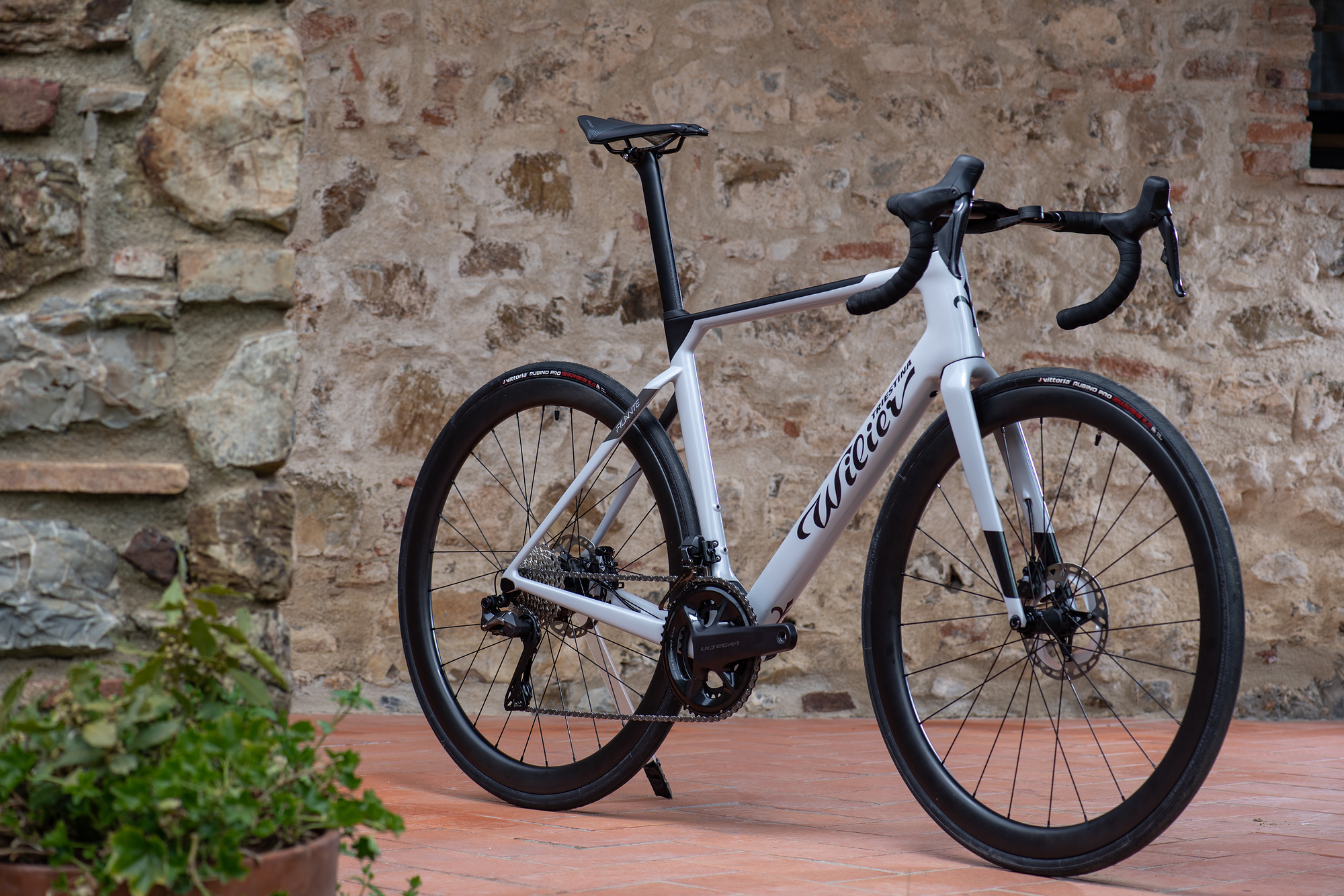
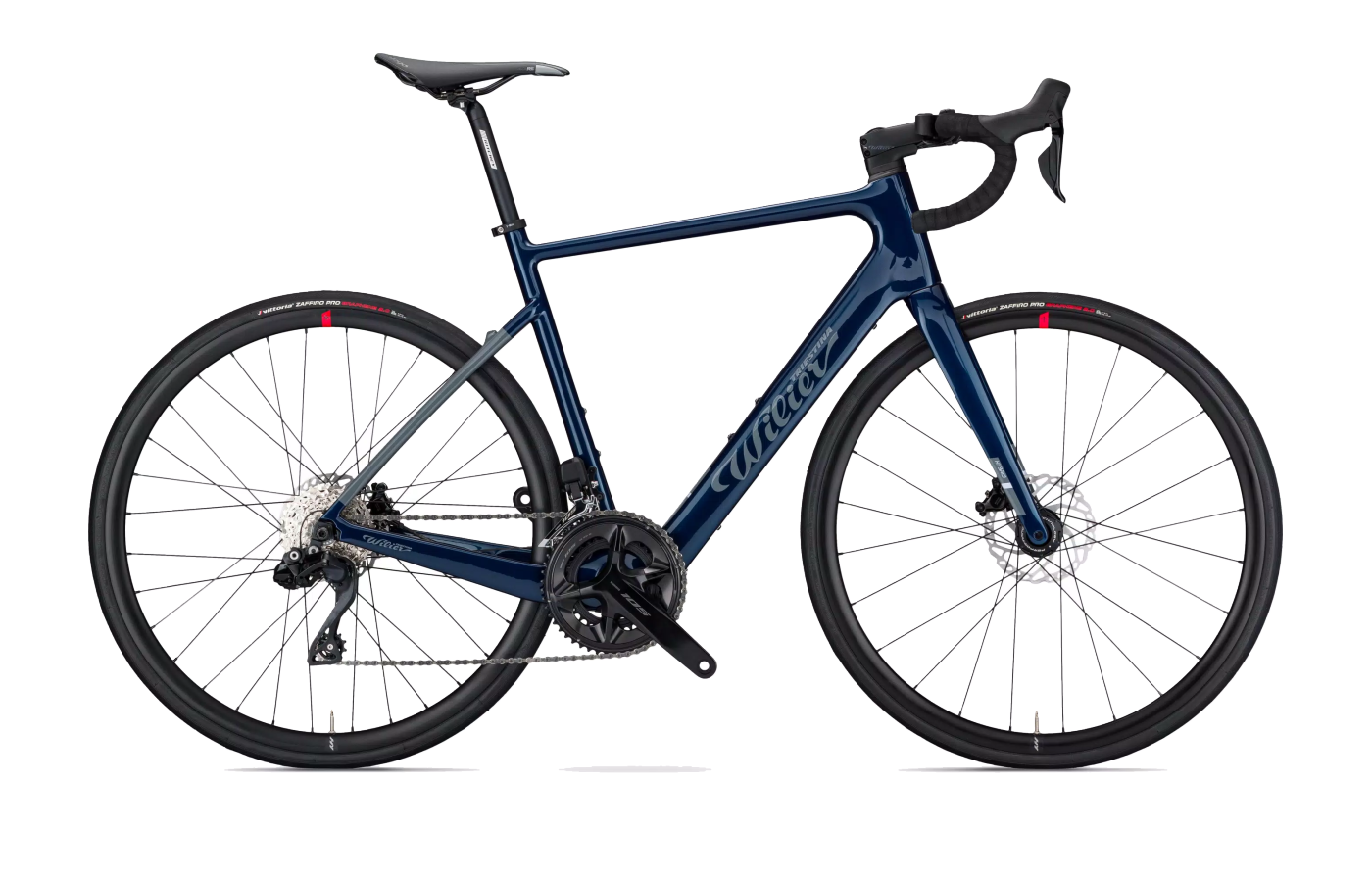
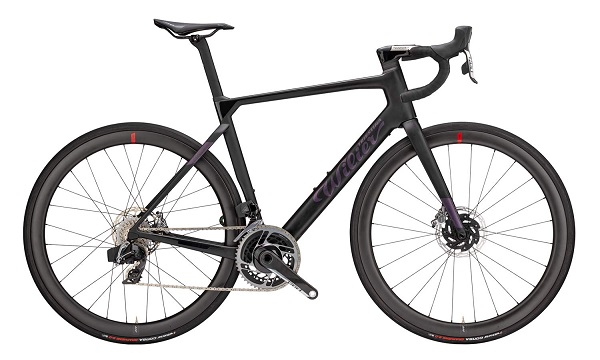
The Wilier Filante Hybrid is not a comfort-first e-road bike dressed up with aero details; it is an aero road platform built around the Mahle X20 rear-hub system and adapted for longer-distance usability. The frame is Wilier’s FILANTE HY carbon monocoque in HUS-MOD carbon, paired with a matching carbon fork, fully integrated cockpit, hidden cable routing, and a very clean electrical layout with no obvious frame openings beyond the charge port. That gives it a notably stealthy execution for an assisted road bike, and it also helps explain why this generation has remained current from 2023 onward without a wholesale replacement.
Spec sheet.
Every component shipped with this build.
Geometry & fit.
6 sizes published.
The geometry shows a clear endurance tilt despite the bike’s Filante SLR-like appearance. Across the size range, stack is relatively generous and reach is moderate: a size L pairs a 586mm stack with 384mm reach, while the XL grows to 604mm stack and 389mm reach. Head angles are also relaxed by modern aero-road standards, ranging from 71 degrees in XS to 72.5 degrees in L, XL and XXL, with chainstays of 409-414mm and wheelbases from 977mm to 1027mm. Those numbers point to a more upright fit and calmer steering than a pure race bike.
On the road, that should translate to stable high-speed handling, less front-end drop, and reduced fatigue over long rides. The moderate reach and taller stack make it easier to achieve a sustainable position without excessive spacer use, while the 412mm rear center on most sizes and the long wheelbase support straight-line composure and predictable descending manners. Reviewers’ comments about the bike feeling more like a fast endurance machine than a twitchy aero racer line up closely with these figures.
Where the handlebar sits relative to the bottom bracket — the single most important fit pair.
01Fit geometry5 values
02Component geometry1 values
03Handling geometry4 values
Which size should I buy?
Slide your height to see the recommended size. GearWise's fit algorithm works from the published stack, reach, and ETT — the brand's own recommendation may differ.
→Calculated from GearWise's own stack / reach / ETT algorithm — the brand's size chart may recommend a different size, and a proper bike fit beats any calculator.
The lineup.
6 builds, ranging $9,750 – $14,500.
The Filante Hybrid is offered in six complete builds, all centered on the same Mahle X20 system but split across Shimano and SRAM drivetrains and two wheel tiers. Shimano options run from 105 Di2 R7170 2x12 through Ultegra Di2 R8170 to Dura-Ace Di2 R9270, while SRAM Force AXS E1 2x12 appears in both alloy- and carbon-wheel configurations. That gives buyers a wide performance spread without changing the underlying frame, motor, or battery concept.
The biggest spec divider is wheel choice. Several builds use Wilier HY-NDR28AC alloy wheels, while the higher-spec versions move to Miche Kleos Hybrid 42 carbon wheels; the flagship Dura-Ace build is also listed with Miche Kleos Hybrid 42 carbon. Review coverage suggests this matters to the bike’s value equation: reviewers were notably less impressed by premium-priced builds that still used alloy wheels, while the carbon-wheel packages make more sense for riders who want to capitalize on the bike’s low-weight, high-speed brief. Across the range, the common thread is premium integration rather than bargain pricing.


From the press.
9 reviews from the cycling press.
Reviewers consistently describe the Filante Hybrid as one of the most convincing lightweight e-road bikes in the category because the assist feels unusually natural. BikeRadar, Opticycles and others all point to the Mahle X20’s torque- and cadence-based response as a major strength: the 250W, 55Nm rear-hub system adds help progressively rather than with the abrupt surge that can make some e-bikes feel artificial. Several testers also praised how little resistance the bike shows above the 25kph assistance limit, with Bicidastrada noting that it remains easy to hold 30-38kph on rolling roads and can even feel as though the rear hub helps preserve momentum. Long-range efficiency was another recurring positive, with one tester reporting 182km and 1,550m of climbing from the 236Wh battery under measured use.
Ride and handling impressions were similarly favorable, though with more nuance. Multiple outlets said Wilier successfully shifted the bike away from the Filante SLR’s sharper race-bike personality toward a more stable, fast-endurance feel, and Biker.sk specifically praised the bike’s control, low weight and comfort over long distances. Reviewers also highlighted front-end comfort from the integrated carbon cockpit and the bike’s ability to mute road buzz despite its aero silhouette. The main criticisms were price and, to a lesser extent, rearward weight bias. BikeRadar concluded that the bike is very impressive but undermined by cost, while Cyclonline was more direct in arguing that the rear-hub layout leaves the back end feeling heavy compared with newer mid-drive rivals. Even so, the broad consensus is that Wilier’s low overall weight and polished integration largely offset those compromises.
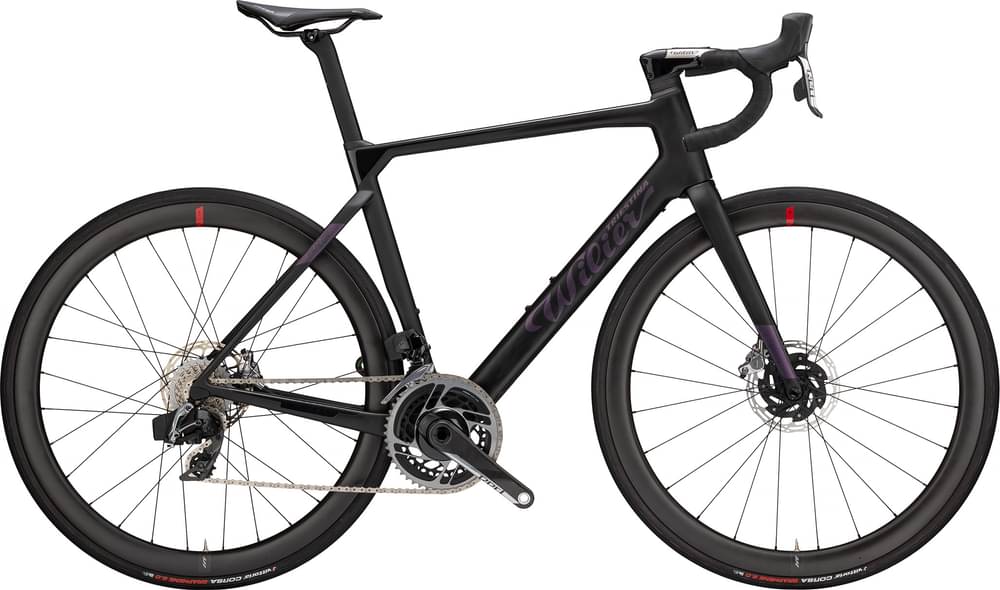
WILIER FILANTE HYBRID SHIMANO ULTEGRA DI2 R8170 12S + MAHLE EBIKEMOTION 2023 - Review, Weight & Price
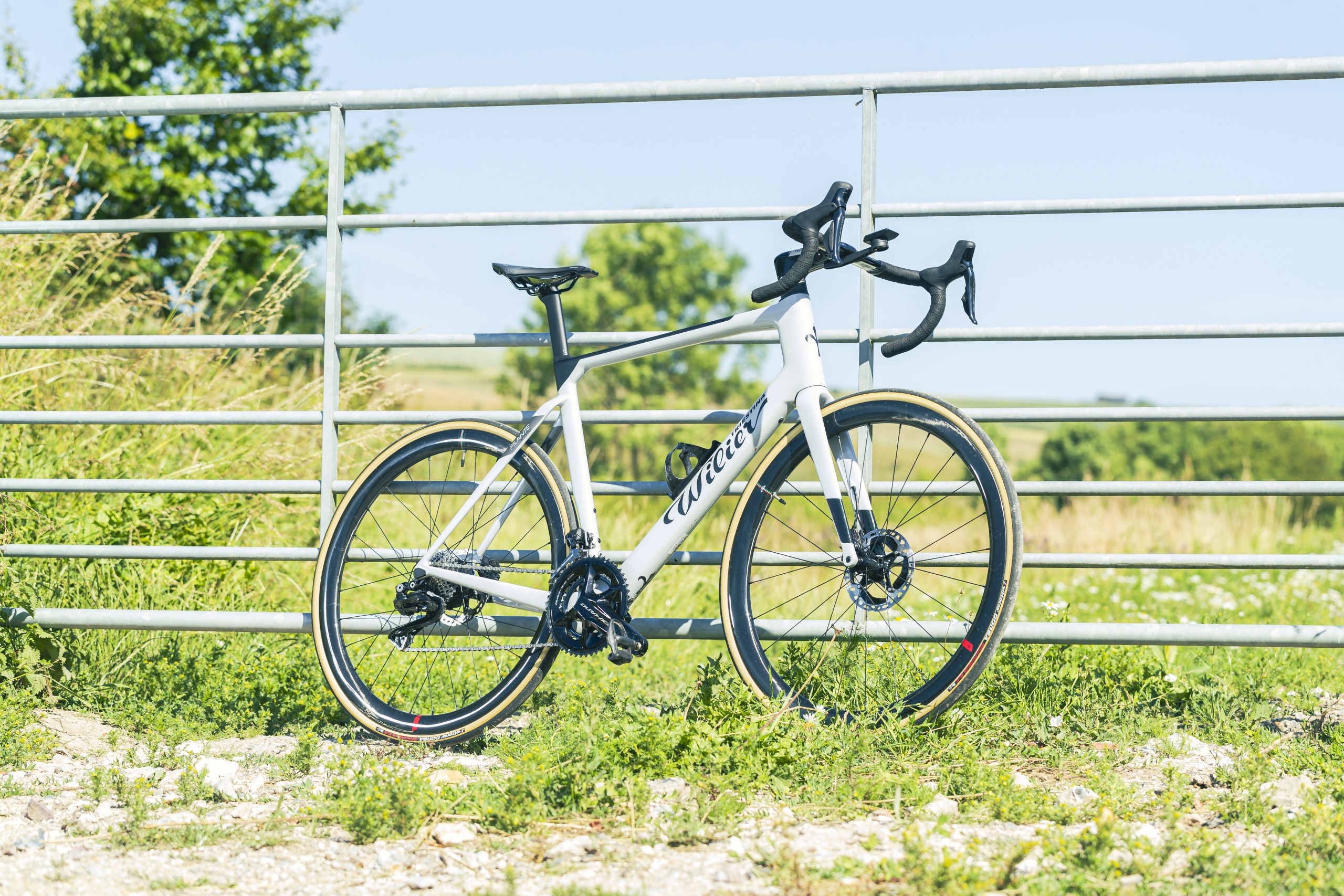
Test: Wilier Filante SLR Hybrid – Biker.sk
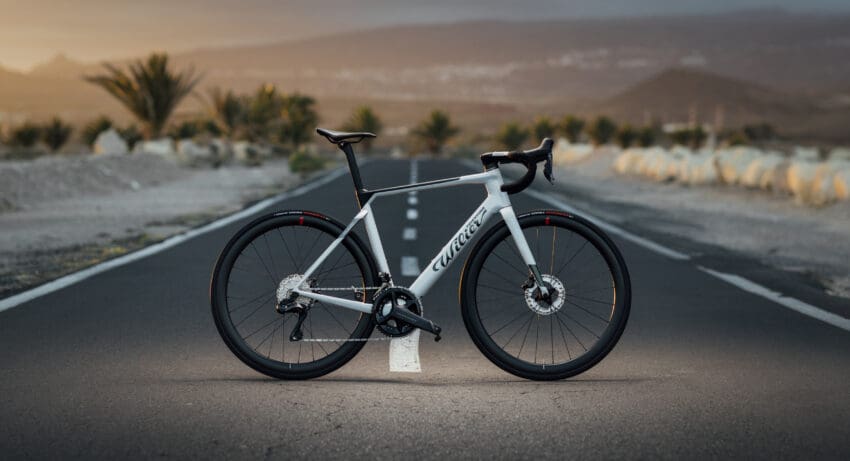
Wilier Filante SLR Hybrid: A High-Performance Electric Road Bike
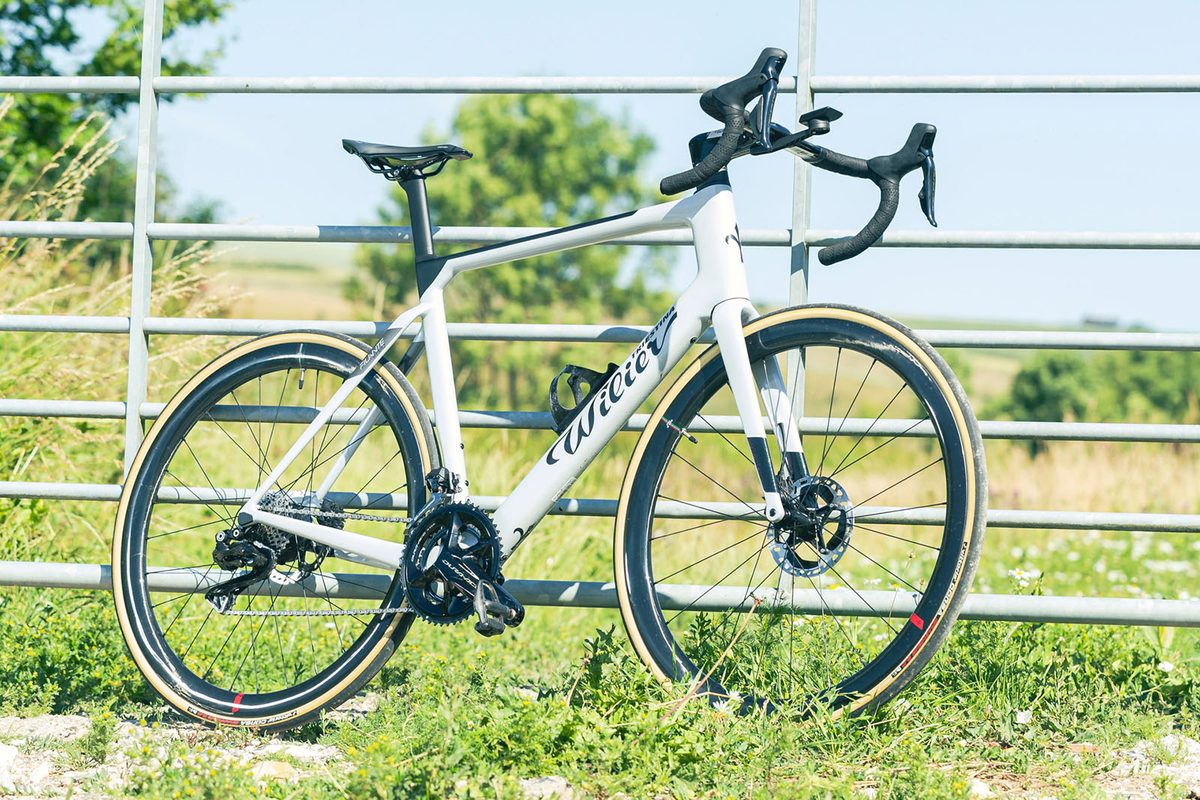
Wilier Filante SLR Hybrid review - Electric Bikes - Bikes
Wilier Filante SLR Hybrid review - Electric Bikes - Bikes
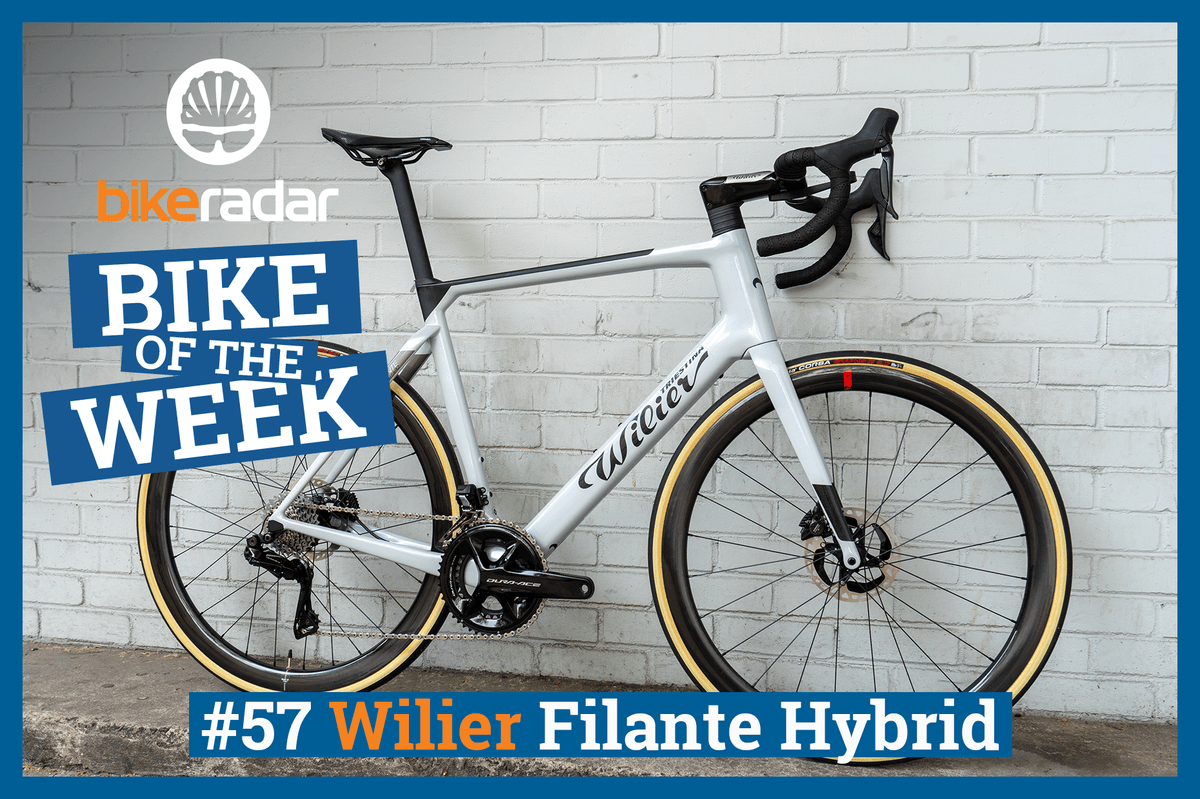
Wilier's Filante Hybrid combines Mark Cavendish's road bike with an ...
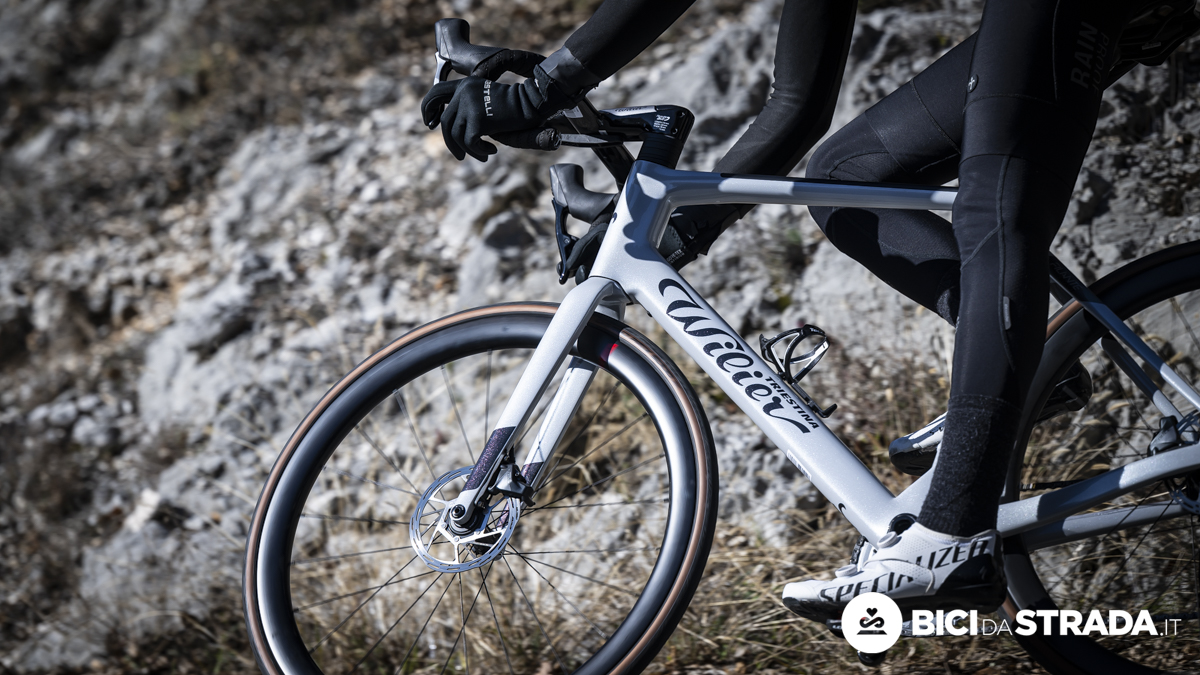
TEST - Wilier Filante Hybrid: la prova di lunga durata
Wilier Filante Hybrid reviews opinions defects