LTE
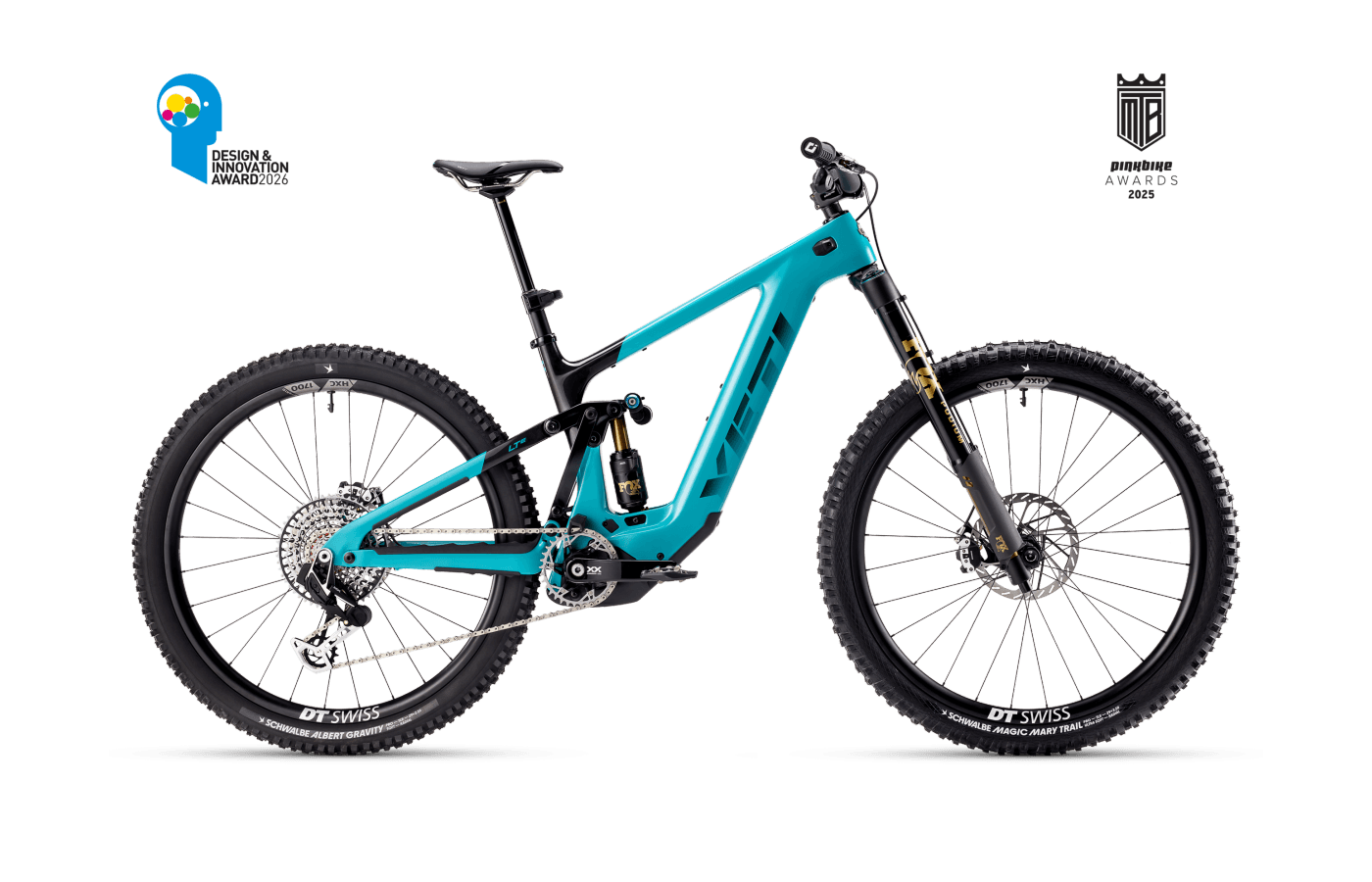
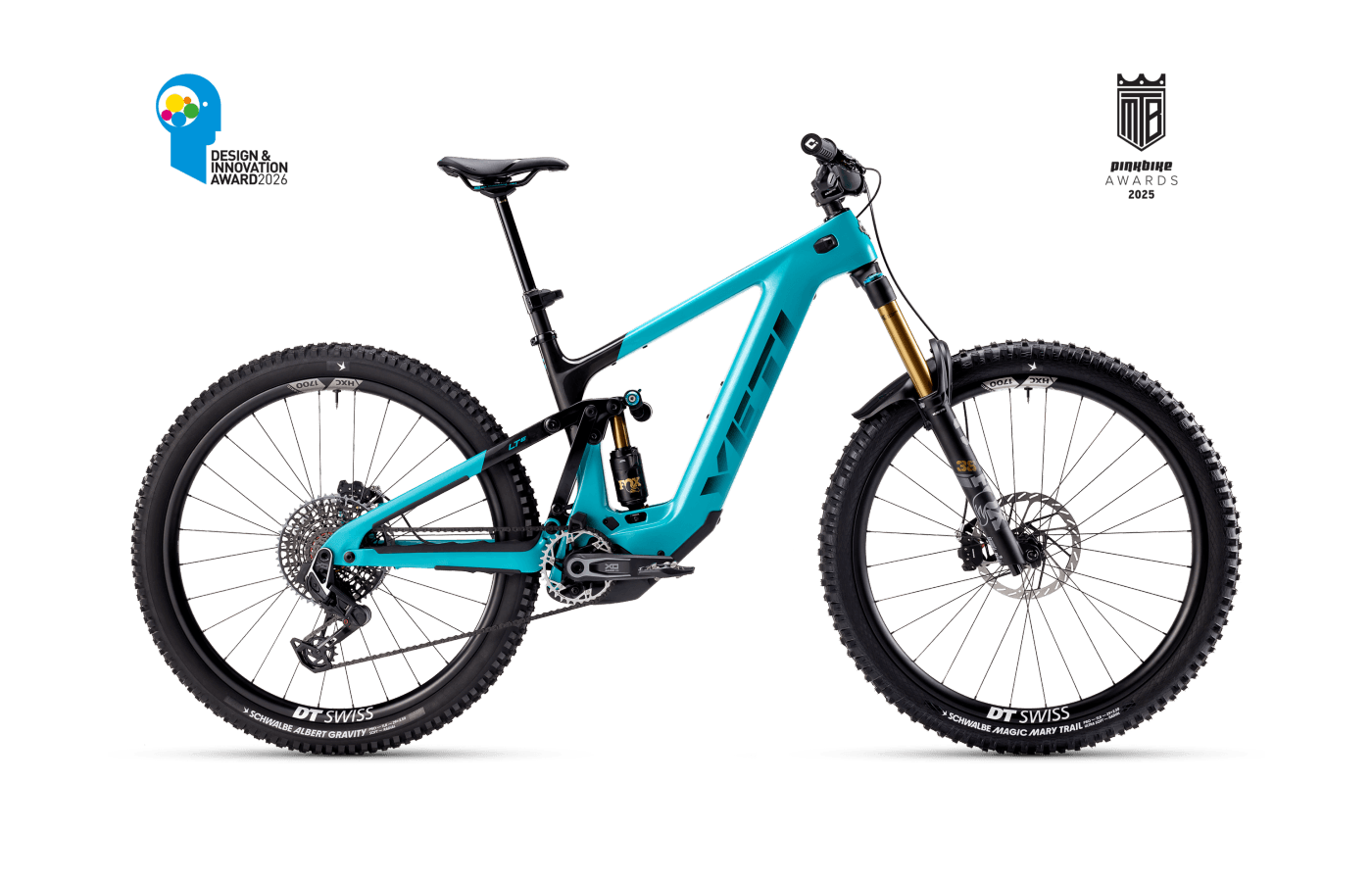
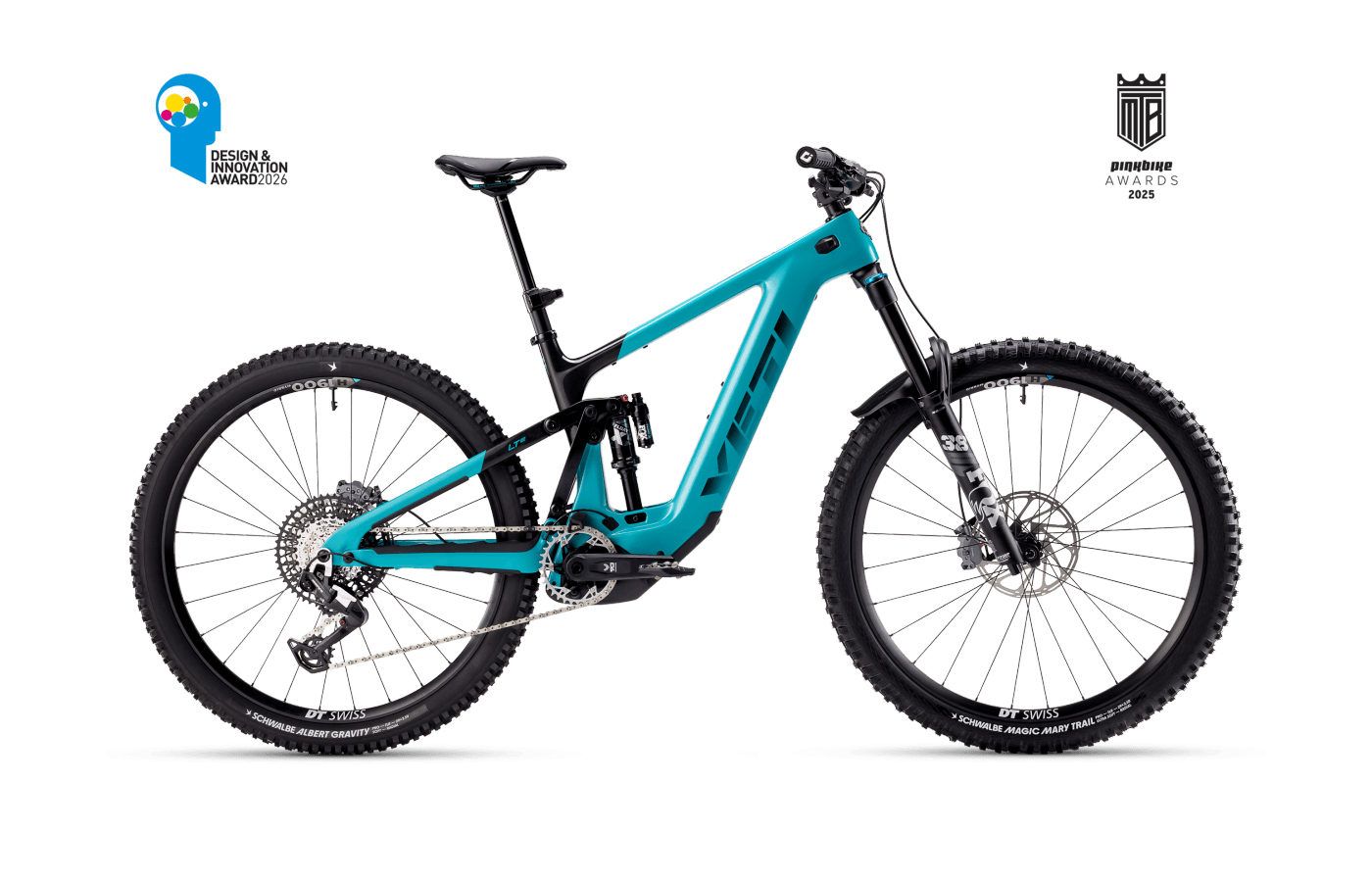
The Yeti LTe is the brand’s full-power e-enduro platform for 2026 onward, replacing the 160E with a more current chassis around Bosch’s latest drive systems. It retains Yeti’s Sixfinity six-bar suspension layout and 160 mm of rear travel, but the broader update is about modernizing the bike’s proportions, integration, and powertrain. The platform is built around Bosch Performance Line CX or CX-R motors, a removable 800 Wh battery, a Bosch Kiox top-tube display, and compatibility with a smaller 600 Wh battery or Bosch’s PowerMore range extender on most sizes. That puts the LTe squarely in the category of long-range, full-power e-MTBs intended for aggressive trail and enduro use rather than lightweight assistance or all-round recreational riding.
What distinguishes the LTe is that Yeti has not simply swapped motors into the old frame. Compared with the 160E, it is longer and slacker, with a 64-degree head angle, more reach across the size range, a slightly longer rear center, and a taller front end. Those changes point to greater composure at speed and a more stable stance on steep terrain. At the same time, Yeti keeps several tuning features that matter to experienced riders: mixed-wheel compatibility that preserves geometry via flip chips, adjustable suspension progression through rate chips, and practical frame details including a downtube battery-access guard, integrated chainguide, cable routing designed to reduce noise, and top-tube accessory mounts. In the market, the LTe sits as a premium, gravity-oriented 29er e-enduro bike with a strong emphasis on descending stability, battery capacity, and chassis adjustability.
The lineup.
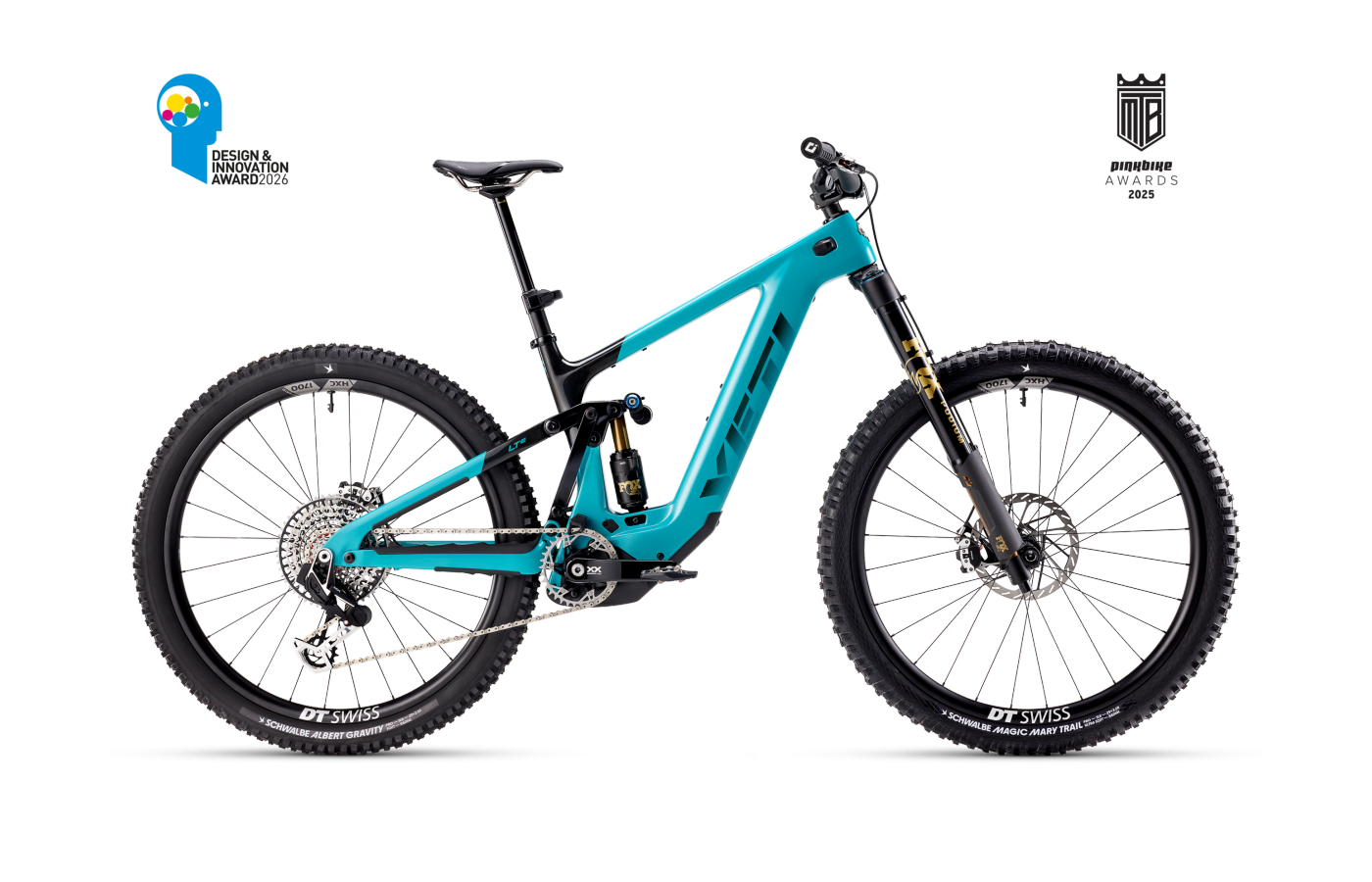
3 builds, ranging $10,300 – $14,900.
The LTe range is offered in three builds: T4 XX AXS Transmission, T3 X0 AXS Transmission, and C2 90 Transmission. Even without detailed pricing or full component lists, the naming makes the lineup structure clear. The T4 XX AXS Transmission sits at the top end, followed by the T3 X0 AXS Transmission, while the C2 90 Transmission serves as the more accessible build in the range.
All three builds appear centered on SRAM Transmission drivetrains, which fits the bike’s premium, hard-use e-enduro positioning. The main differentiation is likely in component tier rather than the underlying frame concept, since all builds share the same core LTe platform with Sixfinity suspension, Bosch full-power integration, and the 160 mm rear-travel chassis. Based on the build names alone, the T4 is the flagship option for riders prioritizing top-tier wireless components, the T3 offers a slightly lower but still high-end spec, and the C2 90 Transmission is the likely value point for riders who want the same frame and motor platform without the most expensive parts.