YT
DecoyMX Core 1 CF
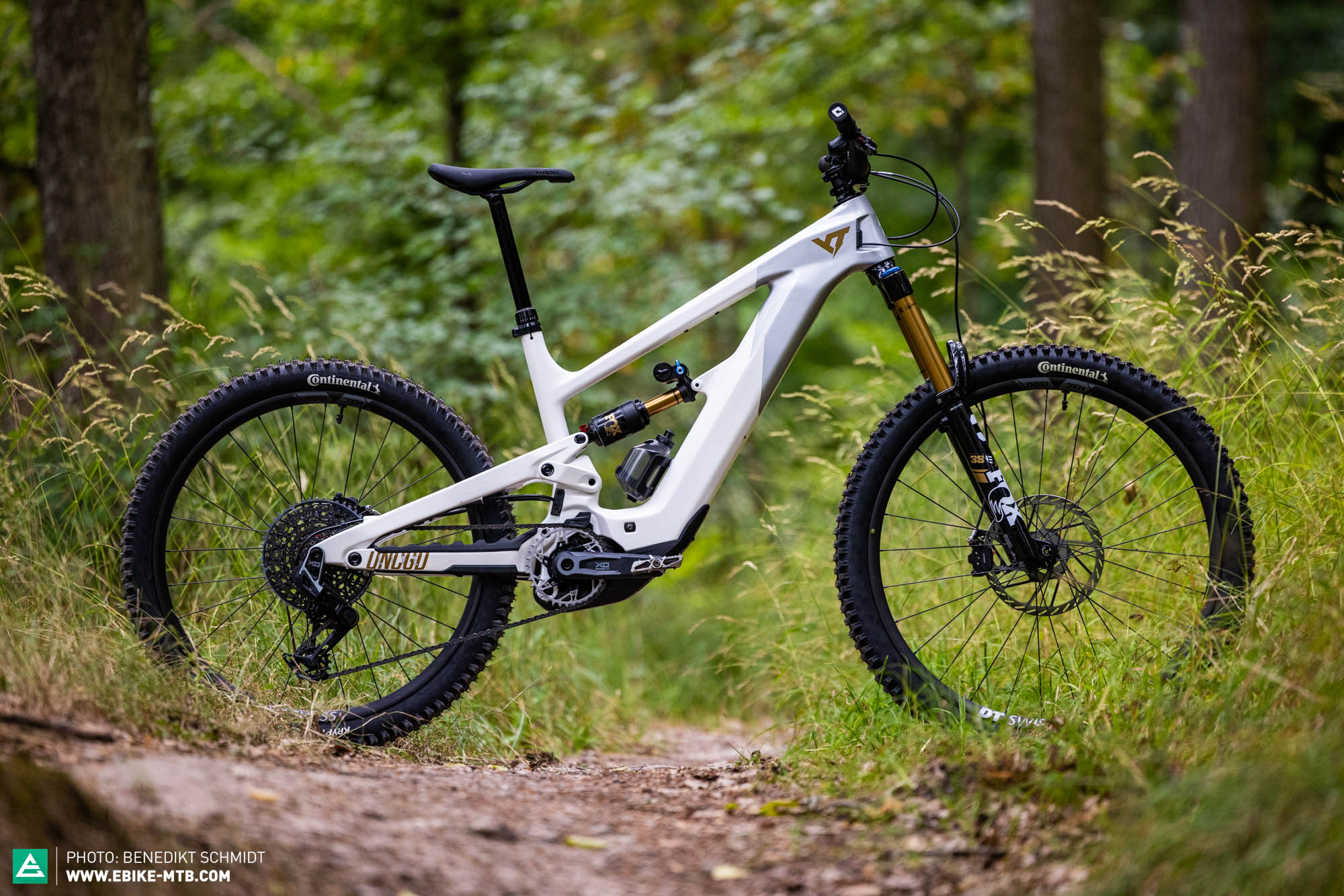
The 2025 YT Decoy is a full-power e-enduro bike that shifts the platform decisively toward gravity use. Compared with the previous Shimano-based Decoy, this generation adopts Bosch’s Performance Line CX system with an 800 Wh PowerTube battery, a top-tube Kiox 400C display, and Mini Remote, while moving to an Ultra Modulus carbon frame with YT’s V4L suspension layout. Travel increases to 180 mm front and 170 mm rear, and the bike is now built exclusively around a mullet wheel format. Those changes place the Decoy firmly in the category of long-travel, bike-park-capable e-MTBs rather than do-it-all trail bikes.
What distinguishes this generation is not just the Bosch integration, but the way YT has packaged a very modern gravity chassis around it. The frame uses external cable routing rather than sending hoses through the headset, includes a flip-chip for geometry adjustment, and is clearly designed around stability, battery range, and service-friendly details. In the market, the Decoy sits as a direct-to-consumer alternative to premium full-power enduro e-bikes: a high-capacity, long-travel machine aimed at riders who want downhill composure and technical climbing support without stepping into boutique-brand pricing.
Spec sheet.
Every component shipped with this build.
Geometry & fit.
5 sizes published.
The Decoy’s geometry is clearly tuned around descending stability and centered climbing position. In the low setting, the head angle drops to 63.5 degrees, while the regular setting sits at 64 degrees, both figures that put it firmly in gravity-bike territory. A size Large reach of 475 mm and stack of 655 mm create a roomy, upright cockpit that gives riders a commanding position on steep descents, while the 338 mm bottom bracket height in low helps keep the bike settled through turns. Combined with the MX wheel layout, those numbers point to a bike that prioritizes line-holding composure over quick, playful direction changes.
Climbing fit has improved as well. The 78.1-degree effective seat tube angle moves the rider forward over the bottom bracket, which reviewers consistently said helps on steep technical climbs. YT pairs that with 445 mm chainstays across all sizes and a 1,273 mm wheelbase in Large, a combination that keeps the front wheel planted without making the rear end excessively long for switchbacks. On trail, that translates to a bike that feels balanced and secure at speed, but one that requires more rider input to unweight or throw around at low speed.
Where the handlebar sits relative to the bottom bracket — the single most important fit pair.
Which size should I buy?
Slide your height to see the recommended size. GearWise's fit algorithm works from the published stack, reach, and ETT — the brand's own recommendation may differ.
→Calculated from GearWise's own stack / reach / ETT algorithm — the brand's size chart may recommend a different size, and a proper bike fit beats any calculator.
The lineup.
4 builds, ranging $4,999 – $7,499.
The Decoy range spans four carbon models: MX Core 1 CF, Core 2 CF, Core 3 CF, and Core 4 CF. Review coverage places pricing from €5,999 for the Core 1 up to €8,999 for the Core 4, with one of the key value points being that every version uses the same Ultra Modulus carbon frame and Bosch Performance Line CX motor with 800 Wh battery. That means even the lower-cost builds get the same core chassis, motor system, and overall platform as the flagship, which is a strong proposition in a category where premium frames and big batteries are often reserved for top-end models.
At the top, the Core 4 is the showcase build, with Fox 38 Factory suspension, Fox X2 Factory shock, SRAM XO AXS T-Type drivetrain, SRAM Maven Silver brakes, and DT Swiss HXC 1500 carbon wheels. Reviewers also singled out the Core 3 for its Öhlins RXF38 fork and TTX22 coil shock, an unusual spec at its price, while Emtb-test called the €6,999 Core 2 the lineup’s price-performance standout thanks to its RockShox Select+ suspension and TRP DH-R Evo brakes. The broader theme across the range is that YT keeps the expensive fundamentals consistent and uses component changes to separate trims, making the mid-tier models especially attractive for riders focused on value.
From the press.
5 reviews from the cycling press.
Reviewers were notably consistent in describing the new Decoy as a "mini-downhiller" with a planted, confidence-heavy ride character. Velomotion, E-MOUNTAINBIKE and Wideopen all emphasized how calm and secure it feels when trails get steep, rough, and fast, with suspension that offers excellent sensitivity and substantial reserves on square-edge hits and hard landings. Wideopen highlighted the predictable mid-stroke support from the V4L rear end, while BikeRadar found the bike easy to ride hard quickly thanks to its balanced suspension and updated geometry. The Bosch CX system also drew praise, especially for smooth but powerful climbing assistance and the long practical range from the 800 Wh battery.
The main criticisms centered on versatility rather than outright capability. Several reviewers said the Decoy gives up playfulness in exchange for stability: Velomotion found it hard to manual, and E-MOUNTAINBIKE described it as agile enough but not especially lively on flatter or flowier trails. BikeRadar also noted that the Ultra Modulus carbon chassis can feel quite direct at lower speeds, transmitting more trail feedback than expected and demanding a deliberate riding style on awkward cambers. There were also setup comments; Velomotion felt the Fox Factory suspension was overly progressive out of the box and benefited from removing volume spacers. Across the board, the verdict was that the Decoy is extremely good at charging through difficult terrain, but can feel like too much bike when the trail is mellow.
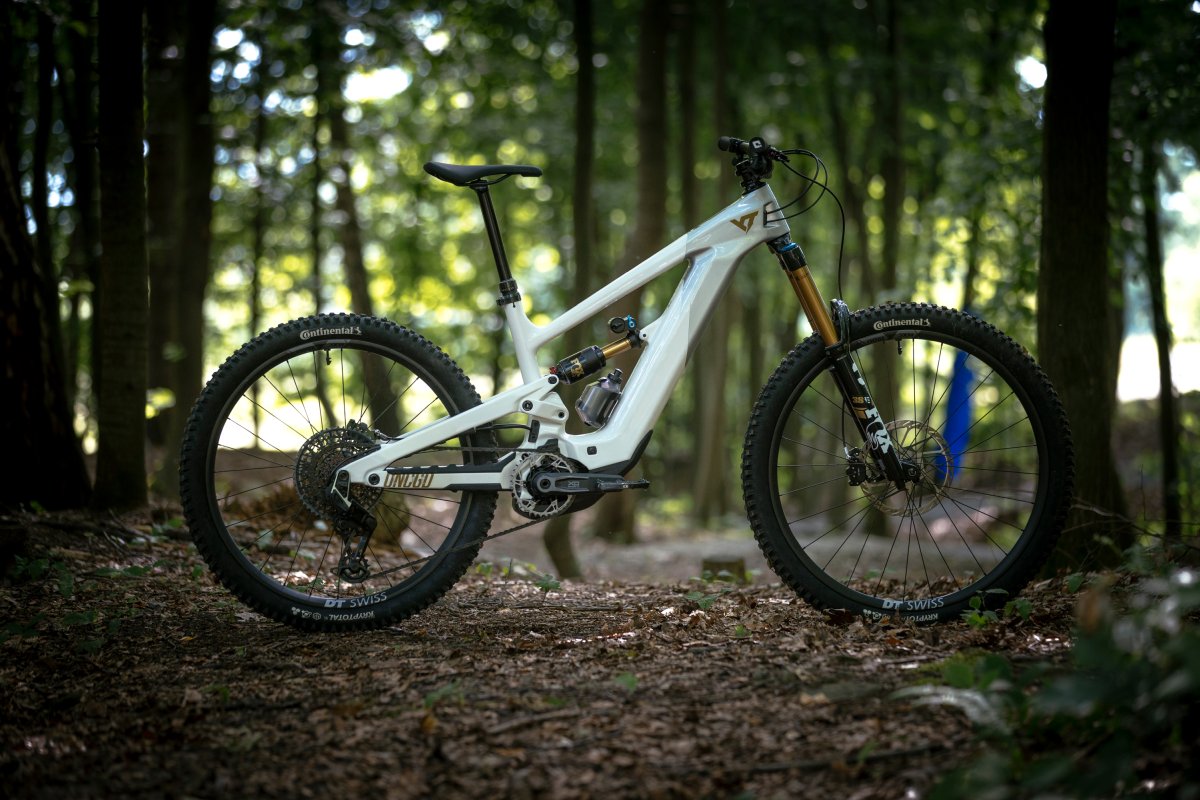
The new YT Decoy in the test Velomotion
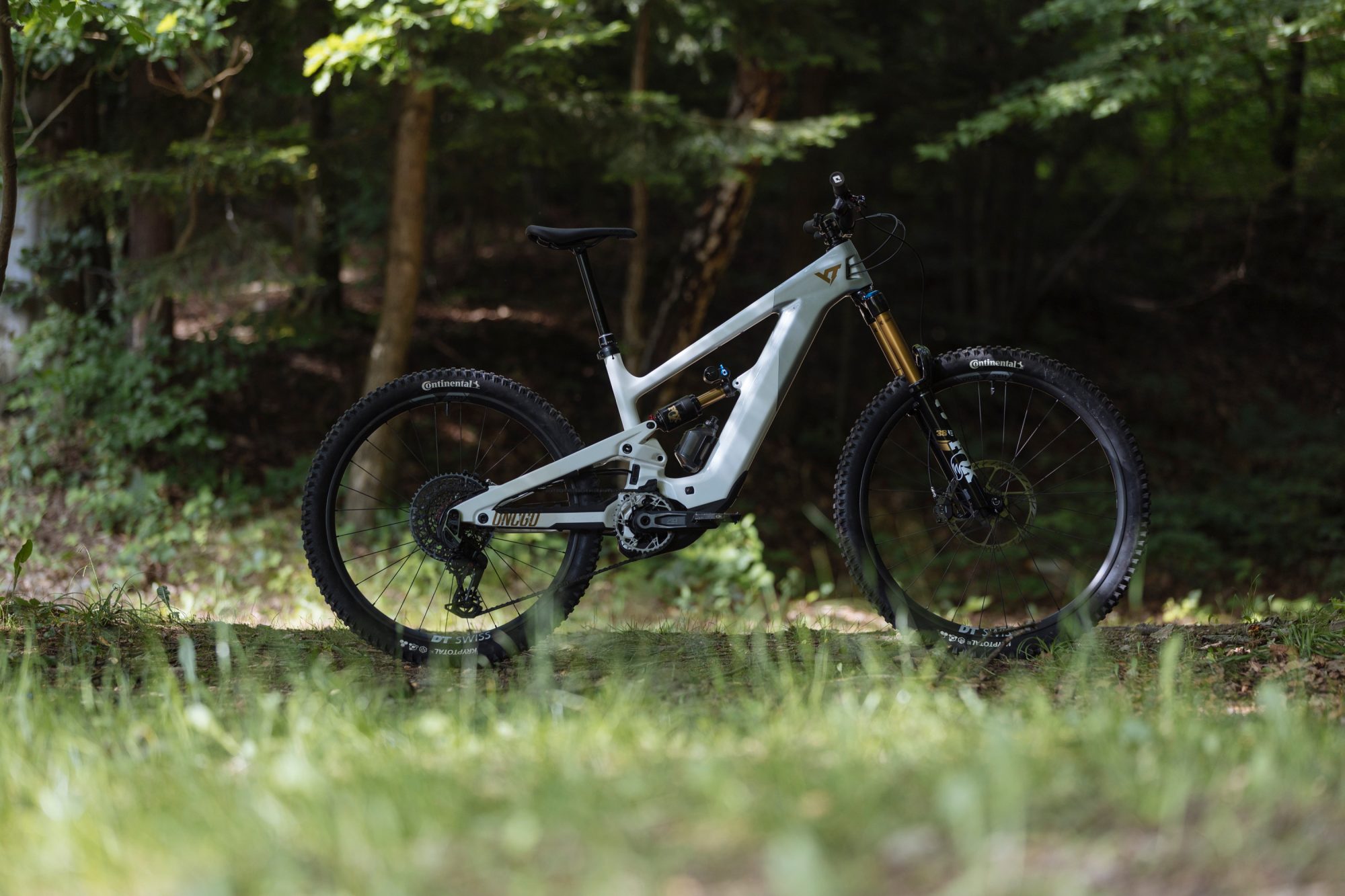
First Look Review : Pete’s YT Industries Decoy Core 4. - Wideopen Magazine
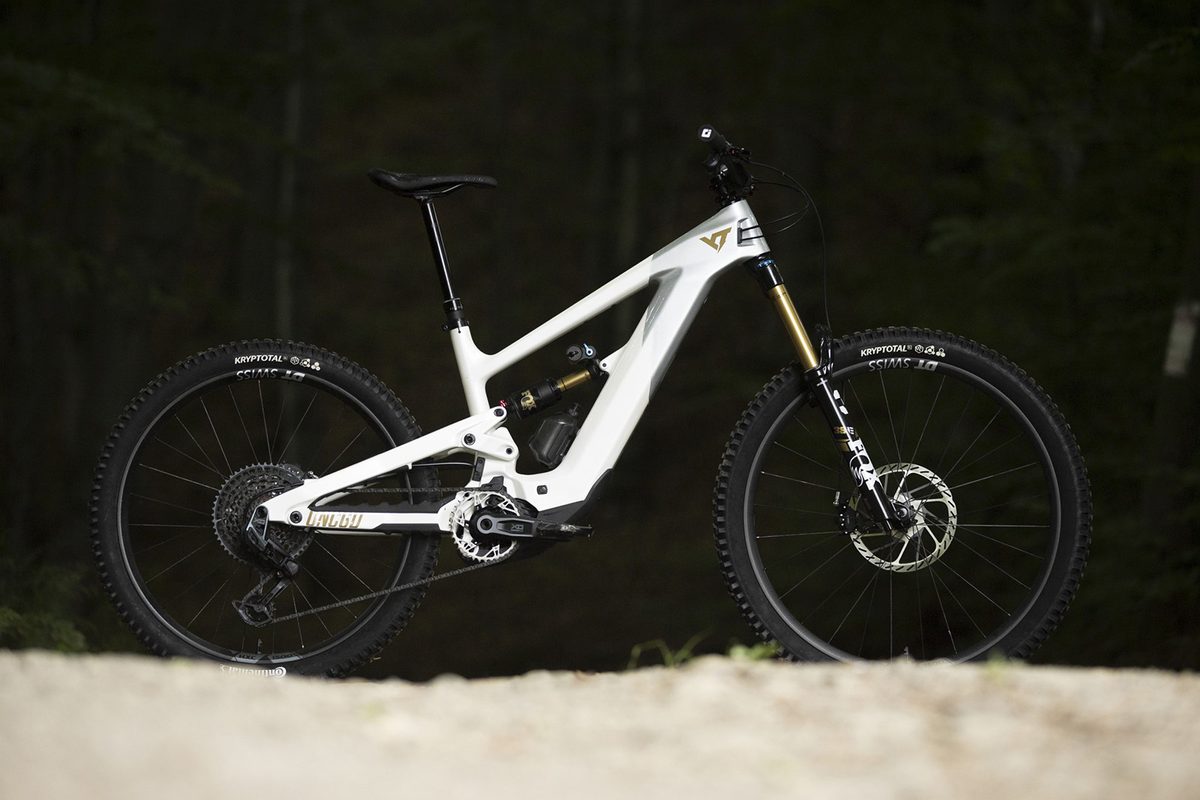
YT Decoy Core 4 first-ride review - BikeRadar

YT Decoy Gen2 Review - emtb-test.com