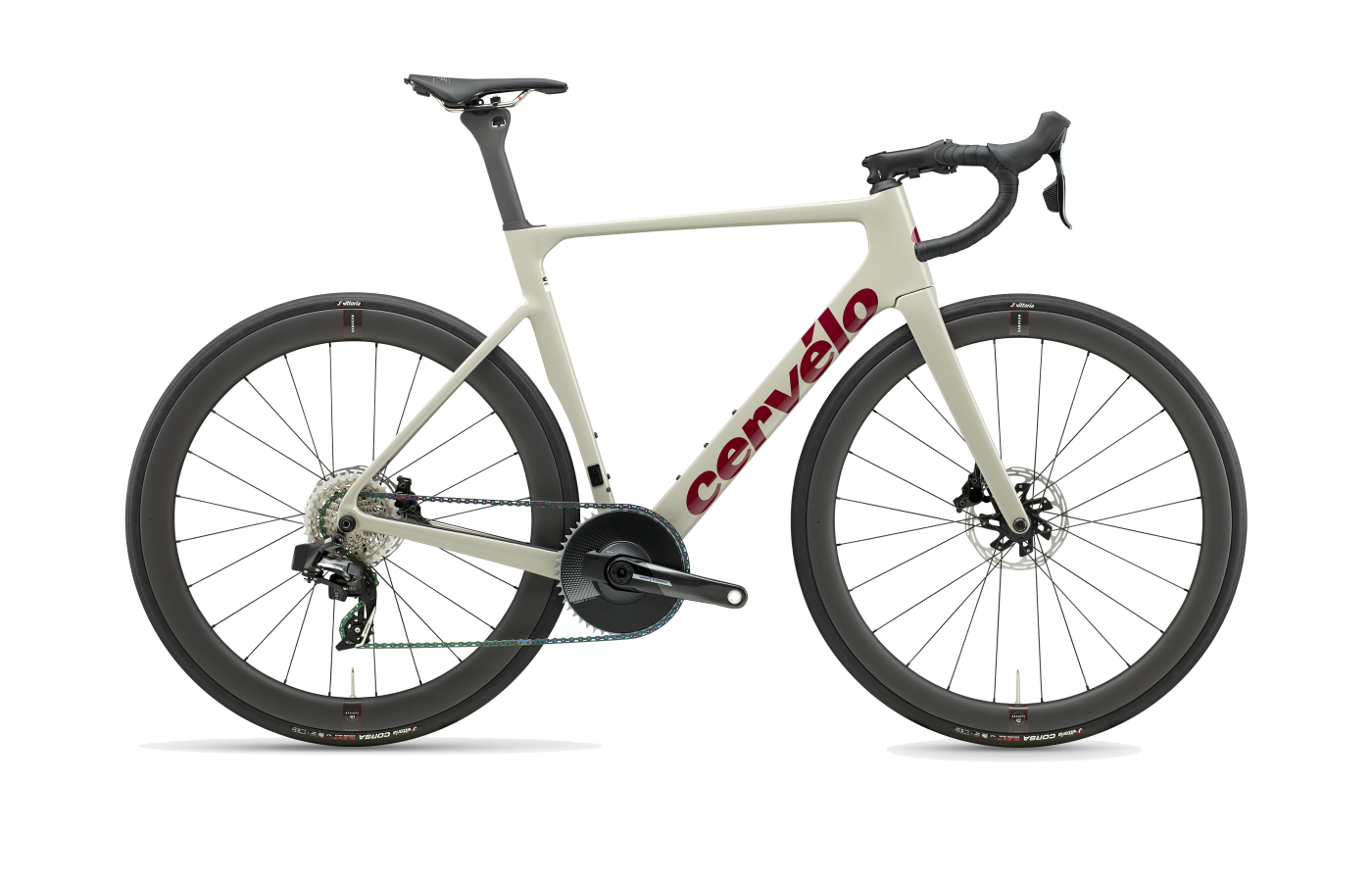
Argon 18 NitrogenvsSum
The Nitrogen arrives with a surprising 15mm taller stack and 5mm shorter reach in a size medium compared to the Sum, effectively flipping the script on aero bike expectations. While the Nitrogen is built to cut through the wind with a 24-watt advantage, it actually offers a more upright, sustainable posture for long days than its climbing-focused sibling.

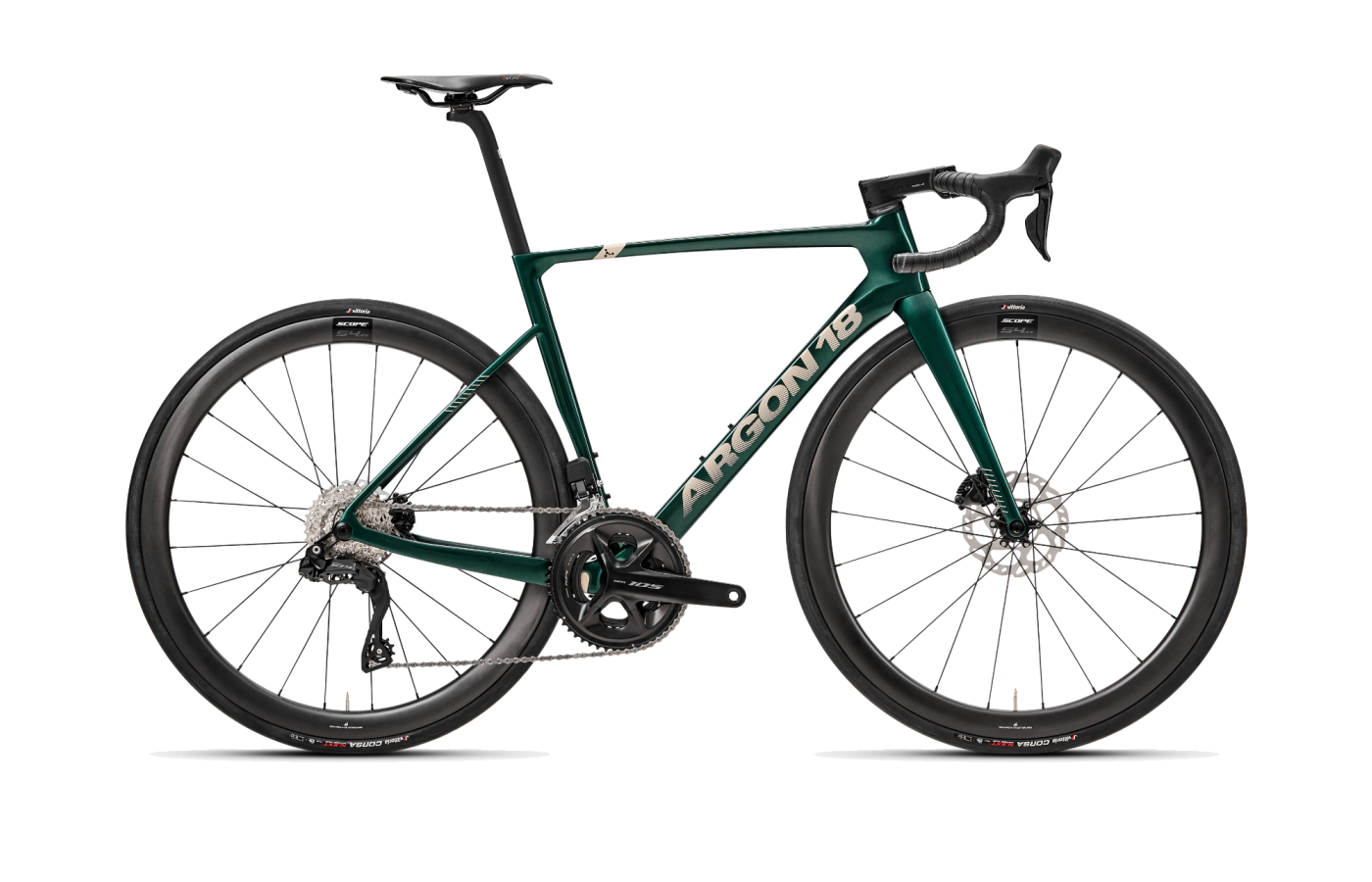
Overview
Argon 18 is running a two-pronged attack on the high-end road market, but the boundaries between these bikes are blurred by modern engineering. The Nitrogen is the dedicated aero specialist, yet it weighs only 100g more than the Sum Pro and manages to feel more approachable at the cockpit. It replaces the previous Nitrogen and Gallium platforms by doubling down on integrated aerodynamics—specifically designing the bike as a complete system that includes the rider, proprietary bottle cages, and a wheelset optimized for 30mm tires. The Sum handles the "all-arounder" duties, acting as a lightweight climber that borrows aerodynamic shaping from its faster brother. It uses a press-fit PF86 bottom bracket and a more traditional two-piece cockpit on some builds, whereas the Nitrogen commits to the T47 threaded standard and CeramicSpeed bearings from the factory. While both are racing machines, the Nitrogen aims for systemic speed including the rider, whereas the Sum focuses on climbing agility and refined compliance on rougher tarmac.
Ride and handling
Riding the Nitrogen feels surprisingly lively at low speeds, avoiding the heavy sensation that plagues many deep-tubed aero bikes. It has a constant nippy feeling that encourages throwing the bike around, likely aided by its sub-7kg builds and a relatively short 990mm wheelbase. Reviewers noted it holds speed effortlessly on the flats but remains shockingly comfortable, with vertical compliance that feels more like an endurance bike than an aero weapon. It doesn't feel like a battleship underfoot; it’s a lively, responsive ride that feels fast even when the power isn't pinned. The Sum provides a ride characterized by suppleness and descending confidence. It damps road buzz effectively, with a rear end that feels less harsh than its aggressive geometry suggests. It’s a steady, poised machine that feels connected to the road without being punishing. On high-speed technical descents, the Sum feels rock solid, allowing riders to corner flat-out without the bike getting skittish or nervous. It lacks the electric response of a pure climbing specialist but stays firmly in the mix for any amateur racer. Power transfer on both is exceptional, but the Nitrogen has the edge in raw rigidity, with a bottom bracket area claimed to be 18.5% stiffer than the Sum. Surprisingly, this doesn't translate into a bone-shaking ride. The Nitrogen’s stability in crosswinds is also a standout feature; despite its 65mm deep rims, it tracks true on blustery coastal roads. The Sum remains the better tool for twisty, technical terrain where its slightly lower weight and aggressive front end allow for sharp inputs.
Specifications
Argon 18 went big with the Nitrogen's hardware, fitting Pro builds with CeramicSpeed T47 bottom brackets and SLT headset bearings. This is a massive reliability win, moving away from the creak-prone PF86 standard used on the Sum. The Nitrogen builds even feature a custom Atten/Scope wheelset that is widened specifically to smooth airflow onto 30mm Vittoria Corsa Pro tires. If you choose different tires, you're missing out on the primary engineering goal of the bike. The Sum builds are more traditionally equipped and, in some cases, criticized for value. For instance, the SRAM Rival AXS build comes with alloy Vision Team 30 wheels that feel heavy compared to the frameset’s potential. Most Sum builds use a two-piece FSA ACR cockpit, which looks less integrated than the Nitrogen’s one-piece Atten bar, but it is much easier to adjust or swap for different stem lengths. Drivetrain choices are largely shared, with both models offering Shimano Ultegra Di2 and 105 Di2 options. However, the Nitrogen seems to commit more to superbike status with its Dura-Ace and SRAM Red Pro-level builds. The Sum is the more practical choice for the tinkerer, while the Nitrogen is a complete, optimized system that is best left as-is to maintain its aerodynamic gains.
| Nitrogen | Sum | |
|---|---|---|
| FRAMESET | ||
| Frame | Argon 18 Nitrogen | Argon 18 SUM |
| Fork | Argon 18 Nitrogen | Argon 18 SUM specific |
| Rear shock | — | — |
| GROUPSET | ||
| Shift levers | Shimano 105 Di2 R7170 | Shimano 105 Di2 R7170 (ST-R7170 shift/brake levers) |
| Front derailleur | Shimano 105 Di2 R7150 | Shimano 105 Di2 FD-R7150 |
| Rear derailleur | Shimano 105 Di2 R7150 | Shimano 105 Di2 RD-R7150 |
| Cassette | Shimano 105 CS-R7100 12-speed, 11-34T | Shimano 105 CS-R7100 11-34 |
| Chain | Shimano 105 CN-M7100 | Shimano CN-M7100 12-speed (Quick-Link) |
| Crankset | Shimano 105 FC-R7100 52/36 (crank length by size: XXS 165mm, XS 165mm, S 170mm, M 170mm, L 172.5mm, XL 172.5mm) | Shimano 105 FC-R7100 52/36 |
| Bottom bracket | TOKEN T47 BB | Shimano SM-BB72 (Ultegra) |
| Front brake | Shimano 105 hydraulic disc brakes (Di2 R7170 series) | Shimano 105 Di2 R7170 hydraulic disc |
| Rear brake | Shimano 105 hydraulic disc brakes (Di2 R7170 series) | Shimano 105 Di2 R7170 hydraulic disc |
| WHEELSET | ||
| Front wheel | ATTEN L42 wheelset | Scope S4.A |
| Rear wheel | ATTEN L42 wheelset | Scope S4.A |
| Front tire | Vittoria Corsa N.EXT TLR 30c | Vittoria Corsa N.EXT TLR 28mm |
| Rear tire | Vittoria Corsa N.EXT TLR 30c | Vittoria Corsa N.EXT TLR 28mm |
| COCKPIT | ||
| Stem | Stem length by size: XXS 80mm, XS 90mm, S 90mm, M 100mm, L 110mm, XL 120mm | FSA SMR-II |
| Handlebars | ATTEN CHB-01 Aero Handlebar (width by size: XXS 360mm, XS 360mm, S 360mm, M 380mm, L 380mm, XL 380mm) | FSA Energy SCR Compact |
| Saddle | Repente Quasar S | Repente Quasar |
| Seatpost | Argon 18 Nitrogen | Argon 18 SUM specific seatpost |
| Grips/Tape | Ciclovation LEATHER TOUCH Tornado Gloss (bar tape) | Ciclovation LEATHER TOUCH Tornado Gloss bar tape |
Geometry and fit comparison
The most significant takeaway here is that the aero bike is actually the easier fit for most people. In size Medium, the Nitrogen’s 555mm stack is significantly taller than the Sum’s 540mm. This 15mm difference, combined with a 5mm shorter reach, means the Nitrogen allows for a more upright position without a tower of spacers. It’s a geometry shift that acknowledges most riders aren't flexible WorldTour pros, even if they want to go fast. Both bikes share a 72.7-degree head tube angle and a 990mm wheelbase in a Medium, but the handling feel diverges because of the fork design. The Nitrogen uses size-specific fork rakes and trail values to maintain a precise feel across its XXS to XL range. The Sum uses a slightly more aggressive stack-to-reach ratio, placing the rider further forward over the bottom bracket. This requires more core strength to maintain for four hours but provides a very aggressive posture for racing. Low standover heights are common to both—772mm on the Nitrogen versus 766mm on the Sum—making them both easy to maneuver. However, the Nitrogen’s 79mm BB drop lowers the center of gravity just enough to add extra stability when carving through high-speed sweepers. If your back hurts looking at typical aero bikes, the Nitrogen is a rare exception that offers speed without the typical yoga-level flexibility requirements.
| FIT GEO | Nitrogen | Sum | |
|---|---|---|---|
| Stack | 580 | 565 | -15 |
| Reach | 400 | 405 | +5 |
| Top tube | 578 | 578 | 0 |
| Headtube length | 165 | 152 | -13 |
| Standover height | 810 | 804 | -6 |
| Seat tube length | 550 | 550 | 0 |
| HANDLING | Nitrogen | Sum | |
|---|---|---|---|
| Headtube angle | 72.7 | 72.7 | 0 |
| Seat tube angle | 73 | 73 | 0 |
| BB height | — | — | — |
| BB drop | 79 | 77 | -2 |
| Trail | — | — | — |
| Offset | 45 | — | — |
| Front center | — | — | — |
| Wheelbase | 1006 | 1006 | 0 |
| Chainstay length | 410 | 410 | 0 |
Who each one is for
Argon 18 Nitrogen
The Nitrogen is for the rider who lives for the whoosh of deep carbon wheels and wants a machine that feels fast even during a casual Tuesday evening spin. If your local loops are windy coastal roads or flat-out group rides where the speed rarely drops below 25mph, the Nitrogen's 24-watt gain is a tangible benefit. It serves the rider who wants the latest integration and ceramic bearings as a standard package rather than an expensive aftermarket headache.
Argon 18 Sum
The Sum is for the climber who occasionally dips into a weekend crit and needs a bike that handles predictably on hair-raising descents. If you spend your Saturdays chasing KOMs on steep gradients and your Sundays on four-hour exploratory rides over varying road quality, its vibration damping and lighter frame are the right tools. It fits the rider who prefers a traditional, adjustable cockpit over a proprietary one-piece bar.
Other bikes to consider