Kaius
vsOstro Gravel
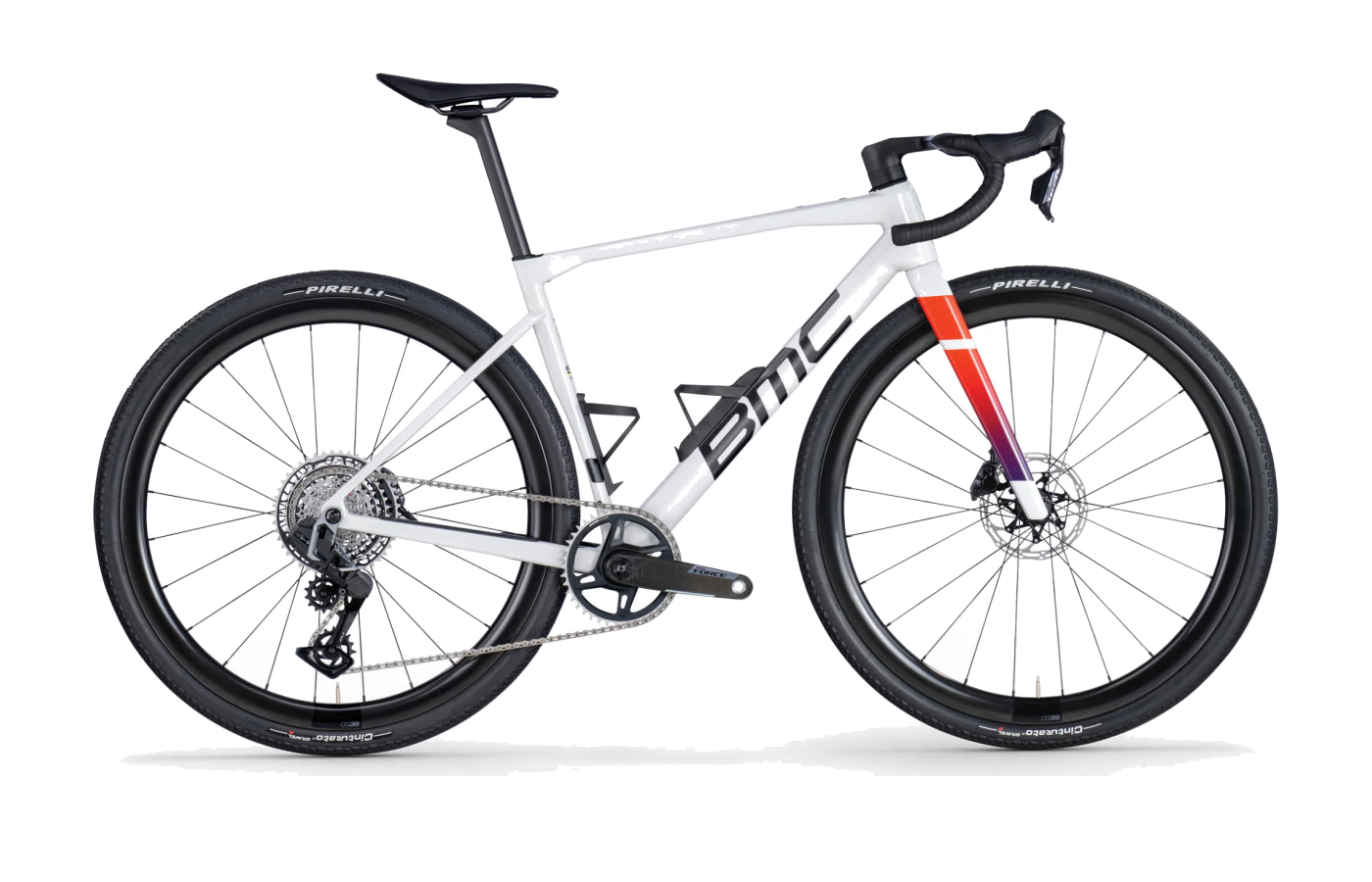
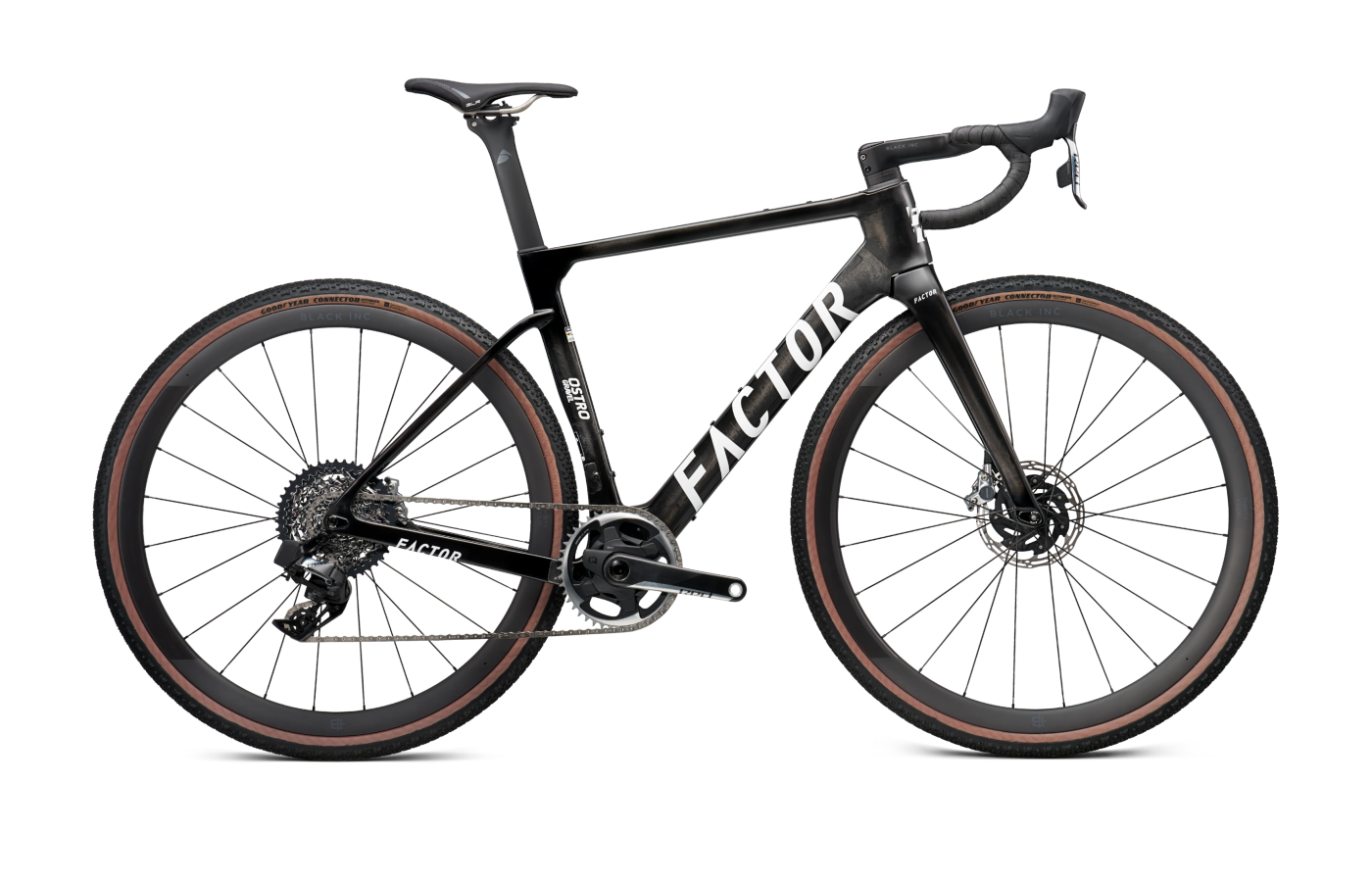
Two race-bred aero gravel bikes, two flavors of stiff.
The BMC Kaius is the road-racer's gravel bike with a polarizing 36 cm cockpit. The Factor Ostro Gravel is the wind-tunnel weapon that doubles as a UCI-legal road bike.
Kaius
- Lower price floor — the $5,199 Rival AXS build is the cheapest way into a top-tier carbon aero gravel race frame.
- Planted high-speed feel — 68 mm trail and an 80 mm BB drop give it a stable, in-the-bike posture for fast descents.
- Race-proven — Lil Sugar Gravel winner under Betsy Welch, with Velo, BikeRadar, and Cyclist all calling it intoxicatingly fast on smooth gravel.
- The 360 mm integrated bar on the 01 One is polarizing and demands skill in slow technical corners.
- PF86 press-fit bottom bracket and no power meter on the flagship — both notable at a $9,199 price tag.
Ostro Gravel
- CeramicSpeed everywhere — SLT headset, coated T47a bottom bracket, and hub bearings come standard, all warrantied.
- Power meter on every build — a Quarq-style spider PM is included from the $9,299 Force XPLR up through the Red builds.
- UCI-legal for road racing — certified to line up at a road crit Saturday and a gravel marathon Sunday on the same frame.
- Notoriously firm rear end — the proprietary aero seatpost can't be swapped for a more compliant aftermarket option.
- Price floor is $9,299 — no Rival or 105-tier entry build exists.
Editor’s analysis
Both are uncompromising race tools — the question is which kind of compromise you're willing to live with: BMC's narrow-bar gamble, or Factor's brutally firm rear end.
The BMC Kaius and Factor Ostro Gravel sit at the same end of the gravel spectrum: light, aero, electronic-only, integrated cockpit, no concessions to bikepacking. Both borrow heavily from their makers' road platforms — the Kaius from the Teammachine SLR, the Ostro Gravel from the Ostro VAM road bike. Both top out around 7.5–8 kg and clear a 44–45 mm tire. On a fast, smooth gravel course, either one will demolish the field.
The Kaius makes its bet at the cockpit. The 01 One ships with a one-piece ICS Carbon Aero bar that measures 360 mm at the hoods and flares to 420 mm at the drops — extreme by any standard. Reviewers at BikeRadar and Granfondo flagged it as a real handful in slow technical sections; Velo's Betsy Welch won Lil Sugar on it and shrugged off the width. BMC compensates with a long front-center, generous 68 mm trail, and a low 80 mm BB drop so the bike still feels planted. The lower 01 Three and 01 Four builds skip the integrated cockpit entirely.
The Factor's bet is at the seatpost. The deep aero-bladed proprietary post offers almost no compliance, and the rear triangle is so stiff that Cycling News cut a test ride short over discomfort. Cyclist called the ride "overly firm." In exchange you get CeramicSpeed bearings throughout (headset, T47a bottom bracket, hubs), a power meter standard on every build, and a Black Inc HB02 cockpit Factor claims is worth nine watts. Trail is a quicker 61–62 mm — it darts where the Kaius settles.
Put another way: the BMC Kaius is the bike for a road racer who wants the cleanest expression of the Teammachine SLR adapted for dirt. The Factor Ostro Gravel is the bike for someone who actually races UCI road events on the weekend and wants one frame for both calendars. Neither one is an adventure bike. Both will hurt you on rocks.
Where the builds differ.
Comparing our editor's-pick builds side-by-side. Winners highlighted row-by-row — lower price and weight, and the better-spec component, each mark a point.
Build variants & pricing
BMC offers four builds from $5,199 to $9,199; Factor offers four builds, all between $9,299 and $11,399.
Prices are current US MSRP. Factor's lineup starts at $9,299 — there is no sub-$9k Ostro Gravel. If your budget caps below that, the Kaius is the only one of the two on this page.
How they fit, how they steer.
Compared at the fit-picked frame size on each side. The Kaius 47 sits 25 mm lower in stack and 5 mm shorter in reach than the Factor 52, with a 7 mm tighter trail and 14 mm shorter wheelbase — it's a more aggressive, more compact race position.
Which size should I buy?
Size recommendations based on stack, reach, and effective top tube. The Kaius runs in numbered increments (47–61); the Factor uses 49–61 with steeper jumps in the middle sizes.
→These are starting points. Flexibility, riding style, and preferred position all shift the answer — if you’re between sizes, a professional fit beats a chart.
What the magazines said.
Published reviews from trusted cycling outlets. Click through for the full write-up.
Which one should you buy?
If you want the deeper carbon-tier lineup and a planted, road-race-derived feel, get the Kaius. If you want a UCI-legal aero weapon with CeramicSpeed bearings and a power meter on every build, get the Ostro Gravel.
Kaius
If your local races stay on smooth-to-broken fire roads and you want the cleanest dirt expression of a Teammachine SLR — at a price floor that actually opens the platform up — this is the pick. The 01 Two at $6,799 is where most serious buyers will land.
Ostro Gravel
If you race on the road and on dirt and want one frame that's UCI-legal for both, the Ostro Gravel is purpose-built for exactly that. CeramicSpeed bearings, a stock power meter, and a 9 W cockpit make it a serious aero tool — provided you can stomach the rear-end harshness.
Questions buyers actually ask.
Short answers to the things we get emailed about most often.
01Which one is faster on smooth gravel?
Honest answer: it's close enough that fitness, tire choice, and pacing matter more than the frame. Both bikes are explicitly aero-optimized — the Factor with deep truncated aerofoil tube shapes plus the Black Inc HB02 cockpit (Factor claims 9 watts saved over a standard cockpit), the BMC with a narrower frontal area thanks to the 360 mm hood width on the integrated 01 One bar.
Reviewers at Velo and BikeRadar consistently rate both as among the very fastest gravel bikes available on hard-packed surfaces and tarmac. On a 100 km gravel race over rolling terrain, expect the difference between the two to come down to seconds, not minutes.
02Which one is more comfortable on rough terrain?
Neither is a comfort bike — but the BMC Kaius is the less-punishing of the two. Its D-shaped carbon seatpost flexes noticeably (Velomotion), and BMC tuned the carbon layup with more compliant fibers in specific frame zones.
The Factor Ostro Gravel is the stiffer of the two by a clear margin. Multiple reviewers describe the rear end as offering near-zero compliance; one Cycling News reviewer cut a test ride short over discomfort. Factor's own engineering director acknowledges the aero seatpost shape doesn't lend itself to deflection. Both bikes lean heavily on tire volume — running 40–45 mm tubeless at low pressure is mandatory for either.
03What's the maximum tire clearance?
BMC Kaius: 44 mm officially. Velo measured visual clearance and noted it's a little tighter than claimed in practice — most riders fit a true 40 mm tire happily.
Factor Ostro Gravel: 45 mm officially. Factor-sponsored athletes are noted to run 45 mm tires almost exclusively to mitigate the bike's stiffness.
Both ship with Pirelli or comparable 40 mm gravel tires stock. Neither is a 50 mm-class adventure platform — for that, look at a Salsa Cutthroat or Open Wi.De.
04Are these compatible with mechanical drivetrains?
No. Both frames are electronic-only — the internal cable routing through the integrated cockpits won't accept mechanical shifter cables. Cycling News explicitly notes the Ostro Gravel is electronic-only; the Kaius's ICS routing is the same situation.
If you want SRAM Apex mechanical or Shimano GRX cable-shift, you're outside this conversation. Note that BMC does ship a Shimano GRX Di2 build (the 01 Three) and Factor offers SRAM Red XPLR — both electronic.
05Why is the Factor so much more expensive?
Two main reasons. First, Factor includes a power meter on every build — the Quarq-style spider PM that's a $500–700 add-on on a comparable BMC Kaius. Second, CeramicSpeed bearings come standard in the headset (the SLT solid-lubricant version), the T47a bottom bracket, and the Black Inc hubs — that bearing package alone retails for several hundred dollars and carries a lifetime warranty.
Factor also doesn't offer a build below the Force tier. BMC's $5,199 Rival AXS 01 Four uses the same flagship Kaius 01 Premium Carbon frame, which is how it undercuts the Ostro Gravel's price floor by roughly $4,000.
06How polarizing is the Kaius's narrow handlebar, really?
Real. The 01 One ships with the integrated ICS Carbon Aero bar at 360 mm at the hoods, flaring to 420 mm at the drops. BikeRadar's Warren Rossiter and Granfondo's Calvin Zajac both flagged it as a handful in slow, technical corners — reduced leverage when you need to wrestle the front wheel through ruts. Velo's Betsy Welch won Lil Sugar Gravel on it and called it a non-issue.
If the bar width is a deal-breaker, the lower-tier Kaius 01 Two, Three, and Four builds use a conventional two-piece cockpit — same frame, same fast geometry, normal handlebar width. That's a real escape hatch the Factor doesn't offer (every Ostro Gravel build ships the integrated Black Inc HB02).
07Can I install a dropper post on either?
Yes on the Kaius — Velo confirms the frame is compatible with a 27.2 mm dropper post, useful for steep descents on technical events.
No on the Factor. The Ostro Gravel uses a proprietary D-shaped aero seatpost that can't be swapped for a round dropper, and Cycling News notes you also can't fit a more compliant aftermarket post like a Redshift to soften the rear end. If a dropper is part of your spec, that closes the conversation.
08Which has the better long-term ownership story?
Slight edge to the Factor on serviceability. Its T47a threaded bottom bracket is widely considered easier to live with than BMC's PF86 press-fit, and the CeramicSpeed bearings in the headset and BB carry lifetime warranties — they're designed to outlast typical service intervals.
Both frames carry limited lifetime warranties to the original owner against manufacturing defects. Both brands offer crash-replacement programs, though specific pricing varies and isn't published openly. The Factor's deeper integration (concealed brake hoses through the Black Inc cockpit) does make initial setup and any cockpit changes a longer shop visit — Velo called the routing exit holes a "pinch point" during assembly.
Similar bikes
If your priorities don’t map cleanly onto either of these, one of these adjacent bikes probably fits better.
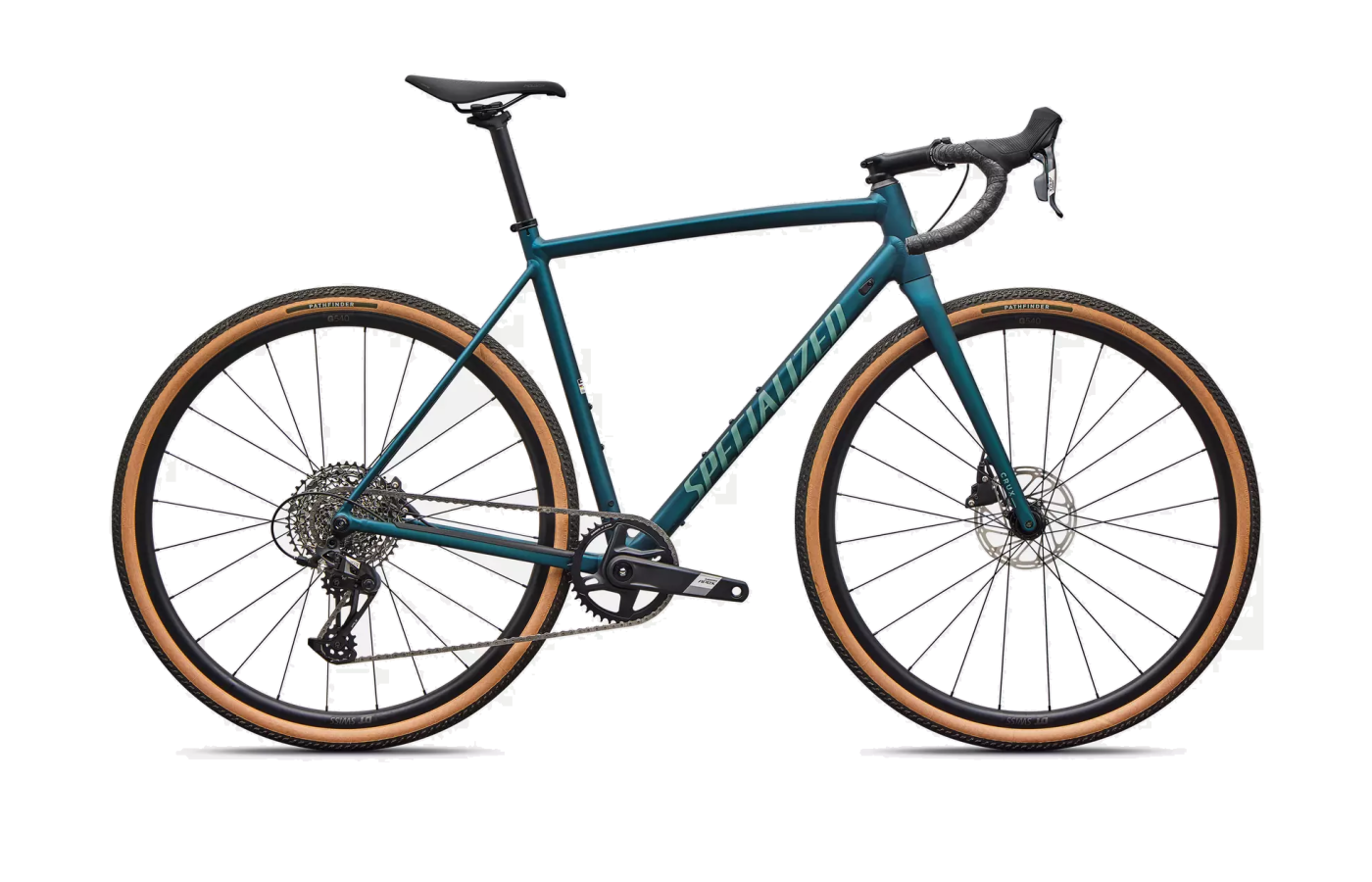
Crux
The weight-weenie alternative — Specialized's S-Works Crux is among the lightest production gravel frames made, with a more compliant ride and a less aggressive aero focus than these two. Worth a look if grams matter more than wind-tunnel hours.
Compare →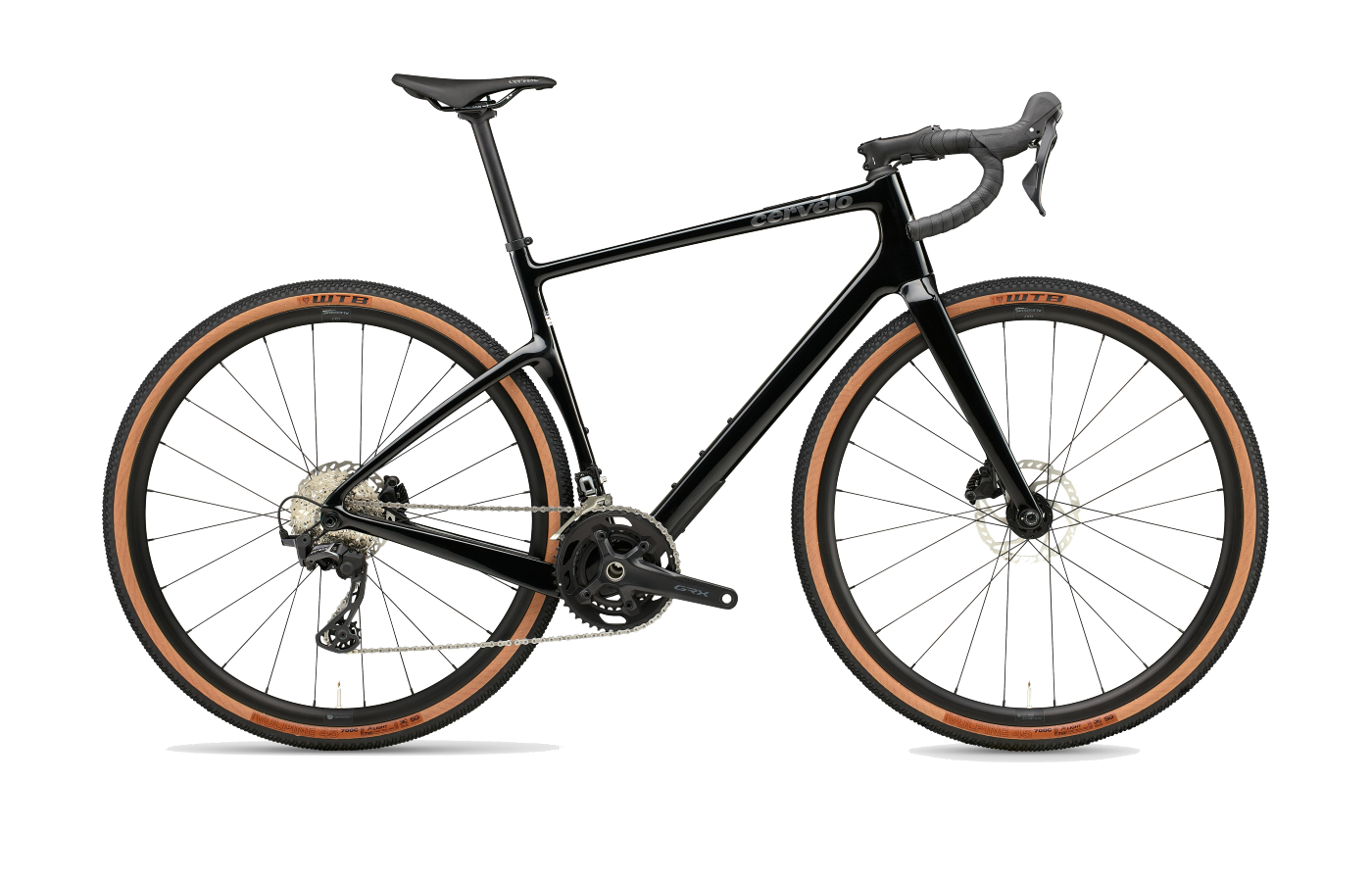
Aspero
Cervélo's Aspero delivers the same road-bike-on-dirt feel without committing to a fully integrated cockpit — easier to fit, easier to service, and often a few thousand dollars cheaper at comparable spec.
Compare →LS
Factor's own LS is the lighter, less aero, more compliant sibling to the Ostro Gravel. Same brand quality and bearing kit, no proprietary aero seatpost — for riders who want Factor without the harshness.
Compare →