CAAD Optimo
vsSynapse
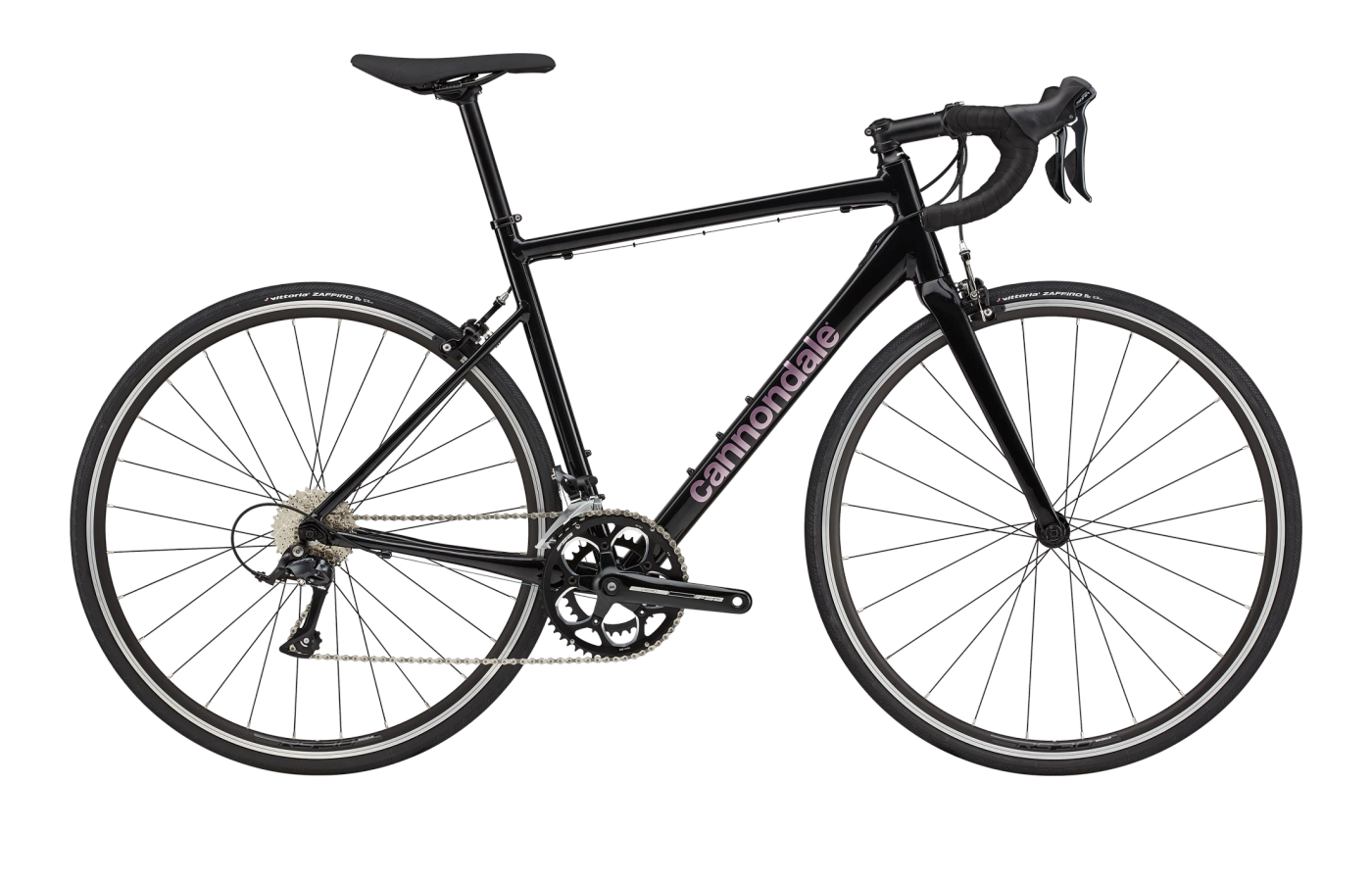
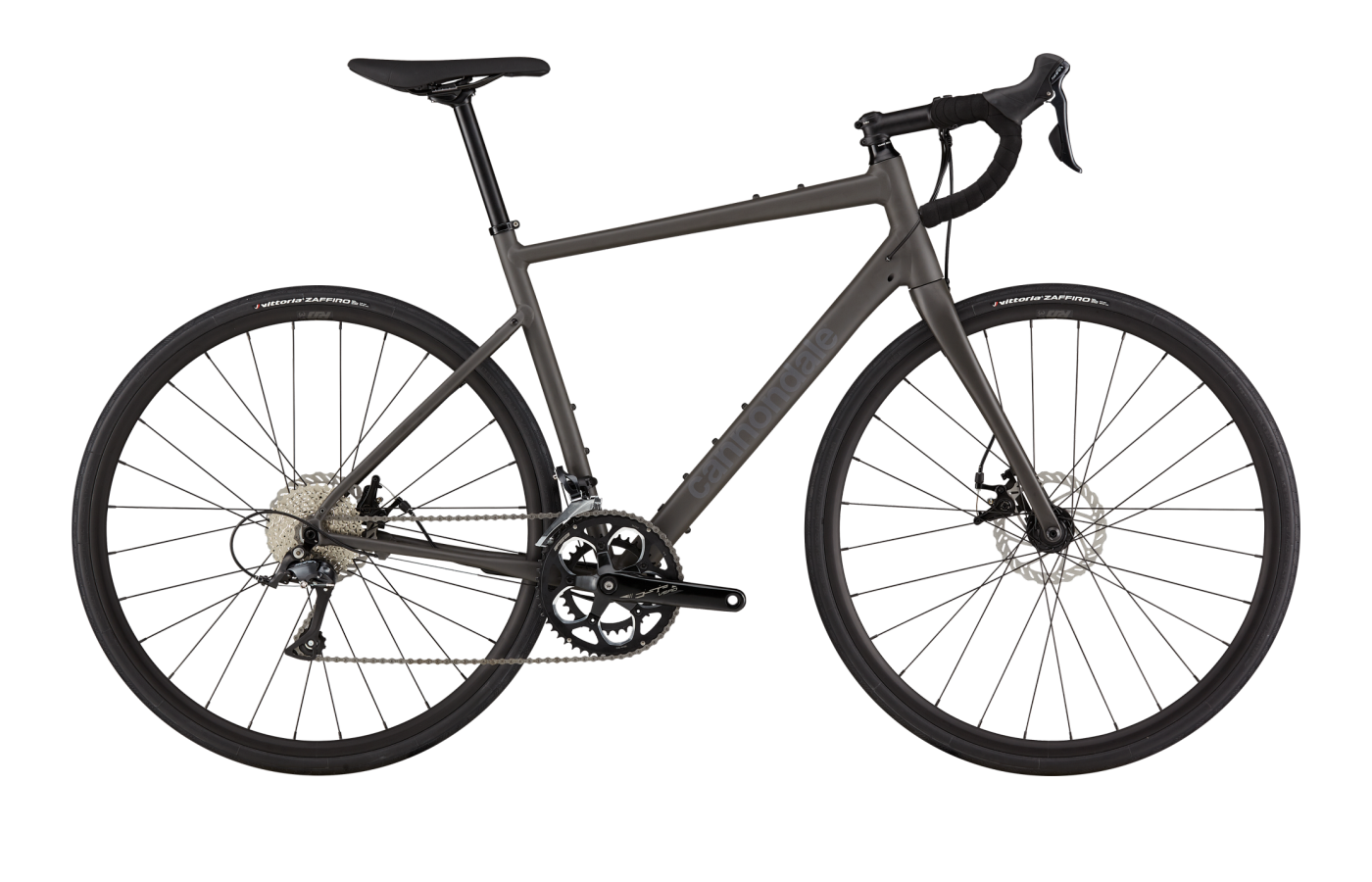
Same brand, opposite eras of road riding.
The CAAD Optimo is a rim-brake alloy throwback that costs $1,300. The Gen 6 Synapse is a 42 mm-clearance, SmartSense-equipped endurance platform that scales to $16,499.
CAAD Optimo
- Cheapest way into a CAAD-lineage race-geometry frame at $1,300.
- Sharp handling — 57 mm trail and 415 mm chainstays carry over from the CAAD13 racing DNA.
- Mechanical simplicity — rim brakes, threaded BB, no batteries, and a frame any shop can service.
- Rim brakes only; no disc option exists in the Optimo lineup.
- Heavy 9-speed Sora drivetrain and basic RS 3.0 wheels — upgrade path is real but adds up.
Synapse
- Class-leading 42 mm clearance (48 mm in the fork) — one of the widest in the endurance category.
- SmartSense integration puts radar, front light, and AXS shifting on a single down-tube battery.
- Range that scales from $1,299 alloy Sora up to a $16,499 Hi-MOD Lab71 with SRAM RED XPLR.
- Mid-tier carbon builds (Carbon 4, $4,199) come in around 9 kg — heavier than racier rivals.
- Long wheelbase and 61 mm trail trade some agility for stability — at least one reviewer called the ride "sedate."
Editor’s analysis
Both wear the Cannondale badge, but they answer almost opposite questions — how much fast bike can you get for $1,300? versus how complete can a modern endurance bike be?
The CAAD Optimo is the last serious alloy-and-rim-brake road bike Cannondale still sells, and it leans hard into that identity. SmartForm C2 aluminum, dropped seatstays, a full-carbon fork, Shimano Sora 9-speed, and Tektro dual-pivot rim brakes — for $1,300 you get a frame whose geometry borrows from the racier CAAD13 (72.6 deg head tube, 415 mm chainstays, 57 mm trail in size 54+). BikeRadar called it pin-sharp; reviewers consistently flag balanced handling and a taut, lively feel. It's a bike that wants to be sprinted.
The Synapse Gen 6 is a different argument entirely. Cannondale moved this generation onto the SuperSix Evo's aero tube shapes, claims a 20% bump in frame compliance, threaded the bottom bracket, added UDH, and engineered the frame around 42 mm tire clearance (48 mm in the fork). Up top sit the SmartSense system — integrated front light, Garmin Varia rear radar, and a single down-tube battery that also powers SRAM AXS shifting — plus the StashPort downtube storage. This is a platform built around long days, mixed surfaces, and rider safety, not town-line sprints.
The geometry deltas line up with the philosophies. In the fit-picked sizes (Optimo 54, Synapse 51), the Optimo sits 555 mm stack / 384 mm reach with 57 mm trail; the Synapse sits 550 mm stack / 376 mm reach with 61 mm trail and 10 mm longer chainstays (425 mm vs. 415 mm). The Optimo gets you down and forward; the Synapse keeps the wheelbase long and the steering predictable. Reviewers confirm what the numbers suggest — the Synapse "isolates you from the worst energy-ebbing vibrations" while the Optimo's aluminum frame transmits more of the road, even with its SAVE chainstays helping.
The honest framing: these aren't really competitors. The Optimo is what you buy when $1,300 is the budget and you want the most race-feeling platform that money can still buy new. The Synapse is what you buy when long-distance comfort, integrated tech, and modern standards (discs, electronic shifting, tubeless, fender mounts that hide) matter more than weight or price. The price overlap at the very bottom of the Synapse range ($1,299 Synapse 3) is incidental — the platforms answer different questions.
Where the builds differ.
Comparing our editor's-pick builds side-by-side. Winners highlighted row-by-row — lower price and weight, and the better-spec component, each mark a point.
Build variants & pricing
The Optimo sells one build. The Synapse sells thirteen, spanning $1,299 to $16,499.
Editor's picks are tier-matched at Sora 9-speed for an apples-to-apples spec comparison — but the Synapse's real story is up the range, with Shimano 105 Di2 from $4,199, Ultegra Di2 from $5,550, and the Hi-MOD Lab71 SRAM RED XPLR build at $16,499. The Optimo only exists at the entry point.
How they fit, how they steer.
Optimo at size 54, Synapse at size 51 — the fit-picked sizes for a 5'8" rider on each bike. The Synapse sits 5 mm lower in stack with 8 mm less reach; trail is 4 mm longer and the chainstays are 10 mm longer — endurance stability vs. race snap.
Which size should I buy?
Both ranges run from very small (44) to large; the Synapse extends one size further at the top end (61) for taller riders.
→These are starting points. Flexibility, riding style, and preferred position all shift the answer — if you’re between sizes, a professional fit beats a chart.
What the magazines said.
Published reviews from trusted cycling outlets. Click through for the full write-up.
Which one should you buy?
If you want a sharp-handling alloy race bike for $1,300, get the CAAD Optimo. For everything else road — endurance, mixed surfaces, integrated safety, modern standards — get the Synapse.
CAAD Optimo
If your ride is a fast group spin, a crit at the local park, or a punchy commute and you don't want to spend more than $1,300, the Optimo gets you a CAAD-lineage frame with sharp geometry and a forgiving carbon fork. Plan on upgrading wheels and tires when budget allows.
Synapse
If you ride 60+ mile days on imperfect surfaces, value disc brakes and 32-42 mm tires, and find integrated lighting and radar genuinely useful, the Synapse Gen 6 is the most complete endurance road bike Cannondale has built. The Carbon 4 ($4,199) is the value sweet spot.
Questions buyers actually ask.
Short answers to the things we get emailed about most often.
01Why pick the cheapest Synapse build to compare against the Optimo?
Because that's the only honest apples-to-apples spec match — the Synapse 3 at $1,299 runs the same Shimano Sora 9-speed drivetrain as the Optimo at $1,300. Comparing the Optimo against a $5,550 Ultegra Di2 Synapse would tell you nothing about the platforms.
That said, the Synapse 3 isn't where the platform shines. The Carbon 4 ($4,199) and Carbon 2 SmartSense ($7,499) are the builds Cannondale clearly engineered around — that's where you get the carbon frame, integrated tech, and the ride character reviewers rave about.
02What's the maximum tire clearance?
CAAD Optimo: 30 mm. The frame ships with 25 mm Vittoria Zaffiros and won't go much wider before chainstay clearance gets tight.
Cannondale Synapse Gen 6: 42 mm in the rear, 48 mm in the fork — class-leading for an endurance road bike. Stock 32 mm tires often measure 35 mm on the wide Reserve rims. That headroom is what makes the Synapse credible on chip-seal, dirt detours, and light gravel.
03Which is the better climber?
Neither is a dedicated climbing bike, but the Optimo gets the nod on a per-dollar basis. Its frame is light for alloy, it's set up with race geometry, and there's no SmartSense battery, radar, or integrated cockpit adding weight.
The Synapse's mid-tier carbon builds come in around 9 kg — respectable, but the platform was tuned for momentum on rolling terrain, not Strava KOMs uphill. If climbing is the priority, the SuperSix Evo or even the CAAD13 fits the brief better than either bike here.
04Are these brakes upgradeable?
Optimo: No — the frame is rim-brake only. There's no path to discs without changing bikes. The stock Tektro R741/R471 calipers are reasonable but require more lever pressure than 105 hydraulic discs.
Synapse Gen 6: Disc-only across every build. The flat-mount calipers are standard, and any aftermarket hydraulic groupset will bolt up.
05What is SmartSense and is it worth it?
SmartSense 2.0 is Cannondale's integrated electronics package on the Synapse: an 800-lumen front light, a Garmin Varia eRTL 615 rear radar/light, and a central down-tube battery that also powers SRAM AXS shifting on the AXS-equipped builds. One USB-C port charges the whole system.
Reviewers at BikeRadar called it the new gold standard for endurance bikes — "worth every penny" for safety and convenience. It does add roughly 460 g to the bike. Note that not every Synapse build ships with SmartSense — the budget alloy builds (Synapse 1, 2, 3) are SmartSense-compatible but don't include the hardware. The CAAD Optimo has none of this and isn't compatible.
06Does the Synapse share anything structural with the SuperSix Evo?
Yes — Cannondale states the Gen 6 Synapse uses drag figures roughly on par with the previous third-generation SuperSix Evo. The aero tube shaping (head tube, down tube, D-shaped seatpost) comes directly from that platform. Stiffness in the head tube and bottom bracket has also been increased, while frame compliance is up a claimed 20% over the Gen 5 Synapse.
The geometry stays endurance — 71.3 deg head tube angle, 425 mm chainstays in size 51 — but the frame engineering borrows heavily from the race side of the catalog.
07Can I fit fenders and a rack to either?
Both have provisions. The Optimo has eyelets for mudguards and a rear pannier rack, which makes it a credible budget commuter. The Synapse has hidden fender and rack mounts on every build, and the wider 42 mm tire clearance means full-coverage fenders fit comfortably even with 32 mm tires installed.
08Which one is easier to live with long-term?
Both are well-set-up for ownership. The Optimo is mechanically simple — threaded FSA Mega Exo bottom bracket (a deliberate move away from the older BB30), no batteries, no apps, parts available everywhere. BikeRadar specifically praised the move to the threaded BB as a maintenance win.
The Synapse Gen 6 also runs a threaded BSA bottom bracket and uses SRAM's UDH, both of which simplify long-term service. The catch is the SmartSense system — there are batteries to charge and an app to (optionally) keep updated. Neither bike has flagged durability issues across the reviews.
Similar bikes
If your priorities don’t map cleanly onto either of these, one of these adjacent bikes probably fits better.
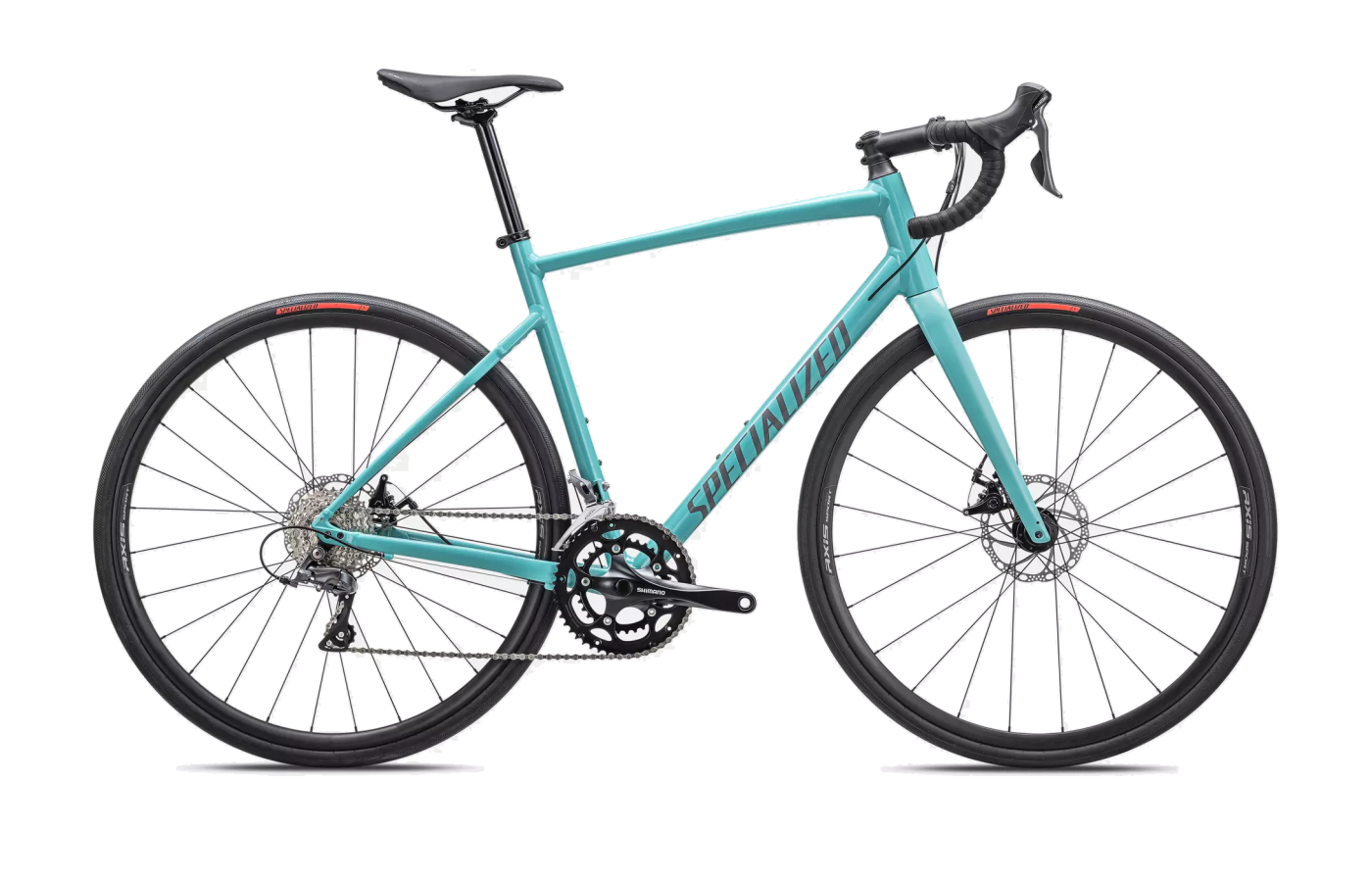
Allez
The Optimo's most direct rival — Specialized's benchmark alloy race bike at a similar price, with very similar rim-brake handling. If you're shopping the Optimo, you should test-ride this too.
Compare →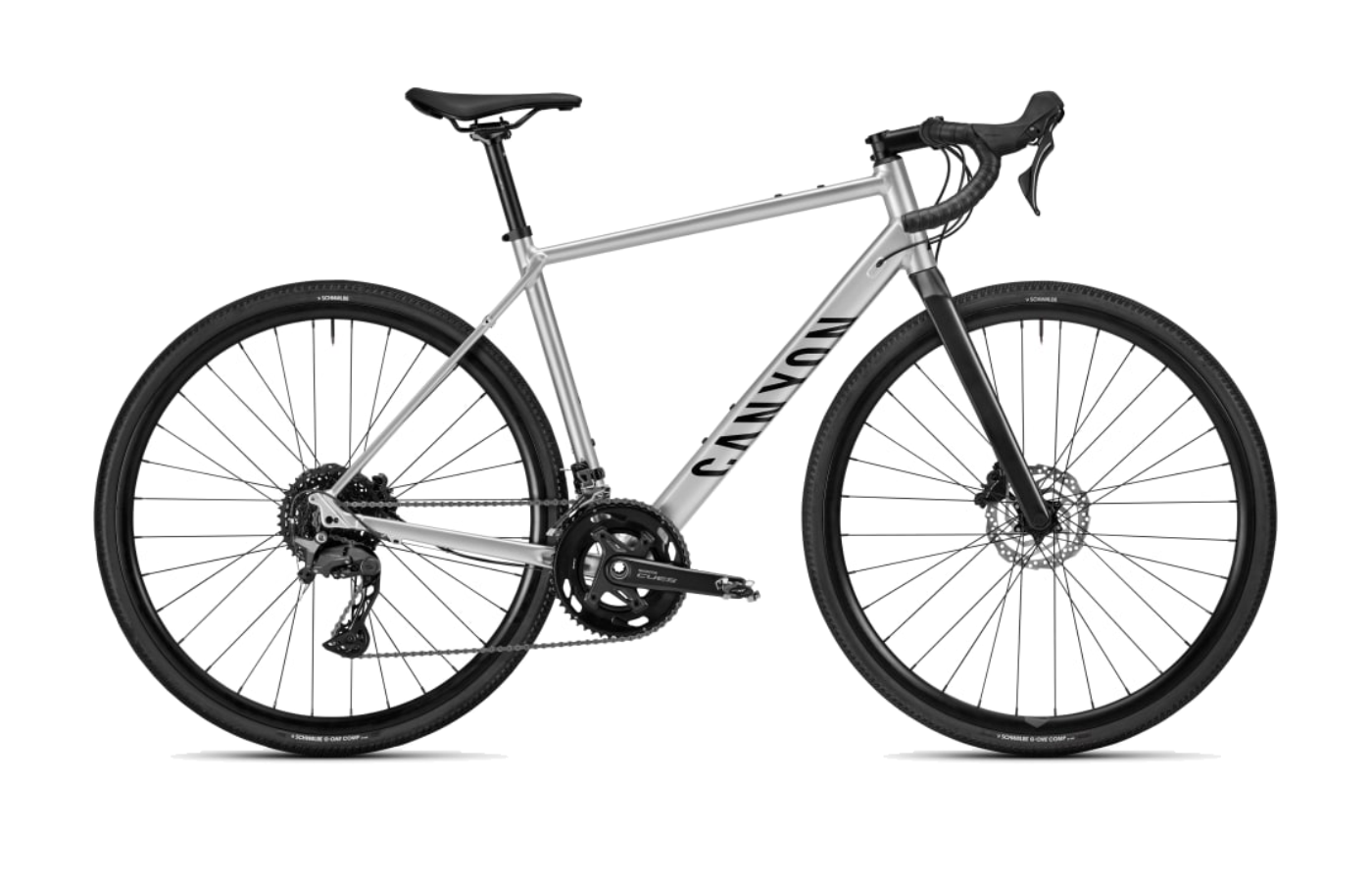
Endurace
Canyon's endurance carbon frame at direct-to-consumer pricing — usually undercuts the Synapse at equivalent specs. The catch is no local dealer and no demos before you buy.
Compare →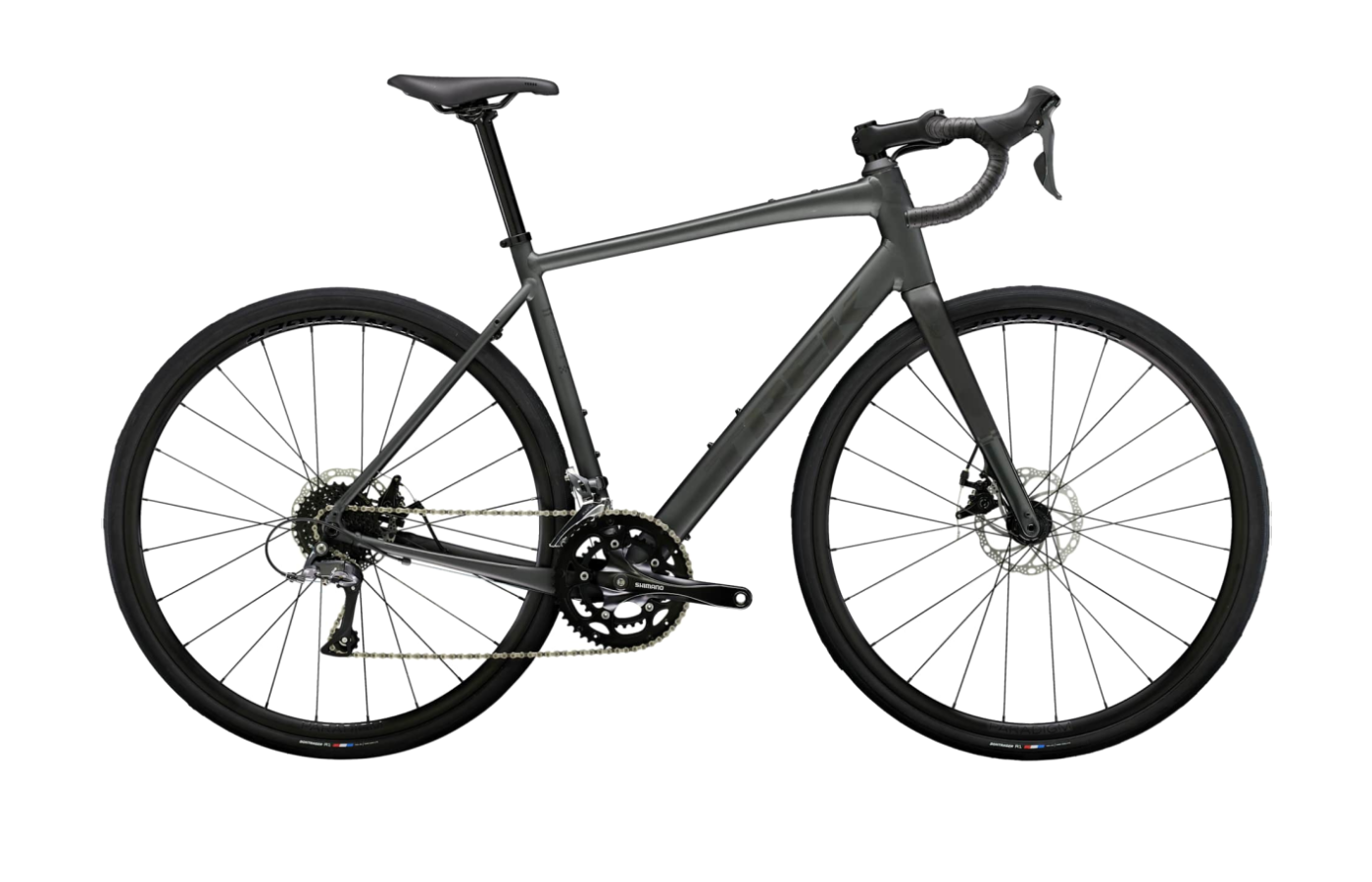
Domane
Trek's endurance answer, with the IsoSpeed decoupler smoothing rough roads through the seat tube rather than the frame layup. Similar comfort goal, different mechanical solution.
Compare →