Cannondale HabitvsTrail
"If someone had the intention of making an amazing mountain bike as simple as possible, this is exactly what you would get," Mo Awesome noted during a test of the Habit LT. While the Habit range seeks out air miles and technical composure through its full-suspension architecture, the Trail series serves as a rugged gateway for those just starting to trade pavement for dirt.
Overview
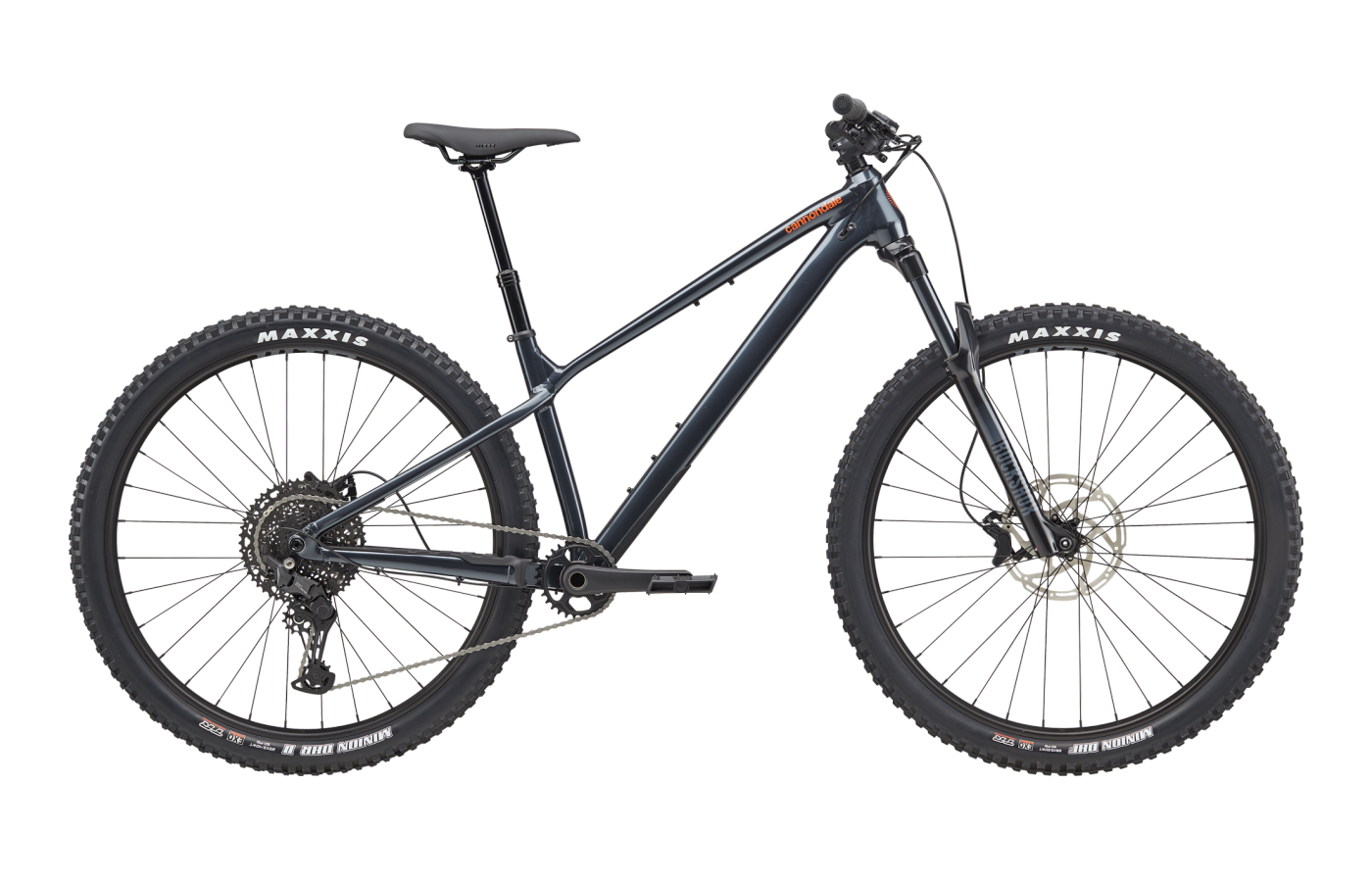
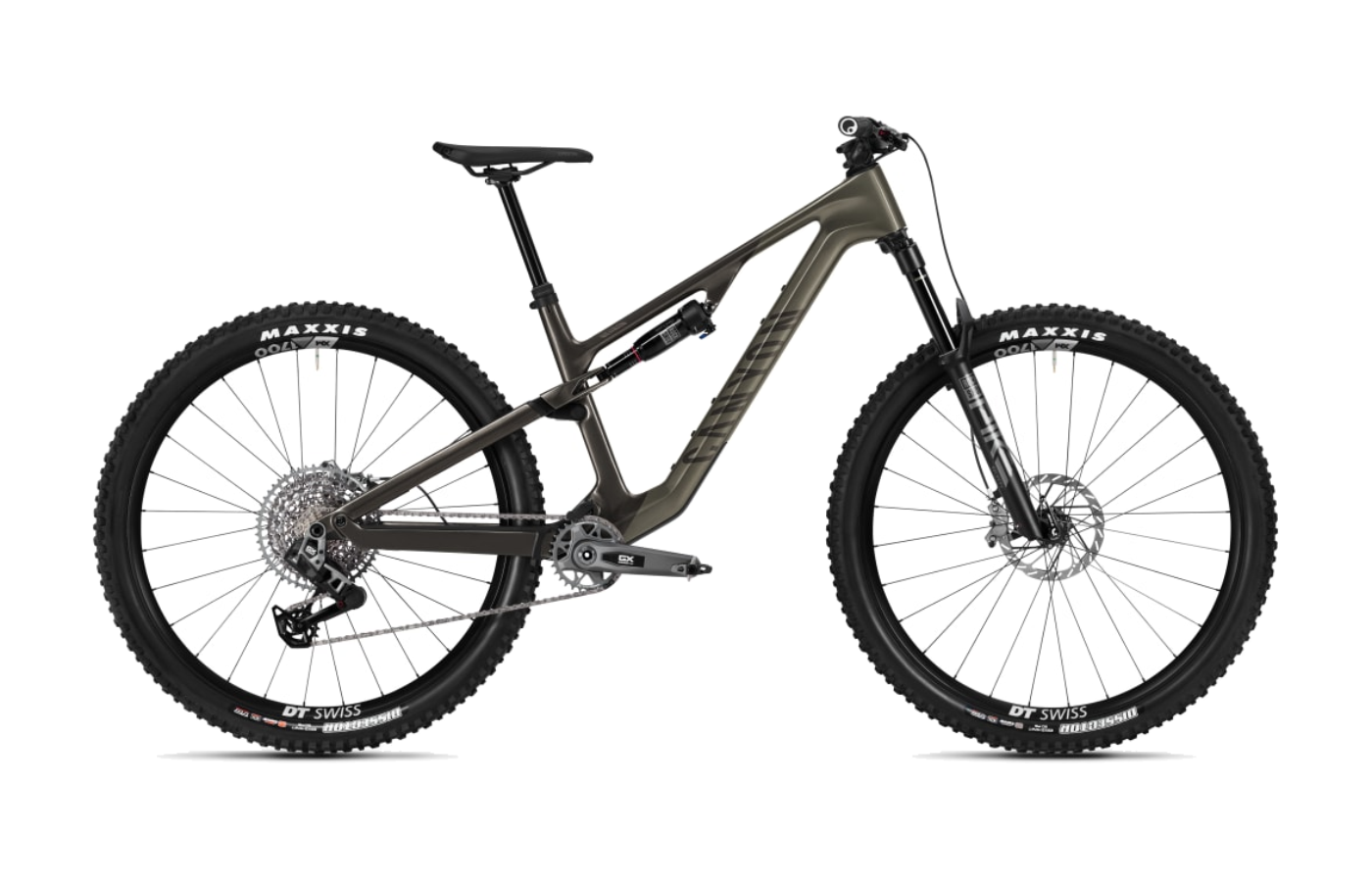
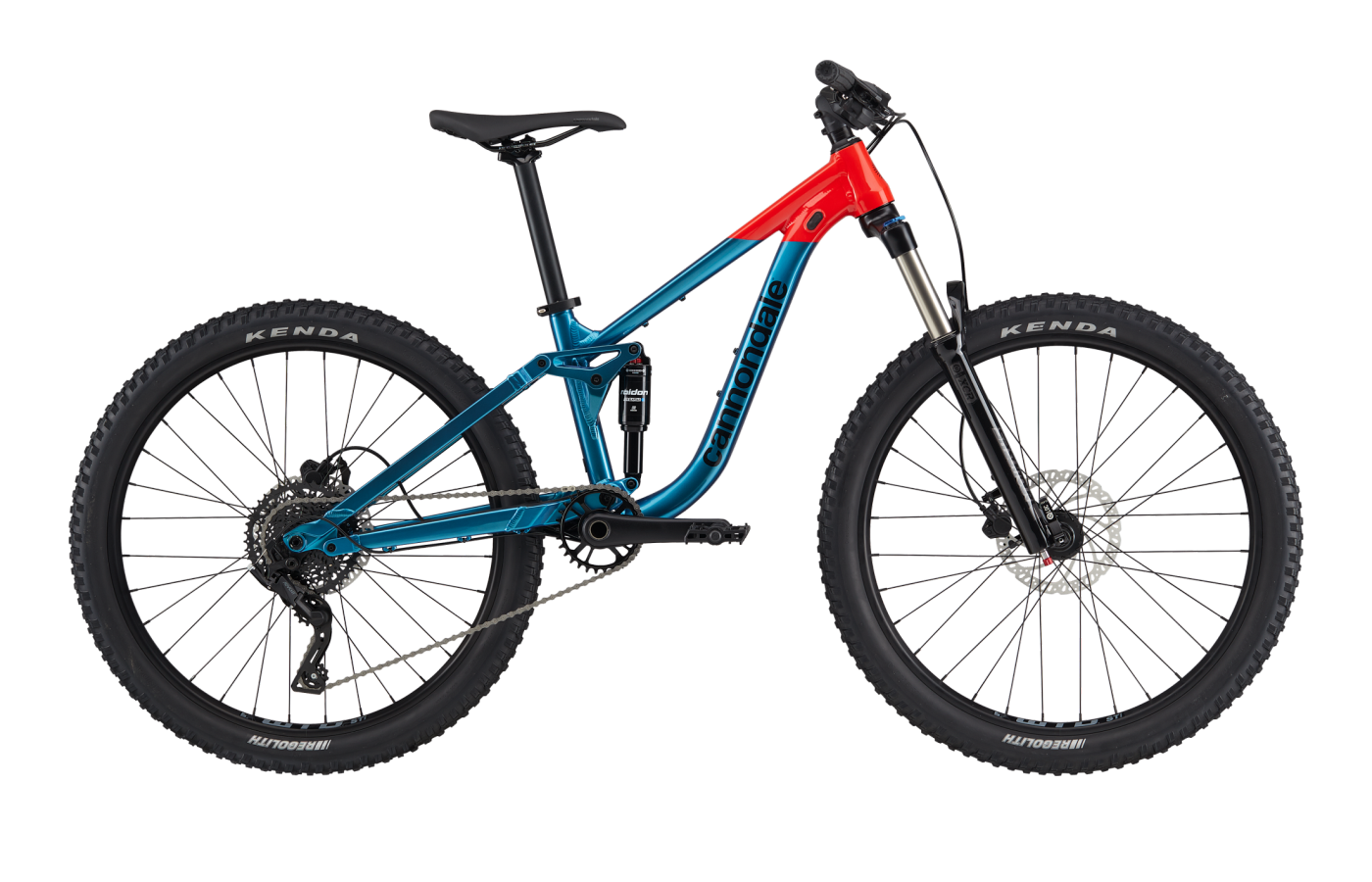
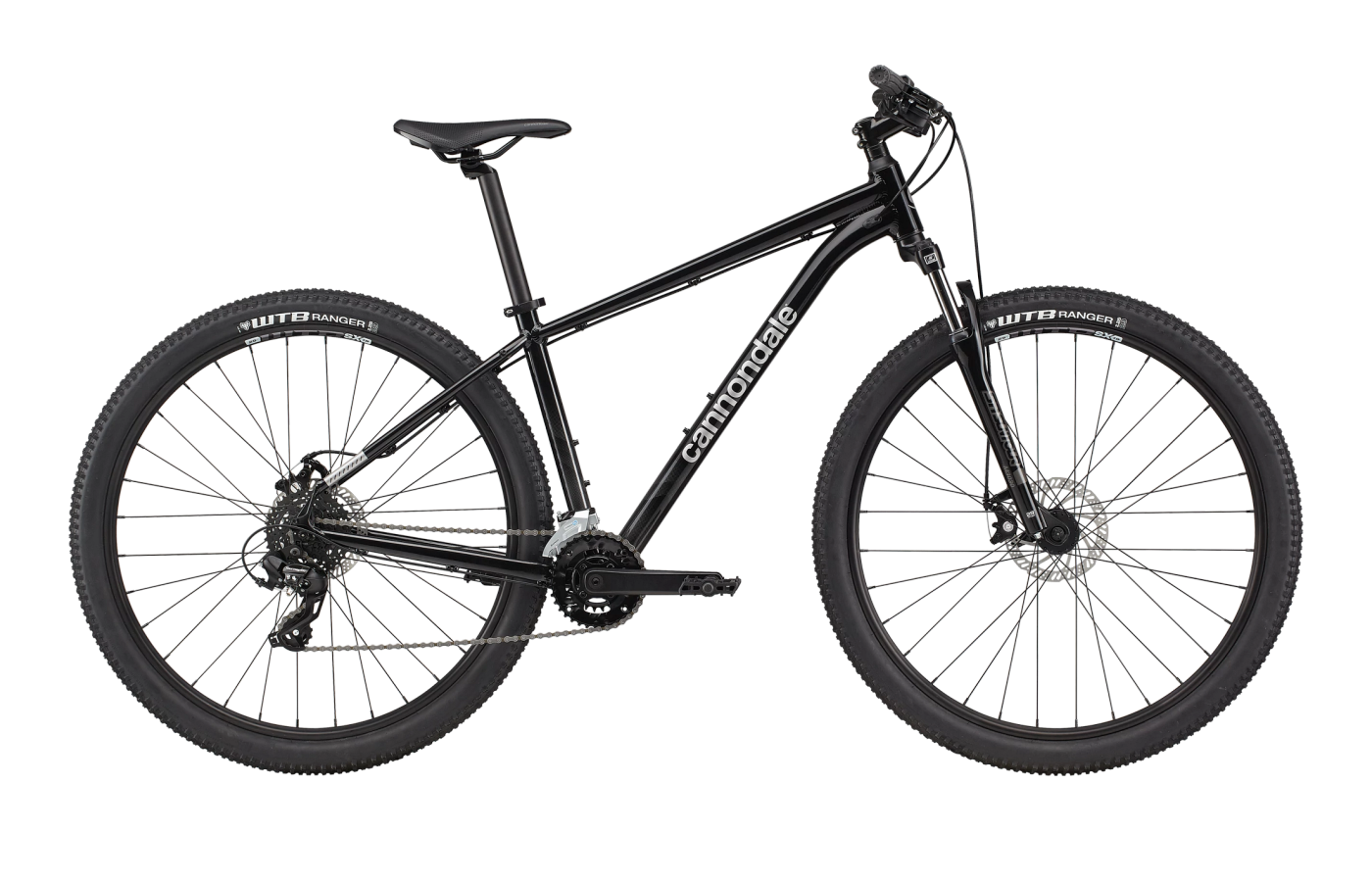
These bikes occupy different worlds despite sharing the same brand badge. The Habit is a dedicated trail tool, built for riders who look at a root section and think "double," while the Trail is a classic hardtail that balances trail capability with the pragmatism of a bike you could commute on. The Habit range starts roughly where the Trail range peaks, highlighting the divide between recreational off-roading and enthusiast-level trail riding. One is an active, poppy machine that rewards technical input; the other is a steady, upright platform meant to instill confidence when the terrain gets lumpy. The Habit uses a four-bar Horst link suspension to manage the rough stuff, whereas the Trail relies on its "SAVE" micro-suspension rear triangle to take the edge off vibrations without the complexity—or cost—of a rear shock. For those looking to progress beyond fire roads, the Habit is a proper mountain bike, while the Trail is an entry-level multi-tool.
Ride and handling
Riding the lower-end Habit 4 is an exercise in managing what reviewers call a "trapdoor" sensation—a sudden loss of rear-end support that can leave you wallowing deep in the 130mm of travel. It is a bike that begs to be thrown around, but it requires an active pilot who isn't afraid to muscle the frame. On the higher-end LT builds, the suspension feels much more poised, eating trail energy without beating you up, even when dropping into technical double black diamond lines. The Habit isn't about plowing through obstacles; it's about skimming over them with a "porpoising" energy. The Trail hardtail offers a more "sit and spin" experience. Its handling is exceptionally stable thanks to a 68-degree head angle on most models, though it lacks the maneuverability of the Habit in tight switchbacks. While the Habit is described as "light on its toes," the Trail 8 can feel a bit sluggish and heavy at nearly 33 pounds. If you're on a Trail, you're likely cruising and focusing on traction; if you're on a Habit, you're likely hunting for alternate landings and trail doubles. Comfort on the Habit comes from its active suspension, which tracks the ground well on technical climbs to maintain rear-wheel grip. On the Trail, comfort is more about the upright geometry and the vibration-damping alloy frame. However, once you hit the limits of the Trail's 75mm to 100mm forks, the front end begins to lose composure. The Habit can feel mismatched when its frame capability outruns the entry-level dampers on its lower builds, but as a package, it remains the far more capable descender.
Specifications
The specification gap between these ranges is a chasm. The Habit LT LTD comes dripping in SRAM XO Transmission and DT Swiss carbon wheels, while the entry-level Trail 8 makes do with mechanical disc brakes and a 7-speed drivetrain. Even at the lower end of the Habit range, such as the Habit 4, you get 4-piston brakes and a 12-speed Shimano Deore groupset, which drastically outperforms the microSHIFT or Shimano Tourney setups found on budget Trail models. Forks are a major sticking point for both. The Habit 4’s RockShox Recon RL is often criticized for lacking finesse and binding under load, a sentiment echoed by users of the Trail series’ SR Suntour coil forks. However, the Trail SE models bridge the gap slightly by offering 120mm forks and 1x drivetrains, making them a much more viable mountain bike for technical terrain than the more urban-focused Trail 7 or 8. The inclusion of dropper posts on the Habit 3 and up is a standard trail requirement that the lower Trail models lack entirely. Wheelsets across the Habit range focus on tubeless-ready performance with brands like Stan's NoTubes, whereas the Trail range sticks primarily to heavy WTB SX19 rims. While the Habit builds use fast-rolling Maxxis Dissector/Rekon tire combos that prioritize "free speed," the Trail range uses more basic WTB Ranger or Breakout tires that provide decent grip but struggle with weight and wet-weather traction. For serious riding, the Habit's spec kit is built to be thrashed; the Trail's kit is built to survive.
| Habit | Trail | |
|---|---|---|
| FRAMESET | ||
| Frame | SmartForm C3 Alloy, 120mm travel, 1-1/8" to 1-1/2" tapered headtube, IS disc mount, StraightShot internal cable routing, dropper post compatible, BSA-73, 142x12mm thru-axle, UDH derailleur hanger | SmartForm C3 Alloy, SAVE, 1-1/8" headtube, post mount disc, StraightShot internal cable routing, dropper post compatible, BSA-73 |
| Fork | SR Suntour XCR34, 120mm travel, air spring, 15x110 Boost thru-axle, 46mm offset | SR Suntour M3030, 75mm, coil, 42mm offset (27.5") / 46mm offset (29") |
| Rear shock | X-Fusion O2 Pro w/ Rebound Adjust | — |
| GROUPSET | ||
| Shift levers | microSHIFT Advent X, trigger style, 10-speed | microSHIFT, 7-speed |
| Front derailleur | — | microSHIFT Dual Pull Compact, Band Clamp |
| Rear derailleur | microSHIFT Advent X | microSHIFT M26L |
| Cassette | microSHIFT, 11-48T, 10-speed | Sunrace, 11-34, 7-speed |
| Chain | KMC X10, 10-speed | KMC Z7, 7-speed |
| Crankset | Prowheel Charm 30T | Prowheel, 36/22 |
| Bottom bracket | Sealed cartridge bearing, square taper | Sealed cartridge bearing, square taper |
| Front brake | Tektro M275 hydraulic disc | Tektro mechanical disc |
| Rear brake | Tektro M275 hydraulic disc | Tektro mechanical disc |
| WHEELSET | ||
| Front wheel | WTB STX i25, 32h; Formula, 15x110mm thru-axle; Stainless steel, 14g | WTB SX19, 32h; Formula, QR; Stainless Steel, 14g |
| Rear wheel | WTB STX i25, 32h; Formula, 12x148mm thru-axle; Stainless steel, 14g | WTB SX19, 32h; Formula, QR; Stainless Steel, 14g |
| Front tire | WTB Vigilante, 26x2.4" | WTB Ranger Comp, 29x2.25" (27.5x2.25" - XS, SM), DNA Compound |
| Rear tire | WTB Vigilante, 26x2.4" | WTB Ranger Comp, 29x2.25" (27.5x2.25" - XS, SM), DNA Compound |
| COCKPIT | ||
| Stem | 6061 Alloy, 31.8mm clamp, 7° | 6061 Alloy, 31.8, 8° |
| Handlebars | Cannondale Riser, 6061 Alloy, 25mm rise, 8° sweep, 6° rise, 720mm | 6061 Alloy Riser, 31.8mm, 25mm rise, 700mm |
| Saddle | Cannondale Stage 3 | Cannondale Stage 3 |
| Seatpost | Cannondale 3, 6061 Alloy, 31.6x350mm | Cannondale 3, 6061 Alloy, 31.6x350mm (XS - SM), 400mm (MD-XL) |
| Grips/Tape | Cannondale Dual-Density | Cannondale Dual-Density |
Geometry and fit comparison
Reach numbers on the Habit are thoroughly modern, hitting 480mm on a size Large, which provides a roomy cockpit for technical descending. Contrast this with the Trail, which maintains a more traditional, upright geometry favoring comfort over aggressive positioning. The Habit’s 65.5-degree head tube angle (slackened to 64.7 on the LT) makes it much more capable when the trail drops away compared to the steeper 68-degree angle on a standard Trail hardtail. Both bikes use the Proportional Response philosophy, meaning chainstay lengths grow with frame size to keep the rider balanced between the wheels. On a size Large Habit, the stays are 435-445mm depending on the specific model, providing a stable platform for high-speed tracking. The Habit also features a significantly higher stack height (641mm on Large), which keeps the front end precise on steep, technical descents without feeling like you are being pitched over the bars. The Trail adjusts wheel size by frame, putting XS and SM riders on 27.5-inch hoops and everyone else on 29s, ensuring the bike doesn't feel like a monster truck for smaller riders. However, the Trail's seat tube angle is significantly slacker at 73.5 degrees compared to the Habit's 77.5-degree effective angle. In practice, this means the Habit places you in a much better, more centered position for winching up steep, technical climbs, whereas the Trail can feel like you are pedaling from behind the bottom bracket.
| FIT GEO | Habit | Trail | |
|---|---|---|---|
| Stack | 641 | 632 | -9 |
| Reach | 480 | 447 | -33 |
| Top tube | 617 | 634 | +17 |
| Headtube length | 130 | 115 | -15 |
| Standover height | 751 | 795 | +44 |
| Seat tube length | 445 | 470 | +25 |
| HANDLING | Habit | Trail | |
|---|---|---|---|
| Headtube angle | 65.5 | 68 | +2.5 |
| Seat tube angle | 72 | 73.5 | +1.5 |
| BB height | 341 | 307 | -34 |
| BB drop | 38 | 65 | +27 |
| Trail | 127 | 101 | -26 |
| Offset | 42 | 46 | +4 |
| Front center | 796 | 728 | -68 |
| Wheelbase | 1234 | 1166 | -68 |
| Chainstay length | 440 | 445 | +5 |
Who each one is for
Cannondale Habit
If you spend your work week watching jib edits and want a bike that can handle bike park laps on Saturday and a 20-mile forest loop on Sunday, the Habit is your tool. It suits the rider who values a playful feel over pure climbing efficiency and is willing to trade a little pedal bob for a bike that pops off every root in sight. It’s for someone who wants a "proper" trail machine that can grow with their skills as they move from flow trails to double blacks.
Cannondale Trail
The Trail is for the person who needs a dependable "do-everything" bike that can survive a weekend exploration of green trails and fire roads, then pull duty as a rugged commuter on Monday. It is the right call if your budget is firm and your goals are more about building fitness and confidence than chasing Strava downhill segments. If you need a bike that is as comfortable on a rail trail as it is on a dirt path, the Trail's stability wins out.