Scalpel
vsASR
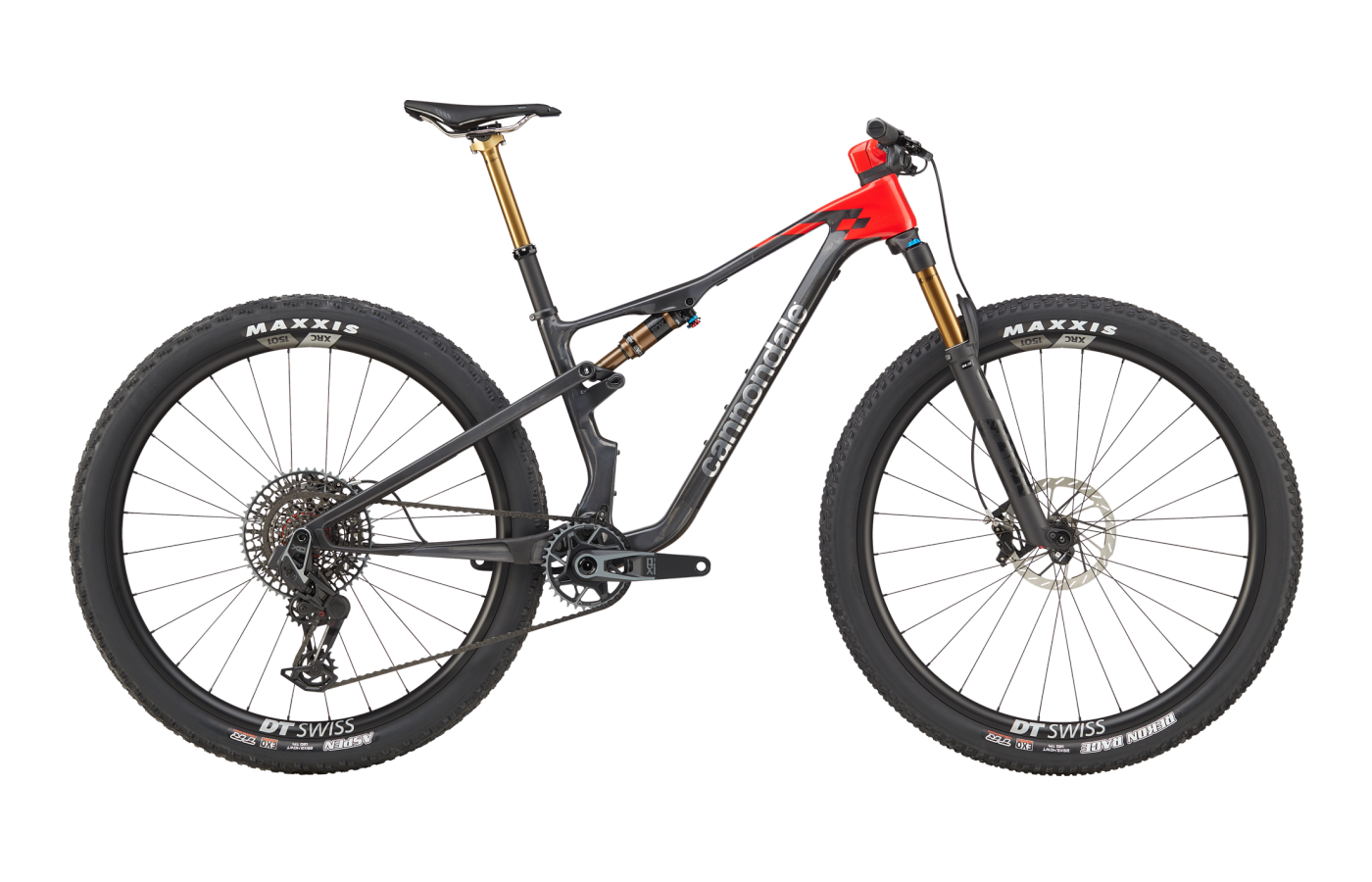
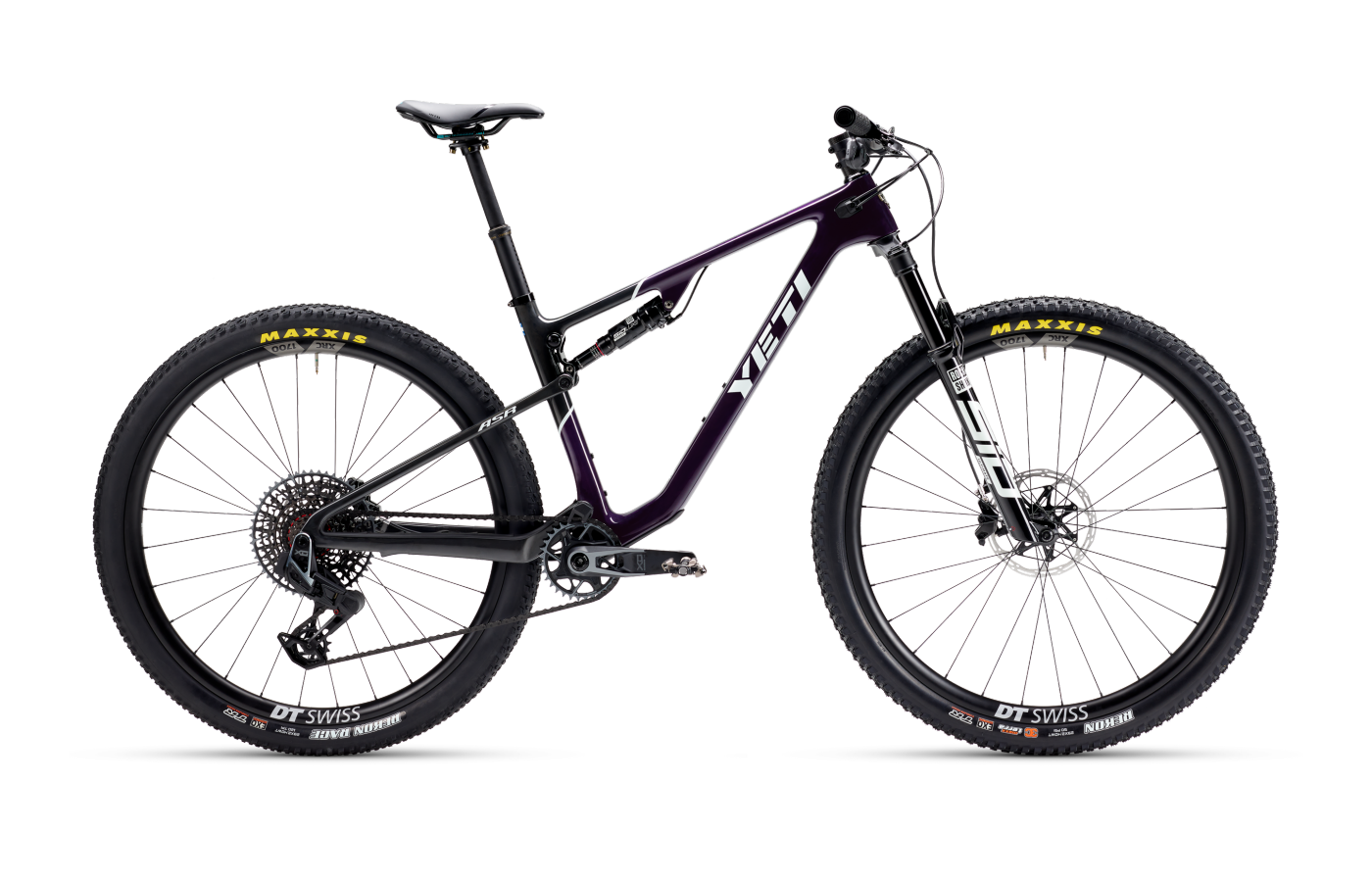
Two 120 mm XC race bikes, two suspension philosophies.
The Scalpel uses FlexPivot carbon flex and a firm pedaling platform. The ASR runs a linear single-pivot that wants 30% sag and rewards setup patience.
Scalpel
- Firmer pedaling platform — FlexPivot + ~100% anti-squat means open mode is efficient enough that most testers skipped the lockout.
- Longer, more planted geometry — 5.5 mm more reach and a hair more wheelbase at size M makes the Scalpel feel more stable at speed.
- Wider build-price range — lineup starts at $3,349 with a Deore build on the same Series 1 carbon frame as the $8,499 flagship.
- Through-headset cable routing on every build — Cannondale itself recommends a professional bearing inspection every six months.
- Integrated SystemBar cockpit means bar width or stem length changes require buying a whole new unit.
ASR
- Exceptional small-bump compliance — the 30% sag recommendation + linear leverage curve dulls chatter like a short-travel trail bike.
- Mechanic-friendly frame decisions — threaded BB, standard external cable ports, no through-headset routing, and a removable integrated chain guide.
- TURQ frame is among the lightest in class — claimed 1,448 g for the wireless version, with the C-series only ~175 g behind.
- The 30% sag and linear curve mean the remote lockout isn't optional — reviewers call it "required" on any smooth climb or sprint.
- Price floor is $6,000 with no entry-tier mechanical option; no cheaper way into the platform.
Editor’s analysis
Same category, same head angle, same seat angle — and two completely different answers to the question of what an XC bike should feel like under power.
On paper, the Cannondale Scalpel and Yeti ASR look like twins. Both ship with 120 mm forks, near-identical 66.5-66.6 degree head angles, 75.5 degree effective seat tubes, and size-specific chainstays on medium-and-up frames. Both swapped into modern XC the same year and both are meant to be raced. But the rear ends diverge immediately: 120 mm of FlexPivot four-bar travel on the Scalpel versus 115 mm of linear flex-stay single-pivot on the ASR, the latter tuned around a deep 30% sag that almost no other race bike asks for.
The Scalpel is the more conventionally efficient machine. Cannondale's FlexPivot design targets around 100% anti-squat near sag, and reviewers almost unanimously say the open mode is firm enough that the lockout is unnecessary — Blister's Simon Stewart and Pinkbike's Sarah Moore both ran it open all day. Geometry on a medium stretches the reach to 450 mm with a 438 mm chainstay, giving it a slightly longer, more planted feel. Where it stumbles is livability: integrated SystemBar cable routing and through-headset hoses are, as Bicycling put it, "a mechanic's headache," with Cannondale itself asking for a professional bearing inspection every six months.
The ASR takes the opposite bet. Yeti deliberately runs a linear 10% progression leverage curve and recommends 30% rear sag — five-to-ten points deeper than most XC platforms — which produces a muted, trail-bike feel over chatter but demands the three-position TwistLoc lockout for any smooth-pedaling section. Reach is 5.5 mm shorter than the Scalpel at size M (444.5 vs. 450 mm), and the TURQ chassis, at a claimed 1,448 g wireless, is among the lightest XC frames on the market. Crucially, Yeti refused through-headset routing and kept a threaded BB, so home mechanics can actually work on the bike.
Put another way: the Cannondale Scalpel is the firmer, racier feel with the worse mechanic-facing decisions. The Yeti ASR is the plusher, more compliant feel with the better long-term ownership story. Neither is objectively faster — they just lose speed in different places and gain it back in different ways.
Where the builds differ.
Comparing our editor's-pick builds side-by-side. Winners highlighted row-by-row — lower price and weight, and the better-spec component, each mark a point.
Build variants & pricing
The Scalpel lineup runs $3,349 to $8,499 across four builds; the ASR goes $6,000 to $14,300 across six. Both share the same frame across their tiers (Scalpel Series 1, ASR's TURQ vs. C-series splits at ~175 g).
Prices are current US MSRP. The editor's-pick builds here are the Scalpel 1 ($8,499, SRAM XO AXS, Fox Factory, DT Swiss XRC 1501 carbon) and the ASR T3 X0 AXS Transmission ($8,700, RockShox SID Ultimate, DT Swiss XRC 1700) — chosen for matched groupset tier, matched flagship-carbon frame, and near-identical price. The ASR T3's stock wheels are the platform's main price-to-value gripe across reviews.
How they fit, how they steer.
At size M, the two are within 5 mm on every critical number: Scalpel reach 450 mm vs. ASR 444.5 mm, stack 597 vs. 599.4 mm, head angle 66.6° vs. 66.5°, chainstay 438 vs. 436.9 mm. Seat angles are identical at 75.5°.
Which size should I buy?
Size recommendations are based on stack, reach, and effective top tube. The ASR offers an XS that the Scalpel doesn't, so shorter riders have an extra option on the Yeti side.
→These are starting points. Flexibility, riding style, and preferred position all shift the answer — if you’re between sizes, a professional fit beats a chart.
What the magazines said.
Published reviews from trusted cycling outlets. Click through for the full write-up.
Which one should you buy?
If you want the firmer, more planted XC racer and don't mind the service-bay tax, get the Scalpel. If you want the plusher, more comfortable ride and a bike your local shop won't curse, get the ASR.
Scalpel
The Scalpel is the choice if your XC is hammer-down race day with the occasional downcountry scramble on the way home. It's firmer under power, longer in the wheelbase, and its lineup lets you buy in at $3,349 and upgrade from the same frame later. Just accept the through-headset routing and budget for shop time.
ASR
The ASR is the choice if comfort, traction, and long-term serviceability outweigh raw pedaling stiffness. The 30% sag setup muffles chatter in a way stiffer race bikes can't, and the no-through-headset frame is the one your home mechanic will thank you for. You just have to be disciplined with the remote lockout.
Questions buyers actually ask.
Short answers to the things we get emailed about most often.
01Which one pedals more efficiently with the suspension open?
The Scalpel, by most reviewer accounts. Cannondale's FlexPivot kinematics target roughly 100% anti-squat near sag, and reviewers at Blister, Pinkbike, and Theloamwolf all reported that the open mode is firm enough that the lockout is effectively optional.
The ASR is the opposite by design: Yeti's linear 10% progression leverage curve plus the recommended 30% sag produces what multiple reviewers called "noticeable suspension movement" under hard pedaling in open mode. The three-position TwistLoc remote (or Flight Attendant on the T5) isn't optional — reviewers describe it as required for sprints and smooth climbs.
02How much actual travel does each have?
The Scalpel runs 120 mm front and 120 mm rear across the entire lineup.
The ASR runs 120 mm front and 115 mm rear. Both use 29" wheels and run 2.4" Maxxis tires stock. The 5 mm rear-travel gap is smaller than it sounds in practice because the ASR sits deeper in its stroke at 30% sag, so it uses more of what it has.
03What's the real geometry difference at size M?
Smaller than most people expect. Reach: Scalpel 450 mm, ASR 444.5 mm. Stack: Scalpel 597 mm, ASR 599.4 mm. Head angle: 66.6° vs. 66.5°. Chainstay: 438 mm vs. 436.9 mm. Seat angle is identical at 75.5°.
The Scalpel is fractionally longer and slightly lower; the ASR is fractionally taller and shorter in reach. In practice, both feel like modern 120 mm XC bikes — the real character difference comes from suspension tuning, not geometry.
04Is the Scalpel's through-headset cable routing actually a problem?
It depends on who's wrenching on it. Cannondale routes cables through the handlebar and through the headset on every Scalpel build, and Cannondale's own assembly manual recommends a professional headset bearing inspection every six months. Reviewers at Bicycling, Bike Magazine, and Escape Collective all flagged it as a negative for serviceability.
The ASR specifically avoided this design — Yeti kept standard external cable ports with clamped entries, a threaded BB, and a UDH hanger. Nearly every review of the ASR calls this out as a deliberate win for home mechanics.
05Why does the ASR recommend 30% sag when most XC bikes run 20-25%?
Yeti designed the leverage curve around it. The ASR uses a linear 10% progression rate, so to get the bike to use its 115 mm of travel on bigger hits (rather than feeling wooden until a sudden bottom-out), Yeti asks riders to sit deeper at rest.
The tradeoff: the bike pedals "softer" in open mode and relies on the remote lockout for pedaling efficiency, but gains exceptional small-bump compliance and rear-wheel traction. Reviewers at Pinkbike and Escape Collective both emphasized that setup sensitivity is higher than average — a few psi in the shock changes the ride meaningfully, and the short 40 mm shock stroke amplifies that.
06Which frame is lighter?
The ASR, at the frame level. Yeti claims 1,448 g for the wireless TURQ frame (size M). The Scalpel's Series 1 carbon frame is around 1,980 g at size M without shock (Pinkbike tested), with the LAB71 Series 0 at roughly 1,780 g.
At the bike level the gap narrows depending on build — Blister weighed a Scalpel 2 at 25.6 lb (size L) and a Yeti-provided ASR T3 at 23.93 lb. The Scalpel needs its wheel and cockpit upgrades to hit the ASR's out-of-the-box weight.
07How wide are the build ranges and what's the "best value" pick on each?
Scalpel: four builds from $3,349 (Deore, RockShox SID) to $8,499 (SRAM XO AXS, Fox Factory, DT Swiss XRC 1501 carbon wheels). The Scalpel 2 at $5,799 — SRAM GX AXS Transmission, RockShox SID Select+, HollowGram carbon wheels — is the most commonly-cited value pick, since it shares the same Series 1 frame as the flagship.
ASR: six builds from $6,000 (C2, Eagle 90) to $14,300 (T5 Ultimate, Flight Attendant). The C2 at $6,000 and C3 GX AXS at $6,200 are frequently called the best value since the C-series frame is only ~175 g heavier than the TURQ and runs the same kinematics.
08Can I actually race either one, or are these trail bikes in disguise?
Both are real race bikes. The Scalpel won the 2024 World Cup XCO overall and XCO World Championships under Alan Hatherly and took the XC Marathon Worlds under Mona Mitterwallner and Simon Andreassen. The ASR returned Yeti to top-level XC in 2024 and is raced by their factory team.
The 120 mm travel and slacker 66.5-66.6° head angles on both reflect how technical modern XC courses have become — neither bike is a "downcountry" concession, they're what the sharp end of the sport actually looks like now.
Similar bikes
If your priorities don’t map cleanly onto either of these, one of these adjacent bikes probably fits better.
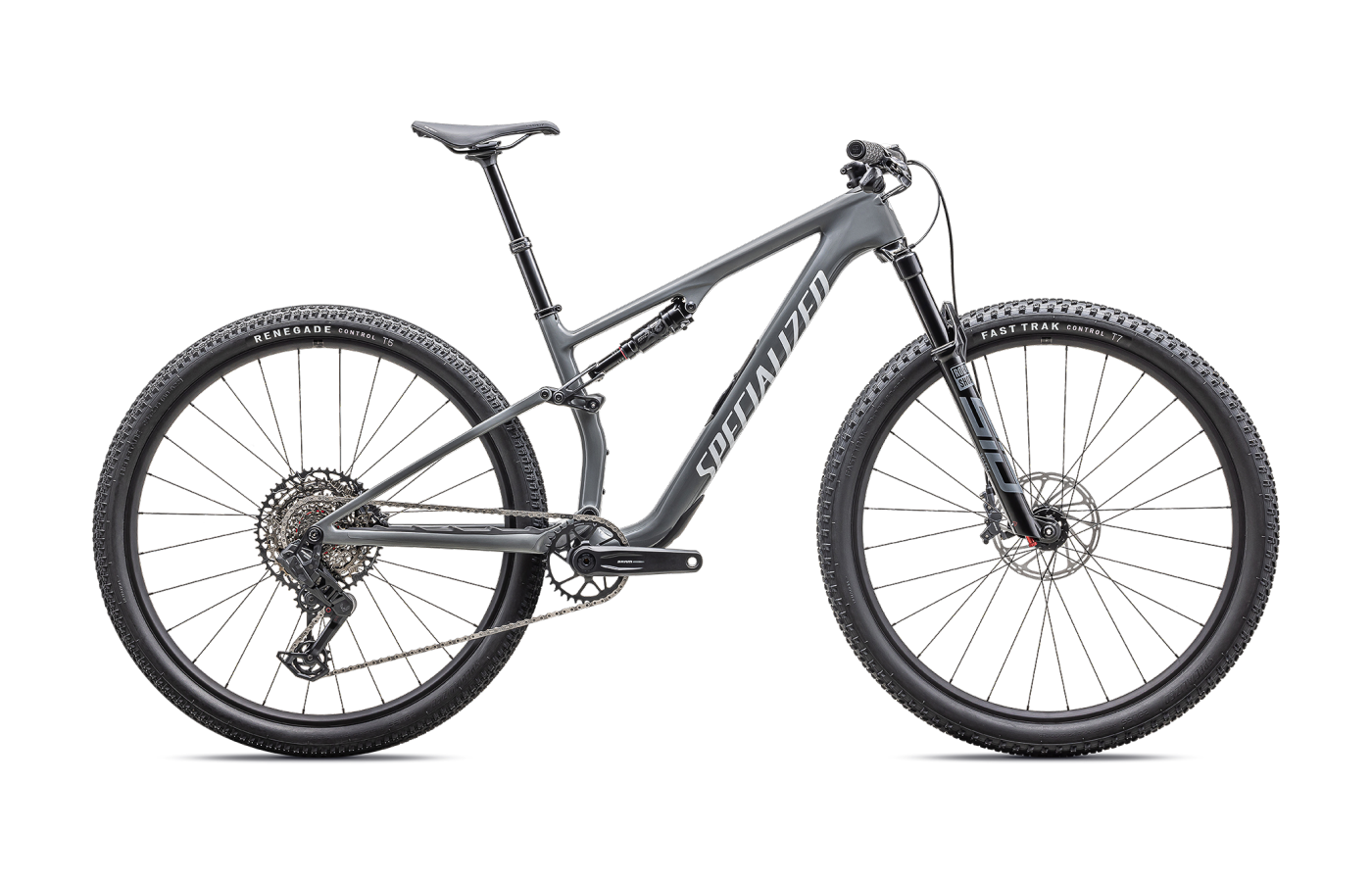
Epic
Specialized's 120 mm SIDLuxe-sprung XC platform — the one with the downtube SWAT storage compartment. Currently the benchmark for how efficient a 120 mm XC rear end can be, and the most obvious cross-shop for either of these.
Compare →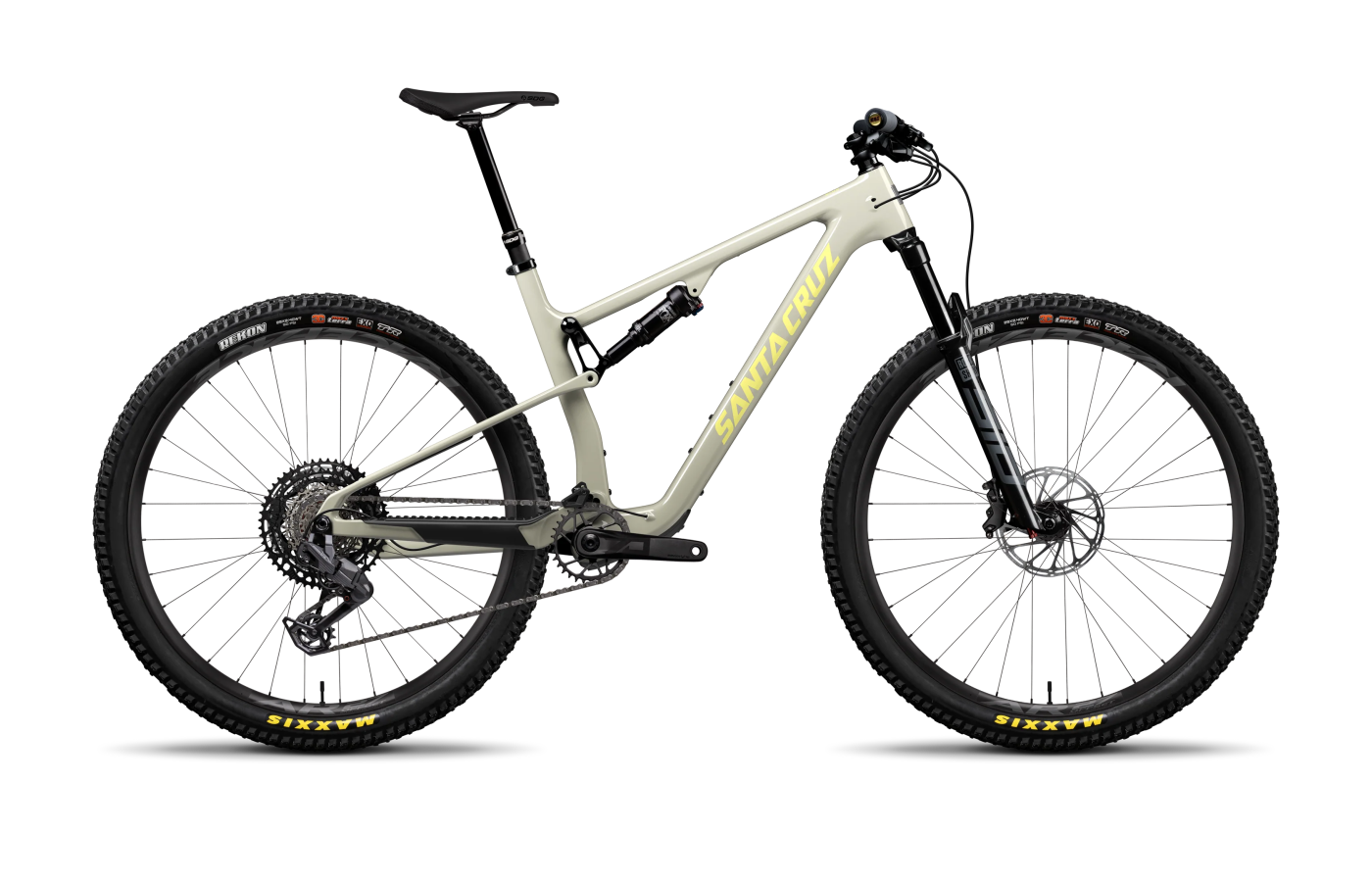
Blur
A flex-stay XC rig with a very similar personality to the ASR, but with lifetime bearing and frame warranty — less industry hype, significantly lower long-term ownership cost.
Compare →
Lux Trail
The direct-to-consumer value play — roughly Scalpel 2-tier SRAM and RockShox spec at meaningfully less money. The catch is no local dealer and conservative geometry relative to the Scalpel and ASR.
Compare →