SuperX
vsSynapse
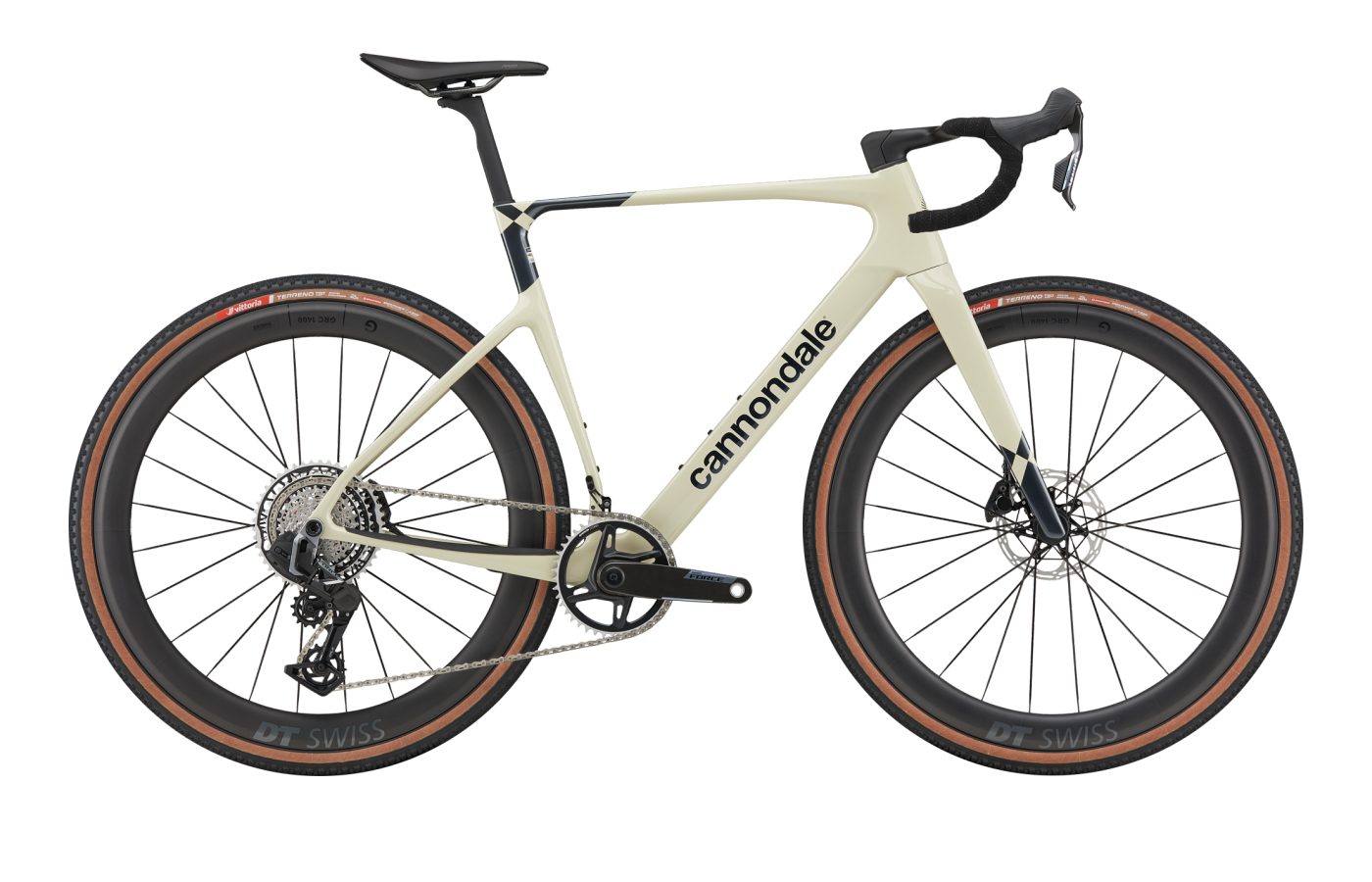
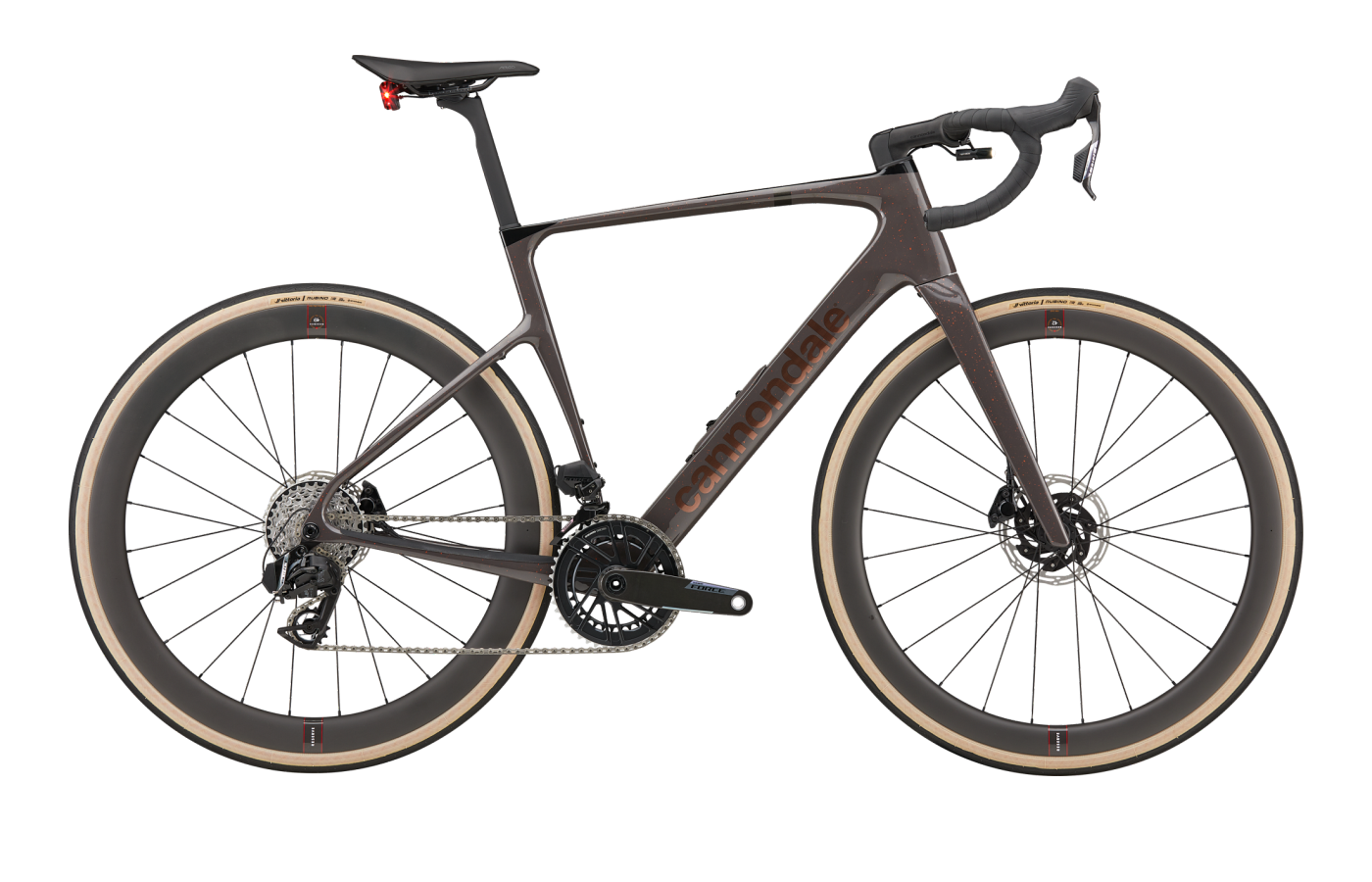
Same brand, same frame language, two very different jobs.
The SuperX is a gravel race bike that borrowed road aero cues. The Synapse is an endurance road bike that borrowed gravel tire clearance. Where they overlap is narrower than it looks.
SuperX
- 48 mm rear, 51 mm fork clearance — class-leading room for mud, volume, and true race-gravel rubber.
- Race-tuned compliance — D-shaped seatpost plus flex-tuned seat and chainstays take the edge off washboard without going soft.
- Aero-first gravel design — Delta steerer, deep downtube, aero bottles; nothing else in the gravel race segment pushes drag reduction this far.
- Firm front end — reviewers flag it as the trade-off for the aggressive, stiff chassis.
- Only five builds, starting at $4,199 — limited entry-level options vs. the Synapse range.
Synapse
- Sublime road compliance — a claimed 20% increase over Gen 5, with reviewers calling it "remarkably smooth" over chip-seal and broken tarmac.
- SmartSense 2.0 integration — one central battery runs lights, Garmin Varia radar, and SRAM AXS shifting with intelligent power management.
- 13 builds from $1,299 to $16,499 — the widest price ladder of any bike in this comparison.
- Alloy handlebar at the $7,499 Carbon 2 SmartSense tier — multiple reviewers called it out as the bike's weakest component.
- Longer wheelbase and 61 mm trail make it stable-first; some riders find it sedate vs. racier endurance rivals.
Editor’s analysis
This isn't crossover shopping — it's a fork-in-the-road choice between race gravel and all-day pavement, and Cannondale built the two bikes to answer opposite questions.
Start with what each bike is optimized for. The Cannondale SuperX is a race-focused gravel rig — cyclocross pedigree revived as a road-aero-shaped frame with 48 mm rear and 51 mm fork clearance. The Cannondale Synapse is the brand's endurance road platform, Gen 6, with 42 mm rear / 48 mm fork clearance and a claimed 20% more frame compliance than the previous generation. Both will run a 40 mm tire. Only one is actually built to race on one.
Geometry tells the same story. The Cannondale SuperX at size 56 runs a 71° head tube with 65 mm of trail and 422 mm chainstays — long enough to stay planted in loose stuff, short enough to flick through a cyclocross course. The Cannondale Synapse at size 51 sits at 71.3° with 61 mm of trail and 425 mm chainstays; its wheelbase is stretched a full 10 mm vs. the previous Synapse to calm things down on chip-seal. The numbers are close on paper, but the SuperX's firmer front end and the Synapse's longer, more relaxed platform are felt immediately once you're moving.
Then there's the spec philosophy. The Cannondale SuperX is stripped down: no storage, no lights, aero-optimized bottle cages, a D-shaped seatpost tuned for rear compliance, and — on the flagship — an integrated SystemBar R-One cockpit. The Cannondale Synapse piles on integration going the other direction: StashPort downtube storage, the much-improved SmartSense 2.0 system that ties front/rear lights, Garmin Varia radar, and SRAM AXS shifting to one central battery. One bike is for race day. The other is for every other day of the year.
Put simply: the Cannondale SuperX is the bike you buy if your calendar has entry fees on it. The Cannondale Synapse is the bike you buy if your calendar has five-hour Saturdays on it.
Where the builds differ.
Comparing our editor's-pick builds side-by-side. Winners highlighted row-by-row — lower price and weight, and the better-spec component, each mark a point.
Build variants & pricing
Both ranges top out with a LAB71 hero bike and share SRAM and Shimano options below — but the Synapse goes much deeper on the entry-level end.
Prices are current US MSRP. The SuperX range is five builds ($4,199–$12,499), all carbon. The Synapse range is 13 builds ($1,299–$16,499) spanning alloy through Hi-MOD carbon; most of the sub-$3k Synapse builds are alloy-framed. The two editor's picks here are both SRAM Force AXS at the same $7,499 price — the fairest apples-to-apples on each platform.
How they fit, how they steer.
Cannondale's size labels don't line up across these two — the fit algorithm picks a SuperX 56 and a Synapse 51 for the same 5'8" rider. Reach lands within 9 mm (385 vs. 376) and stack within 25 mm (575 vs. 550). The SuperX has a slacker 71° HTA with 65 mm of trail; the Synapse sits at 71.3° with 61 mm of trail and a slightly longer 425 mm chainstay (vs. 422 mm on the SuperX).
Which size should I buy?
Size recommendations are based on stack, reach, and effective top tube. The two labels overlap in fit even though the numbers read differently — Cannondale uses different sizing conventions for road and gravel.
→These are starting points. Flexibility, riding style, and preferred position all shift the answer — if you’re between sizes, a professional fit beats a chart.
What the magazines said.
Published reviews from trusted cycling outlets. Click through for the full write-up.
Which one should you buy?
If you're signing up for gravel races, get the SuperX. If you're signing up for long road miles in all weather, get the Synapse.
SuperX
If you want a bike that's genuinely built for the pointy end of a Saturday gravel event — wide rubber, aero tube shapes, firm front end, no compromises for comfort features — the SuperX delivers exactly that. Cyclocross duty comes along as a bonus.
Synapse
If most of your riding is long, paved, and often in changing conditions, the Synapse is the smarter tool. The SmartSense lights-and-radar system plus StashPort storage make it a genuine year-round daily driver, and the 42 mm clearance means you can take smooth gravel detours without swapping bikes.
Questions buyers actually ask.
Short answers to the things we get emailed about most often.
01Can I use the Synapse for gravel riding?
Within limits — yes. The Synapse clears 42 mm at the rear and 48 mm at the fork, so mixed-surface riding and smooth gravel detours are fair game. But the road-endurance geometry (61 mm trail, 71.3° HTA) and the stock 32 mm road tires aren't set up for washboard, mud, or technical terrain.
For the occasional unpaved shortcut, it's plenty. For a 150-km gravel race, get the SuperX.
02Can I use the SuperX as a road bike?
Less comfortably. The SuperX will happily run narrower tires (it ships with 40 mm Vittoria Terreno T50s), and the aero tube shapes work at road speeds. But the 65 mm trail and firm front end — flagged in reviews as the main trade-off for the race-gravel chassis — make it less relaxing than the Synapse on long pavement days.
It's a race tool that can commute. It's not a long-day-in-the-saddle bike.
03What's the actual tire clearance difference?
SuperX: 48 mm rear, 51 mm fork. Granfondo confirmed 45 mm tires fit with "plenty of room to spare."
Synapse: 42 mm rear, 48 mm fork. Cannondale has pushed this further than most endurance platforms — the stock 32 mm Vittoria Rubinos measure closer to 35 mm on the wide Reserve 42 rims.
So the SuperX has 6 mm more frame clearance. It's the difference between a gravel race tire and an endurance all-road tire.
04Which has better rear compliance?
Close, but different philosophies. The SuperX uses a D-shaped seatpost plus engineered flex zones in the seat and chainstays — tuned specifically to take the sting out of washboard at speed. The Synapse claims a 20% increase in frame compliance over its predecessor, drawing on design cues from the SuperX, with a similar D-shaped seatpost.
On paved roads, the Synapse's longer wheelbase and chip-seal-focused tuning feels smoother. On off-road hits, the SuperX's broader-spectrum compliance is more useful.
05Why is SmartSense only on the Synapse?
Because the SmartSense system — lights, Garmin Varia rear radar, and a central battery that also powers SRAM AXS — is aimed at everyday road riding: traffic awareness, year-round visibility, one battery to charge. None of that matters much on a closed gravel race course, so the SuperX skips it and saves roughly 460 g.
If you want integrated safety tech, that's a Synapse-only answer.
06How do the editor's-pick builds compare?
Both editor's picks are SRAM Force AXS builds at $7,499 — a rare apples-to-apples matchup across two different Cannondale platforms.
The SuperX "1" gets DT Swiss GRC 1400 DICUT carbon wheels (24 mm internal, 50 mm depth) and the integrated Cannondale SystemBar R-One cockpit. The Synapse Carbon 2 SmartSense gets Reserve 42|49 Turbulent Aero wheels (a $1,599-retail wheelset on its own, per BikeRadar) plus the full SmartSense 2.0 tech stack — but pairs them with an alloy Cannondale C1 Conceal stem and Vision Trimax alloy bar rather than integrated carbon.
Different bikes, different priorities. Same drivetrain, same price.
07How much storage does each frame offer?
The Synapse has Cannondale's StashPort downtube storage — a dedicated compartment in the frame, secured against rattle, large enough for tools and spares. Reviewers consistently praise it for keeping essentials "out of dirt, out of rain."
The SuperX has no in-frame storage. It relies on top-tube mounts and aero-optimized bottle cages. That's a race-bike choice — more aero, less weight, nothing to rattle loose.
08Which is better for long, unsupported rides?
The Synapse, for most riders. The 20% compliance gain over the previous Gen, longer wheelbase, StashPort storage, and SmartSense lighting all point to long, year-round, all-weather use. Reviewers describe it as "cossetting" and "ideal for long days in the saddle."
The SuperX handles long gravel events well, but its firm front end and stripped-down spec mean you're working harder for comfort over big miles. For bikepacking or ultra-distance, the Synapse is the more livable platform.
Similar bikes
If your priorities don’t map cleanly onto either of these, one of these adjacent bikes probably fits better.
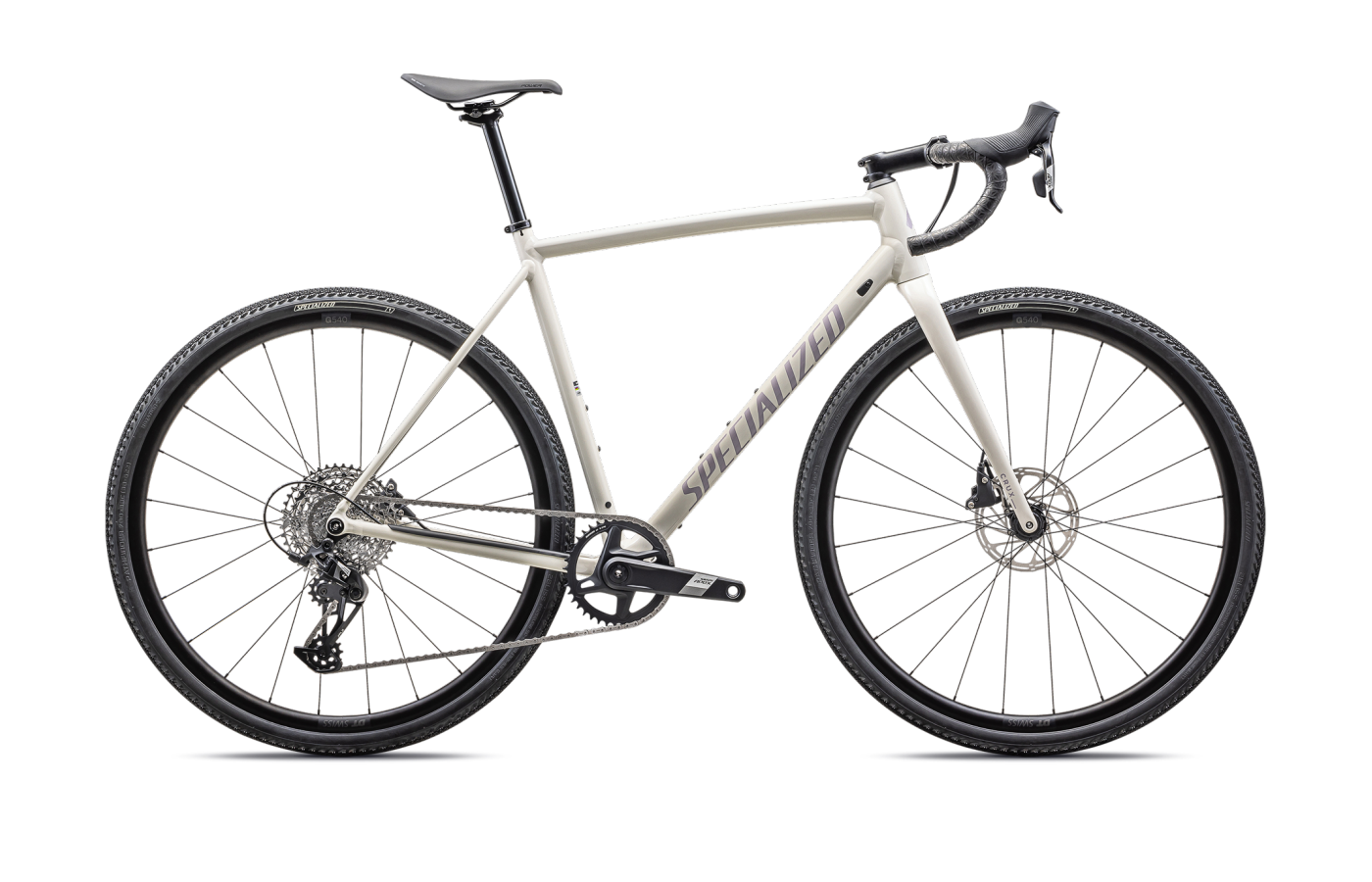
Crux
The lighter, more minimalist gravel alternative to the SuperX — the **Specialized Crux** skips aero integration in favor of raw weight savings and a more traditional tube shape. Get one if gram-counting matters more than drag.
Compare →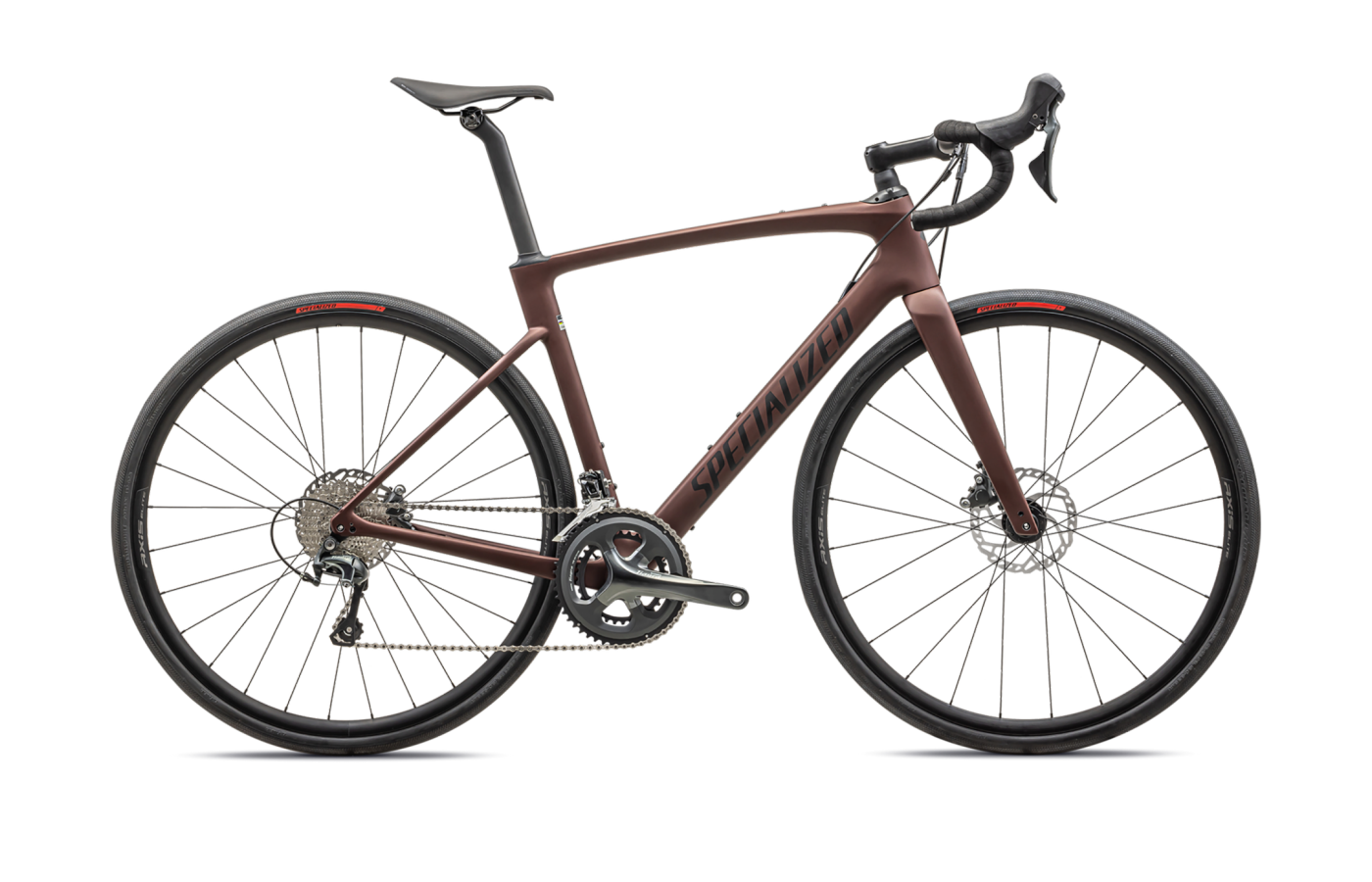
Roubaix
The direct Synapse rival — the **Specialized Roubaix** adds Future Shock 3.0 for active front-end compliance, going further than the Synapse's carbon-layup approach. If you want the plushest endurance bike on the market, it's this.
Compare →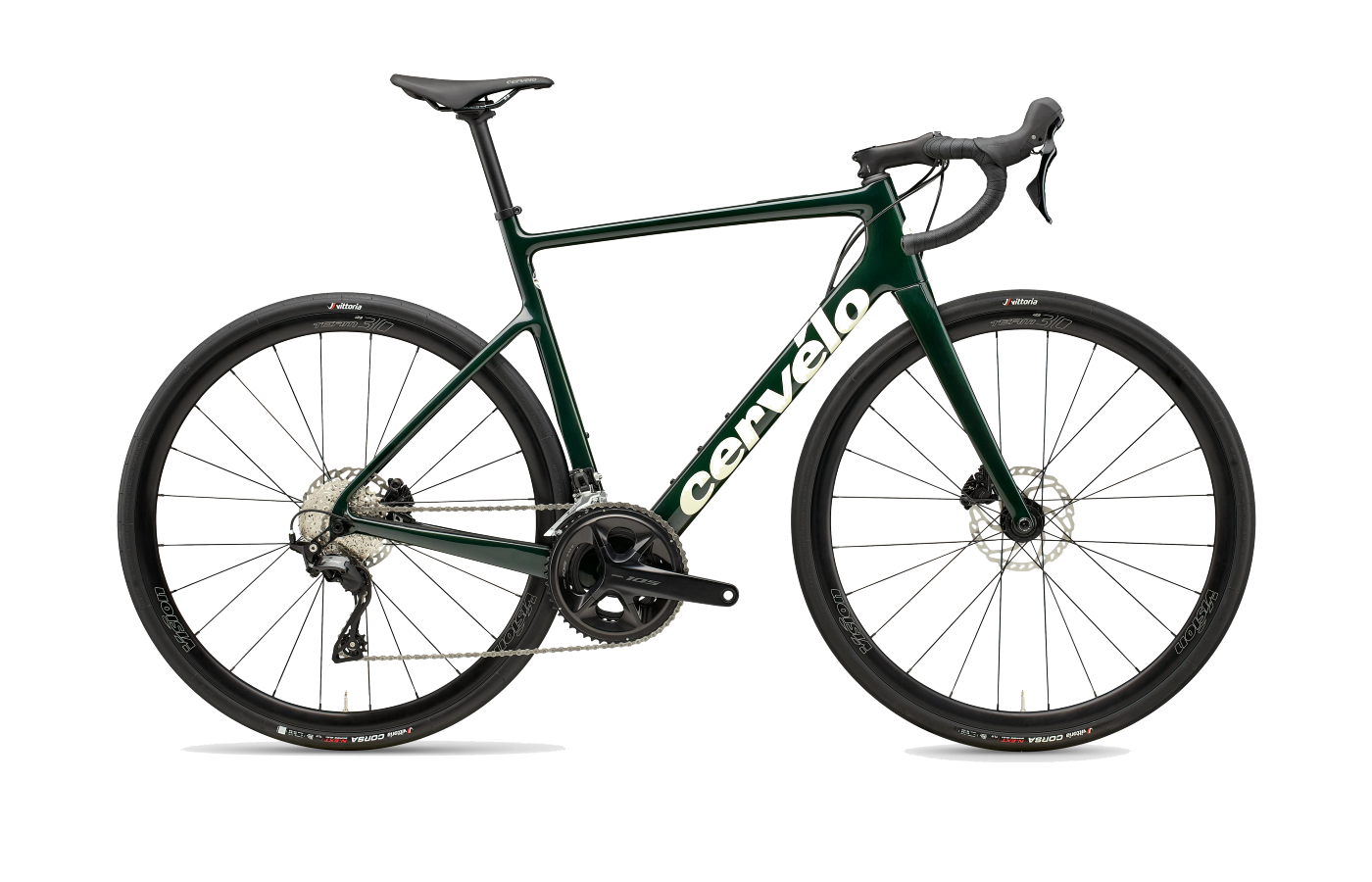
Caledonia
The middle ground — the **Cervélo Caledonia** handles more like a race bike than the Synapse but offers more clearance and stability than a dedicated racer. The choice if you want endurance comfort without the sedate steering.
Compare →