Synapse
vsDomane
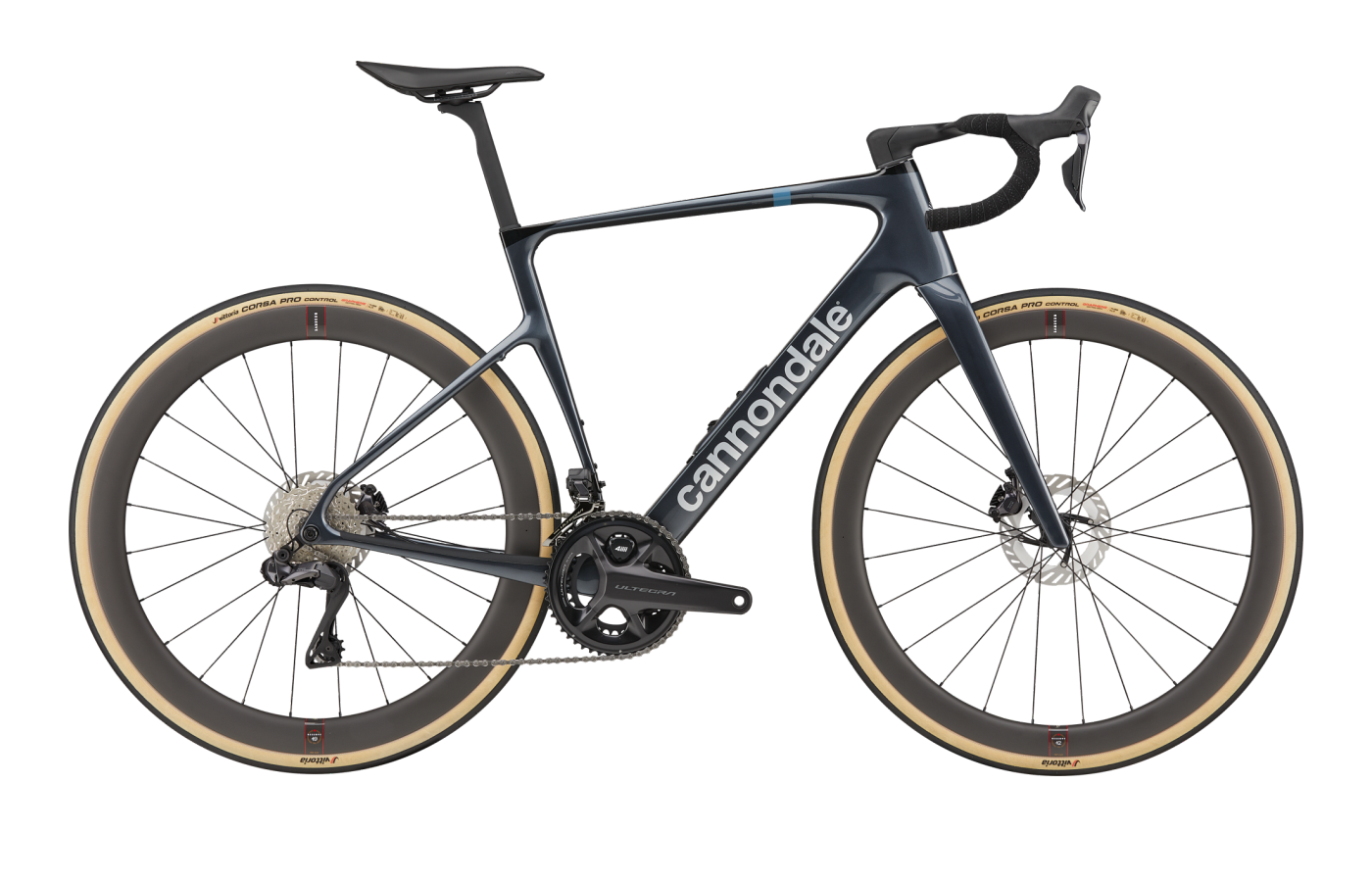
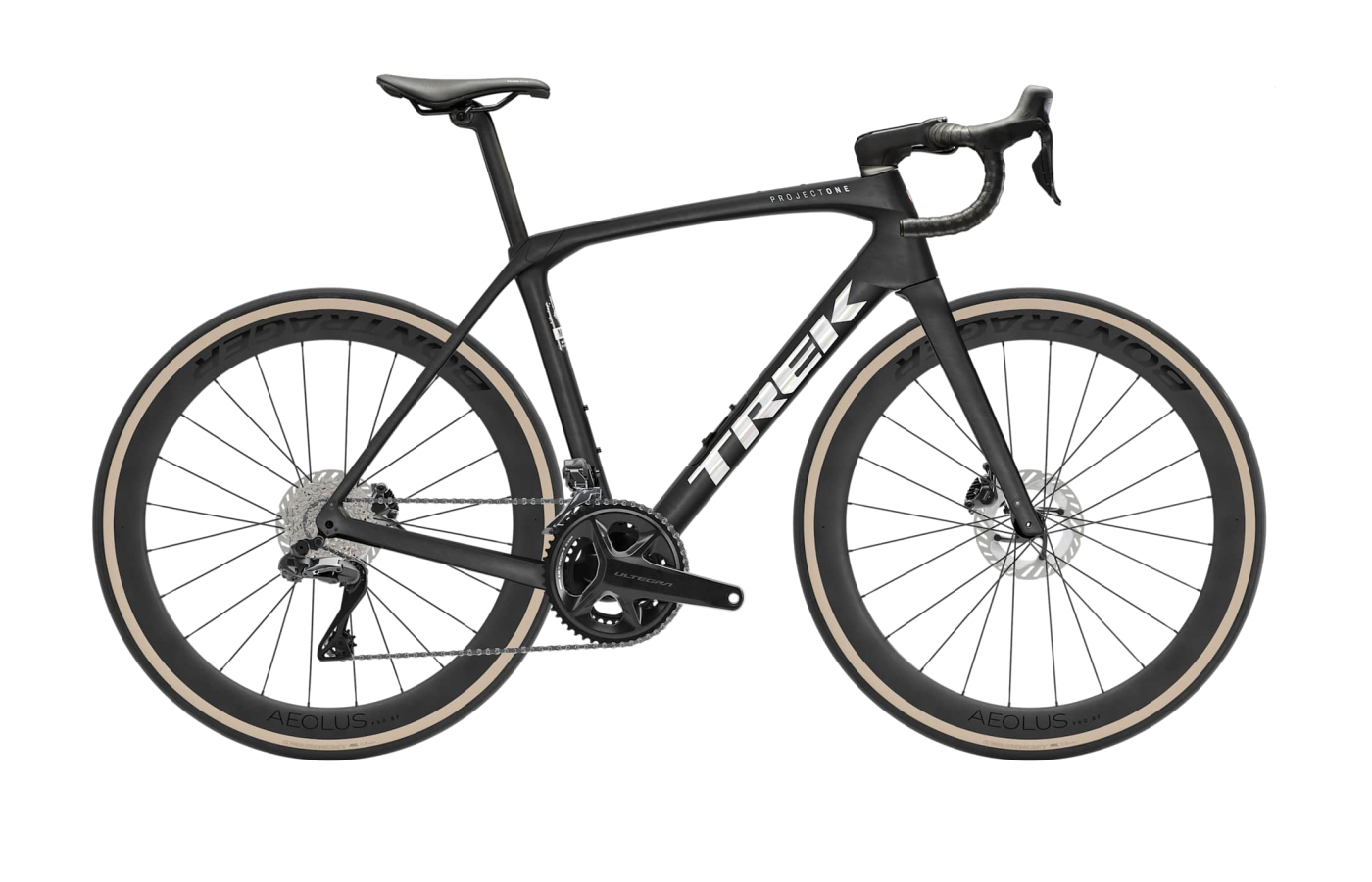
Two endurance benchmarks, two takes on comfort.
The Cannondale Synapse leans on smart electronics and a flexy carbon layup. The Trek Domane sticks with a mechanical decoupler that nothing else in the segment can match.
Synapse
- Class-leading tire clearance — 42 mm rear, 48 mm fork. Real all-road capability without buying a gravel bike.
- SmartSense 2.0 ecosystem — one battery powers lights, radar, and (on AXS builds) the derailleurs. A genuine convenience win.
- Race-bike DNA — SuperSix Evo aero shaping and Delta steerer. The frame feels lively for an endurance platform.
- Lengthened 425–430 mm chainstays numb some of the agility older Synapses had — one reviewer called the ride "sedate."
- SmartSense adds roughly 460 g; the Lab71 lands at ~7.8 kg, heavy for a flagship at this price.
Domane
- IsoSpeed rear decoupler — still the most effective mechanical vibration damper in the endurance segment, full stop.
- Most upright fit in the category — tall stack, short reach. Forgiving for riders without race-bike flexibility.
- Planted high-speed manners — 80 mm bottom bracket drop and a long wheelbase make it a confidence-inspiring descender.
- Documented seatpost slippage and IsoSpeed wedge creak — Trek has shipped multiple revisions to address it; verify yours is current.
- Stock Bontrager Paradigm wheels and R3-class tires feel "wooden" — many testers say a wheel upgrade is needed to wake the frame up.
Editor’s analysis
Both bikes promise to keep you fresh after six hours in the saddle — they just disagree on how to get you there.
On paper, the Cannondale Synapse and Trek Domane occupy the same shelf at every Trek and Cannondale dealer in the country: long-day endurance road bikes with disc brakes, internal storage, and tire room for the occasional gravel detour. Spend a few hours with the engineering documents and the philosophies pull apart in opposite directions.
Trek's pitch is mechanical. The Domane keeps the rear IsoSpeed decoupler — a pivot at the seat-tube/top-tube junction that lets the seatpost flex independently of the frame — and pairs it with a ground-scraping 80 mm bottom bracket drop and a 1,010 mm wheelbase at size 54. Reviewers describe it as "hovering on a layer of oil" out back. Trek pulled the front IsoSpeed for Gen 4 and lost roughly 300 g; high-volume 32 mm Kwaremont tires now do the front-end smoothing. The result is plush in the rear, slightly imbalanced when the front hits a square-edged hit, and rock-solid on long descents.
Cannondale's pitch is integrated. The Synapse Gen 6 finds compliance through a D-shaped seatpost, a tuned carbon layup, and class-leading 42 mm rear tire clearance (48 mm in the fork) — no pivots, no decoupler. Then it bolts on SmartSense 2.0: a single down-tube battery powering an 800-lumen front light, a Garmin-derived rear radar, and on AXS builds, the SRAM derailleurs themselves. It's the rare integration story that actually subtracts hassle — one charger, one app, no extra brackets.
Put another way: the Domane is the bike you buy when you want a mechanical guarantee that tomorrow's century will hurt less than today's. The Synapse is the bike you buy when you want comfort, aero hints from the SuperSix Evo, and an electronics ecosystem that handles your lights and your shifting on one battery.
Where the builds differ.
Comparing our editor's-pick builds side-by-side. Winners highlighted row-by-row — lower price and weight, and the better-spec component, each mark a point.
Build variants & pricing
Both lineups span more than $11,000 of range. Each tops out near $12k–$16k and bottoms out near $1.2k — but the Synapse stretches further at both ends.
Prices are current US MSRP. The two editor's picks are matched at exactly $8,499 with Shimano Ultegra Di2 on each side, on each platform's top-grade carbon (Cannondale Hi-MOD vs Trek 800 Series OCLV) — the cleanest apples-to-apples line in the lineup.
How they fit, how they steer.
The Synapse 51 sits 4 mm taller and 8 mm longer than the Domane 50 (550/376 vs 546/368). Trail is essentially identical at 60–61 mm; the Trek's 80 mm bottom bracket drop sits noticeably lower than the Synapse's, which is what gives the Domane its "planted" feel.
Which size should I buy?
Size recommendations based on stack, reach, and effective top tube. The Synapse runs sizes 44–61; the Domane runs 47–62 in carbon (with extra small/large covered by the AL frames).
→These are starting points. Flexibility, riding style, and preferred position all shift the answer — if you’re between sizes, a professional fit beats a chart.
What the magazines said.
Published reviews from trusted cycling outlets. Click through for the full write-up.
Which one should you buy?
If you want mechanical comfort and the most upright fit in the segment, get the Domane. If you want integrated tech, the widest tire clearance, and a livelier frame, get the Synapse.
Synapse
Pick the Synapse if your long rides include unpredictable surfaces, after-dark stretches, or the occasional gravel shortcut. SmartSense quietly handles your lights, radar, and shifting on one charge. The 42 mm tire room means a single bike covers everything from group rides to chip-seal back roads.
Domane
Pick the Domane if your priority is finishing fresh — long, fast, seated efforts on broken tarmac where the rear IsoSpeed decoupler genuinely earns its keep. The upright fit and planted handling reward riders who care more about composure than razor-sharp agility.
Questions buyers actually ask.
Short answers to the things we get emailed about most often.
01Which is more comfortable on rough roads?
It depends on which end takes the hit. The Domane's rear IsoSpeed decoupler is the most effective mechanical damper in the segment — reviewers consistently describe seated comfort over square-edged hits as in a class of its own. But the front end has no equivalent suspension since Trek pulled the front IsoSpeed for Gen 4, so the front can feel "punishing" by comparison.
The Synapse trades raw rear-end plushness for balance. The compliance comes from carbon layup, a D-shaped seatpost, and 42 mm of tire room — not a pivot. Reviewers describe a smoother front-to-rear feel, even if the rear isn't as isolated as the Trek's.
If you sit and grind out long rides on chip-seal, the Domane wins. If you want consistent comfort end-to-end and might run wider tires, the Synapse wins.
02What's the maximum tire clearance?
Synapse: 42 mm officially in the rear, 48 mm in the fork — class-leading by a wide margin. The stock 32 mm Vittoria Corsa Pro tires often measure ~35 mm on Reserve's wide rims.
Domane: 38 mm officially, with reviewers successfully fitting 40–41 mm. Stock is 32 mm Bontrager Kwaremont.
The Synapse has a clear edge for anyone planning to dip into gravel. The Domane is a true all-road bike but stops short of dedicated gravel-bike clearance.
03How does SmartSense actually work — is it worth it?
SmartSense 2.0 is the defining hardware on the Synapse. A single battery housed inside the down tube powers the front light (800 lumens), the Garmin-derived rear radar/light, and on AXS builds, the SRAM derailleurs themselves. One USB-C port charges the whole system. If the battery drops below 5%, lights dim or shut off so shifting keeps working.
Reviewers who initially dismissed SmartSense Gen 1 are largely converts to Gen 2. The pitch is real: no separate light brackets, no juggling four chargers before a long ride. The trade-off is roughly 460 g of added system weight.
If you ride at dusk, in traffic, or on solo all-day routes, it's a meaningful safety and convenience upgrade. The Domane has no equivalent — you'd add an aftermarket Varia and lights yourself.
04Is the IsoSpeed seatpost issue actually a problem?
It can be. Multiple long-term reviews of Gen 4 Domanes report a creaking and slipping seatpost traced to the IsoSpeed wedge. One tester reported their post dropping nearly 2 cm mid-ride.
Trek has shipped at least two revised wedges (Revision 2 and Revision 4) to address it. Many owners report that the updated wedge plus generous carbon paste resolves the issue. But replacement parts have been intermittently out of stock, and the problem appears to disproportionately affect riders over 80 kg (176 lb).
If you're buying new, ask the dealer to confirm the latest revision is installed. If you're buying used, it's the first thing to inspect.
05Which one climbs better?
Neither is a climbing specialist, but the Synapse has the edge on paper. The frame is lighter, the SuperSix-derived shaping rewards seated efforts, and out-of-saddle attacks feel race-bike responsive. The Lab71 lands at roughly 7.8 kg, the Carbon 1 a bit higher.
The Domane SLR 9 comes in around 7.34 kg in size 56 — actually a touch lighter than the Synapse on paper — but reviewers consistently describe it as feeling heavier than the spec sheet suggests, largely due to the IsoSpeed hardware adding rotational and structural mass low in the frame. It climbs well; it doesn't feel sprightly.
If climbing is a major part of your riding, the Synapse will feel more eager. The Domane will get you up the same pass with less drama.
06How are the stock wheels and tires on each?
Synapse mid-tier and up ships with Reserve 42|49 Turbulent Aero carbon wheels — well-regarded, stiff, aero, and a meaningful component of the bike's lively feel. The stock Vittoria Rubino tube-type tires on the Carbon 2/4 are a weak point and worth swapping to tubeless.
Domane SLR builds get Bontrager Aeolus Pro 51 carbon wheels (Aeolus RSL 51 on the SLR 9) — competent but heavier and less exciting than the Reserves. The bigger issue is on SL builds: the alloy Bontrager Paradigm wheels and Kwaremont/R3-class tires are widely criticized as "wooden" and the most common Gen 4 upgrade target.
Out of the box, the Synapse builds tend to feel more cohesive. The Domane often needs a wheel upgrade to wake the frame up.
07Which has the more upright fit?
The Domane, clearly. At a comparable size, Trek runs a taller stack and shorter reach than nearly any other endurance bike on sale — reviewers describe the position as the most forgiving in the category. It's the easier pick for riders without lower-back flexibility or those returning to road riding after a long break.
The Synapse is endurance-geometry too — taller and shorter than a SuperSix Evo — but sits noticeably lower and longer than the Domane. Riders who want some race-bike feel without the full aggression find the sweet spot here.
08What about long-term maintenance — any gotchas?
Both bikes route cables internally through the upper headset bearing, which adds labor cost and complexity to bearing replacements. Reviewers noted the Domane's upper bearing is "woefully exposed" with no secondary lip seal — sweat and road spray reach the grease faster than they should, and replacement requires disconnecting hydraulic lines.
The Synapse has the same headset routing concept but pairs it with cleaner sealing. Both bikes use threaded bottom brackets — Trek's T47 and Cannondale's BSA — which is the right call for long-term reliability. SRAM's UDH is standard on both, simplifying derailleur hanger replacement.
Factor a $200–400 service interval every couple of years for headset bearings on either bike. The IsoSpeed wedge is the Domane-specific item to keep an eye on.
Similar bikes
If your priorities don’t map cleanly onto either of these, one of these adjacent bikes probably fits better.
Roubaix
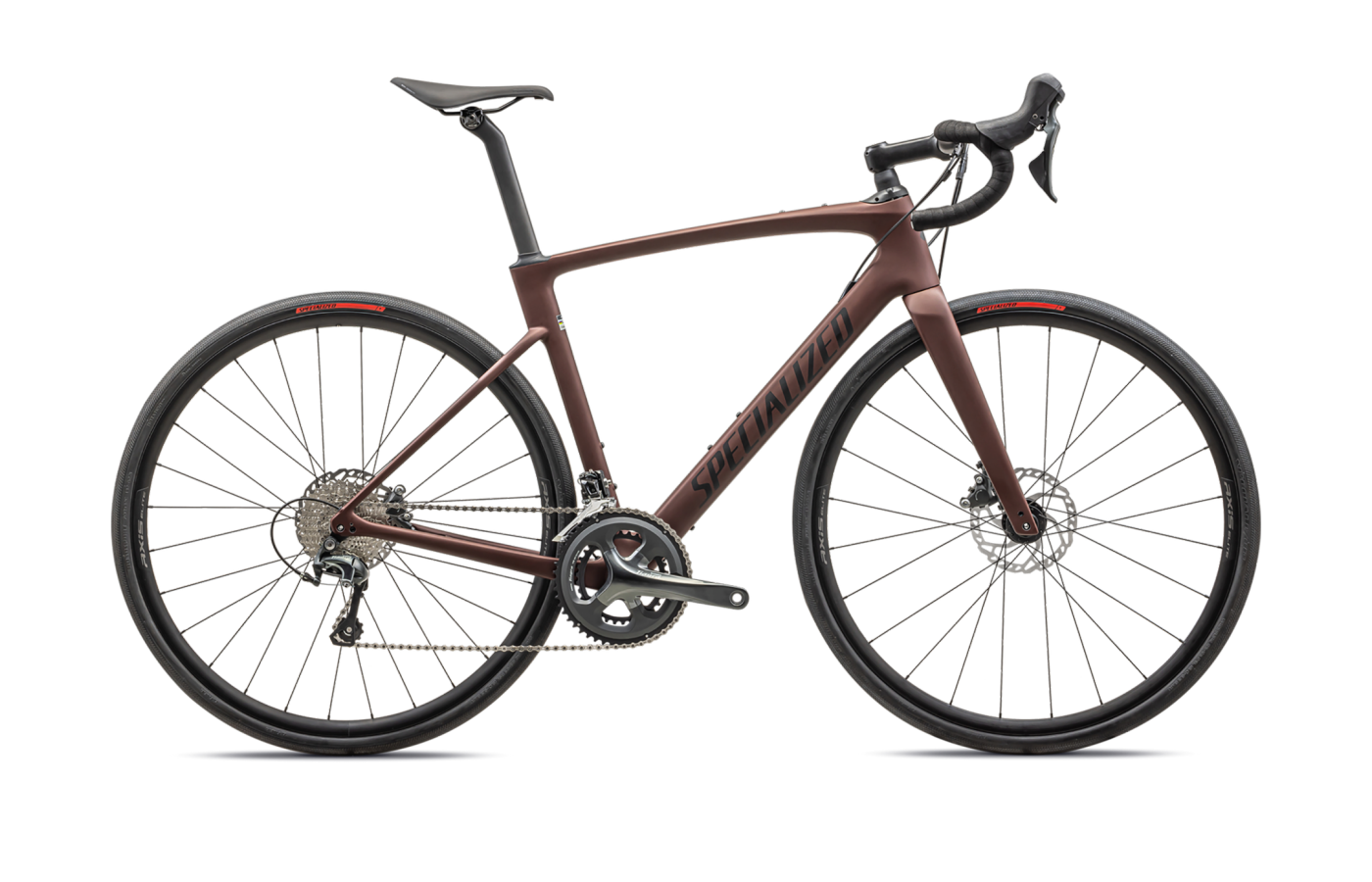
The third compliance philosophy — the Specialized Roubaix uses a Future Shock damper inside the head tube to give you 20 mm of front-end suspension travel that neither the Domane's IsoSpeed nor the Synapse's seatpost can match. Pick it if your bad surfaces are mostly under your hands, not under your seat.
Compare →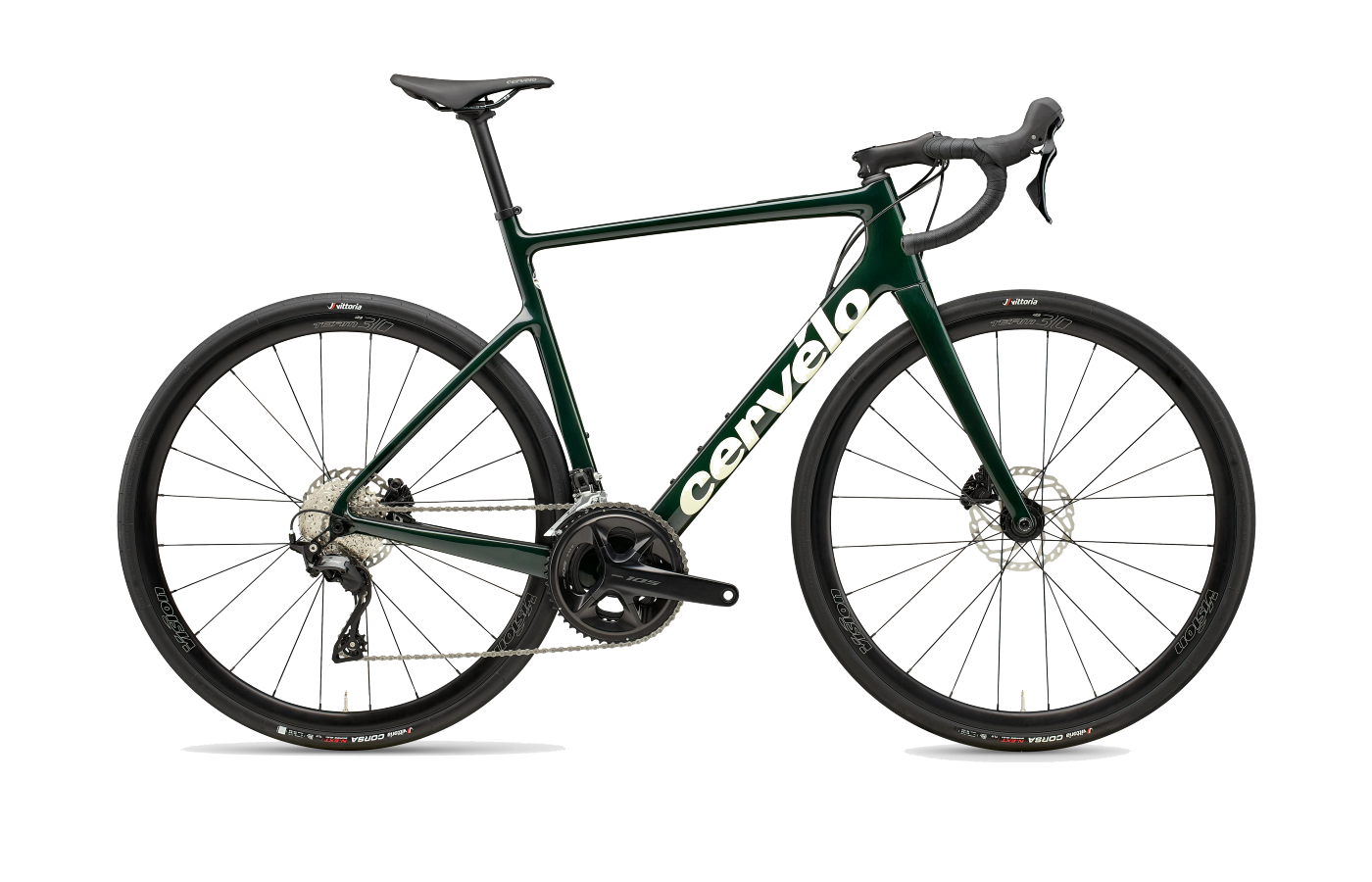
Caledonia
The Cervélo Caledonia trades some of the Domane's plushness for sharper, more aero-leaning handling — closer to a fast road bike that can survive rough tarmac than a true comfort machine. Worth a look if the Domane sounds slow and the Synapse sounds soft.
Compare →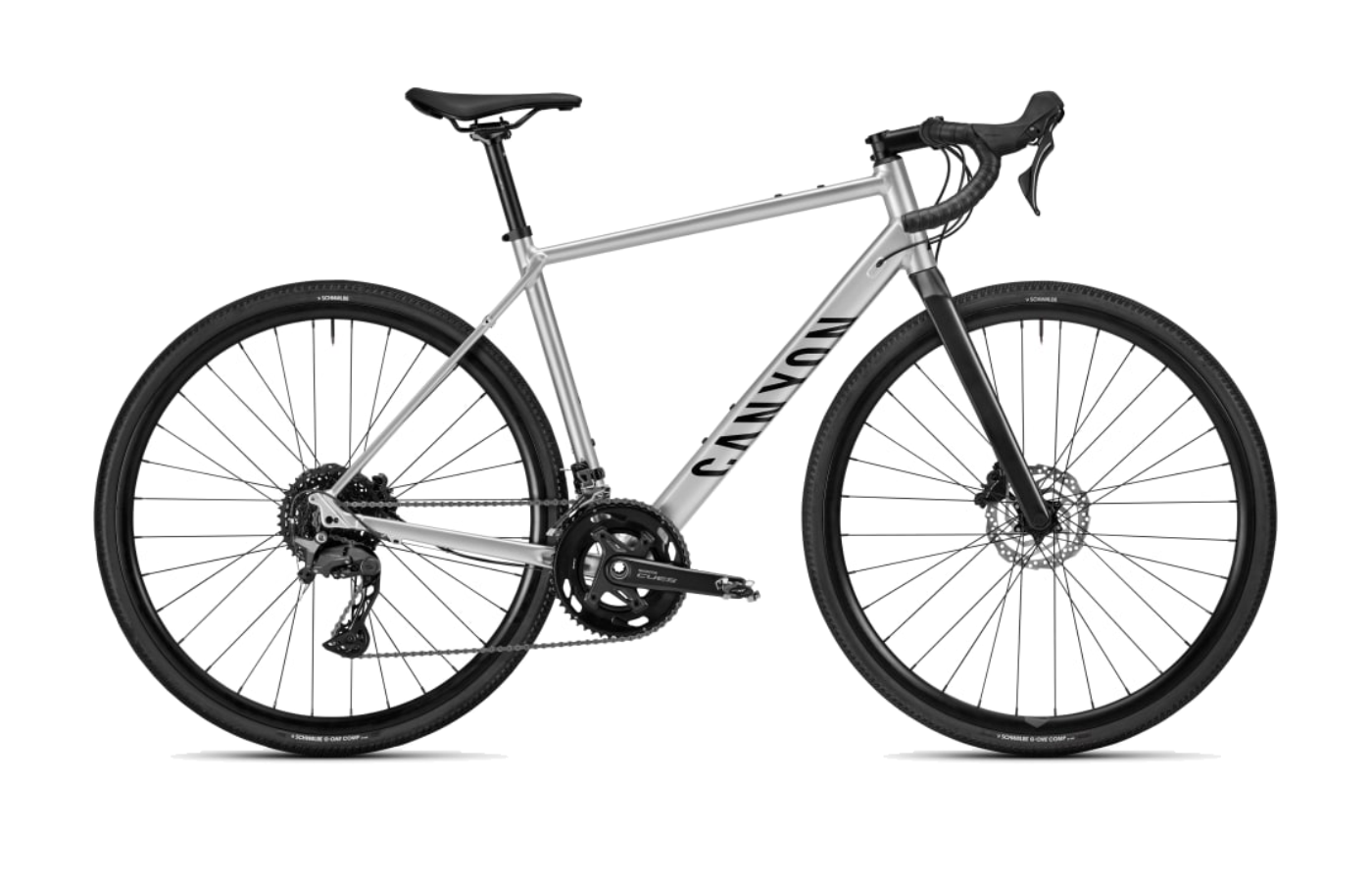
Endurace
Direct-to-consumer pricing means the Canyon Endurace consistently undercuts both bikes at every spec tier — the catch is no local dealer for the inevitable headset service or warranty claim. Best if you know your fit and are comfortable wrenching.
Compare →