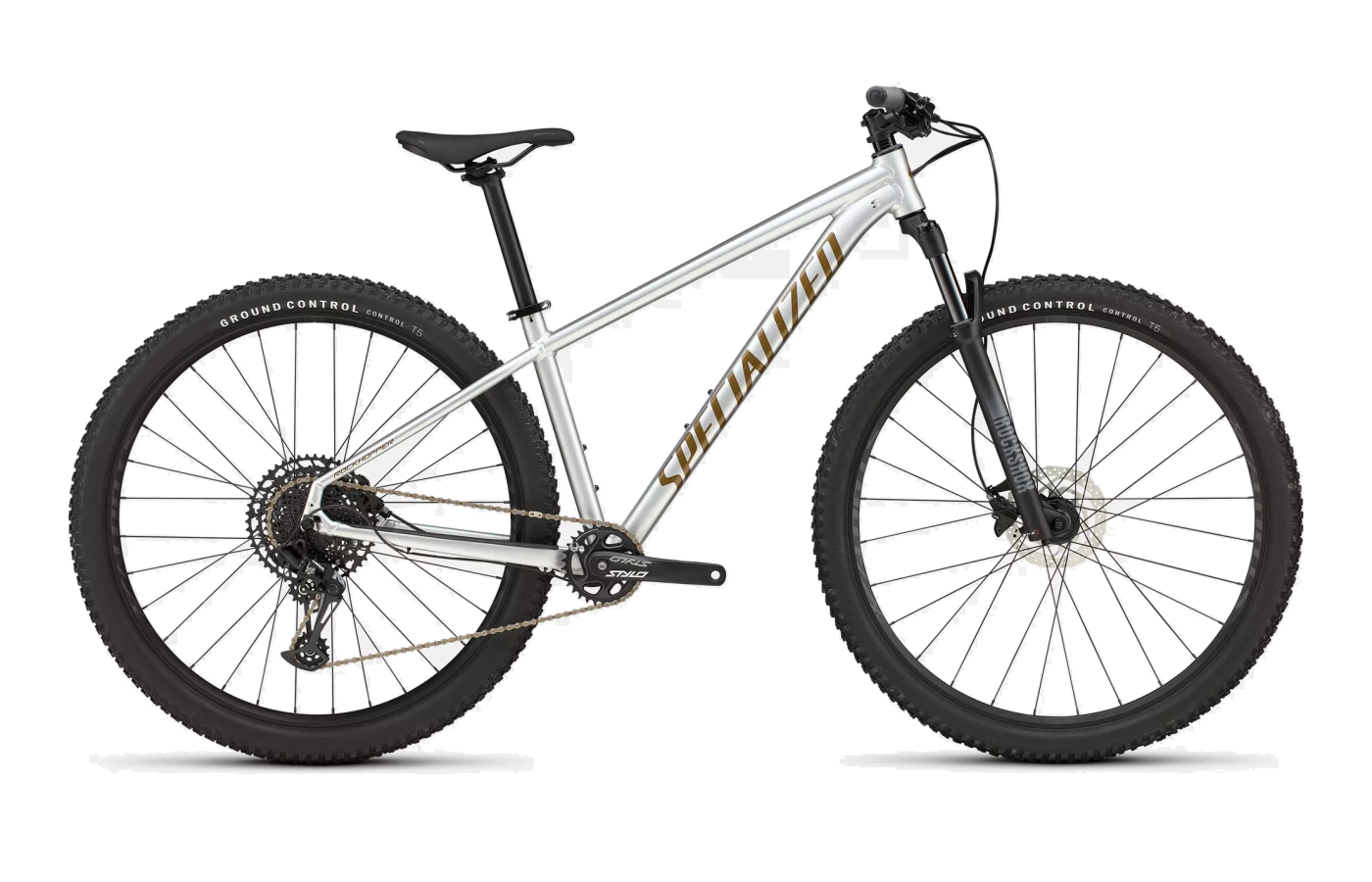
Cannondale TrailvsPivot Shadowcat
How much of a gap can really exist between two bikes that claim the same 'trail' label? Putting the budget-conscious Cannondale Trail beside the boutique Pivot Shadowcat reveals a chasm in performance that defines the difference between simply riding a trail and actively manipulating it.
Overview
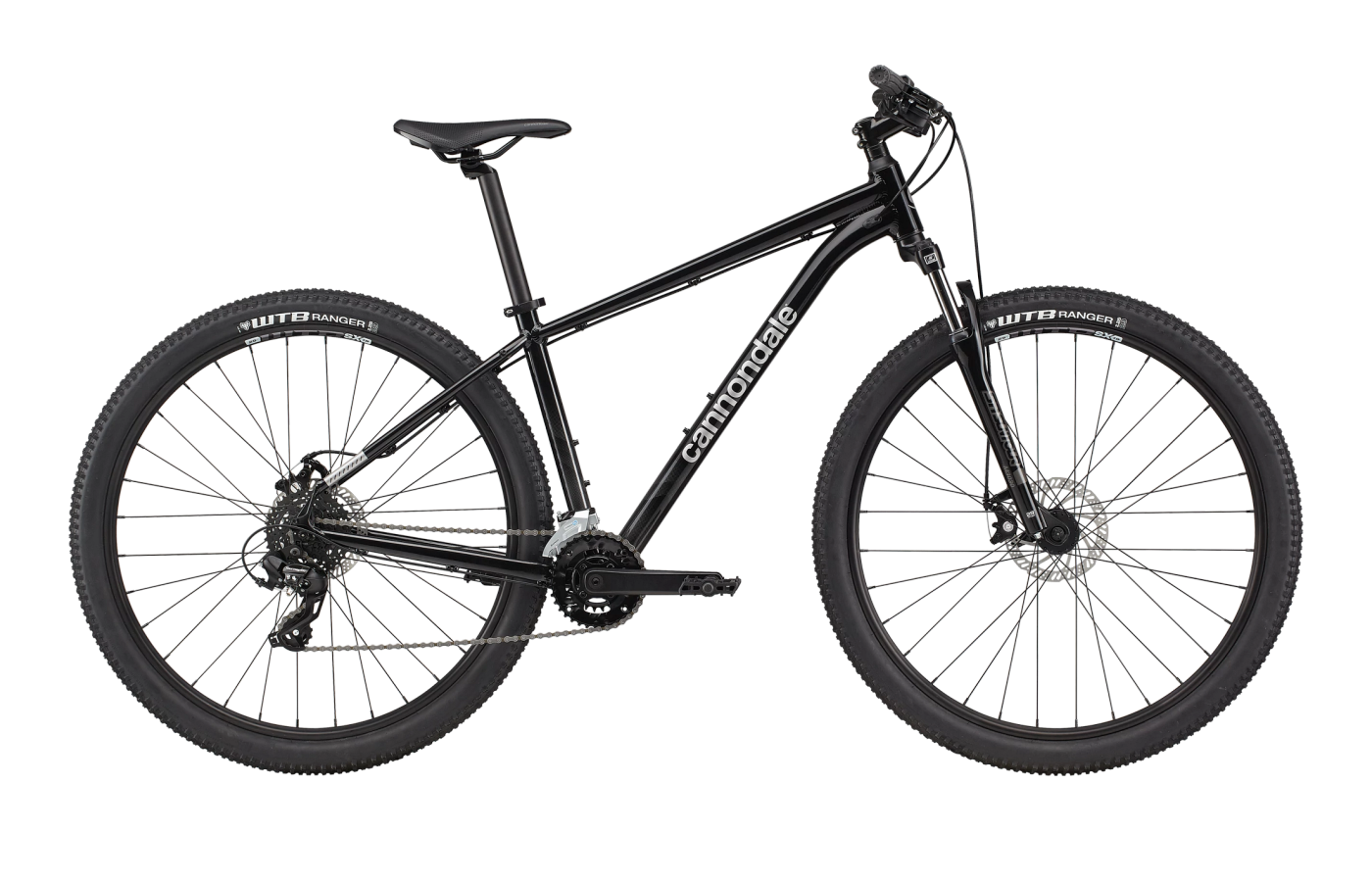
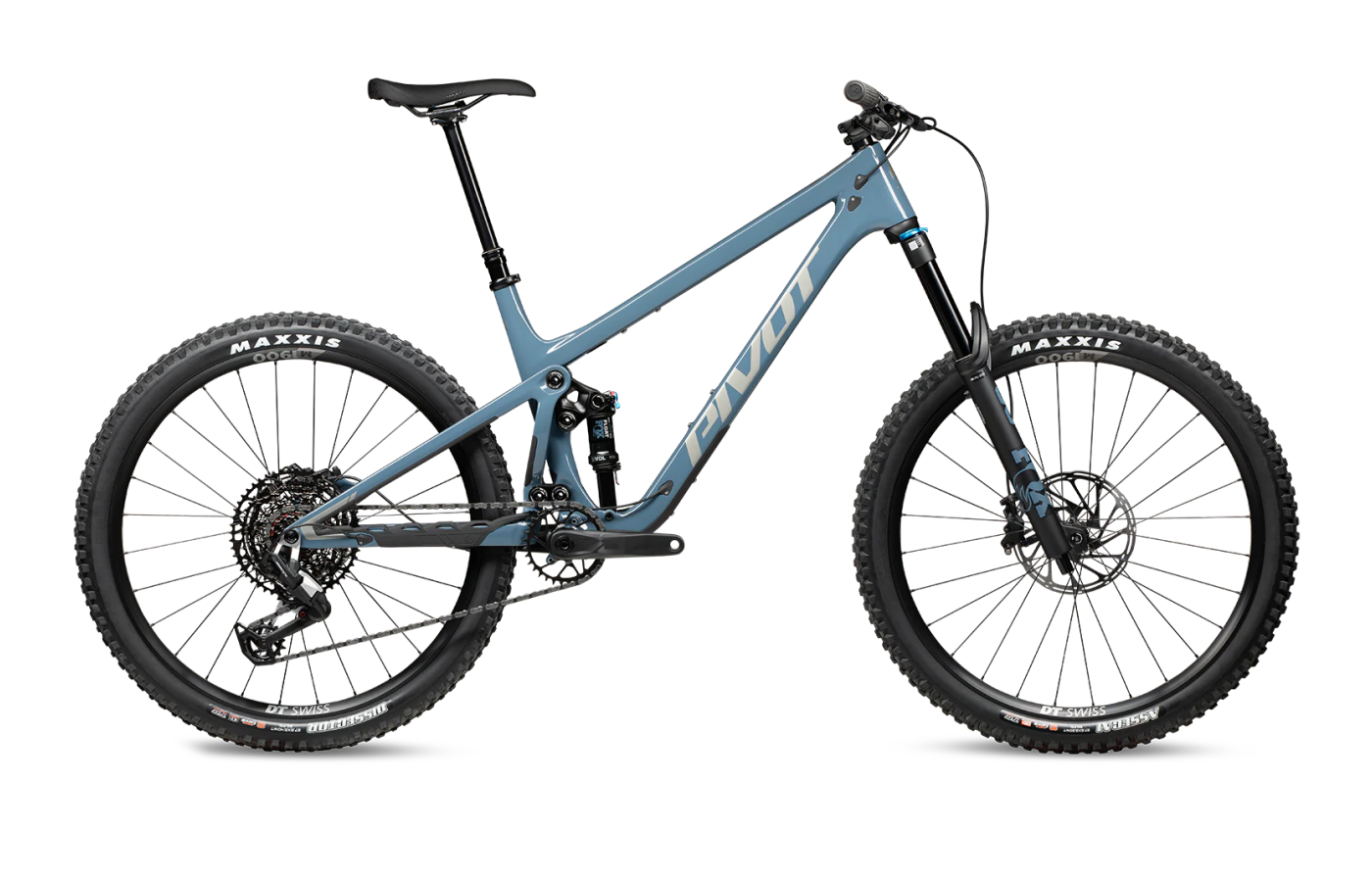
The Cannondale Trail is a foundational alloy hardtail built to survive the learning curve, whereas the Pivot Shadowcat is an ultralight carbon obsession designed for experienced riders who prioritize agility over the monster-truck rollover of 29ers. While the Cannondale acts as a reliable entry point starting as low as $600, the Pivot sits in a stratosphere where frames alone weigh less than a few apples and complete builds can crest $13,000. These bikes occupy opposite ends of the mountain bike spectrum. The Trail uses a mix of 27.5 and 29-inch wheels to ensure stability for beginners, while the Shadowcat stays stubbornly dedicated to 27.5-inch wheels to maintain a 'flickable' character that many modern manufacturers have abandoned. One is a sturdy tool for commuting and light weekend singletrack; the other is a high-performance plaything for those who want to jump every root and pump every transition.
Ride and handling
The Cannondale Trail provides a stable, upright position that helps novices feel safe, but the experience is defined by the limitations of its frame and fork. On choppy sections, the rear end is harsh. While the SAVE micro-suspension technology attempts to dampen vibrations, it cannot mask the reality of a stiff alloy triangle when the terrain gets technical. Steering is predictable thanks to a 68-degree head angle, but the entry-level coil forks often feel heavy and slow to react compared to the air-sprung units found on higher-tier mountain bikes. Contrarily, the Shadowcat rides like a 'rocketship' that ignores its 140mm of travel to climb with the efficiency of a cross-country racer. The DW-Link suspension platform is famously supportive; it stays high in its stroke under power, allowing for explosive acceleration out of corners. Reviewers frequently describe the bike as a 'feline trail master' because of how easily it lofts the front wheel or changes direction mid-line. It does not iron out the trail like a heavy 29er. Instead, it requires an active pilot who enjoys the 'poppy' feedback of a lightweight chassis. Stability at speed is where the two diverge most sharply. The Trail relies on a longer wheelbase and a conservative geometry to keep things calm for the uninitiated. The Shadowcat can feel slightly 'nervous' when the speedometer climbs on chunky, brake-bump-riddled descents. However, that lack of straight-line stability is a conscious trade-off for its unmatched agility in tight, twisty woods where bigger bikes feel like they are being driven through a narrow hallway.
Specifications
The specification gap here is massive. Most Cannondale Trail builds rely on SR Suntour coil forks and 2x or 1x drivetrains from microSHIFT or Shimano's entry-level Deore and Altus groups. The brakes on lower Trail models are often mechanical or basic hydraulic units with 160mm rotors, which can struggle with heat on long descents. The selected Women's SE 4 build offers a slight upgrade with a 120mm fork and a 10-speed Deore setup, but it still uses a heavy square-taper bottom bracket that lacks the stiffness of modern hollow-spindle designs. Pivot outfits every Shadowcat with Fox Factory or Performance suspension, including a 160mm Fox 36 fork that significantly outclasses the front ends of any entry-level hardtail. The Team XTR Di2 build is a technical marvel, featuring electronic shifting and carbon Reynolds wheels laced to Industry Nine Hydra hubs with near-instant engagement. While the Trail is 'upgradeable,' the Shadowcat comes out of the box with parts that many riders will never need to replace. The weight difference is staggering; a top-tier Shadowcat can weigh as little as 26 pounds, while some Trail builds approach 33 pounds.
| Trail | Shadowcat | |
|---|---|---|
| FRAMESET | ||
| Frame | SmartForm C3 Alloy, SAVE, 1-1/8" headtube, post mount disc, StraightShot internal cable routing, dropper post compatible, BSA-73 | null |
| Fork | SR Suntour M3030, 75mm, coil, 42mm offset (27.5") / 46mm offset (29") | Fox Performance 36 27.5", 44mm offset, GRIP, 160mm |
| Rear shock | — | Fox Float Rhythm |
| GROUPSET | ||
| Shift levers | microSHIFT, 7-speed | SRAM Eagle 90 Mechanical Transmission, 12-speed |
| Front derailleur | microSHIFT Dual Pull Compact, Band Clamp | — |
| Rear derailleur | microSHIFT M26L | SRAM Eagle 90 Mechanical Transmission, 12-speed |
| Cassette | Sunrace, 11-34, 7-speed | SRAM XS-1270 Eagle Transmission, 12-speed, 10-52T |
| Chain | KMC Z7, 7-speed | SRAM Eagle 70 Flattop, 12-speed |
| Crankset | Prowheel, 36/22 | SRAM Eagle 70 DUB, 32T |
| Bottom bracket | Sealed cartridge bearing, square taper | null |
| Front brake | Tektro mechanical disc | SRAM DB8 Stealth, 4-piston hydraulic |
| Rear brake | Tektro mechanical disc | SRAM DB8 Stealth, 4-piston hydraulic |
| WHEELSET | ||
| Front wheel | WTB SX19, 32h; Formula, QR; Stainless Steel, 14g | DT Swiss M 1900 w/ DT Swiss 370 hub, 30mm, 27.5", 15x110 |
| Rear wheel | WTB SX19, 32h; Formula, QR; Stainless Steel, 14g | DT Swiss M 1900 w/ DT Swiss 370 hub, 30mm, 27.5", 12x148 |
| Front tire | WTB Ranger Comp, 29x2.25" (27.5x2.25" - XS, SM), DNA Compound | |
| Rear tire | WTB Ranger Comp, 29x2.25" (27.5x2.25" - XS, SM), DNA Compound | |
| COCKPIT | ||
| Stem | 6061 Alloy, 31.8, 8° | Phoenix Team Enduro/Trail, 45mm |
| Handlebars | 6061 Alloy Riser, 31.8mm, 25mm rise, 700mm | Phoenix Race Low Rise Aluminum, 780mm |
| Saddle | Cannondale Stage 3 | Phoenix WTB Race High Tail Trail (XS/SM) or Pivot Team E-Bike (MD-XL) |
| Seatpost | Cannondale 3, 6061 Alloy, 31.6x350mm (XS - SM), 400mm (MD-XL) | TranzX YSP23GLS |
| Grips/Tape | Cannondale Dual-Density | Phoenix Factory Lock-On |
Geometry and fit comparison
Cannondale uses a 'Right-Sized' approach, putting 27.5-inch wheels on XS and Small frames and 29-inch wheels on larger sizes to maintain consistent handling. The geometry is decidedly moderate, featuring a 68-degree head tube angle and a 73.5-degree seat tube angle. This setup keeps the rider in a comfortable, non-aggressive posture that is excellent for all-day adventures but lacks the 'attack' position needed for steep, technical terrain. The Shadowcat pushes into modern territory with a 65.8-degree head angle and a steeper 76-degree seat tube angle. This forward-biased seating position helps keep the front wheel glued to the ground on the 'mountain goat' climbs the bike is known for. With 430mm chainstays across all sizes, the rear end is incredibly tight. This short rear center is the secret to its 'snappy' feel and ease of manualing. Sizing is a major differentiator for taller riders. The Trail is available up to an XL to accommodate riders well over 6 feet. Pivot, however, stops the Shadowcat at size Large, fitting riders up to about 6'2". Pivot's philosophy is that anyone taller than that is better served by the rollover advantages of a 29er like the Switchblade. This makes the Shadowcat a specialist tool for smaller and average-height riders who often feel overwhelmed by the sheer size of modern big-wheeled bikes.
| FIT GEO | Trail | Shadowcat | |
|---|---|---|---|
| Stack | 632 | 623 | -9 |
| Reach | 447 | 480 | +33 |
| Top tube | 634 | 650 | +16 |
| Headtube length | 115 | 130 | +15 |
| Standover height | 795 | 671 | -124 |
| Seat tube length | 470 | 432 | -38 |
| HANDLING | Trail | Shadowcat | |
|---|---|---|---|
| Headtube angle | 68 | 65.8 | -2.2 |
| Seat tube angle | 73.5 | 76 | +2.5 |
| BB height | 307 | 340 | +33 |
| BB drop | 65 | 17 | -48 |
| Trail | 101 | — | — |
| Offset | 46 | — | — |
| Front center | 728 | — | — |
| Wheelbase | 1166 | 1230 | +64 |
| Chainstay length | 445 | 430 | -15 |
Who each one is for
Cannondale Trail
The Cannondale Trail is the right choice if you are just starting your mountain bike journey or need a versatile machine that can handle a weekday commute and a Saturday spin on local dirt paths. It is for the person who values a predictable, stable platform and does not want to spend thousands of dollars on a sport they are still exploring. If your typical ride involves fire roads, green-rated singletrack, and the occasional curb hop, this alloy hardtail provides everything you need without the complexity of rear suspension.
Pivot Shadowcat
The Shadowcat is for the technical rider who measures success by how many side-hits they can find on a single descent. If you find 29ers cumbersome and 'boring' on tight trails, the Pivot offers a return to the agile, high-rebound fun of 27.5-inch wheels. It is a premium tool for the rider who wants a bike that climbs like an XC racer but has enough fork travel to survive an afternoon at a bike park. It is particularly well-suited for smaller-framed riders who want a high-end bike that doesn't feel like it is 'riding them'.