Cannondale TrailvsPivot Switchblade
The Cannondale Trail offers a gateway into mountain biking for the price of a mid-range laptop, whereas the Pivot Switchblade demands a five-figure investment for a boutique, precision-engineered experience. You are choosing between a robust, accessible hardtail for learning the basics and a carbon machine designed to erase technical mistakes on the most demanding terrain.
Overview
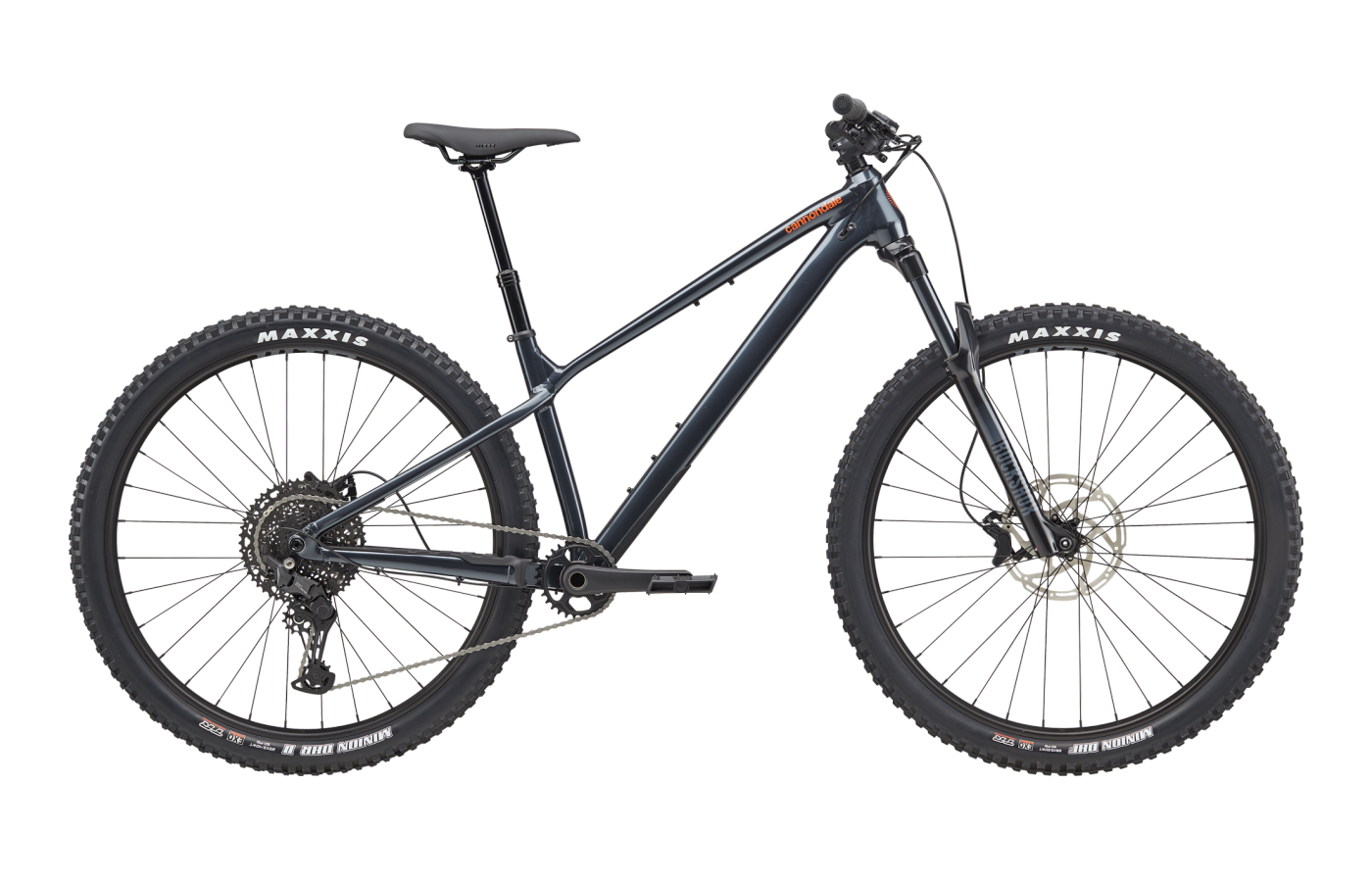
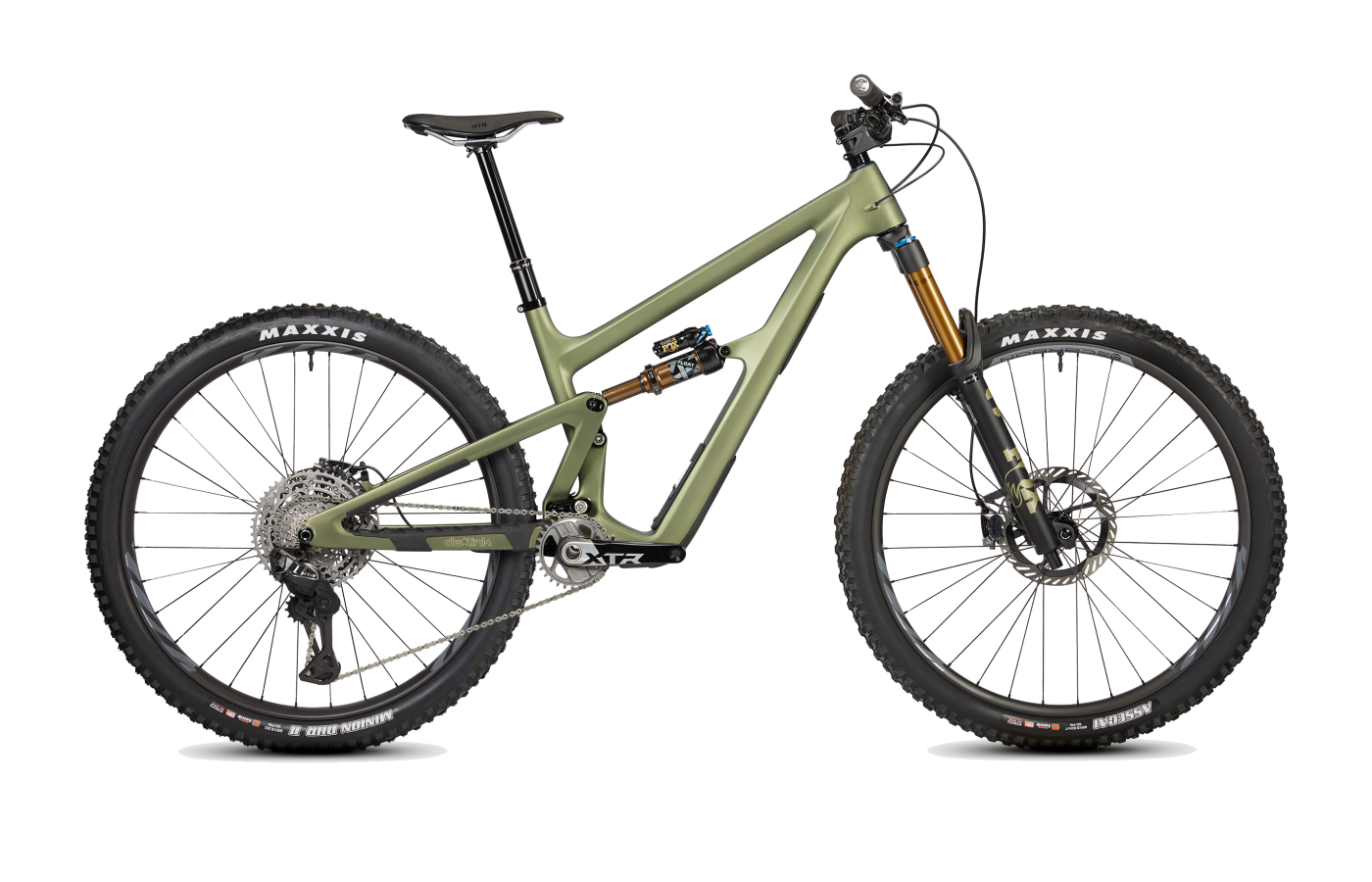
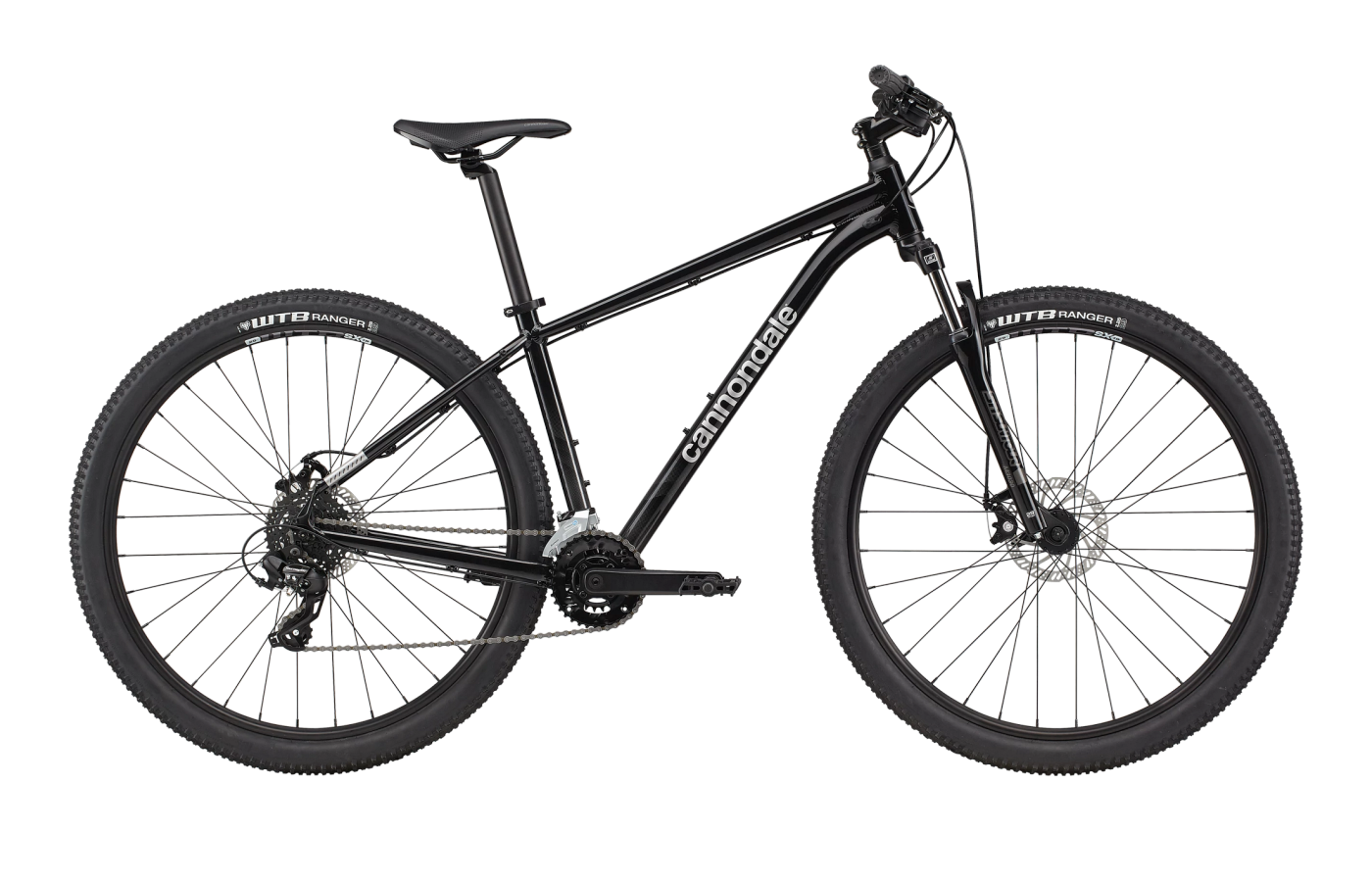
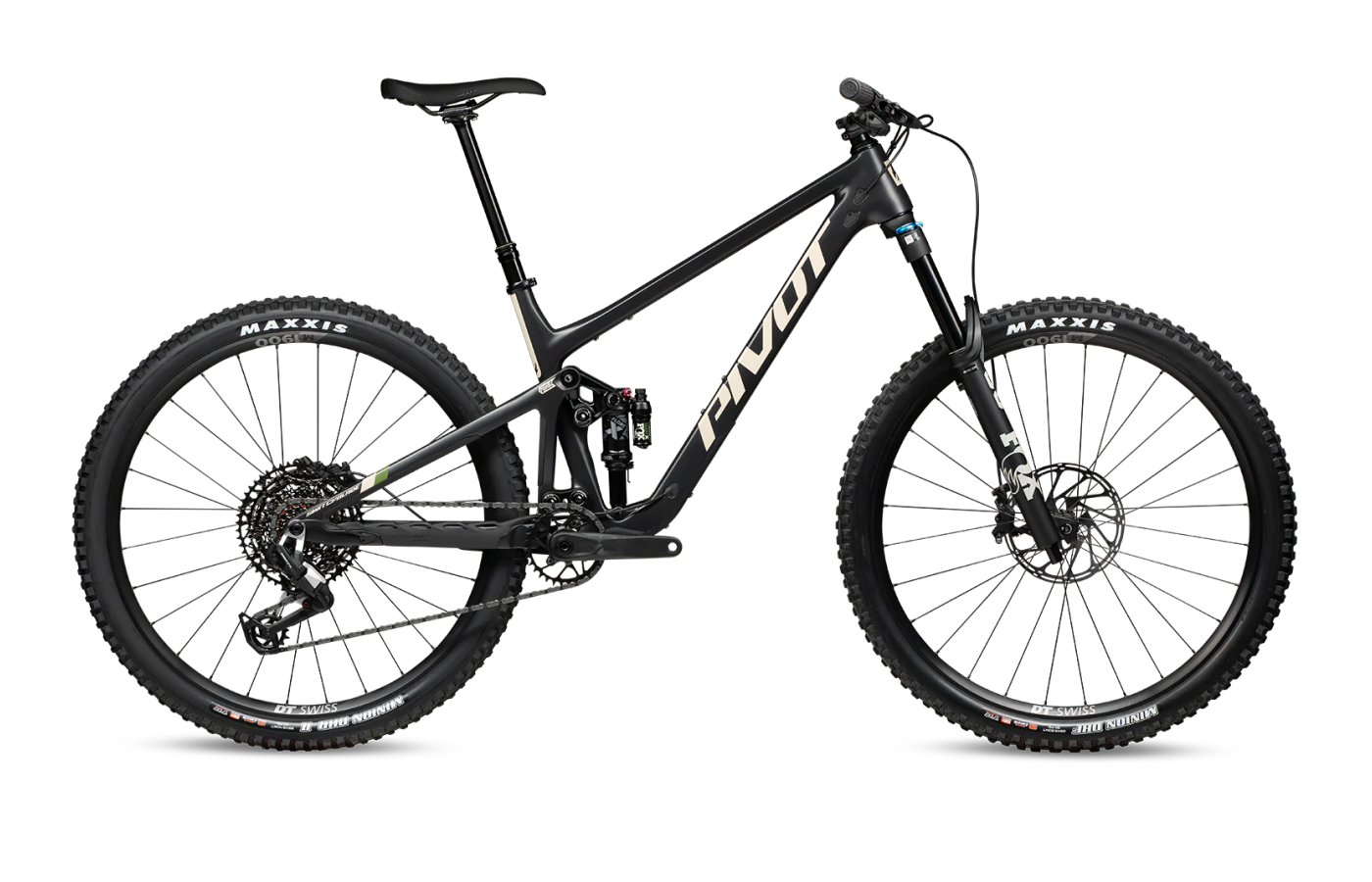
These bikes occupy different stratospheres of the mountain bike market. Cannondale targets the beginner looking to swap a big-box store bike for something trail-worthy, providing a stable aluminum hardtail platform that works just as well for a work commute as it does for a Saturday on local gravel tracks. It stays simple with a focus on durability and ease of maintenance. The Pivot Switchblade, by contrast, aims to be the definitive 'quiver-killer.' Pivot’s chassis is a complex arrangement of co-rotating links and carbon fiber designed to climb efficiently and then descend with the composure of a mini-enduro rig. Price gaps aside, the design philosophies are worlds apart. Cannondale uses SmartForm alloy and SAVE vibration-damping technology to take some of the edge off a hardtail's naturally rigid rear end. Pivot uses its signature DW-Link suspension to provide 142mm of travel that stays high in its stroke while pedaling but becomes active the moment you point it at a rock garden. One is a tool for developing fundamental skills; the other is a high-performance instrument for experienced riders who want to push their limits in places like Sedona or Moab.
Ride and handling
Riding the Cannondale Trail is an exercise in stability and predictability. Its 68-degree head tube angle and upright geometry make it a friendly companion for novice riders who might feel intimidated by aggressive mountain bike geometry. It feels light on its feet on smoother trails, but the rear end can get harsh when things get choppy, leaving your legs to do the heavy lifting of absorbing impacts. Reviewers noted that it feels 'swift and efficient' on dirt roads, though it clearly lacks the suspension required for technical trail riding or jumps. In contrast, the Switchblade V3 feels like a luxury German sedan on the trail—it is quiet and muted, soaking up trail buzz before it reaches your hands. Pivot’s engineers lengthened the lower link in this version to create a more rearward axle path that helps the rear wheel track through square-edge hits and successive compressions. It doesn't just mute the trail; it allows you to settle into a 'point-and-shoot' mindset, choosing direct lines through technical chunk rather than looking for the smooth way around. Handling on the Switchblade rewards a committed, forward-leaning pilot. Its short 431mm chainstays make it easier to rotate through tight pockets and pop off trail features, though some reviewers on larger frame sizes noted a front-rear imbalance that requires active weighting to keep the front tire hooked up in loose corners. The Cannondale Trail doesn't require as much technique to manage, but it also won't bail you out when you misjudge a rock garden. It is a bike for keeping both wheels on the ground, whereas the Switchblade begs to be thrown into berms with reckless abandon. Climbing on the Switchblade is remarkably efficient for a 160mm fork bike. The DW-Link design tightens up under power, allowing it to crawl up 'stair steps and shelves' with impressive traction. The Cannondale Trail is also a competent climber, mostly because there is no suspension to sapping your energy. However, on technical climbs, the lack of rear-wheel tracking means you will struggle to find grip where the Pivot simply motors up the trail.
Specifications
Suspension quality marks the biggest divide between these ranges. Pivot builds are strictly premium, using Fox Factory or Performance series 36 forks and Float X shocks, with the top-tier Team XX build even including a wireless RockShox Reverb AXS dropper. Cannondale starts with basic SR Suntour coil forks that are enough to eliminate vibrations from potholes but feel heavy and slow to respond on real trails. To find an air fork on the Cannondale, you have to look toward the Trail 1 or SE models, which use a RockShox Reba or 35 Gold. Drivetrains follow a similar trajectory from 'basic but dependable' to 'wireless and expensive.' Most Cannondale builds use 1x10 or 1x12 Shimano CUES and Deore or SRAM SX/NX Eagle systems, which provide a wide gear range for steep climbs but lack the crispness of high-end groups. Pivot uses the latest SRAM Transmission or Shimano XTR setups, which shift flawlessly under load. Note that Pivot uses Super Boost 157mm rear spacing, which increases wheel stiffness but can make finding aftermarket replacement wheels more difficult than the standard 148mm spacing used by most of the industry. Braking on the Cannondale ranges from mechanical discs on the budget Trail 8 to Shimano MT500 hydraulics on the Trail 1. Pivot doesn't cut corners here, speccing powerful four-piston SRAM Code or Shimano XT/XTR brakes across the board. The Switchblade also includes thoughtful frame details like integrated rubber guards and modular cable ports that keep the bike 'dead quiet' during testing. This is a stark contrast to the potential 'chain slap noise' noted by owners of the entry-level Cannondale models.
| Trail | Switchblade | |
|---|---|---|
| FRAMESET | ||
| Frame | SmartForm C3 Alloy, SAVE, 1-1/8" headtube, post mount disc, StraightShot internal cable routing, dropper post compatible, BSA-73 | null |
| Fork | SR Suntour M3030, 75mm, coil, 42mm offset (27.5") / 46mm offset (29") | Fox 36 Performance, 29in, 44mm offset, GRIP, 160mm |
| Rear shock | — | Fox Performance Float X |
| GROUPSET | ||
| Shift levers | microSHIFT, 7-speed | SRAM Eagle 90 Mechanical Transmission, 12-speed |
| Front derailleur | microSHIFT Dual Pull Compact, Band Clamp | — |
| Rear derailleur | microSHIFT M26L | SRAM Eagle 90 Mechanical Transmission, 12-speed |
| Cassette | Sunrace, 11-34, 7-speed | SRAM XS-1270 Eagle Transmission, 12-speed, 10-52T |
| Chain | KMC Z7, 7-speed | SRAM Eagle 70 Flattop, 12-speed |
| Crankset | Prowheel, 36/22 | SRAM Eagle 70 DUB, 32T |
| Bottom bracket | Sealed cartridge bearing, square taper | null |
| Front brake | Tektro mechanical disc | SRAM DB8 Stealth, 4-piston hydraulic |
| Rear brake | Tektro mechanical disc | SRAM DB8 Stealth, 4-piston hydraulic |
| WHEELSET | ||
| Front wheel | WTB SX19, 32h; Formula, QR; Stainless Steel, 14g | DT Swiss M1900, 29in, 30mm, 15x110 |
| Rear wheel | WTB SX19, 32h; Formula, QR; Stainless Steel, 14g | DT Swiss M1900, 29in, 30mm, 12x157 |
| Front tire | WTB Ranger Comp, 29x2.25" (27.5x2.25" - XS, SM), DNA Compound | |
| Rear tire | WTB Ranger Comp, 29x2.25" (27.5x2.25" - XS, SM), DNA Compound | |
| COCKPIT | ||
| Stem | 6061 Alloy, 31.8, 8° | Phoenix Team Enduro/Trail, 35mm (XS) / 45mm (SM-XL) |
| Handlebars | 6061 Alloy Riser, 31.8mm, 25mm rise, 700mm | Phoenix Race Low Rise Aluminum, 780mm (XS-MD) / 800mm (LG-XL) |
| Saddle | Cannondale Stage 3 | Phoenix WTB Race High Tail Trail (XS, SM) / Phoenix WTB Race Volt Medium Width (MD-XL) |
| Seatpost | Cannondale 3, 6061 Alloy, 31.6x350mm (XS - SM), 400mm (MD-XL) | TranzX YSP23GLS |
| Grips/Tape | Cannondale Dual-Density | Phoenix Factory Lock-On |
Geometry and fit comparison
The Switchblade’s geometry is conservatively modern, featuring a 65.2-degree head angle that strikes a functional balance between high-speed stability and low-speed agility. Its reach numbers have grown by 10mm over the previous version, with a size Medium now sitting at 465mm. This creates a roomy cockpit that feels 'spot on' for most modern riders but might feel a bit long for those transitioning from older, more compact designs. The seat tube angle has steepened to 76 degrees, placing the rider in an efficient position for grinding out long, technical climbs. Cannondale’s Trail geometry remains firmly in the cross-country camp with its 68-degree head angle and 73.5-degree seat tube. This setup feels natural for casual riding and commuting, but it lacks the composure of the Pivot when descending steep, loose chutes. The Trail uses a 'Right-Sized Wheels' approach, where smaller XS and S frames use 27.5-inch wheels to keep the bike manageable for shorter riders, while larger sizes use 29-inch wheels. Pivot offers a full 29-inch setup across all sizes but includes a flip chip that allows for a 'mullet' (27.5-inch rear) configuration if you need more clearance or a quicker-turning rear end. Fit and sizing on the Switchblade are highly refined, with size-specific chainstays that range from 431mm on the XS to 436mm on the XL. This ensure the weight distribution remains consistent regardless of rider height. On the Cannondale, the longer top tube is a known trait; reviewers suggest sizing down if you fall between sizes to maintain better handling on technical singletrack. The Trail's 435mm chainstays are consistent across the size range, providing a stable platform that is easy for beginners to manage.
| FIT GEO | Trail | Switchblade | |
|---|---|---|---|
| Stack | 632 | 643 | +11 |
| Reach | 447 | 480 | +33 |
| Top tube | 634 | 650 | +16 |
| Headtube length | 115 | 117 | +2 |
| Standover height | 795 | 701 | -94 |
| Seat tube length | 470 | 432 | -38 |
| HANDLING | Trail | Switchblade | |
|---|---|---|---|
| Headtube angle | 68 | 65.2 | -2.8 |
| Seat tube angle | 73.5 | 76 | +2.5 |
| BB height | 307 | 344 | +37 |
| BB drop | 65 | 29 | -36 |
| Trail | 101 | — | — |
| Offset | 46 | — | — |
| Front center | 728 | — | — |
| Wheelbase | 1166 | 1242 | +76 |
| Chainstay length | 445 | 432 | -13 |
Who each one is for
Cannondale Trail
If you are just starting your mountain bike journey and need a dependable rig for exploring fire roads, forest paths, and the occasional light singletrack, this bike makes total sense. It is perfect for someone who wants a versatile first 'real' mountain bike that can handle a weekday commute on pavement and then transition to dusty trails on the weekend without a massive financial commitment.
Pivot Switchblade
This bike is for the dedicated rider who wants a single machine capable of handling technical desert chunk in Moab one day and high-speed flow trails at a bike park the next. If you value precise engineering, a silent ride, and suspension that erases square-edge mistakes while still climbing like a technical mountain goat, the Switchblade is a worthy investment for your long-term progression.