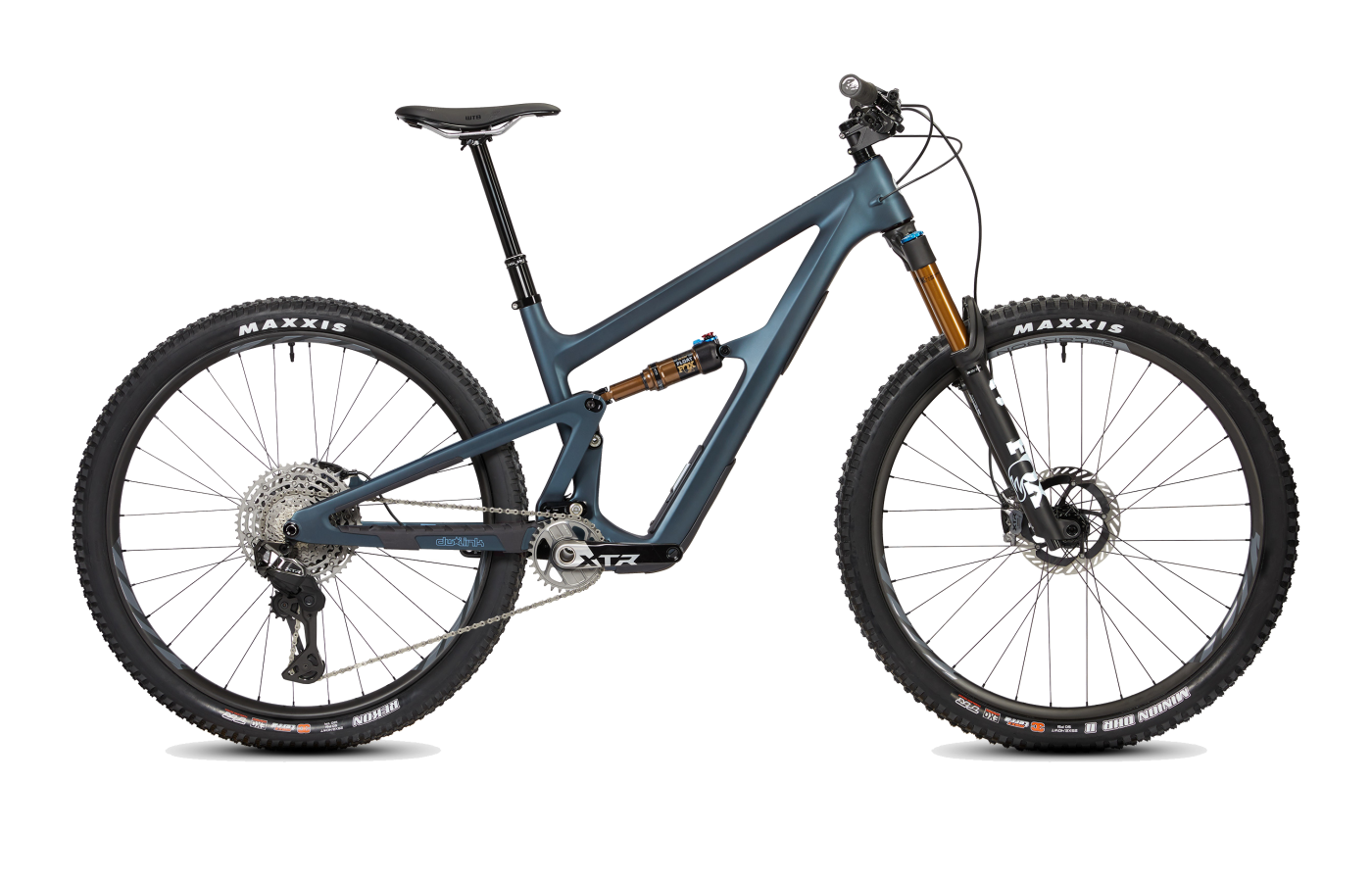
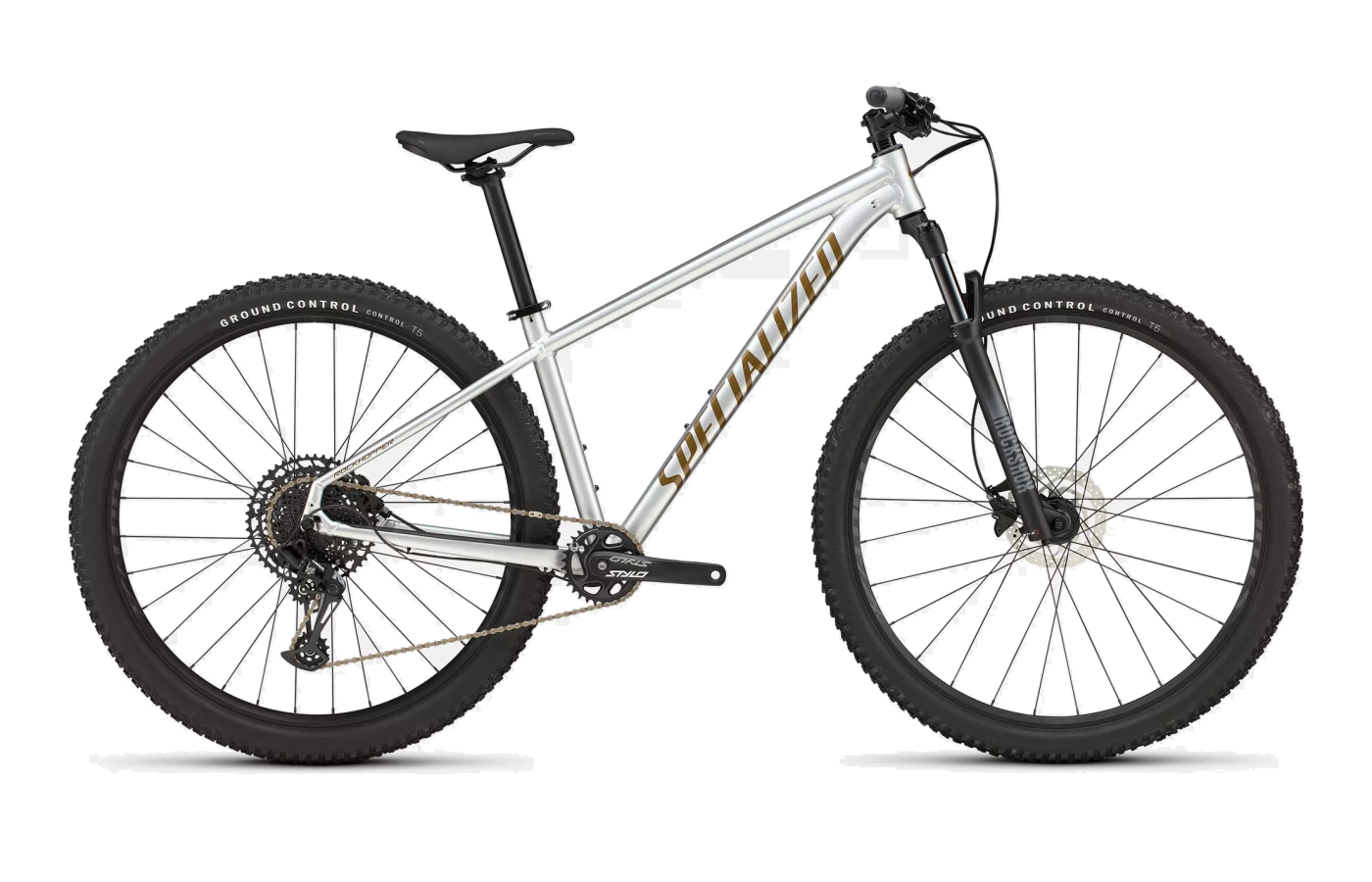
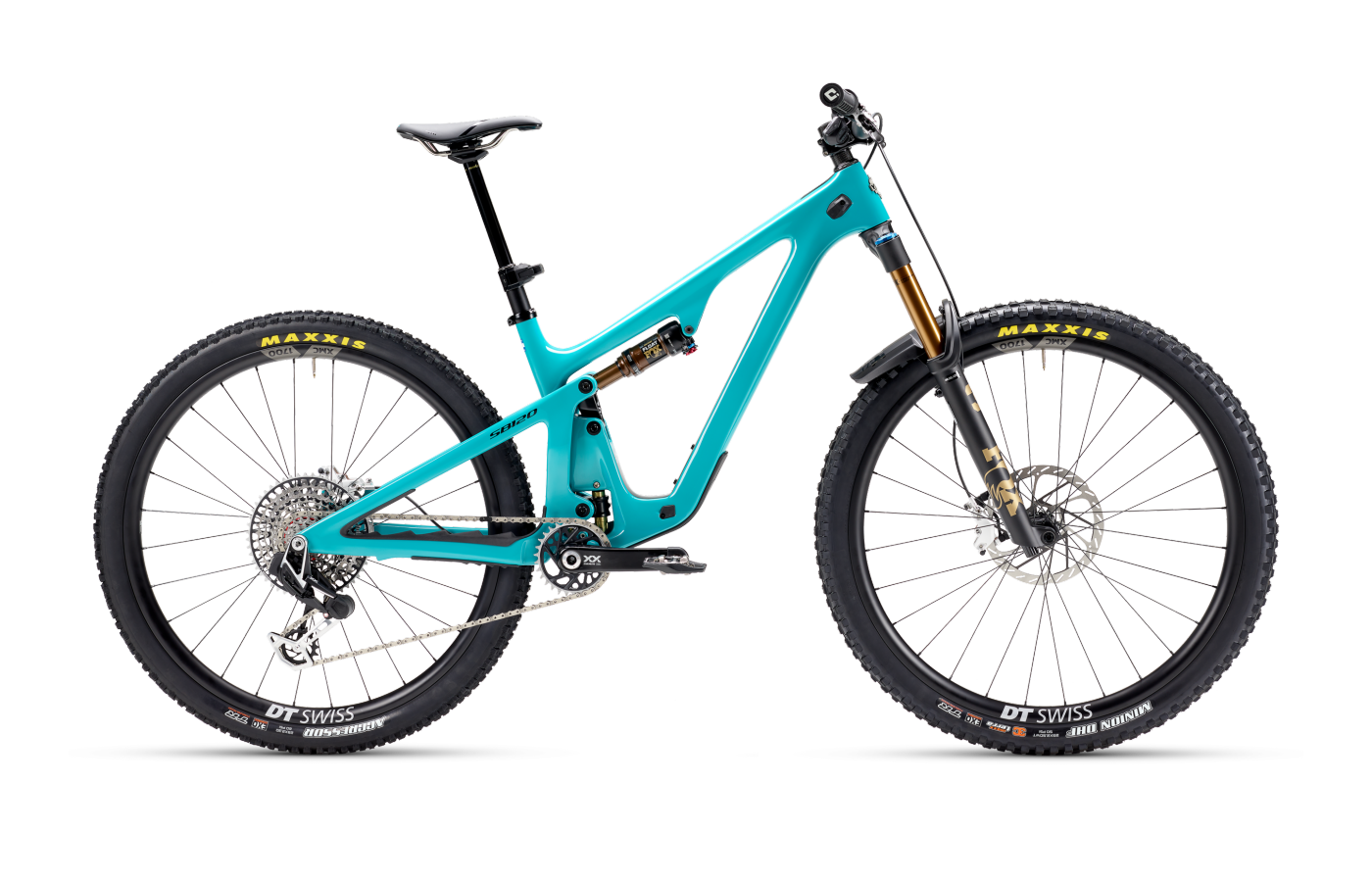
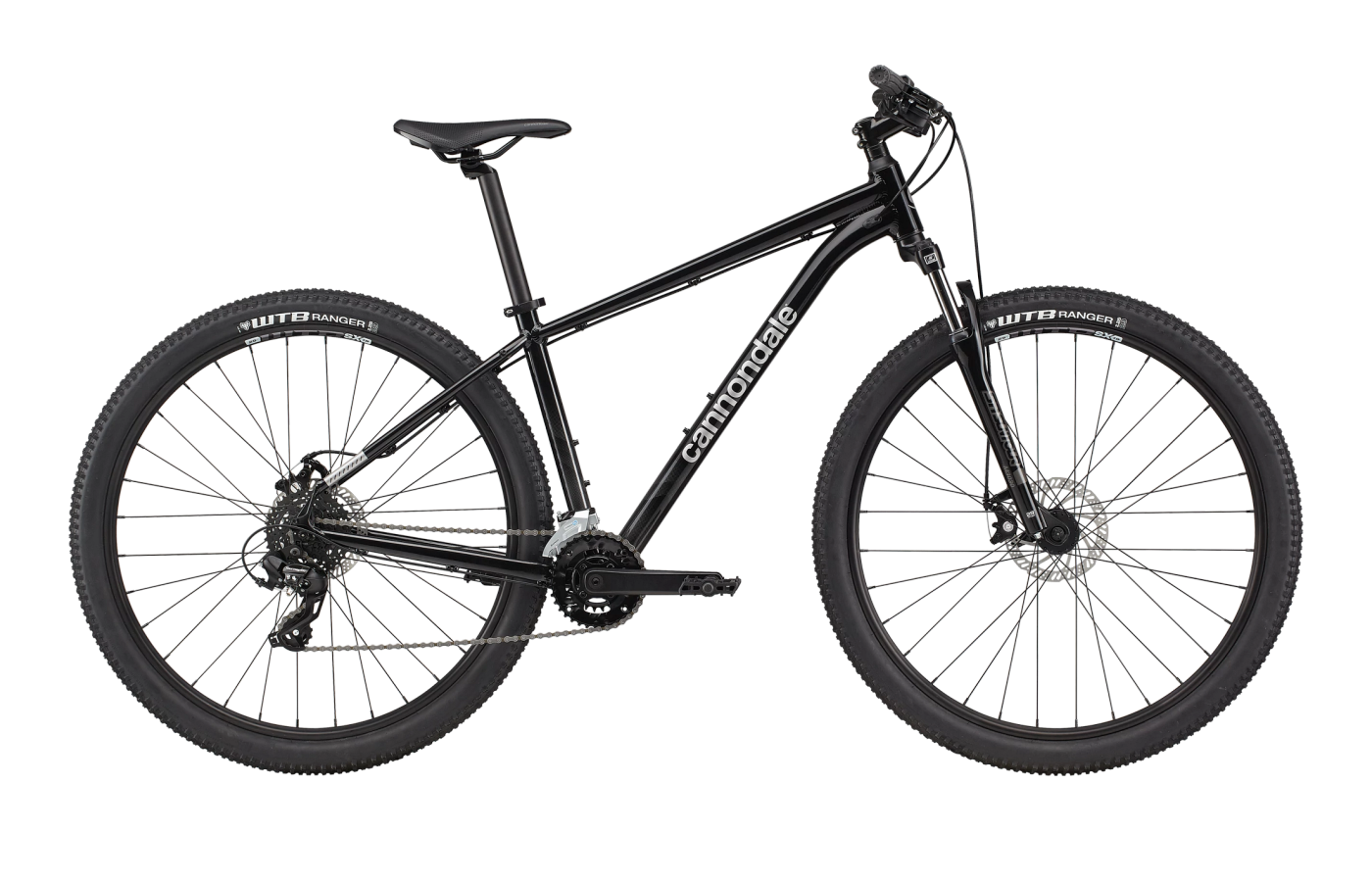
Cannondale TrailvsPivot Trailcat SL
This is less a fair fight and more a collision of mountain biking's opposite poles. One is a gateway hardtail built for $500, while the other is a $13,000 carbon surgical instrument for those who find the limits of gravity before their bank accounts.
Overview
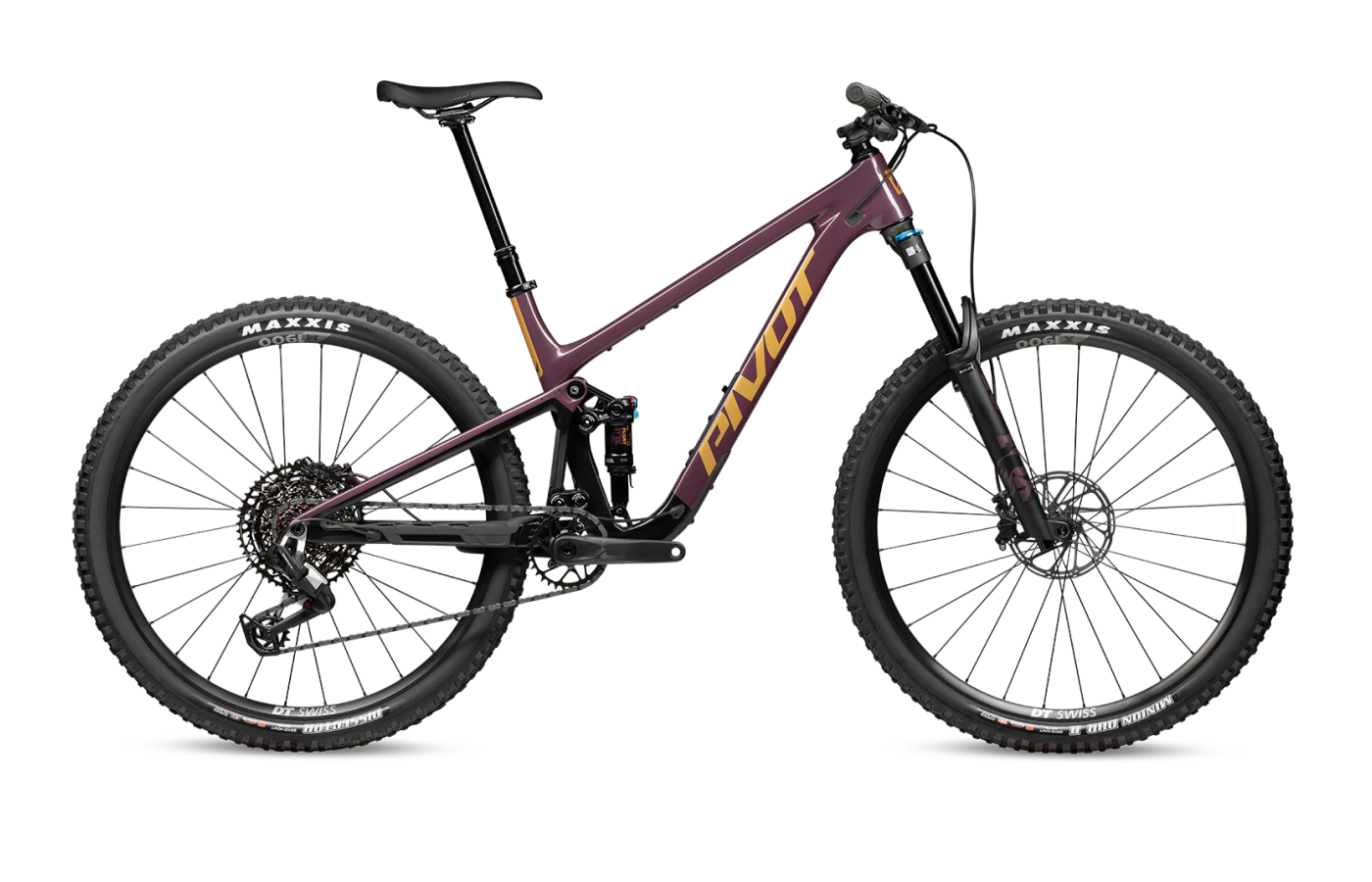
Market positioning for these two frames couldn't be farther apart. The Cannondale Trail serves as the humble entry point for people graduating from gravel paths to proper dirt, relying on a robust aluminum frame and a geometry that doesn't try to scare the newcomer. It is a series of eight hardtails that range from the absolute budget-conscious Trail 8 to the more capable SE models with 120mm forks. Pivot’s Trailcat SL is a high-octane carbon beast designed for the rider who treats every uphill as a sprint and every descent as a playground. Replacing the Trail 429, it uses a sophisticated DW-Link suspension platform to deliver 120mm of rear travel paired with a 140mm fork. While the Cannondale is meant to grow your skills, the Pivot is built to exploit them, offering a level of refinement and manufacturing tolerance that makes it "deathly silent" (The Loam Wolf) even when you're walloping into rocks at speed.
Ride and handling
The Pivot feels like it has a "hover bike" quality (Jenson USA) over trail chunder, generating speed out of corners with a momentum that hardtails simply cannot match. Its DW-Link suspension keeps the rear wheel tracking through high-speed tech with "impeccable small bump sensitivity" (Pinkbike), though it reaches its 120mm limit quickly on big drops, requiring strong arms and shoulders to hold it together. The Pivot is "extremely light on its feet" and encourages "split-second changes of direction" (Flow) that make every trail feature a potential lip or landing. In contrast, the Cannondale is a classic hardtail experience: "swift and efficient" on smooth trails (Bikexchange) but jarring when you wander into the choppy stuff. Its 68-degree head tube angle provides a stable, predictable platform for beginners, though more experienced riders will find the front end lacks the authority needed for truly steep descents. While the Trailcat SL "wants to be jumped off of every trail feature" (Awesome MTB), the Cannondale is happier keeping its rubber on the ground and navigating mellow singletrack adventures. The Cannondale’s SAVE technology helps shave the edge off backend vibrations, but it won't save your ankles from the harsh feedback of a root-infested climb.
Specifications
Brake power Divergence turns comical here. Pivot specs the massive SRAM Maven Ultimate brakes on some SL builds, which reviewers call "overkill" (Flow) but provide enough torque to stop a freight train. The Cannondale SE 4 uses Tektro M390 hydraulics with a 180mm front rotor, which is plenty for light trail work but lacks the two-finger authority of the Pivot’s anchors. Pivot uses Industry Nine Hydra hubs for near-instant engagement; Cannondale sticks to basic Shimano or Formula hubs that feel sluggish when you need to ratchet the pedals over a technical ledge. The drivetrain gap is equally vast. The Cannondale range uses everything from 7-speed microSHIFT to 12-speed SRAM NX, whereas Pivot starts at SRAM GX Transmission and goes up to the $13,399 Team XTR Di2 NEO build. Pivot uses Fox Factory suspension with the GRIP X2 damper, which is "absolutely superb" and controlled at speed (Flow), while the Cannondale mostly uses heavy coil SR Suntour forks that can be slow to respond and are limited by their internal friction.
| Trail | SL | |
|---|---|---|
| FRAMESET | ||
| Frame | SmartForm C3 Alloy, SAVE, 1-1/8" headtube, post mount disc, StraightShot internal cable routing, dropper post compatible, BSA-73 | Pivot (model not specified) |
| Fork | SR Suntour M3030, 75mm, coil, 42mm offset (27.5") / 46mm offset (29") | Fox 36 Performance SL 29", GRIP, 140mm |
| Rear shock | — | Fox Float Performance |
| GROUPSET | ||
| Shift levers | microSHIFT, 7-speed | SRAM Eagle 90 Mechanical Transmission, 12-speed |
| Front derailleur | microSHIFT Dual Pull Compact, Band Clamp | — |
| Rear derailleur | microSHIFT M26L | SRAM Eagle 90 Mechanical Transmission, 12-speed |
| Cassette | Sunrace, 11-34, 7-speed | SRAM XS-1270 Eagle Transmission, 12-speed, 10-52T |
| Chain | KMC Z7, 7-speed | SRAM Eagle 70 Flattop, 12-speed |
| Crankset | Prowheel, 36/22 | SRAM Eagle 70 DUB, 32T |
| Bottom bracket | Sealed cartridge bearing, square taper | SRAM DUB (exact standard not specified) |
| Front brake | Tektro mechanical disc | SRAM DB8 Stealth, 4-piston hydraulic |
| Rear brake | Tektro mechanical disc | SRAM DB8 Stealth, 4-piston hydraulic |
| WHEELSET | ||
| Front wheel | WTB SX19, 32h; Formula, QR; Stainless Steel, 14g | DT Swiss M 1900 wheelset, 29", 30mm, DT Swiss 370 hub, 15x110 |
| Rear wheel | WTB SX19, 32h; Formula, QR; Stainless Steel, 14g | DT Swiss M 1900 wheelset, 29", 30mm, DT Swiss 370 hub, 12x157 |
| Front tire | WTB Ranger Comp, 29x2.25" (27.5x2.25" - XS, SM), DNA Compound | |
| Rear tire | WTB Ranger Comp, 29x2.25" (27.5x2.25" - XS, SM), DNA Compound | |
| COCKPIT | ||
| Stem | 6061 Alloy, 31.8, 8° | Phoenix Team Enduro/Trail (35mm XS / 45mm SM / 55mm MD-XL) |
| Handlebars | 6061 Alloy Riser, 31.8mm, 25mm rise, 700mm | Phoenix Race Low Rise Aluminum (780mm XS-LG / 800mm XL) |
| Saddle | Cannondale Stage 3 | Phoenix WTB Volt Race (Medium Width) |
| Seatpost | Cannondale 3, 6061 Alloy, 31.6x350mm (XS - SM), 400mm (MD-XL) | TranzX YSP23GLS |
| Grips/Tape | Cannondale Dual-Density | Phoenix Factory Lock-On |
Geometry and fit comparison
Pivot’s 65.8-degree head tube angle in the low setting is significantly more aggressive than the Cannondale's 68-degree setup. This slackness gives the Trailcat a massive advantage in high-speed stability, whereas the Cannondale's steeper front end makes it feel "incredibly nimble" at slow speeds but nervous on anything fast and technical. The Pivot also uses size-specific chainstays, ranging from 431mm on smaller sizes to 434mm for the XL, ensuring taller riders aren't constantly fighting to keep the front wheel down on steep pitches. Stack and reach figures ground these bikes in different worlds. The medium Pivot has a reach of 465mm, providing a roomy, modern cockpit that fits like a glove for aggressive riders. Cannondale geometry is described as having a "long top tube" (Bikexchange), but without a dropper post standard on many builds, the riding position stays more upright and traditional. While the Pivot has a low bottom bracket height of 338mm to carve through berms, the Cannondale Trail 8 specifically has a low BB that requires you to watch for pedal strikes in the rocks (Bikexchange).
| FIT GEO | Trail | SL | |
|---|---|---|---|
| Stack | 632 | 629 | -3 |
| Reach | 447 | 480 | +33 |
| Top tube | 634 | 646 | +12 |
| Headtube length | 115 | 112 | -3 |
| Standover height | 795 | 692 | -103 |
| Seat tube length | 470 | 432 | -38 |
| HANDLING | Trail | SL | |
|---|---|---|---|
| Headtube angle | 68 | 65.8 | -2.2 |
| Seat tube angle | 73.5 | 76 | +2.5 |
| BB height | 307 | 338 | +31 |
| BB drop | 65 | 36 | -29 |
| Trail | 101 | — | — |
| Offset | 46 | — | — |
| Front center | 728 | — | — |
| Wheelbase | 1166 | 1226 | +60 |
| Chainstay length | 445 | 432 | -13 |
Who each one is for
Cannondale Trail
The Cannondale is for the rider whose budget is measured in hundreds, not thousands, and who wants to see if they actually like mountain biking. If you spend your weekends doing light trail loops or three-mile park adventures and need a durable aluminum frame that won't break the bank if you tip it over in a rock garden, the Trail series is the logical starting point.
Pivot Trailcat SL
This is for the gear enthusiast who "relish[es] the challenge of a climb as much as the challenge of a descent" (Bicycling). If you want a surgically precise 120mm machine that "wants to be jumped off of every trail feature" and you have the budget to invest in "highest-grade carbon fiber" and a lifetime warranty, the Trailcat SL is the surgical instrument you've been looking for.