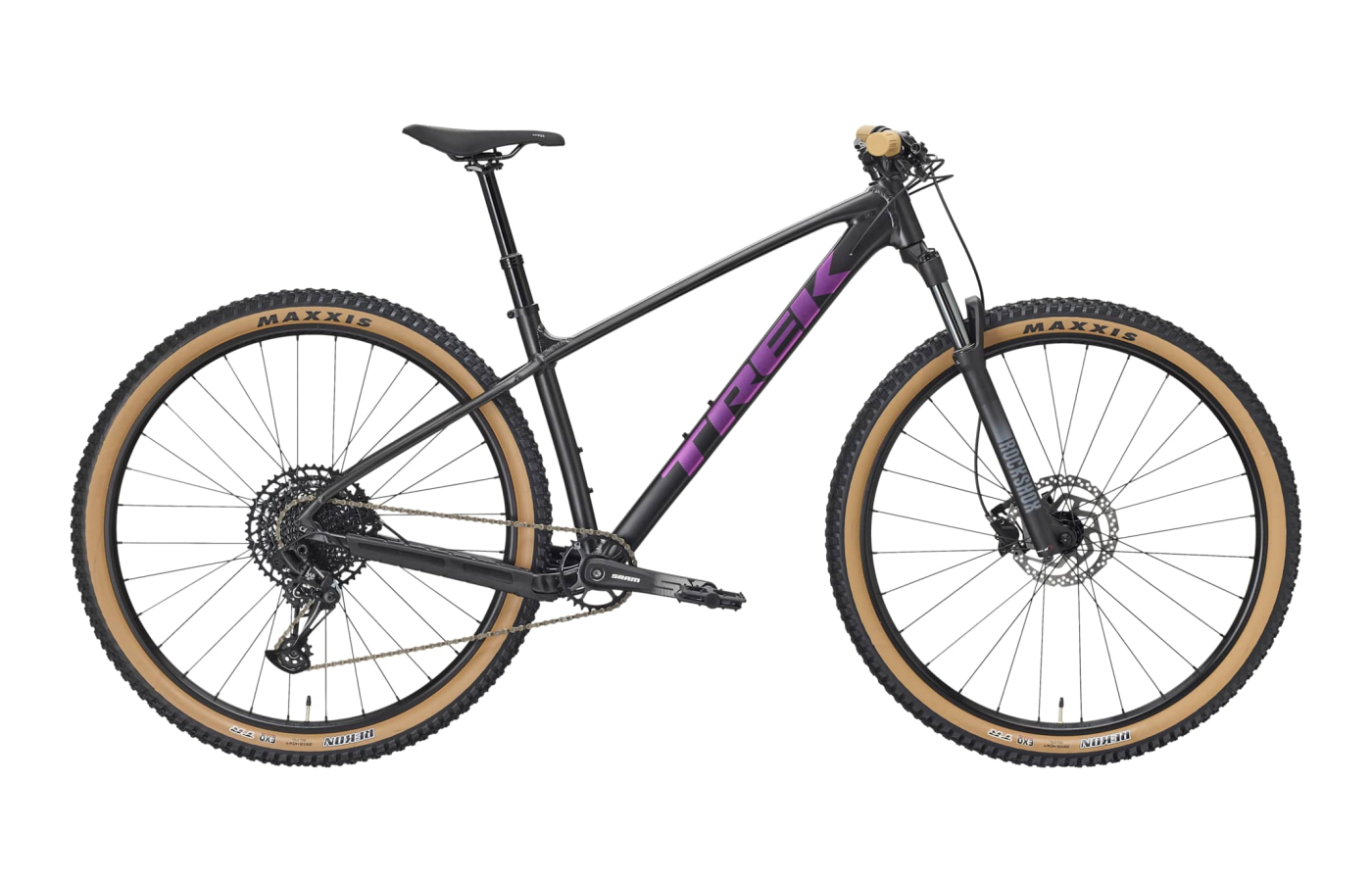
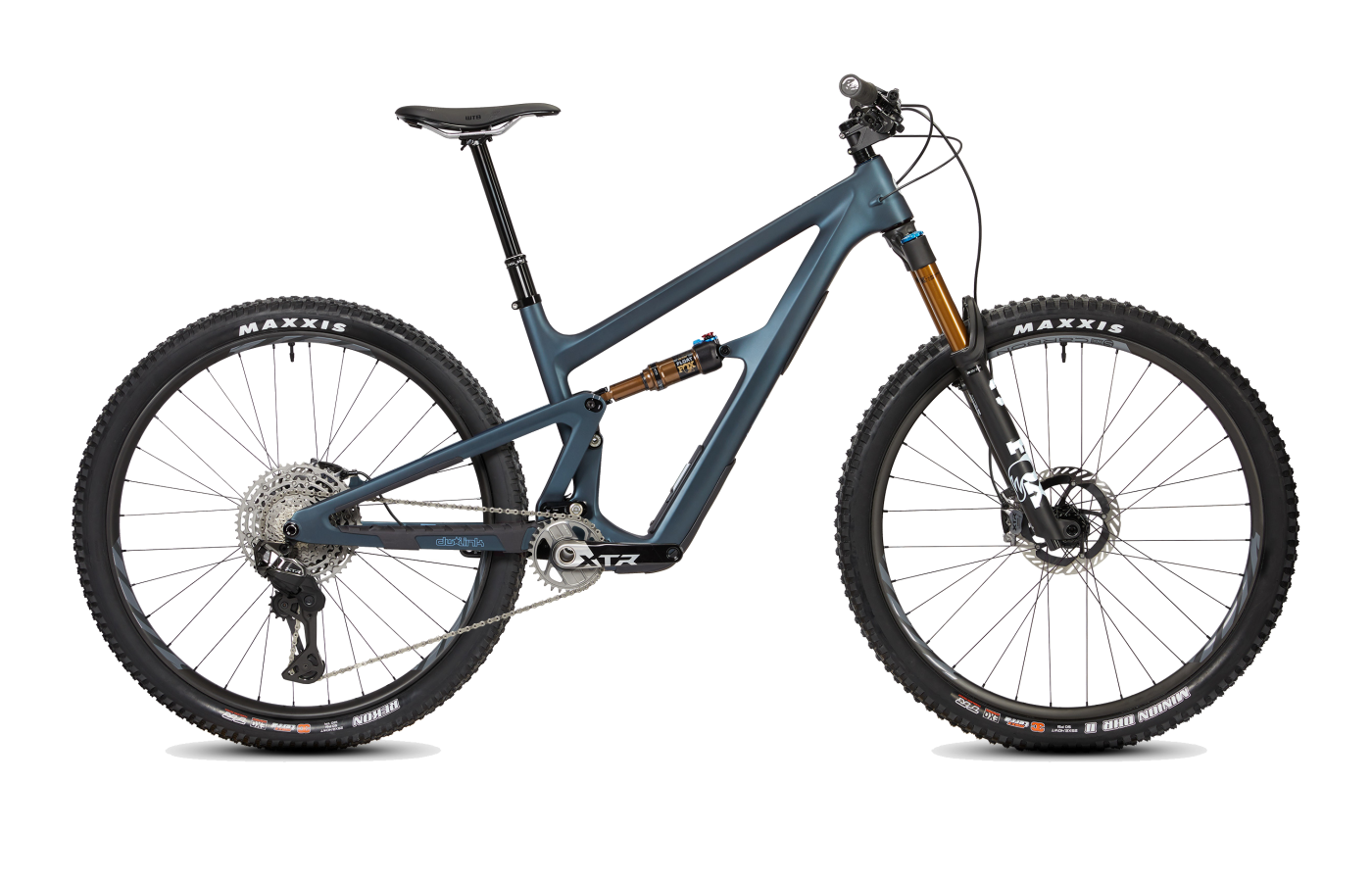
Cannondale TrailvsYeti SB120
Is it possible to find a common ground between an entry-level alloy hardtail and a boutique carbon trail rocket? This comparison looks like a clerical error at first, but it highlights the massive chasm between getting a taste of the dirt and investing in a high-velocity backcountry tool.
Overview
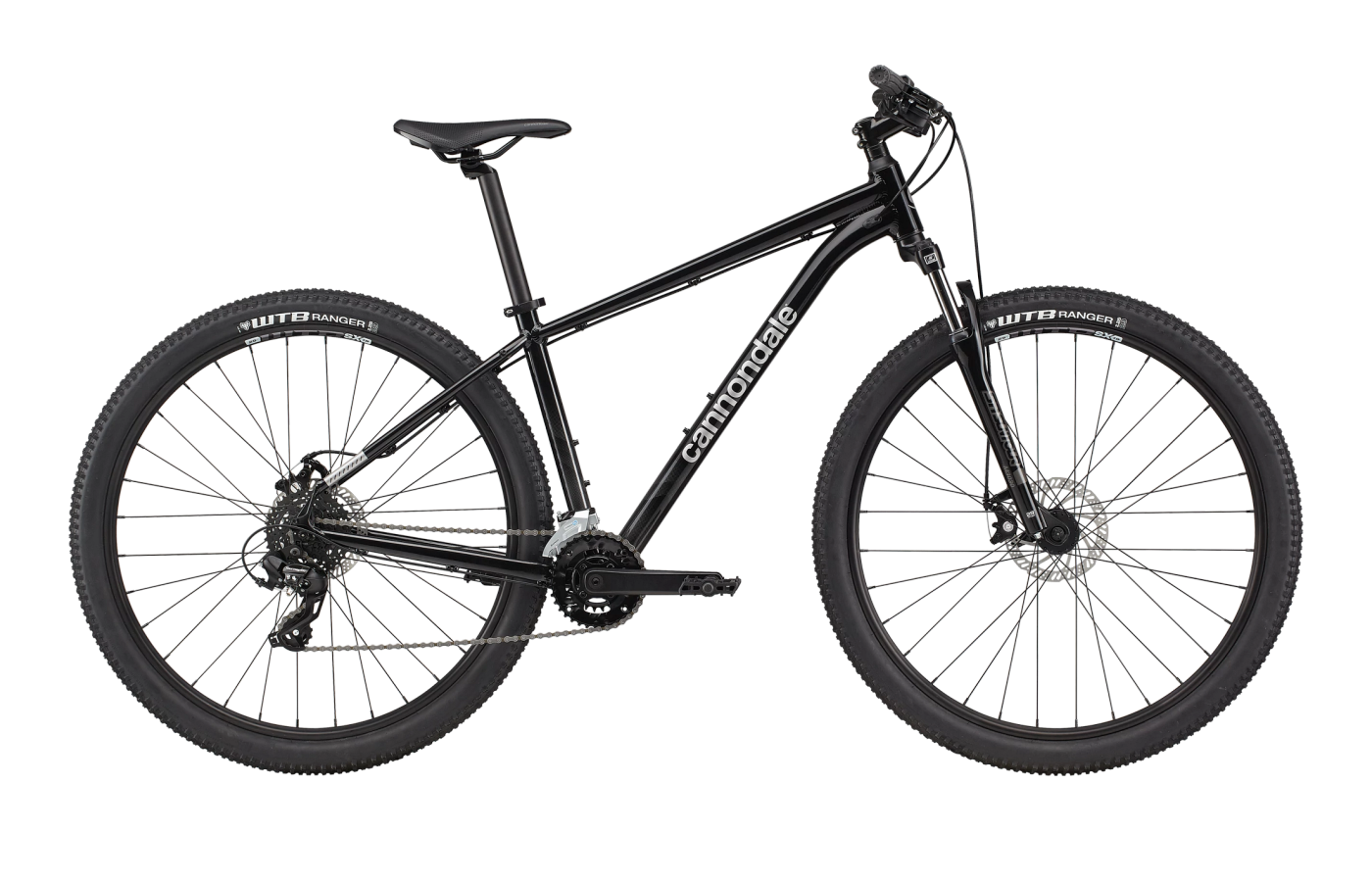
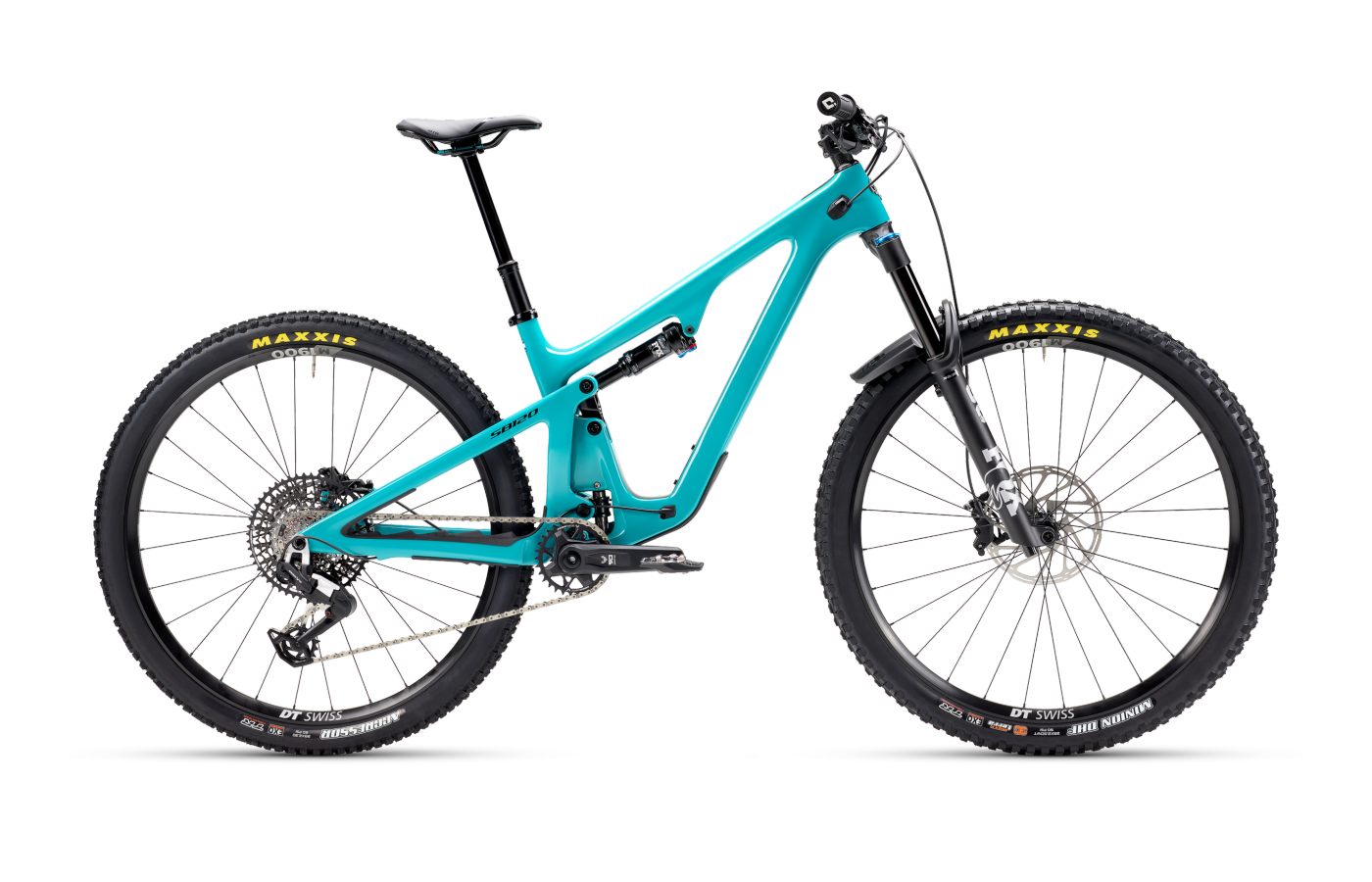
The Cannondale Trail lives in the world of first bikes and campus commutes, while the Yeti SB120 occupies the expensive, tech-heavy territory of "downcountry" dream builds. Cannondale offers the Trail as an accessible gateway, using an alloy frame that ranges from the bare-bones Trail 8 to the slightly more aggressive SE models. It uses simple coil forks and square-taper bottom brackets on its lower builds, focusing on durability and price rather than weight or sophisticated damping. Yeti does not offer a budget option. Even the base C-series SB120 is a complex 29er designed to blur the line between cross-country efficiency and trail-bike grit. It uses the Switch Infinity suspension system to create a ride that many reviewers called "sentient," reacting to terrain in a way no simple hardtail ever could. While the Cannondale is meant for recreational riders who might want rack mounts and a kickstand, the Yeti is for enthusiasts who want a stiff, refined chassis that rewards high-speed precision and aggressive line choices.
Ride and handling
Riding the Cannondale Trail is a lesson in traditional hardtail feedback. The rear end is predictably harsh on choppy roots, though the SAVE technology in the seatstays attempts to mute some of the high-frequency vibration. It handles with a light, almost nervous energy on flat fire roads but quickly feels overwhelmed when rocks get larger than a fist. On the Women's SE 4, the 120mm SR Suntour fork provides enough cushion for basic singletrack, but it lacks the sophisticated damping needed to stay composed through repeated mid-sized hits. The Yeti SB120 is the total opposite, using its 120mm of rear travel to feel "silky smooth" through the entirety of its stroke. Reviewers found that it manages square-edge hits that would skip the Cannondale's rear wheel into the bushes, providing a "bottomless" sensation that belies its short travel. The SB120 is poppy and rewards riders who pump the terrain for free speed. While the Cannondale demands you pick the smoothest line to avoid a kidney-punching jolt, the Yeti encourages a more active, "floating" ride style that maintains momentum over technical jank. Cornering performance also shows a stark divide. The Cannondale is easy to pilot at low speeds, making it great for beginners navigating tight switchbacks for the first time. However, the Yeti's chassis is significantly stouter, allowing you to rail corners with what one tester described as "maniac determination." The SB120 is more "carvy" and stable at speed, whereas the Cannondale can feel a bit twitchy once the velocity picks up and the terrain gets loose.
Specifications
The spec gap here is massive. On the Cannondale Trail, you're looking at a range that starts with 7-speed drivetrains and mechanical disc brakes on the Trail 8—parts that require frequent attention if you actually ride off-road. The Women's SE 4 build uses a 10-speed Shimano Deore setup which is a reliable workhorse for the price, but it still uses a square-taper bottom bracket that heavy or aggressive riders might find flexy. Most Cannondale builds use basic QR or thru-axle standards that prioritize cost savings over maximum stiffness. Yeti's T1 build is a high-water mark of componentry, featuring a Fox Factory 34 fork with the Grip2 damper and an XT Di2 electronic drivetrain. This setup provides crisp, automated shifting that makes the Cannondale's mechanical levers feel primitive. However, multiple reviewers pointed out that the Yeti's SRAM G2 RSC brake spec feels underpowered for a bike that likes to go this fast. For the price Yeti charges, many riders expect the more powerful Code brakes. Wheels are another area of significant difference. The Cannondale uses basic WTB SX19 rims that are functional but heavy and not particularly durable under hard use. The Yeti comes with DT Swiss XM1700 alloy wheels, which are widely considered epically durable and smooth. While the Yeti is heavy for a 120mm bike—often tipping the scales near 30 pounds—it uses that weight to provide a planted, high-quality feel that makes the Cannondale's 32-pound bulk feel clunky by comparison.
| Trail | SB120 | |
|---|---|---|
| FRAMESET | ||
| Frame | SmartForm C3 Alloy, SAVE, 1-1/8" headtube, post mount disc, StraightShot internal cable routing, dropper post compatible, BSA-73 | C/Series carbon fiber frame, Switch Infinity suspension technology, Threaded BB, internally tunneled cable routing, 148mm x 12mm BOOST dropouts, sealed enduro max pivot bearings, Universal derailleur hanger (UDH), and axle. |
| Fork | SR Suntour M3030, 75mm, coil, 42mm offset (27.5") / 46mm offset (29") | FOX PERFORMANCE 36 SL/140MM; Upgradable |
| Rear shock | — | FOX PERFORMANCE FLOAT; Upgradable |
| GROUPSET | ||
| Shift levers | microSHIFT, 7-speed | SRAM EAGLE 90 TRANSMISSION |
| Front derailleur | microSHIFT Dual Pull Compact, Band Clamp | |
| Rear derailleur | microSHIFT M26L | SRAM EAGLE 90 TRANSMISSION |
| Cassette | Sunrace, 11-34, 7-speed | SRAM GX EAGLE TRANSMISSION 10-52 |
| Chain | KMC Z7, 7-speed | SRAM GX EAGLE TRANSMISSION FLATTOP |
| Crankset | Prowheel, 36/22 | SRAM EAGLE 90 TRANSMISSION 30T 165MM |
| Bottom bracket | Sealed cartridge bearing, square taper | SRAM DUB BSA 73 |
| Front brake | Tektro mechanical disc | SRAM MOTIVE BRONZE |
| Rear brake | Tektro mechanical disc | SRAM MOTIVE BRONZE |
| WHEELSET | ||
| Front wheel | WTB SX19, 32h; Formula, QR; Stainless Steel, 14g | DT SWISS M1900 30MM LN |
| Rear wheel | WTB SX19, 32h; Formula, QR; Stainless Steel, 14g | DT SWISS M1900 30MM LN |
| Front tire | WTB Ranger Comp, 29x2.25" (27.5x2.25" - XS, SM), DNA Compound | MAXXIS MINION DHF 2.5 EXO |
| Rear tire | WTB Ranger Comp, 29x2.25" (27.5x2.25" - XS, SM), DNA Compound | MAXXIS AGGRESSOR 2.3 EXO |
| COCKPIT | ||
| Stem | 6061 Alloy, 31.8, 8° | BURGTEC ENDURO MK3 35X50MM |
| Handlebars | 6061 Alloy Riser, 31.8mm, 25mm rise, 700mm | BURGTEC RIDE WIDE ALLOY ENDURO 35X780MM |
| Saddle | Cannondale Stage 3 | WTB SOLANO CHROMOLY |
| Seatpost | Cannondale 3, 6061 Alloy, 31.6x350mm (XS - SM), 400mm (MD-XL) | ONEUP DROPPER POST/ XS-SM: 150MM, MD: 180MM, LG: 210MM, XL-XXL: 240MM |
| Grips/Tape | Cannondale Dual-Density | ODI ELITE PRO |
Geometry and fit comparison
Cannondale uses a conservative 68-degree head tube angle on most Trail models, which keeps the steering light and manageable for new riders. It is a "fit-first" geometry where smaller frames use 27.5-inch wheels and larger frames use 29-inch wheels. This ensures that a 5'1" rider isn't struggling to turn massive wagon wheels. However, the shorter reach and wheelbase mean the bike can feel unstable and "pointy" when the trail gets steep and fast. The Yeti SB120 pushes into modern trail territory with a 66.5-degree head angle and a 475mm reach on the Large. This creates a much more stable platform for descending, allowing the rider to feel centered "in" the bike rather than perched "on" it. Yeti also uses size-specific chainstays that grow 2mm per size, ensuring a balanced weight distribution regardless of how tall you are. The seat tube angle on the Yeti is a steep 76.5 degrees, placing the rider in an efficient position directly over the cranks for technical climbs. The Cannondale is slacker at 73.5 degrees, which is fine for flat paths but can make the front end feel light and wandery when trying to scramble up a steep, rooty pitch. The Yeti’s 1,217mm wheelbase on the Large provides a level of high-speed stability that the Cannondale simply cannot match.
| FIT GEO | Trail | SB120 | |
|---|---|---|---|
| Stack | 632 | 627.4 | -4.6 |
| Reach | 447 | 472.4 | +25.4 |
| Top tube | 634 | 624.8 | -9.2 |
| Headtube length | 115 | 114.3 | -0.7 |
| Standover height | 795 | 721.4 | -73.6 |
| Seat tube length | 470 | 439.4 | -30.6 |
| HANDLING | Trail | SB120 | |
|---|---|---|---|
| Headtube angle | 68 | 66.2 | -1.8 |
| Seat tube angle | 73.5 | 76.2 | +2.7 |
| BB height | 307 | 337.8 | +30.8 |
| BB drop | 65 | — | — |
| Trail | 101 | — | — |
| Offset | 46 | 43.2 | -2.8 |
| Front center | 728 | 779.8 | +51.8 |
| Wheelbase | 1166 | 1219.2 | +53.2 |
| Chainstay length | 445 | 439.4 | -5.6 |
Who each one is for
Cannondale Trail
For the casual explorer who needs a bike that can do double duty as a weekday commuter and a weekend forest-path cruiser. It is a solid choice if your budget is under two thousand dollars and your idea of a great ride involves scenic fire roads or mellow singletrack rather than clearing doubles or smashing through rock gardens.
Yeti SB120
For the enthusiast who spends their weekends on six-hour backcountry epics and wants a bike that climbs like a mountain goat without sacrificing downhill speed. If you have a deep wallet and value a refined, "aristocratic" ride feel that mutes trail chatter and rewards precise line choices, the SB120 is one of the most sophisticated tools available.