Endurace
vs765 Optimum
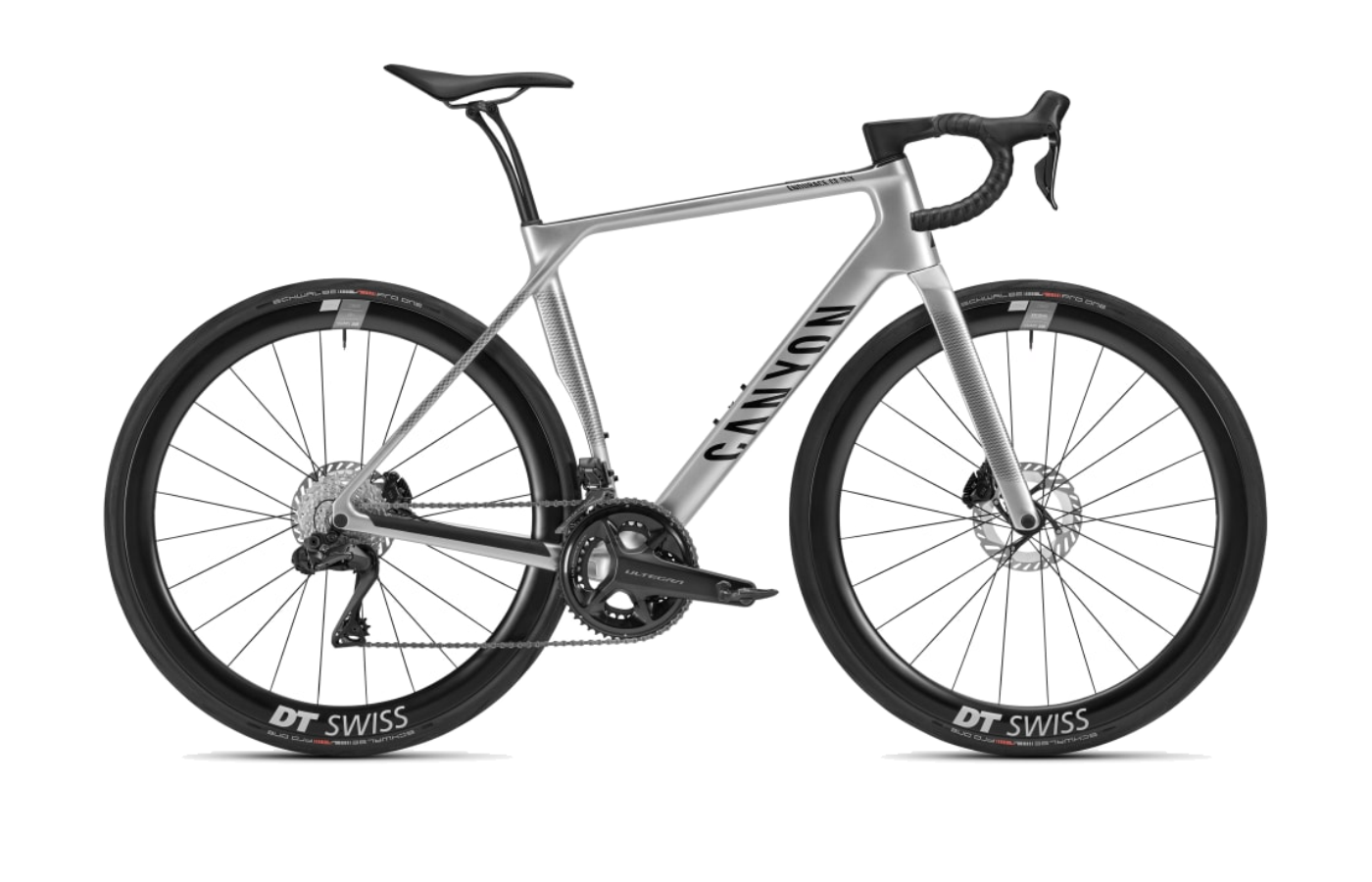
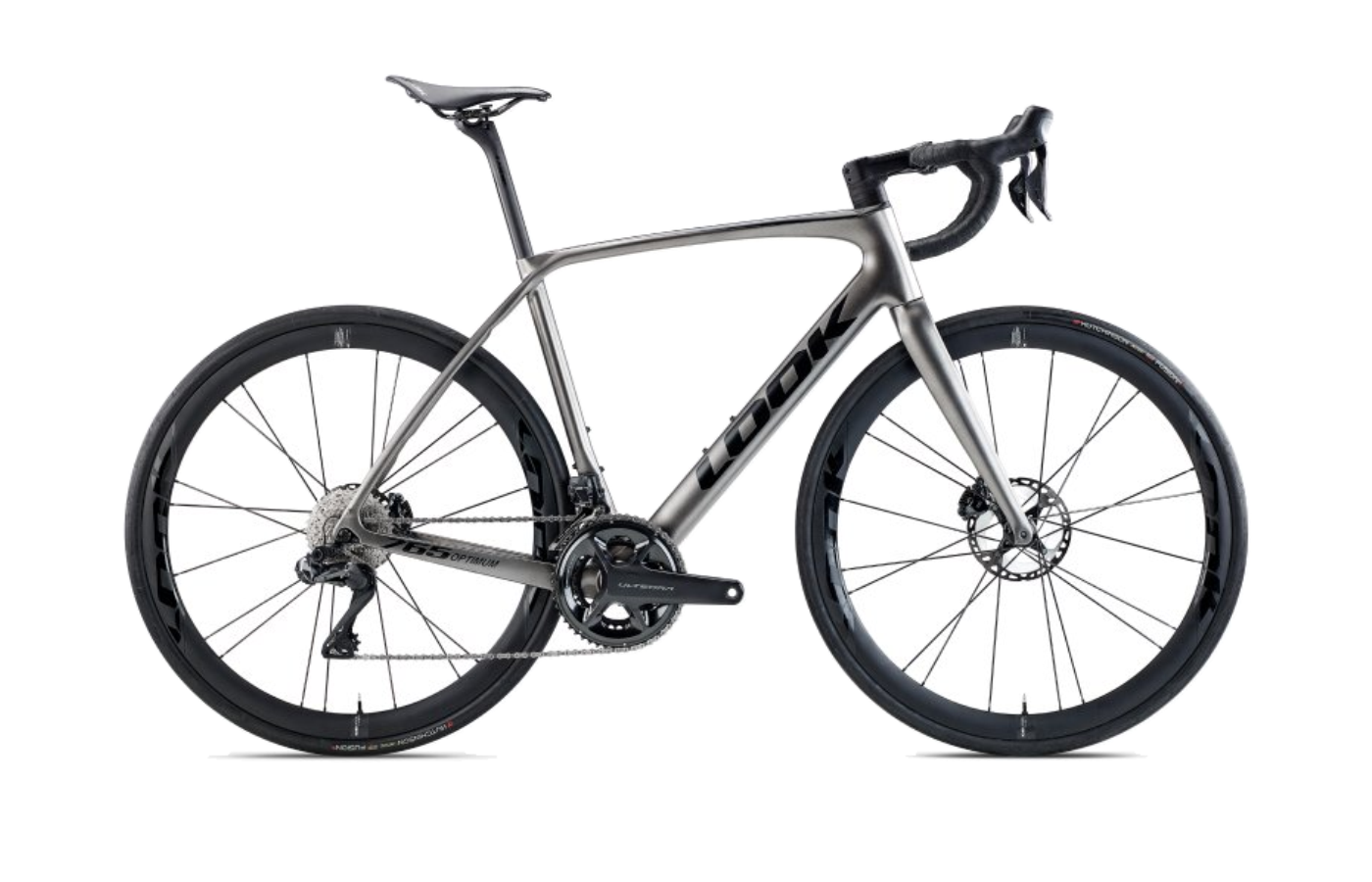
Two endurance philosophies, one rider profile.
The Canyon Endurace is the modern, aero-tinted endurance bike with a pro-tier ceiling. The Look 765 Optimum is the slack, French-built mile-eater that keeps things simple.
Endurace
- Power meter standard on every Di2 build — a $400-700 value Look doesn't match.
- Wider tire clearance at 35 mm — comfortably runs a 32 mm tire with room for chip-seal detours.
- Wider build range — eight builds from a $1,499 alloy CUES bike up to a $9,099 CFR Dura-Ace.
- Proprietary CP0048 integrated cockpit is hard to fit-tune without buying a new unit.
- Reviewers note a stiff front end paired with the plush rear — not always harmonious on chip-seal.
765 Optimum
- Class-leading stability from a 70.8-degree head angle that holds its line in crosswinds and on bumpy descents.
- Standard cockpit and seatpost (round 27.2 mm post, normal stem) — easy fit changes, easy local-shop service.
- T47 threaded bottom bracket — the most durable, creak-resistant BB standard in modern road bikes.
- Heavier frame (~1 kg) and no power meter at any price — you're paying for ride feel, not spec sheet.
- Understeers in tight corners and lacks snap on short, steep climbs.
Editor’s analysis
Both bikes target the long, mixed-surface road day — but they get there from opposite directions: one chases watts, the other chases calm.
The Canyon Endurace has been redesigned around the modern endurance brief: 35 mm tire clearance, an integrated aero cockpit, an internal top-tube storage hatch, and a power meter on every Di2 build. Reviewers describe it as performance-oriented despite the taller stack — Cyclist Magazine notes the handling is 'racier than you'd expect for a bike of this type,' and Cycling News calls the front end 'light and nimble.' The Sport Geometry sits a 173 cm rider noticeably more upright than the Aeroad while keeping a 72.75-degree head angle in the middle sizes.
The Look 765 Optimum picks a different lane. It runs a 70.8-degree head tube angle across the entire size range — slacker than almost any modern road bike — and pairs it with a steep 74-degree seat tube. Reviewers describe the result as a 'stable locomotive on rails,' a bike that 'definitely understeers' and asks for slower corner entries, then rewards you with composure on fast descents and crosswinds. It's a bike built for cruising fatigue away, not for cheeky town-sign sprints.
Spec philosophy diverges just as sharply. Canyon's direct-to-consumer pricing puts a Shimano Ultegra Di2 build with a 4iiii power meter and DT Swiss ERC 1400 carbon wheels at $5,499. Look's equivalent Ultegra Di2 build is $7,500, has no power meter, and uses standard alloy LS3 cockpit hardware — but every component is industry-standard. The T47 threaded bottom bracket and round 27.2 mm seatpost mean any local shop can service it; Canyon's proprietary CP0048 integrated cockpit can't be adjusted without buying a new unit.
Put another way: the Canyon Endurace is what the modern endurance bike has become. The Look 765 Optimum is what it used to be — and a real argument for what it still should be.
Where the builds differ.
Comparing our editor's-pick builds side-by-side. Winners highlighted row-by-row — lower price and weight, and the better-spec component, each mark a point.
Build variants & pricing
Canyon's range starts at $1,499 and tops out near $9k; Look offers three carbon builds between $4,000 and $7,500.
Prices are current US MSRP. Both editor's picks above are the Ultegra Di2 build on each side — the cleanest tier-matched comparison. Note Canyon's Ultegra Di2 build is $2,000 cheaper and includes a 4iiii power meter that Look doesn't offer at any price.
How they fit, how they steer.
Canyon's XS and Look's M are the fit-picked frames for the same rider — the labels diverge because the brands size differently. The Look sits 34 mm taller in stack (582 vs 548 mm) and 9 mm longer in reach. Both share a 70.8-degree head tube angle at these sizes, but Look holds 70.8 across every frame size while Canyon steepens to 72.75 by size M and above.
Which size should I buy?
Size recommendations are based on stack, reach, and effective top tube. Canyon offers eight sizes (3XS to 2XL); Look offers five (XS to XL).
→These are starting points. Flexibility, riding style, and preferred position all shift the answer — if you’re between sizes, a professional fit beats a chart.
What the magazines said.
Published reviews from trusted cycling outlets. Click through for the full write-up.
Which one should you buy?
If you want the modern endurance bike with aero, storage, and a power meter, get the Canyon. If you want a calm, serviceable, stable mile-eater that ages well, get the Look.
Endurace
If you're chasing fast group rides, want a power meter included, and like the idea of integrated storage and an aero cockpit, the Endurace is the modern answer. The CF SLX 8 Di2 at $5,499 with a 4iiii power meter is one of the strongest value propositions in endurance road right now.
765 Optimum
If your rides are long, broken-pavement, often-windy, and you'd rather have a bike that's calm than one that's quick, the 765 Optimum is the right tool. Standard parts, T47 BB, slack head angle — it's the bike you buy when you plan to keep it a decade.
Questions buyers actually ask.
Short answers to the things we get emailed about most often.
01Which is more comfortable on long rides?
Both are genuinely comfortable, but the Look 765 Optimum has the edge for sheer cruising calm. Reviewers consistently describe its frame as a 'stable locomotive on rails' that 'glides over rough surfaces,' and the slack 70.8-degree head angle reduces fatigue from constant front-end corrections in crosswinds and on broken pavement.
The Canyon Endurace pairs an extremely plush rear (thanks to its VCLS leaf-spring seatpost) with a stiffer front end that some reviewers find chattery on rough chip-seal. The Endurace is sportier; the Look is calmer.
02What's the maximum tire clearance?
Canyon Endurace: 35 mm officially, with the AllRoad alloy build going up to 40 mm. Stock builds ship with 30-32 mm tires.
Look 765 Optimum: 34 mm officially. Stock builds ship with 30 mm Hutchinson tires.
The Canyon edges into all-road territory — comfortably handles a true 32 mm tire and lets you take chip-seal detours. The Look stays clearly on the road side of the line.
03Which has the better build value?
Canyon, decisively. At equivalent Shimano Ultegra Di2 trim, the Canyon CF SLX 8 Di2 is $5,499 with a 4iiii power meter and DT Swiss ERC 1400 carbon wheels. The Look Ultegra Di2 is $7,500 with no power meter and Look's house-brand R 38 D carbon wheels.
That's a $2,000 gap before you account for the power meter (typically $400-700 aftermarket). Canyon's direct-to-consumer model wins on raw spec-per-dollar across the entire range — Look's pitch is the ride feel, durability, and serviceability of the frame, not the build sheet.
04Which one handles better in crosswinds?
The Look 765 Optimum. Its slack 70.8-degree head angle holds across every frame size, and reviewers explicitly call out high-wind composure — Mapdec Cycle Works describes cruising through significant crosswinds with deep 55 mm wheels and feeling no front-end interference.
The Canyon's head angle steepens with frame size (up to 73.3 degrees on the largest sizes), which sharpens steering in normal conditions but makes the front end more reactive to side gusts. If your rides regularly cross open, exposed terrain, the Look is the calmer tool.
05Are the integrated cockpits a maintenance headache?
Canyon's CP0048 is a one-piece carbon aero cockpit. It does offer 50 mm of width adjustment and 20 mm of height adjustment built in — better than most integrated systems — but changing stem length means buying a new unit. Hose service requires a partial disassembly.
Look's LS3 is a standard two-piece alloy stem and bar. Any shop can swap stem length, bar width, or rotation in 10 minutes. If you value easy fit-tuning or expect to evolve your fit over years of ownership, the Look is dramatically easier to live with.
06Which climbs better?
Neither is a pure climbing bike, but the Canyon Endurace has the edge — particularly the lighter CFR-tier frame at the top of the range. Reviewers describe the Endurace as 'sporty' and 'stiff and fast when sprinting,' while the Look is consistently described as lacking 'that snappy acceleration' on short, sharp efforts.
For steady, seated, threshold-effort climbing, both bikes are capable and efficient. For out-of-saddle attacks or punchy gradients, the Canyon feels more willing.
07Can I run a power meter with these?
Canyon ships a 4iiii Precision 3+ or Shimano/SRAM-integrated power meter on every Di2 build — no aftermarket purchase needed.
Look ships no power meter on any build. Both frames use standard crank interfaces, so any aftermarket option (4iiii, Stages, Power2Max) bolts on without issue. Pedal-based meters (Favero Assioma, Garmin Rally) work with both.
08How do the warranties and ownership compare?
Canyon offers a six-year frame warranty (transferable for the first two years) and runs a direct-to-consumer model — no local dealer. Service goes through Canyon's network or your independent shop. Returns are accepted within 30 days.
Look sells through traditional bike dealers and includes a lifetime frame warranty to the original owner. The Look is meaningfully easier to buy with hands-on dealer support and easier to service long-term thanks to its standard parts; the Canyon trades that for a lower price and a more direct purchase experience.
Similar bikes
If your priorities don’t map cleanly onto either of these, one of these adjacent bikes probably fits better.
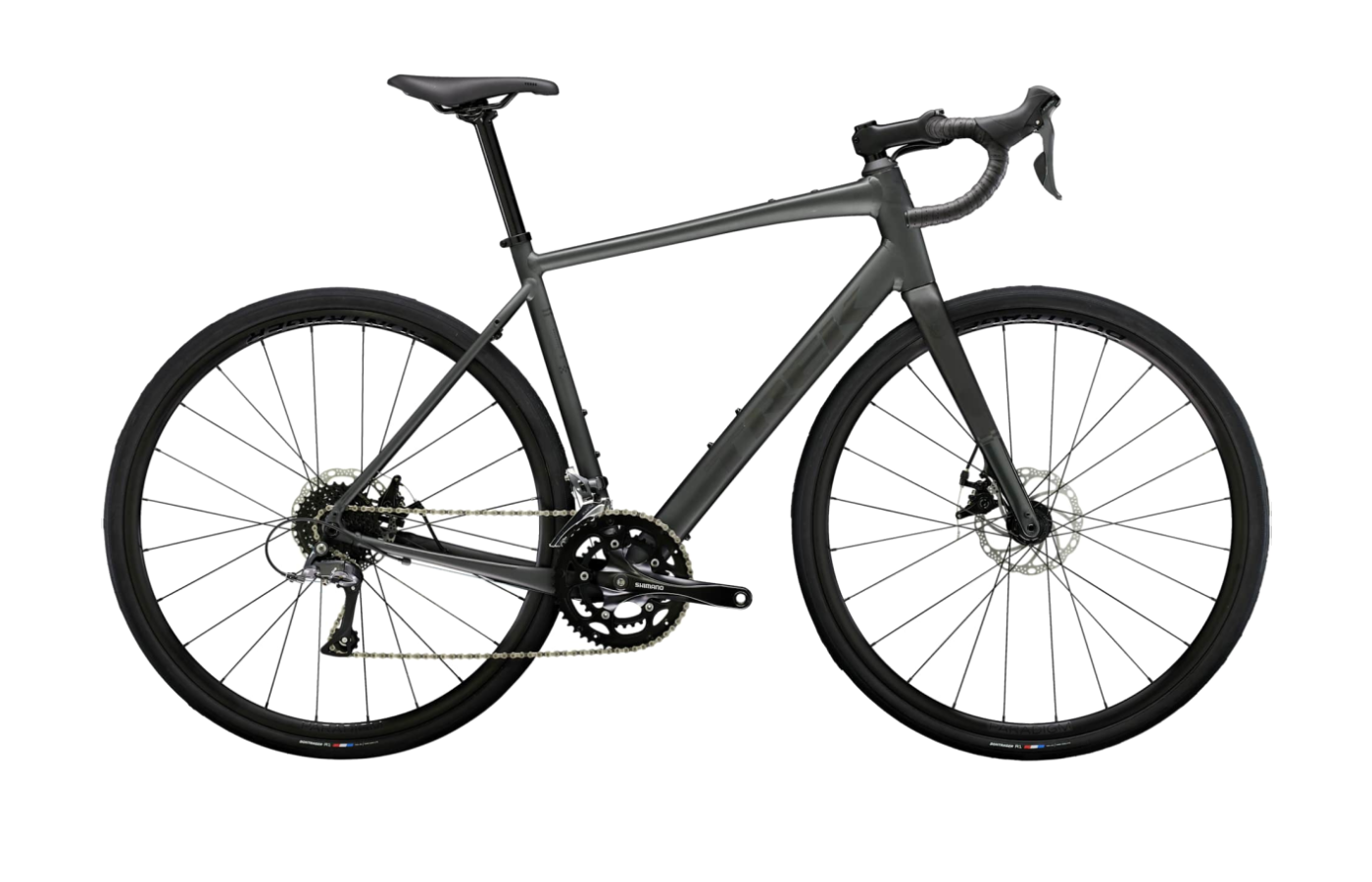
Domane
Trek's endurance flagship splits the difference — IsoSpeed decoupler for compliance, internal down-tube storage like the Canyon, and dealer-network support like the Look. Heavier than both, but the most stable in the segment.
Compare →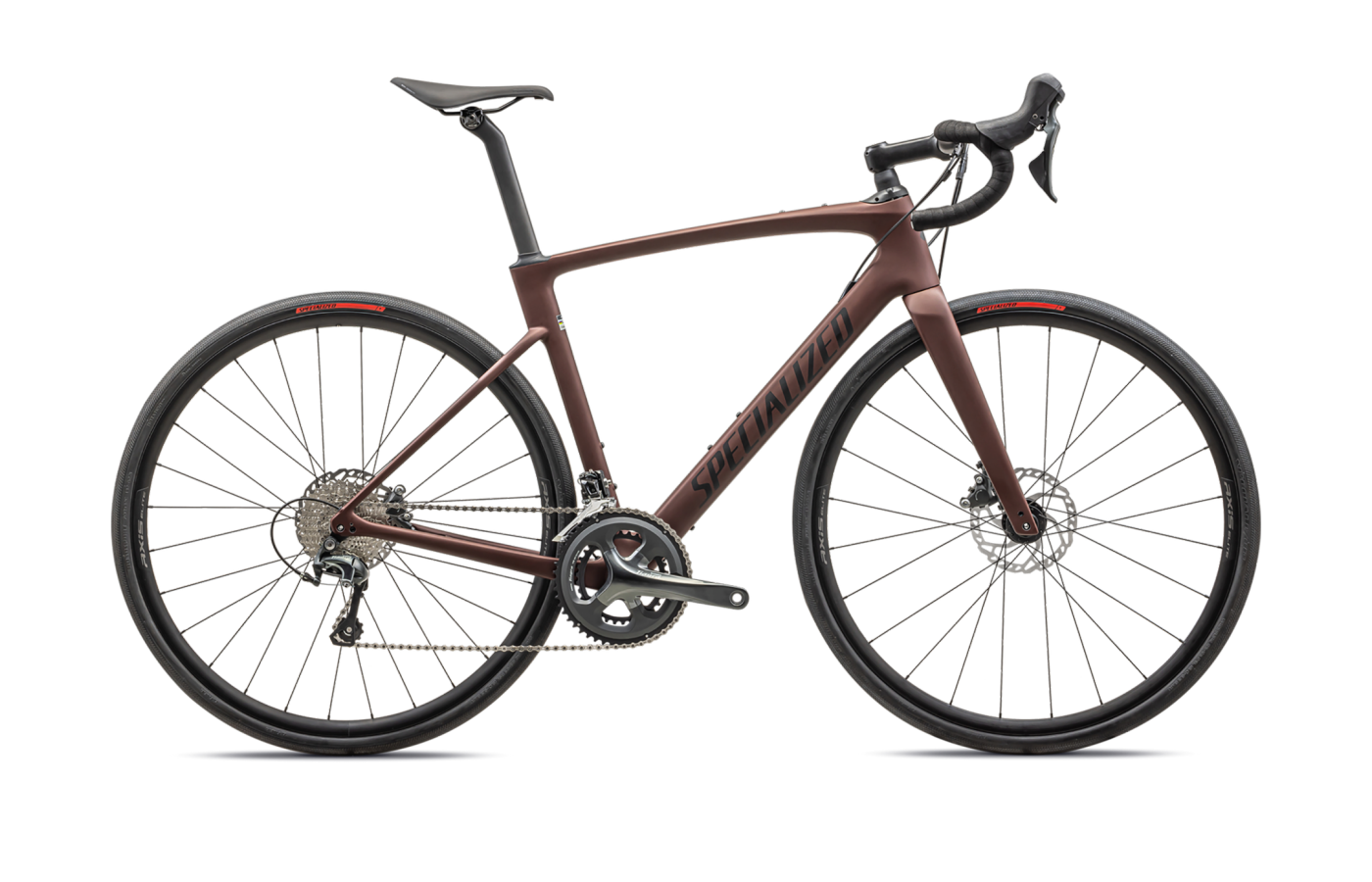
Roubaix
Specialized's Future Shock front suspension is the most direct fix for the chattery front-end complaint about the Canyon. If front-end comfort is your top priority and you can stomach the proprietary cockpit, nothing else in the segment compares.
Compare →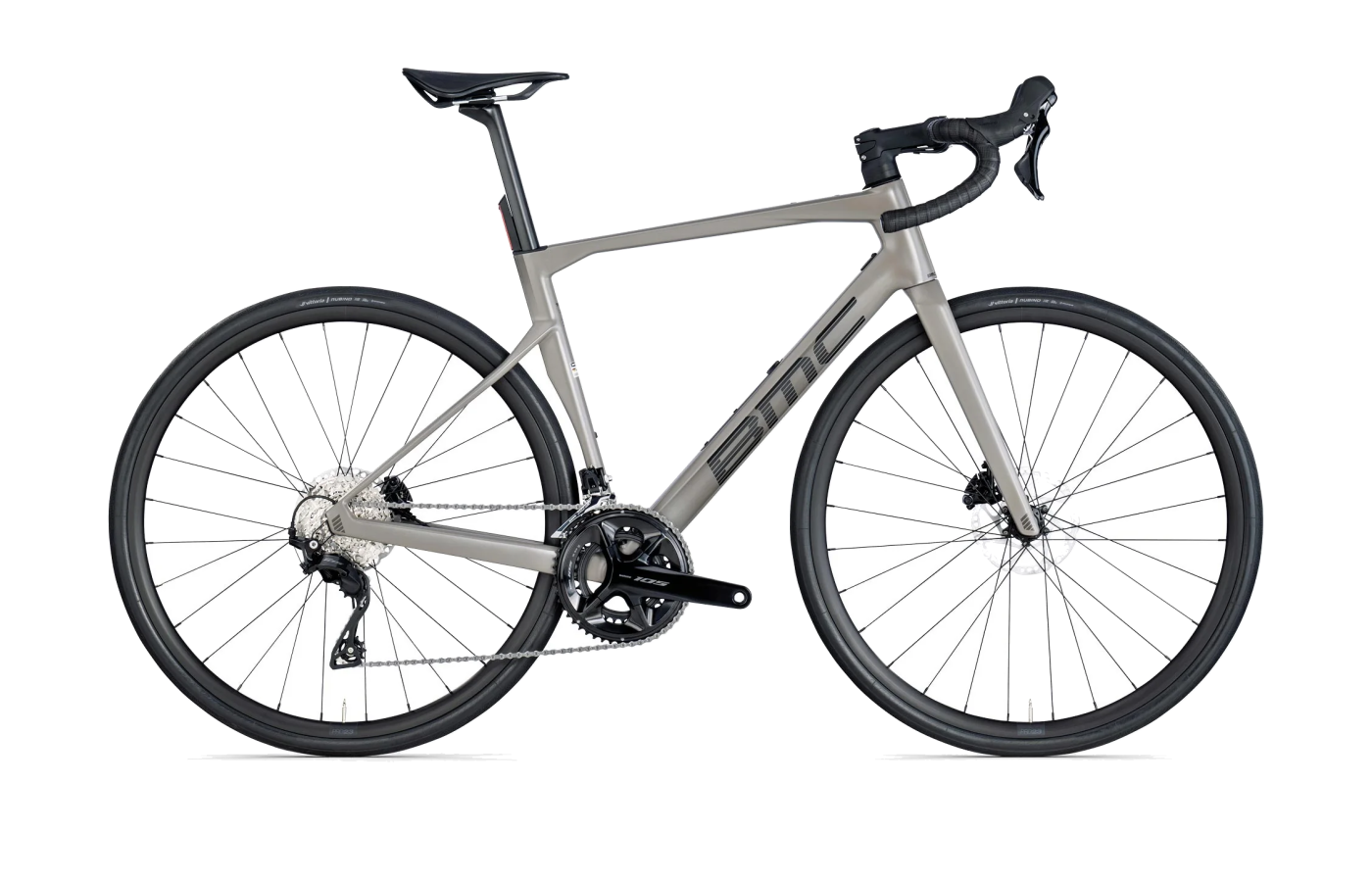
Roadmachine
BMC's middle path — clean integration like the Endurace but a more involving ride than the Look. A solid pick if you want the modern aesthetic without the strict either-or character of these two.
Compare →