Neuron
vsRipley
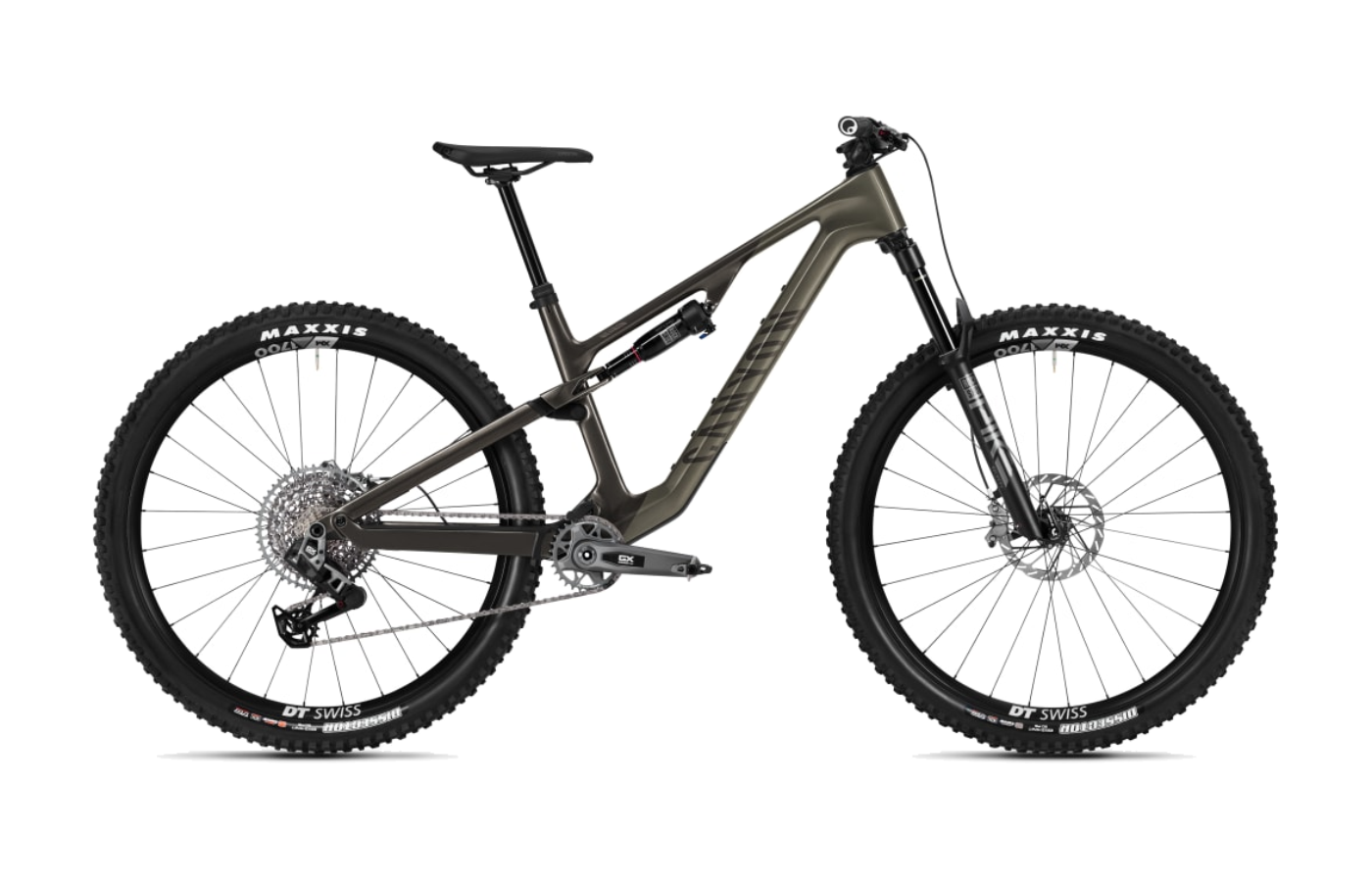
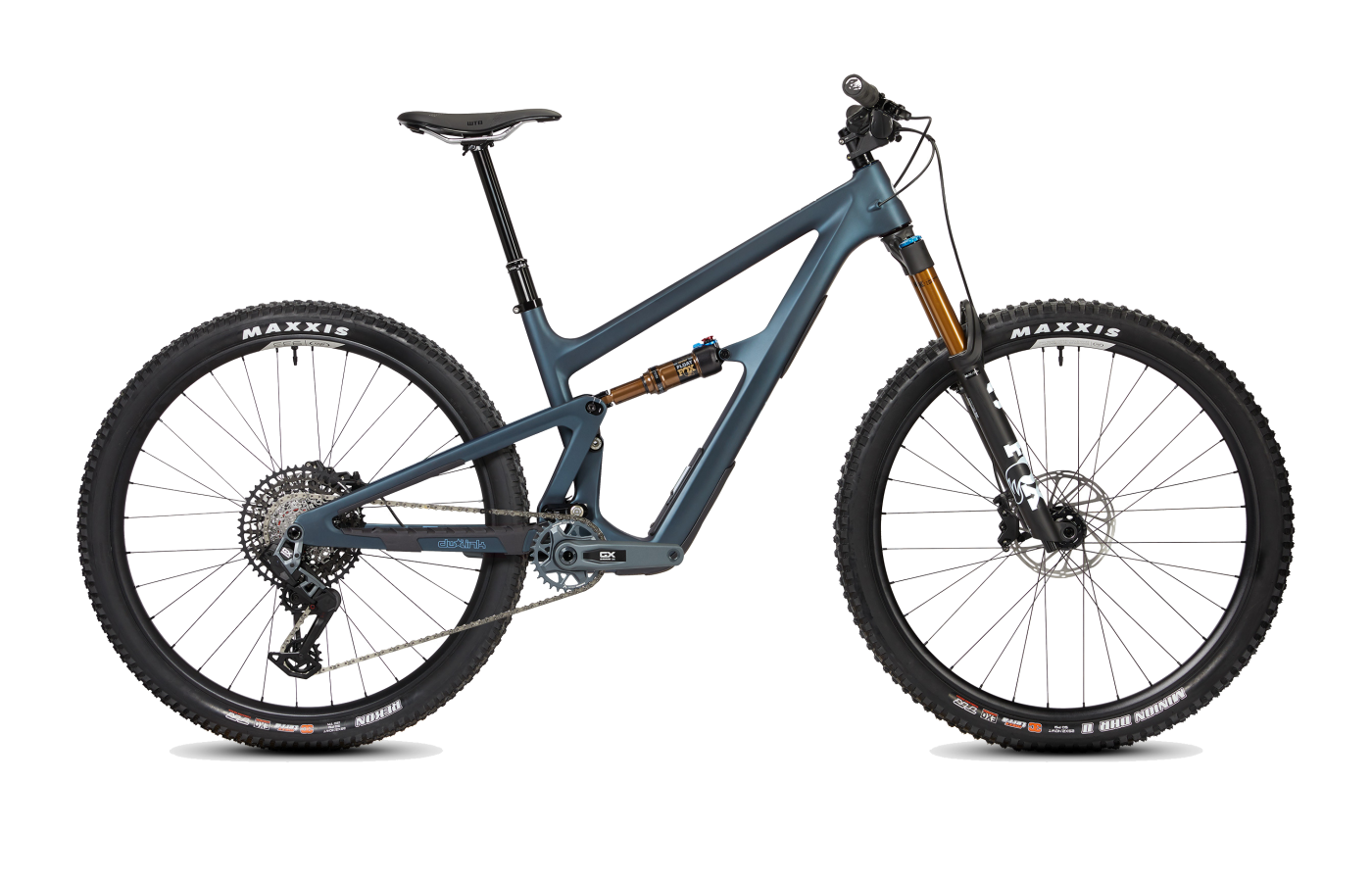
Same travel, different ambitions.
Both run 130 mm rear / 140 mm front. The Neuron is the budget XC-plus all-rounder; the Ripley V5 is a burlier short-travel trail bike that wants to be ridden harder.
Neuron
- Direct-to-consumer pricing — top carbon GX AXS build at $4,399, where competitors charge $6k+.
- Light, peppy character — 'hyper-fast' on smoother singletrack and an excellent step-up from XC.
- Friendly modern geometry — 66-degree HTA and 76-degree STA make it stable seated and confident on moderate descents.
- Stiff carbon chassis transmits chatter on rocky terrain — reviewers wanted more compliance.
- Stock Schwalbe Nobby Nic / Wicked Will tires struggle in the wet and on technical rock.
Ripley
- Burlier shared-with-Ripmo chassis — stiff and confident enough to credibly do bike-park laps on 130 mm of travel.
- DW-link suspension feels deeper than 130 mm — plush small-bump, supportive mid-stroke, no harsh bottom-outs.
- STOW internal downtube storage — rattle-free Cotopaxi bags inside the frame, plus a lifetime warranty.
- Starts at $4,999 — the entry-level Deore build is more than the Neuron's flagship.
- Slightly heavier than the V4 and slightly less zippy on climbs — the trade for the new capability.
Editor’s analysis
Identical travel numbers, very different bikes — one is built around price and pedaling, the other around chassis and capability.
On paper this is the closest spec-sheet match in trail: 130 mm rear, 140 mm front, 29" wheels, full carbon, four-bar-style suspension on each side. But spend a minute on the geometry and price tables and the bikes split apart fast.
The Canyon Neuron is the value play — 66-degree head angle, 76-degree seat angle, a peppy carbon chassis, and a top-spec carbon build with SRAM GX AXS Transmission and DT Swiss XM 1700 wheels for $4,399. Reviewers consistently call it 'hyper-fast,' 'peppy,' and the natural step up from an XC bike. Direct-to-consumer pricing means a comparable spec from any major US brand will run thousands more. The trade-off is character: the carbon Neuron transmits trail chatter, the stock Schwalbe rubber struggles when it's wet or rocky, and at high speeds in rough terrain the bike 'gets bullied' (Pinkbike's words, not ours).
The Ibis Ripley V5 has stopped pretending it's a downcountry bike. It now shares its front triangle and swingarm with the longer-travel Ripmo, runs a much slacker 64.9-degree head angle, has a longer reach (460 mm at MD vs 455 mm at M), and is described across every review we read as 'bigger, tougher, burlier.' The DW-link suspension feels deeper and calmer than the travel suggests, and the bike will happily eat lift-served bike park laps that would terrify the Neuron. You also get the STOW internal downtube storage with rattle-free Cotopaxi bags — small thing, big quality-of-life difference.
The honest framing: the Canyon Neuron is the bike to buy if you want a competent modern trail bike for the lowest possible price and most of your riding is climbing-and-flow. The Ibis Ripley is the bike to buy if you want one bike that can credibly handle everything from XC days to the bike park, and you're willing to pay $2,800 more at tier-equivalent spec for a stiffer chassis, plusher suspension feel, and serious resale support.
Where the builds differ.
Comparing our editor's-pick builds side-by-side. Winners highlighted row-by-row — lower price and weight, and the better-spec component, each mark a point.
Build variants & pricing
The Neuron lineup runs from $1,699 to $4,399. The Ripley V5 starts at $4,999 and tops out at $9,999 — there's no real budget overlap.
Both editor's picks are tier-matched on SRAM GX Eagle Transmission with full carbon frames, but the Ibis carries a $2,850 premium — that gap is real and reflects the Ripley's stiffer chassis, premium Fox Factory suspension, and Ibis's brand pricing. If keeping the price under $4,500 matters, the Canyon is the only realistic option here.
How they fit, how they steer.
At the fit-picked sizes, the Ripley sits 7 mm lower in stack with 5 mm more reach. Head angle differs by a full 1.1 degrees (66 vs 64.9) and the Ibis runs a 4 mm shorter chainstay — it's the more capable descender geometrically, even at near-identical reach.
Which size should I buy?
Size recommendations based on stack, reach, and effective top tube. The Neuron's M and the Ripley's MD are the closest fit pairing; both ranges extend wider at the top end.
→These are starting points. Flexibility, riding style, and preferred position all shift the answer — if you’re between sizes, a professional fit beats a chart.
What the magazines said.
Published reviews from trusted cycling outlets. Click through for the full write-up.
Which one should you buy?
If you want maximum bike for under $4,500 and ride mostly XC-style trail, get the Neuron. If you want one bike that can do everything from epics to bike-park laps, get the Ripley.
Neuron
If your riding is high-mileage trail and flowy singletrack — the kind of day where you're climbing a lot and descending fast but mostly under control — the Neuron's pedaling efficiency, light feel, and price are hard to argue with. It's the natural step-up from an XC bike for someone who doesn't want to spend $6,000.
Ripley
If you want a single bike that can credibly handle XC epics, technical descents, and the occasional bike-park lap — and you'd rather have a stiffer, more capable chassis than the lightest possible weight — the Ripley V5 is the better tool. Reviewers across the board call it an 'incredible only bike.'
Questions buyers actually ask.
Short answers to the things we get emailed about most often.
01Both have 130 mm of rear travel — why does the Ripley feel like more bike?
Travel numbers don't tell the full story. The Ripley V5 runs a much slacker 64.9-degree head angle (vs 66 on the Neuron), a longer wheelbase, and a chassis Ibis explicitly built around the longer-travel Ripmo's front triangle. Reviewers consistently describe it as 'bigger, tougher, burlier' than the V4.
The Neuron's 130 mm is tuned for efficiency and lighter trail use — Pinkbike noted it 'can sometimes get bullied by the trail' at high speeds in rough terrain. Same travel, different chassis intent.
02Which one climbs better?
The Neuron, by a small but real margin. Reviewers describe it as 'hyper-fast,' 'peppy,' and 'efficient' on climbs, with minimal pedal bob from the four-bar Triple Phase linkage. It's a noticeably lighter overall package and is widely positioned as the natural step-up from an XC bike.
The Ripley V5 still climbs very well — the DW-link platform and 76.9-degree seat angle keep it efficient — but multiple reviewers (MTB Yum-Yum specifically) note the V5 'misses that zippy quick handling climbing feeling' the V4 had. It's still a strong climber; just no longer the quickest one.
03Which one is more capable on technical descents?
The Ripley V5, decisively. The 1.1-degree slacker head angle, longer wheelbase, stiffer chassis, and DW-link's plusher feel combine to give it real bike-park-capable composure on a 130 mm bike. The Radavist called it 'secure in the steep and loose sections.'
The Neuron descends competently for a trail bike, especially on flowing singletrack, but reviewers flagged the stock Schwalbe tires and stiff carbon chassis as a real limit on rougher terrain. Tire and damper upgrades help, but the Ripley starts from a more capable baseline.
04Why is the Ripley so much more expensive?
Three reasons. First, no direct-to-consumer model — Ibis sells through dealers, which adds margin. Second, the V5 frame is more complex (shared with the Ripmo, integrated STOW storage, more carbon material). Third, Ibis specs full Fox Factory suspension on every build, while the Canyon mixes Performance and Factory tier across its range.
For tier-matched SRAM GX Eagle Transmission carbon builds, the gap is $4,399 (Neuron CF 8) vs $7,249 (Ripley GX Transmission) — about $2,850. That's a real premium for what is genuinely a stiffer, more capable platform.
05What's the geometry difference at the fit-picked sizes?
We compare the Neuron in size M against the Ripley V5 in MD — the fit-picked sizes for a 5'8" rider on each.
Reach: 455 mm (Neuron) vs 460 mm (Ripley) — basically identical.
Stack: 626 mm vs 619 mm — Ripley sits 7 mm lower.
Head angle: 66° vs 64.9° — Ripley is 1.1° slacker.
Chainstay: 440 mm vs 436 mm — Ripley is 4 mm shorter.
Seat angle: 76° vs 76.9° — Ripley is 0.9° steeper.
Net effect: the Ripley is the lower, slacker, descent-focused geometry; the Neuron is the more upright, neutral all-rounder.
06How serviceable is the Neuron's internal headset routing?
Mixed. The carbon Neuron uses internal cable routing through the headset, which gives a clean look but is widely disliked by mechanics — bleeds and hose swaps require pulling the cockpit. The alloy Neuron 5 and 6 keep conventional routing, which is much friendlier to wrench on.
The Ripley V5 uses tube-in-tube internal routing with full sleeving, plus a threaded BSA bottom bracket and traditional press-in headset cups. Multiple reviewers specifically called out how easy it is to service. If wrenching on your own bike matters to you, the Ripley is meaningfully friendlier.
07Can you fit a more aggressive setup on either bike?
Neuron: the frame is officially strength-tested for a 150 mm fork (one step up from stock 140 mm) and has clearance for a piggyback shock. Swap to stickier tires (Maxxis DHF/DHR II) and a 150 mm fork and you'll meaningfully expand its descending range, but you can't turn it into an enduro bike.
Ripley V5: because the front triangle and swingarm are shared with the Ripmo, you can technically convert one to the other by swapping the fork, shock, and rocker linkage. That's a much bigger upgrade ceiling — you're effectively buying a frame that can be a 130 mm trail bike or a 145 mm all-mountain bike.
08What about warranty and resale?
Both come with a lifetime frame warranty to the original owner. Ibis frames historically hold value well on the used market, partly because of smaller production runs and a strong dealer network. Canyon resale is harder — direct-to-consumer brands tend to depreciate faster, and US-market secondhand demand is thinner than for dealer-network brands.
If you plan to ride the bike for 5+ years, this matters less. If you're someone who turns bikes over every couple of seasons, the Ripley will likely return more of your initial investment.
Similar bikes
If your priorities don’t map cleanly onto either of these, one of these adjacent bikes probably fits better.
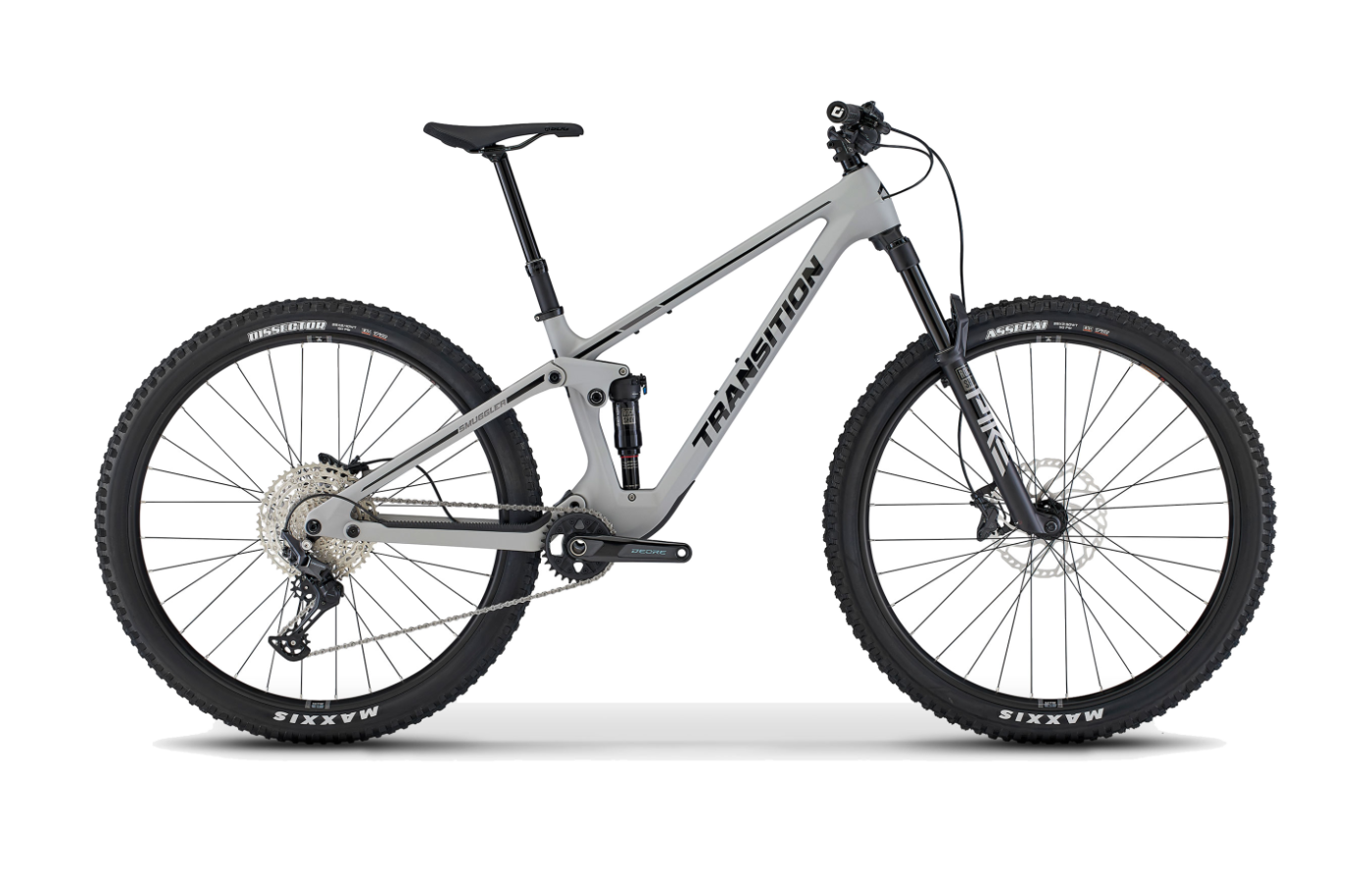
Smuggler
Matches the Neuron and Ripley on travel but bends harder toward speed and straight-lining. The bike for the rider who'd rather plow through chunder than pop off side hits.
Compare →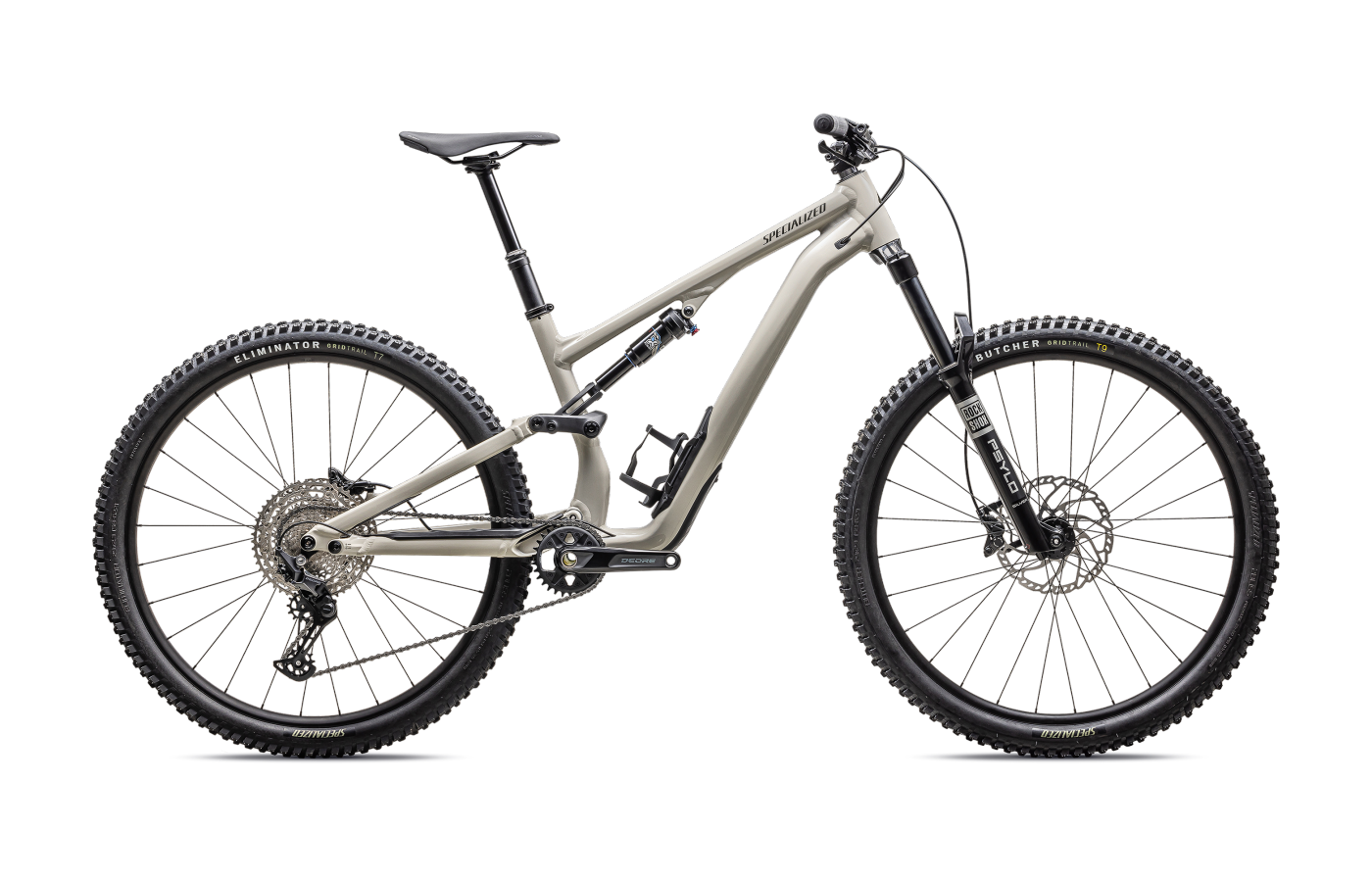
Stumpjumper
The Stumpjumper sits between the Neuron and Ripley in price and character — more compliant than the Canyon, less burly than the Ibis, and with its own SWAT internal storage. The default 'safe pick' in the segment.
Compare →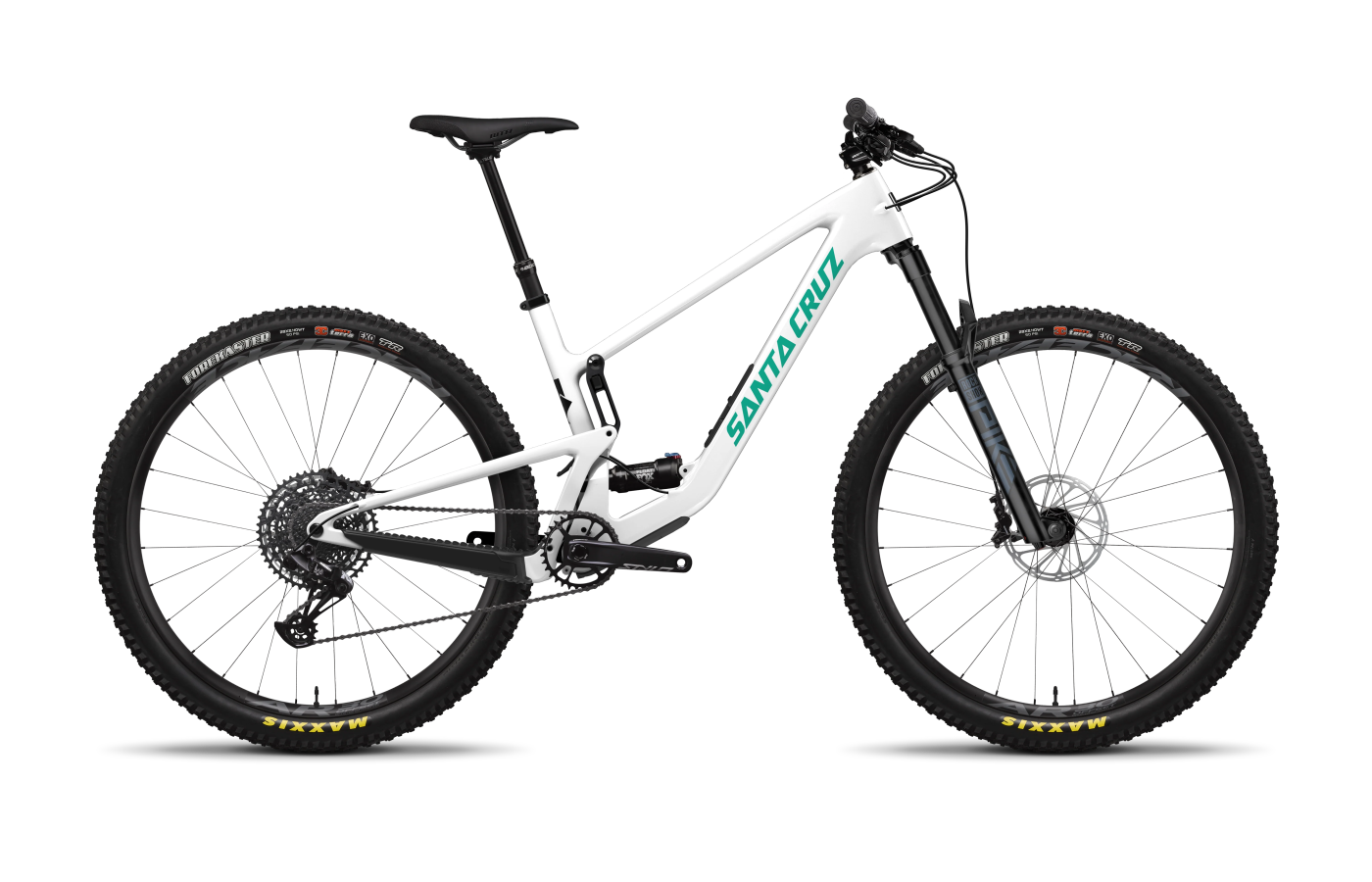
Tallboy
The Ripley's most direct competitor — VPP suspension instead of DW-link, similarly capable chassis, and a comparable price floor. Pick on dealer access and personal feel for the suspension.
Compare →