Neuron
vsSpectral
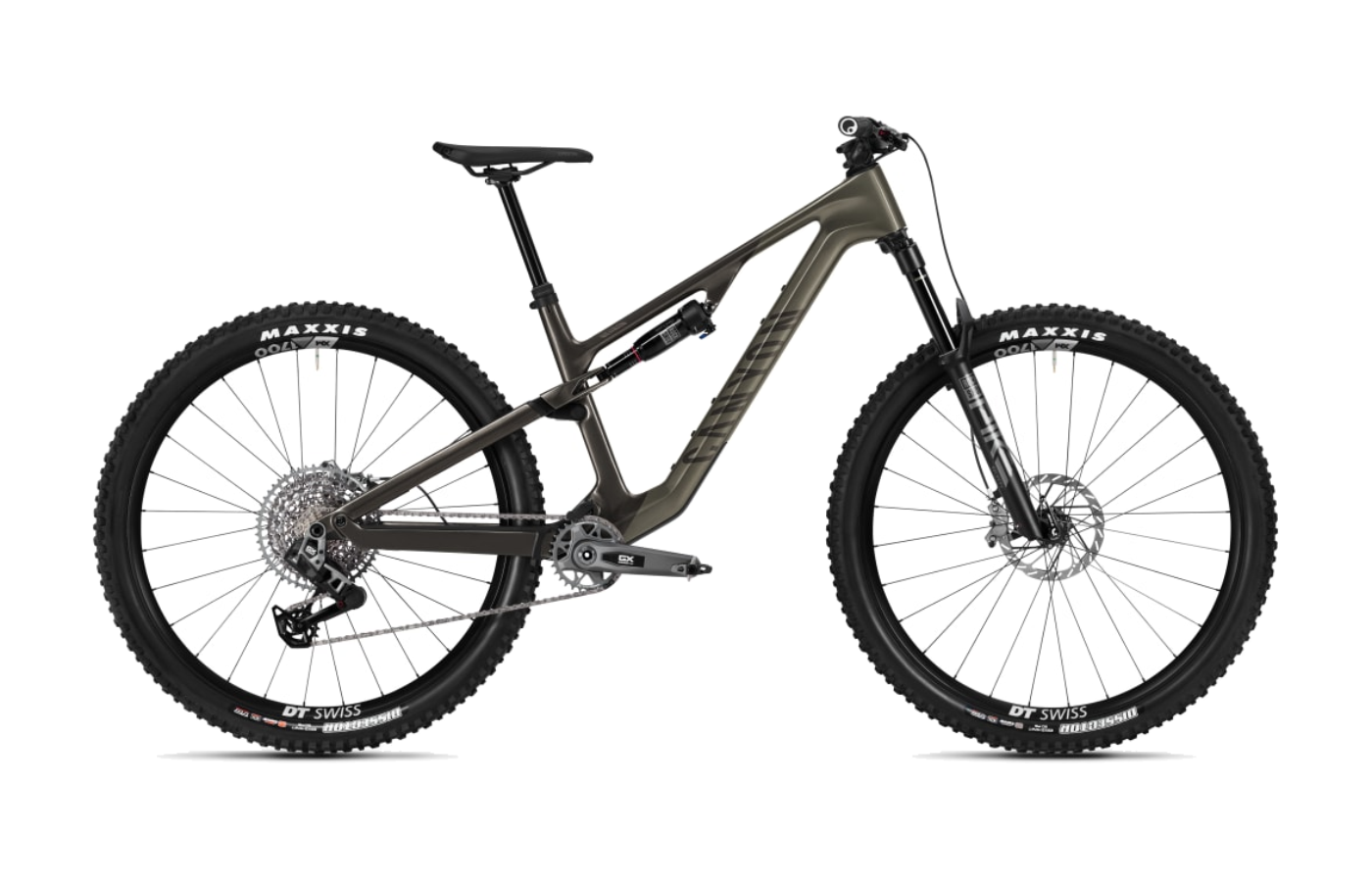
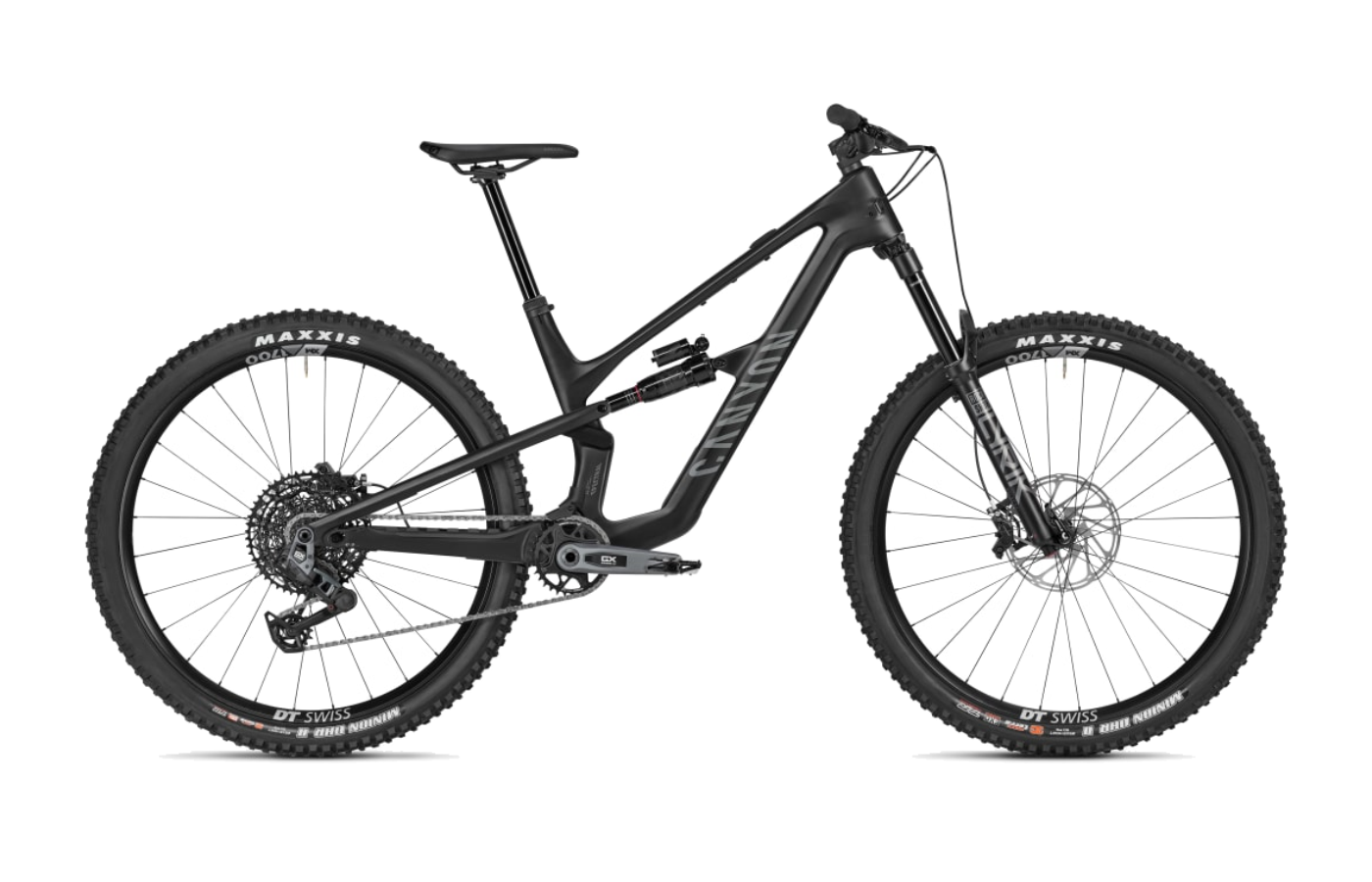
One Canyon for the long ride. One for the loud ride.
The Neuron is the lightweight all-rounder built for big days. The Spectral is the slack, mullet-ready trail weapon built for steep descents.
Neuron
- Light and efficient — sub-13 kg on the higher carbon builds and minimal pedal bob; rewards long climbs and big mileage days.
- Comfortable, upright fit — generous stack and steep 76-degree seat tube angle; reviewers praise it for long-saddle-time comfort.
- Strong value across the range — full lineup from $1,699 alloy to $4,399 GX AXS carbon; the CF 8 SLX at $3,199 is a sweet-spot pick.
- Stiff frame and firm Schwalbe stock tires can feel chattery on rocky, high-speed descents.
- Not slack enough for true enduro terrain — gets bullied when the trail turns aggressive.
Spectral
- Composed at speed — 64-degree HTA, 1221+ mm wheelbase, and Category 4 frame rating; reviewers call it "unphased by speed."
- Mullet flip chip — swap to a 27.5" rear wheel without changing geometry, shortening chainstays from 437 to 429 mm for snappier cornering.
- Trail-bike features that matter — internal downtube storage, 34.9 mm dropper up to 230 mm on XL, and K.I.S. steering stabilizer as standard.
- Heavier and more pedal-input-hungry on long climbs than the Neuron — not a bike for marathon days.
- Extreme reach progression (500 mm on size L) means many riders should size down — confusing without a fit session.
Editor’s analysis
Both are 29ers from Koblenz, both carbon, both direct-to-consumer. Everything else is different.
On paper, the Canyon Neuron and Canyon Spectral look like neighbors — only 10 mm of rear travel separates them (130 vs 140 mm), and both ride 29-inch wheels with a four-bar Triple Phase linkage. Spend any time on the geometry charts, though, and they pull apart fast. The Spectral runs a 64-degree head angle to the Neuron's 66, an extra 10 mm of fork (150 vs 140), and a wheelbase nearly 50 mm longer once you factor in the longer reach progression. These are not adjacent bikes; they are different jobs.
The Canyon Neuron is the long-day, marathon-trail bike. Reviewers across Flow, MBR, and BikeRadar consistently land on the same words: "peppy," "efficient," "calmer and more stable at speed" than its predecessor — but still very much an XC-plus machine. It rewards riders who want to cover ground, climb technical singletrack with the front wheel planted, and not be punished for taking the long way home. The flip side is the same flip side every light trail bike pays: stiffer carbon and firm stock tires can feel chattery on rocky descents, and if you push it past 'mini-enduro' speeds it starts getting bullied by the trail.
The Canyon Spectral is the bike Canyon built for the rider who drives to the trailhead. The 2024 redesign slimmed the chainstays for compliance, added 10 mm of rear travel, slackened the head angle two full degrees, and bolted on the K.I.S. steering stabilizer as standard. Reviewers call it "unphased by speed," a "corner-ripping machine," and Category 4-rated for enduro abuse. The chassis includes a 29er-or-mullet flip chip, internal downtube storage, and a 34.9 mm dropper post that goes up to 230 mm on the XL. It costs more, it weighs more, and it asks more of you on a fire-road climb — and it gives all of that back when the trail points down.
Put another way: if your local rides average 20 km with 600 m of climbing on rolling singletrack, the Neuron is the right tool. If you shuttle, ride bike park, or your favorite trail is steep and chunky, the Spectral is the right tool. Both are excellent at their jobs. Neither is excellent at the other's.
Where the builds differ.
Comparing our editor's-pick builds side-by-side. Winners highlighted row-by-row — lower price and weight, and the better-spec component, each mark a point.
Build variants & pricing
Both span Canyon's typical alloy-to-carbon ladder, but the price floors and ceilings tell the story: the Neuron starts at $1,699, the Spectral at $3,099.
Prices are current US MSRP and subject to Canyon's regional availability. The Spectral's lineup is more limited in the US than in Europe — the LTD and CFR builds aren't always offered stateside. The Neuron CF 8 GX AXS Transmission is the top US build for that platform.
How they fit, how they steer.
Compared at fit-picked sizes — Neuron M, Spectral S — because Canyon's 2024 Spectral sizing runs 25 mm longer in reach per step than the Neuron. The Spectral S still gives 5 mm less reach and 5 mm less stack than the Neuron M, plus a 2-degree slacker head angle and an 18 mm longer wheelbase.
Which size should I buy?
Most riders will need to size down on the Spectral relative to the Neuron — a Spectral M (475 mm reach) is closer to a Neuron L (480 mm reach) than to a Neuron M (455 mm).
→These are starting points. Flexibility, riding style, and preferred position all shift the answer — if you’re between sizes, a professional fit beats a chart.
What the magazines said.
Published reviews from trusted cycling outlets. Click through for the full write-up.
Which one should you buy?
If your rides are long and your local trails roll, get the Canyon Neuron. If your rides are short, steep, and chunky, get the Canyon Spectral.
Neuron
If your perfect ride is 30+ km of mixed singletrack with real climbs, the Neuron is the bike that won't punish you for going long. The CF 8 GX AXS Transmission tops the US lineup at $4,399 with a wireless drivetrain and DT Swiss XM 1700 wheels — and the CF 8 SLX one rung down at $3,199 is the value sweet spot.
Spectral
If you live for steep, technical descents and don't mind earning them, the Spectral is the closest thing to an enduro bike that still pedals like a trail bike. The CF 8 GX AXS Transmission at $5,099 hits the sweet spot of mid-tier carbon with a flagship-grade drivetrain.
Questions buyers actually ask.
Short answers to the things we get emailed about most often.
01How much travel does each one have?
Canyon Neuron: 130 mm rear, 140 mm fork.
Canyon Spectral: 140 mm rear, 150 mm fork.
A 10 mm difference doesn't sound like much, but combined with the slacker head angle and longer wheelbase, the Spectral feels closer to a 160 mm bike on the descents than its travel numbers suggest.
02Which one climbs better?
The Neuron, clearly. It's lighter (CF 9 SL was tested at 12.86 kg vs the Spectral CF 9 at 14.78 kg per Flow Mountain Bike), runs faster-rolling tires (Schwalbe Nobby Nic / Wicked Will vs Maxxis Minion DHR II), and has slightly less anti-squat-killing kinematics. Reviewers consistently describe it as "peppy" and "efficient."
The Spectral isn't a slouch on climbs — its 76.5-degree seat tube angle keeps you over the pedals — but the heavier wheels, draggier tires, and longer chassis all add up to a slower ascent.
03Which one is better on steep, technical descents?
The Spectral, by a clear margin. Reviewers across Pinkbike, Off.road.cc, NSMB, and Flow Mountain Bike all converge on the same conclusion: the 2024 Spectral is exceptionally composed at speed. The 64-degree head angle, 1221 mm wheelbase (size S), and Category 4 frame rating let it handle terrain the Neuron can't.
Pinkbike's Henry Quinney specifically called the Neuron "not the most capable trail bike" when ridden hard through aggressive terrain, while the Spectral was repeatedly described as "unphased by speed."
04Can I run a mullet setup on either?
Only the Spectral. It ships with a flip chip designed for either full 29" or mixed-wheel (29" front / 27.5" rear) configurations without changing the core geometry. The mullet setup shortens the chainstays from 437 mm to 429 mm and reduces the rear wheel diameter for snappier handling.
The Neuron is 29"-only on M and larger frames (XS and S come with 27.5" wheels for fit reasons, but it's not adjustable per rider preference).
05What's the K.I.S. steering stabilizer on the Spectral, and do I need it?
K.I.S. (Keep It Stable) is a spring-loaded steering damper built into the top tube of every 2024 Spectral. It uses springs to self-center the steering, which calms the front wheel on chunky terrain and prevents wheel-flop on slow climbs.
Reviewer opinions are split. Off.road.cc and Bike Perfect found it genuinely useful in steep, loose conditions. Pinkbike and Jeff Kendall-Weed found it intrusive on tight, fast trails. Canyon ships a blanking plate — you can remove the entire system in 10–20 minutes if you don't like it. Verdict: try it, then decide. The Neuron has nothing equivalent.
06How does the sizing differ between the two?
Significantly. Canyon's 2024 Spectral runs much longer in reach than the Neuron — a Spectral size M has a 475 mm reach, which is closer to a Neuron size L (480 mm reach) than to a Neuron size M (455 mm).
For a 173 cm (5'8") rider, the fit algorithm picks Neuron M and Spectral S. If you're between sizes on the Spectral, size down — multiple reviewers (including Flow Mountain Bike) flagged the new Spectral sizing as confusing and recommended going one frame size smaller than usual.
07Which has better long-term durability?
Both frames are well-finished, but the Spectral is built to a higher abuse standard — it carries Canyon's Category 4 enduro rating, while the Neuron sits at Category 3 (trail). The Spectral also includes replaceable threaded inserts in the pivot bolts and a 34.9 mm dropper post for added stiffness.
Reviewers do flag two common Canyon complaints across both bikes: the proprietary G5 grips (hard, slippery — most reviewers swap them out immediately) and, on the Spectral, occasional rattle from the K.I.S. system. Neither is a structural concern.
08I'm coming from an XC bike. Which should I get?
The Neuron. Multiple reviewers (Flow Mountain Bike, MBR) describe it as the ideal step-up from XC: more travel and capability, but without the weight and slack-geometry penalty of an enduro-leaning trail bike. The pedaling efficiency, upright fit, and lighter chassis will feel familiar.
The Spectral, by contrast, is a much bigger jump — the slack head angle and longer wheelbase will feel ponderous on the kind of fast, flowy XC-style trails you're probably riding now.
Similar bikes
If your priorities don’t map cleanly onto either of these, one of these adjacent bikes probably fits better.
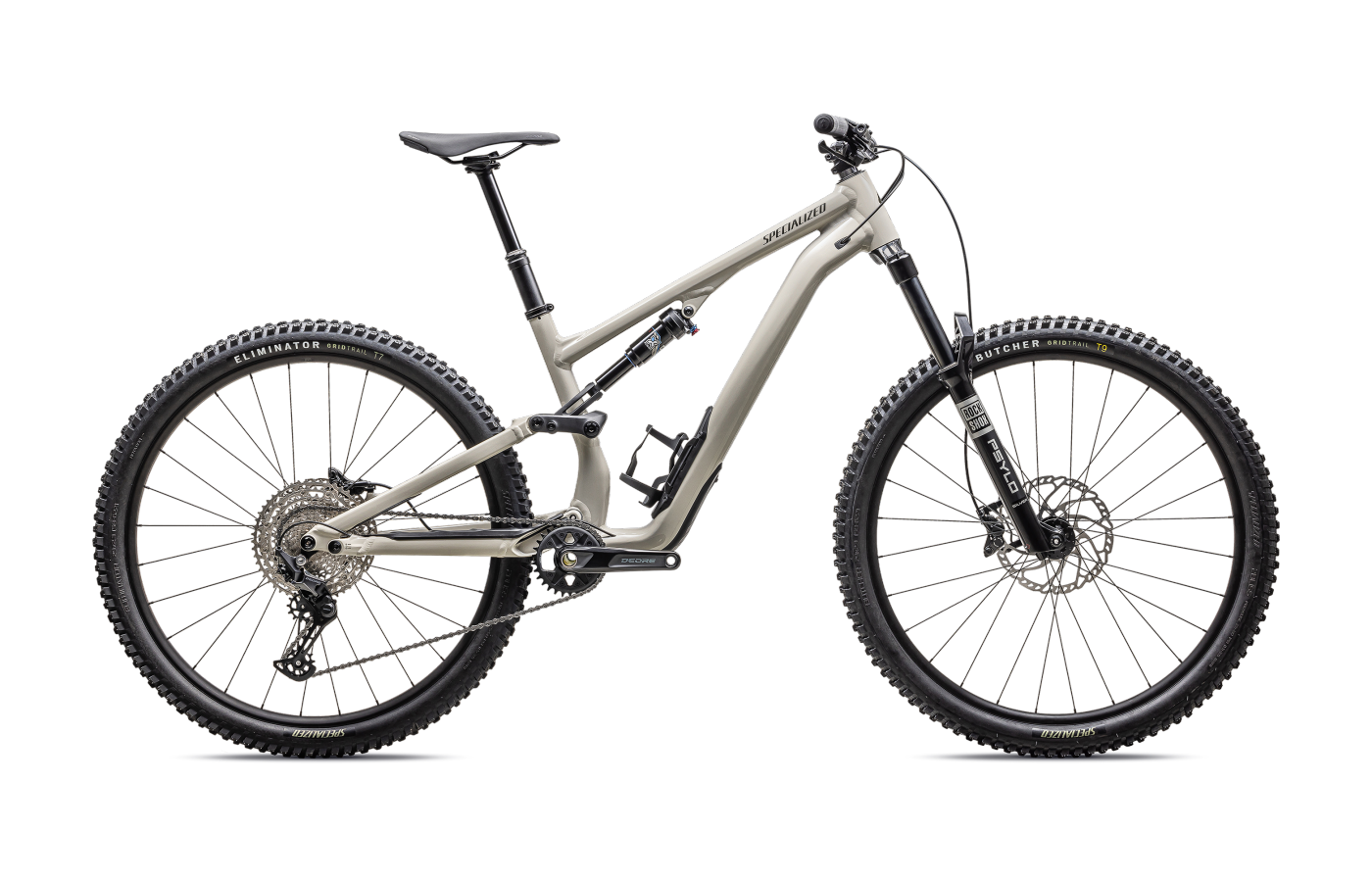
Stumpjumper
The mainstream rival to both Canyons in one chassis — the Stumpjumper sits between the Neuron and Spectral on travel and aggression. More compliant than the Neuron, less park-ready than the Spectral, and significantly more expensive than either.
Compare →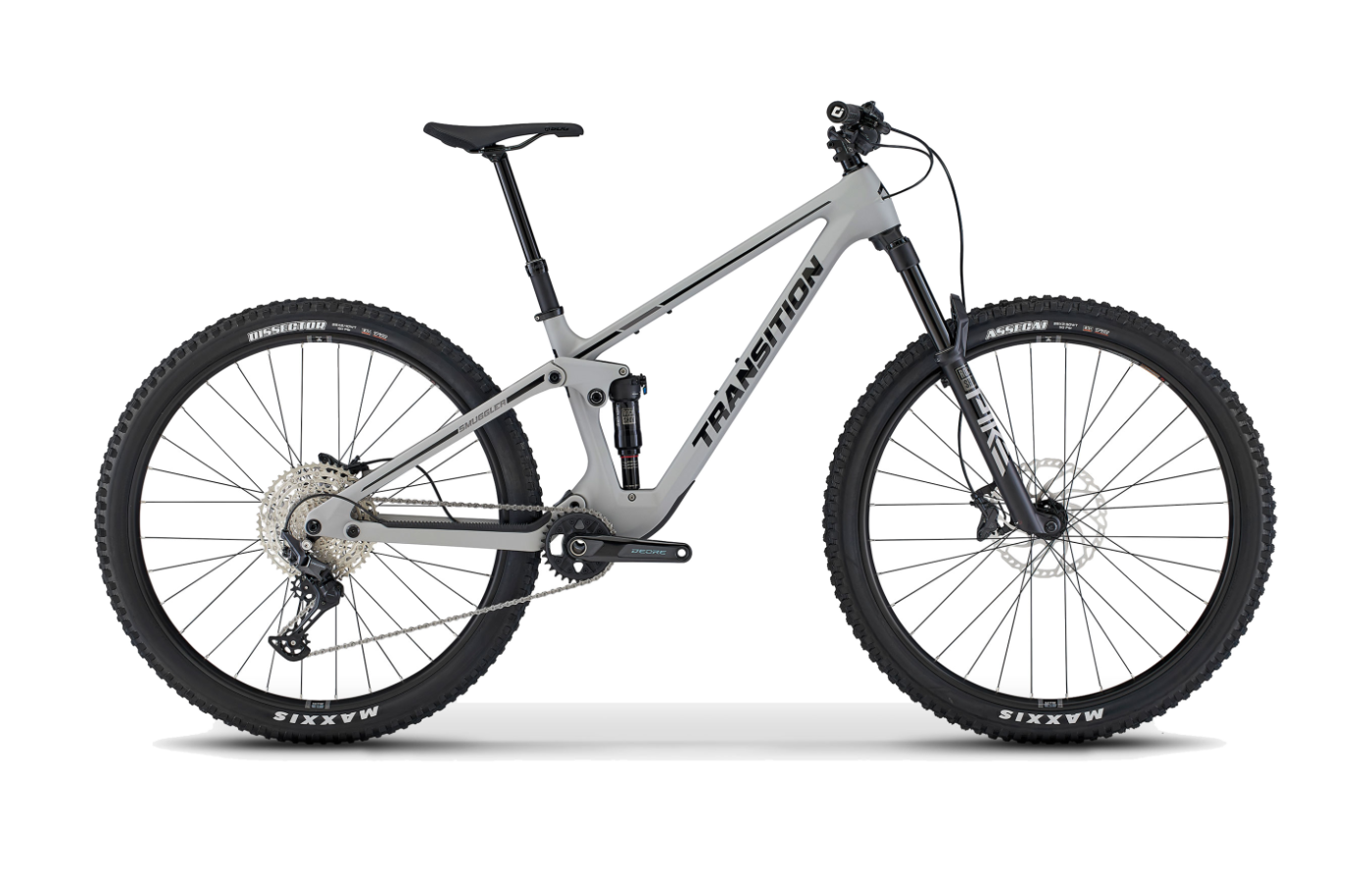
Smuggler
A 130 mm bike that handles like a 160 mm one — Transition's signature SBG geometry pushes the front wheel out without piling on travel. Closer in spirit to the Spectral than the Neuron, but lighter and more pedal-friendly than the full enduro Spectral.
Compare →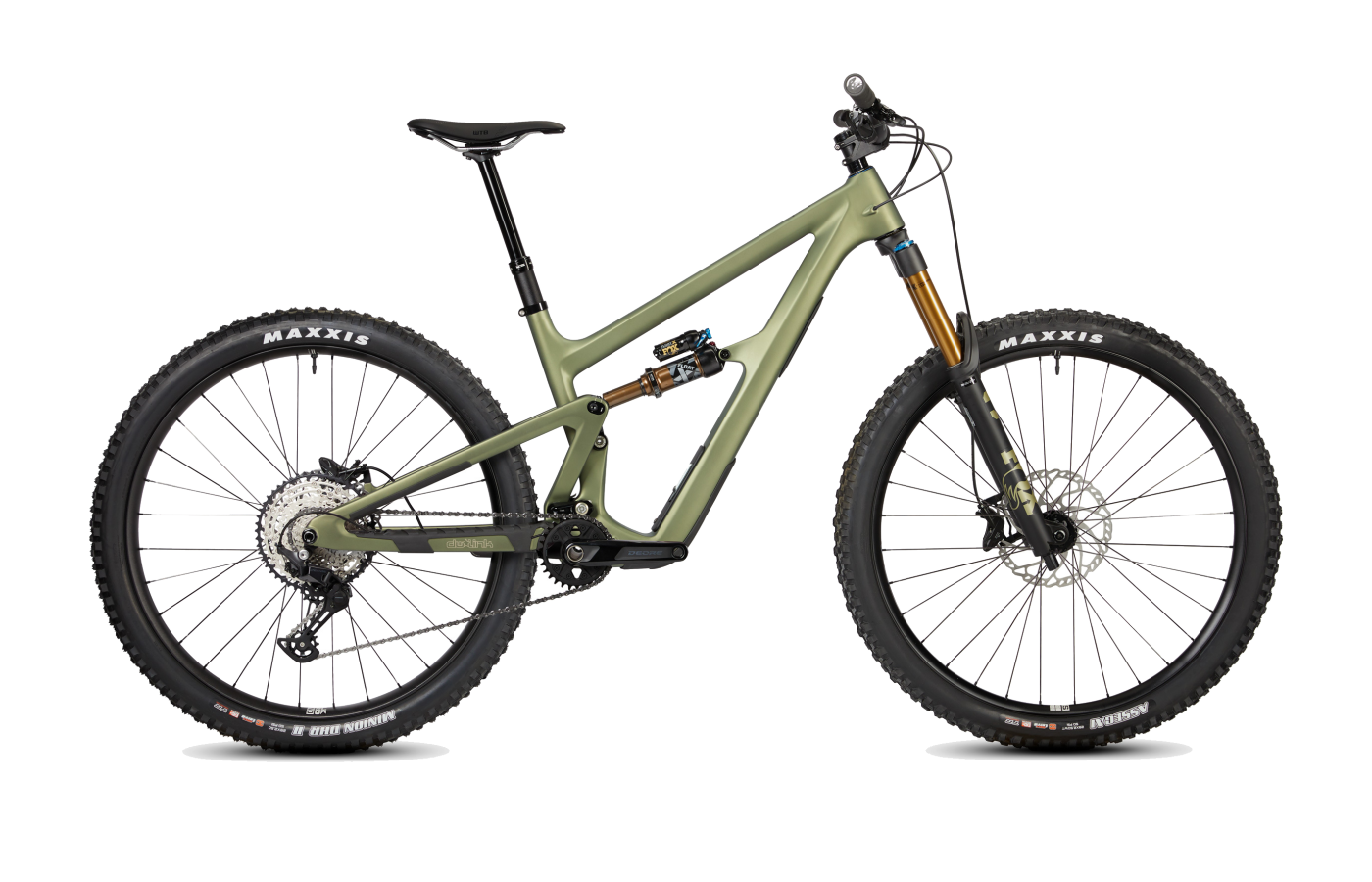
Ripmo
The DW-Link efficiency benchmark with descending chops. Pedals more like a Neuron, descends more like a Spectral — but you pay for it, and the lead time on Ibis can be long.
Compare →