Neuron
vsIzzo
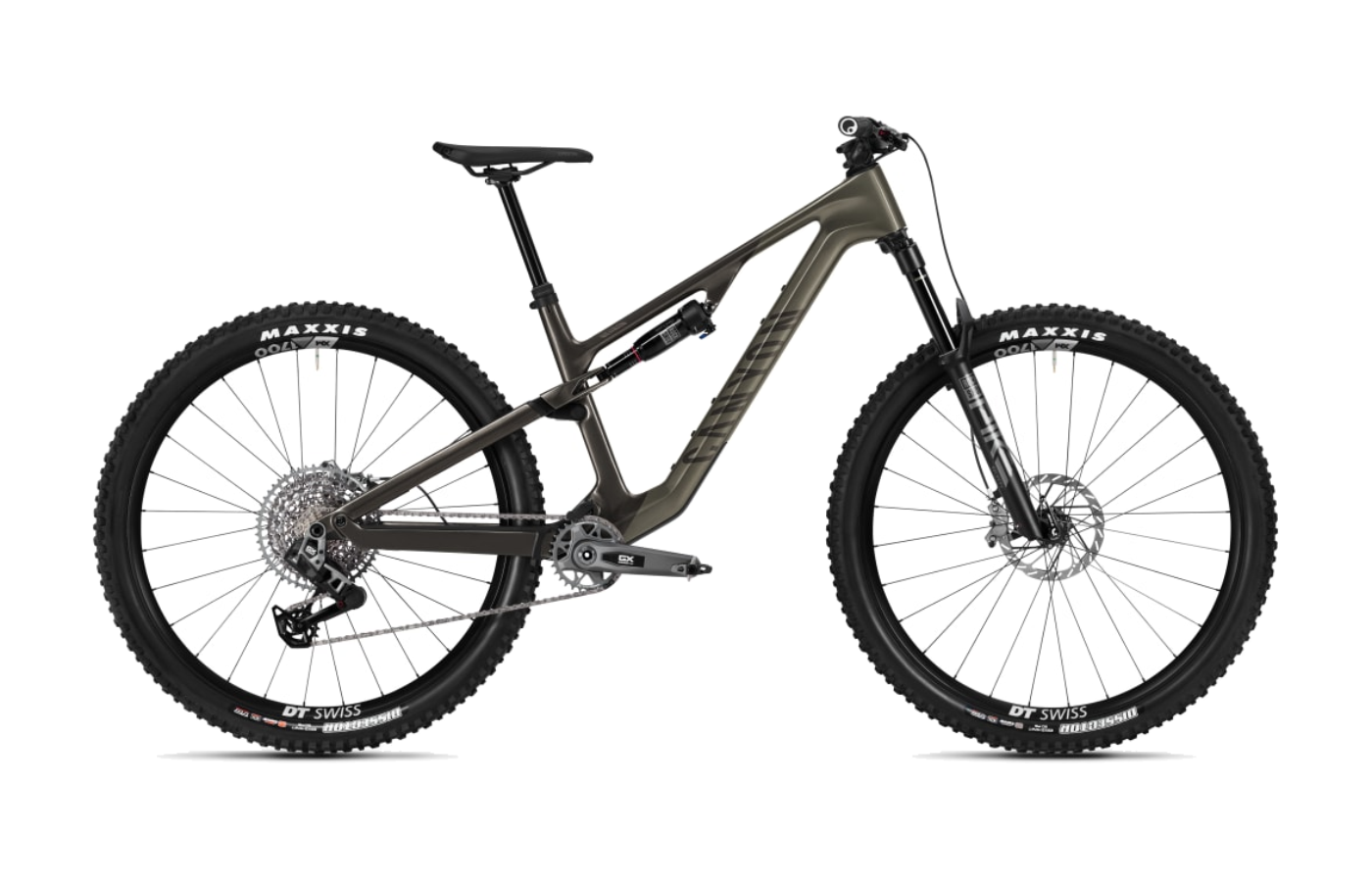
Same travel, opposite personalities.
The Neuron is the long-day trail cruiser that rewards comfort and pedaling efficiency. The Izzo is a Samurai-sword 29er that rewards pumping, popping, and precision.
Neuron
- Roomy, comfortable position — 626 mm stack at size M and a 76-degree seat angle make long days feel short.
- Drive-neutral suspension — minimal pedal bob, plush in the chunky stuff, supportive on flow.
- Long dropper posts across the range (up to 200 mm on bigger sizes).
- Stock Schwalbe Nobby Nic / Wicked Will tires struggle for grip in the wet and on rocky lines.
- Carbon CF model can feel chattery on high-frequency hits; alloy frames are noticeably more compliant.
Izzo
- Class-leading climber — ~100% anti-squat and a 77-degree effective seat angle make it feel like an XC bike under power.
- Sharp, low-CG handling — 334 mm BB and 432 mm chainstays let you whip and lean it like a slalom bike.
- Carbon wheels at mid-tier prices — DT Swiss XMC 1501s on the Core 4 CF for $3,320.
- Highly progressive suspension feels firm on repeated, high-frequency hits — line choice matters.
- Inverted shock layout creates a tight valve and a known mud-trap behind the BB.
Editor’s analysis
Both bikes carry 130 mm of rear travel and a 140 mm fork, but they translate that travel into completely different rides — one is settled and roomy, the other is taut and surgical.
The Canyon Neuron is the modern, do-it-all trail bike. Slacker 66-degree head angle, steeper 76-degree seat tube, generous 626 mm stack at size M, and a Triple Phase four-bar that reviewers consistently describe as drive-neutral with minimal pedal bob. It's pitched at the rider stepping up from XC who wants more capability without the weight of an enduro sled — and the geometry, the upright cockpit, and the long dropper posts (170-200 mm on bigger sizes) all serve that brief.
The YT Izzo picks a sharper line. Same travel on paper, but a 65.7-degree head angle paired with a 77-degree effective seat tube, 432 mm chainstays, and a low 334 mm bottom bracket. The defining detail is the suspension: roughly 37% progression, sensitive off the top and ramping aggressively to a hard mid-stroke platform. Pinkbike measured ~100% anti-squat across all gears — it accelerates like an XC race bike and pumps every roller back at you. Reviewers reach for the Katana metaphor for a reason.
On the trail the divide is obvious. The Neuron is roomy, settled at speed, and stays composed on long, chunky climbs and rolling backcountry days. The Izzo is light on its feet, snappy out of corners, and demands active rider input — it rationalizes its 130 mm of travel rather than swallowing chunder. On twisty, rolling singletrack the Izzo is a riot. On six-hour epics with rocky sections, the Neuron is the bike you'd rather be on.
Spec-wise the picture is also asymmetric. Canyon's CF 8 GX AXS Transmission build at $4,399 brings wireless electronic shifting and full Pike Select+ / Deluxe Select+ suspension. YT's Core 4 CF at $3,320 brings Shimano XT Di2, full Fox Factory suspension (36 GRIP X2 fork, Float Factory shock), and DT Swiss XMC 1501 carbon wheels for over $1,000 less. Different platforms, both very serious bikes for the money.
Where the builds differ.
Comparing our editor's-pick builds side-by-side. Winners highlighted row-by-row — lower price and weight, and the better-spec component, each mark a point.
Build variants & pricing
Both span roughly $1,700-$4,500. Canyon goes lower (alloy entry at $1,699); YT skips alloy and starts higher with a carbon front triangle on every build.
Prices are current US MSRP. The editor's-pick builds we compare here are tier-matched (electronic mid-tier drivetrain, carbon frame) but sit ~$1,000 apart — YT's direct-to-consumer pricing on the Core 4 CF is genuinely aggressive for a Fox Factory + XT Di2 + carbon-wheel build.
How they fit, how they steer.
Both at size M — the fit-picked size for a 5'8" rider on each bike. Reach is close (Neuron 455 mm vs Izzo 445 mm) but the Neuron sits 10 mm taller in stack (626 vs 616) and runs 8 mm longer chainstays (440 vs 432) — that's the roomier, more settled feel vs the snappier, lower-CG feel.
Which size should I buy?
Size recommendations are based on stack, reach, and effective top tube. Both ranges overlap closely in the middle; Canyon offers an XS, YT extends further with an XXL.
→These are starting points. Flexibility, riding style, and preferred position all shift the answer — if you’re between sizes, a professional fit beats a chart.
What the magazines said.
Published reviews from trusted cycling outlets. Click through for the full write-up.
Which one should you buy?
If you want one trail bike for long, varied days, get the Neuron. If you want a sharp, snappy 130 mm bike that climbs like an XC race rig, get the Izzo.
Neuron
If your weekends are 40-60 km loops with mixed climbs and chunder, and you value a comfortable seated position over the last 5% of descending sharpness, this is the bike. The geometry is modern, the suspension is forgiving, and the build range goes low enough that you can get into the platform without spending flagship money.
Izzo
If most of your riding is twisty, rolling, and pumpable, and you'd rather actively work the trail than smash through it, the Izzo will make local laps feel new again. The progressive suspension and low BB reward riders who pop off side-hits and pump rollers; smooth riders who just want plushness should look elsewhere.
Questions buyers actually ask.
Short answers to the things we get emailed about most often.
01Which climbs better?
The YT Izzo, clearly. Its ~100% anti-squat and 77-degree effective seat tube angle give it a near-XC-race-bike feel under power — Pinkbike's head-to-head against a Mondraker F-Podium 100 mm XC bike showed the Izzo only eight seconds slower on a nine-minute technical climb.
The Neuron is no slouch — it's drive-neutral and the 76-degree seat angle is contemporary — but its priorities are comfort and traction over outright pedaling efficiency. On long, chunky climbs the Neuron's suppler rear end finds grip the Izzo's progressive curve doesn't.
02Which is more capable on rough descents?
Neither is an enduro bike, and reviewers found both reach their limits on truly steep, chunky terrain.
The Neuron has slightly more forgiving geometry for chunder — 8 mm longer chainstays, slightly higher stack, more wheelbase at every size — and the suspension swallows successive hits better than the Izzo's progressive curve. Reviewers consistently called it "settled at speed."
The Izzo is sharper but more demanding. Its low 334 mm BB makes it stable in corners but invites pedal strikes in rocky sections, and the rear end can feel "rationed" on high-frequency hits. It rewards precise line choice rather than smashing through.
03How much travel do these bikes actually have?
Both are 130 mm rear / 140 mm front on the current builds. The Neuron uses Canyon's Triple Phase four-bar linkage; the Izzo uses a four-bar with an inverted shock layout that lowers the bike's center of gravity and frees up room for a full-size bottle.
Note that the original 2020 Izzo launched with 130 mm front travel; current Core builds (Core 1-4 CF) all ship with 140 mm forks.
04What's the deal with the YT shock pump compatibility?
The Izzo's inverted, vertical shock placement puts the air valve very close to the frame. Many standard shock pumps simply won't fit. YT includes a slim-headed pump with the bike for this reason.
It's also a known mud-collection point — the recess around the lower shock mount can pool sludge in wet conditions. YT added a drain hole, but it's still worth a hose-down after wet rides.
05Carbon vs alloy — which Neuron should I buy?
Reviewers were genuinely divided on this. The carbon CF models are lighter (claimed 2,460 g frame on the CF 8 SLX) and clean up internal cable routing, but several testers found them to transmit more chatter on rocky lines than they'd like.
The alloy Neuron 6 ($2,599 USD) was praised by MBR and Bike Perfect for an "obvious element of flex" that aids comfort on long days. If you ride mostly rough terrain or value compliance, the alloy is a credible choice — and a much cheaper one. The Izzo, for comparison, is carbon-front-triangle on every build.
06Are the stock tires any good?
Both bikes' stock tire choices got criticized.
The Neuron ships with Schwalbe Nobby Nic / Wicked Will in the firm Addix SpeedGrip compound — fast-rolling on hard pack, but they "struggle to hold on rocky slabs and lack traction in the wet." The CF 8 GX AXS edition does come with Maxxis Dissectors, which are a meaningful upgrade.
The Izzo historically shipped with Maxxis Forekasters, which reviewers near-universally panned as "unpredictable" and prone to washing out. Current Core builds ship with Maxxis Minion DHR II — a proper trail tire — which fixes that complaint.
07What's the warranty and customer service like?
Both are direct-to-consumer brands, so expect to do basic assembly yourself and rely on remote support rather than a local shop.
Canyon has matured significantly on customer service in recent years; reviews note generally responsive support and a wide network of authorized service centers in major markets.
YT owners report fast initial response (often within an hour for technical questions), but a recurring frustration is the wait time on proprietary small parts like derailleur hangers when regional stock runs out.
08Which is the better value?
It depends where you shop in the range.
At the entry level, the Neuron wins outright — there's no Izzo equivalent of the $1,699 alloy Neuron 5. If you want into the platform under $2,500, Canyon is the only option.
At the mid-tier, the Izzo Core 4 CF ($3,320) is genuinely hard to beat — XT Di2, full Fox Factory suspension, and DT Swiss XMC 1501 carbon wheels at that price is a stellar package. The comparable Canyon CF 8 SLX ($3,199) is mechanical Shimano with FOX Performance suspension — close on price but a tier behind on components.
Similar bikes
If your priorities don’t map cleanly onto either of these, one of these adjacent bikes probably fits better.
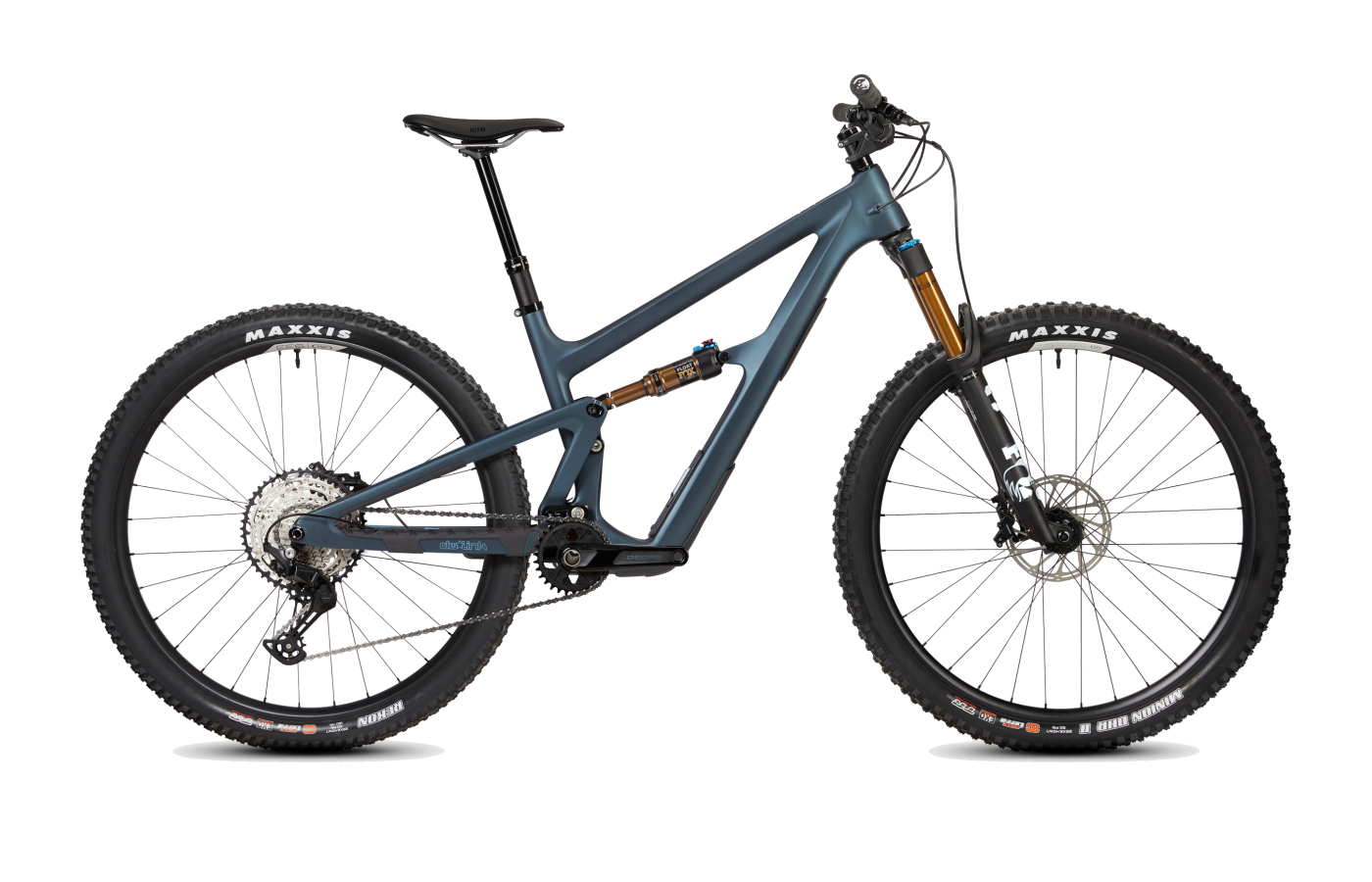
Ripley
The pedaling-efficiency benchmark in the short-travel category — DW-link suspension that's both more supple off the top and more supportive than the Izzo's progressive curve. If you like the Izzo's character but want a more refined ride, this is the alternative.
Compare →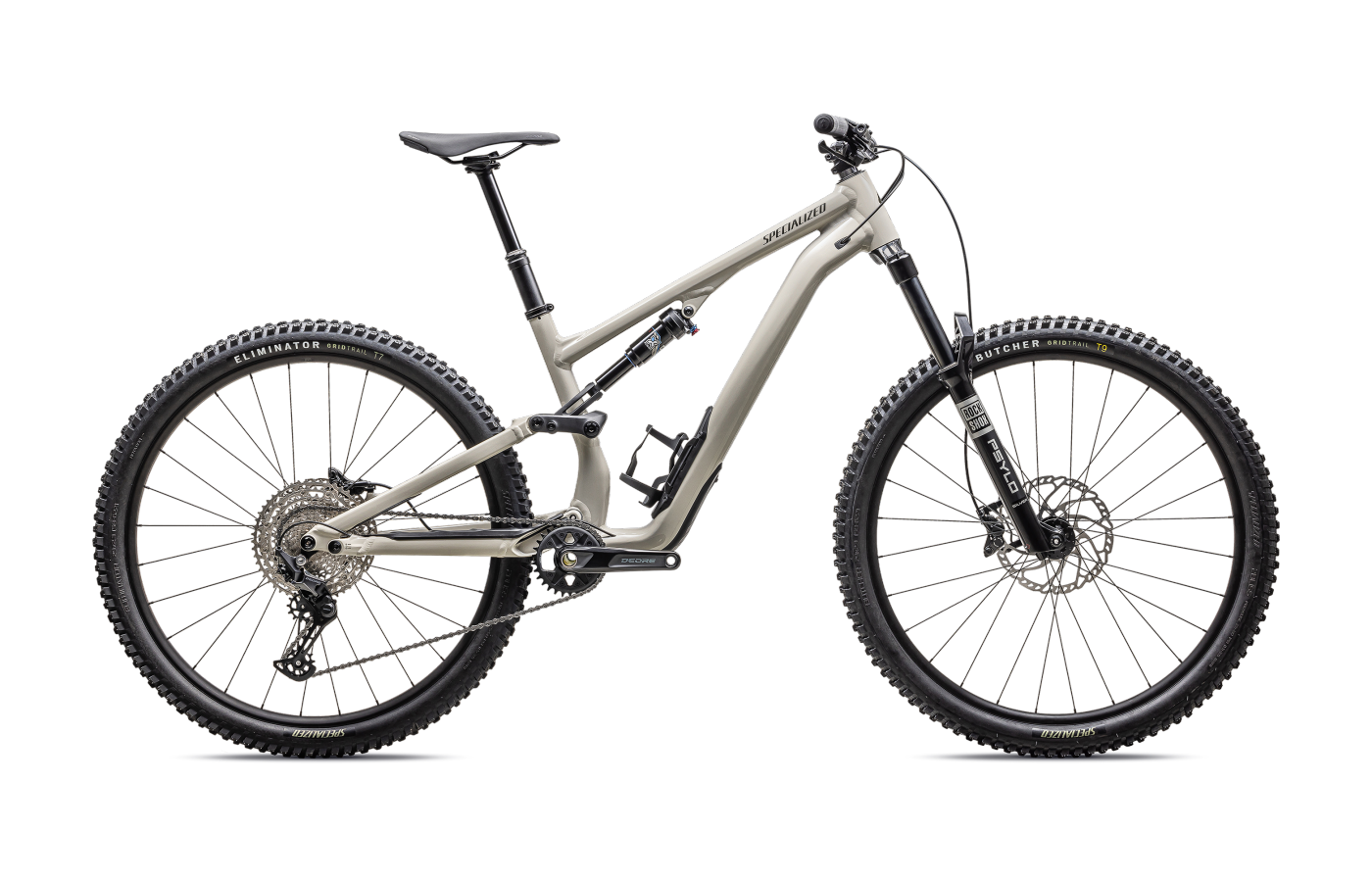
Stumpjumper
More compliant frame than the carbon Neuron, with SWAT internal storage in the down tube. The everyday-trail benchmark Canyon and YT both get measured against — but you'll pay a real premium for it.
Compare →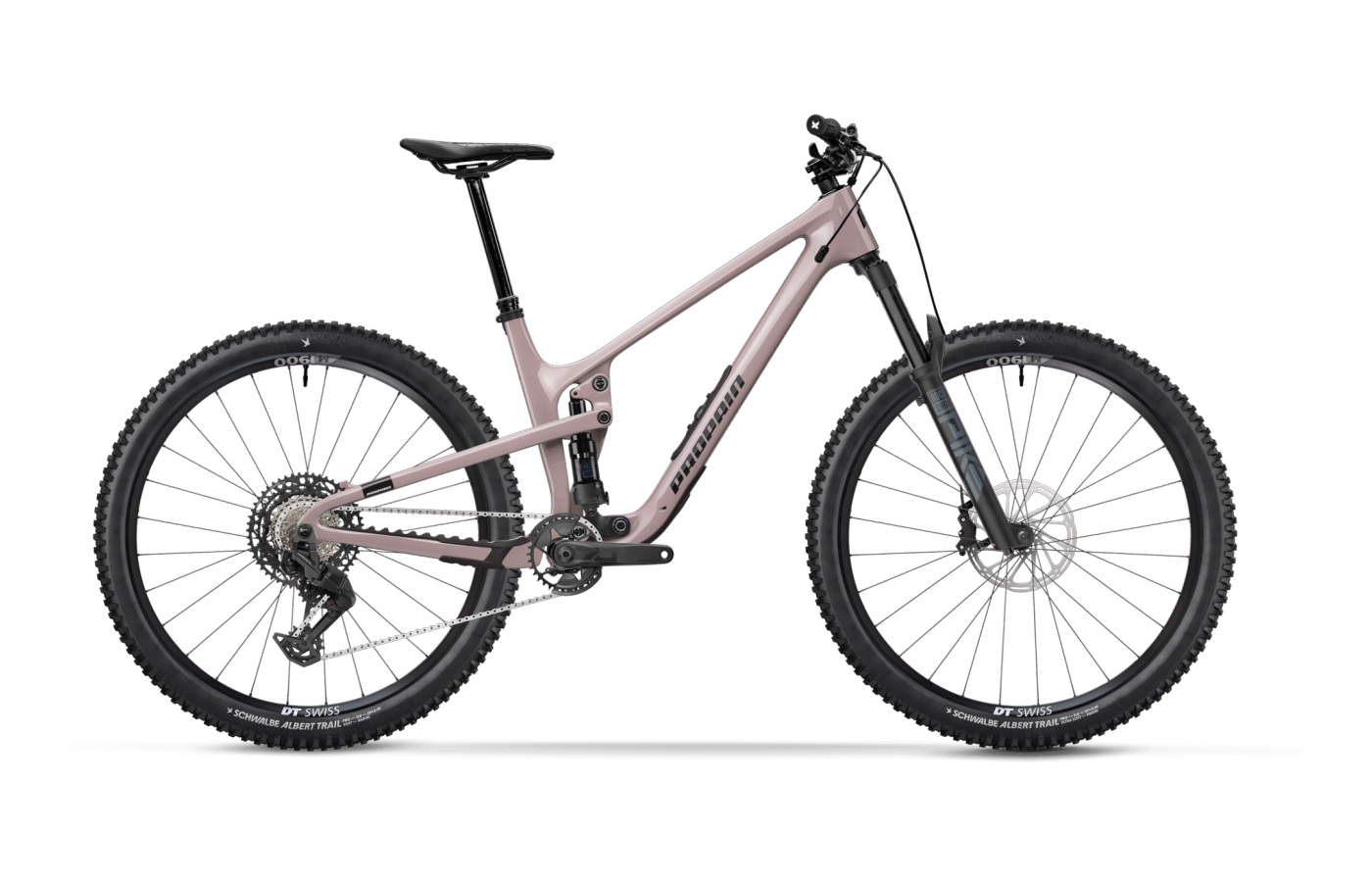
Hugene
Burlier 140 mm middle ground for riders who find the Neuron too conservative and the Izzo too stiff. Direct-to-consumer pricing similar to YT, with a more aggressive trail-bike character.
Compare →