Aspero-5
vsCheckmate
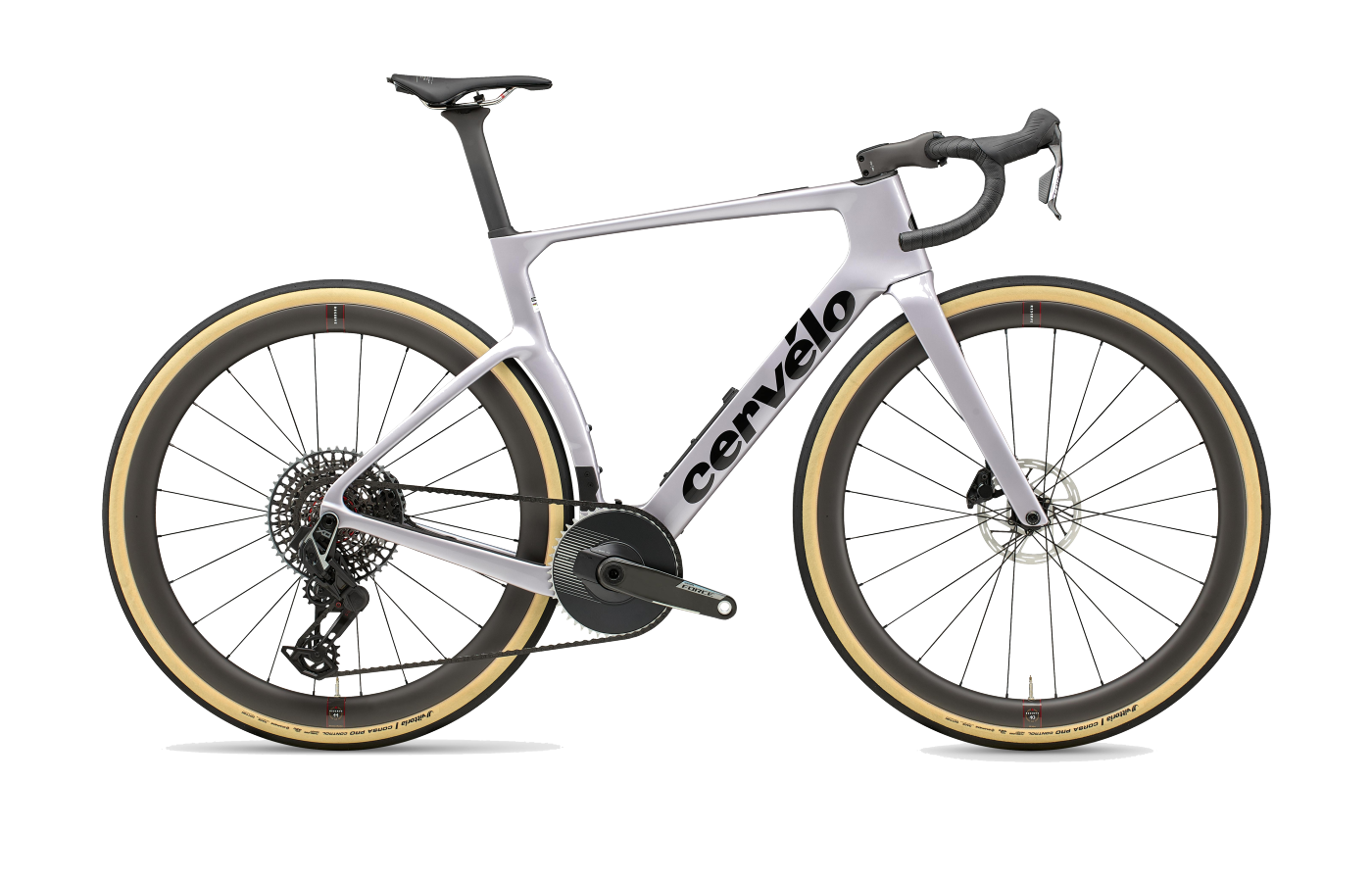
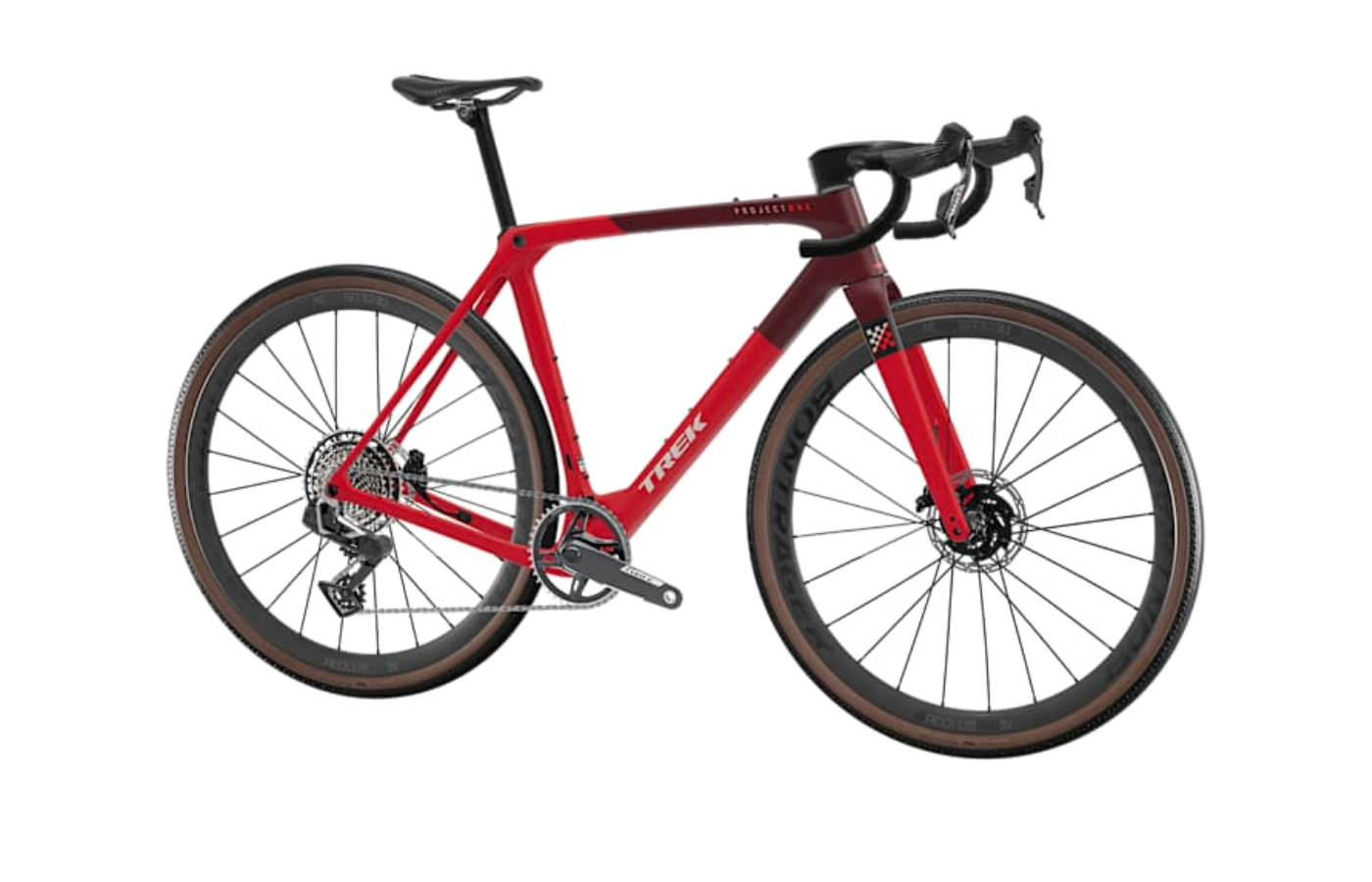
Two race-bred gravel bikes, two compliance philosophies.
The Aspero-5 chases pure aero with a stiff, road-bred chassis. The Checkmate adds IsoSpeed at the rear to keep you seated when the surface gets choppy.
Aspero-5
- Single-minded aero — Cervelo claims 34 W faster than the next-quickest gravel bike, with deep S5-inspired tube shapes.
- Two-piece cockpit — the HB16/ST31 setup keeps integration without locking out bar-angle or stem-length changes.
- Mullet drivetrain even on Force — a 48T aero ring paired with X0 Eagle 10–52T gives huge top-end and a real climbing gear.
- No engineered rear compliance — all damping comes from the 42 mm tires.
- Stock Vittoria Corsa Pro Control slicks are dry-conditions only; budget for a second tire set.
Checkmate
- IsoSpeed at the rear — the seatpost decoupler lets you stay seated and apply power smoothly over washboard and loose climbs.
- Lighter at the top — the SLR 9 AXS comes in around 7.55 kg (size ML), roughly 1.2 kg lighter than the Aspero-5 Red AXS.
- Project One custom fit — crank length, bar width, and stem length are spec'd at order, which matters with a one-piece cockpit.
- Stiff Aero RSL one-piece bar can feel harsh — reviewers flag a fore/aft compliance mismatch with the IsoSpeed rear.
- SRAM AXS 1x only at launch — no Shimano or 2x option in the lineup.
Editor’s analysis
Both are unapologetic gravel race bikes capped at 45 mm tires — the question is how you want to take the edge off rough hardpack: with tire volume alone, or with engineered compliance.
On paper the Cervelo Aspero-5 and Trek Checkmate sit on the same shelf. Both lean hard on aero road DNA (the Aspero-5 borrows from the S5, the Checkmate from the Madone Gen 8), both run integrated cockpits, both top out at 45 mm of rubber, and both are pitched at the same buyer — the rider who measures gravel rides in average speed, not photos taken. But spend time on the spec sheet and the philosophies pull apart.
The Cervelo Aspero-5 is the more single-minded of the two. There's no decoupler, no compliance gimmick, no internal storage — just a stiff aero frame, a two-piece HB16/ST31 cockpit that's friendlier to fit changes than a fully integrated bar, and Cervelo's claim of 34 watts faster than the next-best gravel bike. Reviewers describe it as "worlds apart" from earlier harsh aero-gravel attempts (BikeRadar), but they're consistent that compliance comes from the 42 mm tires, not the chassis.
The Trek Checkmate takes a different swing at the same problem. The 800 Series OCLV frame keeps the rear IsoSpeed decoupler from the previous Checkpoint, letting the D-shaped seatpost flex vertically so you can stay seated through washboard and loose climbs. The trade-off lives at the front: the Aero RSL one-piece bar is fast but stiff, and several reviewers flagged a "notable imbalance in fore/aft compliance." Trek also commits harder to integration — only SRAM AXS 1x at launch, no Shimano option, and Project One handles fit dimensions at order time.
Geometry is closer than the marketing suggests. Both run an 80 mm BB drop, head tube angles within 0.1° (Aspero 71.6, Checkmate 71.5 at our compared sizes), and chainstays inside 4 mm of each other (422.5 mm vs 426 mm). The bigger gap is seat tube angle — the Checkmate's 73.7° puts you a touch further over the bottom bracket than the Aspero's 73.1°, which fits Trek's seated-power IsoSpeed pitch. Put differently: the Aspero is the bet on pure stiffness plus tire volume, the Checkmate is the bet on engineered compliance at the rear. Pick the one whose answer matches the courses you actually race.
Where the builds differ.
Comparing our editor's-pick builds side-by-side. Winners highlighted row-by-row — lower price and weight, and the better-spec component, each mark a point.
Build variants & pricing
Both lineups are SRAM-only at launch. The Aspero-5 has three builds spanning $8.85k–$12.65k (including a Shimano GRX option); the Checkmate has two SRAM AXS builds at $8.2k and $12k.
Editor's picks are tier-matched at SRAM Force AXS — Aspero-5 Force AXS 1 ($9,000) vs Checkmate SLR 7 AXS ($8,199). Prices are current US MSRP; Cervelo's GRX Di2 build is the only non-SRAM option across either lineup.
How they fit, how they steer.
Compared at the fit-picked sizes — Aspero-5 size 54 vs Checkmate M. Geometry is closer than the marketing suggests: same 80 mm BB drop, head tube angles within 0.1°, chainstays inside 4 mm. The Checkmate sits 10 mm taller in stack with a slightly steeper 73.7° seat tube angle.
Which size should I buy?
Size recommendations are based on stack, reach, and effective top tube. Cervelo uses numeric sizing (48–61); Trek uses lettered sizing (XS–XL); the ranges overlap closely in the middle of the run.
→These are starting points. Flexibility, riding style, and preferred position all shift the answer — if you’re between sizes, a professional fit beats a chart.
What the magazines said.
Published reviews from trusted cycling outlets. Click through for the full write-up.
Which one should you buy?
If you want pure aero and the simplest race tool, get the Aspero-5. If you race long days where rear-end fatigue adds up, get the Checkmate.
Aspero-5
If your courses are fast hardpack, mixed surface, and road-adjacent — and you'd rather solve compliance with tire volume than with a decoupler — the Aspero-5 is the cleaner answer. Cervelo's aero claims are the most aggressive in the segment, and the two-piece cockpit keeps fit adjustable in a way the Checkmate can't match.
Checkmate
If you're targeting Unbound-length efforts on chattery, washboarded gravel, the IsoSpeed decoupler is a real fatigue saver — reviewers describe it as letting you stay seated and power through what would otherwise force you out of the saddle. Lighter at the top of the lineup, and Project One sorts out fit at order time.
Questions buyers actually ask.
Short answers to the things we get emailed about most often.
01Which is faster on smooth, fast gravel?
Both brands claim category-leading aero numbers, and neither has been put through an independent head-to-head wind-tunnel test. Cervelo says the Aspero-5 is 34 watts faster than "the next most aerodynamic gravel bike on the market" (which would include the Checkmate). Trek counters with a course-time claim: 5 minutes 54 seconds faster than the previous Checkpoint SLR over the Unbound 200 at a steady 200 W.
Those two claims aren't directly comparable, but reviewer impressions track: both bikes feel "flat-out fast" on hardpack, and the differences riders report are smaller than the marketing implies.
02What's the actual tire clearance?
Both frames are officially 45 mm. That's the hard limit on each — multiple Checkmate testers tried 50 mm Maxxis Ramblers and 2.1" Thunderbirds and reported immediate frame rub. Cervelo also warns about mud acting like sandpaper at the tight rear cutout if you push debris into it.
If you're racing the kind of gravel where 50 mm+ tires have become the norm (Unbound, Big Sugar, lots of Lifetime series rounds), neither of these is the right tool. Look at Trek's own Checkpoint SL Gen 3, the new Specialized Diverge, or a Cannondale SuperX for that.
03How does IsoSpeed actually feel — is it gimmicky?
Reviewers were nearly unanimous that the Checkmate's IsoSpeed is real and noticeable, not marketing fluff. The seatpost decoupler lets the D-shaped post flex vertically, so the back of the bike absorbs washboard and loose-gravel chatter without the bouncy feel of a sprung suspension. The most-cited benefit is being able to stay seated and apply smooth power over surfaces where you'd otherwise have to stand.
The trade-off is a fore/aft compliance mismatch — the Aero RSL one-piece bar at the front is stiff, and several testers found it "bordering on unforgiving" on potholes and divots.
04Do I get a power meter on the editor's-pick builds?
Yes, on both. The Aspero-5 Force AXS 1 ships with a SRAM Force 1 AXS E1 power-meter crankset (48T aero ring). The Checkmate SLR 7 AXS ships with a SRAM Force XPLR AXS power-meter crankset (42T). Both are dual-sided spider-based meters from SRAM — not a feature you typically see at this price point, and a meaningful piece of value for race-focused buyers.
05Can I run a 2x drivetrain on either?
Aspero-5: yes. The frame is 1x or 2x compatible and accepts chainrings up to 52T, though all three stock builds are spec'd 1x. Checkmate: effectively no. Trek launched the platform as SRAM XPLR 1x AXS only — no front derailleur mount provision, no Shimano build option. If 2x is non-negotiable for you, the Aspero-5 is the only choice between these two.
06Which has the more adjustable cockpit?
The Aspero-5, by a margin. Cervelo uses a two-piece setup — the ST31 carbon stem and HB16 carbon bar — with internal routing but separate stem and bar. You can change stem length or bar width without complete re-routing.
The Checkmate uses Trek's Aero RSL one-piece carbon bar/stem from the Madone. Once you own it, changing dimensions means buying a new unit. Trek partly addresses this through Project One: at order, you spec crank length, bar width, and stem length, so the bike arrives correctly sized. Less flexible after the fact, more dialed out of the box.
07Which weighs less?
The Checkmate is lighter at the top of each lineup. Trek quotes 7.55 kg for the SLR 9 AXS (size ML, with sealant). Velo weighed an Aspero-5 Red AXS in size 51 at 7.85 kg, and Flow Mountain Bike weighed the same build (Australian spec) at 8.75 kg.
At the editor's-pick tier, the Checkmate SLR 7 AXS is quoted at 8.47 kg (size ML); Cervelo doesn't publish a Force AXS 1 weight, but expect roughly 8.5–9.0 kg given the spec downgrades from Red. The gap between the platforms is real but small — a few hundred grams, not pounds.
08What warranty do they come with?
Both come with lifetime frame warranties to the original owner against manufacturing defects. Trek's warranty also covers Bontrager carbon rims for the original purchaser. Both brands offer crash-replacement pricing through their dealer networks if you damage a frame in a crash.
Similar bikes
If your priorities don’t map cleanly onto either of these, one of these adjacent bikes probably fits better.
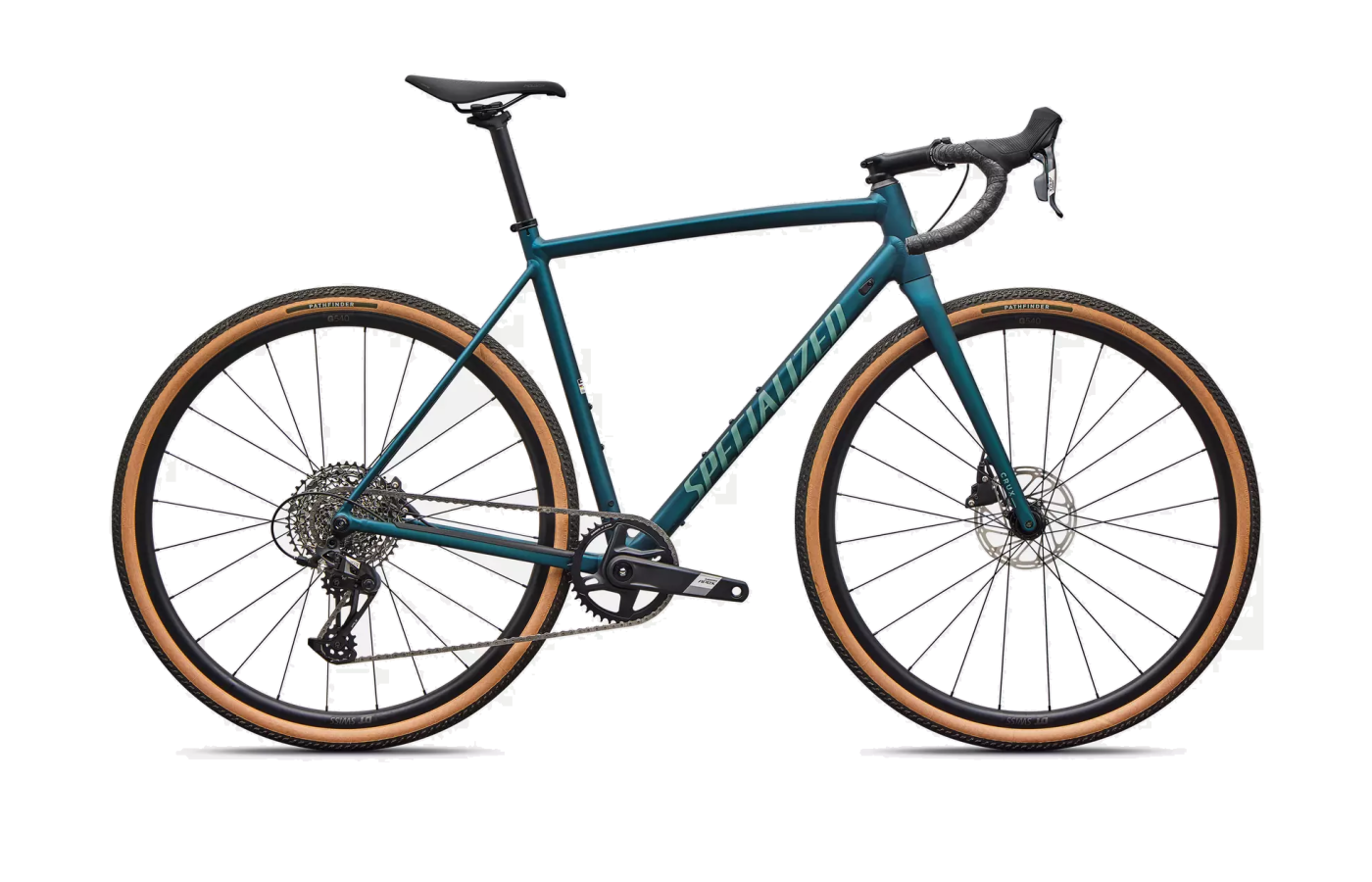
Crux
The Specialized Crux is the climber's counter to both of these — featherlight, classical-tube, no real aero pretension. Pick it if your courses are vertical and your priority is grams over watts.
Compare →
Grail
Canyon's Grail chases the same aero-race brief at direct-to-consumer pricing — typically 25–30% less than either bike here. The catch is no local dealer and no demos.
Compare →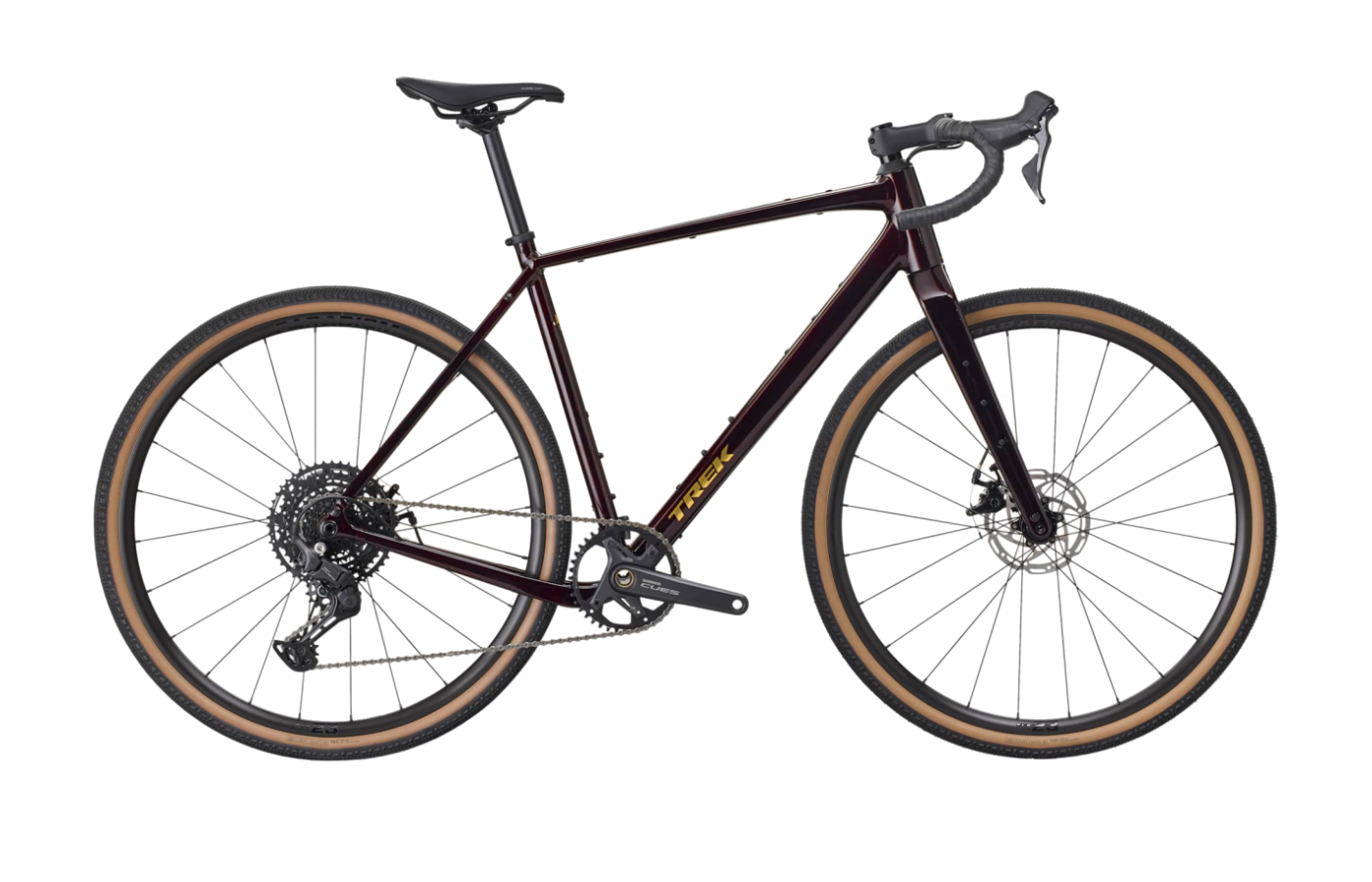
Checkpoint
Trek's other gravel bike is the adventure-side answer to the Checkmate — up to 50 mm tire clearance, more mounts, downtube storage, and a relaxed geometry. Pick it if you want to race occasionally but bikepack mostly.
Compare →