R5
vsSoloist
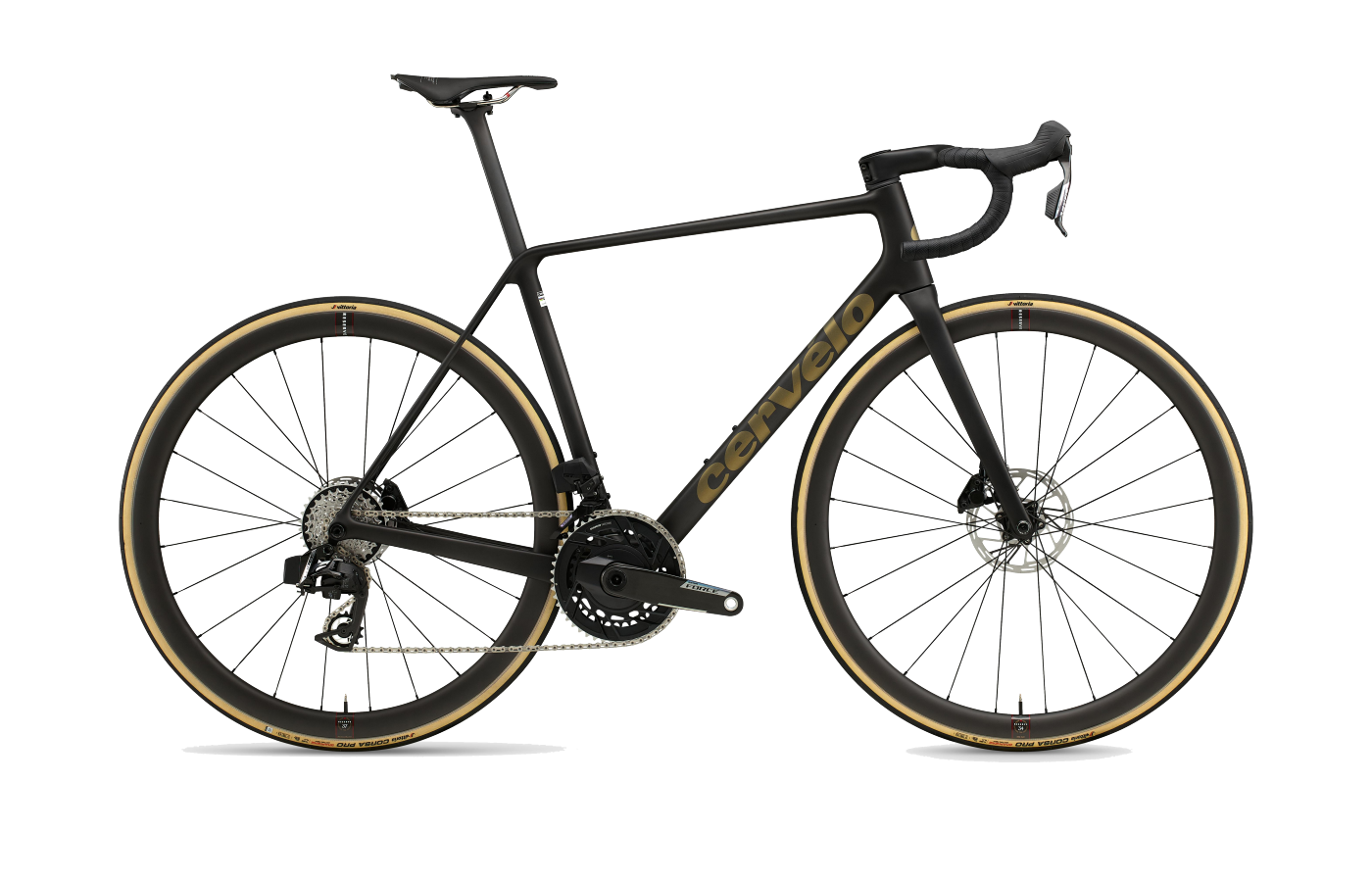
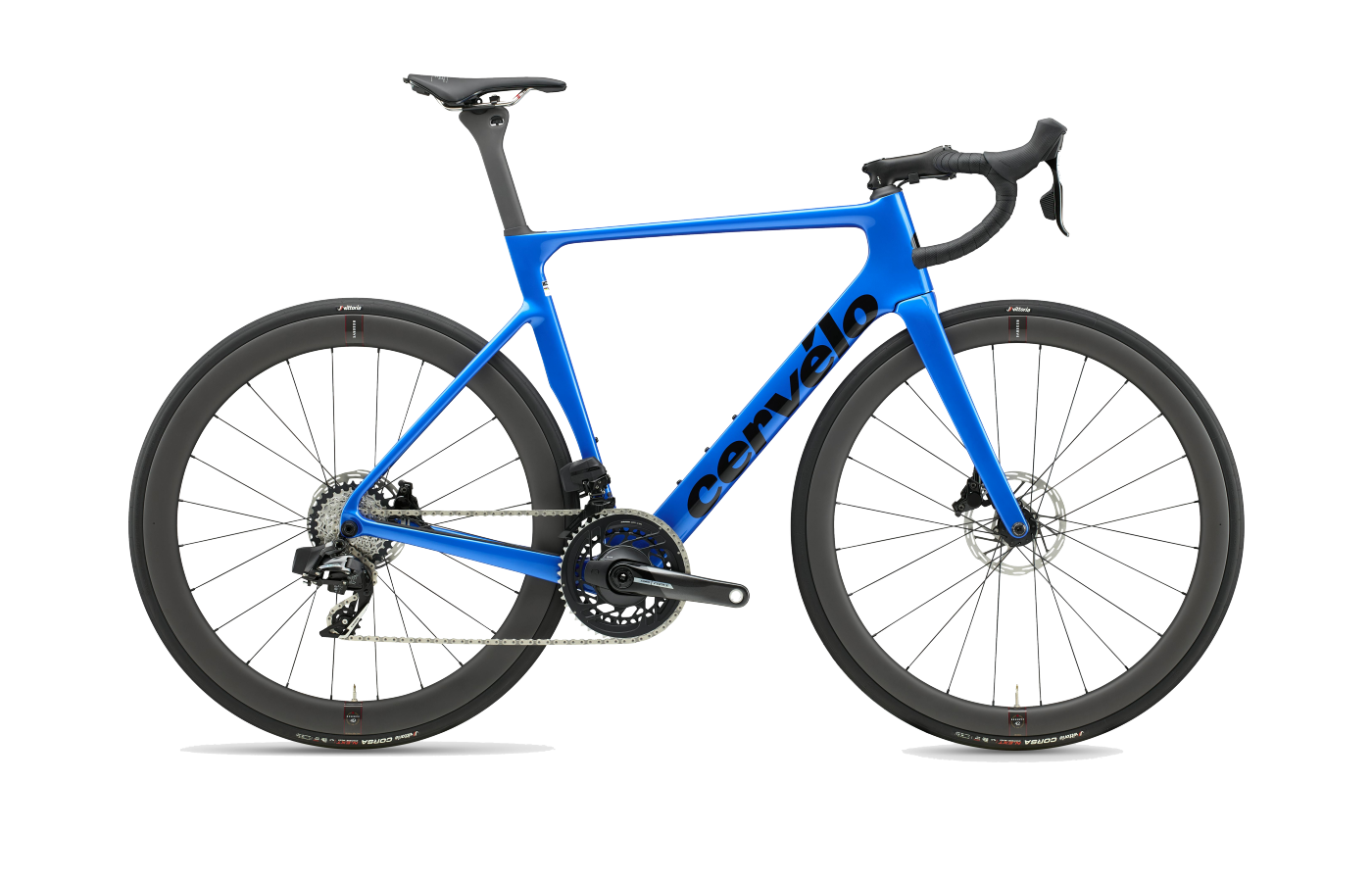
One climbs, one does everything else.
The R5 is Cervélo's no-compromise mountain weapon. The Soloist is the bike you actually buy and live with.
R5
- Featherweight climbing — top builds dip below 6 kg, with reviewers calling it 'instantaneous' on steep gradients.
- 13% stiffer bottom bracket than the previous R5, so none of the weight savings cost you power transfer.
- Power meter on every build — 4iiii on Shimano, Quarq on SRAM, no aftermarket upgrade needed.
- $10,100 entry price — there is no budget door into this platform.
- HB18 integrated cockpit makes fit changes expensive; stock 26 mm tires need an immediate swap to 28 or 30 mm.
Soloist
- WorldTour frame at every price — same carbon layup on the $3,900 105 build as the $7,600 Force AXS 1.
- Mechanic-friendly cockpit — two-piece bar/stem with under-stem hose routing means stem swaps don't require a brake bleed.
- Inherits R5 geometry — 73° HTA and 410 mm chainstays at size 54 give it the same sharp, predictable steering as its pricier sibling.
- Roughly 250 g heavier than the R5 — noticeable on sustained climbs, less so on rolling terrain.
- Multiple reviewers report creaking from the BBRight T47 bottom bracket; experiences vary.
Editor’s analysis
Same brand, same family DNA — but one bike is a five-figure climbing instrument, and the other is a workable race bike with the same handling for less than half the price.
Cervélo splits its road range into three tools. The S5 is the wind-tunnel flagship. The Cervelo R5 is the climbing flagship — sub-6 kg in top trim, 657 g painted frame, 34 mm tire clearance, and a starting price north of $10,000. The Cervelo Soloist sits in the middle: about 250 g heavier than the R5, about 250 g lighter than the S5, and crucially, it borrows the R5's geometry almost wholesale. So the question isn't 'which Cervélo handles better' — they handle nearly identically. It's 'how much do the last few hundred grams cost you?'
The Cervelo R5 is unapologetically a climbing tool. Reviewers across Bicycling, Granfondo, and Cyclist call it a 'mountain goat' and a 'col crusher' — the bike feels weightless when the road tilts up, and Cervélo claims a 13% stiffer bottom bracket so none of that featherweight flex translates into noodle. The HB18 one-piece cockpit is gorgeous and saves 134 g, but it's a pain to refit. Stock 26 mm Vittoria Corsa Pro Speeds are a marketing-weight choice — almost every reviewer recommends going to 28 or 30 mm immediately, which the 34 mm clearance happily allows.
The Cervelo Soloist is the practical sibling. Same 73° head angle at size 54, same 410 mm chainstays, same 57.3 mm trail — handling DNA is preserved. But the cockpit is a two-piece (Cervélo ST36 alloy stem, HB13 carbon bar in mid builds) with cables routed under the stem instead of through the headset. You can swap your stem without bleeding brakes. Tires ship at 29 mm. Wheels go deeper (Reserve 42/49 or 40/44 depending on build). The frame is the same WorldTour carbon across every Soloist build — even the $3,900 105 entry point gets the lifetime-warranty frameset.
Put another way: the R5 is what Visma–Lease a Bike's domestiques throw at the Mont Ventoux. The Soloist is what an ambitious cat 3 buys, races on Saturdays, and works on at home Sunday morning. If your weekends aren't decided by 15% gradients, the Soloist is the smarter spend by a wide margin.
Where the builds differ.
Comparing our editor's-pick builds side-by-side. Winners highlighted row-by-row — lower price and weight, and the better-spec component, each mark a point.
Build variants & pricing
The R5 starts where the Soloist tops out — five builds from $10,100 to $14,400, all WorldTour-spec. The Soloist scales from a $3,900 105 build all the way up to $7,600 Force AXS 1.
Prices are current US MSRP. The Soloist's frame is identical across every build, so the entry-level 105 is not a 'detuned' version — you're buying the same carbon as the SRAM riders, just with cheaper finishing kit you can upgrade later.
How they fit, how they steer.
Both at size 54 — the fit-picked size for a 5'8" rider on each bike. The Soloist sits 4.6 mm lower with a 0.3 mm shorter reach, identical 73° head angle, identical 57.3 mm trail, identical 410 mm chainstays. Same handling fingerprint.
Which size should I buy?
Size recommendations based on stack, reach, and effective top tube. Both ranges run 48 through 61 with near-identical step spacing — your size on one is your size on the other.
→These are starting points. Flexibility, riding style, and preferred position all shift the answer — if you’re between sizes, a professional fit beats a chart.
What the magazines said.
Published reviews from trusted cycling outlets. Click through for the full write-up.
Which one should you buy?
If your rides are decided by vertical gain and you've got the budget, get the R5. For everyone else — even most racers — the Soloist is the smarter buy.
R5
If you live in mountains, count grams, and want the visceral thrill of a sub-6 kg bike that punches uphill without flex, the R5 delivers. The price gets you a power meter on every build and Cervélo's lightest-ever frame.
Soloist
If you want R5-grade handling and a WorldTour frame without the WorldTour price, the Soloist is one of the best-value race bikes on the market. Mechanic-friendly, comfortable enough for long days, fast enough for crits.
Questions buyers actually ask.
Short answers to the things we get emailed about most often.
01How much lighter is the R5 than the Soloist?
Roughly 250 g in like-for-like builds, per Road.cc and Cyclist Magazine's testing. The R5's painted size 56 frame weighs about 657 g and full builds dip below 6 kg in top trim; the Soloist Ultegra Di2 lands around 7.5 kg out of the box.
That 250 g works out to roughly 0.3% of a 70 kg rider's system weight — measurable on a long climb, invisible on the flat.
02Do the R5 and Soloist handle the same?
Functionally, yes. At size 54 both run a 73° head tube angle, 57.3 mm trail, and 410 mm chainstays. The Soloist's stack is 4.6 mm lower and reach is 0.3 mm shorter — deltas you can adjust away with a 5 mm spacer.
Cervélo deliberately aligned the geometries so a rider could move between the two without a fit crisis. The handling differences you feel are about weight and aero shape, not steering geometry.
03What's the maximum tire clearance on each?
Both frames officially clear 34 mm tires.
The R5 ships with 26 mm Vittoria Corsa Pro Speed tubeless — almost every reviewer recommends going wider immediately. Granfondo, Cyclist, and Bicycling Australia all suggest 28 mm or 30 mm for better grip and comfort. The geometry was designed around a 29 mm tire.
The Soloist already ships at 28–29 mm depending on build, so it's closer to the design intent out of the box.
04Is the cheaper Soloist a worse frame than the R5?
It's a different frame entirely — not a downgraded R5. Cervélo built the Soloist as a purpose-designed middle tier between the R5 and S5, not as a value-engineered version of either.
What is notable: every Soloist build, from the $3,900 105 all the way up to the $7,600 Force AXS 1, uses the same carbon layup. Road.cc puts it bluntly: 'even your entry-level bike has a WorldTour quality frameset.' The savings come from the cockpit, wheels, and drivetrain — not the frame.
05How serviceable are the cockpits?
The R5's HB18 is a one-piece carbon bar/stem — saves 134 g and looks cleaner, but adjusting reach or width means buying a new $400+ unit, and routing changes require partial disassembly. Cervélo offers a free 30-day cockpit exchange to mitigate fit risk.
The Soloist's two-piece ST36 alloy stem and HB13 carbon bar route hoses under the stem (not through the headset). You can swap stem length, change bar width, or pack for travel without bleeding brakes.
06Does either come with a power meter?
Every R5 build does — 4iiii Precision Pro on the Shimano builds, Quarq on the SRAM builds. That's a real $400–$700 value baked into the sticker.
The Soloist also includes a power meter on every SRAM AXS build (Force AXS, Force AXS 1, Rival AXS — all Quarq). The Shimano Ultegra Di2 and 105 builds do not. Worth noting if you're cross-shopping the Ultegra Soloist against the Ultegra R5.
07Are there any reliability concerns I should know about?
The Soloist's BBRight T47 threaded bottom bracket has drawn mixed reports. Velo and Cyclist UK both reported persistent creaking within the first month. In The Know Cycling, after 3,000 miles, reports a silent BB. Variability suggests it's an assembly or torque issue rather than a design defect — but worth flagging.
No similar pattern has emerged with the new R5, though it's a much newer platform with less long-term mileage on it.
08Which holds resale value better?
Cervélo as a brand tends to depreciate slowly compared to mass-market competitors — smaller production runs, more enthusiast-driven secondary market.
The R5's higher entry price means absolute dollar depreciation is steeper, but as a percentage the two should track similarly. Buying a one-season-old Force AXS build of either, second-hand, is one of the best ways into the platform — especially on the R5, where new pricing puts the floor at $10,100.
Similar bikes
If your priorities don’t map cleanly onto either of these, one of these adjacent bikes probably fits better.
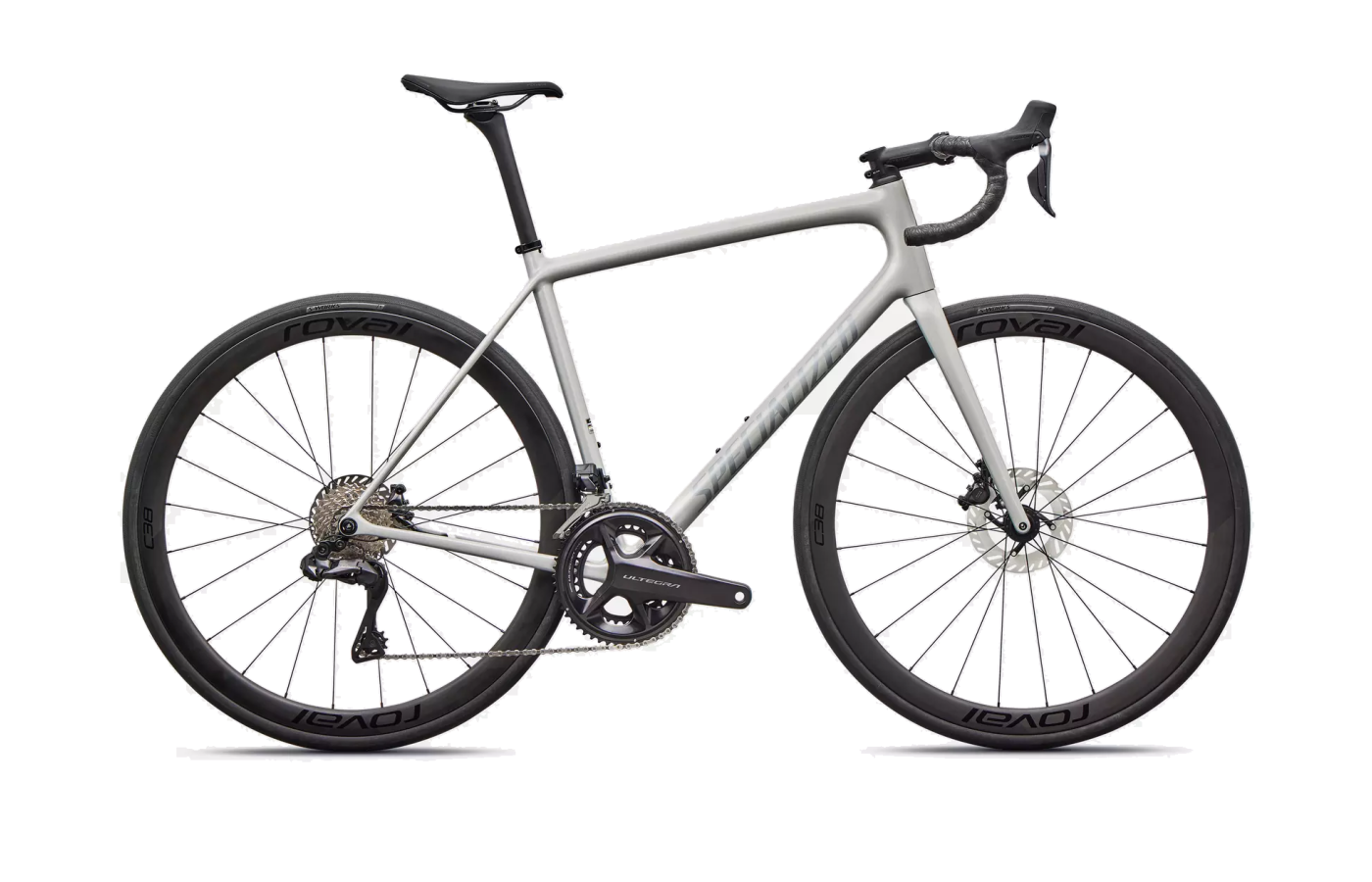
Aethos
The pure-weight cross-shop for the R5 — Specialized's Aethos drops aero pretense entirely in favor of round tubes and a sub-6 kg climbing soul. If you want the R5's mission with a different brand's interpretation.
Compare →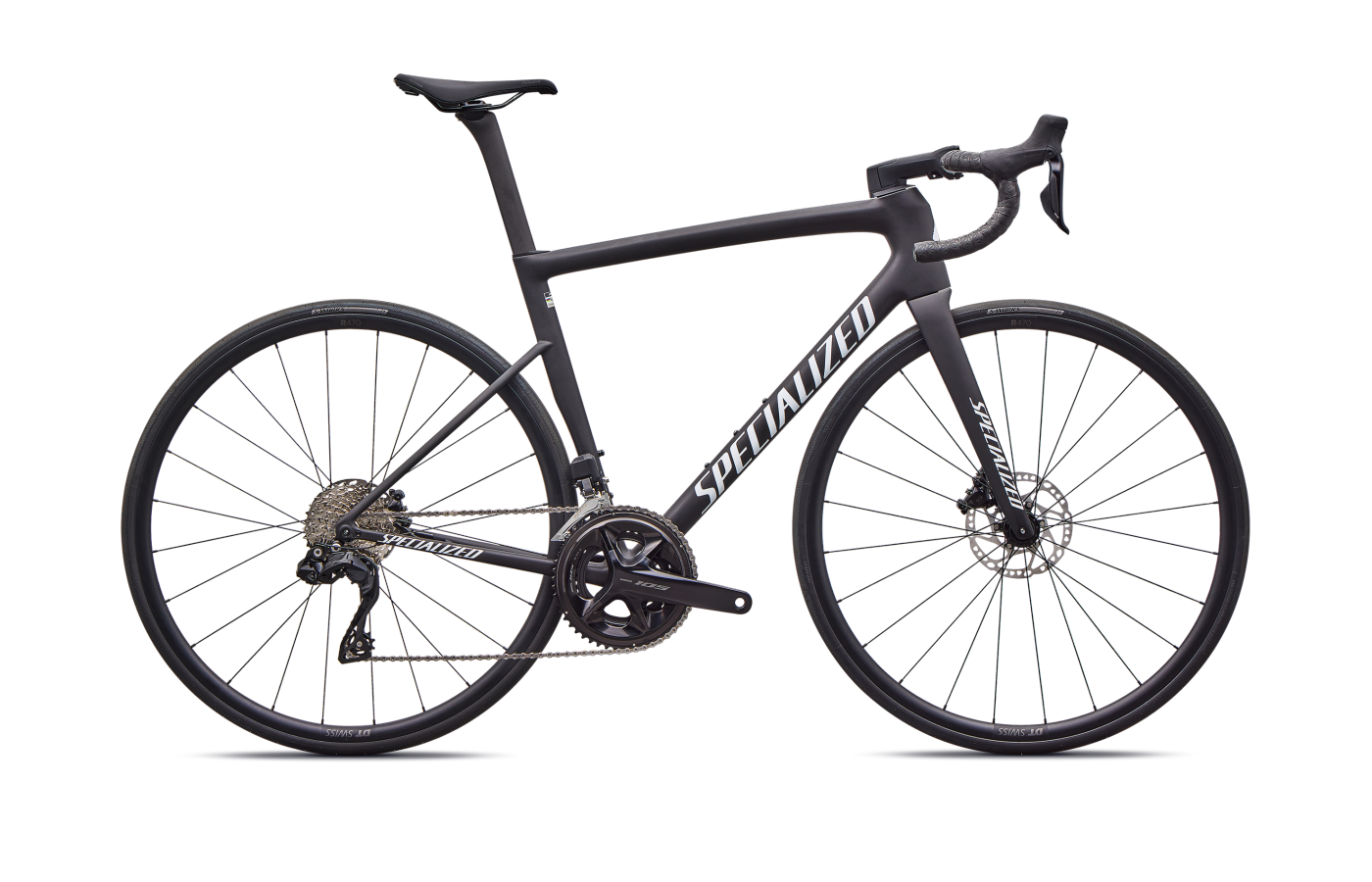
Tarmac
Specialized's pitch at the Soloist's job, but with more aero ambition — the Tarmac SL8 tries to be the one bike that does climbing *and* aero, where the Soloist deliberately sits in the middle of both.
Compare →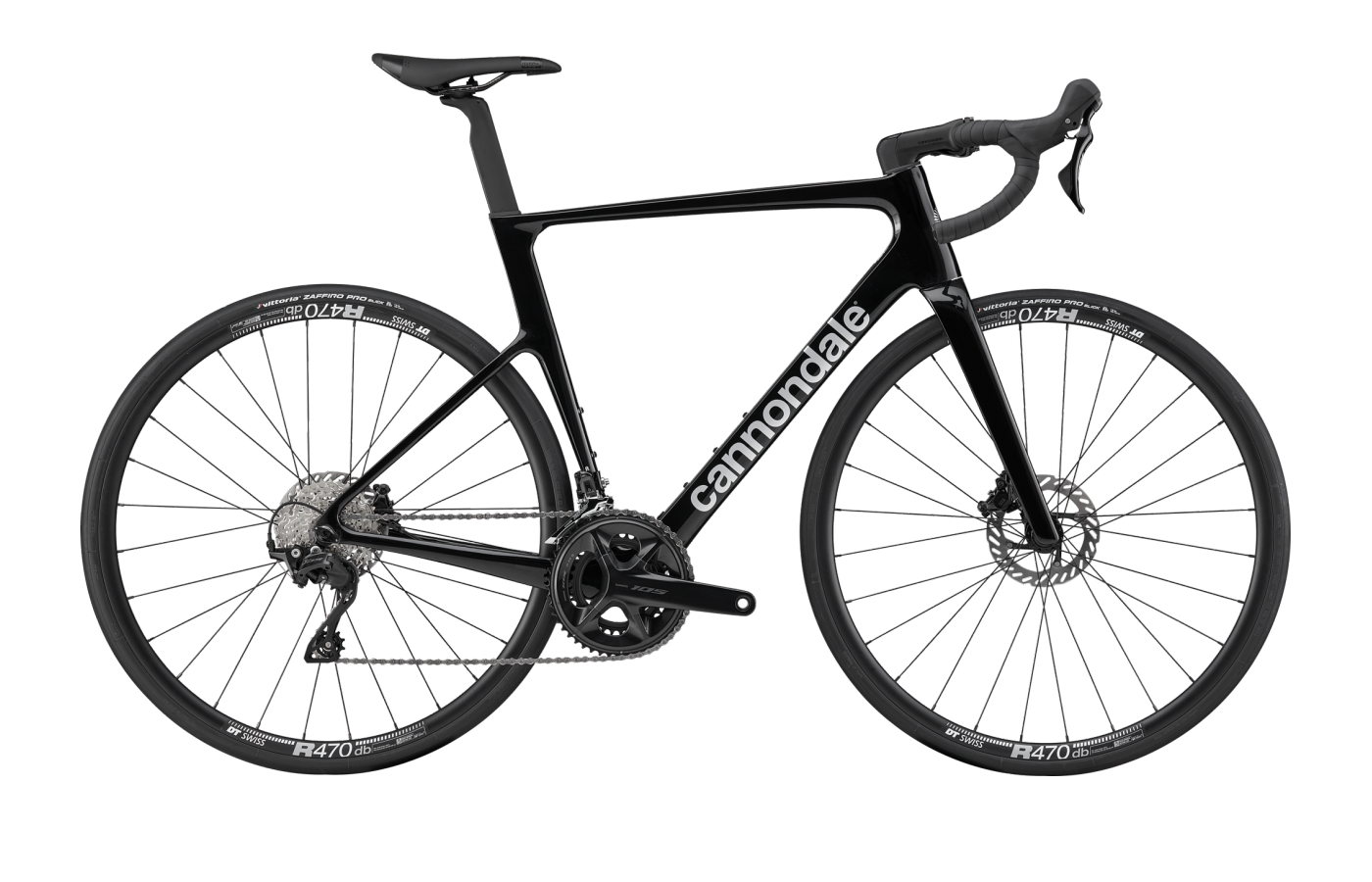
SuperSix EVO
Cannondale's SuperSix EVO is the closest philosophical twin to the Soloist — a balanced all-rounder that splits the difference between climbing and aero, often at a similar price point with comparable Reserve-class wheels.
Compare →