S5
vsSoloist
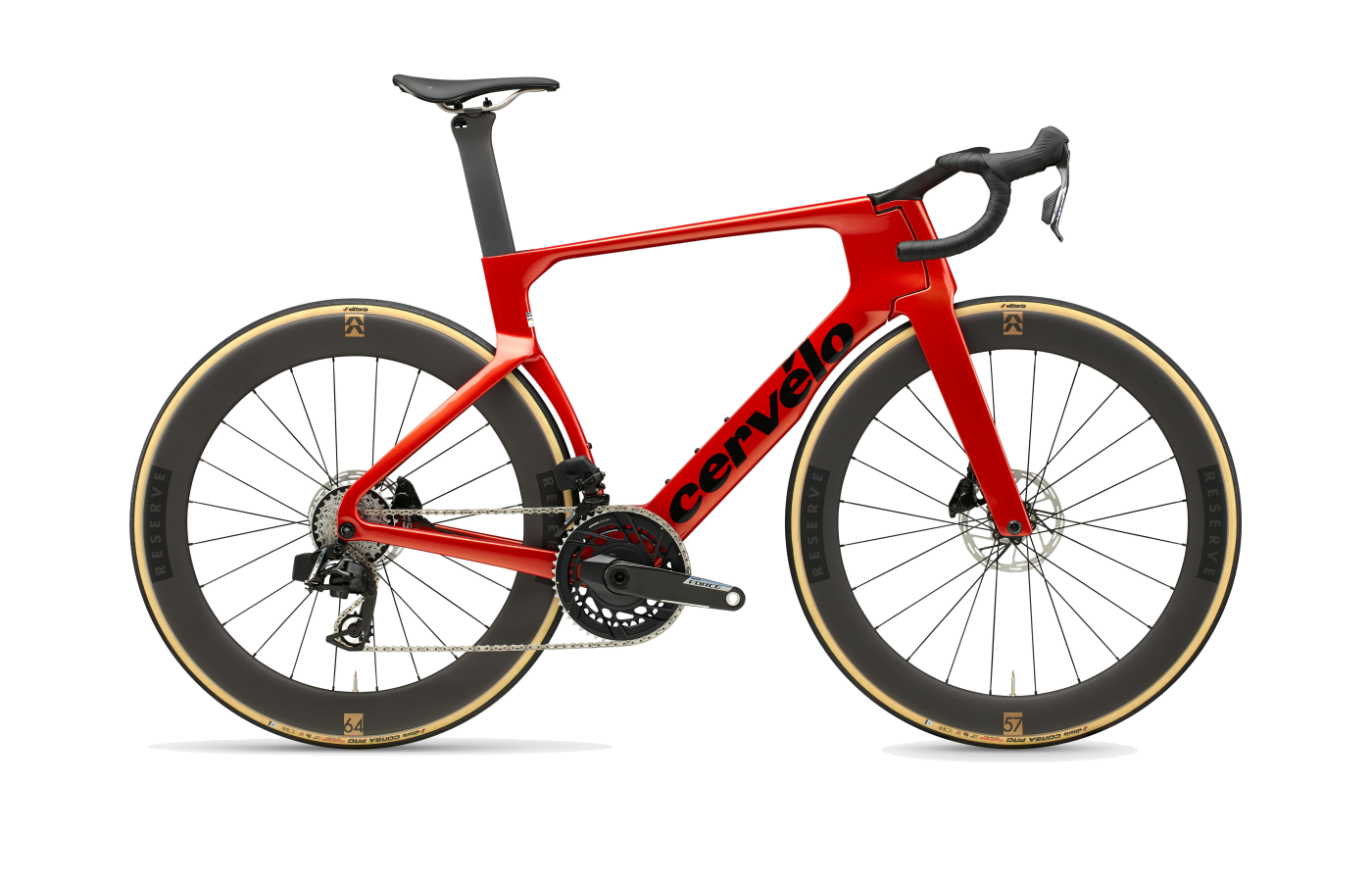
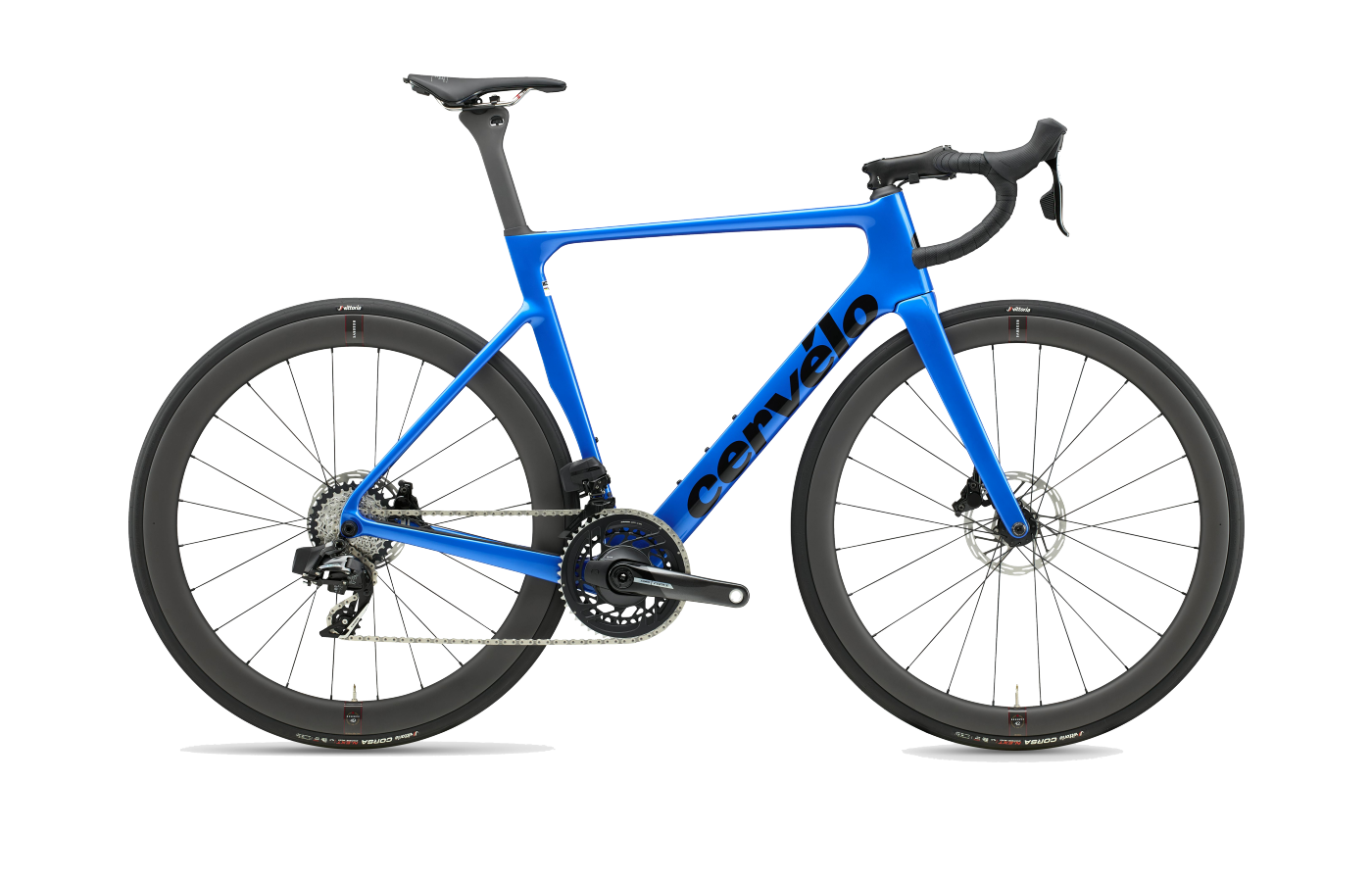
Same brand, two answers to 'how fast?'
The S5 is Cervélo's no-compromise WorldTour aero weapon. The Soloist is the in-house pragmatist — same DNA, half the price, more livable.
S5
- Wind-tunnel-verified fastest — 27.57 W saved vs. baseline at 40 km/h in Cycling News's test.
- Same Reserve 57|64 wheels across the range — even the cheapest S5 ships with the WorldTour wheelset.
- Genuinely refined for an aero bike — 29 mm tires + wide internal rims keep long days livable.
- Floor price is $10,100 — no Rival, 105, or Tiagra build exists.
- BBright press-fit BB houses the Di2 battery; service is a known hassle.
Soloist
- Half the price for the same geometry family — from $3,900 with 105 mechanical to $7,600 with Force AXS.
- T47 threaded BB and two-piece cockpit — mechanic-friendly where the S5 isn't.
- R5-derived geometry adds stability — 5 mm longer chainstays and slacker head angle calm the front end.
- Roughly 190 g slower aero than the S5 (per road.cc) — the gap is real at 40+ km/h.
- Stock alloy bar can feel chattery on rough roads; multiple reviewers flagged the front end.
Editor’s analysis
This is the same engineering team writing two very different sentences — one for Visma-Lease a Bike, one for the rider footing the bill themselves.
Both bikes share a parent company, a wheelmaker (Reserve), a 34 mm tire ceiling, and a near-identical fit at size 54. From a bike-fit standpoint they are interchangeable — stack lands within 2 mm, reach within 1 mm. The divergence is everything else.
The Cervelo S5 is the aero ceiling. Cycling News's wind-tunnel test crowned it the fastest bike they've ever measured, saving 27.57 watts versus their baseline at 40 km/h. Cervélo's own claim — 6.3 watts faster and 124 g lighter than the outgoing S5 — held up across independent reviews, with frame-only weight at size 56 in the 7.17–7.44 kg range. The HB19 one-piece cockpit, deeper Reserve 57|64 wheels, and BBright press-fit shell are all in service of that one number. You pay $10,100 to start.
The Cervelo Soloist is the same engineering team's answer to 'do I really need that?' Geometry borrowed from the R5 climbing bike (slightly slacker head angle, 5 mm longer chainstays, 1.7 mm more trail), shallower Reserve 40-series wheels, a two-piece HB13 carbon bar on a ST36 alloy stem, and a T47 threaded bottom bracket that any home mechanic can service. Per road.cc it gives up roughly 190 g of aero advantage to the S5 but lands 250 g lighter than it. Builds start at $3,900 with mechanical 105.
Put simply: the S5 is the bike Visma-Lease a Bike chooses on flat stages. The Soloist is the bike you choose when winning the local crit matters less than getting two seasons of reliable training out of the same frame. Both are quick. Only one is buildable on a non-pro budget.
Where the builds differ.
Comparing our editor's-pick builds side-by-side. Winners highlighted row-by-row — lower price and weight, and the better-spec component, each mark a point.
Build variants & pricing
Tier-matched at SRAM Force AXS — both ship with a 2x crankset and an integrated power meter. The S5 Force build costs $2,750 more than the Soloist Force build for the deeper wheelset and one-piece cockpit.
Prices are current US MSRP. The Soloist is the only way into a current-generation Cervélo aero road bike under $10,000 — the S5 lineup starts at $10,100 with Ultegra Di2 and tops out at $14,500.
How they fit, how they steer.
Fit lands within 2 mm of stack and 1 mm of reach at size 54 — the bikes set up almost identically. The S5 is the sharper steerer (1.7 mm less trail, 5 mm shorter chainstays); the Soloist trades that for stability.
Which size should I buy?
Both lineups span size 48 through 61 with closely matched stack/reach progressions across the range.
→These are starting points. Flexibility, riding style, and preferred position all shift the answer — if you’re between sizes, a professional fit beats a chart.
What the magazines said.
Published reviews from trusted cycling outlets. Click through for the full write-up.
Which one should you buy?
If your priority is being the fastest bike on a flat stage and budget is secondary, get the S5. If you want 90% of the bike for half the money and a frame you can actually wrench on, get the Soloist.
S5
If most of your riding is flat or rolling, you race or chase Strava KOMs above 35 km/h, and you want the same wind-tunnel-validated platform Visma-Lease a Bike rides — this is it. The price is real, the speed is too.
Soloist
If you want a fast Cervélo race bike for crits, fast group rides, and long training days — but you'd rather spend the saved $4–7k on tires, travel, and maintenance — the Soloist is the smarter buy. R5 geometry, Reserve wheels, threaded BB.
Questions buyers actually ask.
Short answers to the things we get emailed about most often.
01Which is actually faster on flat roads?
The Cervelo S5, by a measurable margin. Cycling News's wind tunnel pegged the new S5 as the fastest bike they've ever tested, saving 27.57 watts versus their baseline at 40 km/h with a rider onboard. Per road.cc, a like-for-like Soloist gives up roughly 190 grams of aero drag to the S5 — small but meaningful in racing terms.
At social-ride speeds below 30 km/h the gap shrinks to something you'll never feel.
02What's the weight difference?
Reviewer-tested S5 builds at size 56 have come in around 7.17–7.44 kg (Granfondo). The Soloist Ultegra Di2 at size 56 weighed 8.47 kg in road.cc's test, though that's with the heavier alloy cockpit and shallower wheels — frame-only, the Soloist is roughly 250 g heavier than the S5 per Cervélo's own published deltas.
Build choice matters more than frame here: a Soloist Force AXS with carbon bar will close most of the gap.
03How different is the geometry?
Less than you'd expect. At size 54 both bikes land within 2 mm of stack (542 vs. 540) and 1 mm of reach (384 vs. 383), with the same 73° head tube angle.
The handling differences are at the edges: the S5 runs 5 mm shorter chainstays (405 vs. 410), 1.7 mm less trail (55.6 vs. 57.3), and a 19 mm shorter wheelbase. That makes the S5 sharper and more eager; the Soloist trades those for predictability — exactly what its R5-derived geometry is designed for.
04What's the maximum tire clearance?
Both bikes officially clear 34 mm. The S5 ships with 29 mm Vittoria Corsa Pro TLR G2.0 tires on wide-internal Reserve 57|64 rims (where they often measure closer to 31 mm). The Soloist ships with 28 or 29 mm Corsa N.EXT TLR tires depending on build, on slightly narrower Reserve 40-series rims.
Neither is a gravel bike — for chip-seal and worse, look at Cervélo's Caledonia or Áspero.
05Which is easier to maintain?
The Soloist, decisively. It uses a T47 threaded bottom bracket (much more home-mechanic-friendly than press-fit) and a two-piece cockpit — a separate ST36 alloy stem and HB13 carbon bar — meaning you can swap stem length or bar width without re-bleeding hydraulic hoses.
The S5 uses a Cervélo-specific BBright press-fit shell that also houses the Di2 battery, and a one-piece HB19 carbon cockpit. Velo flagged the BBright as a service hassle. That said, Cervélo improved front-end access on the new S5 versus the previous generation.
06Is the Soloist just a cheaper S5?
No. Per Cycling Magazine, Cervélo designed the Soloist as a purpose-built frame, not a detuned S5. Geometry comes from the R5 climbing bike, not the S5. Tube shapes are shallower-section semi-aero. The bottom bracket standard is different (T47 vs. BBright press-fit). The cockpit is two-piece. The stock wheels are shallower.
It's a different bike that happens to share a brand and a 34 mm tire ceiling — closer in spirit to the R5 with aero leanings than to a discounted S5.
07Can I get the S5 with mechanical shifting or 1x?
No mechanical — every S5 build is electronic. 1x is available, and notably Cervélo positioned the SRAM Red XPLR AXS 1x as the top-tier flagship build on the new S5. Cervélo claims a 2-watt aero saving for 1x, though Bicycling's reviewer found the gear jumps awkward on climbs.
The Soloist offers mechanical 105 at the entry level ($3,900) and a Force AXS 1x build ($7,600) at the top — broader range, more buyer choice.
08What's the warranty situation?
Both frames carry Cervélo's lifetime frame warranty to the original owner against manufacturing defects. Cervélo also runs a 60-day cockpit-fit-swap policy on the S5's one-piece HB19 — if the as-spec'd bar/stem combo doesn't fit, they'll swap it at no extra charge. That mitigates the usual integrated-cockpit fit risk on the S5.
Similar bikes
If your priorities don’t map cleanly onto either of these, one of these adjacent bikes probably fits better.
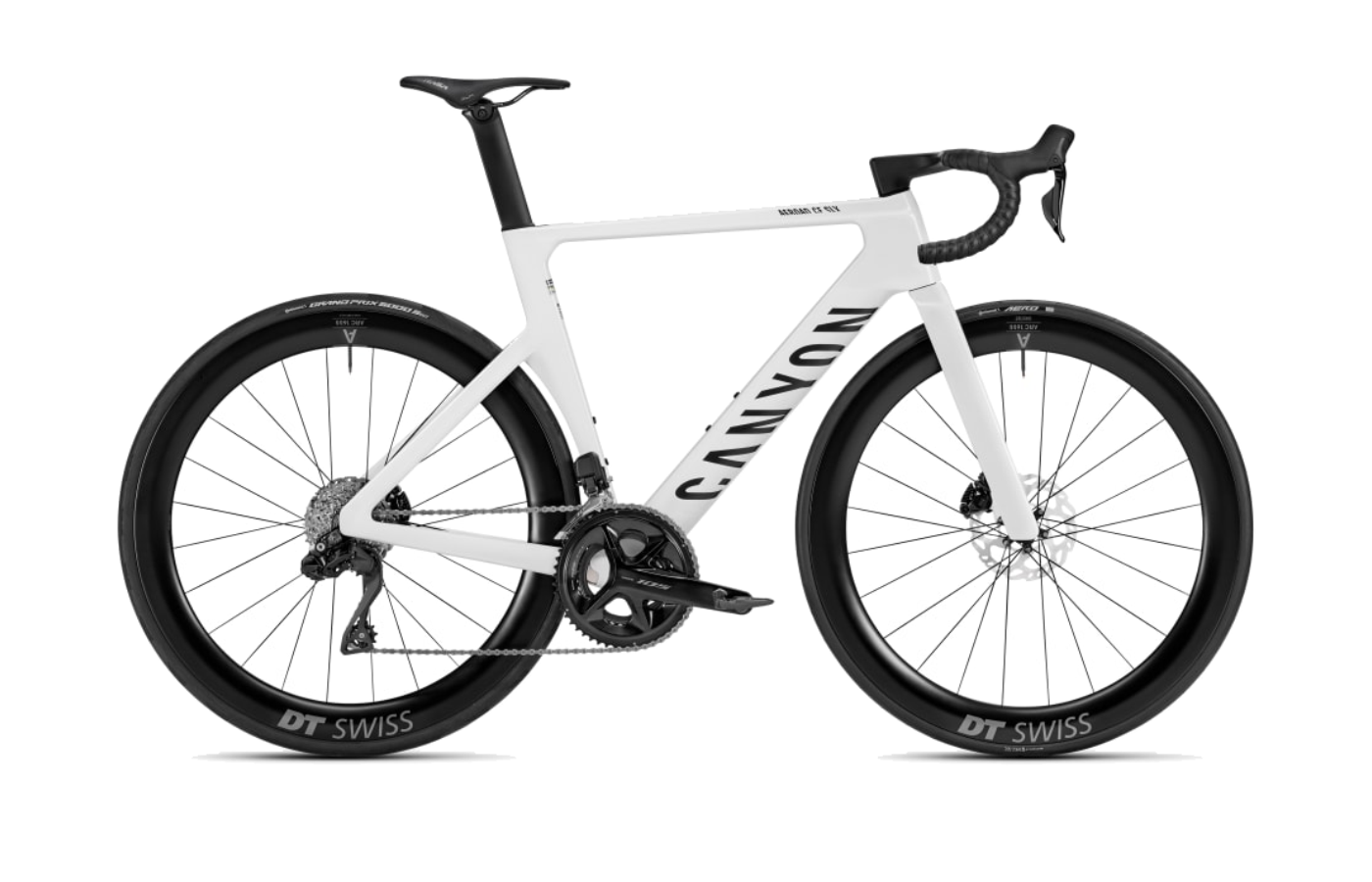
Aeroad
Canyon's WorldTour-proven aero flagship, often benchmarked alongside the S5 in wind-tunnel tests. Direct-to-consumer pricing means roughly 30% less money for comparable aero — the catch is no local dealer.
Compare →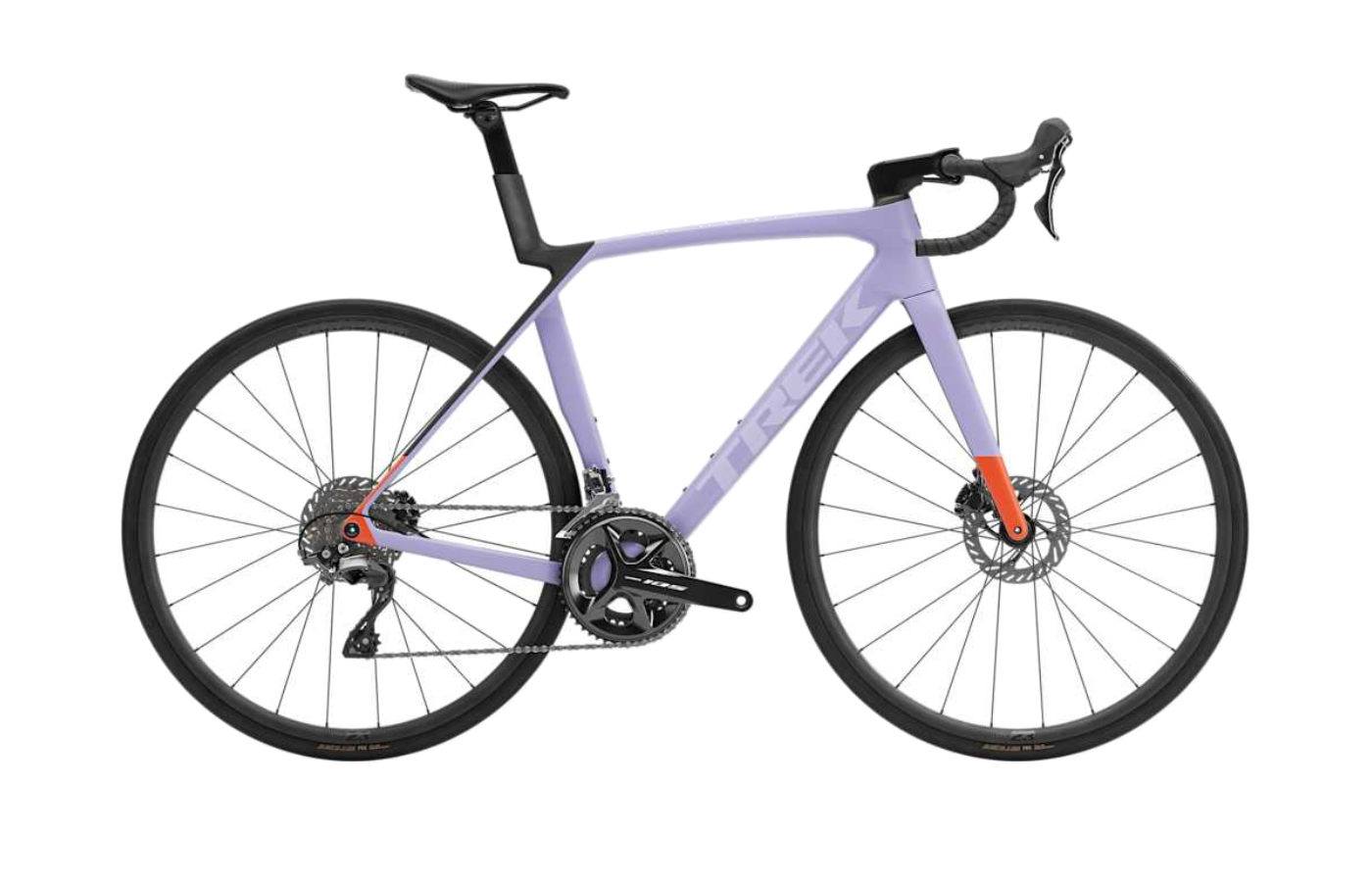
Madone
Trek's aero-race flagship with the IsoFlow seatpost cutout — claims S5-rivalling drag with a built-in compliance trick. The closest competitor that's trying to be both fast and forgiving.
Compare →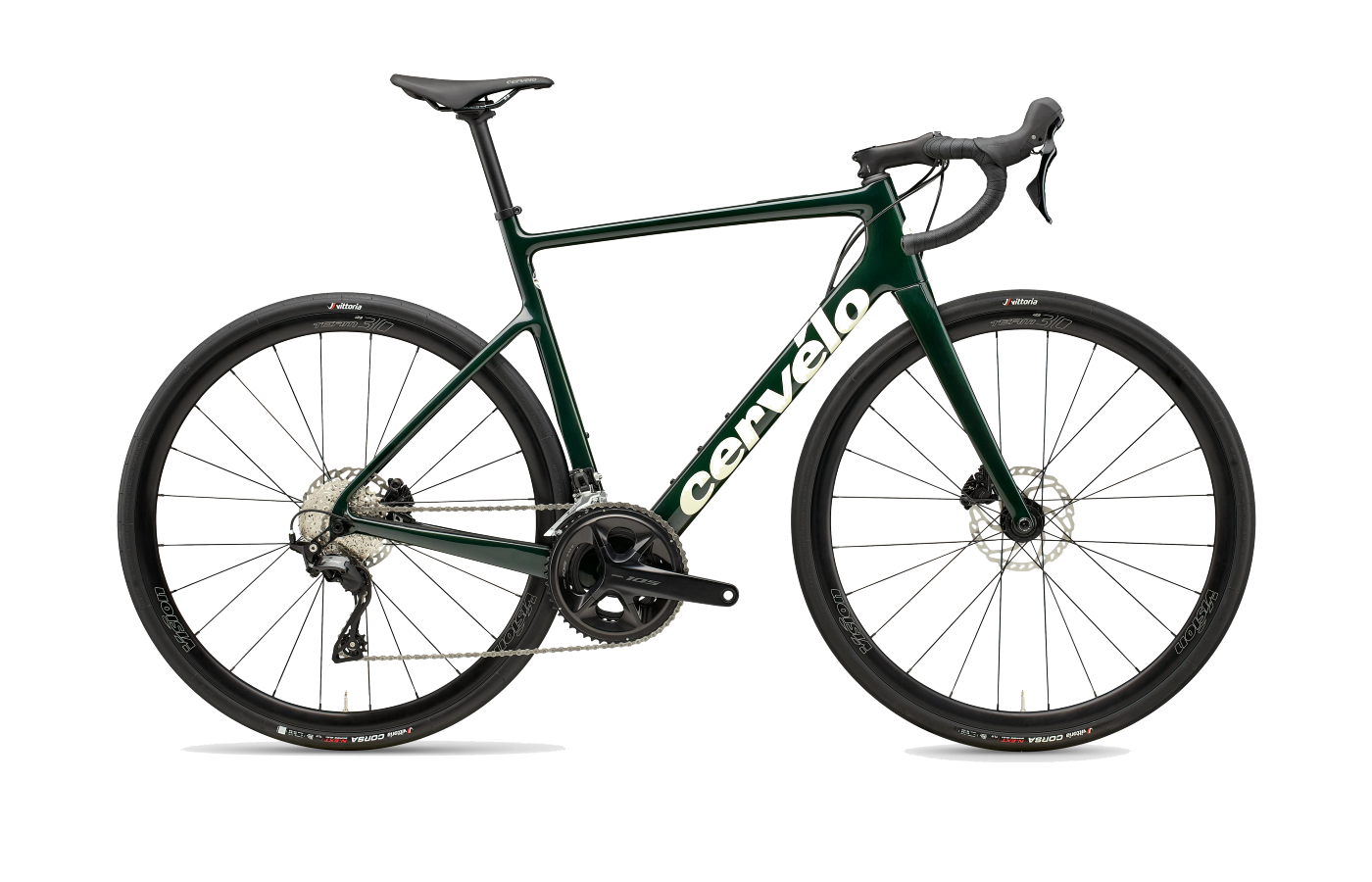
Caledonia
Cervélo's all-road sibling — same brand, same Reserve wheel philosophy, but with endurance geometry and bigger tire clearance. Where you go if the Soloist's race position feels too aggressive.
Compare →