ZFS-5
vsBlur
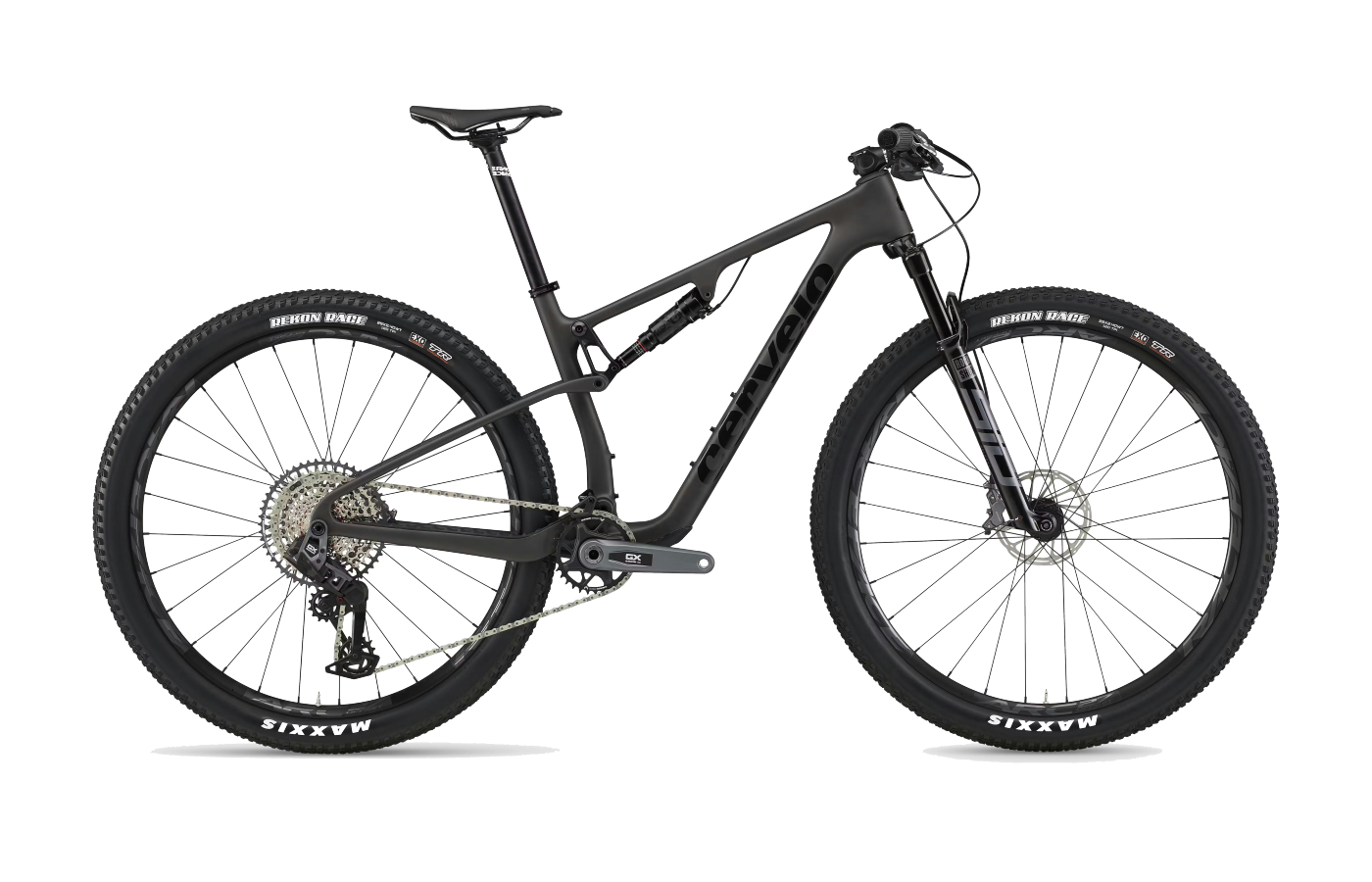
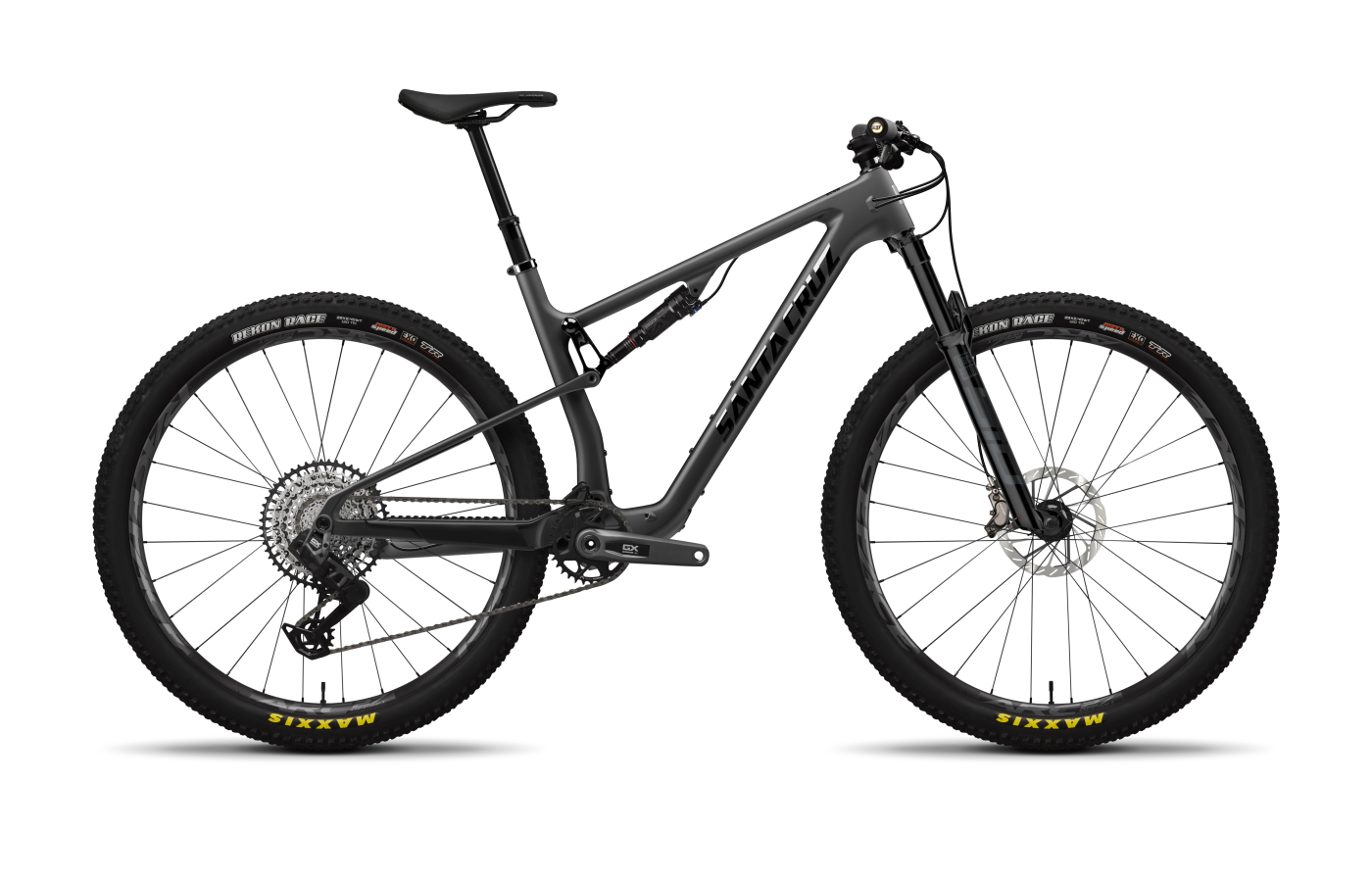
Two Pon-built XC bikes, two personalities.
The ZFS-5 is the gram-shaving racer's tool. The Blur is the marathon companion that mutes the trail.
ZFS-5
- Lighter frame — bare frame ~1,472 g, with shock ~1,718 g, roughly 100 g under the Blur per Flow Mountain Bike.
- Springy, poppy chassis — reviewers describe the carbon as 'sprightly and springy,' easy to unweight, eager to work the trail.
- Cheaper entry point — GX Eagle build starts at $5,000, the same Carbon C frame underneath as the $10,700 XX SL AXS.
- Headset cable routing makes bearing replacement and dropper installation painful service jobs.
- 100 mm race builds ship without a dropper post — a known $300+ aftermarket add.
Blur
- Dropper on every build — even the 100 mm XC race configs come with a Fox Transfer SL or Reverb AXS stock.
- Lifetime warranty covering the frame, pivot bearings, and Reserve rims — Santa Cruz's standard, no questions asked.
- Tube-in-tube internal routing — hoses run inside the frame, not through the headset, so home service is dramatically simpler.
- Heavier frame than the ZFS-5 — about 100 g more for an otherwise similar layout.
- Active rear suspension bobs on smooth climbs without the lockout engaged.
Editor’s analysis
Same parent company, same flex-stay layout, same Reserve wheels — and yet two genuinely different bikes once the timer starts.
Cervelo and Santa Cruz both sit under Pon Holdings, which is why the Cervelo ZFS-5 and Santa Cruz Blur look like cousins. Both run a single-pivot flex-stay rear end, both come stock with Reserve 28|XC carbon wheels on the higher builds, both have 2.4 in tire clearance, both are full carbon. They even share pivot hardware. But Cervelo went one direction with the platform and Santa Cruz went another, and the differences are bigger than the spec sheets suggest.
The Cervelo ZFS-5 is the lighter, sharper bike. The bare frame is claimed at 1,472 g and around 1,718 g with shock — Flow Mountain Bike pegs it as 'almost 100 grams lighter than the Santa Cruz Blur,' and Cervelo's road-bike composite expertise shows in the springy, damped frame feel reviewers consistently call out. The 100 mm race builds get a remote lockout and a 67.8 deg head angle for short-track aggression; the 120 mm builds slacken to 66.6 deg and pick up real descending composure. Headset cable routing is the price you pay for the silhouette — bearing service is a nightmare, and Mountain Bike Action calls installing a cable dropper 'almost completely disassembling the bike.'
The Santa Cruz Blur is the more dependable, more comfortable companion. Santa Cruz intentionally tuned anti-squat low so the rear wheel 'sucks itself to the ground' on technical climbs — Pinkbike timed it as the fastest singletrack climber in their field test, even though it bobs more on smooth fire roads without the lockout. The Blur ships with a dropper post on every build, including the 100 mm race configs. Cable routing runs through tube-in-tube internal sleeves rather than the headset, so home-mechanic life is dramatically simpler. And Santa Cruz's lifetime warranty covers the frame, the pivot bearings, and the Reserve rims.
Put another way: the Cervelo ZFS-5 is the bike for the racer who wants the lightest possible chassis and will tune the rest themselves. The Santa Cruz Blur is the bike for the marathon rider or weekend warrior who wants traction-rich climbing, a dropper out of the box, and a warranty that follows the bike for life.
Where the builds differ.
Comparing our editor's-pick builds side-by-side. Winners highlighted row-by-row — lower price and weight, and the better-spec component, each mark a point.
Build variants & pricing
The ZFS-5 spans $5,000 to $10,700 across four builds. The Blur spans $4,649 to $13,449 across eight builds, including a Flight Attendant flagship and dedicated Trail (115 mm) configurations.
Prices are current US MSRP. The Blur's lineup is roughly twice as deep as the ZFS-5's — Santa Cruz offers entry-level alloy-cockpit builds (90 Trail, 70 Trail) below where the Cervelo lineup starts, and a Flight Attendant range-topper above where it ends.
How they fit, how they steer.
Different size labels for the same 5'8" rider: the ZFS-5 fits best in L (469 mm reach), the Blur in M (438 mm reach). The Blur sits 0.7 deg slacker at the head tube (67.1 vs 67.8), with chainstays 4 mm shorter and wheelbase 23 mm shorter — it feels more compact and a touch slacker at fit-picked size.
Which size should I buy?
Size recommendations based on stack, reach, and effective top tube. The ZFS-5 runs longer reach numbers per size, so most riders end up one size smaller on the Cervelo than they'd pick on the Blur.
→These are starting points. Flexibility, riding style, and preferred position all shift the answer — if you’re between sizes, a professional fit beats a chart.
What the magazines said.
Published reviews from trusted cycling outlets. Click through for the full write-up.
Which one should you buy?
If you want the lightest possible XC frame and will spec your own dropper, get the Cervelo. If you want a dropper on every build and a lifetime warranty on the rims and bearings, get the Santa Cruz.
ZFS-5
If your priority is the lightest full-suspension frame you can buy without going boutique, and you're comfortable factoring in a dropper post and the headset-routing service tax, the ZFS-5 wins on the scale and on the start line. The 120 mm builds make it a real all-around XC bike too.
Blur
If you ride four-to-six-hour epics, value traction over a hardtail-stiff pedaling feel, and want a bike that arrives ready to ride with a dropper and a lifetime-warranty wheelset, the Blur is the more complete out-of-the-box package. The Trail builds extend it further into downcountry territory.
Questions buyers actually ask.
Short answers to the things we get emailed about most often.
01Which is lighter?
The Cervelo ZFS-5, by roughly 100 grams at the frame. Cervelo claims a bare frame of 1,472 g and ~1,718 g with shock; Santa Cruz publishes 1,933 g for a size L Blur frame with shock and hardware. Flow Mountain Bike's review summarizes the gap as 'almost 100 grams lighter than the Santa Cruz Blur.'
At comparable build kits, complete-bike weights are also in the ZFS-5's favor — the 100 mm XX SL AXS Cervelo comes in just over 10.5 kg, while the Blur XX AXS FA RSV is listed at 11.38 kg (with the heavier Flight Attendant suspension).
02Which climbs better on technical terrain?
Reviewers generally give the edge to the Santa Cruz Blur on rooty, technical climbs. Santa Cruz intentionally tuned the Blur with lower anti-squat than most XC bikes, so the rear wheel stays planted over stepped roots — Pinkbike's Henry Quinney recorded it as the fastest singletrack climber in their field test for exactly this reason.
The Cervelo ZFS-5 is the better smooth-climb and short-track bike: the 100 mm race builds have a firmer pedaling platform and a remote lockout, and the springy frame rewards out-of-the-saddle attacks. Pick by terrain — janky climbs favor the Blur, smooth fire roads favor the ZFS-5.
03Do they ship with a dropper post?
Santa Cruz Blur: yes, on every build — including the 100 mm XC race configs. The flagship CC builds get a Fox Transfer SL; lower builds get a Reverb AXS or similar.
Cervelo ZFS-5: no, not on the 100 mm race builds. All four ZFS-5 builds shown here are 100 mm XC configs and ship with a rigid carbon post. Mountain Bike Action called the omission 'a big handicap' for modern technical racing. Cervelo's 120 mm builds (sold separately, not in this comparison's table) do include a dropper.
04What's the maximum tire clearance?
Both frames clear up to a 2.4 in (61 mm) tire, and both ship with Maxxis Rekon Race 29x2.4 EXO 120 TPI rubber stock. Neither has room for a true 2.5 in or wider tire if you want to push toward downcountry.
In practice the Blur's slightly slacker head angle (67.1 deg vs 67.8 deg on the ZFS-5 L) gives it a touch more room for a meatier front tire without the wheel approaching the down tube under bottom-out.
05How serviceable is the cable routing?
The ZFS-5 routes brake hose and lockout cable through the upper headset. It looks clean, but bearing replacement requires disconnecting and re-bleeding the rear brake. Mountain Bike Action described installing a cable-actuated dropper as 'almost completely disassembling the bike.'
The Blur uses tube-in-tube internal routing — hoses pass through plastic sleeves inside the frame, with no headset involvement. Most reviewers cite it as a major quality-of-life advantage for home mechanics.
06What's covered under warranty?
Santa Cruz offers a lifetime warranty on the frame, the pivot bearings, and the Reserve rims (covering accidental crash damage). It's industry-leading and frequently cited as a primary justification for the Blur's premium price.
Cervelo offers a lifetime frame warranty to the original owner. The Reserve rims spec'd on higher ZFS-5 builds carry the same Reserve lifetime warranty as those on the Blur — they're the same wheels, made by the same Pon-owned brand.
07Why do they look so similar?
Because they share a parent company. Both Cervelo and Santa Cruz are owned by Pon Holdings, which is why you'll find the same flex-stay single-pivot layout, the same pivot hardware, and the same Reserve 28|XC wheels across both lineups.
The ZFS-5 is not a rebadged Blur, however. Cervelo's frame uses a different layup (lighter, ~100 g less), runs more progressive geometry on the 120 mm config (66.6 deg head angle vs 67.1 deg on the Blur TR), and has its own cable routing and standards. Think shared parts bin, not shared mold.
08Which has the deeper build range?
The Blur, comfortably. Santa Cruz lists eight builds from $4,649 (70 Trail, alloy cockpit, mechanical-feel SRAM 70 drivetrain) up to $13,449 (XX AXS FA RSV with Flight Attendant). Both Carbon C and Carbon CC frame grades are available.
The ZFS-5 has four builds from $5,000 (GX Eagle mechanical) up to $10,700 (XX SL AXS), all on the same Carbon C frame. There's no Flight Attendant option, and the entry point is $400 higher than the Blur's.
Similar bikes
If your priorities don’t map cleanly onto either of these, one of these adjacent bikes probably fits better.
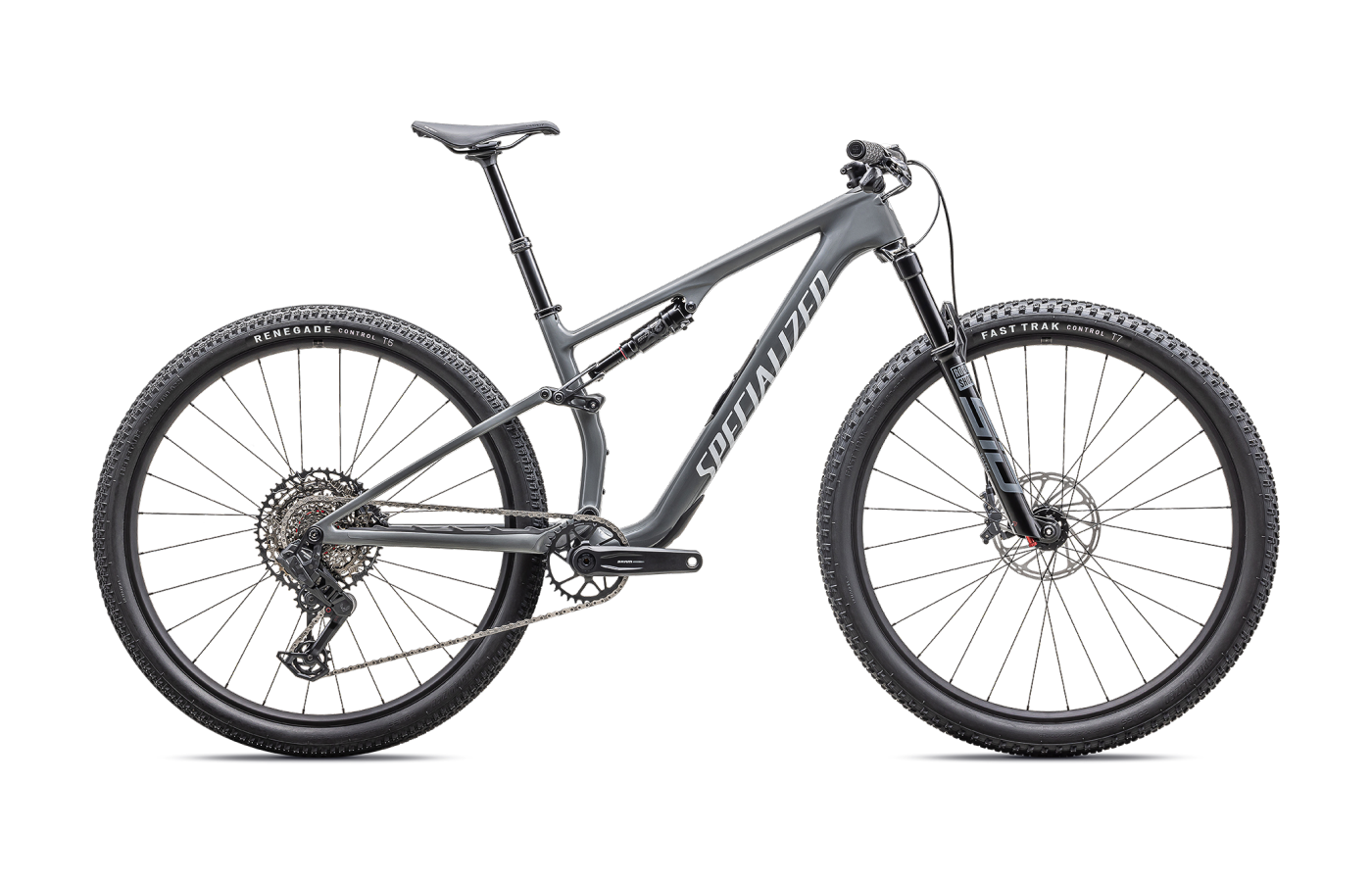
Epic
The benchmark XC race bike for riders who find the Blur's suspension too active. Specialized's Brain damper firms the rear end automatically when the trail goes smooth — a different solution to the same anti-bob problem these two answer with a remote lockout.
Compare →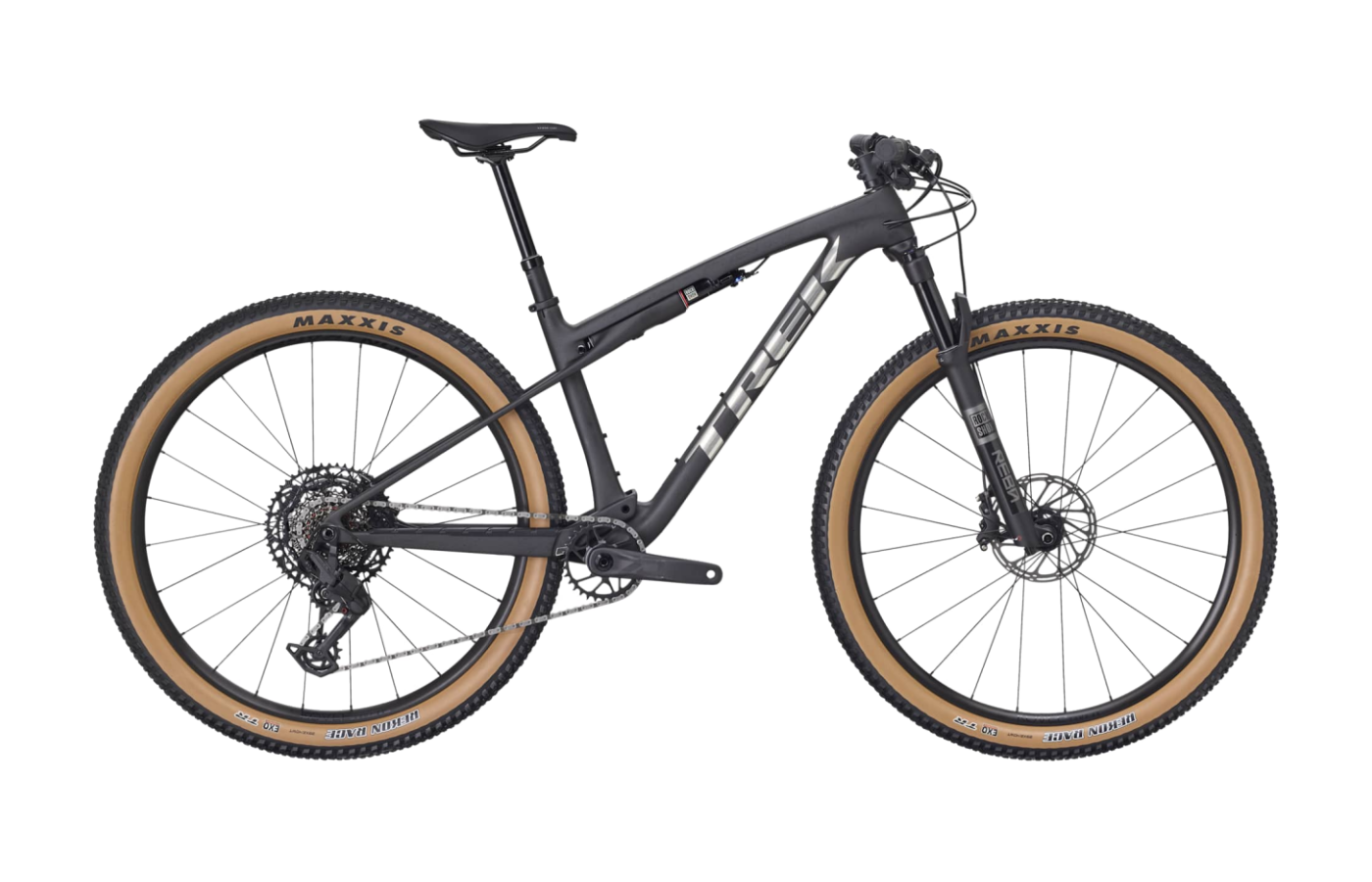
Supercaliber
If 100 mm of rear travel still feels like too much for your local short-track courses, the Supercaliber's IsoStrut 80 mm design splits the difference between full-suspension and hardtail. Lighter, more efficient on smooth ground, harder work on rough.
Compare →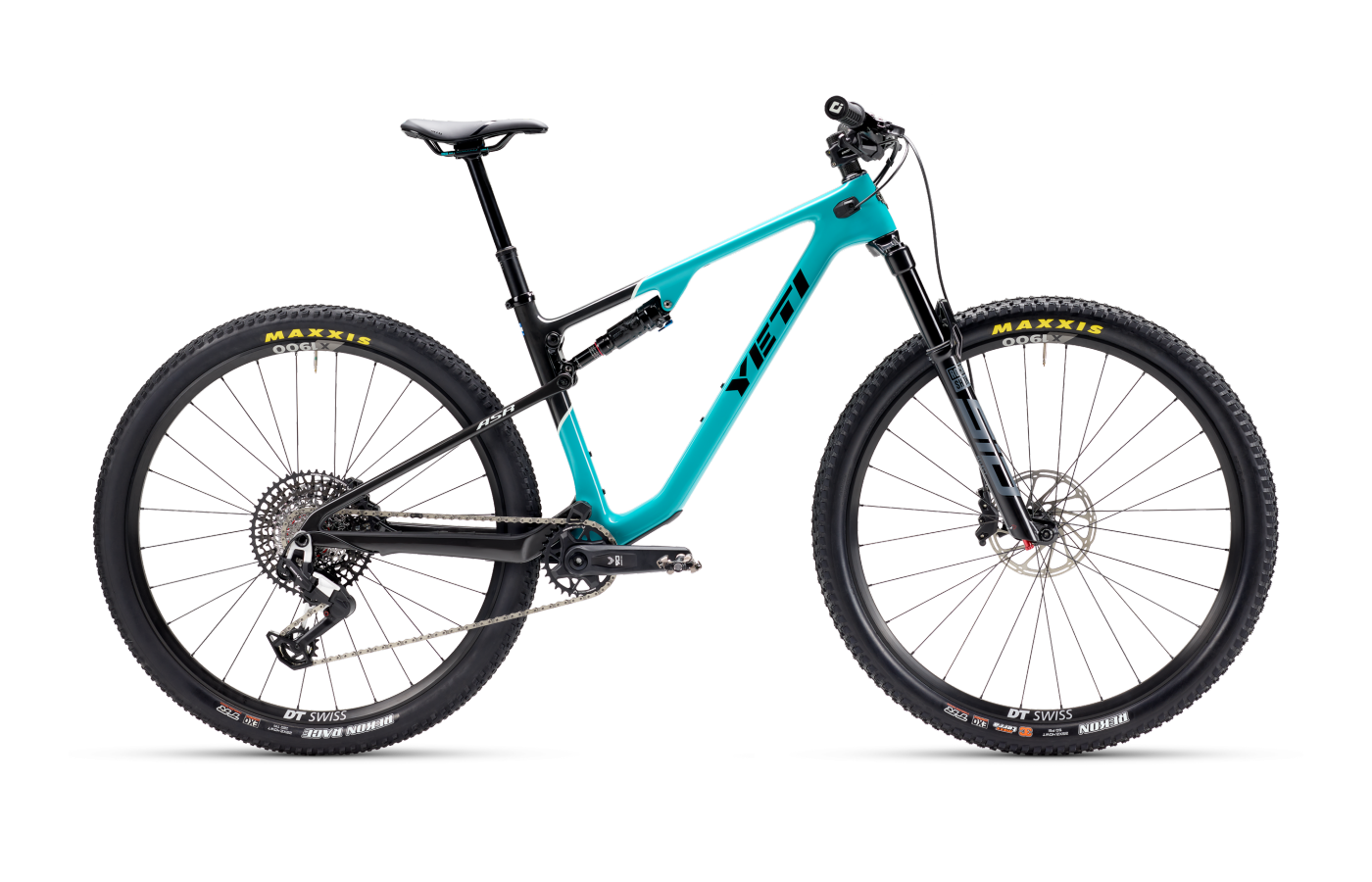
ASR
Yeti's spiritual ancestor of the modern flex-stay single pivot — an ultra-light XC chassis that competes head-to-head with the ZFS-5 on frame mass. Pricier and less common at retail, but the kinematics are closer than anything else on this list.
Compare →