V4Rs
vsDogma F
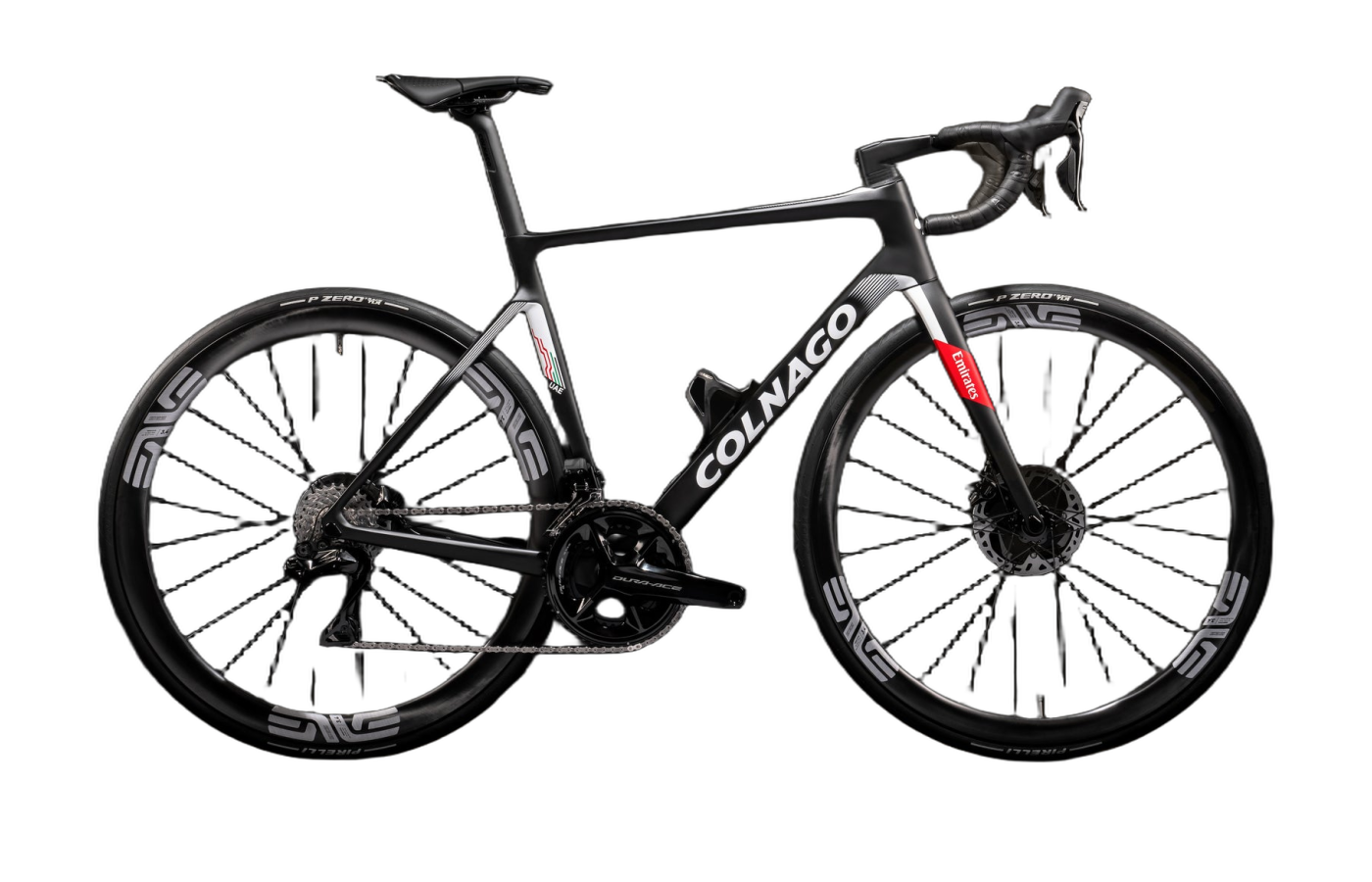
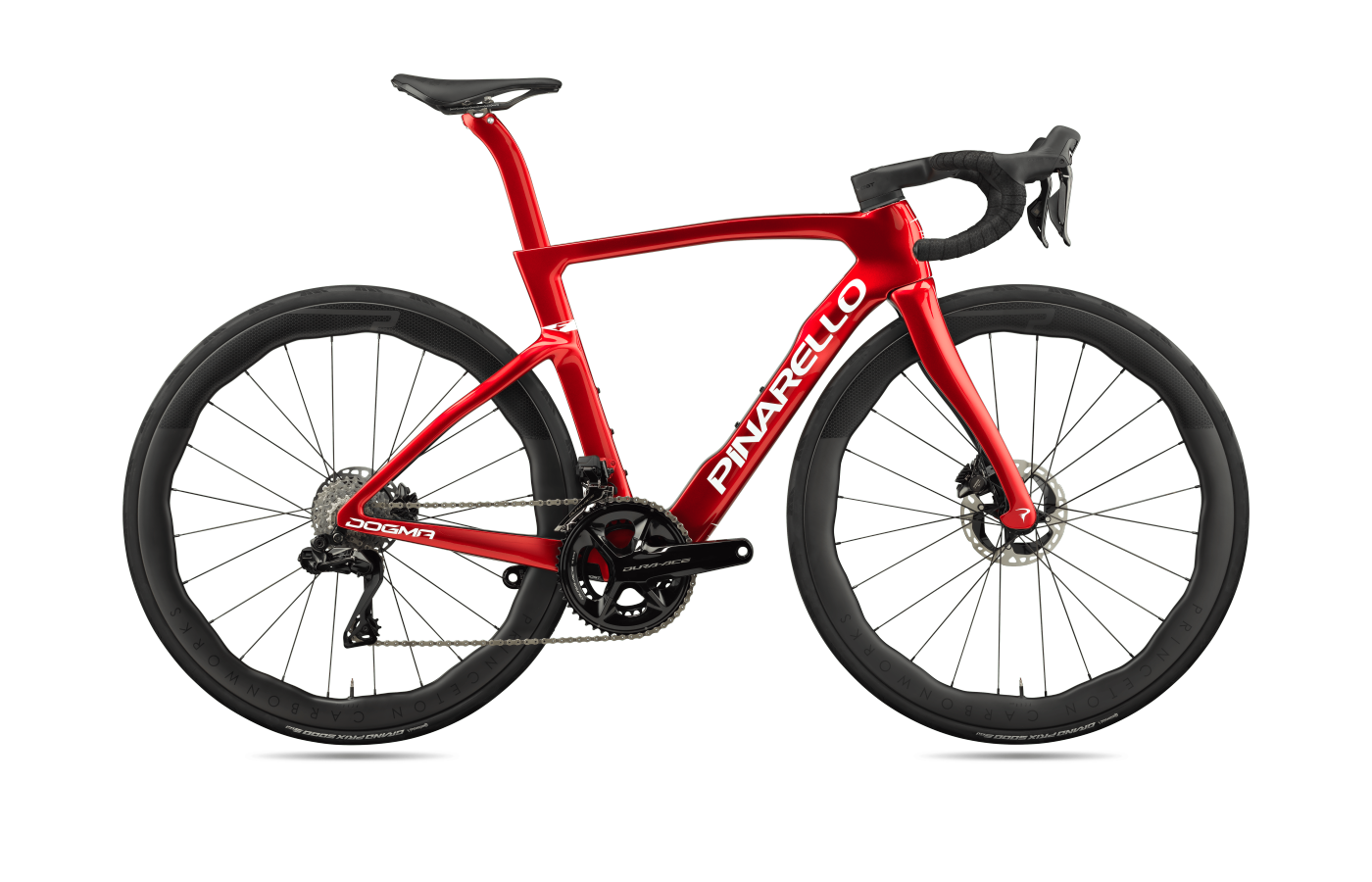
Two Italian flagships, two ways to win.
The Colnago V4Rs is a stiff, on-rails climber's race bike that opens at $7,000. The Pinarello Dogma F is a single-spec superbike priced like a status symbol.
V4Rs
- Real entry point at $7,000 — Force AXS build undercuts every Dogma F by more than half.
- Surefooted at speed — slacker 71.5 degree HTA and 408 mm chainstays make the V4Rs a confidence machine on fast descents.
- T47 threaded BB and lifetime CeramicSpeed headset — easier long-term ownership than the Pinarello.
- Heavier than the Dogma F at equivalent build (~7.2 kg vs 6.77 kg).
- Reviewers describe the steering as 'dulled' at low speeds — it wakes up only when you ride it hard.
Dogma F
- Lightest in the comparison — claimed 6.77 kg in size 53 with Dura-Ace Di2 and Princeton Peak 4550 wheels.
- Best-in-class handling — Rouleur called it 'the best handling of any bike I've ridden in recent memory,' thanks to the longer 47 mm fork rake.
- Top-shelf spec everywhere — Princeton CarbonWorks wheels, Continental GP5000 S TR tires, MOST Talon Ultra Fast cockpit; nothing left on the table.
- Single price point at $15,750 — no Ultegra, no Rival, no entry into the platform.
- Switched from CeramicSpeed SLT to a sealed-bearing aluminum headset for 2025 — a downgrade reviewers flagged given the integrated cable routing.
Editor’s analysis
Same country, same WorldTour pedigree, opposite buying decisions — one platform meets you at $7k, the other shows up at $15,750 and doesn't budge.
Both of these bikes have already won Grand Tours in the last two seasons — the Colnago V4Rs under Tadej Pogacar at UAE, the Pinarello Dogma F under Ineos Grenadiers. Both are monocoque carbon flagships built around fully integrated cockpits, tubeless 28 mm tires, and electronic-only drivetrains. From across the parking lot, they look like the same bike with different paint.
Spend time on the spec sheet and the divergence is instant. The Colnago V4Rs ships in five builds spanning $7,000 (Force AXS) to $12,500 (Campagnolo Super Record WRL), with mid-tier Ultegra Di2 and one-down Force options for buyers who don't want to spend supercar money on a bike. The Pinarello Dogma F ships in exactly two builds — Dura-Ace Di2 and SRAM Red eTap AXS — both at $15,750. There is no cheaper way in. Pinarello is explicit that the Dogma is sold to a 'incredibly exclusive' demographic, and the price reflects that.
Geometry separates them next. At our compared sizes (Colnago 485, Pinarello 510 — the fit-picked size for a 5'8" rider on each), reach lands within 2 mm of each other (383 vs 385) but the Pinarello sits 12 mm taller in stack and runs a 1.3-degree steeper head tube. The Colnago V4Rs's slacker 71.5-degree front end produces a longer trail figure that reviewers consistently call 'unerringly poised' on fast descents — David Arthur at Just Ride Bikes called descending its 'favourite feature.' The Pinarello's 72.8-degree HTA paired with its 47 mm fork rake is the inverse strategy — short trail for whip-sharp low-speed turn-in, with a longer wheelbase to keep things planted at 70 km/h.
And then there's the weight gap. The Pinarello Dogma F Dura-Ace Di2 is claimed at 6.77 kg in size 53 with Princeton Peak 4550 wheels. Independent test weights of the equivalent Colnago V4Rs Dura-Ace Di2 build land around 7.15–7.24 kg — a ~400 gram delta. On a 30-minute climb that's worth roughly 5–8 seconds for a 70 kg rider. Not decisive, but the Pinarello earns its lighter number with no-compromise components and a price that reflects them.
Where the builds differ.
Comparing our editor's-pick builds side-by-side. Winners highlighted row-by-row — lower price and weight, and the better-spec component, each mark a point.
Build variants & pricing
The Colnago V4Rs ships in five builds from $7,000 to $12,500. The Pinarello Dogma F ships in two builds, both at $15,750.
Pinarello does not sell the Dogma F below Dura-Ace Di2 / SRAM Red — the cheapest Dogma F is more than twice the cheapest Colnago V4Rs. We've matched both editor's picks at Dura-Ace Di2 to keep the spec table apples-to-apples; the $3,750 platform price gap is real and worth knowing.
How they fit, how they steer.
Reach is nearly identical (Colnago 383 mm, Pinarello 385 mm), but the Pinarello sits 12 mm taller in stack and runs a 1.3 degree steeper head tube. Chainstays match at 408 mm.
Which size should I buy?
Colnago labels its sizes by seat tube length in mm (420–570). Pinarello uses the same convention (425–600) with eleven sizes versus the Colnago's seven.
→These are starting points. Flexibility, riding style, and preferred position all shift the answer — if you’re between sizes, a professional fit beats a chart.
What the magazines said.
Published reviews from trusted cycling outlets. Click through for the full write-up.
Which one should you buy?
If you want WorldTour pedigree without the WorldTour invoice, get the Colnago. If price isn't a constraint and you want the lightest, sharpest-handling all-rounder in the segment, get the Pinarello.
V4Rs
If you want a Pogacar-grade race bike but you'd rather start at $7,000 (Force AXS) or $8,500 (Ultegra Di2) than $15,750, the V4Rs is the only Italian flagship that meets you there. Fast, stable on descents, and serviceable in the long term thanks to the T47 BB.
Dogma F
If your budget is open and you want the lightest, sharpest-handling Italian superbike with the most decorated palmares in modern road racing, this is it. The 47 mm fork rake delivers the segment's best-rated handling, full stop.
Questions buyers actually ask.
Short answers to the things we get emailed about most often.
01Which is lighter?
The Pinarello Dogma F, by a meaningful margin. Pinarello claims 6.77 kg for the Dura-Ace Di2 build in size 53 (with Princeton Peak 4550 wheels, no pedals, no bottles). Independent test weights of the equivalent Colnago V4Rs Dura-Ace Di2 build land around 7.15–7.24 kg — roughly a 400 gram gap.
On a 30-minute climb, 400 g is worth somewhere in the neighborhood of 5–8 seconds for a 70 kg rider. Not huge, but real.
02Which handles better?
Reviewers give the edge to the Pinarello Dogma F. Rouleur called it 'the best handling of any bike I've ridden in recent memory,' attributing it to Pinarello's increase in fork rake from 43 mm to 47 mm — which shortens trail for sharp low-speed turn-in while the longer wheelbase keeps the bike planted at high speed.
The Colnago V4Rs isn't beaten so much as different. Its slacker 71.5 degree head angle produces a longer trail figure that reviewers describe as 'unerringly poised' on fast descents and 'on rails' through high-speed corners. At low speeds, multiple reviewers found the V4Rs's steering 'dulled' or 'slow' — it rewards aggressive riding more than the Pinarello does.
03What's the maximum tire clearance?
Colnago V4Rs: 30 mm officially per Colnago's published spec, though several reviewers have measured 32 mm of clearance and run wider tires without issue.
Pinarello Dogma F: 30 mm officially. BikeRadar specifically called this out as 'less generous than rivals' (Tarmac SL8 at 32 mm, Cervelo S5 at 34 mm).
Neither is a gravel bike, and both ship stock with 28 mm Continental GP5000 S TR or Pirelli P Zero Race rubber.
04Why is the Pinarello so much more expensive?
Pinarello sells the Dogma F at a single tier — Dura-Ace Di2 or SRAM Red eTap AXS, both $15,750 — and pairs it with Princeton CarbonWorks Peak 4550 wheels (BikeRadar estimates the wheels alone account for roughly a third of the bike's price). There is no Ultegra build, no 105 build, no value entry point.
Colnago sells the V4Rs across five tiers from $7,000 (Force AXS) to $12,500 (Campagnolo Super Record WRL). At the Dura-Ace Di2 tier, the Colnago is $12,000 and the Pinarello is $15,750 — a $3,750 platform premium that buys you the Princeton wheels, the lighter frame, and the badge.
05Are they both wireless / electronic only?
Effectively, yes. The Pinarello Dogma F ships only with Shimano Dura-Ace Di2 or SRAM Red eTap AXS — both wireless / electronic shifting. The Colnago V4Rs is sold with Dura-Ace Di2, Ultegra Di2, Force AXS, Red AXS, or Campagnolo Super Record WRL — all electronic. Neither frame is set up for cable-shift mechanical drivetrains.
06Which is easier to live with long-term?
The Colnago V4Rs, modestly. It runs a T47 threaded bottom bracket (no creak issues, easy to service) and ships with a CeramicSpeed SLT solid-lubrication 'lifetime' headset that's specifically designed to survive the dirt-and-water ingress that kills most integrated-cable headsets.
The Pinarello Dogma F kept its Italian threaded BB (also creak-resistant), but for 2025 swapped the previous CeramicSpeed SLT headset for a sealed-bearing aluminum unit. BikeRadar flagged this as a meaningful regression given how disruptive a headset replacement is on an integrated-cable frame.
07Can I buy either with a power meter included?
Colnago V4Rs: the higher Dura-Ace Di2 and Campagnolo Super Record WRL builds typically include the OEM crank-based power meter. Confirm with your dealer — Colnago varies the spec by region.
Pinarello Dogma F: at this price point reviewers (notably BikeRadar) called out the absence of a power meter as a glaring omission — the lower-tier Pinarello F-series and several similarly-priced competitors include one. Budget another $700–$1,200 if you need one.
08Which has been winning more races?
Both are active WorldTour winners. The Colnago V4Rs has been Tadej Pogacar's race bike at UAE Team Emirates — multiple Tour de France stages, Monuments, and a Tour GC win during the V4Rs era. The Pinarello Dogma F is Ineos Grenadiers' race bike with a deep historical palmares (Pinarello has more all-time Tour de France wins than any other brand) and continues to take stage and classics victories.
If you're picking by who's winning right now, the V4Rs has the hotter recent record. If you're picking by all-time pedigree, the Dogma platform is unmatched.
Similar bikes
If your priorities don’t map cleanly onto either of these, one of these adjacent bikes probably fits better.
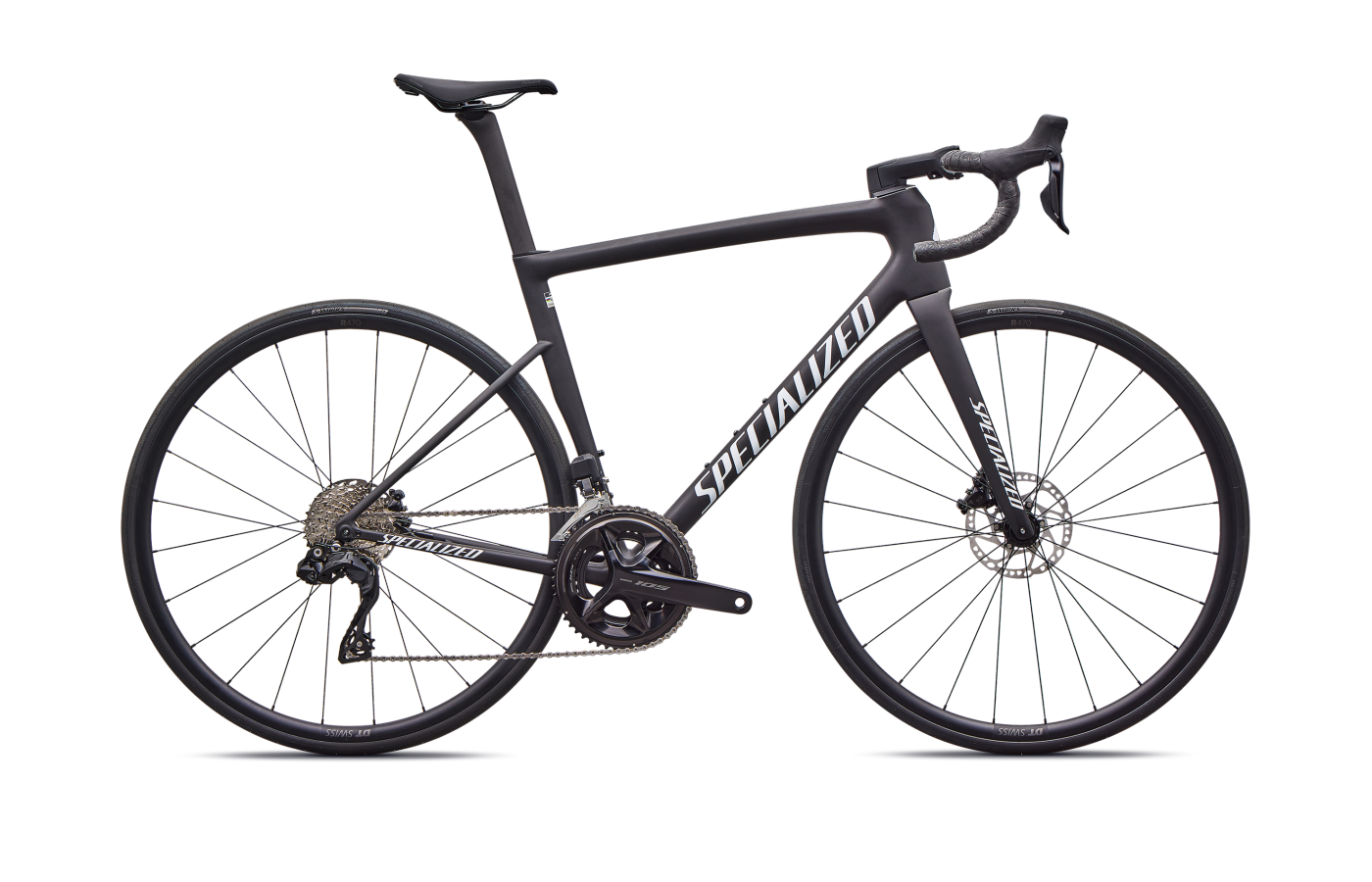
Tarmac
The Specialized Tarmac SL8 is the all-rounder benchmark — lighter than the Colnago, cheaper at every tier, and S-Works flagship comes in below the Dogma F. If pure performance-per-dollar matters, this is the spoiler.
Compare →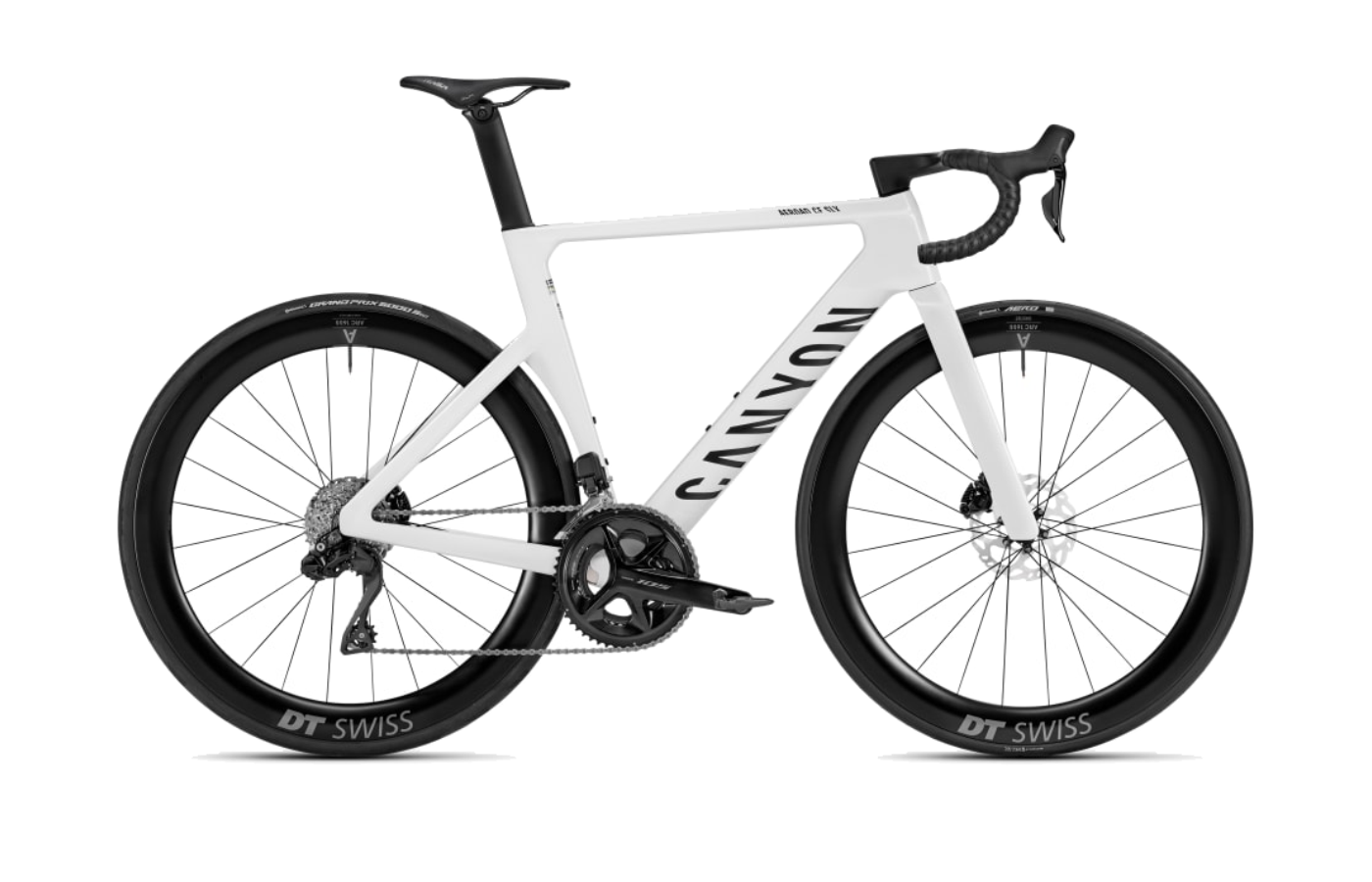
Aeroad
The Canyon Aeroad delivers near-superbike aero numbers at roughly 30% off the Italian price. Direct-to-consumer, so no dealer demo — best if you already know your fit.
Compare →Filante SLR
The Wilier Filante SLR is the other Italian rival in the conversation — cleaner aero focus than the Colnago and a lighter frame than the Pinarello, with a more traditional silhouette.
Compare →