Troy
vsSentinel
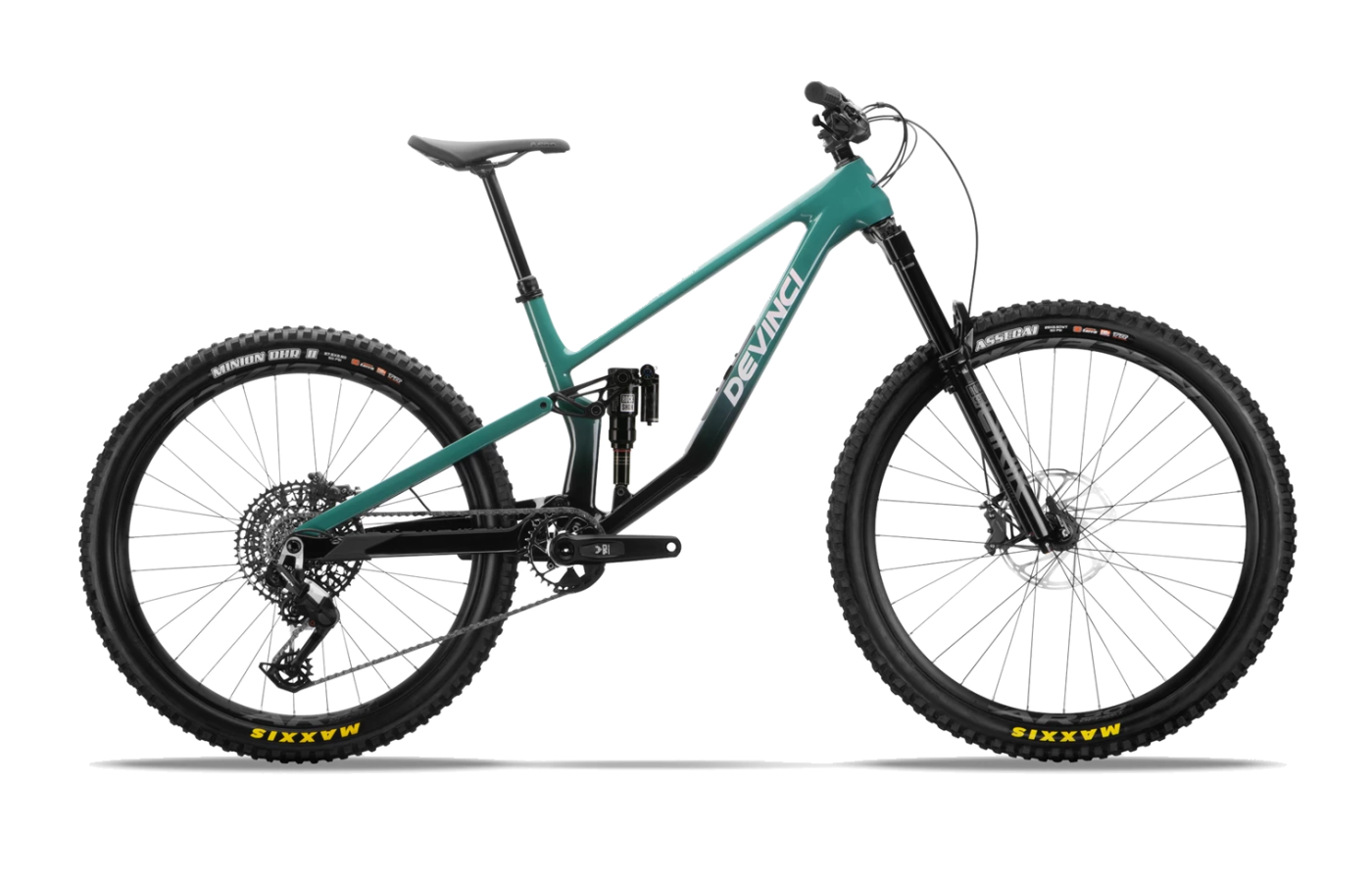
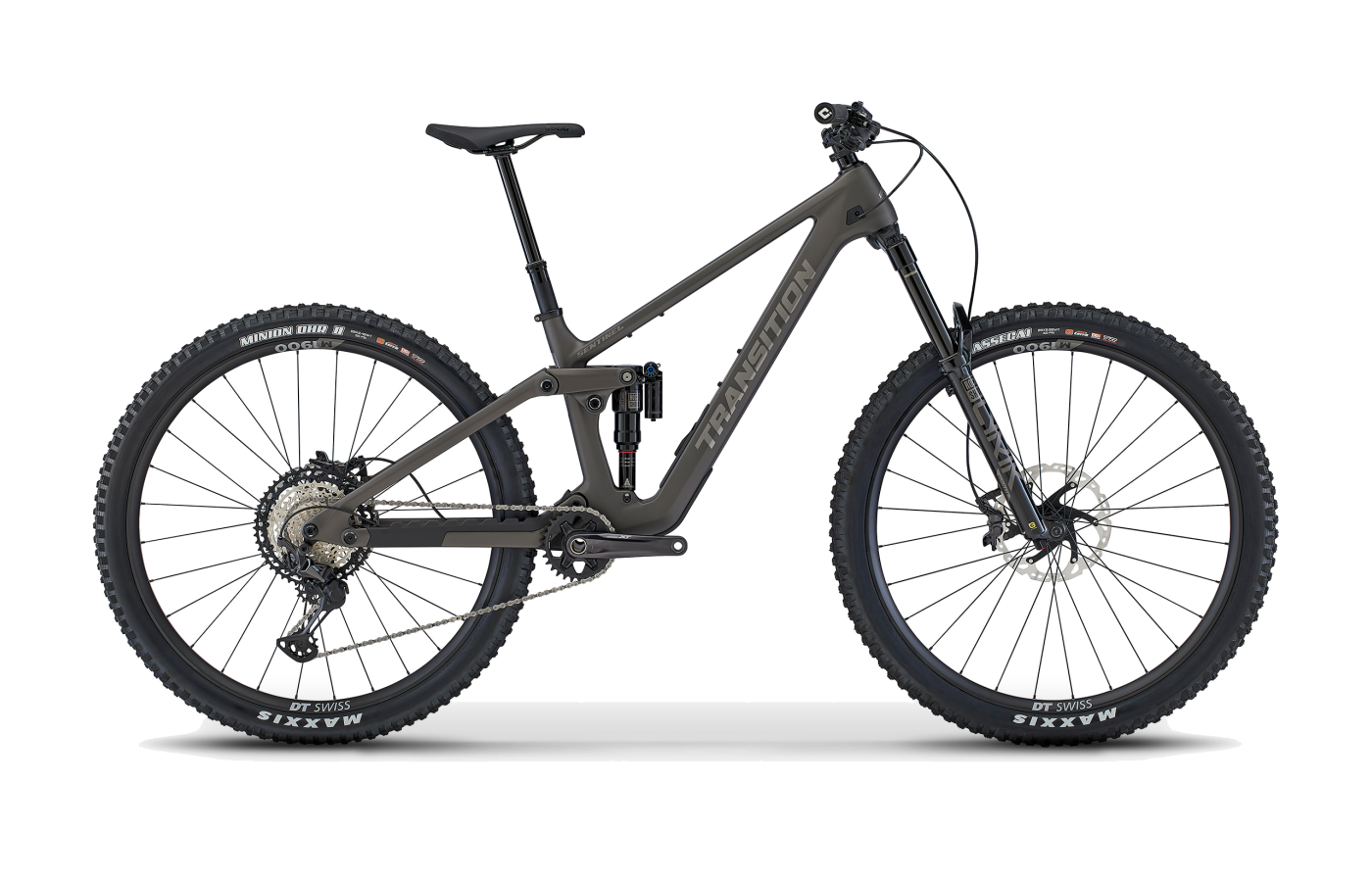
Two 150 mm trail bikes, two personalities.
The Troy is the calm, composed quiver killer. The Sentinel is the energetic, BMX-flavored rowdy one — same travel, very different feel.
Troy
- Composed, intuitive ride — reviewers reach for "calm," "planted," and "quiver killer" almost universally.
- Aggressive carbon pricing — Freehub notes the carbon frame is only ~$350 more than alloy at equivalent build, well below the industry norm.
- Shorter chainstays on smaller frames — 432 mm on S/M makes the mixed-wheel setup quick through tight berms.
- Stock suspension tune skews linear — many testers added volume spacers or ran higher pressures.
- Devinci voids the warranty on a 170 mm fork upgrade, capping how aggressive you can take the platform.
Sentinel
- Energetic, poppy character — refined GiddyUp kinematics ride high in the travel and reward an active rider.
- Wider build range — $3,499 to $9,999, including a true budget alloy Deore and an XTR Di2 flagship the Troy lineup doesn't match.
- Six frame sizes (XS–XXL) — Troy stops at four (S–XL), so very small and very large riders have more room.
- Stock RockShox Super Deluxe Ultimate compression tune is widely criticized as too light — budget for a re-tune.
- 350 mm BB feels less grounded in fast machine-built berms than lower-slung competitors.
Editor’s analysis
Same 64-degree head angle, same 150 mm rear / 160 mm front travel — and almost nothing else feels alike on the trail.
On a spec sheet the Devinci Troy and Transition Sentinel look like twins. Both run a 64-degree head tube angle, both pair 150 mm of rear travel with a 160 mm fork, both ship with Maxxis Assegai/DHR II and a flip-chip for swapping between mullet and 29er. Both even land within $500 of each other at the Eagle 90 build tier. Read the reviews, though, and the consensus is that they ride almost nothing alike.
The Devinci Troy is the calmer animal. Its Split Pivot suspension is praised across reviews for an initially soft, sensitive feel that smooths small chatter, then ramps into a supportive mid-stroke that resists wallowing. Pinkbike, Bike Rumor, and The Loam Wolf all reach for the same word — "composed" — and the bike's mixed-wheel default plus short 432 mm chainstays (S/M) make it feel agile in tight corners without ever getting nervous at speed. It's the bike that rewards a smooth pilot and gets out of the way of riding style rather than imposing one.
The Transition Sentinel is the louder one. Transition rebuilt the GiddyUp kinematics for V3 to ride higher in its travel, and reviewers — Blister, Singletracks, Bicycling — describe it with words like "poppy," "BMX-ish," and "sharper." The 350 mm static bottom bracket is unusually high for the segment; it clears chunky rock and roots beautifully but makes the bike feel less buried in fast bermed corners. Push energy into it and it pops; ride it passively and it can feel busy. There's also a near-universal critique of the stock Super Deluxe Ultimate compression tune as "bizarrely light," with multiple testers finding the bike improved dramatically with a re-tune or stiffer shock.
Put another way: the Troy is the bike for riders who want a calm, capable do-it-all that disappears underneath them. The Sentinel is for riders who want a bike that talks back — one that demands input and rewards a dynamic, playful style. Same category on paper. Different commitment in person.
Where the builds differ.
Comparing our editor's-pick builds side-by-side. Winners highlighted row-by-row — lower price and weight, and the better-spec component, each mark a point.
Build variants & pricing
Both range from sub-$3.5k entry builds up through carbon flagships. The Sentinel ceiling is roughly $2.5k higher; the Troy's carbon-to-alloy upcharge is the lowest in the segment.
Editor's picks here are the Carbon Eagle 90 builds on each side ($6,199 Troy vs $6,699 Sentinel) — same drivetrain, same RockShox Lyrik / Super Deluxe tier, same carbon frame, ~$500 apart. It's the cleanest apples-to-apples comparison in the lineups.
How they fit, how they steer.
Reach is close (Troy 460 mm at M, Sentinel 455 mm at MD) and head angles are identical at 64°. The Sentinel's seat tube is 1.1° steeper (78.9° vs 77.8°), pulling the top tube 17 mm shorter for a more upright seated position; chainstays are 7 mm longer on the Sentinel.
Which size should I buy?
Sizing labels differ (S/M/L/XL on the Troy, XS–XXL on the Sentinel) but the middle of each range overlaps closely. The Sentinel extends further at both ends of the size spectrum.
→These are starting points. Flexibility, riding style, and preferred position all shift the answer — if you’re between sizes, a professional fit beats a chart.
What the magazines said.
Published reviews from trusted cycling outlets. Click through for the full write-up.
Which one should you buy?
If you want a calm, composed do-it-all that just works, get the Troy. If you want a poppy, energetic bike that rewards an active rider, get the Sentinel.
Troy
If you want a bike that gets out of the way and lets you ride — long backcountry days, technical descents, the occasional bike park lap — the Troy is the safer, calmer pick. Made-in-Canada frame, lifetime warranty, and a suspension platform that reviewers describe as effortless once dialed.
Sentinel
If you ride playfully — popping off every roller, pumping every transition, looking for side-hits — the Sentinel rewards the input. The high BB clears chunky rock terrain better than almost anything in class. Just plan on a shock re-tune if you're heavier or more aggressive.
Questions buyers actually ask.
Short answers to the things we get emailed about most often.
01Which one descends better?
Both are highly capable, but they get there differently. The Troy feels more planted and composed — multiple reviewers describe it as "calm" and "sure-footed" through rough, fast sections, with a Split Pivot rear that ramps progressively once you add a volume spacer. The Sentinel feels poppier and more energetic, with a stiffer one-piece rocker link and a higher BB that aids ground clearance.
If you favor smoothness and composure, the Troy. If you favor liveliness and an active style, the Sentinel.
02Which climbs better?
On paper the Sentinel has the steeper seat tube (78.9° MD vs 77.8° M on the Troy), which puts the rider in a more upright position for technical ascents. Reviewers found it "rides lighter than the scale suggests" and praised the seated climbing position.
In practice, the Troy climbs about as well thanks to its anti-squat — Bike Rumor's tester left the shock wide open all the time. The Sentinel can exhibit more pedal bob out of the saddle; the Troy stays more neutral. Both benefit from the climb switch on long fire road grinds.
03What's the deal with the Sentinel's stock shock tune?
It's the most-criticized component on either bike. Multiple expert testers — Blister, Pinkbike, NSMB — found the stock RockShox Super Deluxe Ultimate compression tune to be "bizarrely light," with the bike blowing through its mid-stroke on square-edged hits even with adjustments maxed out.
The fix is a re-tune (often closing the compression circuits, or a custom tune from a suspension shop) or swapping to a firmer shock. Reviewers called the change "transformative." If you're a heavier or more aggressive rider, budget for it.
04Mullet or full 29er?
Troy: ships as a mullet (29" front / 27.5" rear). The flip-chip lets you go full 29" if you prefer the larger contact patch and stability — Pinkbike's Mike Kazimer recommended the 29" setup for an all-rounder build.
Sentinel: ships as a full 29er. The flip-chip lets you go mullet, which several reviewers (Blister, Awesome MTB) called the bike's handling sweet spot — it lowers the BB by 6 mm and slacks the head angle to 63.6°, addressing the "high-and-loose" feel of the stock 29er setup.
05How do the build ranges compare?
Devinci Troy: $3,199 (Deore) to $7,499 (Carbon GX AXS T-Type) — seven builds, no flagship XX-tier option.
Transition Sentinel: $3,499 (Alloy Deore) to $9,999 (Carbon XTR Di2) — nine builds, including the only XTR Di2 wireless build in the comparison and three sub-$5k options.
If you want the highest ceiling, the Sentinel goes further. If you want the lowest carbon entry, the Troy's carbon Eagle 90 at $6,199 is exceptional value — Freehub flagged the carbon-vs-alloy upcharge of just ~$350 as the best dollar-per-pound-saved ratio in the segment.
06Frame storage?
Both have it. The Troy's SHED lives in the downtube with a side-entry water bottle cage built into the door — clever, but you'll often need to pull the bottle to access the storage on the smallest frame sizes.
The Sentinel's BOOM Box (carbon only — alloy frames don't get it) decouples the storage hatch from the bottle mount, so you can grab tools without removing your water. Reviewers generally preferred the Sentinel's execution. Bicycling did note water leaking past the door seal during a wash.
07Tire clearance?
Sentinel: 63.5 mm published. Pinkbike noted the rear clearance for a 2.4" Maxxis DHR II is "abysmal" or "somewhat tight" — a few millimeters of mud space, no more.
Troy: Devinci doesn't publish a clearance spec, but reviewers note the aluminum frame is rated to 29 x 2.5" (down from 2.6" on the previous gen). Neither bike is the right pick if you ride sloppy mud regularly — both will pack up.
08What's the warranty story?
Both come with a lifetime frame warranty. Transition extends crash-replacement pricing to second-hand owners, which is unusual and a real long-term value add.
Devinci's warranty has one caveat worth knowing: running a 170 mm fork (a common tweak for more aggressive riders) voids the warranty on the Troy. The bike is rated for 160 mm only. The Sentinel doesn't have an equivalent fork-travel restriction.
Similar bikes
If your priorities don’t map cleanly onto either of these, one of these adjacent bikes probably fits better.
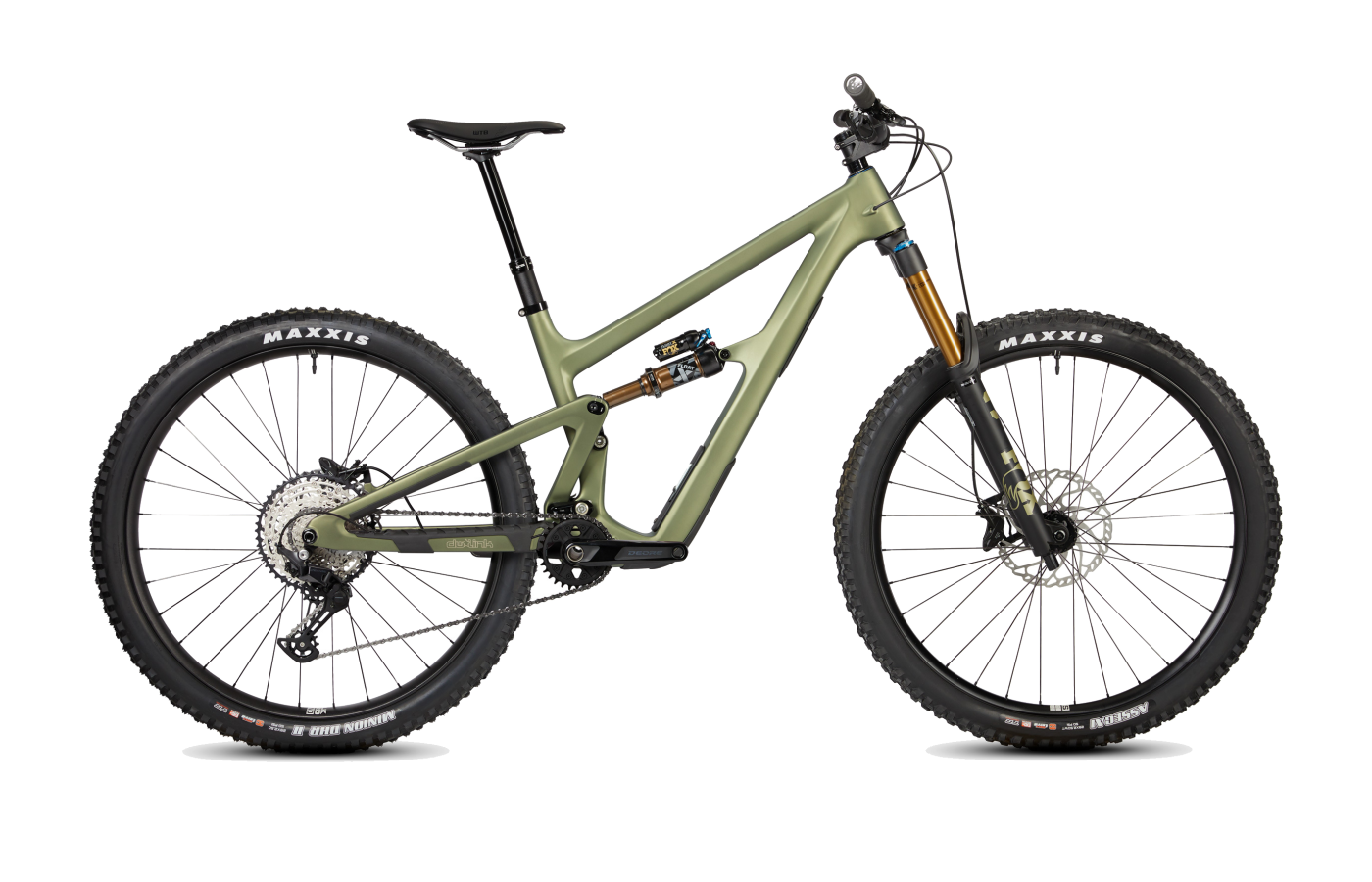
Ripmo
The category benchmark for climbing traction — DW-Link suspension delivers the "tractor-like" technical climbing the firmer Sentinel doesn't quite match, with a plusher feel than either bike here.
Compare →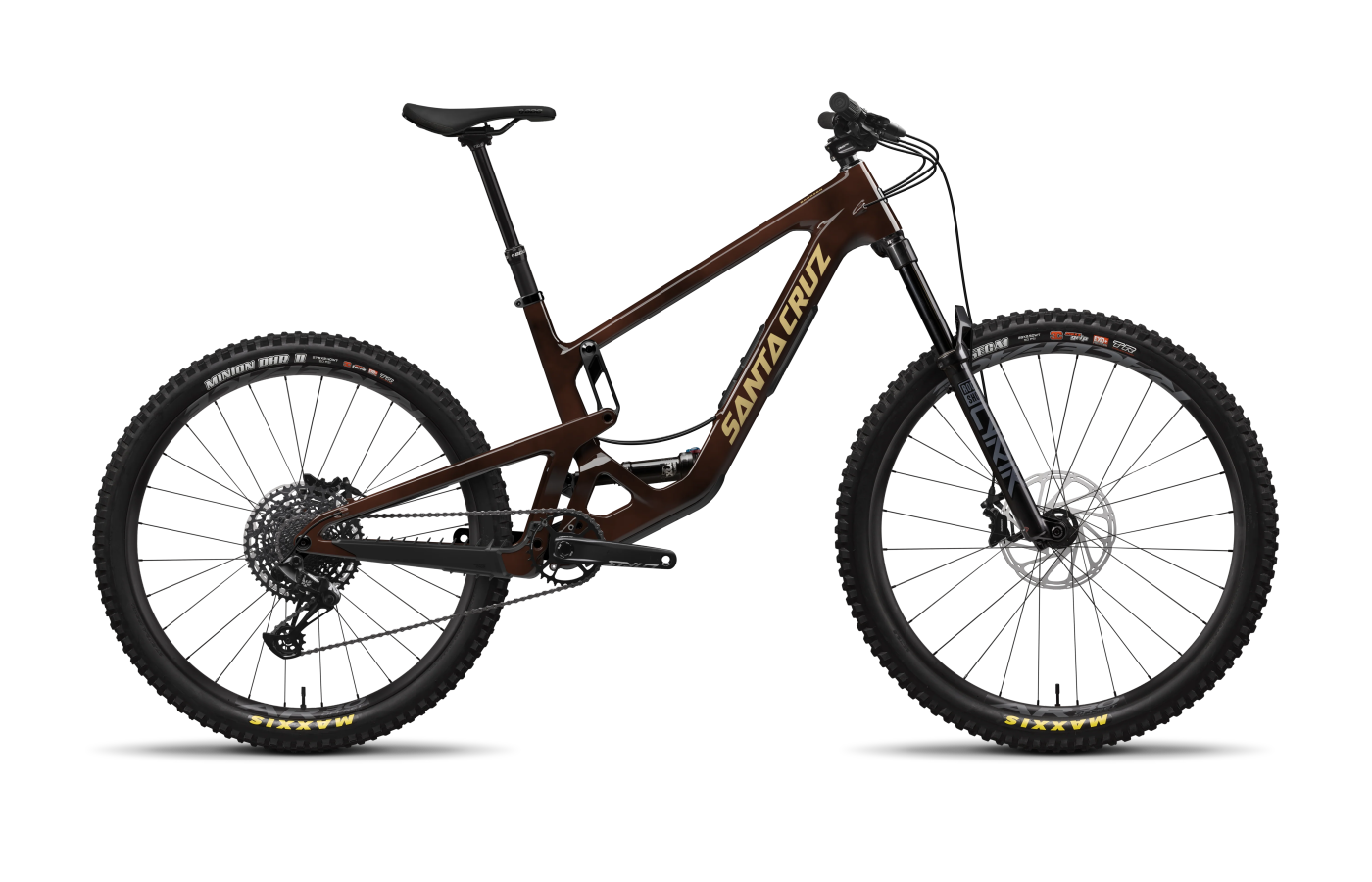
Bronson
Direct rival to the Troy in the mixed-wheel trail category — same do-it-all mission, same MX stock setup, but with VPP suspension that feels distinctly different from Devinci's Split Pivot.
Compare →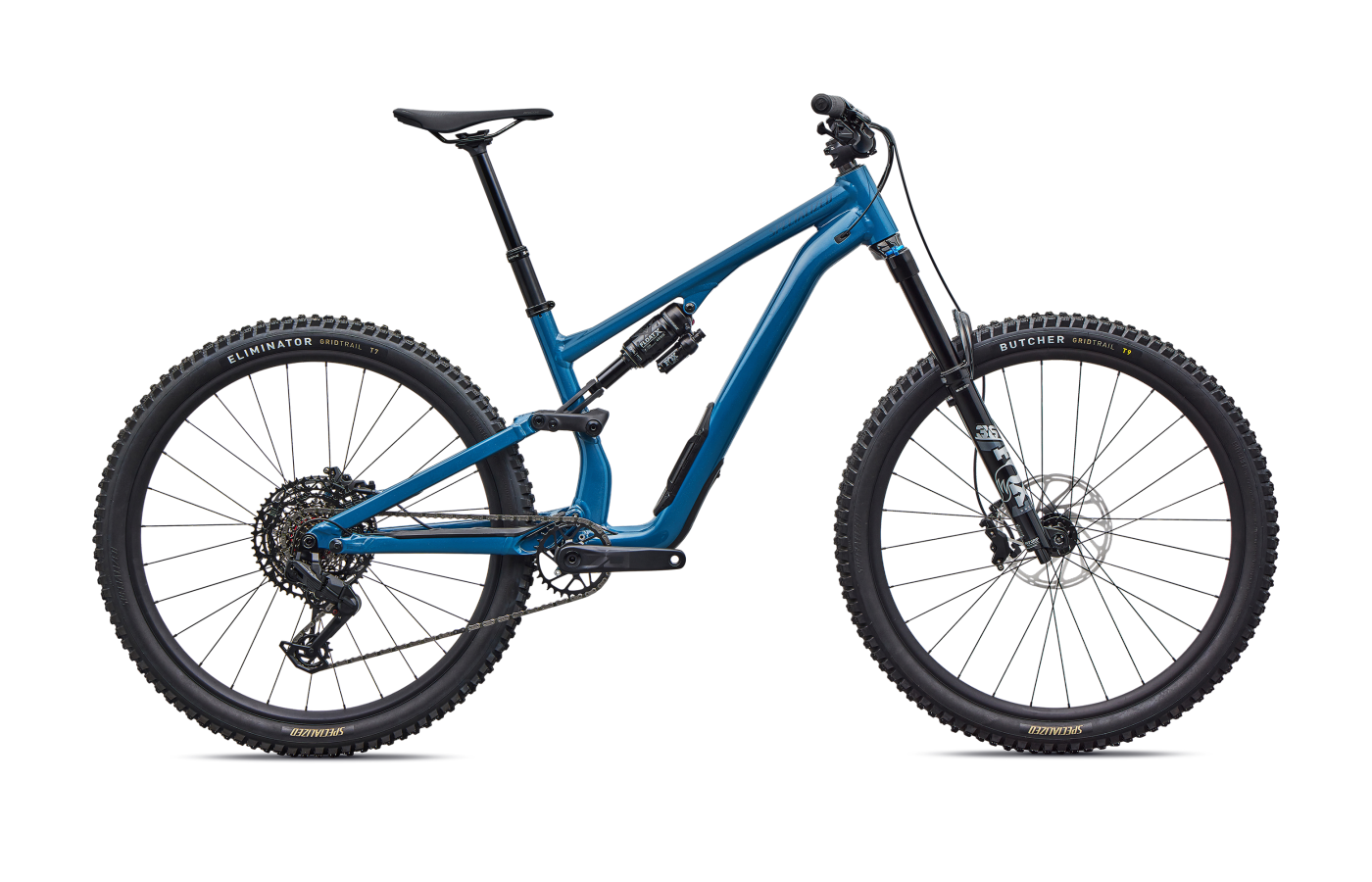
Stumpjumper Evo
More adjustable than either bike here — six geometry positions via flip chips and headset cups, plus a lighter frame for riders who care about grams as much as descending capability.
Compare →