Insurgent
vsOffering
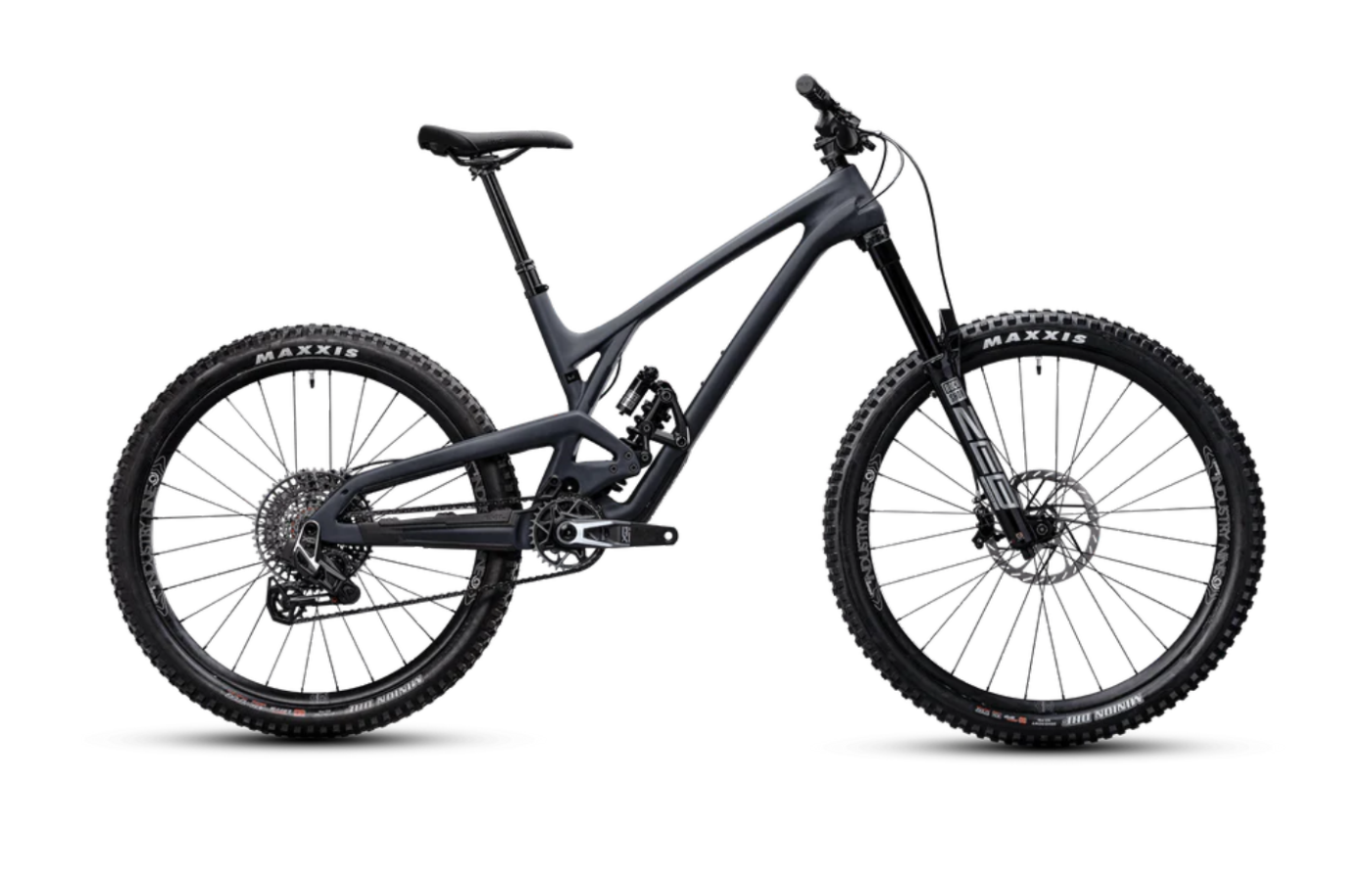
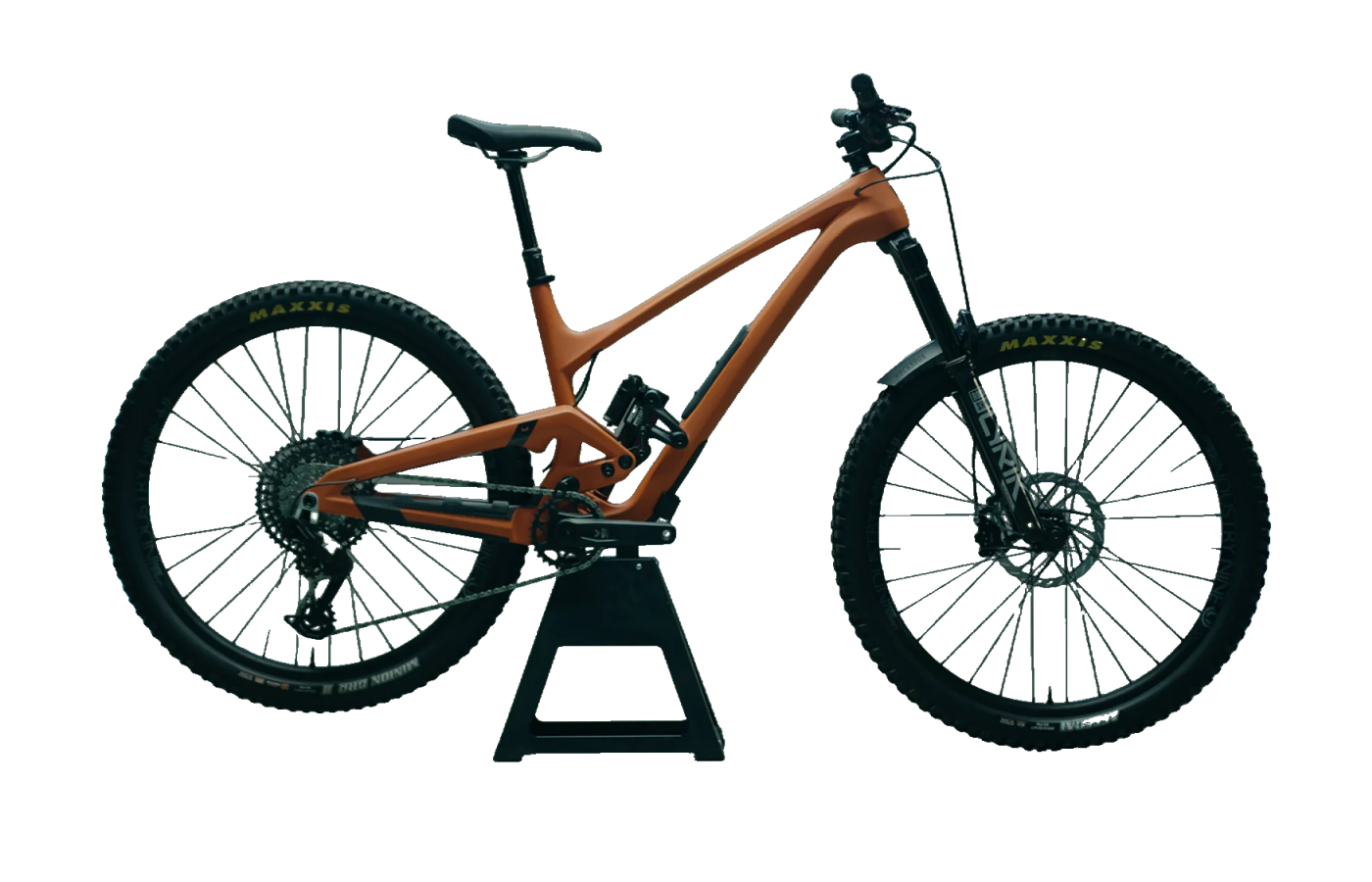
Same brand, same Delta link, very different mountains.
The Insurgent is a 168/170 mm mullet enduro sled. The Offering is a 151/160 mm 29er trail jib bike. Pick the trail, then pick the bike.
Insurgent
- 168 mm rear / 170 mm fork with a coil shock — the deepest-travel option here, and the only one that ships sprung as standard.
- Mullet rear end — the 27.5 wheel and 430 mm chainstays make a long-travel bike feel surprisingly snappy in tight corners.
- Climbs better than its travel suggests — reviewers consistently call out anti-squat that lets it sit-and-spin without bobbing.
- Super Boost 157 rear spacing locks you out of swapping wheels in from most other modern bikes.
- Stock SRAM brakes have drawn 'noisy' and 'capable enough' takes — most aggressive riders will want a swap.
Offering
- Poppy, active suspension — a clear 'trampoline' point in the stroke that loads up off lips and pumps speed out of compressions.
- Modern Boost 148 rear — wheel and component compatibility with most other current trail bikes.
- Frame refinement — downtube storage, easier-read sag meter, simpler flip chip, Maven Silver brakes on the Eagle 90 build.
- Not a plow. Defensive riding through chunky, rooty sections feels less composed than the Insurgent.
- Suspension stays active under pedaling even with the climb switch — Evil intentionally chose traction over a hard lockout.
Editor’s analysis
Two carbon Delta-link Evils that share a designer's fingerprints — and almost nothing else about how they want to be ridden.
On paper the Insurgent and the Offering look like cousins: both UD carbon, both single-pivot Delta-link, both built around the same Race Face cockpits and Industry Nine wheels. The split is in the suspension. The Insurgent runs 168 mm rear / 170 mm front in a mixed-wheel layout — a 29 up front, a 27.5 out back — and ships every build with a coil shock. The Offering runs 151 mm / 160 mm full-29er with an air shock, and it can be specced with a 170 mm Zeb at no upcharge if you want to push it.
Geometry tells the same story twice. The Insurgent in its low setting sits at a 64.2 degree head tube angle and 430 mm chainstays — long, slack, and short out back, with the 27.5 rear wheel adding even more snap to the rear end. The Offering's HTA lands at 64.7 degrees in High and 64.2 in Low, with longer 435 mm chainstays and a steep 79 degree seat tube. The Offering wants to be pumped, popped, and jumped. The Insurgent wants to be opened up.
Reviewers describe the two bikes in language that barely overlaps. The Insurgent is the 'hover bike,' the 'velvet cushion,' the bike that 'swallows deep holes' and stays composed when speeds get ugly — and yet still 'corners on a dime' thanks to the mullet rear. The Offering is a 'jib machine': active, poppy, with a stiff rear end that demands an offensive riding style. Defensive riders get punished. Active ones get rewarded.
Spec-wise the Offering V4 has the more modern frame package — standard Boost 148 rear (the Insurgent stays on Super Boost 157), a downtube storage compartment, a redesigned sag meter and flip chip, and Maven Silver brakes on the Eagle 90 build instead of the Insurgent's still-aging G2-era SRAM stoppers. The Insurgent earns it back on the descent, with the bigger 170 mm Zeb fork and coil shock that genuinely change the kind of terrain you can take seriously. Different missions, different tools.
Where the builds differ.
Comparing our editor's-pick builds side-by-side. Winners highlighted row-by-row — lower price and weight, and the better-spec component, each mark a point.
Build variants & pricing
Both lineups are flat-priced — every build on each bike costs the same, with the only choice being drivetrain and shock spec.
Insurgent builds are $6,199 across the board (Eagle 90, GX, X0, XX). Offering V4 builds are $6,699 across the board (Eagle 90, X0, XX). The X0 builds compared here keep drivetrain tier identical so the spec table reflects the platforms, not the parts.
How they fit, how they steer.
The fit-picked sizes line up to nearly identical reach (443 mm Insurgent Small, 459 mm Offering Medium in low) and a nearly matched stack. The story is travel and HTA, not cockpit length.
Which size should I buy?
Sizes recommended by reach, stack, and effective top tube. Both lineups span S–XL; the Insurgent runs slightly shorter in the seat tube at the small end.
→These are starting points. Flexibility, riding style, and preferred position all shift the answer — if you’re between sizes, a professional fit beats a chart.
What the magazines said.
Published reviews from trusted cycling outlets. Click through for the full write-up.
Which one should you buy?
If you live on steep, chunky, fast descents, get the Insurgent. If you treat every trail like a pump track, get the Offering.
Insurgent
If your home trails are gated access, hellishly steep, and rock-strewn — and you'd rather float over the chunder than time it perfectly — the Insurgent's coil-sprung 168 mm rear and 170 mm Zeb is the sharper tool. It still climbs surprisingly well for what it is.
Offering
If your favorite descents are flow trails, jump lines, and the kind of terrain you'd rather pop over than plow through, the Offering V4's poppy 151 mm rear pays you back for active riding. The frame updates also make it the more practical bike to live with day-to-day.
Questions buyers actually ask.
Short answers to the things we get emailed about most often.
01Insurgent or Offering — which descends better?
Depends on the descent. On chunky, steep, high-speed terrain, the Insurgent wins clearly: 17 mm more rear travel, 10 mm more fork, and a coil shock that reviewers describe as 'floating on a carpet of velvet cushions.' It mutes trail chatter the Offering simply transmits.
On flow, jumps, and trails with features to play with, the Offering wins. Its stiff rear end and active suspension are designed to load and release — riders consistently describe it as 'really easy to get into the air' from features the Insurgent would just absorb.
02How much travel does each bike have?
Insurgent LS: 168 mm rear / 170 mm front, mixed-wheel (29 front, 27.5 rear). Ships with a RockShox Super Deluxe Coil Ultimate and a Zeb Ultimate fork.
Offering V4: 151 mm rear / 160 mm front, full 29er. Ships with a RockShox Super Deluxe Ultimate air shock and a Lyrik Ultimate fork. You can spec a 170 mm Zeb at no upcharge if you want a more aggressive front end.
03Why is the Insurgent mullet and the Offering not?
Different design briefs. Evil built the Insurgent specifically as a mixed-wheel enduro platform — the 27.5 rear shortens the chainstays (430 mm), tucks the rider 'into the mountain' on steep terrain, and adds snap on tight corners that a 29 rear smooths over. It's a deliberate enduro-specific choice.
The Offering V4 stays full 29 because the bike's job is to keep speed and pop on flowier trails. Same-size wheels behind a 79 degree seat tube give a more upright, efficient climbing position and a more predictable feel through pumps and lips.
04Are the climbing positions different?
Yes, noticeably. The Offering V4's seat tube angle is 79 degrees — properly steep — putting the rider directly over the bottom bracket. Reviewers describe the seated climbing position as 'nice and comfortable' and 'on the upright end of things for a trail bike.'
The Insurgent's seat tube angle is 76.9 degrees in the low setting, slacker than the Offering. It still climbs well — anti-squat is praised across reviews — but the rider sits further behind the BB. On long fire-road climbs that's noticeable.
05What about wheel and rear-end compatibility?
This is one of the biggest practical differences. The Insurgent uses Super Boost 157 mm rear spacing, which Evil chose for stiffness. It does work — but it locks you out of swapping in wheels from most other modern trail bikes, and reviewers have called it 'a bit annoying' for finding replacements.
The Offering V4 moved to standard Boost 148 mm in this generation. That's a meaningful upgrade for long-term ownership: any modern trail wheelset will fit, and replacement axles, hubs, and frame parts are easier to source.
06Which has the better stock brakes?
The Offering V4 by a clear margin. The Eagle 90 build ships with SRAM Maven Silver — Evil's reviewer called them 'hard to go wrong with,' and the Maven family has been broadly praised as some of the most powerful brakes on the market.
The Insurgent's stock brakes are SRAM's older-generation stoppers (G2 RS on the build Freehub tested), and reviewers consistently flag them as a likely upgrade for aggressive or heavier riders. If you go Insurgent, budget for a brake swap.
07Does the Offering have frame storage? Does the Insurgent?
Offering V4: yes. It's a new feature for V4 — a downtube hatch sized for tools, a tube, and snacks. The reviewer noted the latch motion takes a little practice but the door has stayed secure in testing.
Insurgent LS: no. The Insurgent is the older platform here, and Evil hasn't retrofitted frame storage to it. If you ride long, self-supported days where pack-free is the goal, that's a real consideration.
08Which is more expensive, and is it worth it?
The Offering V4 is $500 more ($6,699 vs. $6,199 across the lineup). What you get for the extra: standard Boost 148 spacing, frame storage, a refined sag meter and flip chip, Maven Silver brakes on the entry build, and a newer-generation frame design overall.
What the Insurgent gives you for less: more travel front and rear, and a coil shock from the lowest build up. If your priority is downhill capability, the Insurgent is the better dollar-per-millimeter buy. If your priority is a modern, easy-to-live-with trail bike, the Offering's $500 premium is mostly going to genuine refinement.
Similar bikes
If your priorities don’t map cleanly onto either of these, one of these adjacent bikes probably fits better.
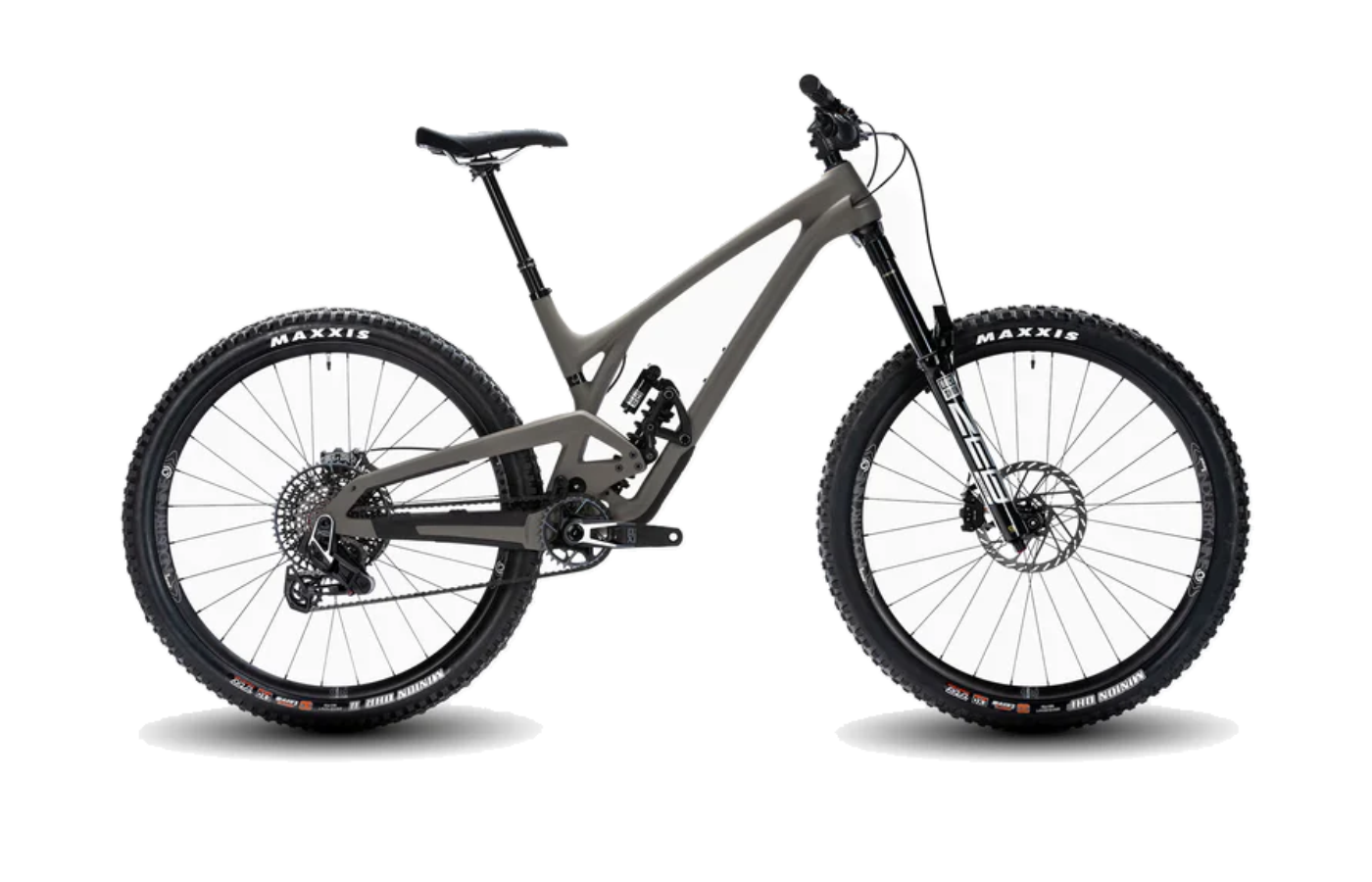
Wreckoning
If you love the Insurgent's plush feel but want a full 29er enduro monster — 170 mm rear, no mullet compromise, more outright plow.
Compare →Patrol
Direct mixed-wheel comparison to the Insurgent. Transition's playful-but-capable reputation puts it in the same conversation, often at a lower carbon-frame price.
Compare →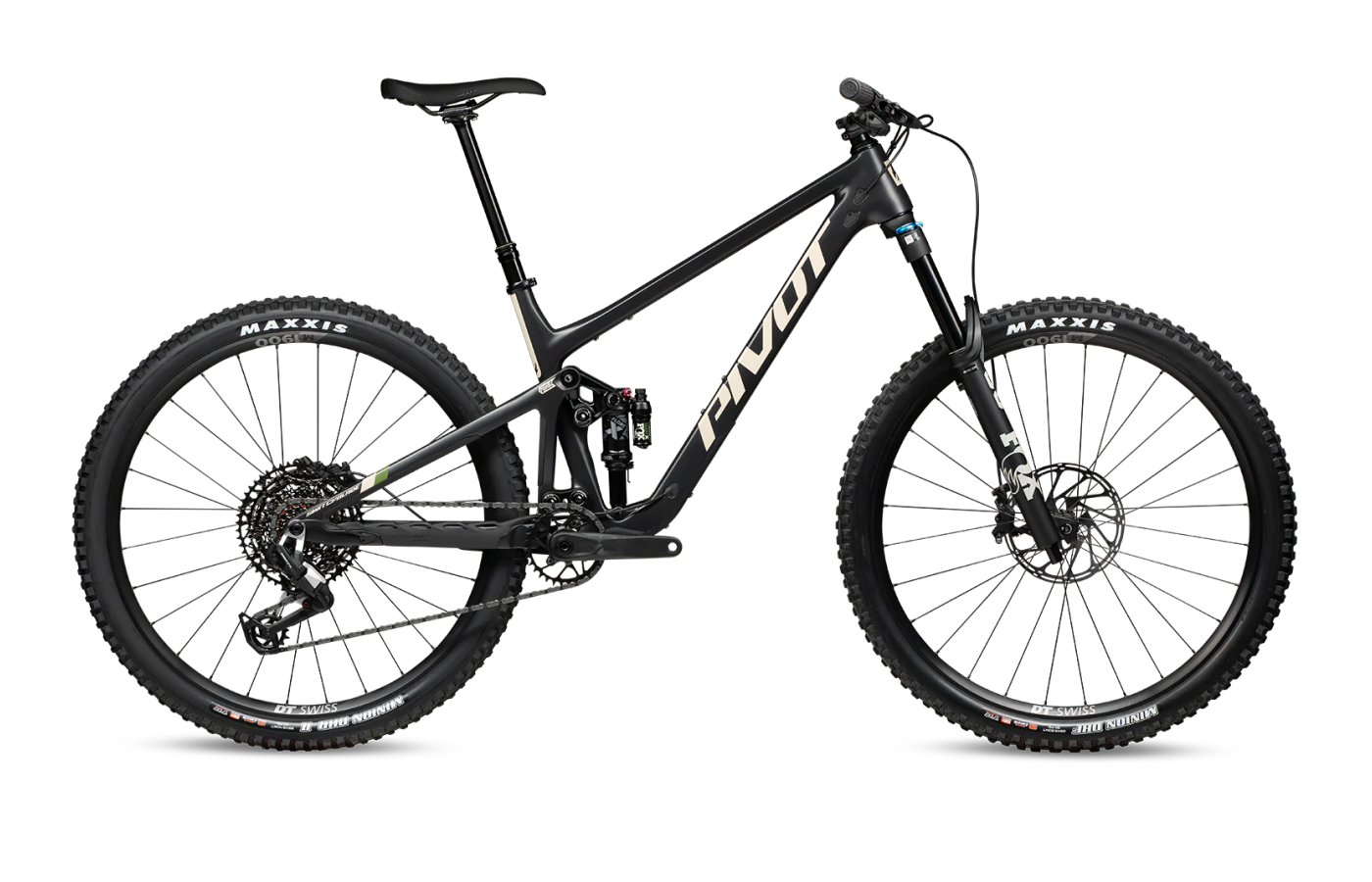
Switchblade
A cross-shop for the Offering. Pivot's DW-link is famously efficient and composed — a more refined, less jibby take on the same do-it-all 29er trail brief.
Compare →