Offering
vsSmuggler
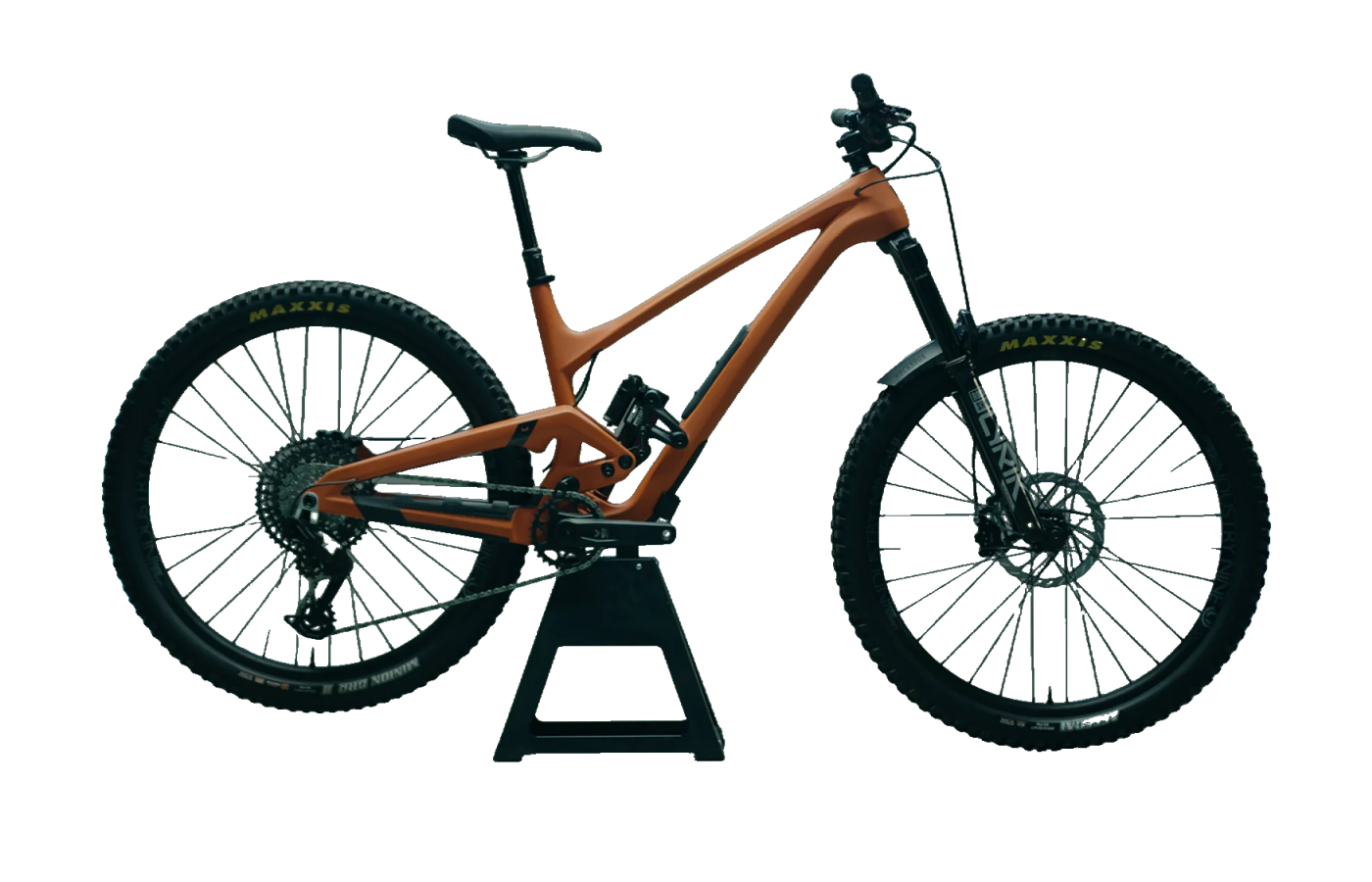
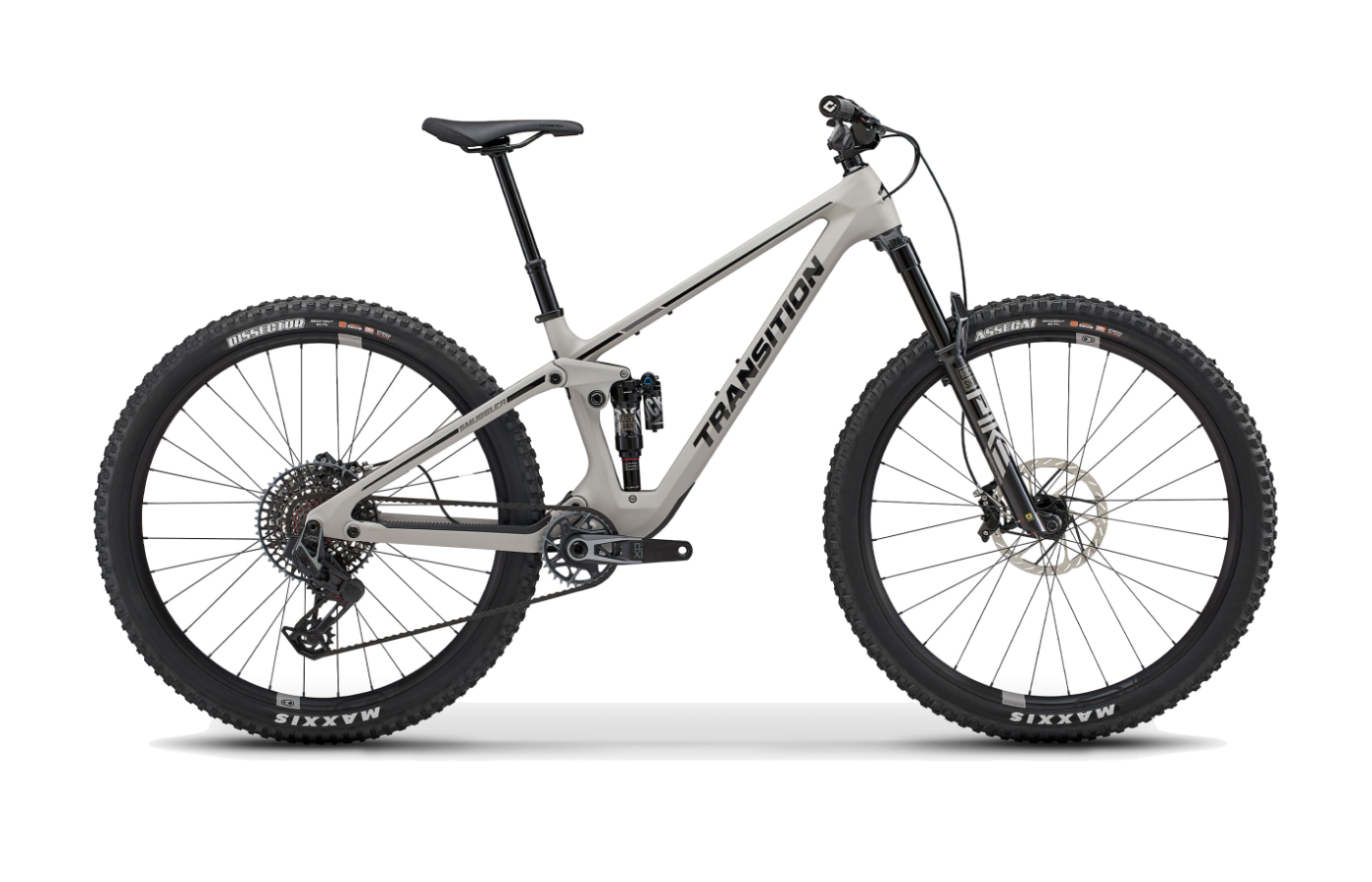
Two trail bikes, two attitudes.
The Offering is a 151 mm jib machine that demands an active rider. The Smuggler is a 130 mm sledgehammer that punches above its travel.
Offering
- Pop on demand — the Delta-link suspension's trampoline character makes airtime effortless off any lip or root.
- More travel front and rear (160/151 mm vs 140/130 mm) gives more headroom on bigger hits and steeper terrain.
- Two suspension specs at one price — pick the 160 mm Lyrik or 170 mm Zeb at the same MSRP, no upcharge.
- Punishes defensive riding — "feels less composed, stable, and forgiving" if you're not actively engaging the trail.
- Premium-only price floor at $6,699 — no alloy or sub-$5k entry point.
Smuggler
- Genuine all-rounder geometry — the 65° HTA and 78.6° STA hit the sweet spot for a do-it-all trail bike.
- Enduro-class confidence from a 130 mm platform — multiple reviewers call it a "mini-Sentinel."
- Wide build range starting at $3,499 for an alloy Deore — far more accessible than the Offering.
- Frequent pedal strikes from the 35 mm BB drop on rocky climbs unless you firm up sag to 26–28%.
- Known noise and durability quirks — "deafening rattle" from internal routing, premature pivot bearing wear reported.
Editor’s analysis
This isn't a long-travel-vs-short-travel comparison. It's a question of how you want to descend — popping over rough sections, or plowing through them.
On paper the Evil Offering V4 and Transition Smuggler V3 both wear the trail-bike label, but the spec sheets diverge fast. The Offering runs 151 mm rear and a 160 mm Lyrik (with a 170 mm Zeb option at the same price), 64.7° head angle, 79° seat angle, and a Delta-link single-pivot built for pop. The Smuggler runs 130 mm rear and a 140 mm Pike, 65° head angle, 78.6° seat angle, and Transition's Horst-link GiddyUp tuned to a 27% progression. That's 21 mm of rear travel between them — and a meaningful difference in intent.
The Offering is the more singular bike. Reviewers from Freehub describe a "trampoline point" in the suspension that makes it "poppy as all get out" and "really easy to get into the air" — but that same character means it's "most definitely not a 'plow' bike," and it gets "less composed, stable, and forgiving" the moment you ride defensively. It rewards commitment. If you treat every rock garden as a take-off ramp, the Offering will reward you. If you'd rather hold on and let the bike do the work, you'll feel beat up.
The Smuggler is the more do-everything bike. It's been called the "littlest sledgehammer" and a "mini-Sentinel" — a 130 mm bike with the geometry confidence of an enduro rig. The 35 mm bottom bracket drop and Speed Balanced Geometry let it carve corners and hold a line at speed; the steep 78.6° seat tube angle puts you over the cranks for technical climbs. It still has limits — when descents get genuinely rough, 130 mm of rear travel runs out — but it's a much friendlier daily driver.
Put another way: the Transition Smuggler is the bike you buy when you want one trail bike for everything from XC loops to occasional double-black descents. The Evil Offering is the bike you buy when you already know you ride the descent for the descent's sake — and you want the trail to be a series of jump opportunities.
Where the builds differ.
Comparing our editor's-pick builds side-by-side. Winners highlighted row-by-row — lower price and weight, and the better-spec component, each mark a point.
Build variants & pricing
The Smuggler spans $3.5k–$7.8k across alloy and carbon; the Offering is carbon-only from $6.7k–$9.3k.
Prices are current US MSRP. Evil offers no alloy frame and no sub-$6k build — if budget matters, the Smuggler is the only choice. The X0 AXS picks shown here are within $200 of each other and tier-matched on drivetrain.
How they fit, how they steer.
Both at size Medium — fit-picked for a 5'8" rider on each bike. The Offering sits 9 mm taller in stack (625 vs 616) with effectively identical reach (459 vs 460); HTA is 0.3° slacker (64.7° vs 65°), and the seat tube is steeper (79° vs 78.6°).
Which size should I buy?
Size recommendations based on stack, reach, and effective top tube. The Smuggler's range extends one size further at the top (XXL); the Offering tops out at XL.
→These are starting points. Flexibility, riding style, and preferred position all shift the answer — if you’re between sizes, a professional fit beats a chart.
What the magazines said.
Published reviews from trusted cycling outlets. Click through for the full write-up.
Which one should you buy?
If you ride to jump and pump every feature, get the Offering. If you want one trail bike that climbs, descends, and doesn't flinch on the rough stuff, get the Smuggler.
Offering
If you live for airtime and treat every root or roller as a take-off, the Offering's trampoline rear end will reward you. The 151/160 mm travel gives headroom on bigger hits, but the bike asks you to ride offensively — defensive riders will feel beat up.
Smuggler
If you want one trail bike that pedals up technical climbs, carves corners, and still holds a line in chunky descents, this is it. The Smuggler punches above its 130 mm travel and starts at less than half the Offering's price in alloy trim.
Questions buyers actually ask.
Short answers to the things we get emailed about most often.
01Which bike has more suspension travel?
The Evil Offering by a meaningful margin — 151 mm rear and 160 mm front (with a 170 mm Zeb option at the same price). The Transition Smuggler runs 130 mm rear and 140 mm front, though Transition warranties it for a 140 mm rear / 150 mm fork "long-shock" conversion if you want more.
That 21 mm rear-travel gap shows up most on bigger drops and sustained chunk — terrain where the Smuggler runs out of travel and the Offering still has bottom-out support.
02Which climbs better?
The Smuggler, on most terrain. At ~30 lb (13.6 kg) for the Carbon XO AXS build vs ~33.8 lb (15.3 kg) for the Offering, the Smuggler is roughly 4 lb lighter, with a comparable 78.6° vs 79° seat tube angle.
The Offering climbs comfortably — Evil deliberately tuned the suspension to favor traction over a hardtail-firm pedal platform — but the extra weight, longer travel, and active rear end mean it's working harder to go uphill. The Smuggler's 35 mm BB drop, however, requires 26–28% sag to avoid frequent pedal strikes on rocky climbs.
03Which descends better?
It depends on the descent. On flow trails, jump lines, and any terrain you can pump and pop, the Offering wins — Freehub calls it "poppy as all get out," and the Delta-link suspension makes it effortless to get airborne off small features.
On rough, fast, sustained chunk — the kind of terrain where you just want to hold on — the Smuggler is more composed despite having less travel. Reviewers consistently describe it as a "mini-Sentinel" and note that its Speed Balanced Geometry delivers "an illusion of traveling at a lower speed." The Offering, by contrast, gets "less composed, stable, and forgiving" the moment you stop riding it offensively.
04Are these bikes good for jumping?
Both are, but for different reasons. The Offering has a more pronounced "trampoline point" in its suspension — it loads and launches almost effortlessly, and reviewers note it's "really easy to get into the air" off even small lips.
The Smuggler is also poppy thanks to its 27% progressive leverage curve, with reviewers calling it "one of the most intuitive-feeling jumping bikes" that arcs predictably off lips. The difference: the Smuggler's pop comes from rider input, while the Offering's pop comes from the bike itself. If you want a bike that does the work, pick the Offering.
05What's the maximum tire clearance?
The Evil Offering lists 61 mm of clearance and ships with a 29x2.5 Maxxis Assegai up front and 29x2.4 DHR II in back — both EXO+ casing.
The Transition Smuggler ships with the same Maxxis combination (2.5 Assegai / 2.4 Dissector or DHR II depending on build) on EXO/EXO+ casings. Transition doesn't publish an official clearance number, but the 130 mm trail platform is sized for 2.5" rubber comfortably. Aggressive riders on either bike may want to bump to a heavier casing.
06How do the suspension platforms compare?
The Offering uses Evil's Delta-link single-pivot design, tuned with a noticeable mid-stroke "trampoline" and a stiff rear end. Evil deliberately did not pick the firmest RockShox lockout option — they chose climbing traction over hardtail efficiency. The result: noticeable suspension movement under pedaling, but excellent grip on chunky climbs.
The Smuggler uses Transition's GiddyUp Horst-link layout with ~27% progression. It's described as "active and open" with a damp, controlled feel. Reviewers note it's highly sensitive to sag — keep it at 26–28% to stay snappy and out of pedal-strike territory; let it run to 30%+ and the bike feels boggy.
07How do the lineups and price ranges differ?
The Offering is carbon-only, with three builds from $6,699 (Eagle 90) to $9,299 (XX). There's no alloy frame and no sub-$6k entry point.
The Smuggler is much broader: five builds from $3,499 (Alloy Deore) to $7,799 (Carbon XO AXS), with carbon options starting at $4,999 (Carbon Deore). For under $5k, the Smuggler is the only choice in this comparison. Among the carbon Smuggler builds, multiple reviewers flagged the mid-tier GX models as the weakest value — the X0 AXS or the Carbon Eagle 90 are typically the better bets.
08What are the known durability or maintenance quirks?
The Smuggler has two well-documented issues. First, the "Loam Cupboard" — an opening near the bottom bracket where internal cables exit — funnels mud and water into the frame, which has been linked to premature pivot bearing wear (Pinkbike reported a first set of bearings lasting only 2–3 months of dry riding). Second, multiple outlets report a "deafening rattle" from internal routing and chainslap.
The Offering V4 is newer and long-term reliability data is thinner, but the Freehub review flagged the new downtube storage hatch as feeling "a little tricky" to operate. Both bikes use threaded BSA bottom brackets and SRAM UDH — the right calls for long-term serviceability.
Similar bikes
If your priorities don’t map cleanly onto either of these, one of these adjacent bikes probably fits better.
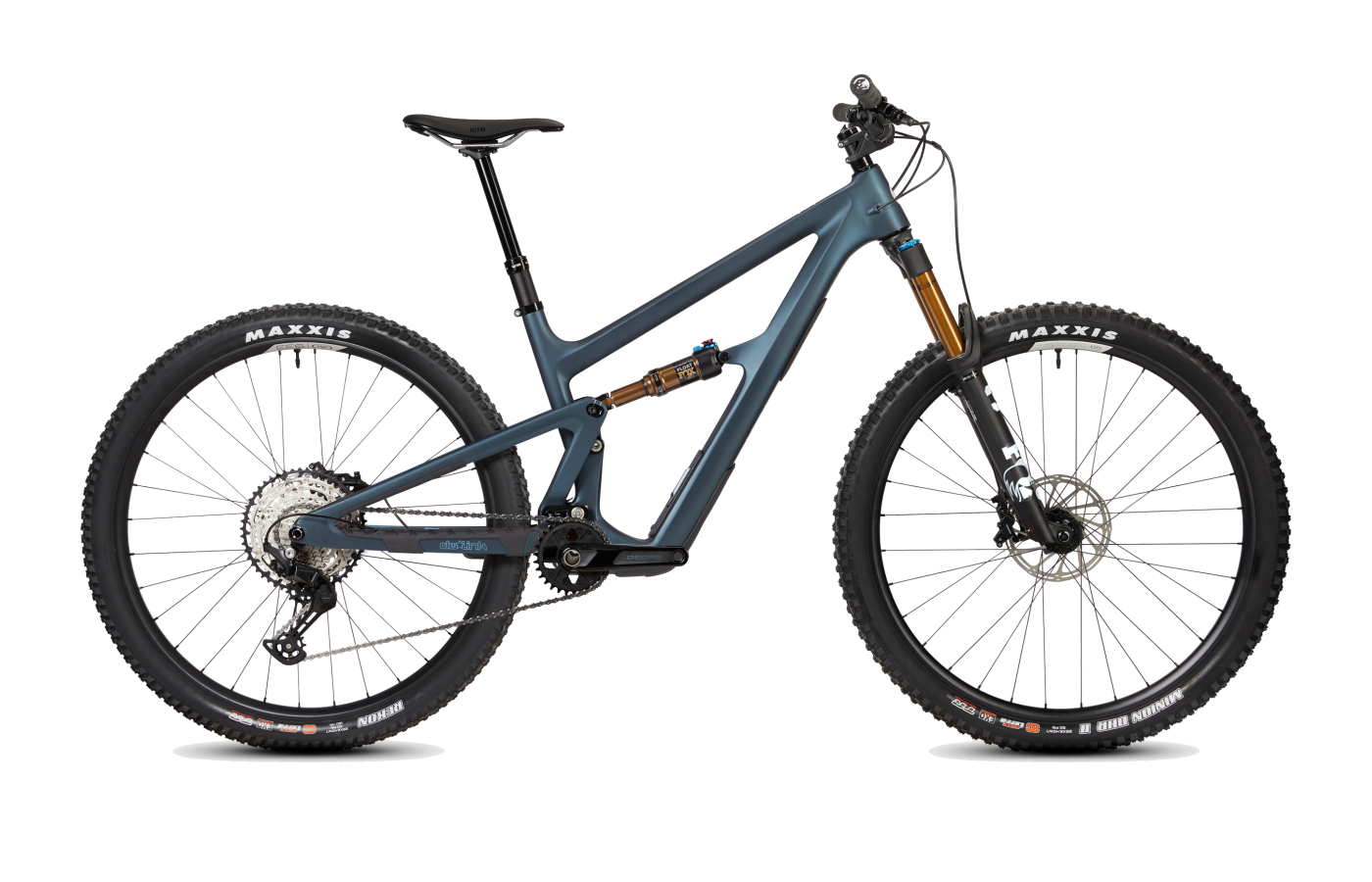
Ripley
The most direct Smuggler competitor — the Ibis Ripley is a short-travel 29er with a plusher rear end and a reputation for delivering more component-per-dollar. Worth a look if the Smuggler's spec sheet feels light for the price.
Compare →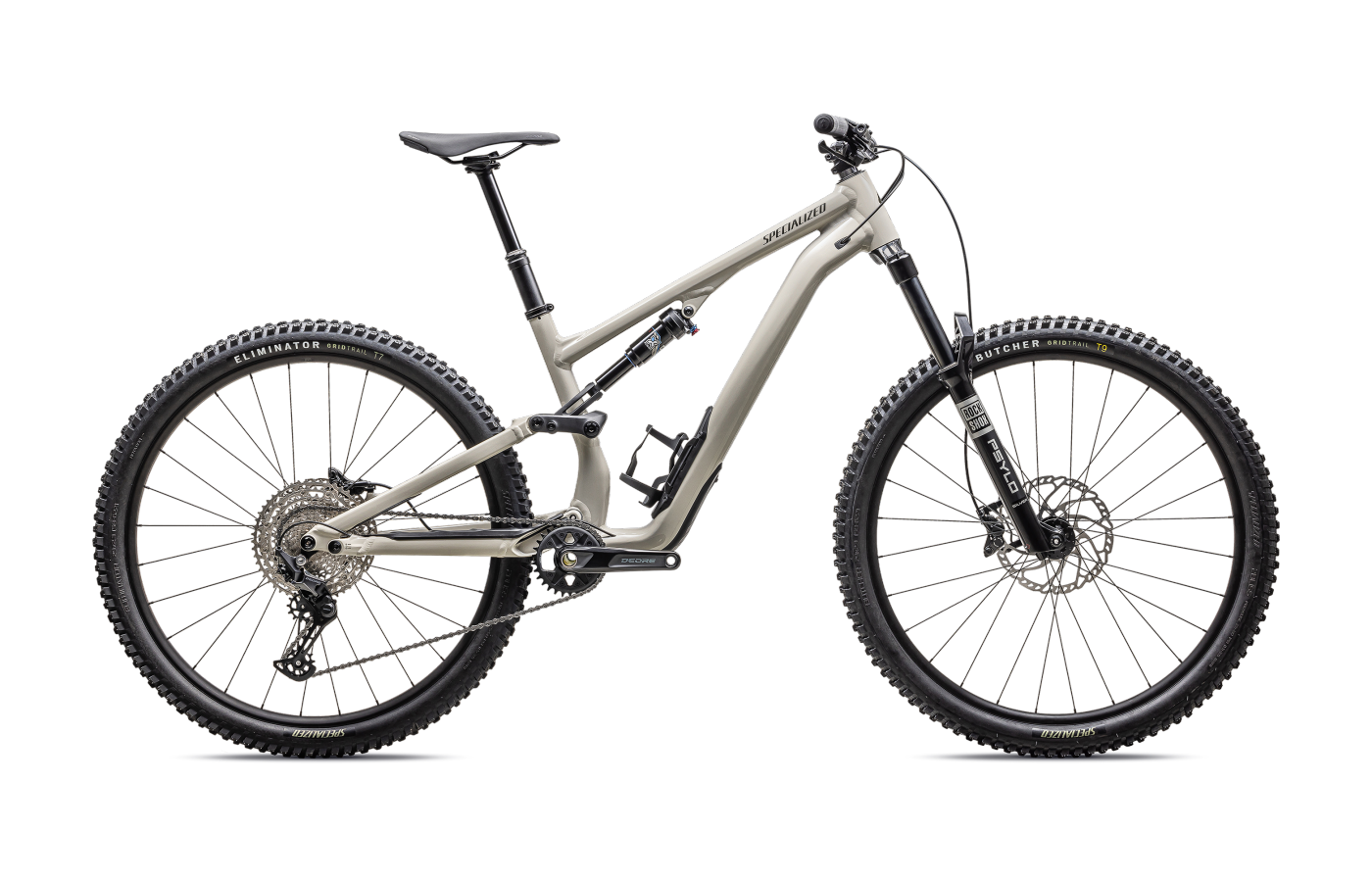
Stumpjumper
Specialized's perennial trail-bike benchmark — geometry sits close to the Offering on paper, but the ride feel is more traditional and less overtly jibby. The do-everything pick if you'd rather not commit to either personality.
Compare →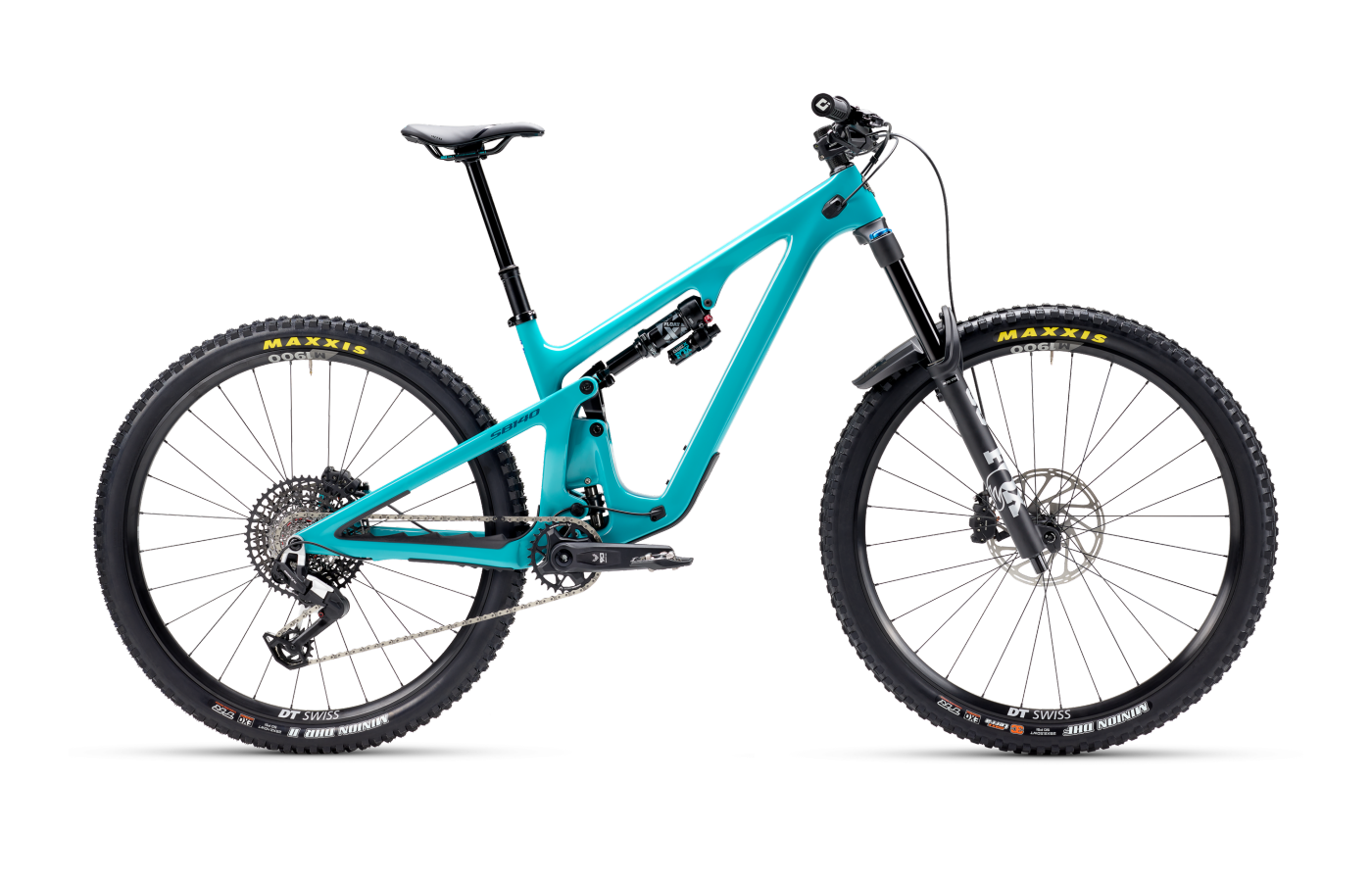
SB140
10 mm more rear travel and a heavier ride than the Smuggler, with a Switch Infinity rear end that splits the difference between active and supportive. Best if you like the Offering's aggression but want more plush than pop.
Compare →