Offering
vsWreckoning
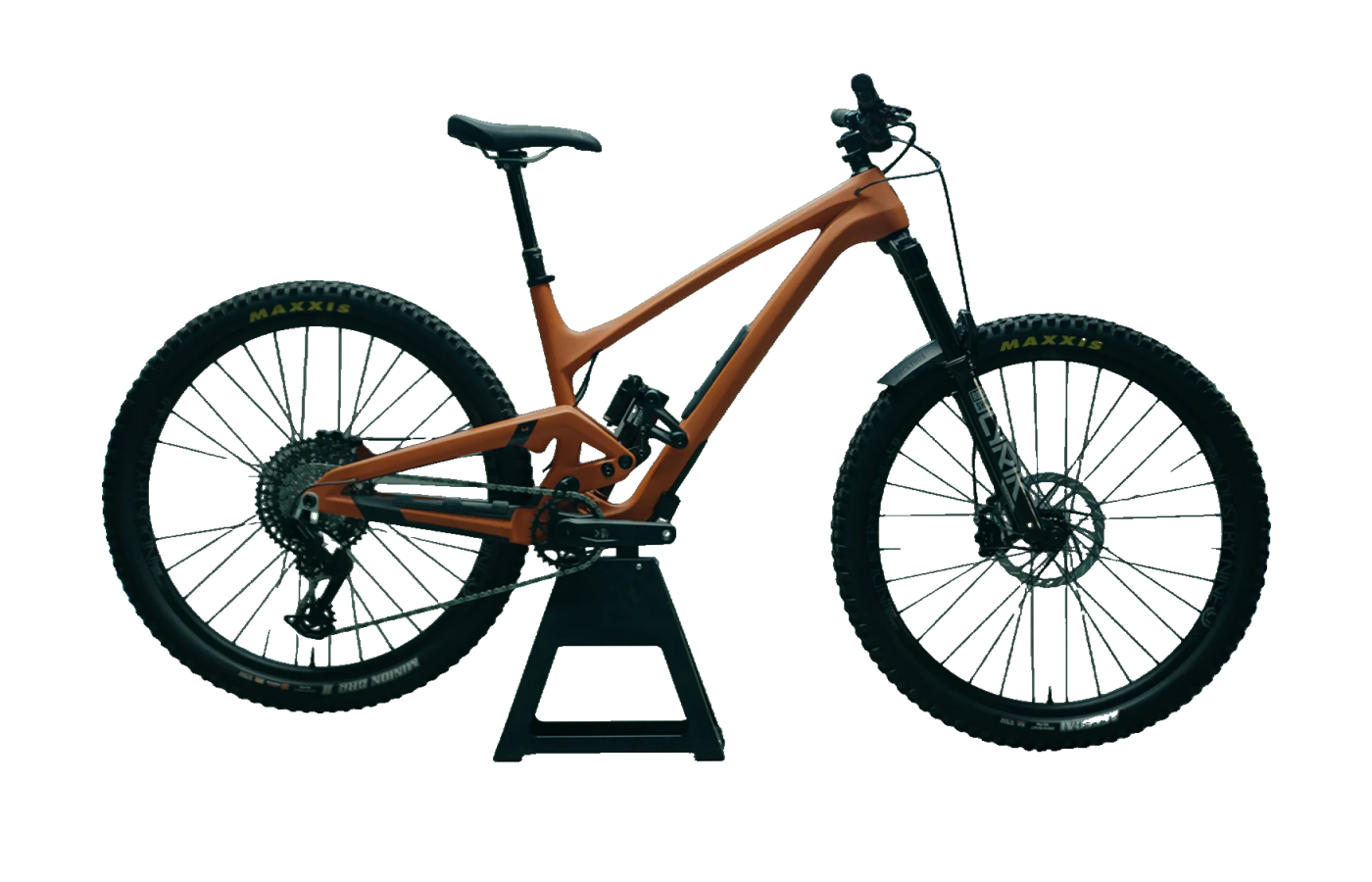
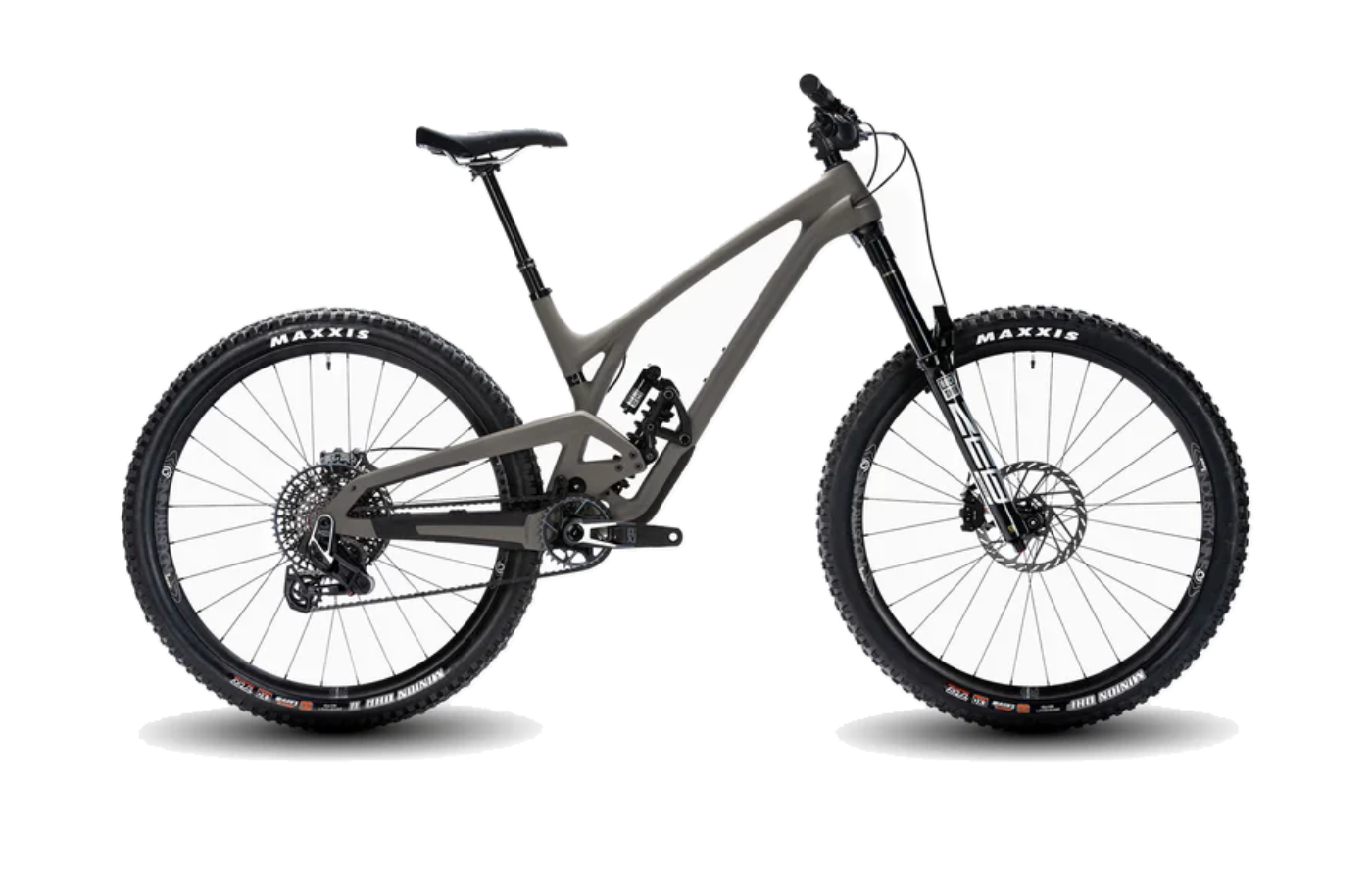
Two long-travel 29ers from the same brand, two very different jobs.
The Offering V4 is the playful 151 mm trail bike. The Wreckoning V3 is the 166 mm coil-sprung mini-DH rig. Same DELTA-link DNA — different mountains.
Offering
- Pop on demand — a distinct 'trampoline point' in the travel that makes lips and rollers feel like launch ramps.
- Standard 148 mm Boost rear — wider wheel/component compatibility than the SuperBoost Wreckoning.
- More upright climbing posture with a 79° effective seat angle and a comfortable seated position on long climbs.
- Not a plow — feels less composed when you go on the defensive in chunky terrain.
- Air shock with no proper lockout means noticeable suspension movement under seated power.
Wreckoning
- Coil-sprung magic-carpet ride — the Super Deluxe Coil Ultimate ships on every build for bottomless big-hit absorption.
- Genuinely versatile mini-DH — a 'one-bike-only option' that still climbs efficiently for a 166 mm rig.
- Short 430 mm chainstays give it a 'slicey,' easy-to-whip feel that's unusual for its travel class.
- SuperBoost 157 mm rear limits wheel options if you want to swap or upgrade.
- More bike than most riders need on mellow trails — the descent-bias is real.
Editor’s analysis
Both run Evil's DELTA-link suspension and the same swooping carbon profile. Then the suspension tune, the spacing, and the shock pick the bike's actual job for you.
On paper they look like siblings: 29-inch wheels, UD carbon, a sculpted head tube, and the Dave Weagle DELTA platform. Spend a paragraph on the spec sheet, though, and the gap opens. The Evil Offering V4 carries 151 mm of rear travel paired with a 160 mm RockShox Lyrik (or an optional 170 mm Zeb), and uses standard 148 mm Boost rear spacing with a 205x60 air shock. The Evil Wreckoning V3 carries 166 mm out back with a 170 mm Zeb mandatory up front, runs SuperBoost 157 mm spacing, and ships with a 205x65 RockShox Super Deluxe Coil Ultimate on every build.
That coil-versus-air call is the headline. The Wreckoning's coil-sprung DELTA is what reviewers describe as a 'magic carpet' — bottomless on big hits, supple on small chatter, and stable when you're holding on. The Offering, despite sharing the linkage geometry, is tuned to be poppy. Reviewers call out a distinct 'trampoline point' in its travel that makes it want to launch off rollers and lips rather than absorb them. One bike rewards aggression; the other rewards holding on.
Geometry is closer than you'd guess. At their fit-picked sizes for a 5'8" rider — the Offering in Medium, the Wreckoning in S — reach lands at 459 mm vs 445 mm and stack at 625 mm vs 621 mm. The Wreckoning's 65.2° head angle in 'Low' is a touch steeper on paper than the Offering's 64.7°, but the Wreckoning has a flip chip down to 'X-Low' that slackens it further. Chainstays are 435 mm on the Offering versus 430 mm on the Wreckoning — a small number that contributes to the Wreckoning's reputation for feeling 'slicey' for a 166 mm bike.
Put another way: the Offering is the bike you buy when most of your trail diet is flow, jumps, pump tracks, and natural lips you treat as launch ramps. The Wreckoning is the bike you buy when your weekend is shuttle laps, bike park, or enduro lines that punish a passenger. Both are still Evils — both will surprise you with how nimble they are for their class — but they are not interchangeable.
Where the builds differ.
Comparing our editor's-pick builds side-by-side. Winners highlighted row-by-row — lower price and weight, and the better-spec component, each mark a point.
Build variants & pricing
Both lineups span roughly $2,600 of range. The Wreckoning starts a bit cheaper at the bottom; the Offering's flagship caps a bit higher.
Prices are current US MSRP. We picked the Eagle 90 builds on each side as editor's picks — they're tier-matched on drivetrain, both have the full RockShox Ultimate suspension package (the Wreckoning's coil, the Offering's air), and they're $500 apart, which keeps the comparison apples-to-apples.
How they fit, how they steer.
These are the fit-picked sizes for a 5'8" rider on each bike — a Medium Offering and a Small Wreckoning, which surfaces the platforms' different sizing conventions for similar-fit frames. Reach within 14 mm, stack within 4 mm; the Wreckoning runs 5 mm shorter chainstays for that 'slicey' feel.
Which size should I buy?
Size recommendations based on stack, reach, and effective top tube. The Wreckoning's sizes run a touch larger numerically, so the rider's 'right' size shifts down a label.
→These are starting points. Flexibility, riding style, and preferred position all shift the answer — if you’re between sizes, a professional fit beats a chart.
What the magazines said.
Published reviews from trusted cycling outlets. Click through for the full write-up.
Which one should you buy?
If you ride trail and live for airtime, get the Offering. If you live for steep, fast, and rough — and want one bike to do it all — get the Wreckoning.
Offering
If most of your riding is local trail, flow lines, and natural features you treat as a playground, the Offering V4 is the more rewarding bike. The 151 mm travel is enough for almost anything below full enduro pace, and the suspension tune turns lips and rollers into launch ramps. You'll have to commit and ride offensively, but that's the point.
Wreckoning
If you ride enduro, hit bike park laps, or your local trails are steep, fast, and rough enough to punish a smaller bike, the Wreckoning V3 earns its keep. The coil shock and 170 mm Zeb are bottomless on big hits, and the short chainstays keep it from feeling like a bus. It still climbs — just expect to work for it.
Questions buyers actually ask.
Short answers to the things we get emailed about most often.
01Which one descends harder?
The Wreckoning, by a clear margin. It runs 166 mm of coil-sprung rear travel and a mandatory 170 mm RockShox Zeb up front — versus the Offering's 151 mm air-sprung rear and 160 mm Lyrik (with a 170 mm Zeb option). Reviewers call the Wreckoning a 'magic carpet ride' and a 'mini-DH bike,' praising its bottomless absorption on big hits and its composure at speed.
The Offering is no slouch on descents, but it's tuned to be playful rather than plowing. Reviewers note it 'would much rather jump over than hoverboard through' chunky sections — fun if you're attacking, less forgiving if you're holding on.
02Which one climbs better?
The Offering has the more efficient pedaling position. Its 79° effective seat tube angle (in the 'High' setting) puts you upright and forward over the cranks, and the air shock saves weight versus the Wreckoning's coil. That said, Evil intentionally tuned the Offering with a softer compression platform to prioritize traction, so there's noticeable movement when you stomp on the pedals.
The Wreckoning climbs surprisingly well for a 166 mm coil-sprung bike — its DELTA system has strong anti-squat, so it stays propped up — but the steeper, more efficient body position belongs to the Offering.
03What's the difference in rear-wheel spacing?
Offering V4: standard 148 mm Boost. The V4 dropped from SuperBoost (used on the V3 Offering) to regular Boost, which makes wheel and component swaps much easier and matches what most other modern trail bikes use.
Wreckoning V3: SuperBoost 157 mm. This is a stiffer rear axle with a wider hub flange spacing — good for a stout, predictable rear end on a hard-charging bike, but a real headache if you want to swap wheels in or buy frame-only. Pivot, Knolly, and Evil's Wreckoning are among the few mainstream brands still on SuperBoost.
04Can I run a coil shock on the Offering?
The Offering V4 is designed and shipped exclusively with an air shock — the RockShox Super Deluxe Ultimate, 205x60 trunnion. The DELTA leverage curve on the Offering was tuned around the air shock's progression, and Evil doesn't ship a coil option on any V4 build.
The Wreckoning, by contrast, ships with the RockShox Super Deluxe Coil Ultimate on every single trim — Evil considers the coil intrinsic to that bike's character. If you want a coil-sprung Evil 29er, the Wreckoning is the answer.
05What's the maximum tire clearance?
Offering V4: 61 mm (roughly 2.4 inches), matching its lighter trail-bike intent. The stock Maxxis Minion DHR II 29x2.4 EXO TR rear is right at the cap.
Wreckoning V3: 66 mm (roughly 2.6 inches), giving you a bit more room for a beefier rear tire if you're chewing through casings on rocky terrain. The stock 29x2.4 Dissector or DHF rear leaves real headroom for a Double Down or chunkier tread.
Neither is built around a 2.6 trail tire, but the Wreckoning's extra room matters if you're hammering rocks at speed.
06Are both compatible with mullet (29/27.5) setups?
Neither is sold or warrantied as a mullet bike. Both are designed around dual-29 wheels, and changing the rear wheel size will measurably alter geometry — bottom bracket drops, head angle slackens, and the suspension kinematics shift in ways Evil hasn't tuned for.
If mullet is what you actually want, look at Evil's Insurgent instead — it's built specifically for 27.5 or mullet setups and shares much of the Wreckoning's DH-bike DNA.
07Which one is the better single 'do everything' bike?
It depends on whether your local riding skews up or down. If you have a lot of climbing miles and your descents are fast but not relentlessly steep or rough, the Offering is the more efficient platform and is genuinely fun on every kind of trail.
If your descents are the point — long, steep, technical, or featuring bike park laps — the Wreckoning is the rare 166 mm coil bike that won't feel sluggish on the climb back up. Multiple reviewers explicitly pitch it as a 'one-bike-only option' for aggressive riders.
08How does the warranty and bearing service work?
Evil offers a lifetime warranty on the suspension bearings for both bikes — a notable detail given how many small bearings the DELTA linkage uses. Long-term reviewers of the Wreckoning noted that the small linkage bearings need occasional replacement, but Evil sends them out at no cost.
Frame warranty terms are standard for the segment (lifetime to original owner against manufacturing defects), with crash-replacement pricing available. Both frames use a threaded BSA bottom bracket, which is reliable and easy to service compared to press-fit alternatives.
Similar bikes
If your priorities don’t map cleanly onto either of these, one of these adjacent bikes probably fits better.
Following
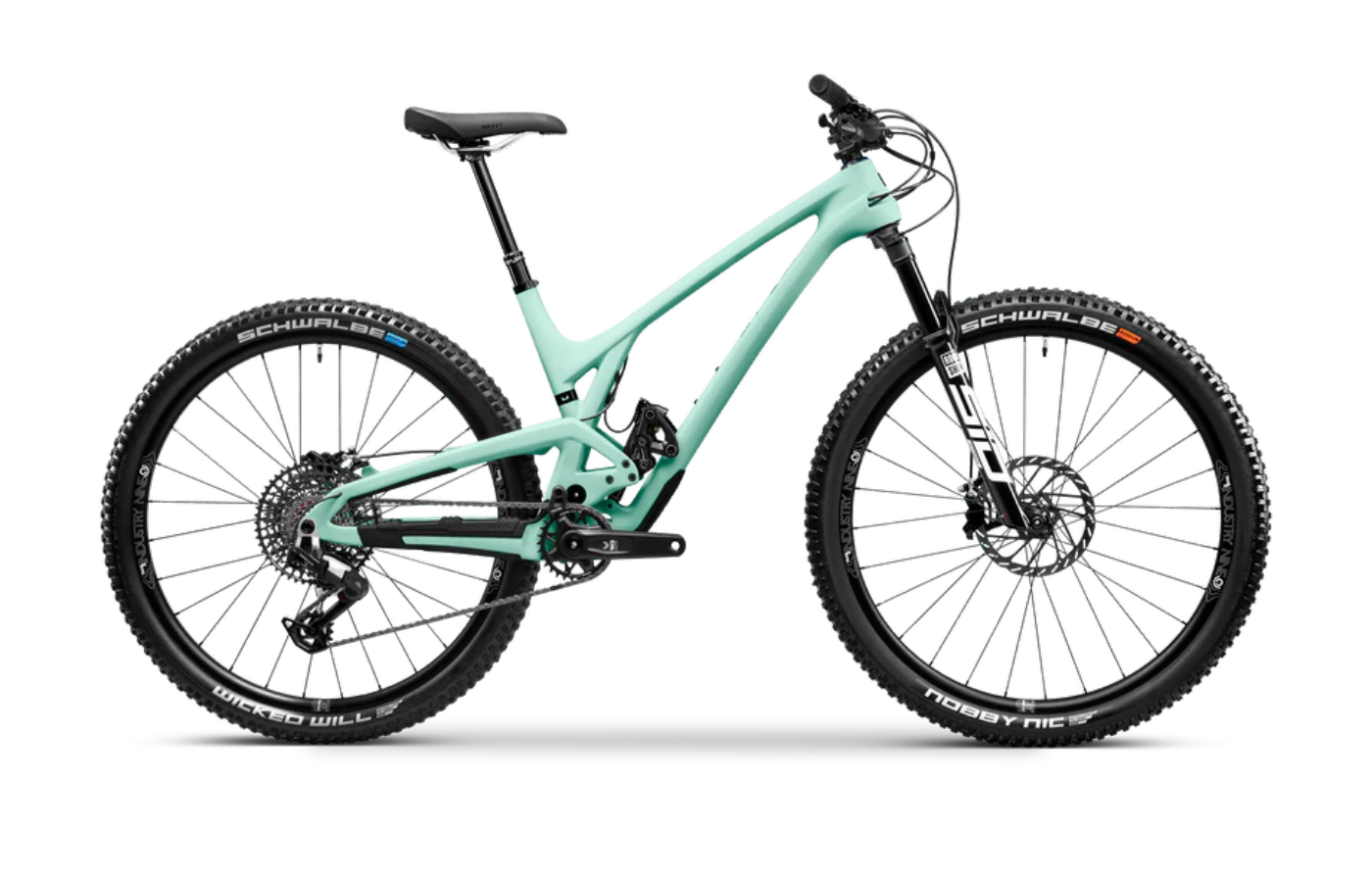
Evil's shorter-travel trail platform. Same DELTA-link DNA and aesthetic as the Offering, but snappier and more agile if 151 mm feels like more bike than your local trails ask for.
Compare →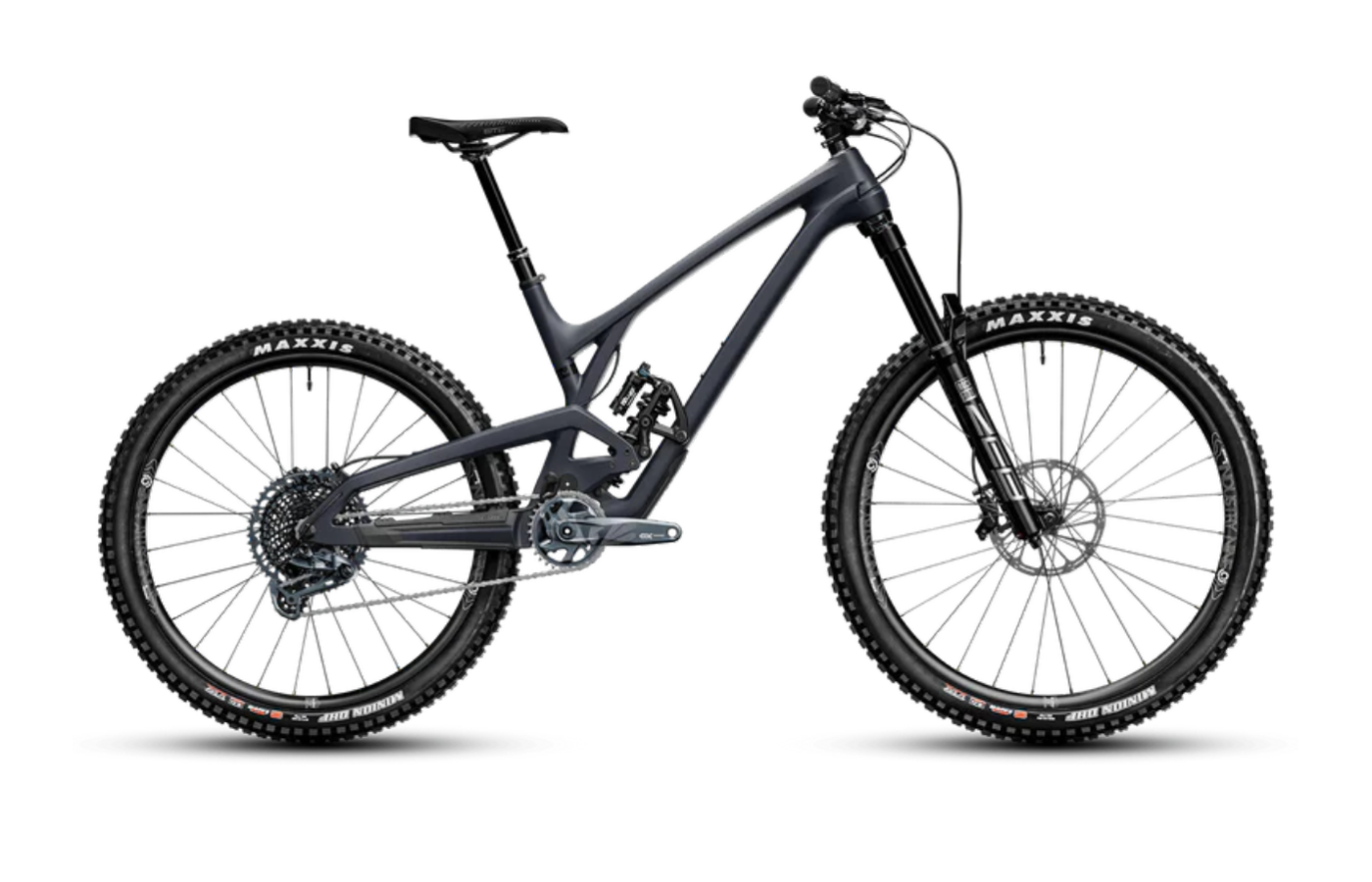
Insurgent
Evil's 27.5 / mullet-friendly aggressive bike. The natural answer if you love the Wreckoning's mini-DH character but want smaller rear wheels for added playfulness.
Compare →Spire
Long-travel 29er from Transition that prioritizes plow over pop — explicitly cited in Wreckoning reviews as the alternative for riders who want maximum composure rather than the Wreckoning's jibby personality.
Compare →