Aluto
vsOstro Gravel
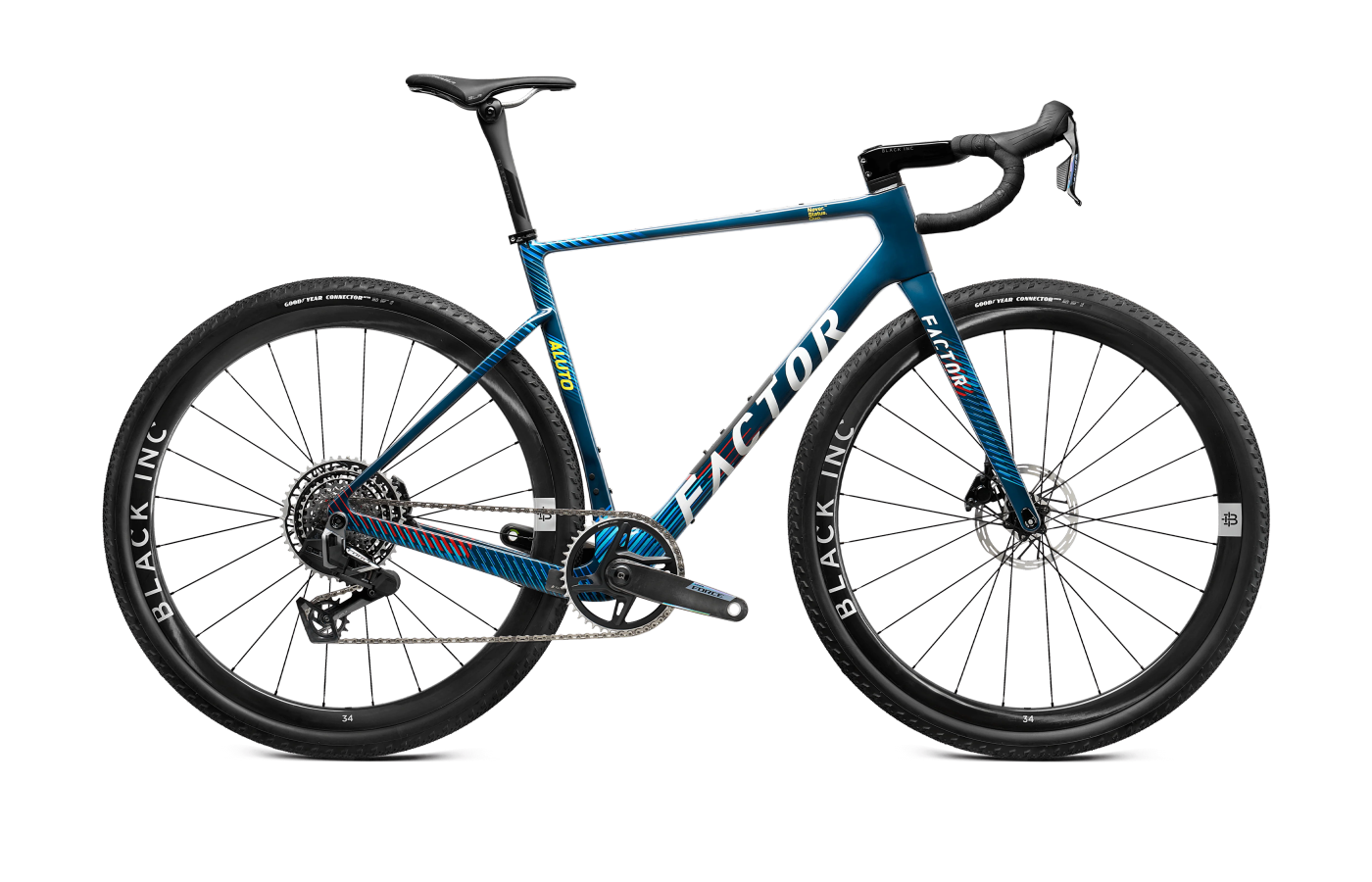
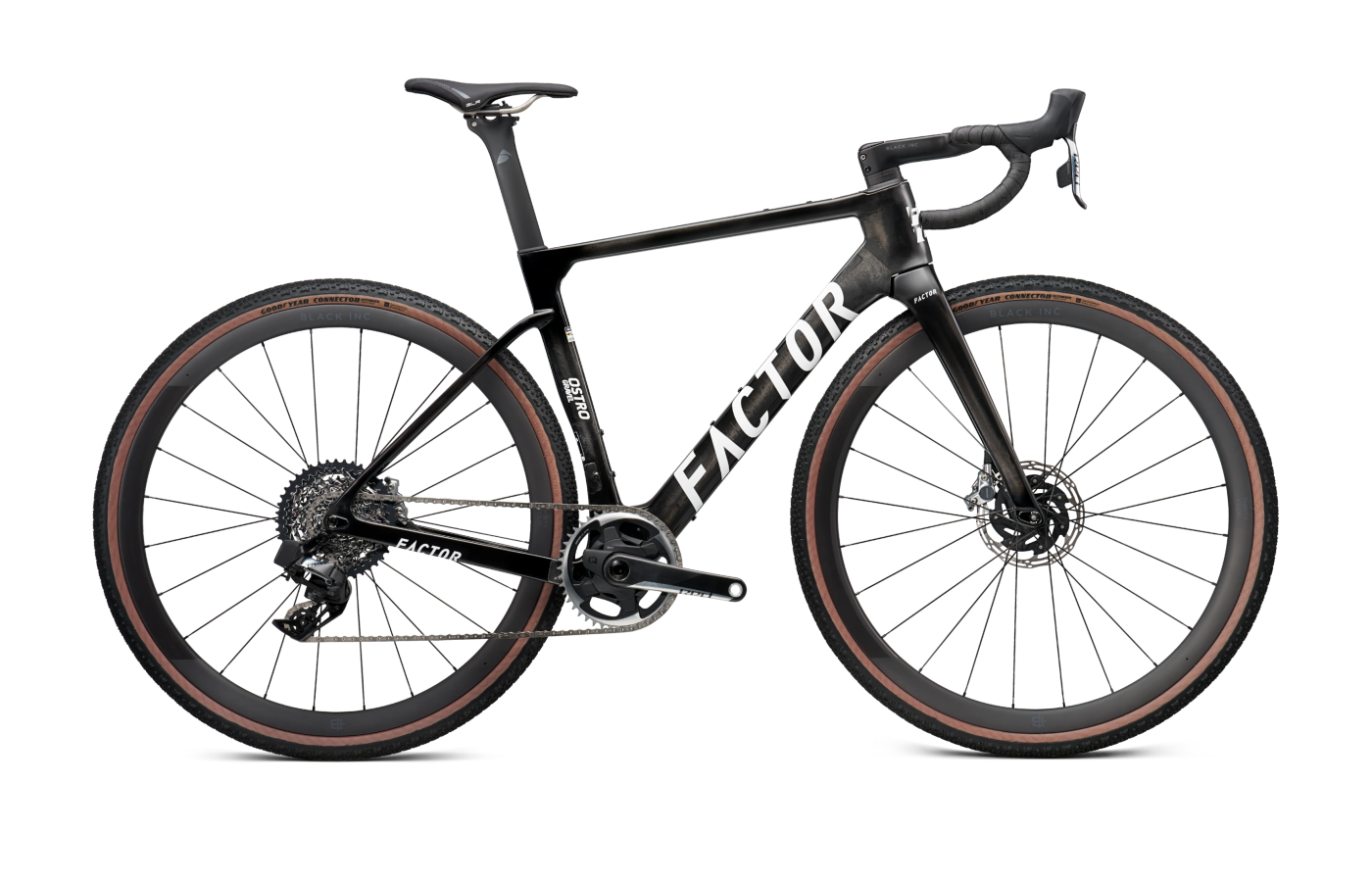
Same brand, two answers to the same question.
The Aluto is Factor's road-centric do-it-all gravel bike. The Ostro Gravel is the unapologetic race weapon it grew out of.
Aluto
- Wider tire clearance — 47 mm rear / 52 mm front, vs. the Ostro's 45 mm cap.
- Round 27.2 mm seatpost — easier fit, more comfort, and dropper-/suspension-post compatible.
- Cheaper entry point — Force XPLR build at $7,199 vs. $9,299 for the Ostro's Force XPLR.
- Downtube storage is too small to fit a mini-pump or CO2 — "basically useless," per Cyclingnews.
- Lacks the deep aero tube profiles — slower than the Ostro at high speed on flat roads.
Ostro Gravel
- True aero gravel design — deep tube profiles plus the HB02 cockpit (claimed 9 W vs. a conventional setup).
- Lighter frameset — 913 g painted at 54 cm; 8.05 kg as tested. Lighter and faster on smooth gravel.
- UCI road-race certified — a legitimate dual-purpose bike for fast pavement and gravel races.
- Brutally stiff rear end — multiple reviewers cite fatigue and discomfort over rough terrain.
- Proprietary D-shaped aero seatpost — no aftermarket compliance options, no dropper.
Editor’s analysis
Factor doesn't believe one bike does everything — so they built two, and they want you to pick the right one.
Both the Factor Aluto and the Factor Ostro Gravel start from the same place: Factor's racing DNA, the Black Inc HB05/HB02 integrated cockpit, Black Inc Thirty Four wheels, and a shared appetite for fast, smooth gravel. From there they diverge — and Factor wants you to feel the difference.
The Factor Ostro Gravel is the original premise: take the Ostro VAM road race bike, give it 45 mm tire clearance, keep the deep aero tube profiles, the proprietary D-shaped aero seatpost, and the electronic-only routing. Reviewers across Cyclist, Velo, and BikeRadar describe the ride as "taut and lithe and responsive" on smooth fire roads — and "jarring," "unforgiving," and "fatiguing" anywhere chunkier. It's UCI-certified for road racing, gets to 8.05 kg as tested, and is built to win Unbound on champagne gravel.
The Factor Aluto is what happens when Factor admits the Ostro Gravel is too narrow for most buyers. Slim, O2-inspired tube profiles replace the deep aero shapes. A traditional 27.2 mm round seatpost replaces the D-post — adding compliance and opening the door to a dropper or suspension post. Tire clearance grows to 47 mm rear / 52 mm front. There's a downtube storage hatch (small, but it's there), a SRAM UDH, and a T47a threaded BB. It's heavier than the Ostro's frame in absolute terms but rides livelier, with what Velo calls "immediate turn-in" and a "bright" feel the Ostro deliberately trades away.
Put another way: the Factor Ostro Gravel is the bike you buy when you have a podium in mind. The Factor Aluto is the bike you buy when you want one gravel bike for everything from local mixed-surface loops to the occasional race — and you're willing to give up a watt or two for a frame that doesn't punish you over five hours.
Where the builds differ.
Comparing our editor's-pick builds side-by-side. Winners highlighted row-by-row — lower price and weight, and the better-spec component, each mark a point.
Build variants & pricing
Both lineups are SRAM-XPLR-only and electronic-only. The Aluto starts $2,100 cheaper at the Force tier; the Ostro extends higher with a flagship Red AXS build.
Prices are current US MSRP. The Ostro Gravel does not offer a build below $9,299 — if you want a Factor gravel bike for under $7,500, the Aluto is the only door in. Factor also sells both as framesets ($3,999+ for the Aluto).
How they fit, how they steer.
Both at size 52 with identical 385 mm reach. The Aluto sits 12 mm taller in stack (547 vs. 535) and runs a marginally steeper 71.9 head angle, with a 10 mm shorter wheelbase. Translation: same cockpit length, more upright posture, slightly tighter footprint.
Which size should I buy?
Size recommendations based on stack, reach, and effective top tube. Both lineups span 49 to 61 cm with closely overlapping fit windows.
→These are starting points. Flexibility, riding style, and preferred position all shift the answer — if you’re between sizes, a professional fit beats a chart.
What the magazines said.
Published reviews from trusted cycling outlets. Click through for the full write-up.
Which one should you buy?
If you want one gravel bike for everything from group rides to the occasional race, get the Aluto. If you're chasing podiums on fast, open gravel, get the Ostro Gravel.
Aluto
If most of your gravel is mixed-surface — half tarmac, half smooth fire road — and you want one bike that handles local loops, light bikepacking, and the occasional event without beating you up, the Aluto is the bike Factor built for you. Cheaper than the Ostro, more comfortable, and almost as fast where it counts.
Ostro Gravel
If you race Unbound, the Girona World Series, or any event where the course is fast and the climbs are paved, the Ostro Gravel's aero tubes and HB02 cockpit will pay you back. Bring the core strength — the rear end is uncompromising and 200 miles will hurt.
Questions buyers actually ask.
Short answers to the things we get emailed about most often.
01Which is faster on smooth gravel and tarmac?
The Factor Ostro Gravel, by a measurable margin. The deep aero tube profiles plus the Black Inc HB02 integrated cockpit (claimed 9 watts vs. a conventional setup) add up to a real advantage above 30 km/h. On a fast, open gravel course like Unbound, that's the difference between sitting in a chase group and getting dropped.
At mixed-surface trail-ride pace (sub-25 km/h), the gap shrinks to something you'll never feel — and the Aluto's livelier handling will make the ride more fun.
02Which is more comfortable for long days?
The Factor Aluto, clearly. The Ostro Gravel's frame is described by multiple reviewers as "overly firm" (Cyclist), "stiff" (Velo, BikeRadar), and unable to absorb "square-edge bumps, depressions in the ground, and relentless vibrations" — Cyclingnews even cut a ride short citing discomfort.
The Aluto's slimmer tube profiles and 27.2 mm round seatpost give it real frame compliance. It's still firm — this isn't an endurance bike — but Velo calls it "balanced, if a bit firm on the dirt," which is a different category of ride.
03What's the maximum tire clearance?
Factor Aluto: 47 mm rear, 52 mm front. Optimized around 45 mm rubber, with the stock Goodyear Connector 700x45c.
Factor Ostro Gravel: 45 mm front and rear. Factor-sponsored athletes are noted to run 45 mm tires almost exclusively on this bike.
Neither is a monster-truck gravel bike. For chunkier singletrack or anything pushing 50 mm tires at the rear, look elsewhere.
04Can I run a dropper post on either?
Only the Aluto. Its 27.2 mm round seatpost accepts standard droppers and suspension posts — Factor explicitly designed it for that flexibility.
The Ostro Gravel uses a proprietary D-shaped aero seatpost and is not dropper-compatible. Cyclingnews specifically calls out that you can't even swap in a more compliant aftermarket post like a Redshift, which limits comfort upgrades.
05Are both compatible with mechanical shifting?
No. Both frames are wireless/electronic-only — Factor doesn't offer cable stops or mechanical-compatible routing on either platform. If you want SRAM Apex mechanical or Shimano GRX cable-shift, you're outside this lineup.
06How does the Aluto's downtube storage actually work?
Honestly, not very well. Both Cyclingnews and Velo describe the storage hatch as too small to be useful — Cyclingnews calls it "basically useless" and notes the door rattled enough to need electrical tape. Velo says it fits "a TPU tube, tire levers, and a tubeless tire plug system," but not a mini-pump or CO2 canister.
If onboard storage matters to you, plan to run a top-tube bag instead. The hatch is more of a marketing feature than a working solution.
The Ostro Gravel has no downtube storage at all.
07How much do they weigh?
The Ostro Gravel comes in around 8.05 kg as tested (Velo, Edinburgh Bike Shop, 54 cm complete bike). Frame weight is 913 g painted at 54 cm — genuinely race-bike-light for a gravel platform.
Factor doesn't publish a complete-bike weight for the Aluto, but reviewers report ~8.9 kg for a size 56 Force XPLR build. The Aluto's frame is heavier than the Ostro's despite the simpler tube shapes — partly due to the storage hatch, partly to the broader tire clearance.
08What warranty do they come with?
Both frames come with a limited lifetime warranty to the original owner. Both ship with CeramicSpeed coated T47a bottom bracket bearings that carry a separate lifetime warranty, and both use a SRAM Universal Derailleur Hanger for cheap, easy hanger replacement after a crash. Factor's serviceability story is consistent across the two platforms.
Similar bikes
If your priorities don’t map cleanly onto either of these, one of these adjacent bikes probably fits better.
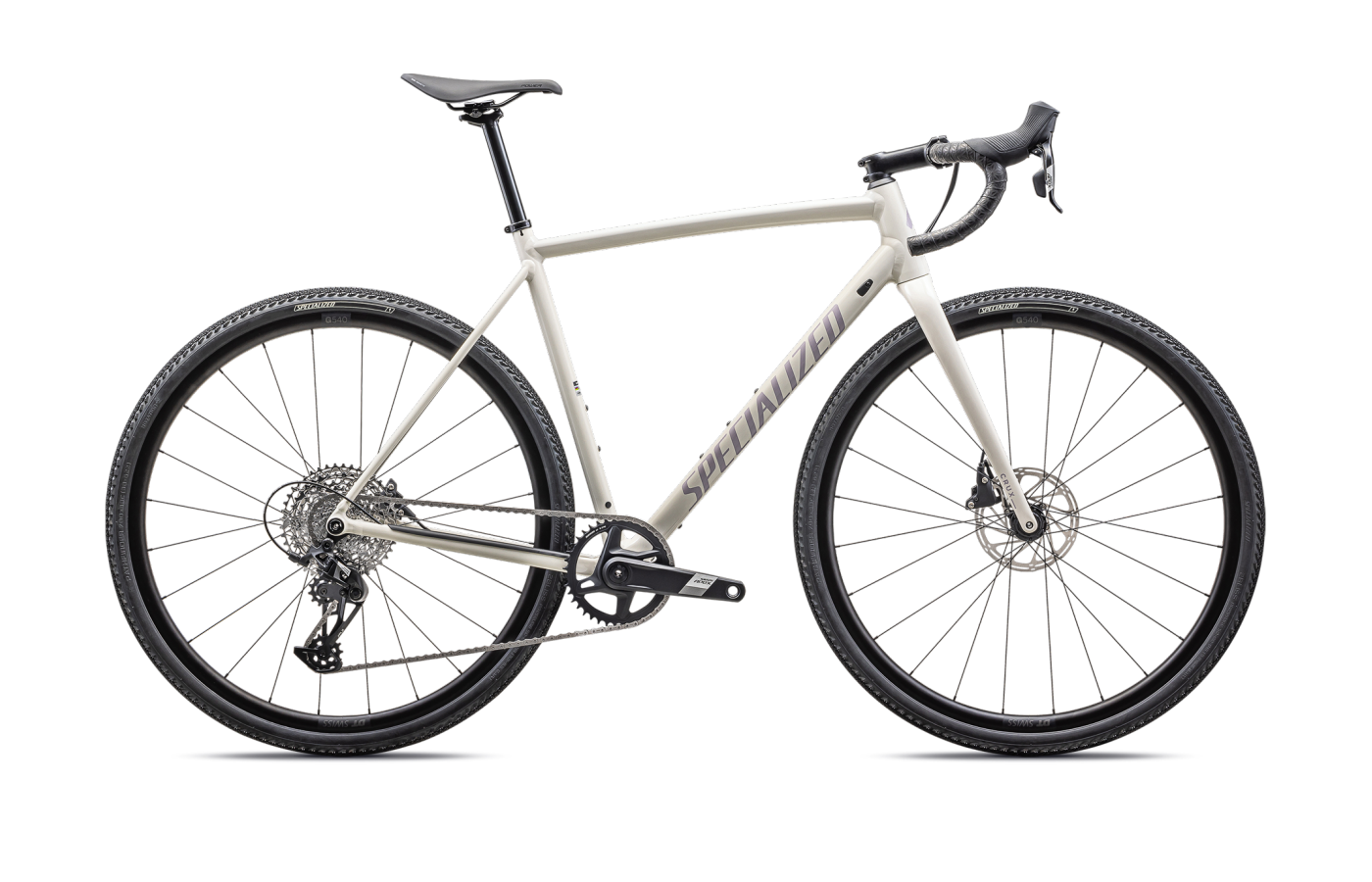
Crux
The Aluto's most direct rival — similarly road-like handling, lightweight carbon frame, and a standard round seatpost. Cyclingnews puts the Force XPLR Crux at the same $6,999 price point as the Aluto, with Factor winning on customization and the Crux winning on dealer footprint.
Compare →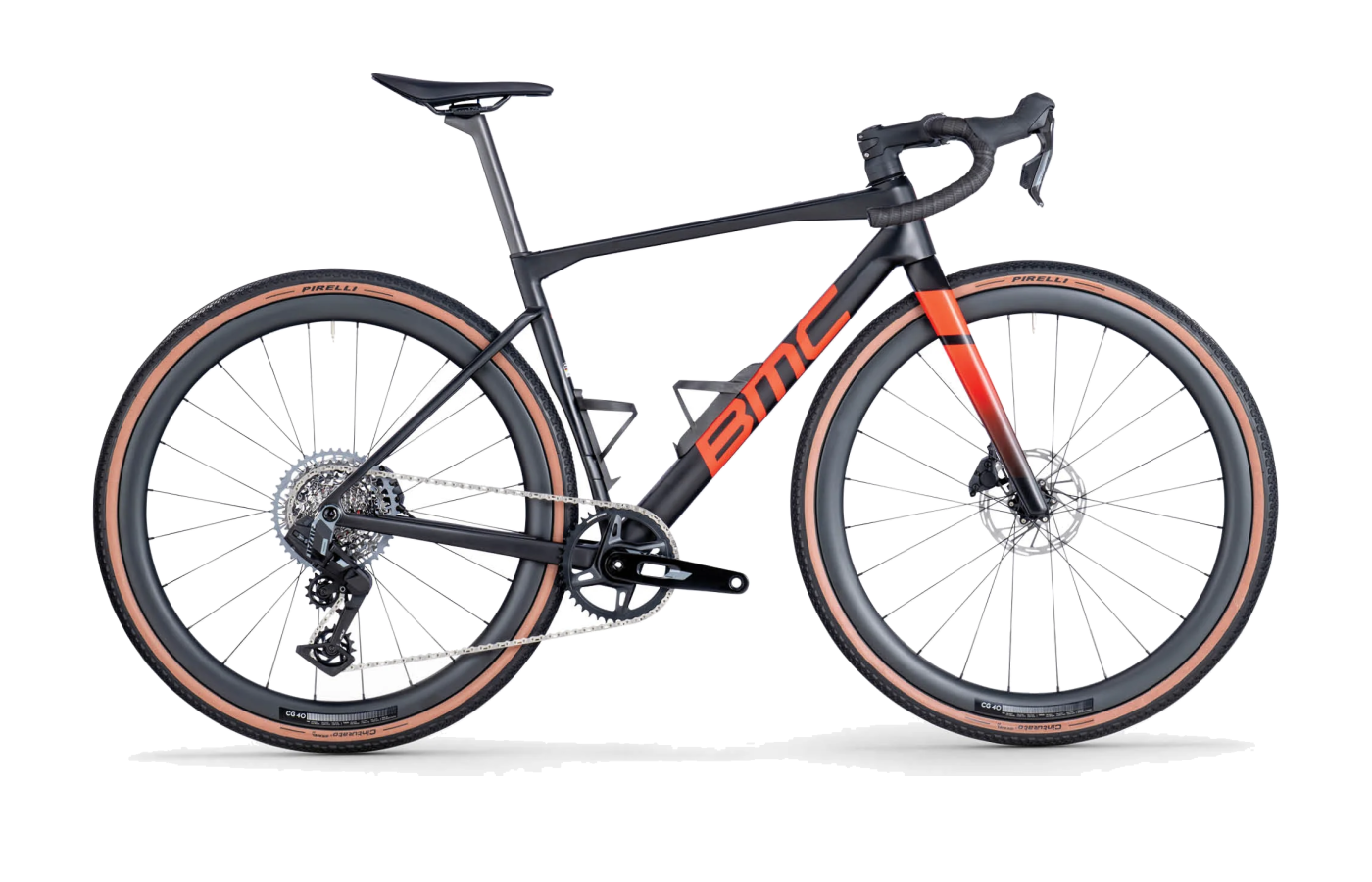
Kaius
The Ostro Gravel's natural alt — another aero gravel race chassis with deep tube profiles. Per BikeRadar, the Ostro Gravel actually undercuts the Kaius by ~£1,850 at the Red AXS tier and includes a power meter the Kaius often skips.
Compare →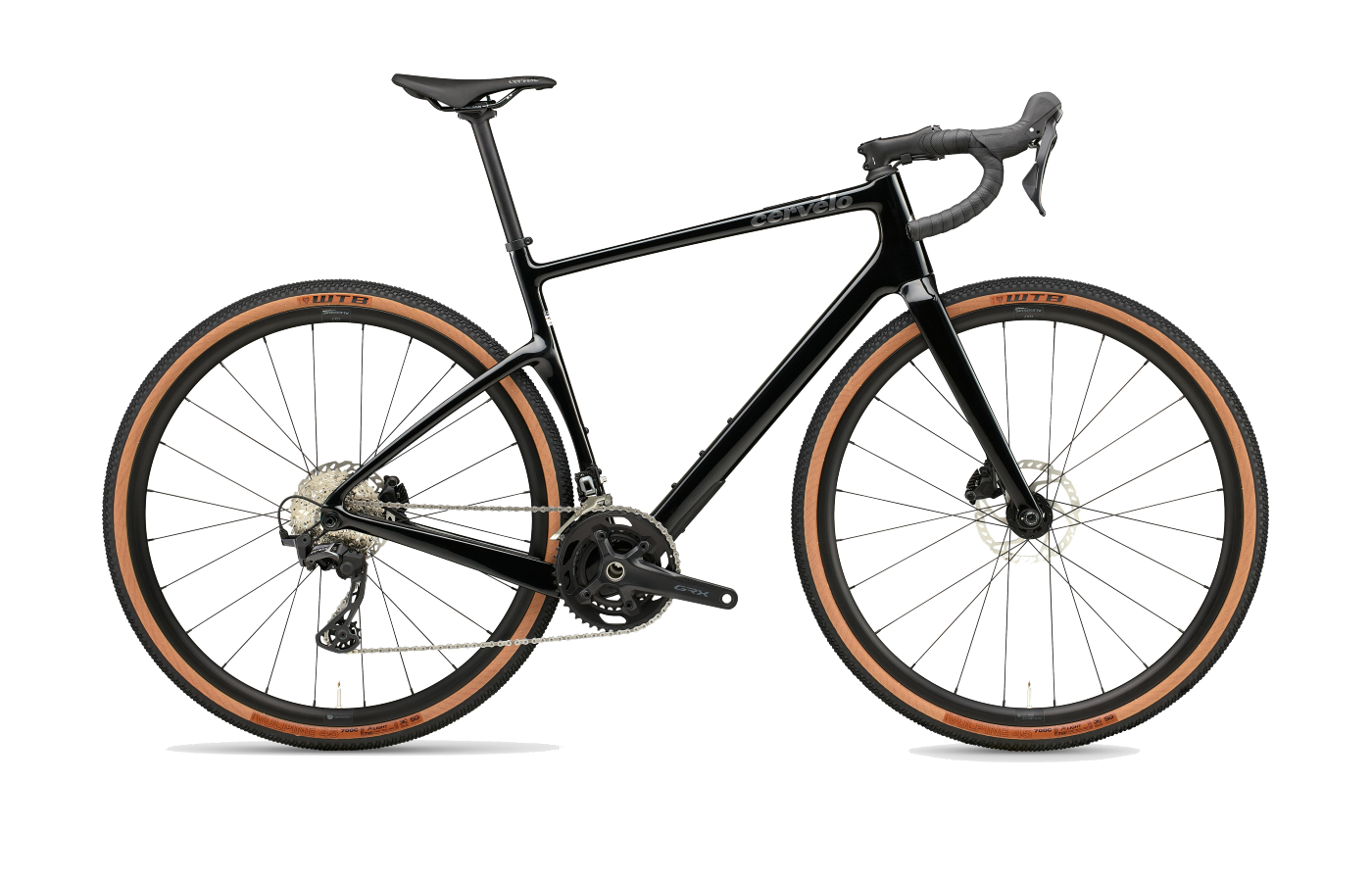
Aspero
Sits in the middle ground — Cervelo's gravel racer with sharp handling and a proper racing pedigree, but built around more conventional, less integrated parts than the Ostro. Easier to live with, easier to upgrade.
Compare →