HD6
vsMegatower
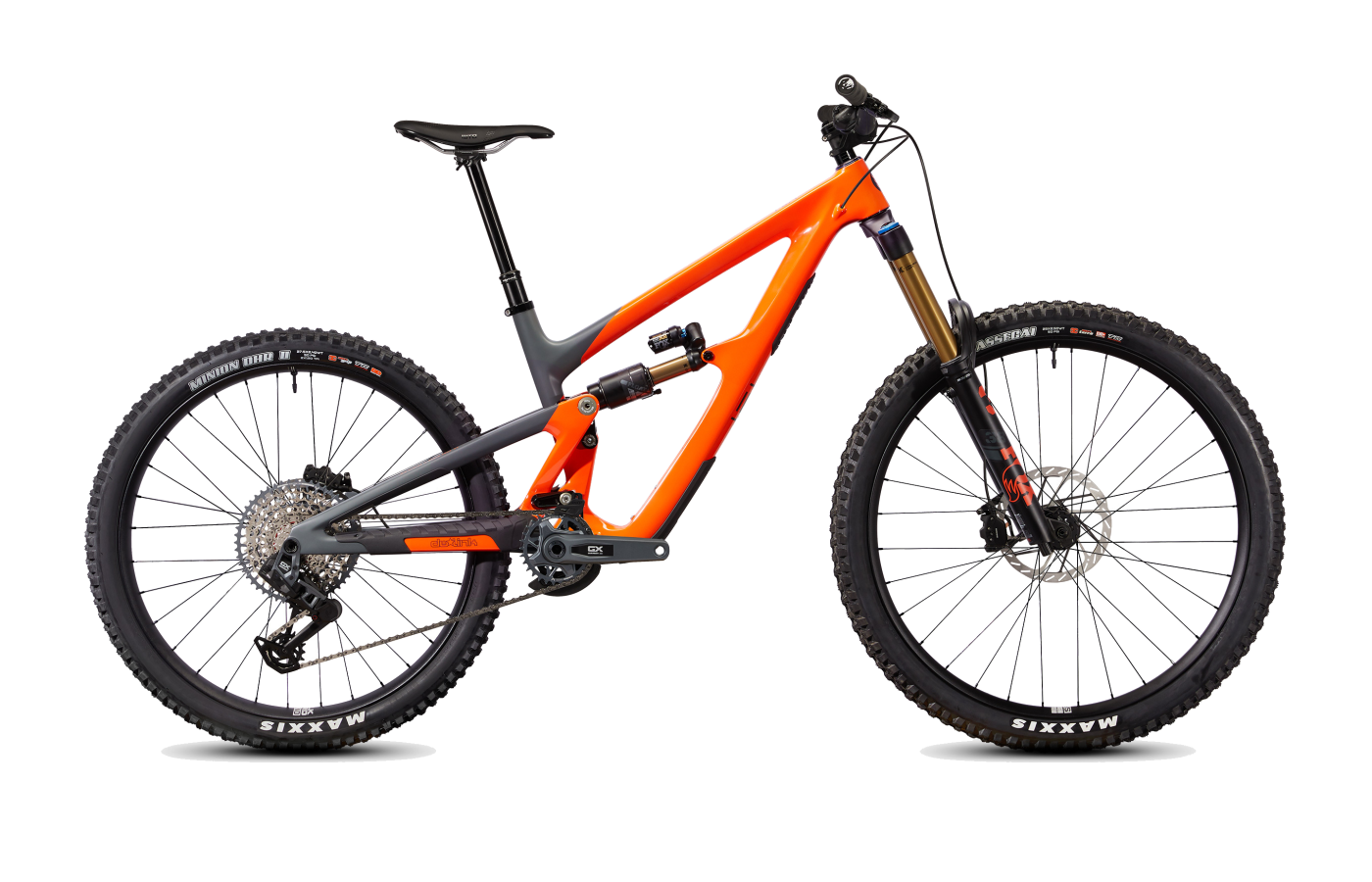
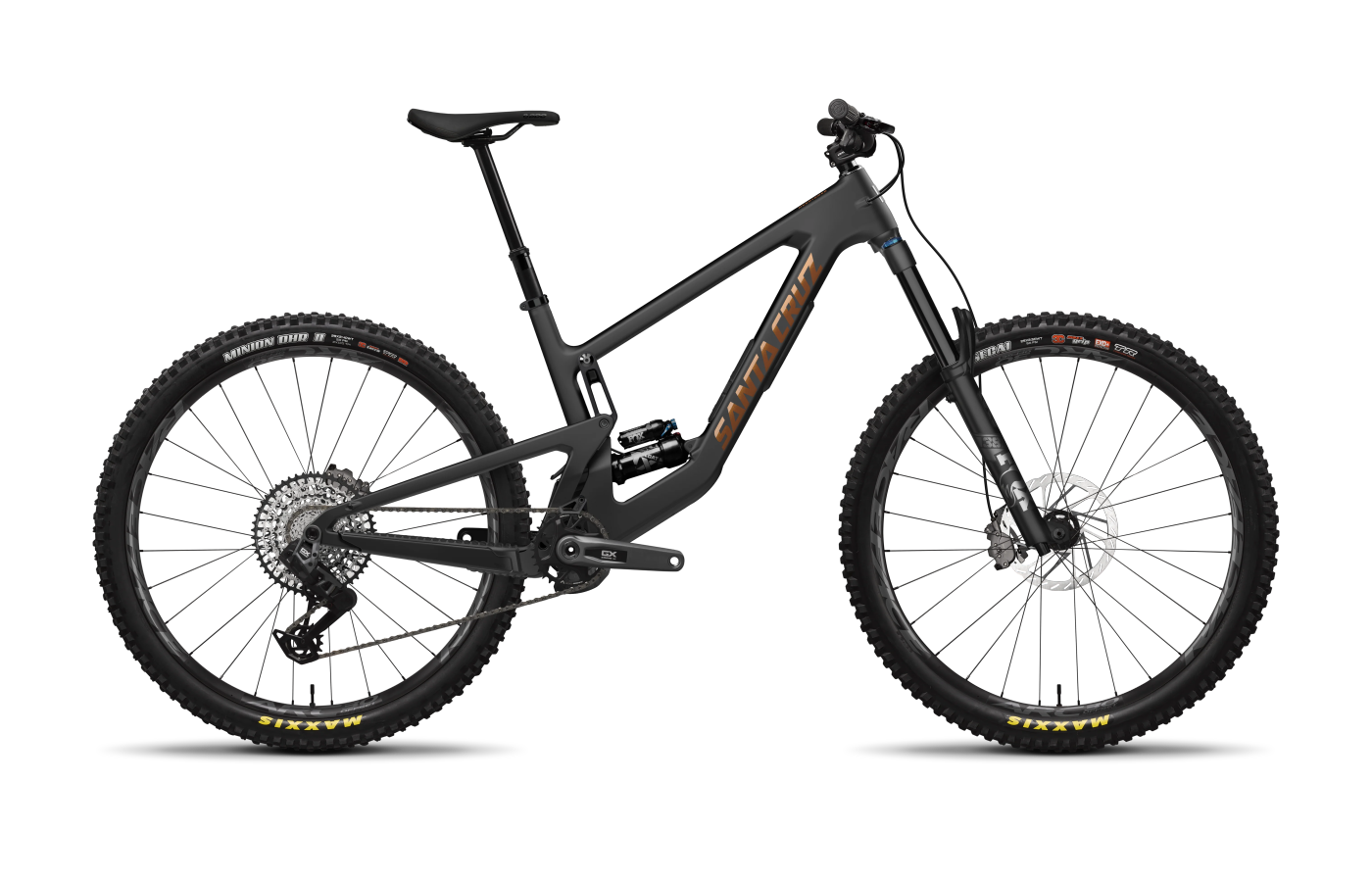
Two enduro bruisers, two personalities.
The Ibis HD6 is the lively mullet that climbs like a trail bike. The Santa Cruz Megatower is the full-29er charger built to flatten warp-speed descents.
HD6
- Best-in-class pedaling — the DW-Link platform climbs like a 140 mm trail bike, with reviewers calling it one of the best-pedaling enduro bikes ever made.
- Lively, agile descending from the mullet wheel setup and 435 mm chainstays — the HD6 corners and manuals like a much shorter-travel bike.
- Fox Factory suspension on every build , from the $4,999 Deore up to the $9,999 XTR — no compromises on dampers.
- Short 91 mm head tube on size M can leave the front feeling low on steep descents, especially as the 180 mm fork compresses.
- No in-frame storage, no flip-chips, no geometry adjustments — you get one configuration.
Megatower
- Mini-DH stability at speed — the longer wheelbase and full 29-inch wheels make warp-speed descents feel almost easy.
- Size-specific chainstays (437 mm on m, 447 mm on XXL) keep every rider centered between the wheels — a real advantage for the tall and the short.
- Glovebox down-tube storage with included tool wallet and tube purse — a genuinely useful frame feature the HD6 doesn't match.
- Stiff chassis transmits high-frequency chatter — lighter riders may find it harsh on long descents.
- Not a snappy climber — reviewers note it wants momentum more than out-of-saddle bursts, and one called it a "dog on climbs" when sprinting.
Editor’s analysis
Same travel, same head angle, same job description — but they ride like they were drawn up by two different teams of engineers, because they were.
On paper, the Ibis HD6 and Santa Cruz Megatower 2 are direct rivals: 165 mm of rear travel, 64-degree head angles, premium carbon-only frames, $7k-ish for a serious GX-tier build. Both are built to win enduro stages and survive bike park laps. Spend any time reading reviews, though, and the personalities split fast.
The Ibis HD6 is the dynamic one. It runs a mullet (29 front, 27.5 rear), a 180 mm Fox 38 fork, and 435 mm chainstays across every size. Reviewers consistently call it "snappy," "unimaginably snappy for a 165mm enduro sled," a "scalpel" rather than a plow. The DW-Link suspension is one of the most-praised pedaling platforms in the category — NSMB called it one of the best-pedaling enduro bikes they'd ever ridden. If you want long-travel capability without giving up the lively, corner-slapping feel of a trail bike, this is the play.
The Santa Cruz Megatower is the stability one. Full 29-inch wheels, a 170 mm fork, size-specific chainstays (437 mm on the size m, growing to 447 mm on XXL), and a slightly slacker 63.8-degree head angle. Reviewers describe it as a "mini-DH bike" that "flattens the trail" and rewards aggressive input. The VPP suspension layout has been refined for V2 to feel suppler off the top, but the chassis is stiff — it wants speed and commitment, not finesse. Glovebox down-tube storage is the kind of detail the HD6 doesn't offer.
Put another way: the HD6 is the bike you buy if you ride a wide variety of terrain and like to throw the bike around. The Megatower is the bike you buy when most of your riding is steep, fast, and rough — and you'd rather sit in the bike than dance on top of it.
Where the builds differ.
Comparing our editor's-pick builds side-by-side. Winners highlighted row-by-row — lower price and weight, and the better-spec component, each mark a point.
Build variants & pricing
Both lineups span roughly $5–7k to $10k, all carbon. The HD6 starts $1.1k cheaper at the bottom; the Megatower's top build comes in slightly under the HD6's.
Both editor's-pick builds run the SRAM GX Eagle Transmission AXS group at nearly identical prices ($7,299 vs $7,249). The HD6 GX Transmission ships with full Fox Factory suspension (Fox 38 Factory + Float X2 Factory), while the Megatower GX AXS gets the Performance Elite versions — a real spec advantage for the HD6 at this tier.
How they fit, how they steer.
Both at the m/M size — the fit-picked frame for a 5'8" rider on each bike. Stack and reach are nearly identical (HD6 625/454, Megatower 625/455), but the Megatower runs a 1.42° steeper seat tube angle and 2 mm longer chainstays, while the HD6 carries a 5 mm shorter wheelbase.
Which size should I buy?
Sizes recommended by stack, reach, and effective top tube. The HD6 uses S/M/XM/L/XL labels (with consistent 435 mm chainstays everywhere); the Megatower uses s/m/l/xl/xxl with chainstays that grow with the size.
→These are starting points. Flexibility, riding style, and preferred position all shift the answer — if you’re between sizes, a professional fit beats a chart.
What the magazines said.
Published reviews from trusted cycling outlets. Click through for the full write-up.
Which one should you buy?
If you ride varied terrain and want a long-travel bike that still feels playful, get the HD6. If you live for steep, fast, rough descents and want the most stable enduro bike money can buy, get the Megatower.
HD6
If your trails reward agility — tight switchbacks, root mazes, side hits, the occasional shuttle day — and you want to climb in under your own power without suffering, the HD6 is the rare 165 mm bike that actually makes that work. The mullet setup and short chainstays make it dance.
Megatower
If you race enduro on steep tracks, ride bike parks every weekend, or live somewhere with serious mountains, the Megatower's stability is the point. Sit in it, point it, hold on — it flattens the kind of chunder that the HD6 would ask you to pick a smarter line through.
Questions buyers actually ask.
Short answers to the things we get emailed about most often.
01Which one climbs better?
The Ibis HD6, by a clear margin. Reviewers across NSMB, Pinkbike, and Blister consistently call out its DW-Link suspension as one of the best-pedaling enduro platforms ever, with one NSMB reviewer naming it "the best pedaling enduro bike I've ridden, ever." High anti-squat keeps the bike from bobbing, and a reasonably light frame (around 32–33 lbs in mid builds) means it accelerates uphill without protest.
The Megatower is a competent climber for a 165 mm bike — the steep 77.4–77.8° seat tube and VPP traction get it up the hill — but reviewers describe it as a momentum-based machine, not a snappy one. One Singletracks tester even called it a "dog on climbs" during sustained sprints. If you climb a lot of fire roads, both will work; if you climb a lot of technical, punchy stuff, the HD6 has a real edge.
02Which one is more stable at high speed?
The Santa Cruz Megatower. The full 29-inch rear wheel, longer wheelbase (1,236 mm on size m vs 1,228 mm for the HD6 M), 63.8° head angle, and stiffer chassis all add up to a bike that reviewers compare to a "mini-DH" rig. It "flattens the trail," as multiple reviews put it, and rewards riders who commit and let it run.
The HD6 is no slouch — 64° head angle, 180 mm Fox 38 up front — but BikeRadar and Blister both noted it requires more rider input to stay calm at the absolute limits of speed compared to plowier bikes. It's a sharper tool, not a steamroller.
03Mullet vs full 29 — does it really matter here?
Yes, and it's the single biggest difference between these two bikes. The HD6's 27.5-inch rear wheel is the main reason it feels so lively: shorter chainstays become more practical, the bike rotates through corners faster, and pumping or manualing requires less effort. Reviewers describe "lightning quick turning" and a "Tigger-like" character.
The Megatower's 29-inch rear wheel rolls over chunder more easily, holds speed on rough flats, and contributes to the planted feel — but it asks more of you to throw it around. Choose by terrain and style, not by trend.
04How much travel do these actually have?
Ibis HD6: 165 mm rear (DW-Link, Fox Float X2 shock, 230x65 mm) and 180 mm front (Fox 38, 29-inch). Travel front and rear is fixed — no flip-chips, no adjustment.
Santa Cruz Megatower 2: 165 mm rear (VPP, Fox Float X2 or Float X depending on build, 230x65 mm) and 170 mm front (Fox 38). The Megatower also has a flip-chip that adjusts head angle by roughly 0.3° between settings; reviewers generally prefer Low.
Note the front-travel difference: the HD6 runs a 180 mm fork to the Megatower's 170 mm. That extra 10 mm contributes to the HD6's slightly slacker effective geometry on steep descents.
05Which has better in-frame storage?
Only the Megatower has it. Santa Cruz's "Glovebox" down-tube door opens to a sealed compartment that ships with a Tool Wallet and Tube Purse — reviewers across Evo and Blister called it well-executed and genuinely useful.
The HD6 has none. Ibis offers an external "Pork Chop" frame bag as their alternative, and accessory mounts under the top tube. For some riders the lack of internal storage is a deal-breaker on a $7k+ enduro bike; for others it's a non-issue.
06Are the size-specific chainstays really a big deal?
On the Megatower, yes — they range from 436 mm on the small to 447 mm on the XXL. The benefit is that taller riders stay centered between the wheels instead of getting pushed too far rearward, which helps front-wheel grip on climbs and balance on descents.
The HD6 runs 435 mm chainstays on every size, S through XL. Reviewers love this on smaller frames (it's a key reason the bike feels playful) but several flagged a potential rearward weight bias on the L (508 mm reach) and XL (541 mm reach), where a tall rider might want a longer rear-center for balance. If you're 6'2"+, this is worth thinking through.
07What's the difference between the editor's-pick builds?
Both run the SRAM GX Eagle Transmission AXS drivetrain at nearly identical prices ($7,299 for the HD6 GX Transmission, $7,249 for the Megatower GX AXS), so the comparison is genuinely apples-to-apples on shifting and price.
The biggest spec gap is suspension. The HD6 GX Transmission ships with full Fox Factory-level dampers (Fox 38 Factory fork and Float X2 Factory shock with full HSC/LSC/HSR/LSR adjustability). The Megatower GX AXS ships with Fox Performance Elite versions — same chassis, simpler damper internals, less external adjustability. For riders who tune their suspension, that's a meaningful real-world advantage to the HD6 at this price point.
08How's the warranty and long-term support?
Both are excellent and broadly comparable. Ibis offers a lifetime frame warranty to the original owner and notably extends a lifetime replacement policy to the lower-link bushings (the HD6 uses a sealed lifetime bushing instead of bearings on the lower link). Ibis carbon rims, where spec'd, are covered for impact damage for 7 years.
Santa Cruz offers a lifetime warranty on the frame and on all pivot bearings — free bearing replacements for the original owner is one of the more generous policies in the industry. Reserve carbon wheels, when spec'd on RSV builds, also carry a lifetime warranty against impact damage. Reviewers across both brands report responsive customer service.
Similar bikes
If your priorities don’t map cleanly onto either of these, one of these adjacent bikes probably fits better.
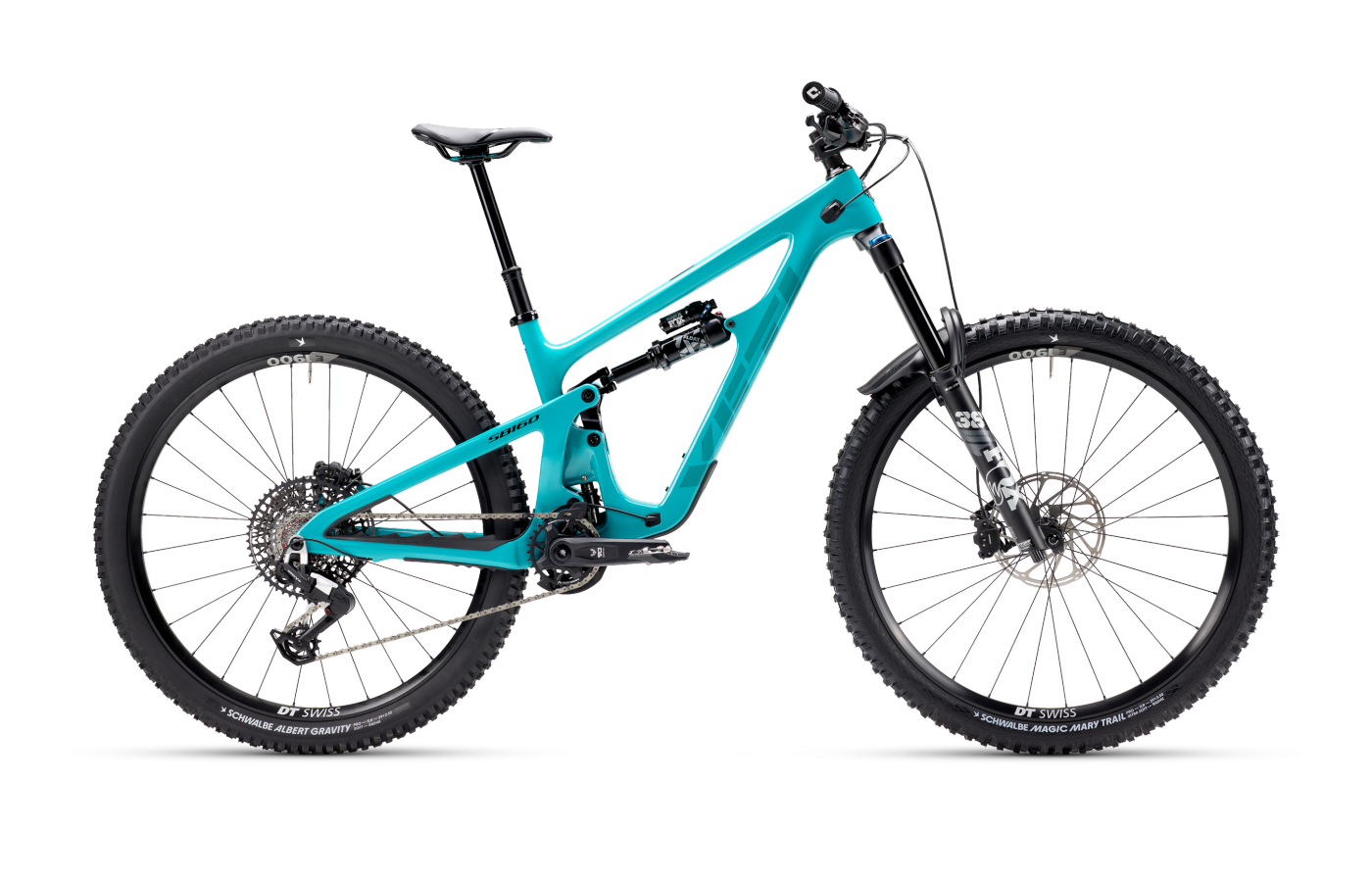
SB160
Race-bred enduro 29er with the Yeti Switch Infinity link — reviewers single it out for unwavering predictability at speed, similar to the Megatower but with a livelier feel.
Compare →Spire
Long-travel 29er with aggressive geometry built around going fast through rough terrain. A purer gravity tool than either of these — worth a look if the Megatower's stability appeals but you want even more of it.
Compare →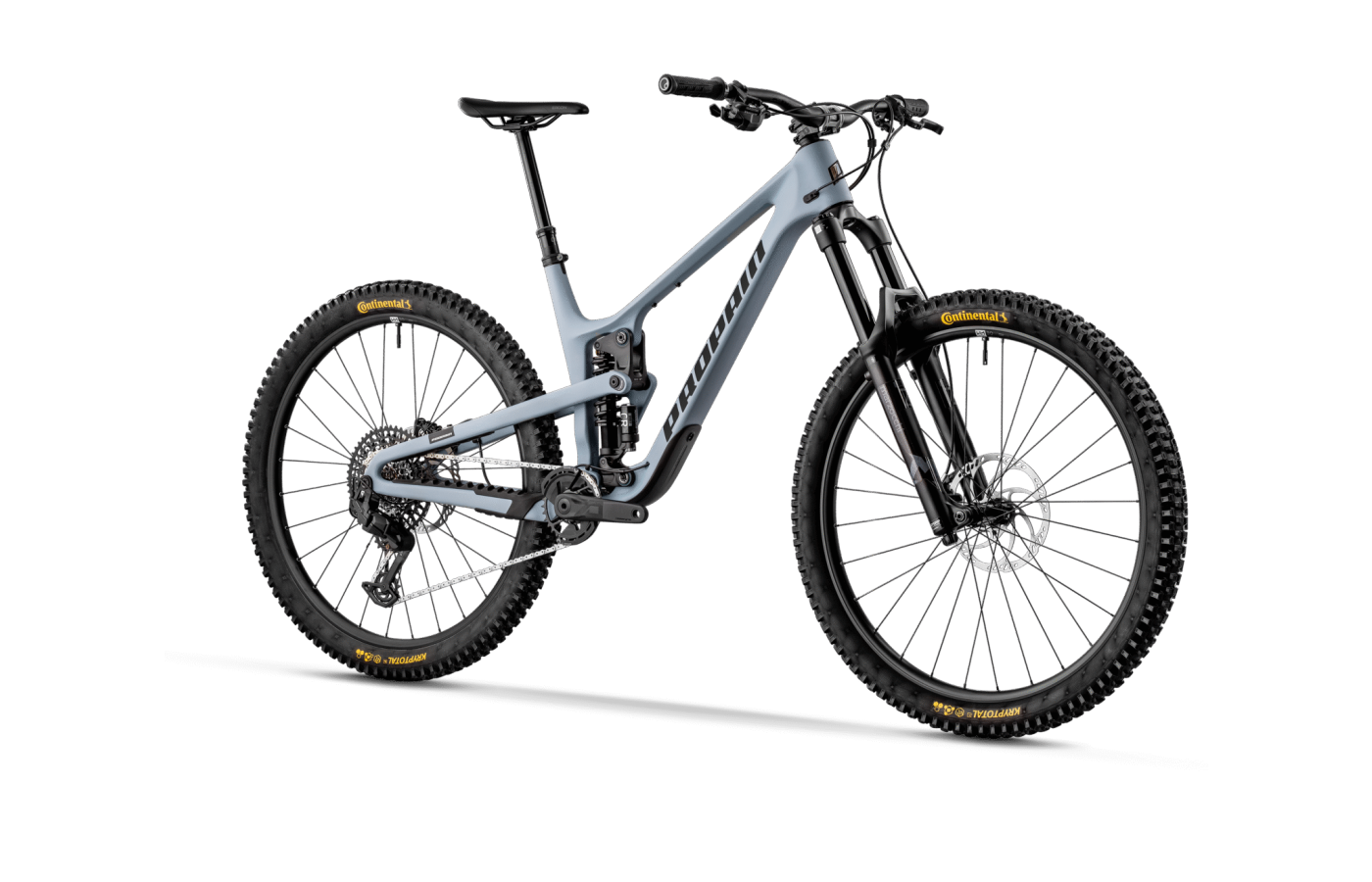
Tyee
Direct-to-consumer enduro bike available in mullet or full 29, often praised for strong value relative to the boutique brands. Pick if you like the HD6's mixed-wheel option but want to keep more money in your pocket.
Compare →