HD6
vsPatrol
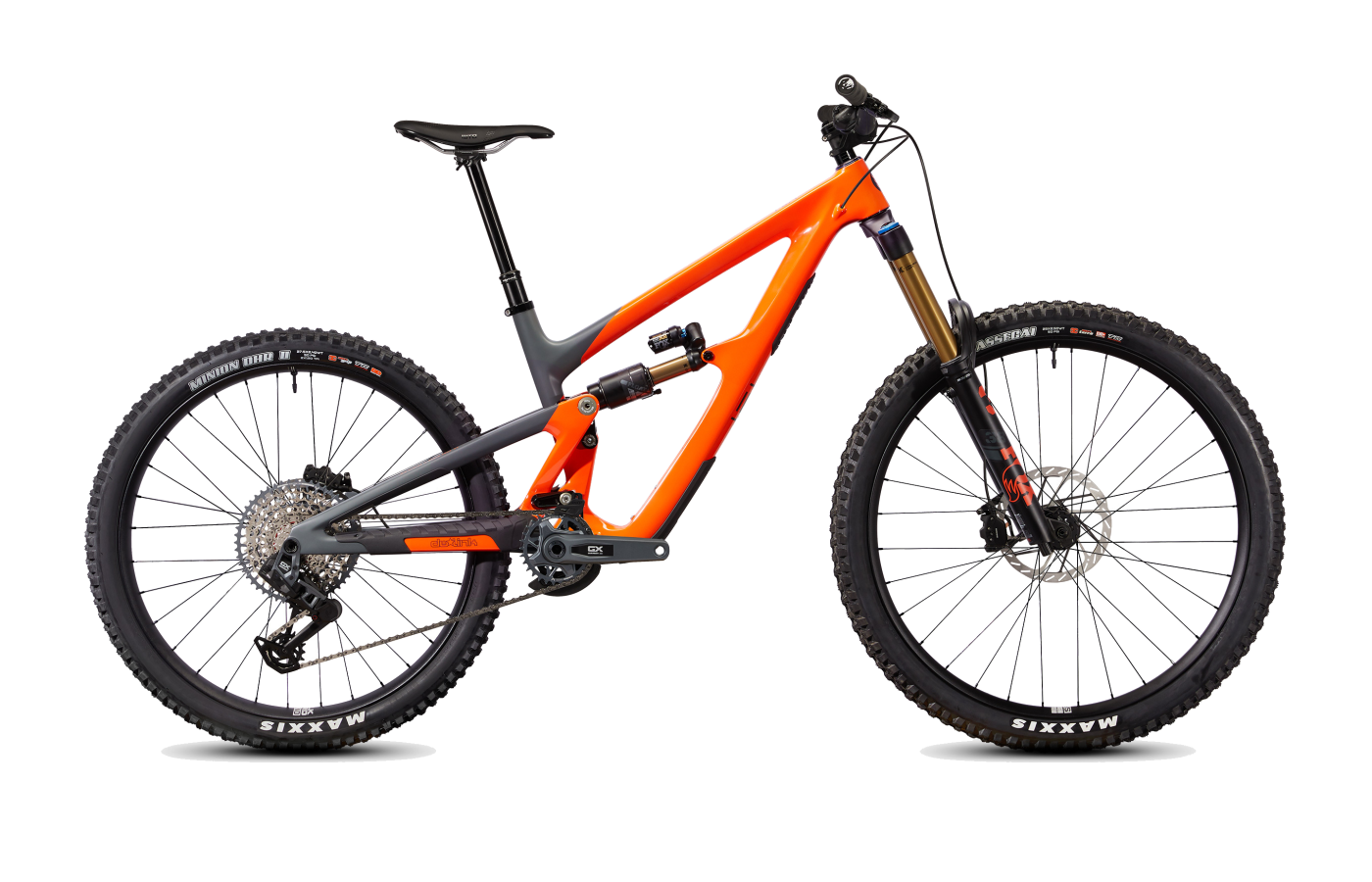
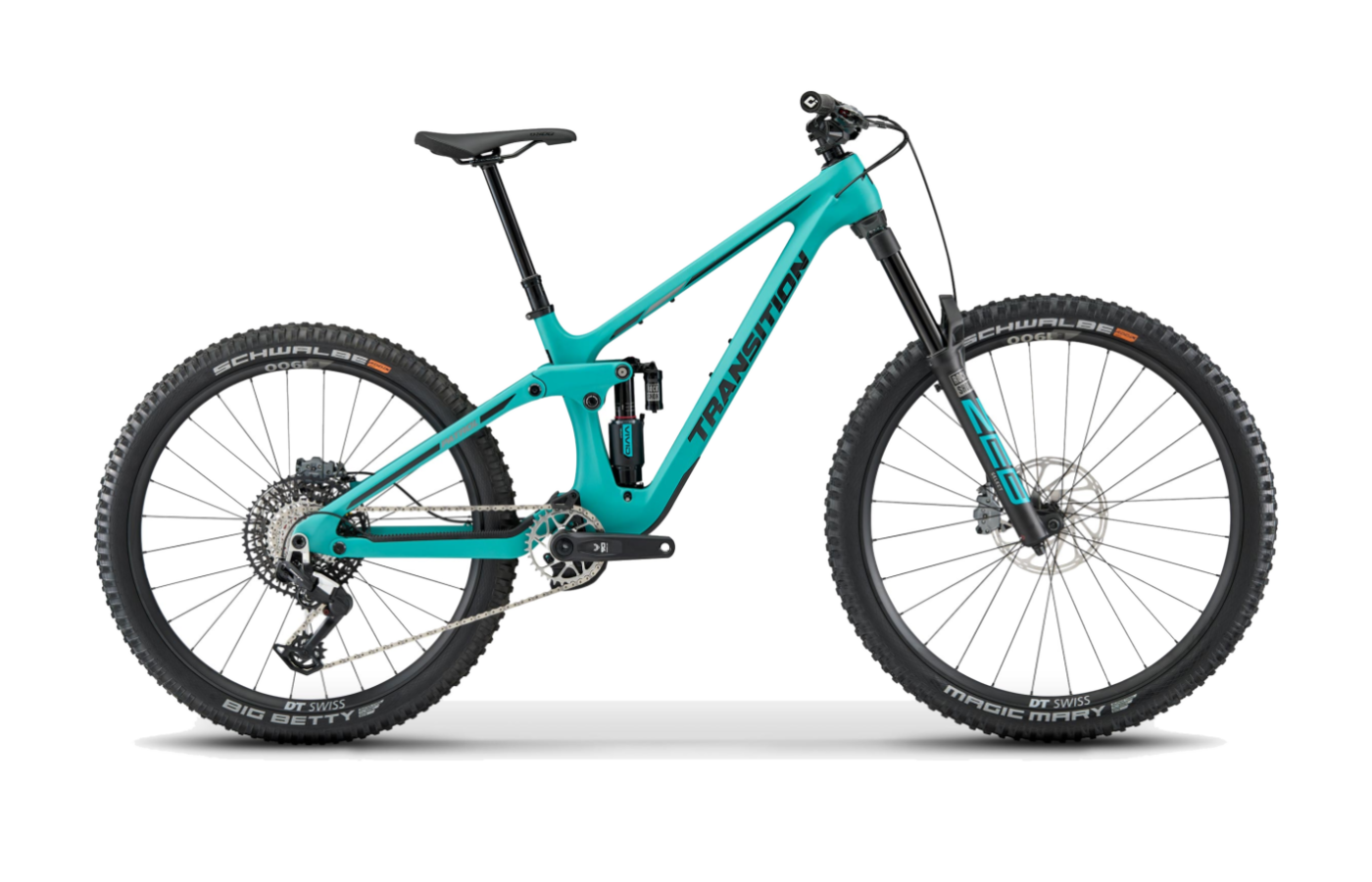
Two mullets, two missions.
The HD6 is the boutique enduro race bike that climbs like a trail bike. The Patrol is the party machine that turns every trail into a jump line.
HD6
- More travel, end of story — 180/165 mm vs 160/160 mm on the Patrol, with Fox Factory dampers across every build.
- Best-in-class climbing efficiency — DW-Link with high anti-squat; reviewers call it one of the best-pedaling enduro bikes ever.
- Lighter than its travel suggests — around 33 lb in mid-builds despite 165 mm of rear travel and Fox 38 fork.
- $7,299 entry to the equivalent build, vs $6,999 for the Patrol GX AXS Carbon — and far higher at the top end.
- Constant 435 mm chainstays across all sizes can feel rear-biased for taller riders on the L and XL frames.
Patrol
- Carbon entry $300 cheaper than the equivalent HD6 — and starts at $3,999 in alloy, where Ibis simply doesn't compete.
- Steeper 78.8-degree seat tube angle puts you directly over the cranks for technical climbs without front-wheel wander.
- Dual-crown compatible and stroke-out friendly — bump rear travel from 160 to 170 mm with a 65 mm shock and run a downhill fork.
- 20 mm less front travel and 5 mm less rear than the HD6 — the geometry can occasionally outrun the suspension on rough, high-speed descents.
- Notoriously low bottom bracket means frequent pedal strikes in technical terrain, even with stock 165 mm cranks.
Editor’s analysis
Same wheel sizes, same lifetime warranties, same enduro bracket — but the intent behind the geometry numbers couldn't be further apart.
On paper the Ibis HD6 and Transition Patrol share a category: 160-ish-mm carbon mullet enduro bikes built around modern slack geometry. In person they ride like cousins, not twins. The HD6 is the lighter, longer-travel, more efficient race tool. The Patrol is the heavier, shorter-travel, lower-slung play bike that asks you to pump every roller and pop every lip.
Travel tells the first half of the story. The Ibis HD6 runs 180 mm up front and 165 mm out back across every build — Fox 38 Factory and Float X2 Factory, no compromises. The Transition Patrol ships at 160/160 (with an upgrade path to 170/170 via a 65 mm-stroke shock), and only the top GX AXS Carbon gets RockShox Ultimate-grade dampers. If your trails punch hard and your race tape says enduro, the HD6 has a hardware advantage out of the box.
Geometry tells the second half. At the fit-picked sizes — Ibis HD6 M and Transition Patrol MD — reach is nearly identical (454 vs 455 mm) and stack is within 2 mm. But the Patrol runs a half-degree slacker head angle (63.5 vs 64), a much steeper 78.8-degree seat tube (vs 76), and a notoriously low bottom bracket that reviewers say strikes pedals even with stock 165 mm cranks. The HD6's 76-degree seat tube is more relaxed; its 64-degree HTA is aggressive enough for race pace without feeling lumbering on flatter terrain.
Put another way: the Ibis HD6 is the bike you buy when you want one enduro rig that climbs efficiently, races a season, and shrugs off bike-park weeks. The Transition Patrol is the bike you buy when you've already got a trail bike and want something burly, dual-crown-compatible, and ridiculously fun for steep, loamy, jump-heavy days.
Where the builds differ.
Comparing our editor's-pick builds side-by-side. Winners highlighted row-by-row — lower price and weight, and the better-spec component, each mark a point.
Build variants & pricing
The Patrol opens at $3,999 in alloy and tops out at $6,999 in carbon. The HD6 starts at $4,999, doesn't offer alloy at all, and climbs to $9,999 with XTR Di2.
Prices are current US MSRP. The editor's-pick comparison above is GX AXS Transmission on both sides — same drivetrain, both carbon, the cleanest apples-to-apples pairing. The HD6 GX Transmission costs $300 more but ships with Fox Factory suspension front and rear; the Patrol GX AXS Carbon counters with RockShox Ultimate-grade dampers.
How they fit, how they steer.
Reach is essentially identical (454 vs 455 mm) and stack is within 2 mm. The Patrol is slacker (63.5 vs 64-degree HTA), steeper at the seat (78.8 vs 76-degree STA), and shares a 1 mm-shorter chainstay. The HD6 climbs more relaxed; the Patrol corners lower and steeper.
Which size should I buy?
Size recommendations are based on stack, reach, and effective top tube. The HD6 offers five sizes (S–XL); the Patrol runs SM–XL with size-specific chainstays (434 mm on SM/MD, 440 mm on LG/XL).
→These are starting points. Flexibility, riding style, and preferred position all shift the answer — if you’re between sizes, a professional fit beats a chart.
What the magazines said.
Published reviews from trusted cycling outlets. Click through for the full write-up.
Which one should you buy?
If you want one boutique enduro bike that climbs like a trail bike and races like an enduro rig, get the HD6. If you want a low, slack, dual-crown-ready party bike that prioritizes pop over pace, get the Patrol.
HD6
If you race enduro, ride bike park weeks back-to-back, or just want the most travel and the best dampers in the segment without sacrificing climbing efficiency, the HD6 is the pick. It's lighter, more efficient, and better-suspended than the Patrol — and you pay for it.
Patrol
If your riding is steep, loamy, and full of jumps — and you'd rather feel the trail than float over it — the Patrol is the better tool. It's heavier and shorter-travel, but the steeper seat angle, dual-crown compatibility, and alloy entry point make it the more flexible long-term platform.
Questions buyers actually ask.
Short answers to the things we get emailed about most often.
01Which has more suspension travel?
The Ibis HD6, by a clear margin. It runs 180 mm up front and 165 mm out back across every build, with Fox 38 Factory and Fox Float X2 Factory dampers as standard.
The Transition Patrol ships at 160 mm front and rear, with an upgrade path to 170 mm front and rear via a 65 mm-stroke shock. For pure repeated-impact bike-park days and rough enduro stages, the HD6 has the hardware edge.
02Which climbs better?
The HD6, and it's not particularly close. Multiple reviewers — including NSMB and Pinkbike — describe it as one of the best-pedaling enduro bikes they've ridden, citing the DW-Link's high anti-squat numbers and the bike's relatively low ~33 lb weight in mid-builds.
The Patrol is no slouch — its 78.8-degree seat tube angle keeps you centered over the cranks and reviewers call it 'very pedalable' — but it's heavier (the alloy version pushes 36 lb), the slack 63.5-degree head tube introduces wheel flop on tight switchbacks, and the GiddyUp suspension is tuned more for traction than for an outright efficient platform.
03Which corners better?
Both bikes corner well, but they get there differently.
The HD6 uses 435 mm chainstays (constant across all sizes) and a 27.5-inch rear wheel to feel agile and 'snap' through turns — reviewers describe it as a 'scalpel' rather than a plow.
The Patrol corners lower. Its bottom bracket sits notably lower than the HD6's, and the steeper seat tube plus 27.5-inch rear lets riders 'steer with the hips' through tight, off-camber terrain. The trade-off: pedal strikes are frequent in technical terrain, even with the stock 165 mm cranks.
04What's the maximum tire clearance?
Ibis HD6: 61 mm out back (roughly 2.4 inches on a 27.5-inch rim). Most builds ship with a Maxxis Minion DHR 27.5x2.4 rear.
Transition Patrol: 66 mm out back (roughly 2.6 inches on a 27.5-inch rim) — a touch more room for plus-leaning rear casings or muddy-condition tires. Stock rear is a Schwalbe Big Betty 2.4 on the carbon builds.
Neither is the limiting factor for most enduro riders. Both are mullet-only — there's no full-29 option on either.
05Can I run a coil shock?
Yes on both. The HD6's DW-Link is progressive enough that Ibis explicitly says you can swap to a coil if you prefer, and several long-term reviewers have done so without issue.
The Patrol's GiddyUp suspension has a 24% progression rate and is widely run with coils — Mtb-Mag's long-term test specifically used a coil at 170 mm of rear travel and praised the result. The Patrol also accepts a longer 65 mm-stroke shock for the 170 mm bump.
06How do warranty and long-term support compare?
Both frames carry a lifetime warranty to the original owner. Ibis additionally offers a lifetime replacement on the lower-link bushings and a 7-year impact warranty on Ibis carbon rims when spec'd.
Transition is widely praised by long-term owners for excellent small-parts availability on its website, including model-specific touch-up paint — a useful concession given that multiple reviewers flag the Patrol's stock paint as fragile and prone to early scratches.
07Is the Patrol's low bottom bracket really a problem?
It's the most-cited criticism of the bike. Pinkbike, Vital MTB, and multiple long-term owners report frequent pedal strikes in technical terrain, even with the stock 165 mm cranks. Some riders dropped to 155 mm cranks; many simply leave the flip chip in the 'High' (63.5-degree) setting for daily riding and only flip to 'Low' (63 degrees) for steep park days.
The HD6 has no such complaint — its BB drop is more conservative and reviewers don't flag pedal strikes as a recurring issue.
08Can either run a dual-crown fork?
The Patrol can. Its 1.5-inch straight head tube is dual-crown certified, and Transition explicitly markets the bike's freeride credentials. This makes it a legitimate two-in-one enduro/park rig.
The HD6 isn't designed for dual-crown use. Ibis ships it with a 180 mm Fox 38 single-crown fork as the intended setup. If dedicated park-bike capability matters to you, the Patrol is the only choice in this matchup.
Similar bikes
If your priorities don’t map cleanly onto either of these, one of these adjacent bikes probably fits better.
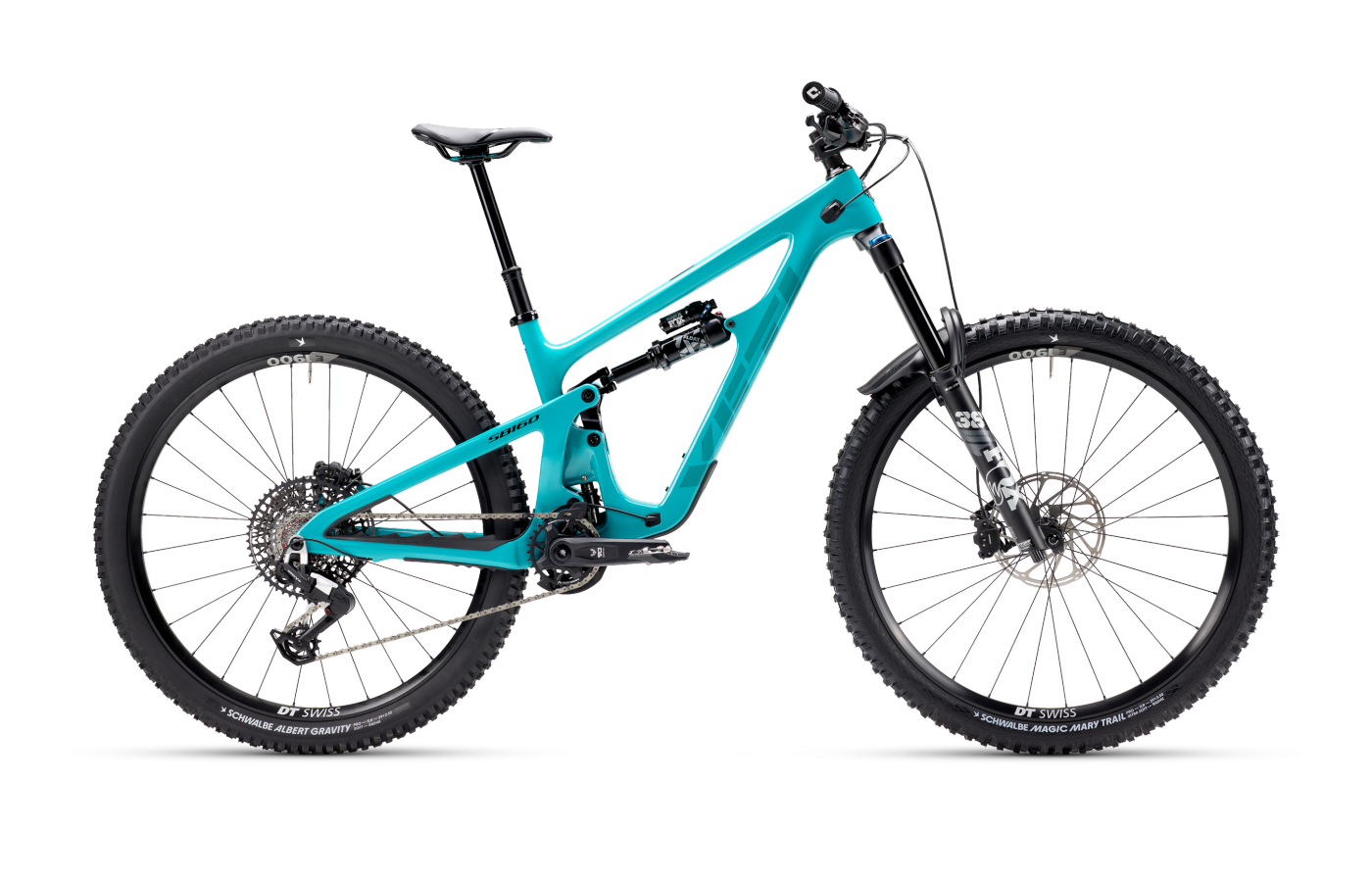
SB160
The HD6's most direct rival — Yeti's 160 mm enduro race bike with Switch Infinity suspension. Same race-oriented intent, similar climbing efficiency, slightly more planted at speed. Pick it over the HD6 if you trust Yeti's suspension story more than Dave Weagle's.
Compare →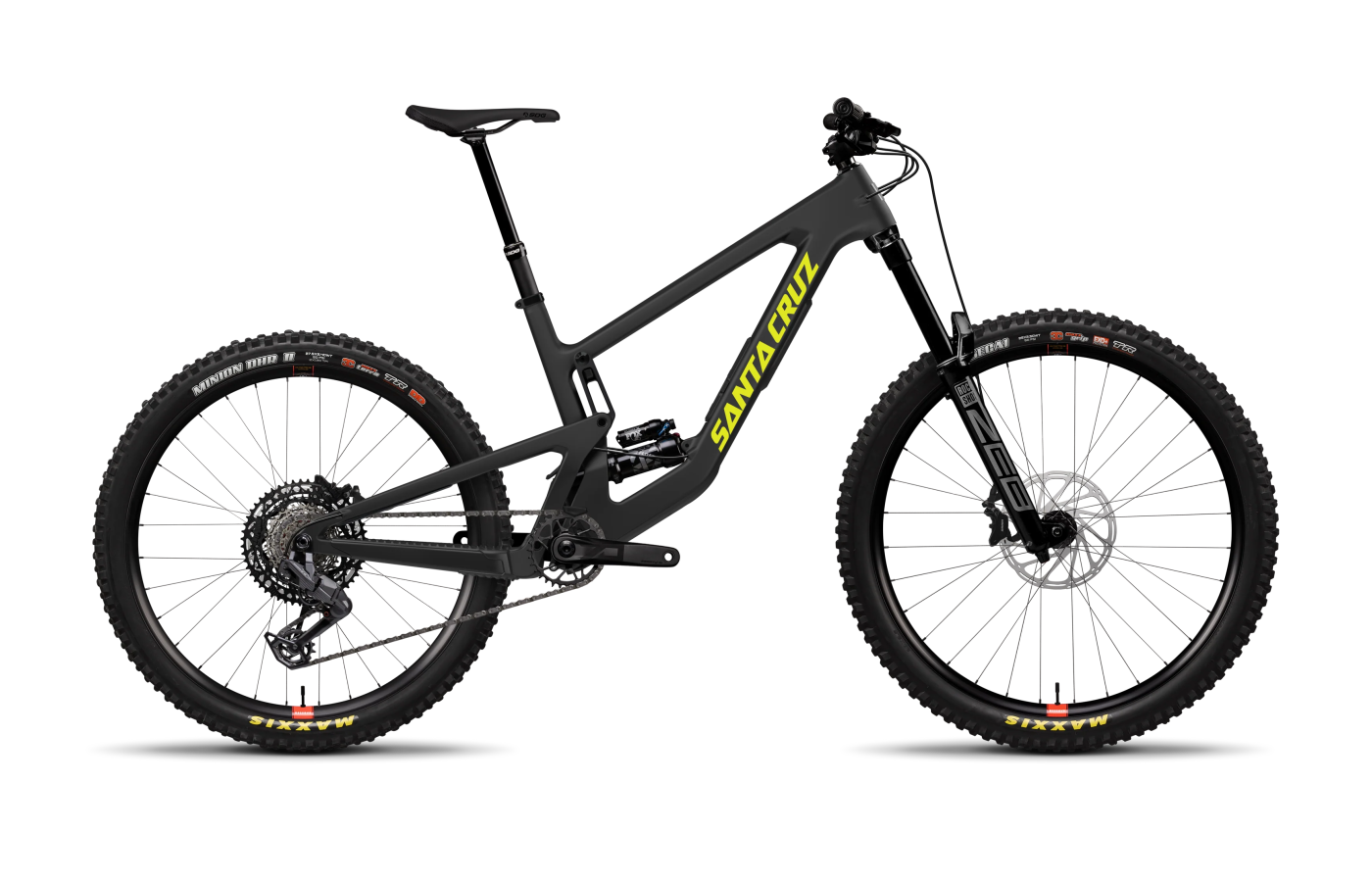
Nomad
Santa Cruz's 170 mm dedicated mullet enduro rig with VPP suspension. Burlier and more downhill-leaning than the HD6, more carbon-only-boutique than the Patrol. Best if you want a single bike for park weeks and the occasional enduro race.
Compare →Capra
Direct-to-consumer alternative that out-specs both bikes for the money. Burly, long-travel, race-ready — but no local dealer support and you do your own setup. Best if you know what you want and don't need a shop.
Compare →