HD6
vsSB160
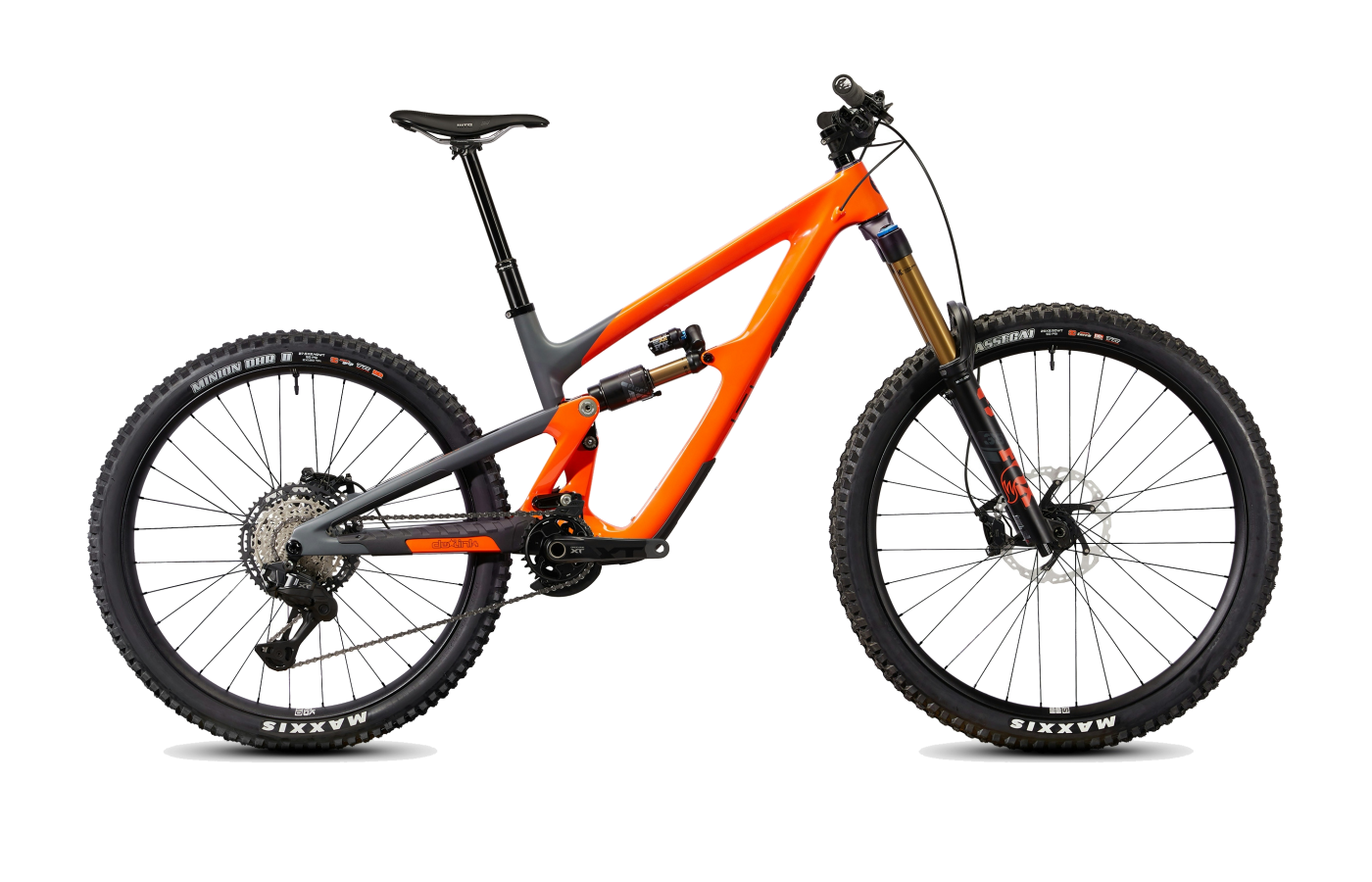
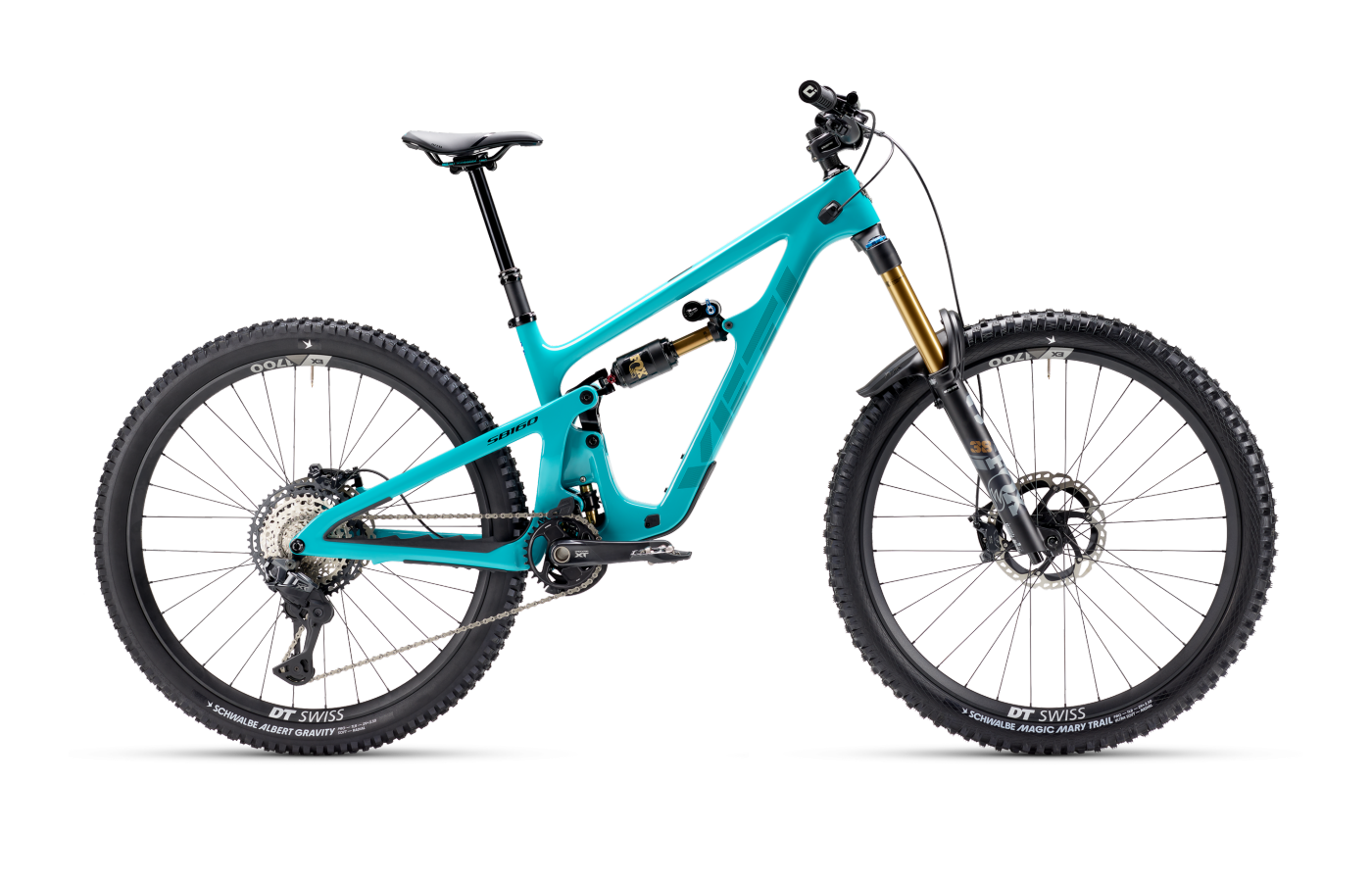
Two carbon enduro race bikes, two suspension religions.
The HD6 is the lively DW-Link mullet that climbs like a trail bike. The SB160 is the Switch Infinity 29er that prioritizes high-speed precision over plush.
HD6
- Best-in-class climbing for a 165 mm bike — the DW-Link is one of the most efficient pedaling enduro platforms reviewers have tested.
- Lively, playful character — the 27.5 in rear and 435 mm chainstays make it easy to lift, manual, and corner aggressively.
- Fox Factory suspension on every build — even the $4,999 Deore gets the Fox 38 Factory and Float X2 Factory.
- Fixed 435 mm chainstays may feel rear-biased for taller riders on the L and XL sizes.
- No in-frame storage and no flip chips — less adjustability than the segment standard.
SB160
- Composed at race pace — Switch Infinity V2 stays calm through high-speed chaos and big g-outs.
- Size-specific chainstays (437–445 mm) keep front-rear balance consistent across all five sizes.
- Refined frame engineering — threaded BB, bolt-on cable clamps, and pivot bearings pressed into alloy links rather than the carbon frame.
- Demands an aggressive, forward-weighted stance — feels sluggish if ridden tentatively.
- Component spec lags price on mid-tier builds — alloy DT Swiss EX1700 wheels and mixed GX/X0 parts at $10k+.
Editor’s analysis
Same category, same head angle, same Fox 38 up front — but ride them back-to-back and you're choosing between two completely different ideas of what an enduro bike should feel like.
On paper, the Ibis HD6 and Yeti SB160 look like twins: 64-degree head angles, carbon frames, Fox 38 forks, and ~$7-9k for the sweet-spot builds. Then you start riding. The HD6 runs 165 mm rear / 180 mm front on a 29/27.5 mullet; the SB160 runs 160/170 on full 29ers — and that 10 mm of extra fork plus the smaller rear wheel is just the start of the divergence.
The HD6 is the lively one. Reviewers describe it as a 'Goldilocks' bike with a 'trail bike soul in a downhill bike form' — DW-Link suspension that's 'buttery as hell' off the top but supports through the mid-stroke, fixed 435 mm chainstays across all sizes, and a 76–77.5 degree seat tube angle. It rewards riders who like to manual, jib, and pop off trail features. Climbs are 'unimaginably snappy for a 165 mm enduro sled' — the DW-Link's high anti-squat keeps it from bobbing.
The SB160 is the scalpel. Yeti's Switch Infinity V2 system runs a relatively linear 17% progression — supportive rather than plush, 'tactile' rather than soft. Reviewers consistently call it a 'freight train' that feels 'on' rather than 'in,' demanding an aggressive, forward-weighted stance to come alive. The 77.5-degree seat tube angle is consistent across all sizes, and Yeti spec'd size-specific chainstays from 437 mm (S) to 445 mm (XXL) — so chassis balance stays consistent whether you're 5'4" or 6'4".
Put another way: the HD6 is the bike you buy when you want one enduro rig that's also fun on Tuesday-night trail rides. The SB160 is the bike you buy when your weekends are EWS-style descents and you want the bike to disappear underneath you at race pace.
Where the builds differ.
Comparing our editor's-pick builds side-by-side. Winners highlighted row-by-row — lower price and weight, and the better-spec component, each mark a point.
Build variants & pricing
Both lineups span ~$5k of range. Ibis starts $1,400 cheaper at the bottom; Yeti tops out $3,500 higher at the flagship.
Editor's picks are tier-matched at Shimano XT Di2 — the one-down-from-flagship sweet spot. Note that all HD6 builds, including the $4,999 Deore, ship with Fox Factory suspension; on the SB160 you have to step up to a Turq-series T1 ($8,900+) to get the same Fox Factory dampers.
How they fit, how they steer.
Both at size M — fit-picked for a 5'8" rider on each bike. Reach is 454 mm (HD6) vs 464.8 mm (SB160) — the SB160 is ~11 mm longer in the front center. Stacks are within 6 mm. The HD6's 27.5 in rear and fixed 435 mm chainstays make it the more flickable; the SB160's 439.4 mm rear and steeper 77.5° seat angle make it the more composed climber.
Which size should I buy?
Both ranges cover S–XL with similar reach progressions; the SB160 adds an XXL at the top for very tall riders.
→These are starting points. Flexibility, riding style, and preferred position all shift the answer — if you’re between sizes, a professional fit beats a chart.
What the magazines said.
Published reviews from trusted cycling outlets. Click through for the full write-up.
Which one should you buy?
If you want one enduro bike that's playful, climbs hard, and stays fun at trail-bike speeds, get the HD6. If your weekends are EWS-style descents and you want the most composed bike at race pace, get the SB160.
HD6
If you want a long-travel bike that's still genuinely fun on mellow trails — that you'll manual, jib, and pop off side hits — and you don't want to sacrifice climbing to get there. The mullet setup and short chainstays make it the more engaging bike at any speed below race pace.
SB160
If most of your serious riding is fast, steep, and chunky — and you want a bike that gets calmer the harder you push it. The size-specific chainstays and Switch Infinity V2 reward an aggressive, forward stance with clinical precision at speed.
Questions buyers actually ask.
Short answers to the things we get emailed about most often.
01Mullet vs full 29er — which is the right call for enduro?
It depends on the trails. The Ibis HD6's 29/27.5 mullet setup makes the bike noticeably easier to flick into corners and lift the rear over obstacles — reviewers consistently describe it as 'agile and playful' for a 165 mm bike, and the smaller rear wheel keeps the seat out of your gut on steep drops.
The Yeti SB160's full 29er setup carries momentum better through rough terrain and rolls over square-edge hits with less hang-up. If most of your riding is fast and chunky, the 29er pays off; if it's tight, technical, or features lots of body-English moves, the mullet wins.
02Which one climbs better?
Both climb exceptionally well for 160-plus-mm bikes — but reviewers give the HD6 the edge. Its DW-Link suspension is described as 'one of the best-pedaling enduro bikes I've ever ridden,' with 'unimaginably snappy' acceleration thanks to high anti-squat. The HD6 also weighs ~32–33 lb in mid-tier trim vs ~34–35 lb for a comparable SB160.
The SB160 is no slouch — the 77.5° seat tube angle (steeper than the HD6's 76–77.5°) puts you in an excellent climbing position and the Switch Infinity system delivers a 'peppy, urgent sensation' under power. It's one of the best-pedaling 29er enduro bikes, just not quite as effortless as the HD6 over a long day.
03How do the suspension platforms actually differ on the trail?
The HD6's DW-Link is described as 'buttery off the top,' transitioning into firm mid-stroke support and a progressive end-stroke that resists harsh bottom-outs. It feels traction-focused and forgiving — easier to ride well at moderate speeds.
The SB160's Switch Infinity V2 runs a more linear 17% progression curve. Reviewers call it 'supportive rather than plush' — it stays high in its travel, communicates the trail back to you ('information overload, in a positive sense'), and rewards aggressive input. It's less forgiving of passive riding but more composed when you're charging.
04Are the chainstays really that different?
Yes, and this matters. The HD6 runs a fixed 435 mm chainstay across all sizes (S–XL). Riders on the smaller sizes love the agility; reviewers note this can feel rear-biased for taller riders on the L (508 mm reach) and XL (541 mm reach), where the front wheel can wash if you're not actively weighting it.
The SB160 uses size-specific chainstays from 437 mm (S) to 445 mm (XXL), growing roughly 2 mm per size. The result is consistent front-rear balance regardless of frame size — taller riders aren't fighting a rear-biased chassis. It's one of the SB160's standout engineering details.
05How does Fox Factory vs Performance suspension affect the value comparison?
Significantly. Ibis spec's Fox Factory 38 forks and Float X2 Factory shocks on every HD6 build, including the $4,999 Deore. That's Kashima coating, the full GRIP X2 damper, top-tier sealing — the same dampers you'd otherwise buy aftermarket for ~$2,500.
Yeti reserves Fox Factory dampers for the Turq-series builds (T1 and up, $8,900+). The C-series builds ($6,400 / $6,900) get Fox Performance 38 forks and Performance Float X shocks — same architecture, different damper internals and no Kashima. Yeti offers an $800 Factory upgrade on C-series builds. If you're buying at the $6–7k tier, the HD6 is the cheaper way to get top-tier damping.
06Tire clearance and wheel size — what fits?
Ibis HD6: dedicated mullet, 29 in front and 27.5 in rear only — no flip chip to convert to full 29er. Stock tires are Maxxis Assegai 2.5 front and Minion DHR 2.4 rear. Frame clearance accommodates this comfortably.
Yeti SB160: dedicated 29er front and rear, no mullet conversion. Current builds ship with Schwalbe Magic Mary front / Albert rear in 2.5 in widths.
07Which has the better long-term frame and pivot story?
Both come with lifetime frame warranties to the original owner.
Ibis uses sealed lifetime bushings (not bearings) at the lower link — a deliberate simplification that long-term reviewers report works well in practice ('clean, little layer of grease, assemble 1x/yr'). Ibis covers the lower link bushings under lifetime replacement and includes a 7-year impact warranty on their carbon rims.
Yeti's Switch Infinity V2 link (on Turq-series only — C-series gets the older V1 hardware) is also under lifetime warranty. Pivot bearings are pressed into aluminum links rather than the carbon frame, which makes bearing service less risky to the frame. Service interval on the SI translating pivot is 40–75 hours depending on conditions.
08Is the SB160 component spec really worse than the HD6 at the same price?
Often, yes — and it's the most consistent critique in SB160 reviews. At the $8,500–$10,800 range, the SB160 frequently pairs higher-end derailleurs (X0 / XX) with cheaper GX cassettes and chains, and the T3 X0 AXS at $10,800 still ships on alloy DT Swiss EX1700 wheels. At the same price tiers, the HD6 builds tend to be more internally consistent.
That said, the SB160 frame's engineering refinements (threaded BB, bolt-on cable clamps, alloy-housed pivots, Switch Infinity V2) are part of where the price goes — and Yeti's lifetime warranty on the SI link is unique. Whether that justifies the spec gap depends on how much you value the frame vs the parts.
Similar bikes
If your priorities don’t map cleanly onto either of these, one of these adjacent bikes probably fits better.
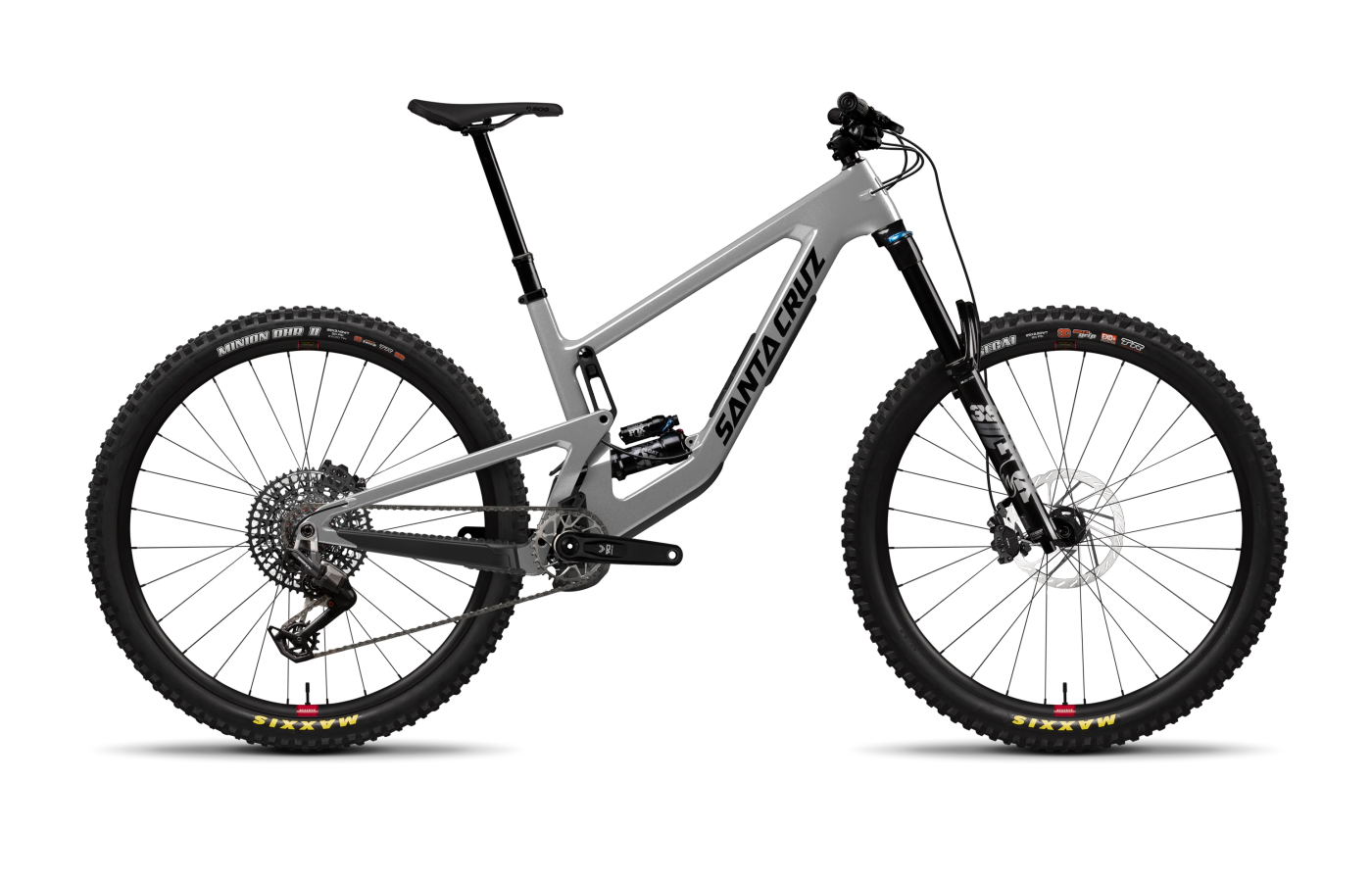
Megatower
The plow alternative — the Megatower trades the HD6's snap and the SB160's precision for sheer planted-ness. If you want an enduro 29er that smooths the trail rather than communicates it, this is the one.
Compare →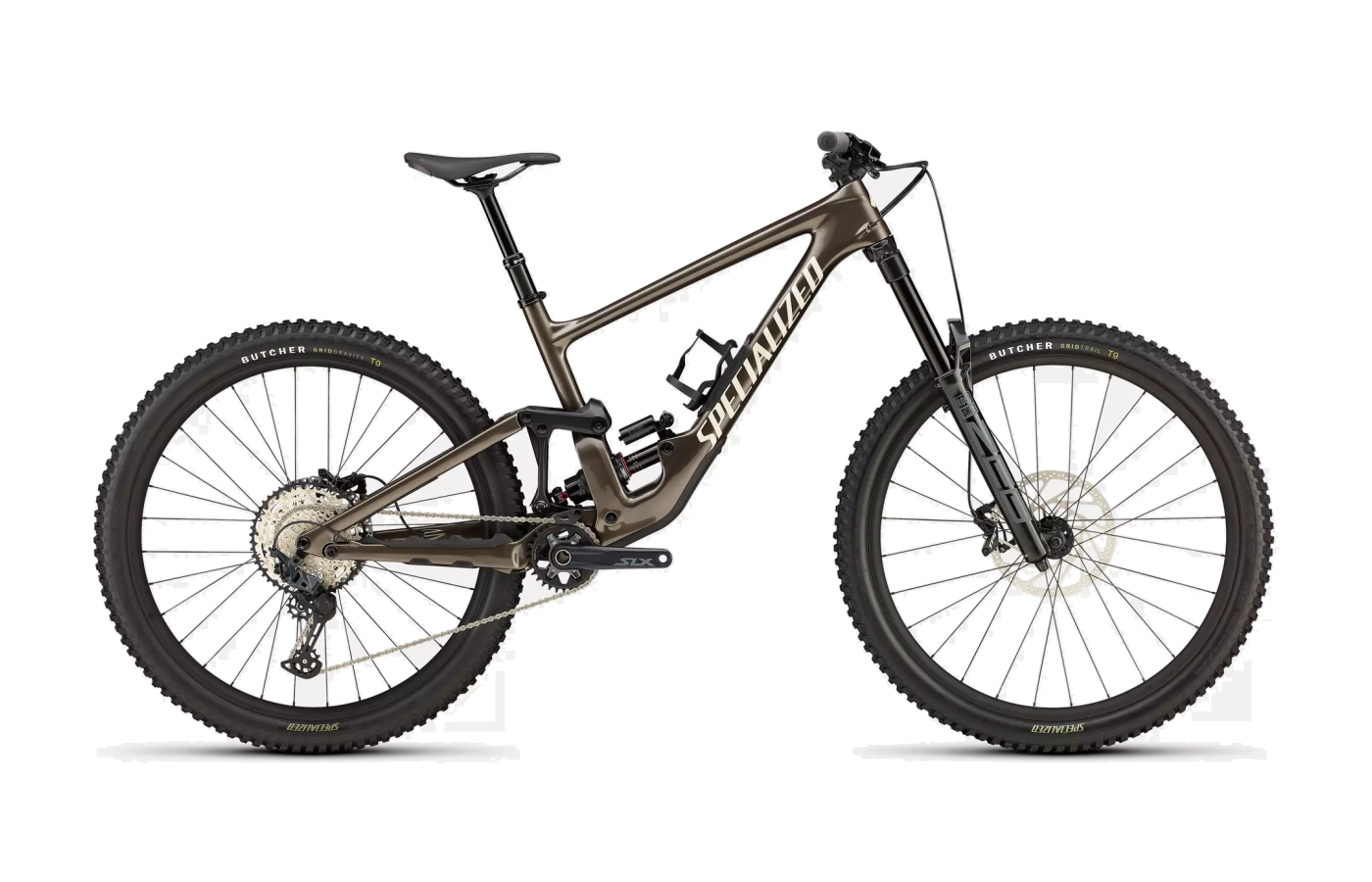
Enduro
A dedicated downhill-oriented enduro rig — more travel-on-tap and more stability than either bike here at very high speed. The trade is agility: it's the heaviest-handling of the four.
Compare →Patrol
Another mullet enduro option, but with a more 'jibby' personality than the race-tuned HD6. If you'd rather huck side hits than win an EWS stage, the Patrol delivers.
Compare →