Ripley AF
vsTallboy
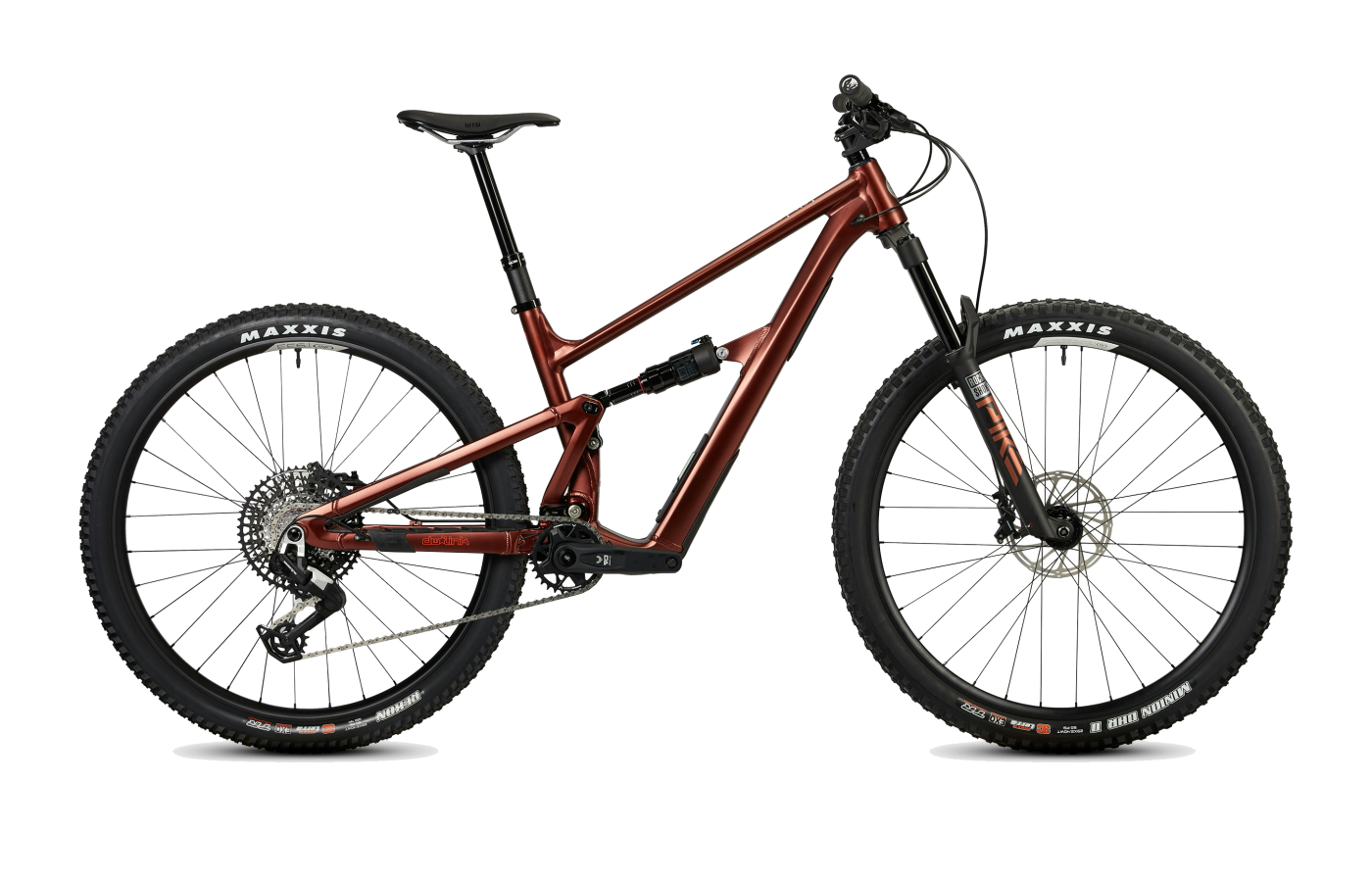
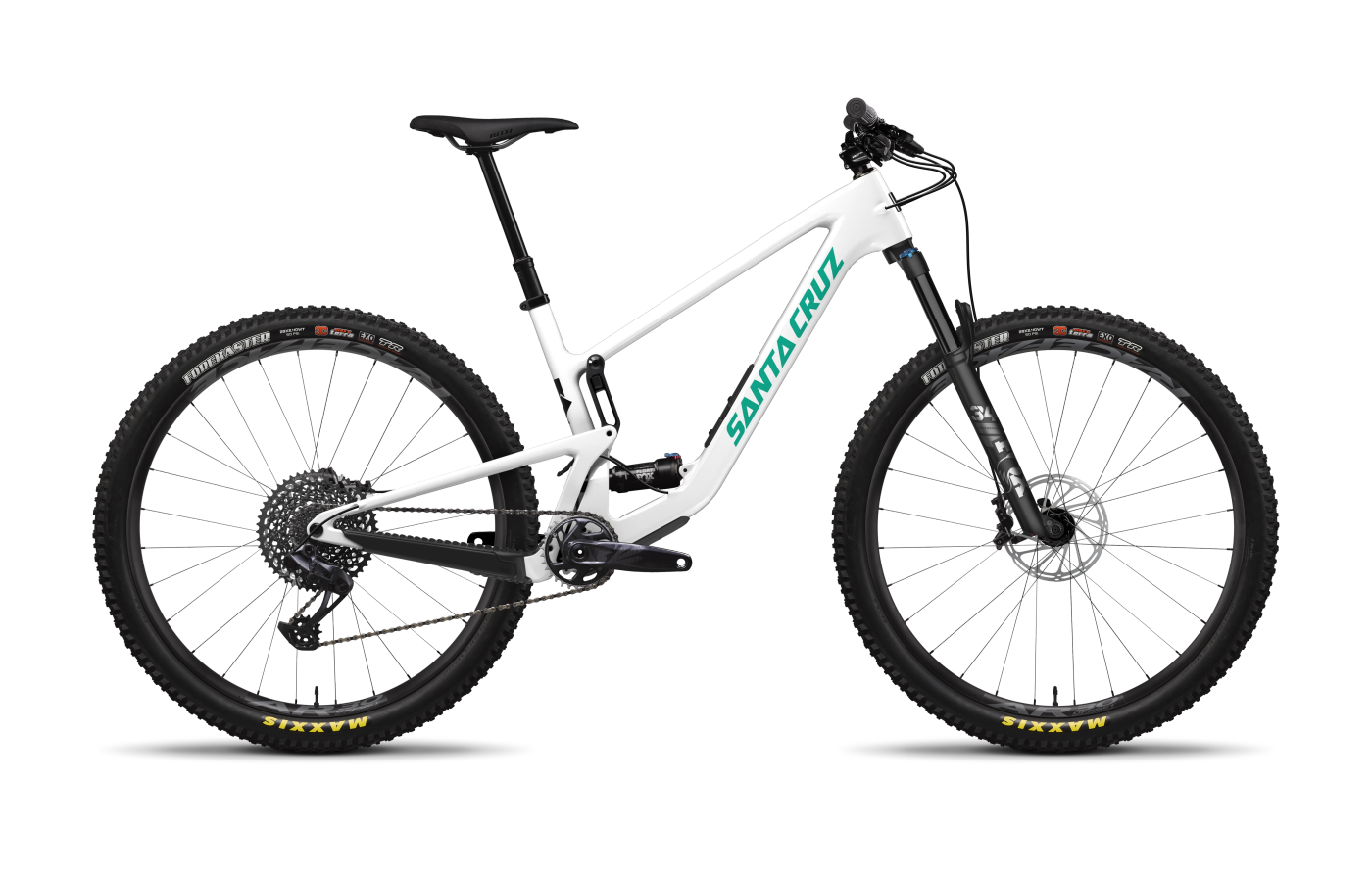
Two short-travel trail bikes from opposite ends of the price ladder.
The Ripley AF is the alloy bargain that climbs like its carbon sibling. The Tallboy is the carbon-only prestige build with a lifetime warranty and the price tag to match.
Ripley AF
- Aggressive value — SRAM Eagle 90 Transmission and a RockShox Pike for $3,999, less than half the Tallboy GX AXS.
- Carbon-rivalling ride feel — at 33.7 lb claimed, just 0.1 lb heavier than the carbon Ripley in one reviewer's blind comparison.
- Two bikes in one frame — swap clevis and shock to convert the 130 mm Ripley into a 150 mm Ripmo.
- Stock SRAM G2 brakes with organic pads consistently called out as under-gunned for the bike's descending capability.
- Aluminum wheels lack the lifetime-replacement guarantee of Santa Cruz Reserve.
Tallboy
- Planted, composed handling — a 65.7° head angle and stiff carbon chassis that punches above its 120 mm travel.
- Lifetime support — frame warranty, bearings, and Reserve wheels (on RSV builds) all backed for life.
- Refined VPP suspension — V5 update lowered leverage ratio and reduced anti-squat for better small-bump sensitivity.
- Entry price is $4,799 for an NX-equipped "R" build that reviewers call out as poor value for the dollar.
- Stock SRAM Level brakes near-universally flagged as under-powered for the bike's descending aspirations.
Editor’s analysis
This isn't a fight over geometry charts. It's a question of what you'll spend, and what you'll get away with on a 120 mm bike.
The Ibis Ripley AF and Santa Cruz Tallboy both sit in the modern short-travel trail bracket — 130 mm rear (Ripley) and 120 mm rear (Tallboy), both 29ers, both married to a fork in the 130–140 mm range. They're the bikes you grab when your local riding is more about climbing and flow than pure descending. But beyond that the platforms diverge sharply, starting with $1,500 of price gap before you even talk about parts.
The Ibis Ripley AF is the disruptor. A complete bike with a SRAM Eagle 90 mechanical Transmission, RockShox Pike fork, and a Deluxe rear shock costs $3,999 — about $1,500 less than the cheapest Tallboy and weighs in at a claimed 33.7 lb. Reviewers can't tell it apart from the carbon Ripley by feel; one tester even contemplated selling his carbon bike after riding it. It also runs a flip chip for mullet/29er and shares the Ripmo's frame, so a clevis and shock swap takes you from 130 mm Ripley to 150 mm Ripmo. For the tinkerer or the rider buying their first "real" trail bike, that's hard to argue with.
The Santa Cruz Tallboy plays a different game. Carbon-only (in two grades, C and CC), 120 mm of VPP rear travel, and Santa Cruz's full ownership package — lifetime frame warranty, lifetime bearings, Reserve wheels with their own lifetime guarantee on the upper builds. Reviewers consistently describe it as "steroidally hench" and the "downhiller's XC bike": a frame stiff enough to point at terrain that should require a bigger fork. It also costs $4,799 to get in and $11,399 to top out, with a near-universal complaint about the SRAM Level brakes Santa Cruz specs across the range.
Put another way: the Ripley AF is the bike you buy when you want top-shelf suspension and drivetrain at a mid-tier price and don't care about the badge. The Tallboy is the bike you buy when you want a refined carbon chassis, a generational warranty, and a more planted descending feel — and you're willing to spend a Ripley's worth more to get there.
Where the builds differ.
Comparing our editor's-pick builds side-by-side. Winners highlighted row-by-row — lower price and weight, and the better-spec component, each mark a point.
Build variants & pricing
The Ripley AF spans just $500 across two builds. The Tallboy spans nearly $7,000 across six, and the cheapest Tallboy still costs $800 more than the priciest Ripley AF.
Prices are current US MSRP. Both lineups skimp on stock brakes — budget for a pad swap or upgrade if you ride steep terrain. The Tallboy carbon chassis is the same shape across C and CC frames; CC saves roughly 250–300 g for a sizable price premium.
How they fit, how they steer.
Compared at the fit-picked sizes: Ripley AF in MD, Tallboy in m. The Ripley sits with a 64.9° head angle and 460 mm reach; the Tallboy is 0.8° steeper at 65.7° with a 5 mm shorter reach and a 3 mm shorter chainstay — the Ibis is the slacker, longer-cockpit bike.
Which size should I buy?
Both ranges overlap closely in the middle. The Tallboy goes one size smaller (XS) and one size larger (XXL) than the Ripley AF for riders at the extremes.
→These are starting points. Flexibility, riding style, and preferred position all shift the answer — if you’re between sizes, a professional fit beats a chart.
What the magazines said.
Published reviews from trusted cycling outlets. Click through for the full write-up.
Which one should you buy?
If you want top-tier suspension and drivetrain at a mid-tier price, get the Ripley AF. If you want the refined carbon ride and lifetime ownership package, get the Tallboy.
Ripley AF
If you want serious wireless-rivalling suspension, a Pike fork, and a SRAM Transmission drivetrain for under $4,000 — and you'd rather spend the savings on tires, brakes, and trips — the Ripley AF is the obvious pick. The Ripmo conversion is a real bonus if you like to tinker.
Tallboy
If you want a refined carbon chassis with a planted, calm-and-composed feel on chunky descents, and you're buying a bike to keep for a decade, the Tallboy's lifetime warranty and bearings program justify the premium. Be ready to swap the brakes.
Questions buyers actually ask.
Short answers to the things we get emailed about most often.
01How does the price actually compare?
The Ripley AF runs $3,499 (Shimano Deore build) to $3,999 (SRAM Eagle 90 build) — just two builds, both alloy frame.
The Tallboy runs $4,799 (NX-equipped "R") to $11,399 (XX AXS RSV with Carbon CC frame). The cheapest Tallboy is roughly $800 more than the priciest Ripley AF, and a like-for-like SRAM-equipped Tallboy build (the GX AXS at $7,149) is nearly double the Ripley AF 90 build.
02Which climbs better?
Both punch well above their weight. The Ripley AF uses Ibis's DW-Link suspension, with reviewers noting it "climbs just as good as the Carbon version" of the Ripley despite the alloy frame — the tested SRAM Eagle 90 build came in at 33.7 lb claimed.
The Tallboy runs a refined VPP linkage with a steep 76.7–76.8° effective seat angle, and reviewers single out its technical climbing traction. Carbon CC builds drop into the high-28s on the scale, so on long fire-road climbs the Tallboy is the lighter machine; on technical pitches the two trade blows.
03Which is more capable on descents?
The Tallboy gets the nod for outright stability — reviewers describe its chassis as "steroidally hench" and "calm and composed," and it pairs a 65.7° head angle with a stiff carbon front end that holds a line through chunk other 120 mm bikes can't. It does "require a precise hand" because there's still only 120 mm of rear travel.
The Ripley AF runs 10 mm more rear travel (130 mm) and a 140 mm Pike up front, with a slacker 64.9° head tube angle. It's the more poppy, playful descender on flow trails. On rough natural terrain the Tallboy's stiffer chassis is more predictable; on jump lines the Ripley is more fun.
04What about the brakes? I keep hearing complaints.
Both lineups have a stock-brake problem.
The Ripley AF 90 ships with SRAM G2 4-piston brakes with organic pads. The reviewer at Evans MTB Saga flagged a "lack of confidence" and would swap to metallic pads or a different system immediately.
The Tallboy ships with SRAM Level brakes across most builds — nearly every published review (Bike Perfect, The Loam Wolf, MBR) calls them out as "lacking power" for the bike's downhill aspirations. Plan to upgrade to SRAM Code or Shimano four-pistons before charging steep terrain.
05What's the warranty and ownership story?
Santa Cruz offers a lifetime frame warranty to the original owner, lifetime free bearing replacements, and a lifetime warranty on Reserve wheels (specced on RSV builds). For a rider keeping a bike five-plus years, that program is meaningful and reviewers cite it as a major part of the price justification.
Ibis offers a strong but more conventional frame warranty (no lifetime bearing program). The Ripley AF's value pitch is the up-front price, not the long tail.
06Can I really turn the Ripley AF into a Ripmo?
Yes. The Ripley and Ripmo share the same alloy frame on the AF lineup. Swapping the clevis and rear shock takes the bike from a 130 mm Ripley to a 150 mm Ripmo, effectively giving you two bikes for the cost of one frame plus a spare shock. Multiple reviews highlight this modularity as a standout value for tinkerers or riders who want different ride characters across a season.
07How does the geometry actually differ at compared sizes?
At the fit-picked sizes for a 5'8" rider — Ripley AF size MD and Tallboy size m — the Ripley runs a 64.9° head tube angle, 460 mm reach, 619 mm stack, 436 mm chainstays, and a 1,211 mm wheelbase.
The Tallboy runs a 65.7° head tube angle, 455 mm reach, 619 mm stack, 433 mm chainstays, and a 1,199 mm wheelbase.
The Ibis is the slacker, slightly longer machine; the Tallboy is steeper-headed and a touch tighter — you can feel both differences on tight trail.
08Which is more upgradeable?
Both frames take standard parts and benefit from the same upgrade priorities (brakes, then wheels, then tires). The Tallboy ships with internal Glovebox storage and threaded BSA bottom bracket — reviewers praise both as service-friendly. The Ripley AF also has internal frame storage and the unique Ripmo conversion path. Aftermarket support is excellent for both: if you're buying long term, either can take a five-figure parts bin without feeling out of place.
Similar bikes
If your priorities don’t map cleanly onto either of these, one of these adjacent bikes probably fits better.
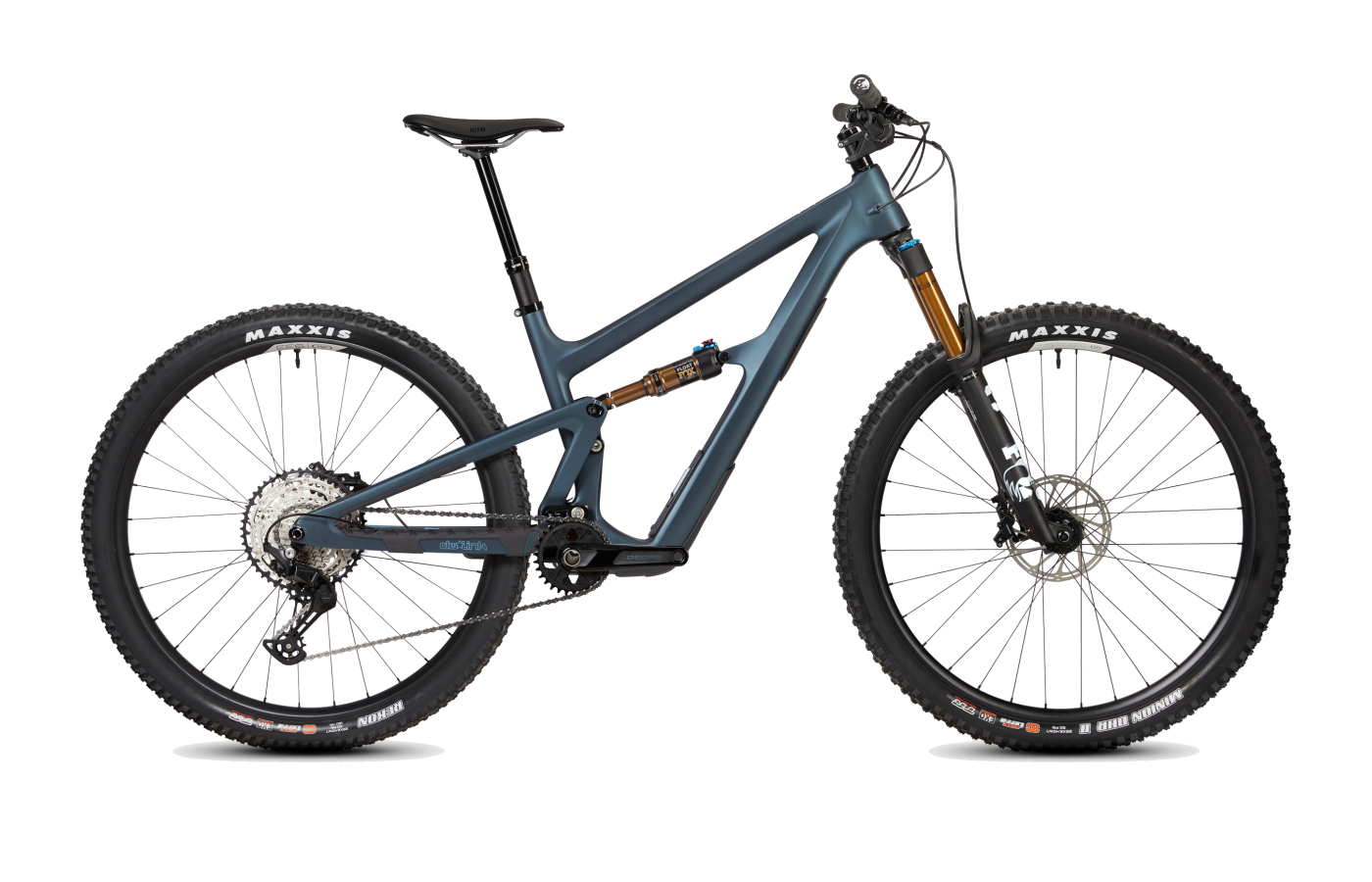
Ripley
The carbon Ripley — same geometry, same DW-Link suspension, same Ripmo conversion trick, but a few pounds lighter and several hundred dollars more. The pick if you love the Ripley AF's handling but want the carbon badge.
Compare →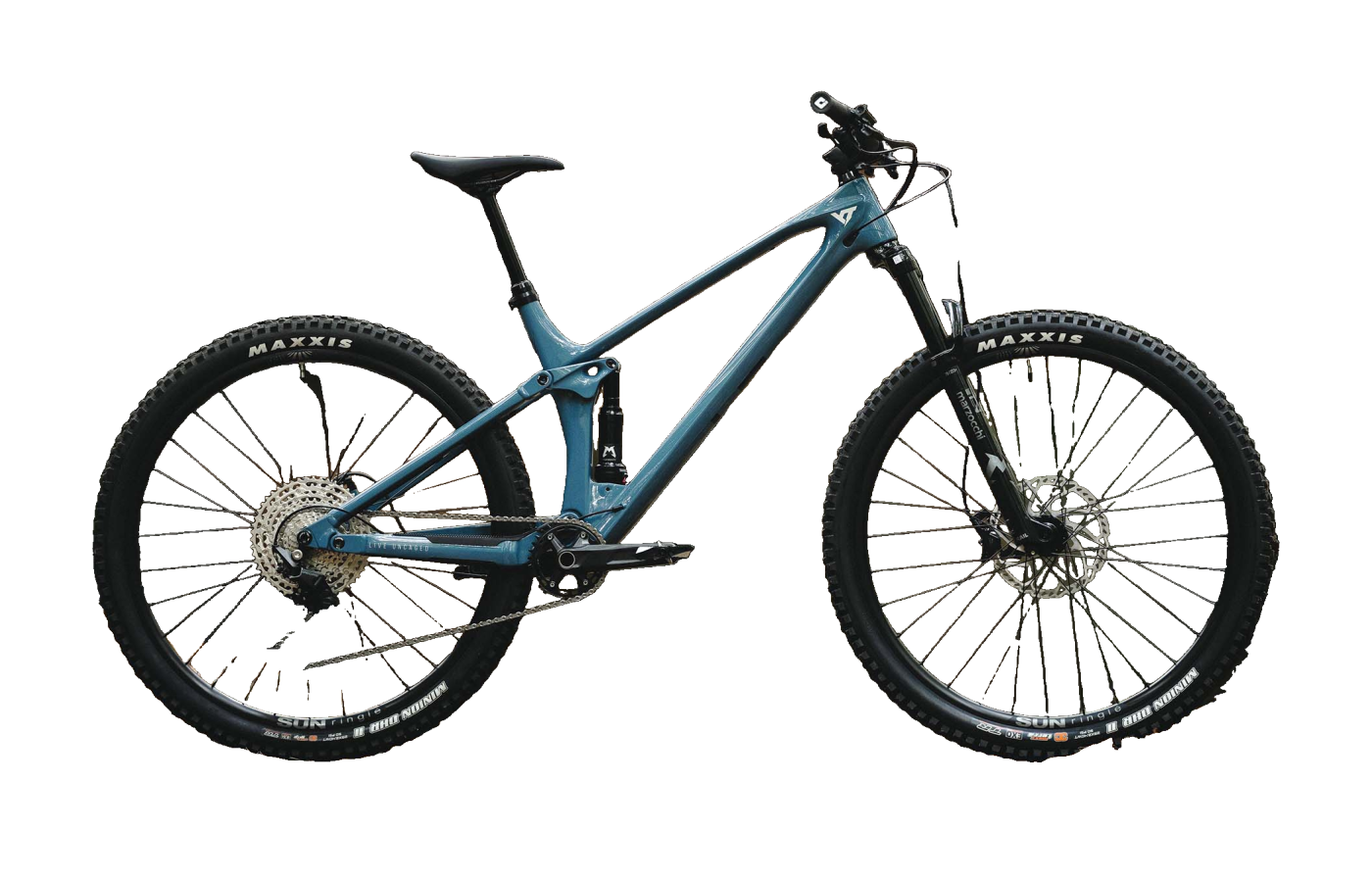
Izzo
YT's direct-to-consumer answer to the Tallboy — a 130/120 mm short-travel rig with a much higher component-to-dollar ratio. The catch is no local dealer and a more buttoned-down ride than either bike here.
Compare →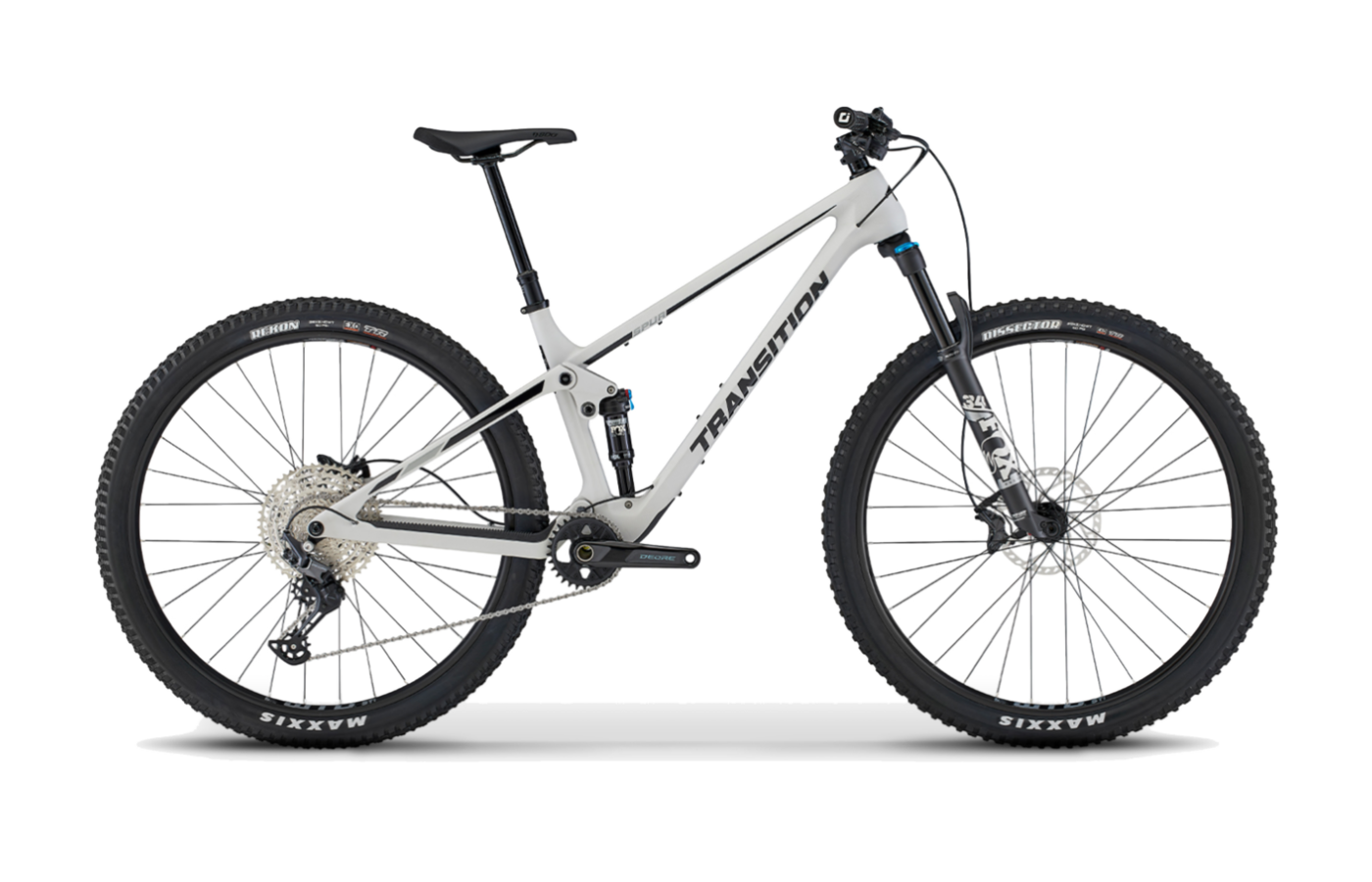
Spur
Transition's downcountry bike — lighter and more sprint-oriented than either the Ripley AF or Tallboy. The pick if you want the Tallboy's short-travel zip but are willing to give up some chunk-eating composure to save weight.
Compare →