Ripley
vsProcess 134
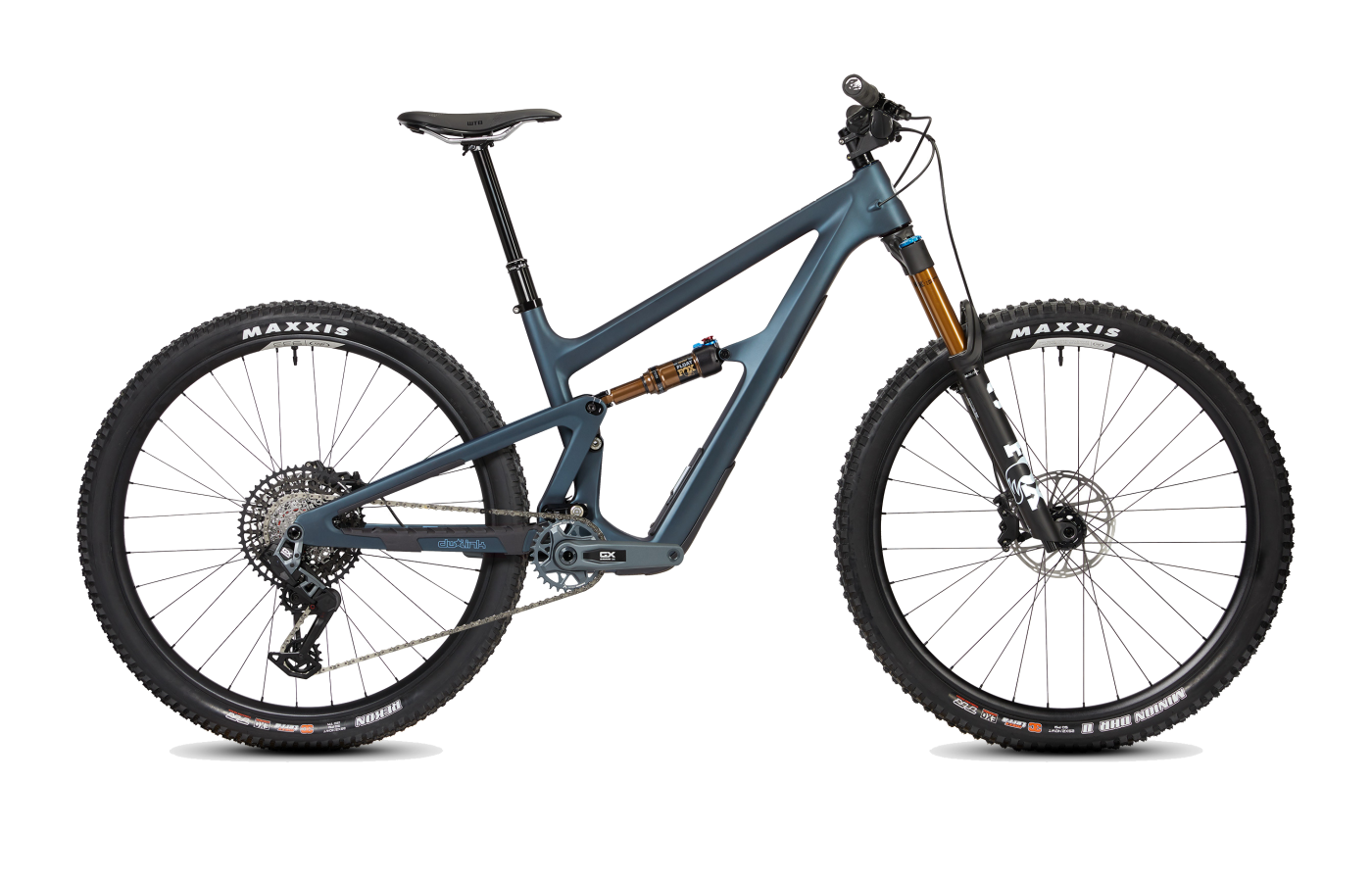
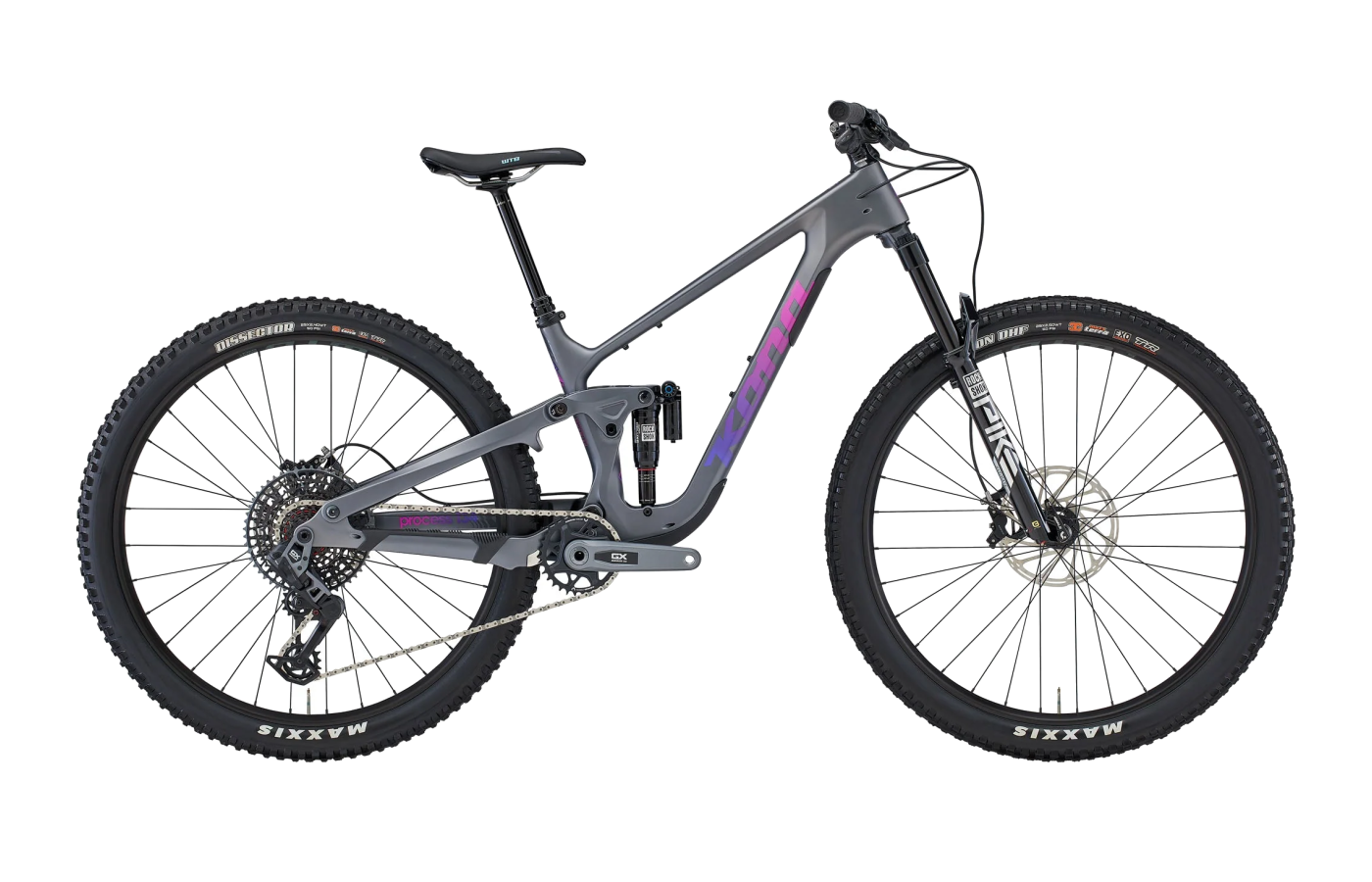
Two short-travel trail bikes, two budgets.
The Ripley V5 is the boutique do-everything carbon trail bike. The Process 134 is the bruiser that costs half as much.
Ripley
- DW-Link refinement — plush small-bump, supportive mid-stroke, ramps well into the end of travel.
- Convertible to a Ripmo — same front triangle and swingarm; swap fork, shock, and link to get 145/160 mm.
- Size-specific chainstays (436–442 mm) keep weight balance consistent across the size range.
- Premium across the board — even the Deore build starts at $4,999.
- Fox 34 fork shows flex for heavier or more aggressive riders pushing it on rough terrain.
Process 134
- Half the price — top carbon CR/DL at $4,899 is a thousand dollars under most carbon trail competitors.
- Bruiser frame — burlier construction than typical 134 mm bikes, descends like a longer-travel bike.
- Aluminum entry point at $1,999 with a lifetime frame warranty — rare combination at that price.
- Suspension stiffens noticeably under braking; takes rider adaptation on chunky descents.
- Spec compromises on the CR/DL — WTB KOM rims and Reverb dropper drew durability complaints from reviewers.
Editor’s analysis
Both bikes have moved on from "downcountry." The question is what kind of trail bike you want — the refined chameleon, or the burly value play.
On paper, the Ibis Ripley and Kona Process 134 sit close: 130–134 mm of rear travel, 140 mm forks, 29-inch wheels, flip chips for mullet setups, internal downtube storage. Both have shed the lightweight XC pretensions of their predecessors and now lean firmly into trail duty. But spend any time with the geometry charts and price tags and the philosophies fork apart fast.
The Ripley V5 is the refined option. A 64.9-degree head angle (slacker than the Process by 0.6 degrees), size-specific chainstays from 436 to 442 mm, a steeper 76.9-degree seat tube on the medium, and a DW-Link suspension layout that reviewers consistently call "plush and progressive." Ibis shares the front triangle with the longer-travel Ripmo, so the chassis is overbuilt for a 130 mm bike — and convertible into a Ripmo with a fork, shock, and link swap. That modularity is the brand's biggest pitch.
The Process 134 trades polish for value. Its linkage-driven single-pivot is firmer off the top — Pinkbike calls it a bike that "rewards an aggressive and precise riding style" — and the suspension noticeably stiffens under braking, which takes adaptation. The 65.5-degree head angle is still genuinely slack, but the 435 mm chainstays are uniform across sizes, which keeps the rear end playful but means taller riders carry more weight rearward. Componentry is a step or two off the Ibis at every tier.
The cleanest way to read this matchup: the Ripley is what you buy when budget isn't the constraint and you want one trail bike for everything. The Process 134 is what you buy when the carbon CR/DL at $4,899 already feels like a stretch — and you'd rather have a tough, confident descender for the money than chase the lightest grams or the smoothest small-bump.
Where the builds differ.
Comparing our editor's-pick builds side-by-side. Winners highlighted row-by-row — lower price and weight, and the better-spec component, each mark a point.
Build variants & pricing
Tier-matched at SRAM GX Transmission: Ripley $7,249 vs Process 134 CR/DL $4,899 — the Kona is $2,350 cheaper at the same drivetrain tier.
Prices are current US MSRP. Both editor's picks run identical SRAM GX Eagle Transmission AXS drivetrains, but the Ripley adds Fox Factory suspension and a carbon frame premium. The Process 134 lineup starts at $1,999 in alloy; the Ripley has no alloy option.
How they fit, how they steer.
Ripley size MD vs Process size M — the fit-picked sizes for a 5'8" rider on each. The Ripley sits 4 mm taller in stack, 5 mm longer in reach, with a 0.6-degree slacker head angle and 1 mm longer chainstays. The Process is the more compact, slightly steeper bike of the two.
Which size should I buy?
Size recommendations based on stack, reach, and effective top tube. The Ripley adds an Extra-Medium (XM) between MD and LG; the Process runs S/M/L/XL with no in-between.
→These are starting points. Flexibility, riding style, and preferred position all shift the answer — if you’re between sizes, a professional fit beats a chart.
What the magazines said.
Published reviews from trusted cycling outlets. Click through for the full write-up.
Which one should you buy?
If you want a refined, convertible carbon trail bike and the budget is there, get the Ripley. If you want maximum capability per dollar and don't mind some component compromises, get the Process 134.
Ripley
If you ride one bike across everything from flowy singletrack to rougher technical descents, want refined DW-Link suspension, and value the option to convert to a longer-travel Ripmo down the road, the Ripley earns its premium. It's the more polished bike across every category — at premium money.
Process 134
If you want a confident, burly descender that punches above its 134 mm of travel and don't want to spend more than $5k for the carbon flagship, the Process 134 is hard to argue with. Plan to upgrade rims and dropper down the road if you ride hard — the frame more than holds up its end of the bargain.
Questions buyers actually ask.
Short answers to the things we get emailed about most often.
01Which climbs better?
The Ripley, modestly. Its DW-Link suspension is well-known for staying neutral under power, and the 76.9-degree seat tube angle on the medium puts you forward over the pedals on steep climbs. Reviewers across the board call it efficient — 99 Spokes even reported "outpacing buddies of mine that I usually have struggled to keep up with" on climbs.
The Process 134 is competent uphill but described by Pinkbike as "uphill a bit sluggish," with a slightly slacker 76.7-degree seat tube on size L that some testers found a touch too far back on steep singletrack. Anti-squat is around 100% at sag, so it pedals fine — it's the weight (~14 kg / 30.8 lbs on a small carbon CR/DL) and tire choice holding it back, not the platform itself.
02Which descends better?
Closer than you'd expect. The Ripley has the slacker head angle (64.9° vs 65.5°), longer wheelbase, and a more progressive shock tune that ramps better on big hits. Reviewers describe it as "calm at pace" and capable on terrain usually reserved for longer-travel bikes.
The Process 134 punches above its travel class too — Blister called it "the Trail bike for people who kind of want an Enduro bike but don't quite have the terrain to justify it." The catch: its suspension stiffens under braking, which can catch you out in steep, loose terrain where you need both grip and modulation. The Ripley is the more forgiving descender; the Process rewards riders who attack.
03What's the suspension travel on each?
Ripley V5: 130 mm rear, 140 mm front (Fox Float Factory shock and Fox 36SL or Float SL 36 fork depending on build).
Process 134 G3: 134 mm rear, 140 mm front. Carbon builds get a RockShox Pike Ultimate or Fox 34 Performance up front; aluminum builds drop to a Pike Select or Recon depending on tier.
Both are 29ers stock with flip chips that allow a 27.5 rear wheel for a mullet setup.
04How do the prices actually compare?
Big gap. The Ripley lineup runs $4,999 to $9,999 — all carbon, all five builds. The Process 134 runs $1,999 to $4,899 across two carbon and two aluminum builds.
At a tier-matched SRAM GX Eagle Transmission build, the Ripley is $7,249 and the Process 134 CR/DL is $4,899 — a $2,350 gap for the same drivetrain. The Ibis adds Fox Factory suspension (vs RockShox on the Kona) and Ibis carbon-frame branding; the Kona puts you on a similarly-capable bike for thousands less.
05Do both have internal frame storage?
Yes, both. The Ripley's STOW system drew universal praise from reviewers — easy quick-release latch, custom Cotopaxi storage bags that keep contents rattle-free, and effective sealing.
The Process 134 carbon also includes a downtube storage compartment, though it gets less individual attention in reviews. Aluminum Process builds skip the storage system but use external cable routing for easier servicing.
06Which has better long-term reliability?
The Ripley's frame is built tougher than typical 130 mm bikes (it shares its construction with the longer-travel Ripmo) and Ibis offers a lifetime frame warranty. Component-wise, the Shimano XT and SRAM GX Transmission builds drew almost no durability complaints.
The Process 134 frame is similarly burly, with a lifetime warranty on aluminum but only a 3-year warranty on carbon — a meaningful gap. Reviewers also called out specific issues on the carbon CR/DL: WTB KOM Team i30 rims that one tester found "noticeably flexy" and starting to "self-destruct after a couple weeks," and a RockShox Reverb dropper that developed sag early. Plan to upgrade those if you ride hard.
07Can I convert either to a longer-travel bike?
The Ripley, yes. Its front triangle and swingarm are shared with the Ripmo, so swapping the fork (to a 150–160 mm), shock, and rocker link converts the bike into a 145 mm/160 mm Ripmo. Ibis sells the link separately. Reviewers call this one of the strongest long-term value props in the segment.
The Process 134, no. Kona's Process 153 and Process X are separate frames — there's no shared-chassis upgrade path. The flip chip lets you mullet the bike but doesn't change travel.
08Which is the better first "serious" trail bike?
The Process 134 aluminum DL at $2,999 (or the Base at $1,999) is the better entry point — modern slack geometry, capable suspension, lifetime frame warranty, and enough headroom to grow into. Few bikes at that price offer this much capability.
The Ripley is overkill as a first trail bike unless you already know you want premium carbon and the DW-Link platform — at $4,999 for the Deore build, you're paying mostly for the frame and the upgrade path.
Similar bikes
If your priorities don’t map cleanly onto either of these, one of these adjacent bikes probably fits better.
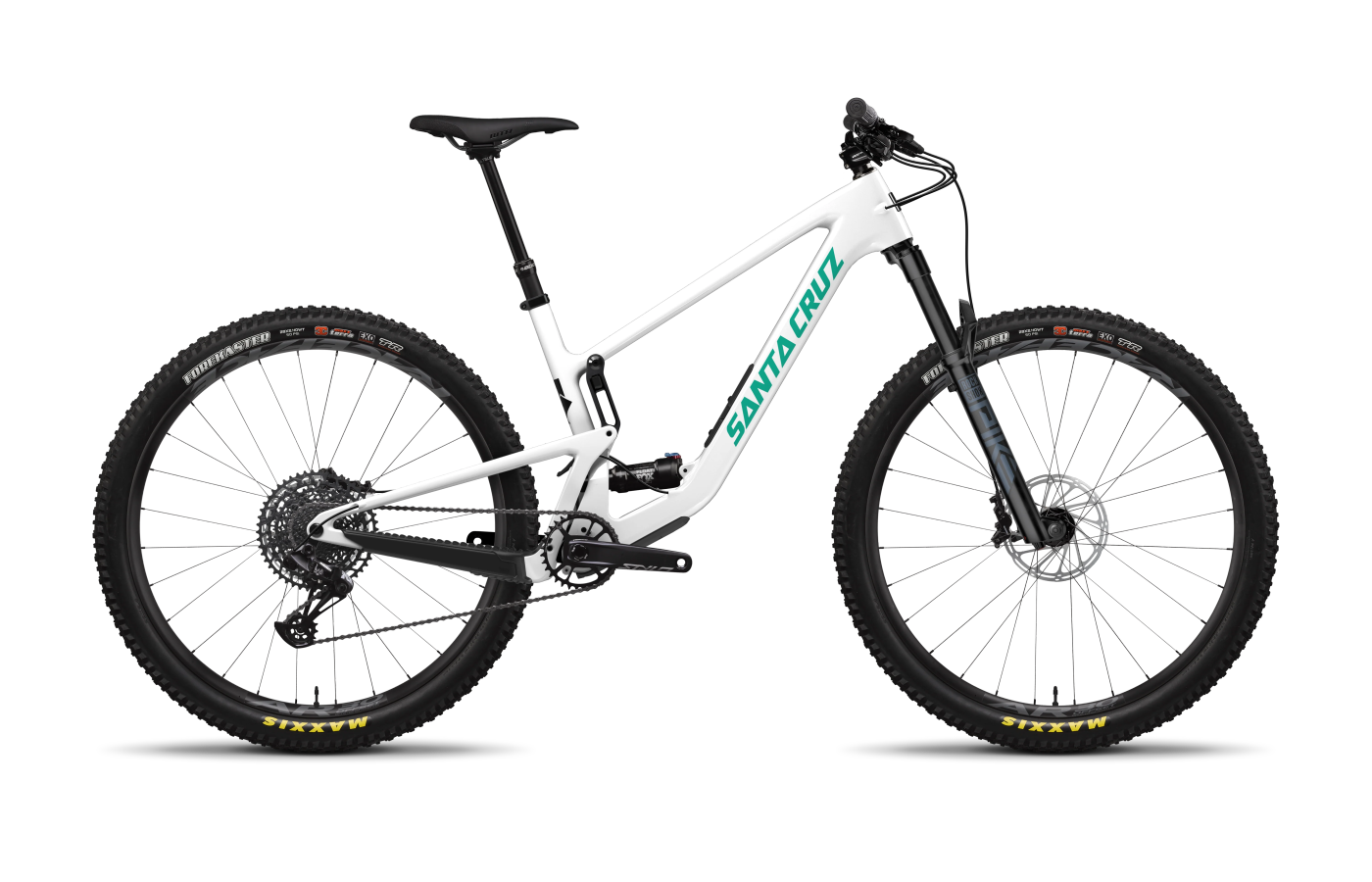
Tallboy
The benchmark short-travel trail bike — VPP suspension, similarly playful character, and the brand cachet that comes with the Santa Cruz badge. Closer to the Ripley in price than the Process.
Compare →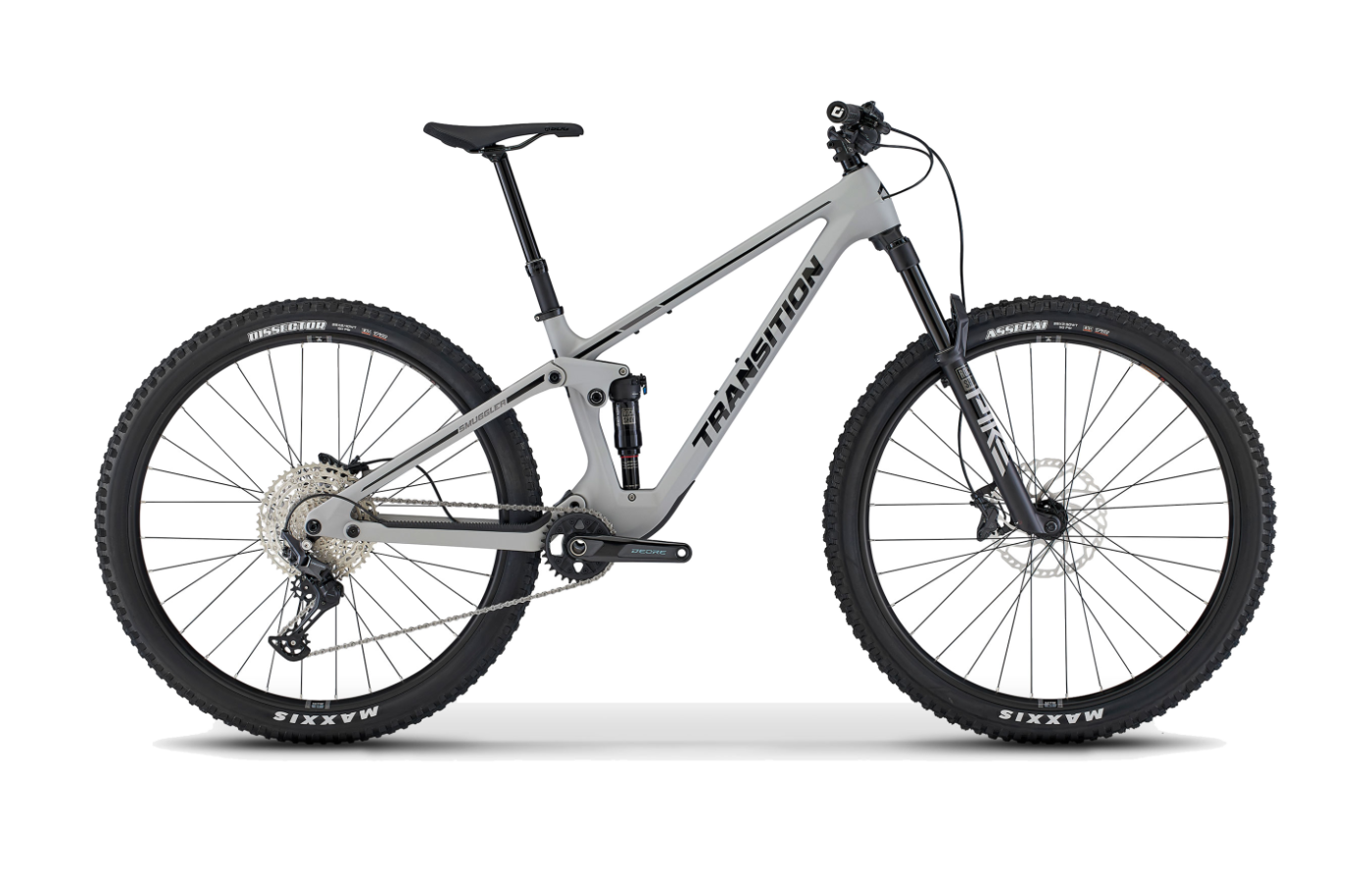
Smuggler
Same travel as the Ripley but tuned for a more planted, mini-enduro feel. If you like the Ripley's chassis idea but want the descending bias dialed up another notch, the Smuggler is the closer match.
Compare →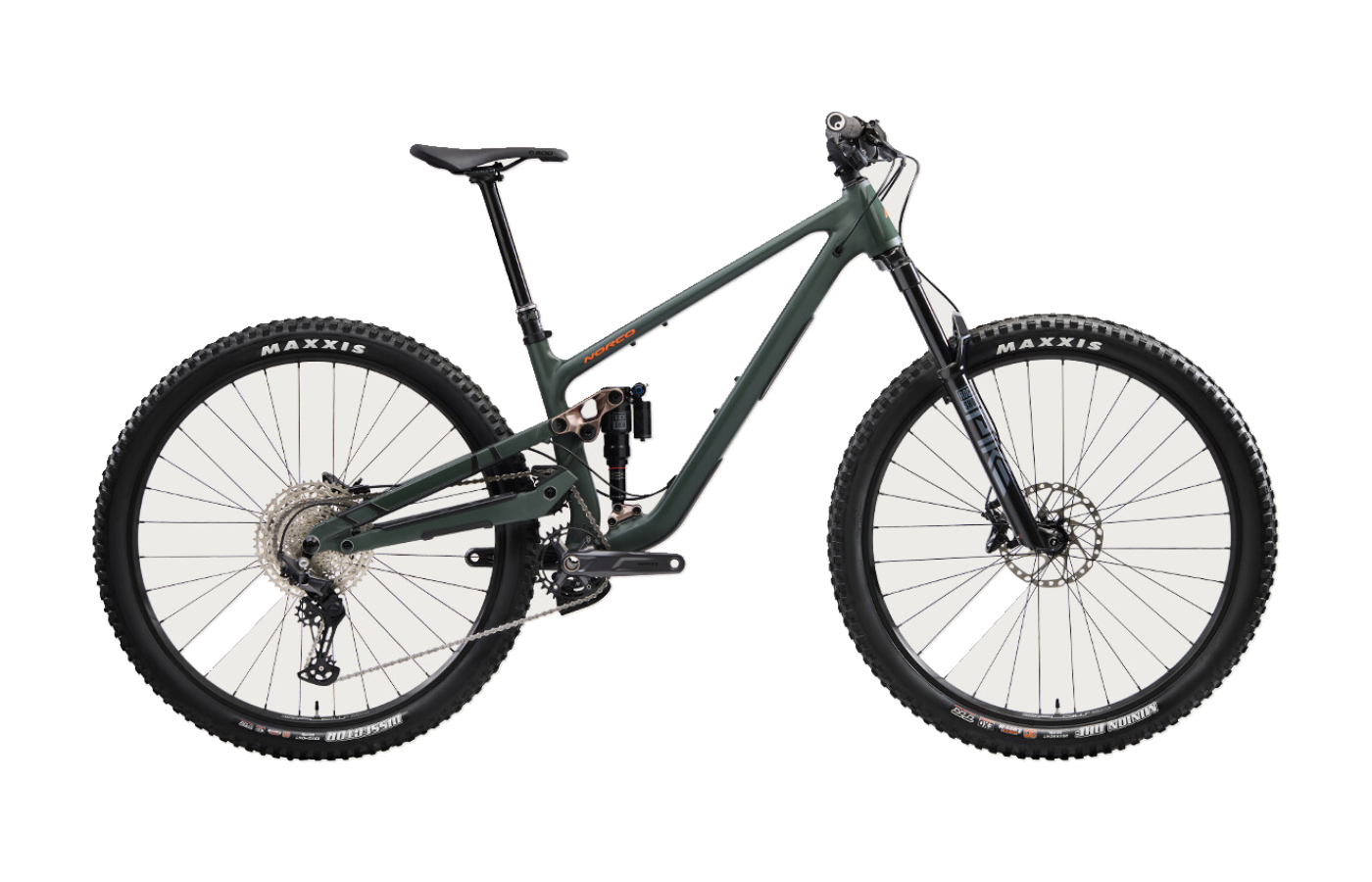
Optic
Norco's short-travel sleeper — aggressive geometry and a playful but capable descending character. A direct alternative to the Process for riders who want the same bruiser-in-a-trail-bike philosophy from a different brand.
Compare →