Ripley
vsTrailcat SL
Two short-travel trail bikes, two ideas of fun.
The Ripley grew up — 130 mm rear, slack head, planted at speed. The Trailcat SL stayed lean — 120 mm rear, sharp steering, every bump a bonus jump.
Ripley
- More travel, slacker head — 130 mm rear and a 64.9° HTA make it the more capable descender of the two.
- Shared chassis with the Ripmo — same front triangle, so the same frame can later become a 145 mm trail-enduro bike with a fork/shock/linkage swap.
- Broad price range — builds start at $4,999 with Deore, far below where the Trailcat lineup begins.
- Heavier than the V4 it replaces — reviewers note ~29–31 lb depending on size and build.
- STOW storage flip-chip swap requires removing the shock — not a trailside job.
Trailcat SL
- Sharper, more agile handling — 65.8° HTA and 431 mm chainstays make it 'extremely light on its feet' (Theradavist).
- DW-link climbing efficiency — firm, pedal-neutral suspension that 'rarely had me reaching for the lockout' (Enduro MTB).
- High-end frame across every build — Pivot uses size-specific carbon layups and the same chassis on every spec, top to bottom.
- Price floor is $6,499 — no entry-level Deore-grade build to lower the bar.
- SuperBoost 157 mm rear hub + PF92 BB are Pivot-isms that limit aftermarket wheel choice.
Editor’s analysis
Both bikes share the DW-link DNA and a 140 mm fork. After that, they aim at very different riders.
On paper these two look like neighbors: short-travel carbon trail bikes, 29" wheels, DW-link suspension, 140 mm Fox 36 forks. Spend time with the geometry charts and the gap opens up. The Ibis Ripley has a 64.9° head tube angle and 130 mm of rear travel; the Pivot Trailcat SL runs a 65.8° head and 120 mm out back. Almost a full degree slacker, 10 mm more travel — that's not a rounding error, it's a thesis statement.
The Ripley V5 is the bike Ibis built when they decided 'downcountry' wasn't enough. It shares its front triangle with the bigger Ripmo, takes a stiffer 36 fork, and stretches the wheelbase to 1,211 mm at size MD. Reviewers consistently say it rides 'larger' than the V4 and recommend sizing down. The payoff is real downhill composure — Theradavist found it secure 'in the steep and loose,' Mountain Bike Action handled 'fast and flowy singletrack to technical descents and rock rolls.' The cost is a touch less zip than the lighter V4 used to deliver.
The Pivot Trailcat SL keeps things sharp. 431 mm chainstays on size SM (vs. 436 on the Ripley), a steeper 65.8° head, and shorter wheelbase make it 'extremely light on its feet' (Theradavist), 'one of the funnest bikes out of the saddle' (Awesomemtb). The 120 mm DW-link is firm, pedal-neutral, and rewards a rider who pumps and pops every roller. The trade-off shows up in sustained chunder — Vital and Theradavist both noted it can feel 'less settled' or veer into 'cascading chaos' when terrain gets long and rough.
Put another way: the Ibis Ripley is the short-travel bike for someone who wants their one bike to handle big descents without flinching. The Pivot Trailcat SL is the short-travel bike for someone whose home trails reward an active rider, and who'd rather generate speed than have it handed to them.
Where the builds differ.
Comparing our editor's-pick builds side-by-side. Winners highlighted row-by-row — lower price and weight, and the better-spec component, each mark a point.
Build variants & pricing
Both lineups land in the same upper bracket, but the Ibis lineup stretches further down — its cheapest build is $1,500 below the Pivot's cheapest.
Editor's-pick builds are the XT Di2 spec on each side: $7,249 on the Ripley, $8,899 on the Trailcat SL Pro XT Di2. Same drivetrain tier, same fork model — the cleanest apples-to-apples comparison the two lineups offer.
How they fit, how they steer.
Different sizing conventions — Ibis MD and Pivot SM are the closest fit on each bike for our 5'8" reference rider. The Ripley sits 5 mm taller in stack with 25 mm more reach, runs a head angle nearly a full degree slacker, and stretches the wheelbase 39 mm longer.
Which size should I buy?
Use the size picker to find the best fit on each bike — the labels (MD vs. SM) come from each brand's own sizing chart and don't translate one-for-one.
→These are starting points. Flexibility, riding style, and preferred position all shift the answer — if you’re between sizes, a professional fit beats a chart.
What the magazines said.
Published reviews from trusted cycling outlets. Click through for the full write-up.
Which one should you buy?
If your trails point steeply down and you want one bike to do everything, get the Ripley. If you live for snappy, pedal-heavy days and active riding, get the Trailcat SL.
Ripley
If your local trails mix sustained climbs with descents that get genuinely chunky — and you want one bike to do it all without feeling under-gunned — the Ripley V5 is the safer pick. Slacker, longer, more rear travel, and a clear future upgrade path to the Ripmo via shared frame parts.
Trailcat SL
If you generate speed by pumping and flicking, treasure efficient climbing as much as the descent, and ride trails that reward precision over plowing — the Trailcat SL is the sharper, more rewarding tool. Pivot's frame quality and DW-link efficiency are the headline draws.
Questions buyers actually ask.
Short answers to the things we get emailed about most often.
01Which is the more capable descender?
The Ibis Ripley, comfortably. It runs 130 mm of rear travel against the Trailcat SL's 120 mm, a head angle nearly a full degree slacker (64.9° vs. 65.8°), and a wheelbase 39 mm longer at the compared sizes. Reviewers consistently describe it as 'planted' and 'composed' on terrain usually reserved for longer-travel bikes.
The Trailcat SL is no slouch — Awesomemtb was 'constantly blown away' by what they could ride on it — but its limits arrive sooner on sustained, high-speed rough sections.
02Which climbs more efficiently?
Closer than you'd guess from the geometry. Both run DW-link suspension that's near pedal-neutral, and both have steep effective seat tube angles (76.9° on the Ripley MD, 76° on the Trailcat SL SM).
The Trailcat SL edges it on smoother, faster climbs — it's lighter (around 27.7 lb in Team XTR trim per Pivot), shorter, and the firm DW-link tune means most riders 'rarely reach for the lockout' (Enduro MTB). The Ripley V5 is no slouch either — 99 Spokes found themselves 'outpacing buddies on climbs I usually struggled to keep up with' — but the slacker geometry and bit more weight cost it a half-step in pure climbing snap.
03Is the rear travel difference (130 vs. 120 mm) actually noticeable?
Yes — but not in isolation. The 10 mm gap matters because of what comes with it: a slacker head angle, longer wheelbase, and a fork tuned for a more aggressive use case. Reviewers consistently describe the Ripley V5 as 'composed' and 'planted,' the Trailcat SL as 'lively' and 'snappy.'
If you mostly ride flowy singletrack and punchy climbs, the difference will feel small. If your trails routinely include rock gardens, drops, or sustained steep descents, the Ripley's extra travel and slacker front end will feel obvious.
04What's the deal with Pivot's SuperBoost 157 and PF92?
Pivot uses a 157 mm 'SuperBoost' rear hub spacing and a press-fit PF92 bottom bracket on the Trailcat SL. Both are less common than the Ibis's standard Boost 148 mm rear and threaded BB.
Pivot defends the choices on stiffness (wider flanges on the rear hub) and tolerance grounds (their PF92 cups are reportedly creak-free thanks to tight machining). The practical downside is fewer aftermarket wheelset options and a press-fit BB that some home mechanics dislike. If you swap parts often, the Ripley is the lower-friction platform.
05Can either bike be 'converted' to more travel later?
Ibis Ripley: yes, sort of. It shares its front triangle and swingarm with the Ripmo, so a fork, shock, and linkage swap turns it into a 145 mm bike. Reviewers (Duffy Rides, 99 Spokes) cite this as a real long-term value-add.
Pivot Trailcat SL: technically possible but not officially supported. The SL and LT (135 mm) share a frame, but Pivot doesn't sell a conversion kit and 'actively discourages it' (per Enduro MTB and Flow Mountain Bike). Pick the one you want from the start.
06Is the Fox 34 vs. Fox 36 fork debate real?
On both bikes' top-spec builds you actually get a Fox Factory 36 SL (140 mm) — same fork model on both XT Di2 picks. Earlier launch reviews tested some builds with a Fox 34 and noted that aggressive riders could feel flex on rougher trails (Bebikes for the Ripley, Enduro MTB and Awesomemtb for the Trailcat). Current production builds have largely moved to the 36 SL, sidestepping the concern.
07Which has internal frame storage?
Both. The Ibis STOW system uses a large quick-release latch and includes two custom Cotopaxi fabric bags. Universally praised for being rattle-free and well-sealed.
Pivot's Tool Shed uses a sealed magnetic-style closure that reviewers also call 'fully waterproof.' The Pivot opening is reportedly slightly smaller than the Ibis's, and one reviewer initially had magnets fall out — most reviewers had no issue. Both work; the Ibis is marginally more praised for ease of access.
08What warranty do they come with?
Both brands offer a lifetime warranty to the original owner. Pivot's lifetime coverage extends to the pivot bearings as well as the frame on bikes sold after January 1, 2024 — registration within three months of purchase is required to activate it. Ibis covers the frame for life and has a strong reputation for honoring crash replacement on its own discretion.
Similar bikes
If your priorities don’t map cleanly onto either of these, one of these adjacent bikes probably fits better.
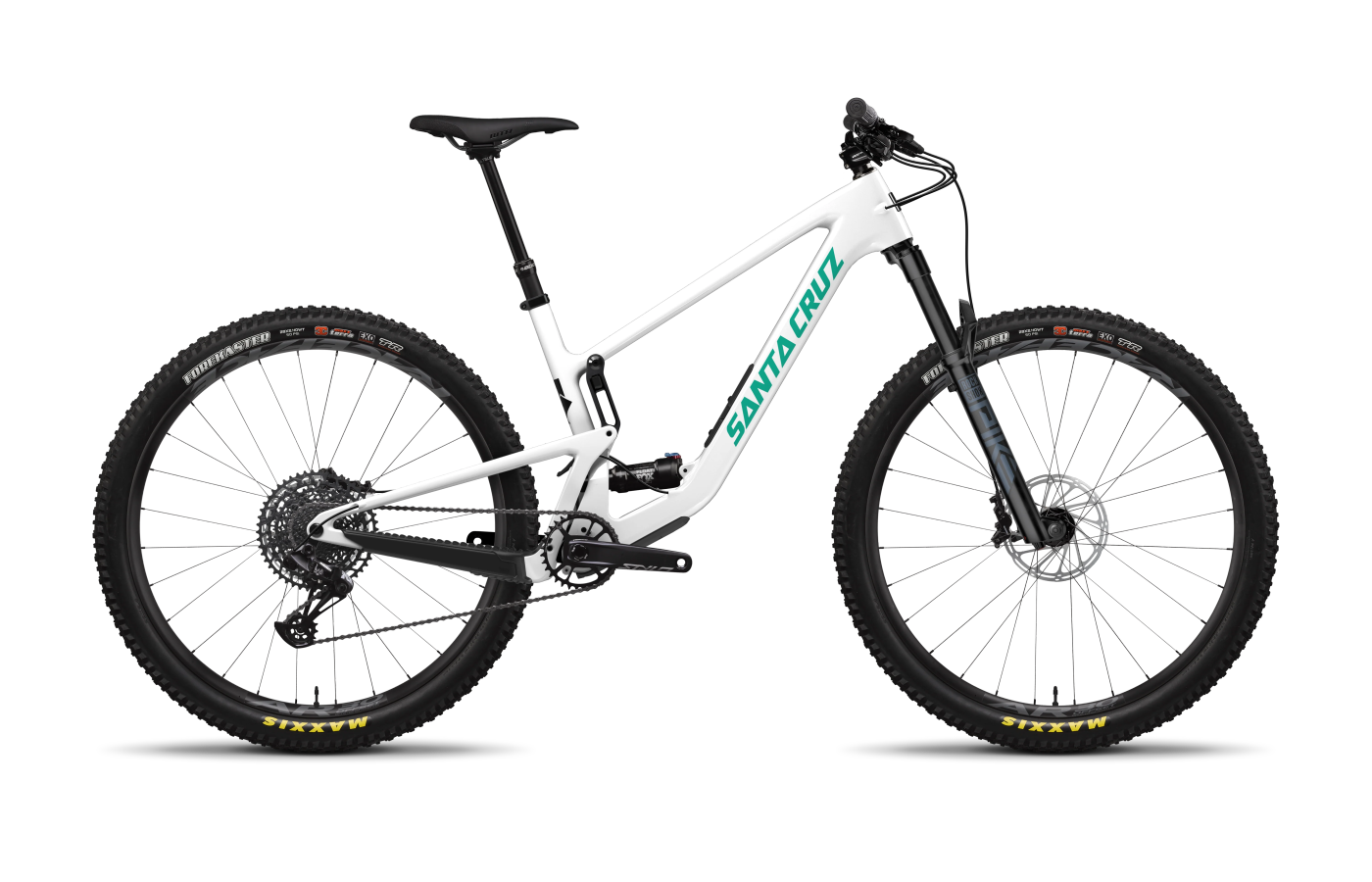
Tallboy
Santa Cruz's short-to-mid travel 29er trail platform — VPP suspension with a similar all-rounder remit to the Ripley. The bike most often cross-shopped against the Ripley for the same reasons.
Compare →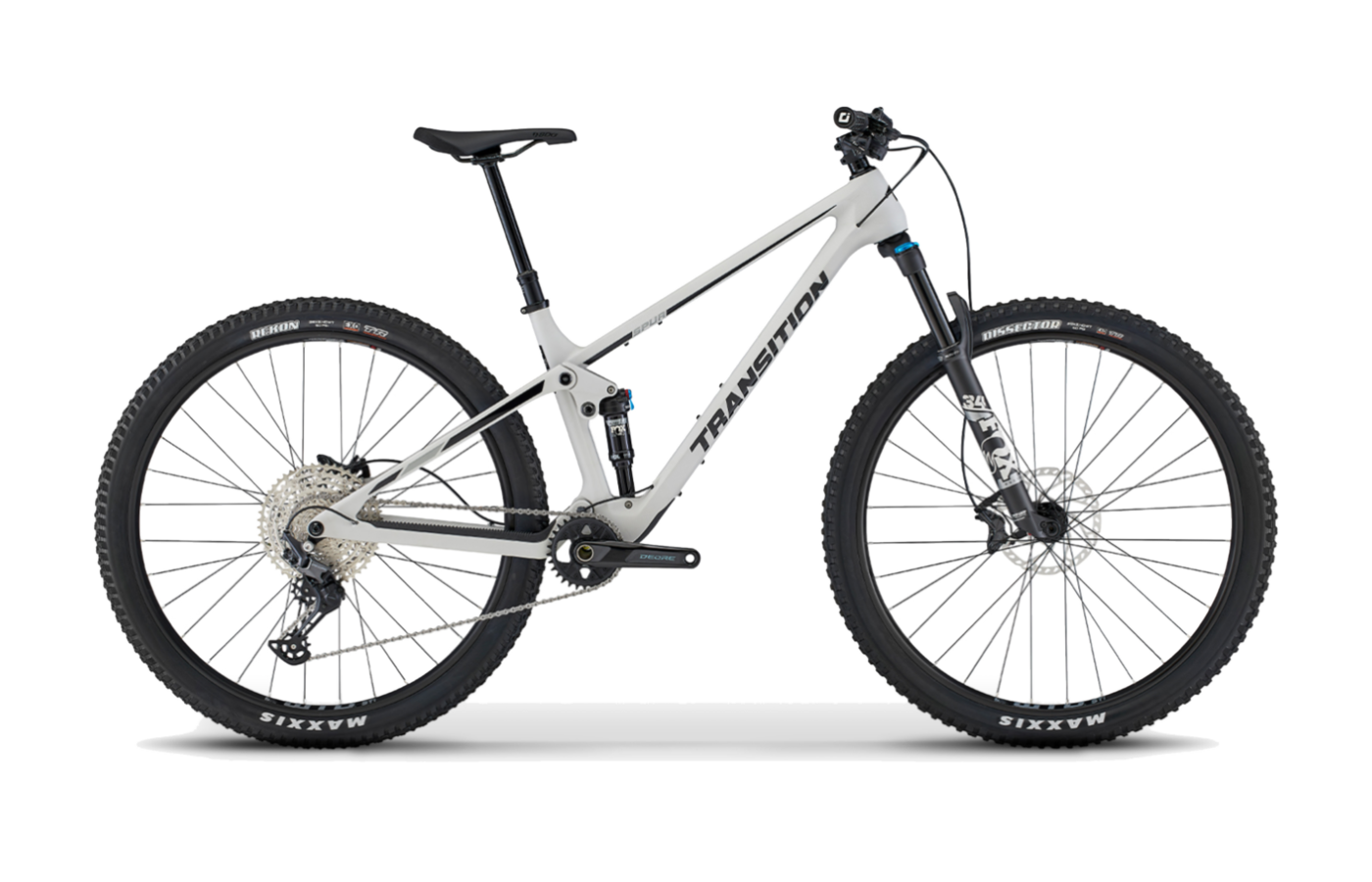
Spur
If you liked the idea of the Trailcat SL but want even more downcountry — the Spur is lighter, more XC-leaning, and one of the most efficient trail bikes on the market. Less downhill composure than either bike here.
Compare →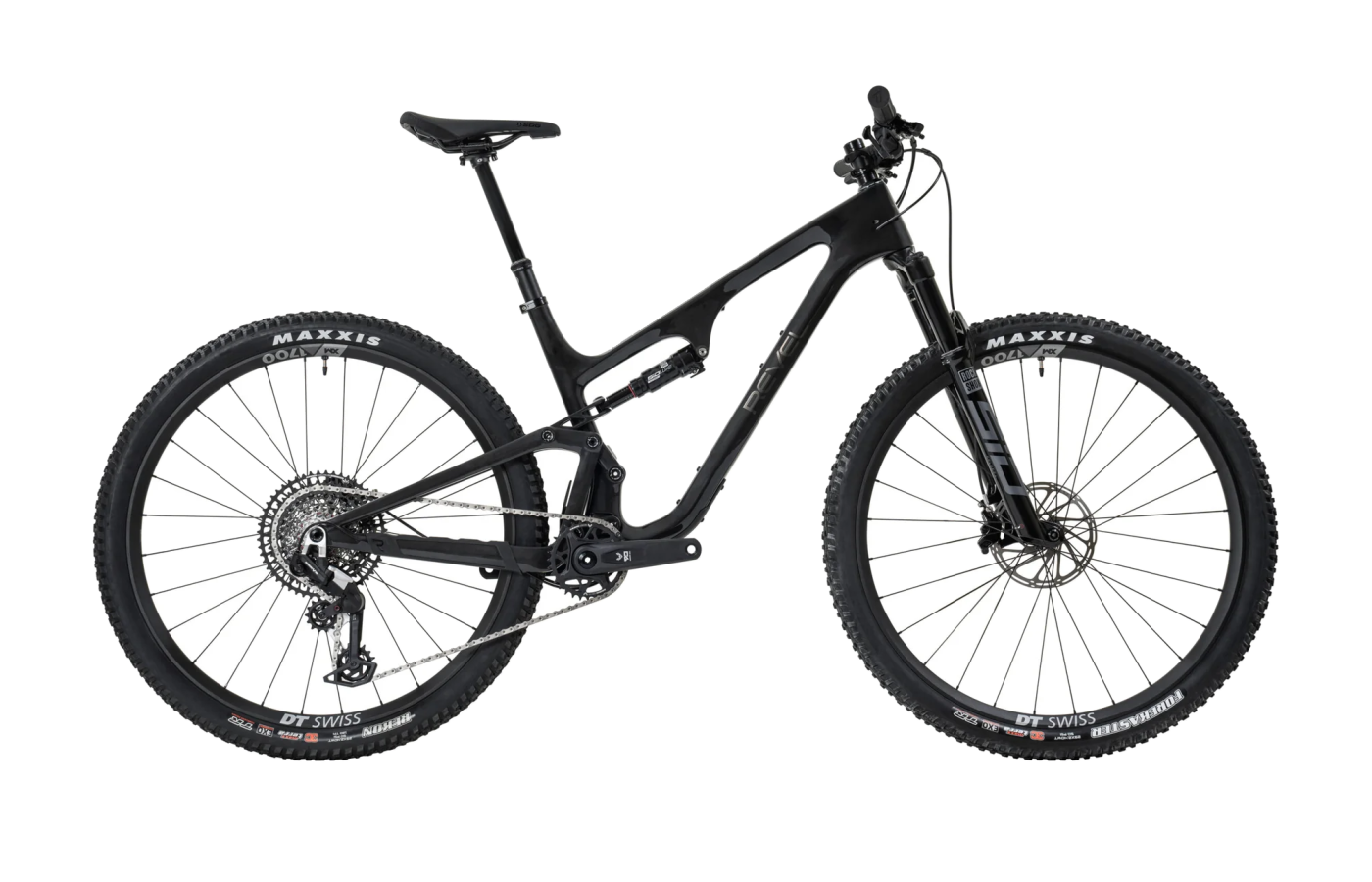
Ranger
Another DW-link short-travel trail bike with a dedicated playful, poppy character. A small-builder alternative if you want the Trailcat-SL ride feel without Pivot's pricing or proprietary standards.
Compare →