Ripley
vsRanger
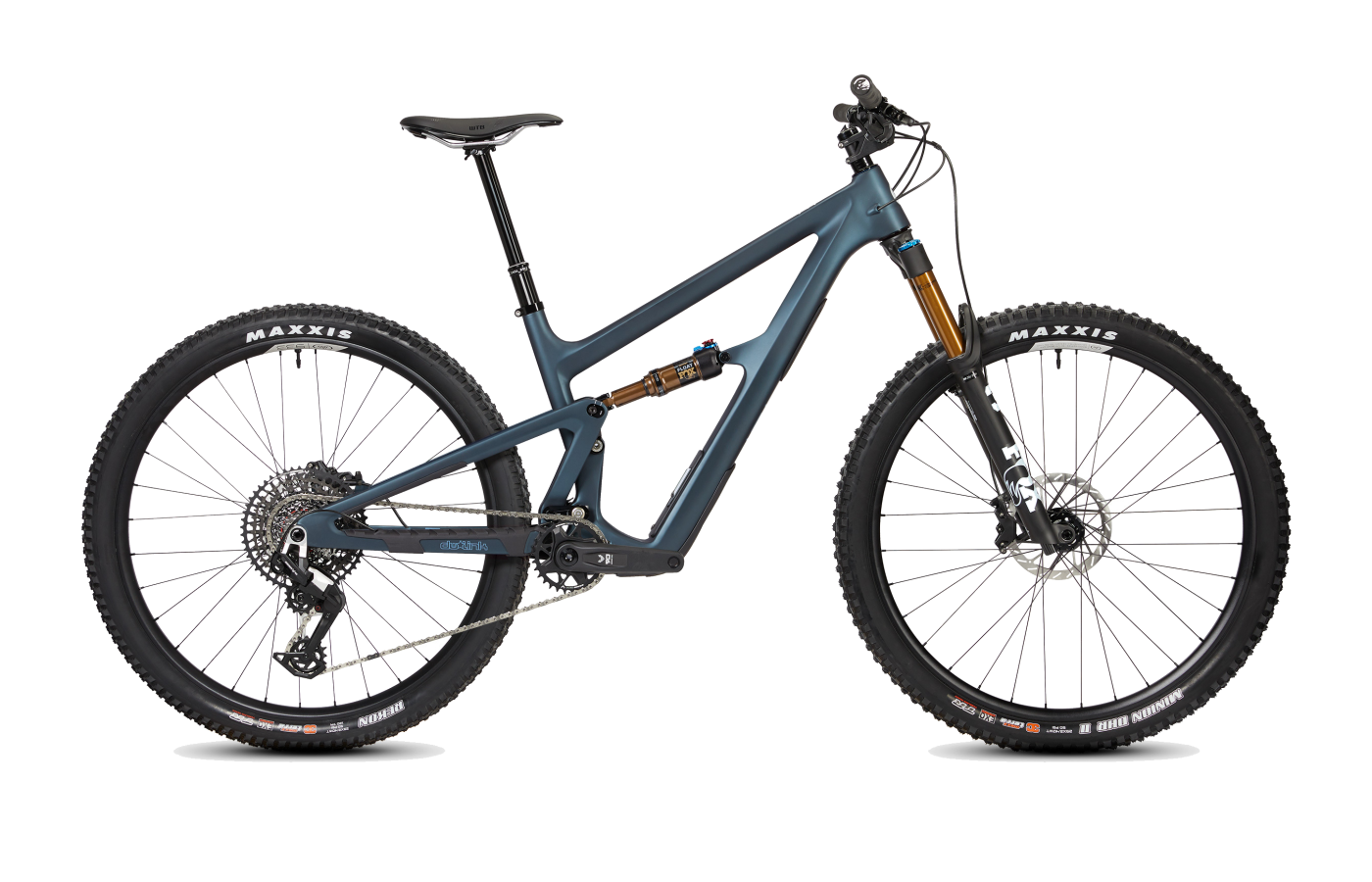
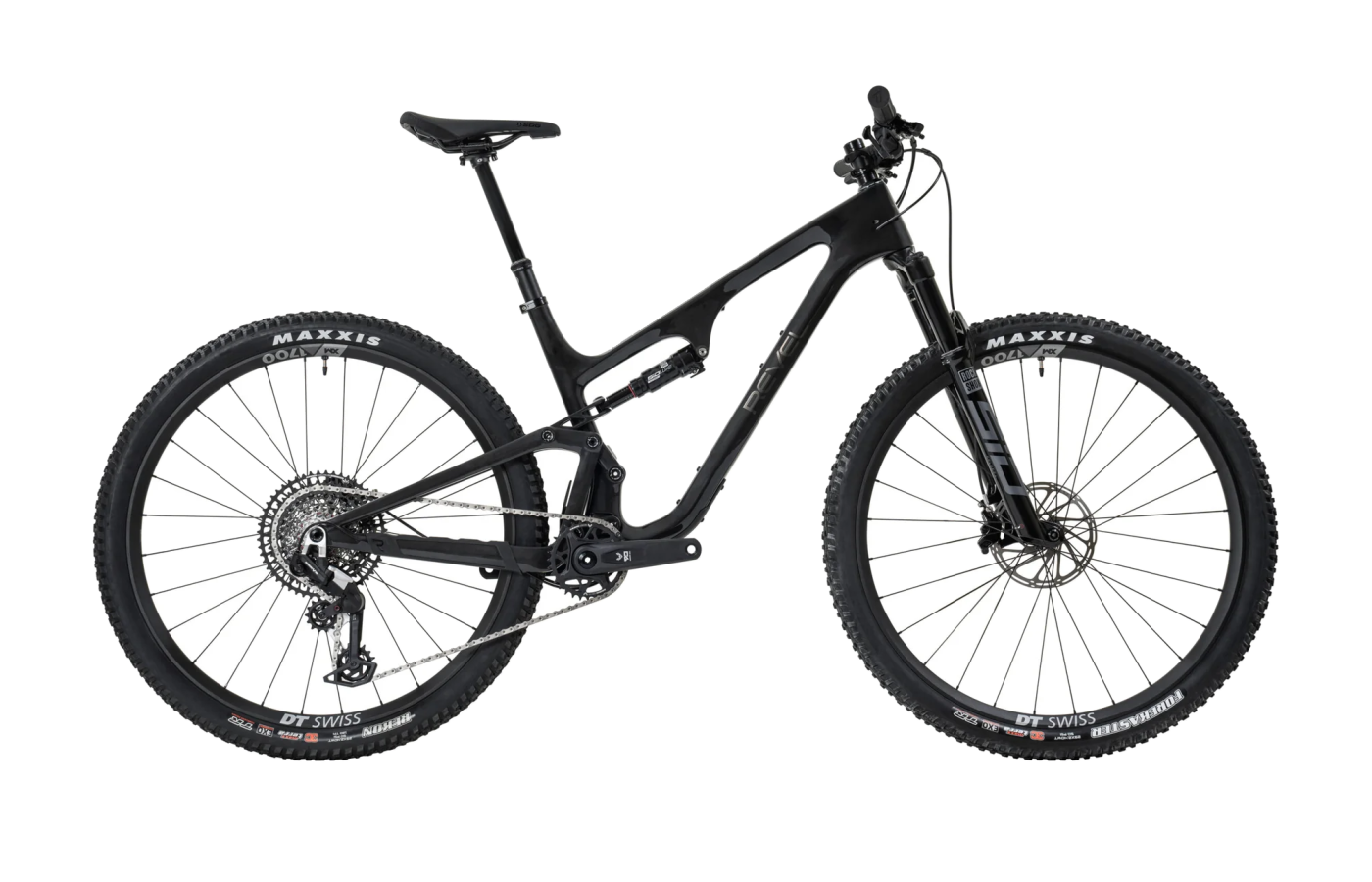
Two short-travel 29ers, two trail philosophies.
The Ripley V5 grew up into a real trail bike. The Ranger V2 doubled down on being a downcountry speed weapon.
Ripley
- Genuinely capable descender — 140/130 mm travel, 64.9-degree HTA, and a Ripmo-shared front triangle make this a bike-park-capable short-travel bike.
- Wide build range from $4,999 Deore up to $9,999 XTR Di2 — you can get on the platform at a real price point.
- Internal STOW storage with Cotopaxi-made rattle-free bags — one of the best-executed in-frame storage systems on the market.
- Around 29–31 lb complete — meaningfully heavier than the Ranger on long climbs.
- Some reviewers on aggressive terrain want a stiffer Fox 36 or Pike over the 34mm-stanchion Fox 36SL.
Ranger
- Exceptional pedaling efficiency — the CBF suspension delivers an 'uninterrupted pedal feel' that maintains momentum over chunder and rewards hard seated efforts.
- Light for a full-suspension 29er — complete bikes in the 26–28 lb range, noticeably lighter than the Ripley.
- Sharper, quicker-handling front end — the 67.5-degree HTA and short-offset fork keep it nimble in tight climbing switchbacks.
- Only two builds, both at $4,499 — no flagship or entry-level option.
- Several reviewers note it lacks pop and liveliness — it's composed, not playful.
Editor’s analysis
This isn't an XC-vs-trail fight — it's a question of how you want your short-travel 29er to misbehave.
Both the Ibis Ripley and Revel Ranger are carbon, 29-inch, and squarely in the short-travel trail bracket. But the V5 Ripley (140 mm front / 130 mm rear) and V2 Ranger (120 mm / 115 mm) are 25 mm apart in total travel and 2.6 degrees apart on head tube angle — and the ride characters diverge even further than those numbers suggest.
The Ripley is the one that grew up. Ibis openly killed the 'downcountry' label with the V5: a 64.9-degree head angle, longer wheelbase, Fox 36 fork, 130 mm of DW-link out back, and a frame it now shares with the longer-travel Ripmo. It still pedals like a Ripley — the DW-link's supportive mid-stroke rewards seated power — but it descends far closer to a 150 mm trail bike than its travel numbers imply. Reviewers agree: if the old Ripley and the Ripmo had a baby, this is it.
The Revel Ranger didn't grow up. It got sharper. The V2 kept the 67.5-degree head angle, the 120/115 mm travel, and the Canfield Balance Formula suspension — and stiffened the rear triangle 20% to make every pedal stroke snap harder. On flat singletrack and rolling terrain the Ranger feels like it's pushing you; over chunder the CBF holds its wheel to the ground through hits that would unsettle a stiffer XC bike. But it's a 'stoic instrument of speed,' not a jester — multiple reviewers note it lacks pop and doesn't beg to be launched.
Put simply: the Ibis Ripley is the short-travel bike you buy when you want one bike that can handle bike-park laps. The Revel Ranger is the short-travel bike you buy when most of your riding is long, fast, and sustained — and you'd rather not carry a single gram you don't need.
Where the builds differ.
Comparing our editor's-pick builds side-by-side. Winners highlighted row-by-row — lower price and weight, and the better-spec component, each mark a point.
Build variants & pricing
The Ripley spans $5,000 from Deore to XTR Di2. The Ranger sells two builds at one price — $4,499, take your groupset.
Prices are current US MSRP. We've matched Eagle 90 Transmission builds on both sides for a clean comparison — the Ripley Eagle 90 ($5,499) is $1,000 pricier than the Ranger SRAM Eagle 90 ($4,499), but the Ibis ships a Fox Factory 36SL fork and Float Factory shock versus the Ranger's RockShox SID Ultimate / SID Ultimate setup, which reflects the platforms' different travel and intent.
How they fit, how they steer.
Ripley MD vs Ranger Medium — the fit-picked sizes for a 5'8" rider on each bike. The Ripley sits 10 mm taller in stack with 7 mm more reach, runs a 2.6-degree slacker head angle, and rides on a 41 mm longer wheelbase. Chainstays match at 436 mm.
Which size should I buy?
Size recommendations based on stack, reach, and effective top tube. The Ripley offers five sizes (SM through XL plus an 'XM' intermediate); the Ranger runs four (S through XL).
→These are starting points. Flexibility, riding style, and preferred position all shift the answer — if you’re between sizes, a professional fit beats a chart.
What the magazines said.
Published reviews from trusted cycling outlets. Click through for the full write-up.
Which one should you buy?
If you want one bike that climbs well and descends anything, get the Ripley. If your trails are long, rolling, and efficiency-limited, get the Ranger.
Ripley
If you want a single short-travel bike that climbs efficiently, handles rowdy descents, and can pull a bike-park day without complaint, the Ripley V5 is the one. It's heavier and pricier than the Ranger, but the extra 15 mm of rear travel and 2.6 degrees of slackness buy real capability — not just spec-sheet inches.
Ranger
If most of your riding is long, fast, and rolling — XC races, bikepacking, all-day epics on moderate trails — the Ranger's CBF suspension and light frame deliver composed speed the Ripley can't match. You give up outright descending capability, but you gain a bike that feels like it's pulling you forward.
Questions buyers actually ask.
Short answers to the things we get emailed about most often.
01Which climbs better?
The Revel Ranger, by a clear margin. Complete bikes weigh 26–28 lb versus the Ripley's 29–31 lb — a 2–3 lb delta that's real on sustained climbs. The CBF suspension also holds its travel better under seated power than the DW-link, which reviewers describe as maintaining momentum over chunder in a way that feels like 'extra propulsion.'
The Ripley climbs very well for a 130 mm-rear trail bike — the 76.9-degree seat tube angle and supportive mid-stroke keep it efficient — but it's not in the same weight class.
02Which descends better?
The Ibis Ripley, decisively. 140 mm front / 130 mm rear travel, a 64.9-degree head angle (versus the Ranger's 67.5), and a wheelbase 41 mm longer in the compared sizes all point the same direction. Reviewers consistently say the V5 rides far closer to a 150 mm trail bike than its travel numbers suggest.
The Ranger punches above its 115 mm of rear travel thanks to the CBF suspension, and it's genuinely confident on fast, moderately rough terrain. But in repeated hits, steep chunder, or bike-park terrain, its short travel and steeper front end are the limit.
03What's the tire clearance on each?
Ibis Ripley V5: 29 x 2.4" ships on every build (Maxxis DHR II or Forekaster up front, Rekon rear), and the frame is designed around that.
Revel Ranger V2: Revel claims 29 x 2.6" on the V2, with reviewers confirming the updated rear triangle handles 2.6" tires well — though in deep mud with 2.6" Vittoria Mezcals, one tester still reported 'a bit of rub.' Ships stock with 2.4" Maxxis Forekaster / Rekon.
Neither is a plus-tire bike, but the Ranger has the edge if you want to run wider rubber.
04How do the suspension platforms differ?
The Ripley uses Ibis's DW-link — a dual short-link system tuned for a firm, supportive mid-stroke. It rewards active pedaling and provides a 'launchpad' feel for pumping and jumping, though some reviewers find it firmer on rough climbs than a more plush design.
The Ranger uses Canfield Balance Formula (CBF) — also a dual-link system, but tuned to isolate pedaling forces almost entirely from suspension motion. Reviewers note 'it's seldom that I could feel the suspension moving while pedaling.' It makes short travel feel bottomless under pedaling loads, at the cost of some small-bump suppleness when you're coasting.
Both are excellent. DW-link is more playful; CBF is more efficient.
05Can I run a mullet (mixed-wheel) setup?
Yes on the Ripley. The V5 includes a flip chip on the rear triangle that corrects geometry for a 27.5" rear wheel without affecting suspension kinematics. The catch: accessing the flip chip requires removing the shock, so it's a workshop job, not a trailhead swap.
No on the Ranger. The V2 is a dedicated 29er — no flip chip, no mullet provision.
06Does either have internal frame storage?
The Ripley does. The V5 introduced the STOW system in the downtube, with a quick-release faceplate and included Cotopaxi-made fabric bags that keep contents rattle-free and sealed against water. Reviewers single it out as one of the best-executed in-frame storage designs on the market.
The Ranger does not. Revel has not added downtube storage to the V2 — the frame has multiple bottle mounts instead (three on sizes M and up).
07Which is better for bikepacking?
The Revel Ranger, for most riders. Its light weight, efficient CBF pedaling platform, and multiple bottle/accessory mounts (three on sizes M and up) are purpose-built for it — and multiple reviewers specifically tested it for bikepacking, noting the bike actually feels more planted when loaded.
The Ripley will work for bikepacking too, and its STOW storage is genuinely useful, but the extra 2–3 lb and trail-biased travel are overkill unless your route includes serious descents.
08Can I convert the Ripley to a Ripmo?
Yes. The V5 Ripley and current Ripmo share front triangle and swingarm — swap the shock, fork, and rocker linkage and you have the other bike. Ibis designed it this way intentionally, and reviewers flag it as a significant long-term value proposition.
The Ranger has no equivalent conversion path within Revel's lineup.
Similar bikes
If your priorities don’t map cleanly onto either of these, one of these adjacent bikes probably fits better.
Spur
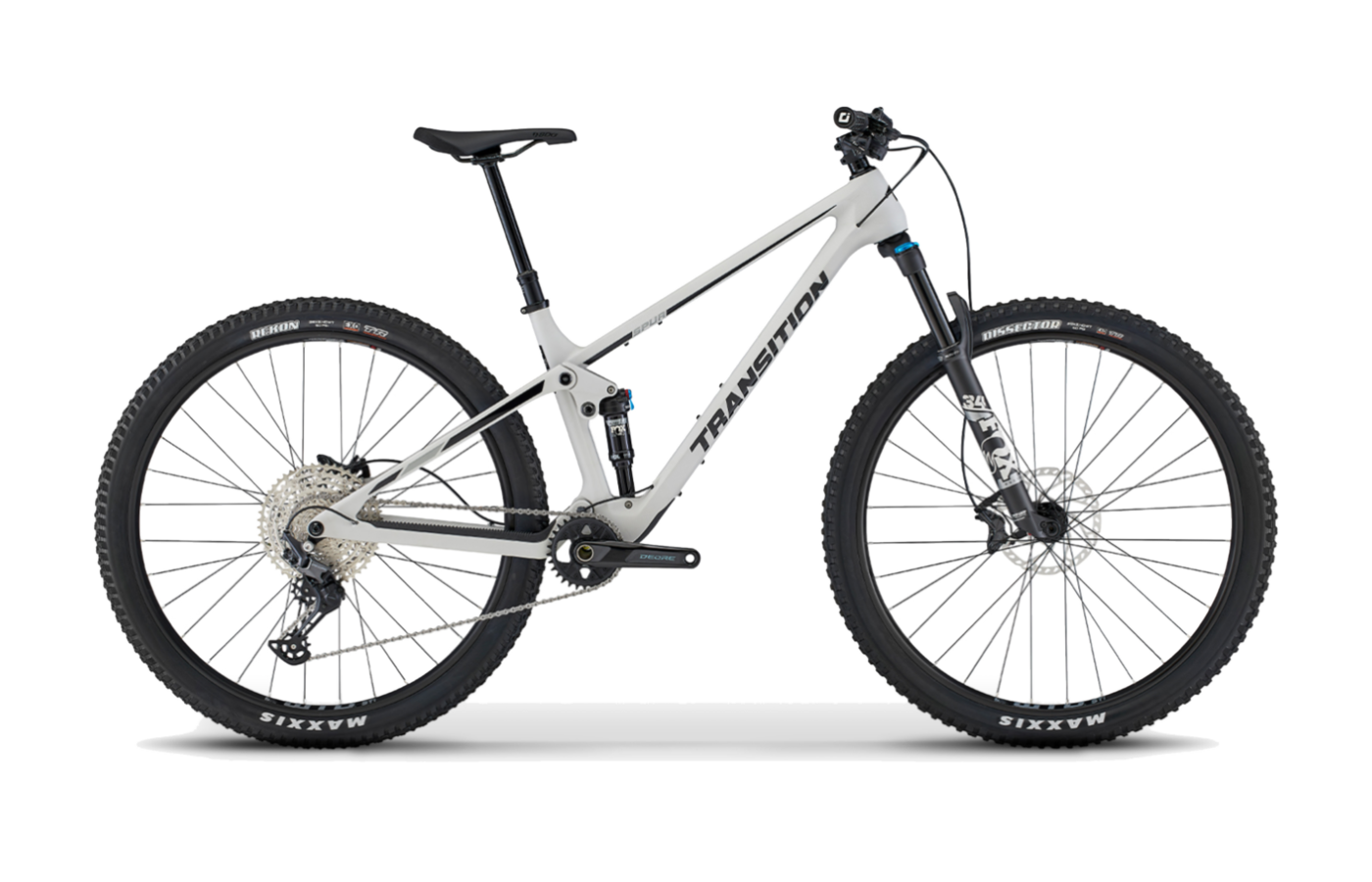
The Transition Spur is the Ripley's most direct rival — another short-travel 29er that punches well above its numbers. Playful, capable on descents, and a common cross-shop for riders considering the V5.
Compare →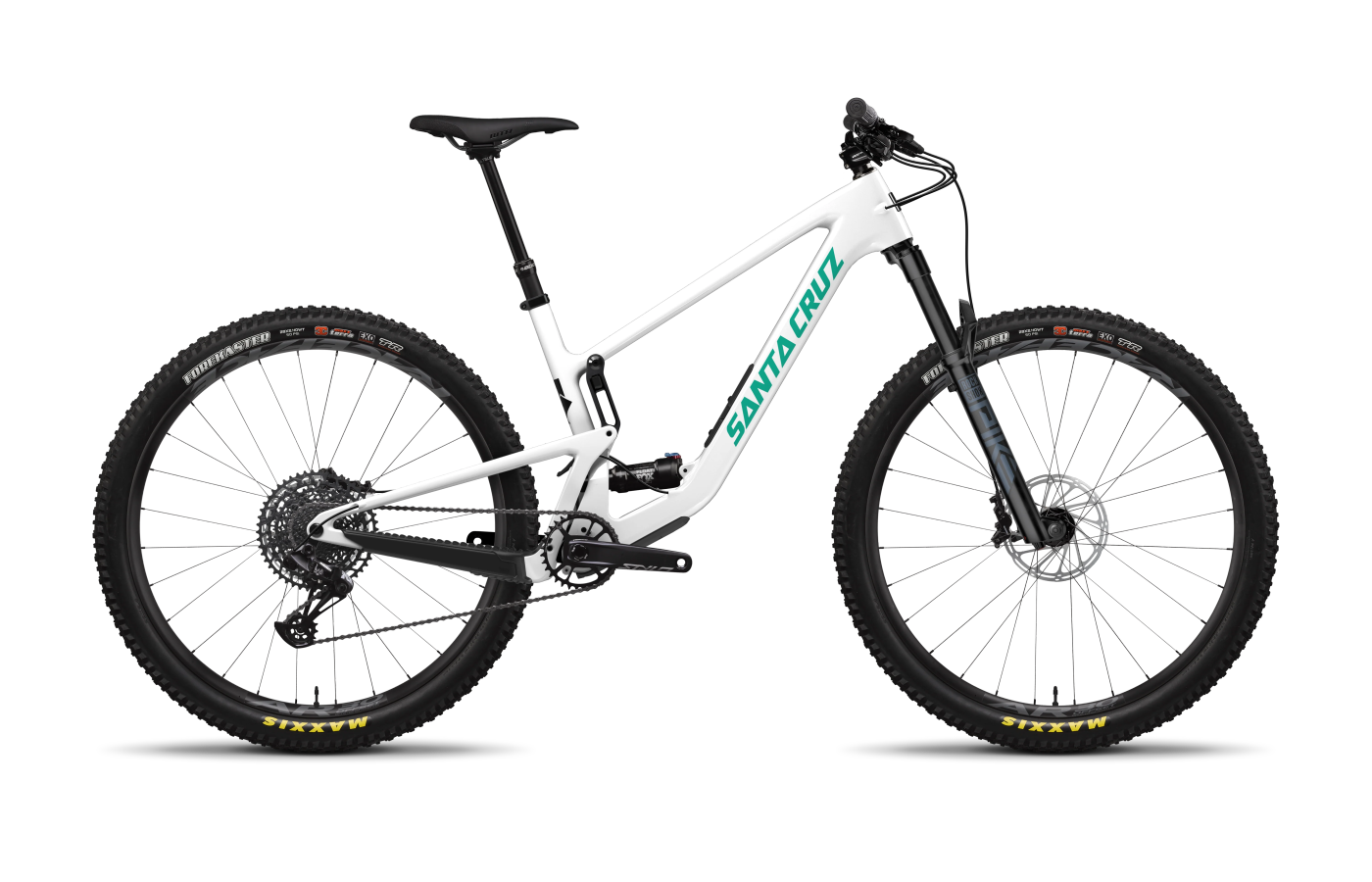
Tallboy
The Santa Cruz Tallboy lands between the Ripley and Ranger on the capability spectrum — more trail-biased than the Ranger, more restrained than the Ripley V5. Worth a look if both of these feel like too much of a commitment in either direction.
Compare →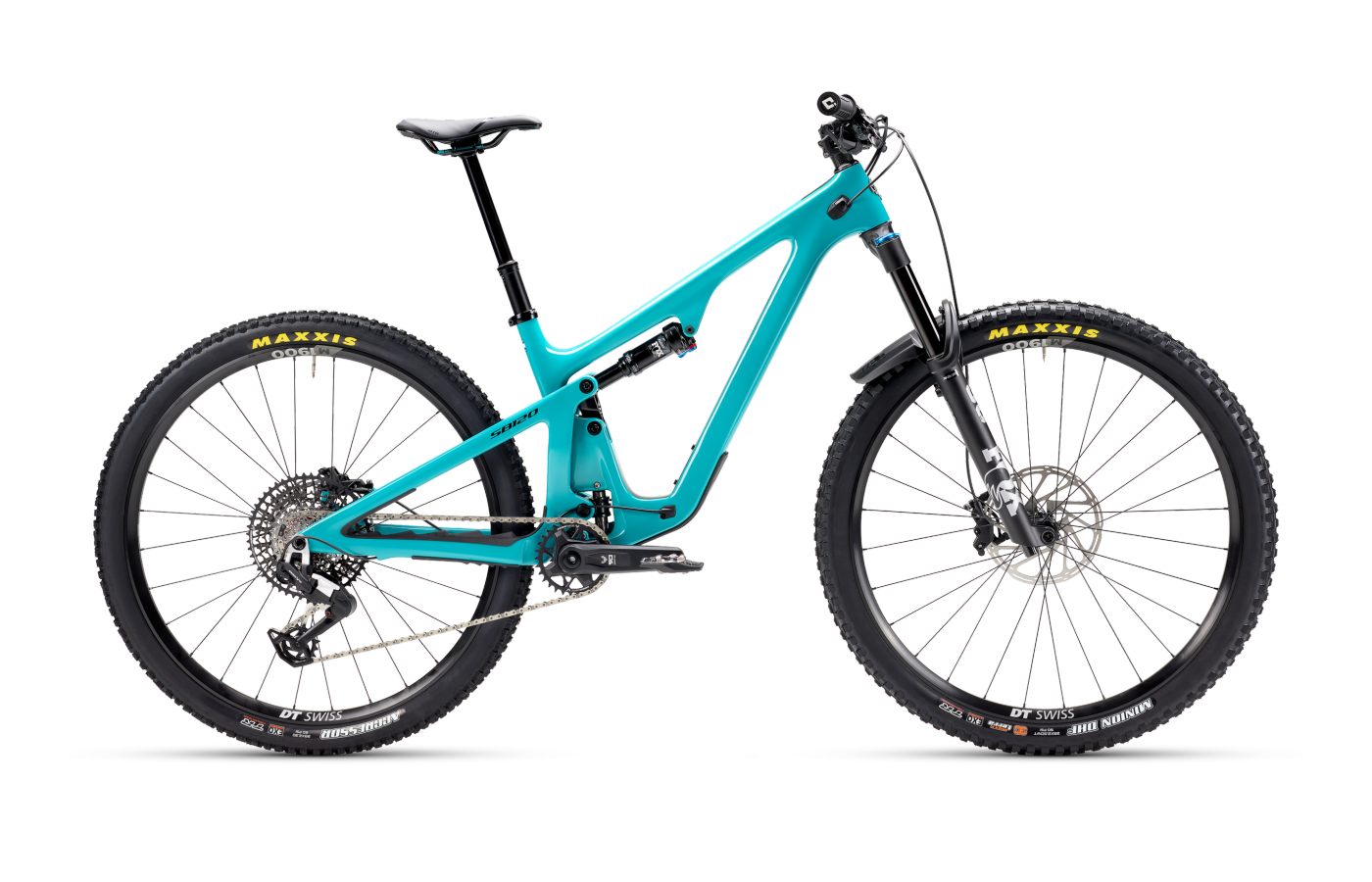
SB120
The Yeti SB120 is the premium alternative to the Ranger — Switch Infinity suspension, similar travel, slightly more trail-biased geometry. Expect a firmer price and a more controlled descending feel than the CBF Ranger.
Compare →