Ripley
vsElement
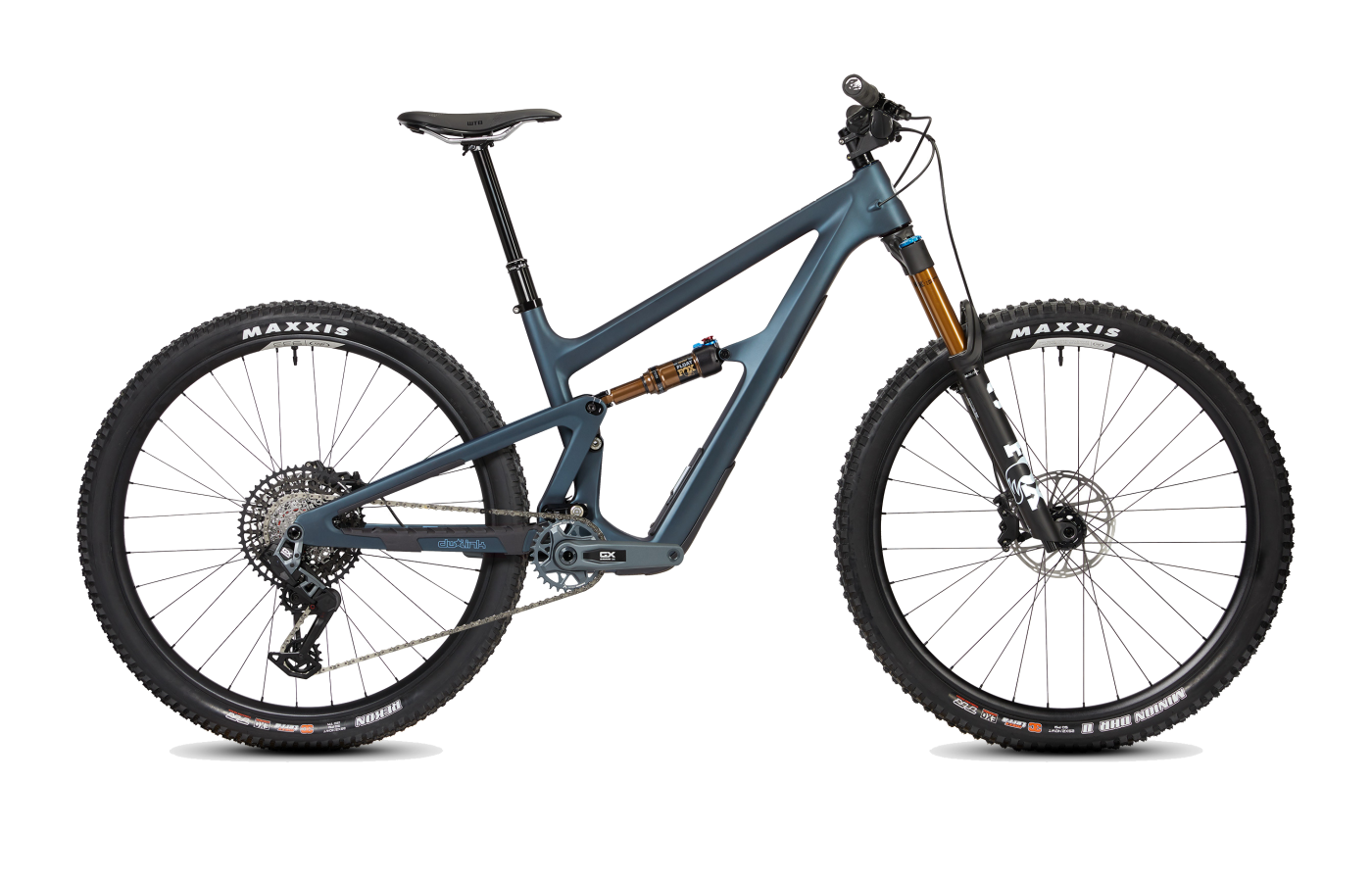
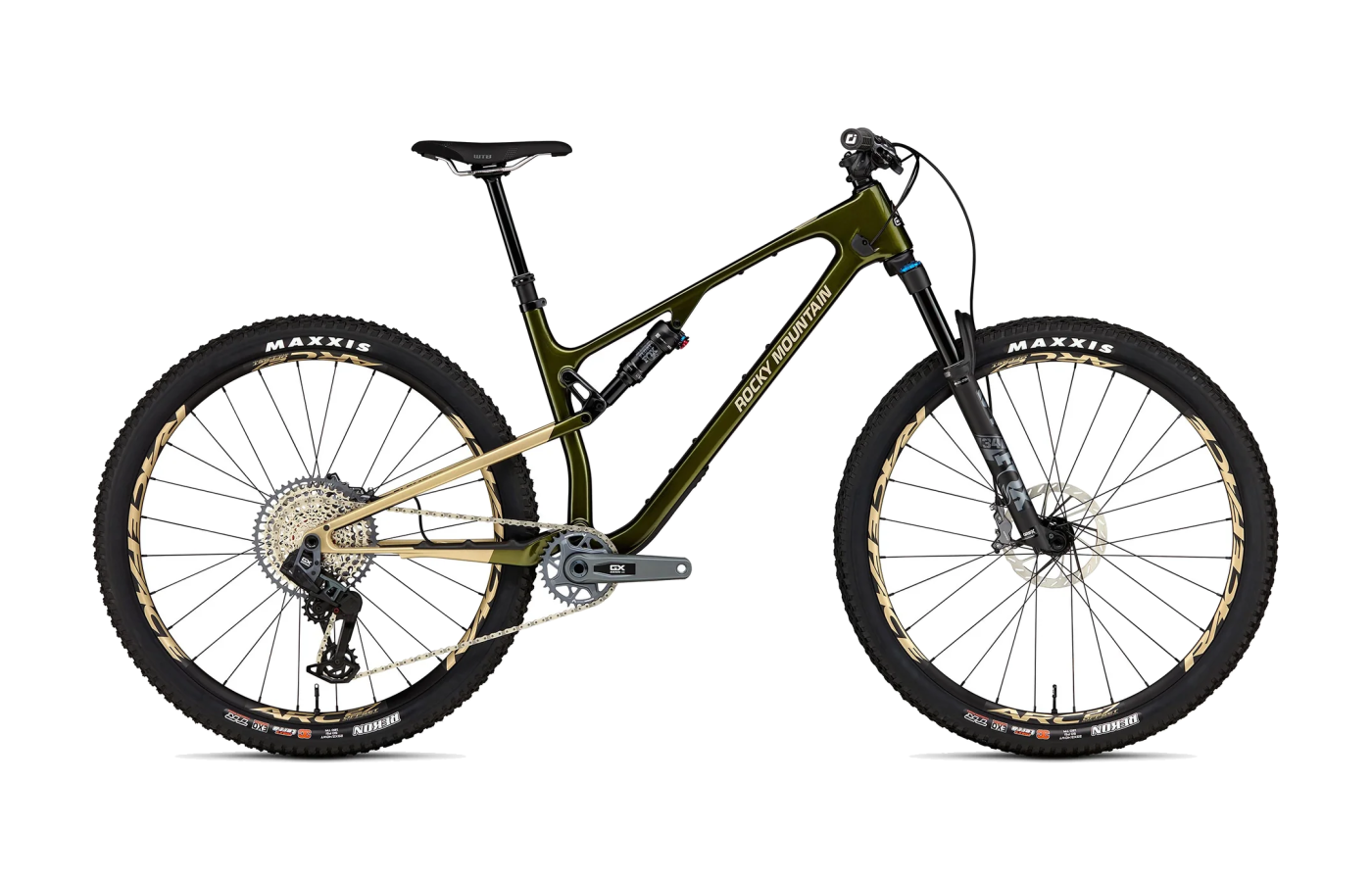
Two short-travel trail bikes pulling in opposite directions.
The Ibis Ripley V5 has bulked up into a mini-enduro tank. The Rocky Mountain Element leaned out into a downcountry rocketship.
Ripley
- Mini-enduro chassis — front triangle and swingarm shared with the Ripmo, and reviewers note it rides bigger than its 130 mm of rear travel.
- DW-link suspension — plush off the top, supportive mid-stroke, ramp at the end. Reviewers reach for words like "composed" and "damp."
- STOW internal storage with rattle-free Cotopaxi bags — one of the better-executed in-frame storage systems on the market.
- Around 29–30 lb at the XT/GX builds — heavier than the V4 and meaningfully heavier than the Element.
- Low stack across sizes can leave taller riders reaching for high-rise bars.
Element
- Light, snappy chassis — the flagship Carbon 99 is reported around 26 lb 14 oz on a Large, and the bike accelerates accordingly.
- RIDE-4 adjustable geometry — a flip chip at the shock mount swings HTA between roughly 65.0 and 65.8 degrees to bias toward stability or sharpness.
- Two bottle mounts plus a top-tube tool mount — the bikepacking and long-day-out crowd will notice.
- Press-fit bottom bracket — not a dealbreaker, but a long-term maintenance flag several reviewers raised.
- 120 mm rear with stock Rekons gets overrun on chunky steep terrain — reviewers say the margin for error is small.
Editor’s analysis
Both bikes used to live in the same downcountry sandbox. For 2025 they walked out the opposite doors — and that is the entire fight.
The numbers tell the story before any prose has to. The Ibis Ripley V5 runs 140 mm front / 130 mm rear, a 64.9-degree head tube angle, and shares its front triangle and swingarm with the longer-travel Ripmo. The Rocky Mountain Element runs 130 mm front / 120 mm rear, a 65-degree head tube angle, and uses a flex-stay rear end that Rocky Mountain claims drops 300–350 g from the previous frame. One bike grew teeth; the other one filed them down.
The Ibis Ripley is the bike you take to the chunky stuff. Reviewers consistently describe it as planted, composed, and stiffer than its 130 mm of rear travel suggests — Theradavist, MTB yumyum, and 99 Spokes all use some version of "feels like more bike than the spec sheet says." The DW-link rear is plush off the top, supportive in the middle, and rarely gives up. The trade-off: the medium tested out around 29–30 lb at the higher builds, and reviewers note it has lost some of the V4's zippy climbing snap.
The Rocky Mountain Element is the bike you take to the climbs. Bike-test calls it a bike that "craves speed even on flat trails." The flex-stay rear is laterally stiff, the frame is light (a Carbon 99 reportedly comes in around 26 lb 14 oz on a Large), and the RIDE-4 chip lets you steepen the head angle for racier handling. The trade-off shows up when the trail turns truly rough: with 120 mm rear and stock Maxxis Rekons, NSMB and Singletracks both note the margin for error "is drastically reduced." Brakes are SRAM Level on most builds, which several testers flagged for fade on long descents.
Put another way: the Ripley is the bike you buy when one bike has to do everything and "everything" includes the bike park. The Element is the bike you buy when descending capability is welcome but climbing speed is the actual point.
Where the builds differ.
Comparing our editor's-pick builds side-by-side. Winners highlighted row-by-row — lower price and weight, and the better-spec component, each mark a point.
Build variants & pricing
The Ripley spans $5k of range across five builds. The Element offers three carbon builds; there is no alloy option at all.
Prices are current US MSRP. The editor's-pick comparison above is the Ripley GX Transmission ($7,249) and the Element Carbon 70 ($6,999) — both SRAM GX Eagle Transmission, both wireless, with the Ripley running Fox Factory suspension and the Element running Fox Performance Elite.
How they fit, how they steer.
The Ripley MD has 10 mm more reach (460 vs 450), a touch lower stack (619 vs 622), and a 0.4-degree steeper seat tube angle (76.9 vs 76.5). Head angles are within 0.1 degree and chainstays are identical at 436 mm — the platform difference is travel and intent, not millimetres of geometry.
Which size should I buy?
Size recommendations based on stack, reach, and effective top tube. Ibis offers an XS–XL ladder plus an Extra-Medium (XM) that slots between MD and LG; Rocky's XC frame ladder is XS–XL with no in-between.
→These are starting points. Flexibility, riding style, and preferred position all shift the answer — if you’re between sizes, a professional fit beats a chart.
What the magazines said.
Published reviews from trusted cycling outlets. Click through for the full write-up.
Which one should you buy?
If you want one bike that survives bike-park days and still pedals home, get the Ripley. If you want a featherweight downcountry rocket and accept the ceiling, get the Element.
Ripley
If your ride days span flowy singletrack, technical rock gardens, the occasional bike-park lap, and a long Sunday epic — and you only want to own one bike — the Ripley V5 is the more capable answer. You're paying weight for that range, and you'll feel it on long climbs, but you'll get away with lines no Element rider would consider.
Element
If most of your riding is climbing-heavy, fast, and on terrain that rewards a precise rider over a plowing one, the Element is the lighter, snappier, more efficient choice. RIDE-4 lets you fine-tune handling, the frame is genuinely light, and on smooth-to-moderately-technical trails it will outpace the Ripley both up and along.
Questions buyers actually ask.
Short answers to the things we get emailed about most often.
01Which one climbs faster?
The Rocky Mountain Element, clearly. It's noticeably lighter — the Carbon 99 is reported around 26 lb 14 oz on a Large versus the Ripley's roughly 29–30 lb in equivalent trim — and the flex-stay rear is laterally stiff under power. Reviewers describe it as a bike that "craves speed even on flat trails."
The Ripley is no climbing slouch — DW-link is famously efficient and the steep 76.9-degree seat tube keeps you over the cranks — but it has clearly traded the V4's zippiness for a beefier, more capable chassis. On long climbs you will feel the extra pounds.
02Which one descends better?
The Ibis Ripley V5, and it is not particularly close. The Ripley runs 140 mm up front and 130 mm out back, a 64.9-degree head angle, and a chassis shared with the Ripmo — multiple reviewers say it rides like more bike than the spec sheet suggests.
The Element is genuinely capable for a 120 mm bike with a 65-degree head angle, but reviewers (NSMB, Singletracks) consistently flag the same caveat: the margin for error gets small when terrain turns steep and chunky. Stock Maxxis Rekons amplify the gap; aggressive tires help but won't close it.
03How much travel does each have?
Ibis Ripley V5: 140 mm front (Fox 36 SL), 130 mm rear (Fox Float).
Rocky Mountain Element: 130 mm front (Fox 34 / RockShox SID depending on build), 120 mm rear.
A 10 mm gap front and rear sounds small on paper, but combined with the Ripley's slacker head angle and beefier shared-with-the-Ripmo chassis, the on-trail difference in big-hit composure is substantial.
04What about weight?
Reviewers reported Ripley V5 mediums in XT/GX trim at roughly 29–30 lb without pedals, with the XL pushing right up against 31 lb (per 99 Spokes).
The Element is meaningfully lighter. Enduro MTB weighed the flagship Carbon 99 at 11.88 kg (about 26.2 lb) in size L; Rocky's own first-ride numbers had the Carbon 70 at 26 lb 14 oz on a Large. That's roughly a three-pound delta in equivalent trim.
05What's the editor's-pick build on each side, and why?
On the Ibis side, the GX Transmission build at $7,249 — SRAM GX Eagle Transmission AXS, Fox Factory suspension front and rear, Ibis 933 alloy wheels with the option to upgrade to S28 carbon on i9 Hydra hubs.
On the Rocky side, the Carbon 70 at $6,999 — also SRAM GX Eagle Transmission AXS, Fox Performance Elite suspension, Race Face ARC 27 alloy wheels on DT Swiss 370 hubs.
Matching the drivetrain tier is what makes the platform comparison meaningful. The flagships differ on dampers (Flight Attendant vs. mechanical) and the entry builds use entirely different drivetrains, so the GX-vs-GX pairing is the cleanest apples-to-apples row in either lineup.
06Can I run a mullet (mixed-wheel) setup on either?
Ibis Ripley V5: yes, via a flip chip on the rear triangle that adjusts geometry to keep the head angle consistent at 64.9 degrees with a 27.5" rear wheel. Reviewers note the swap requires removing the shock and isn't a quick trailside change.
Rocky Mountain Element: stock the bike is full 29" (XS sizes ship 27.5" front and rear). The RIDE-4 chip adjusts geometry but is not a wheel-size flip chip in the same sense — Rocky markets the Element as a 29er platform.
07How do the cockpits and storage compare?
The Ripley V5 introduced STOW internal downtube storage for this generation — a quick-release latch, multiple seals, custom Cotopaxi bags made from fabric remnants. Reviewers universally praise it as one of the better-executed in-frame storage systems, and it's rattle-free in use.
The Element does not have internal frame storage. Rocky compensates with two downtube bottle mounts on most sizes plus an under-top-tube accessory mount — a clear bias toward bikepacking and long days where bottles matter more than tools-in-frame.
08Are there any long-term durability concerns I should know about?
On the Ripley V5, reviewers flagged a couple of early production issues that Ibis has since addressed: a noisy 3 mm dropper housing (now standard 4 mm) and a dropper-insertion molding flaw. Threaded BB and traditional press-in headset cups are positives for long-term serviceability.
On the Element, the previous-generation seat-stay pivot bearings were a known weak point; for 2025 Rocky upgraded to dual-row bearings pressed into bonded alloy sleeves rather than directly into carbon — a meaningful fix. The press-fit bottom bracket remains a long-term flag for some reviewers. Separately, Rocky Mountain entered restructuring in late 2024, which is worth factoring into long-term parts-and-warranty planning.
Similar bikes
If your priorities don’t map cleanly onto either of these, one of these adjacent bikes probably fits better.
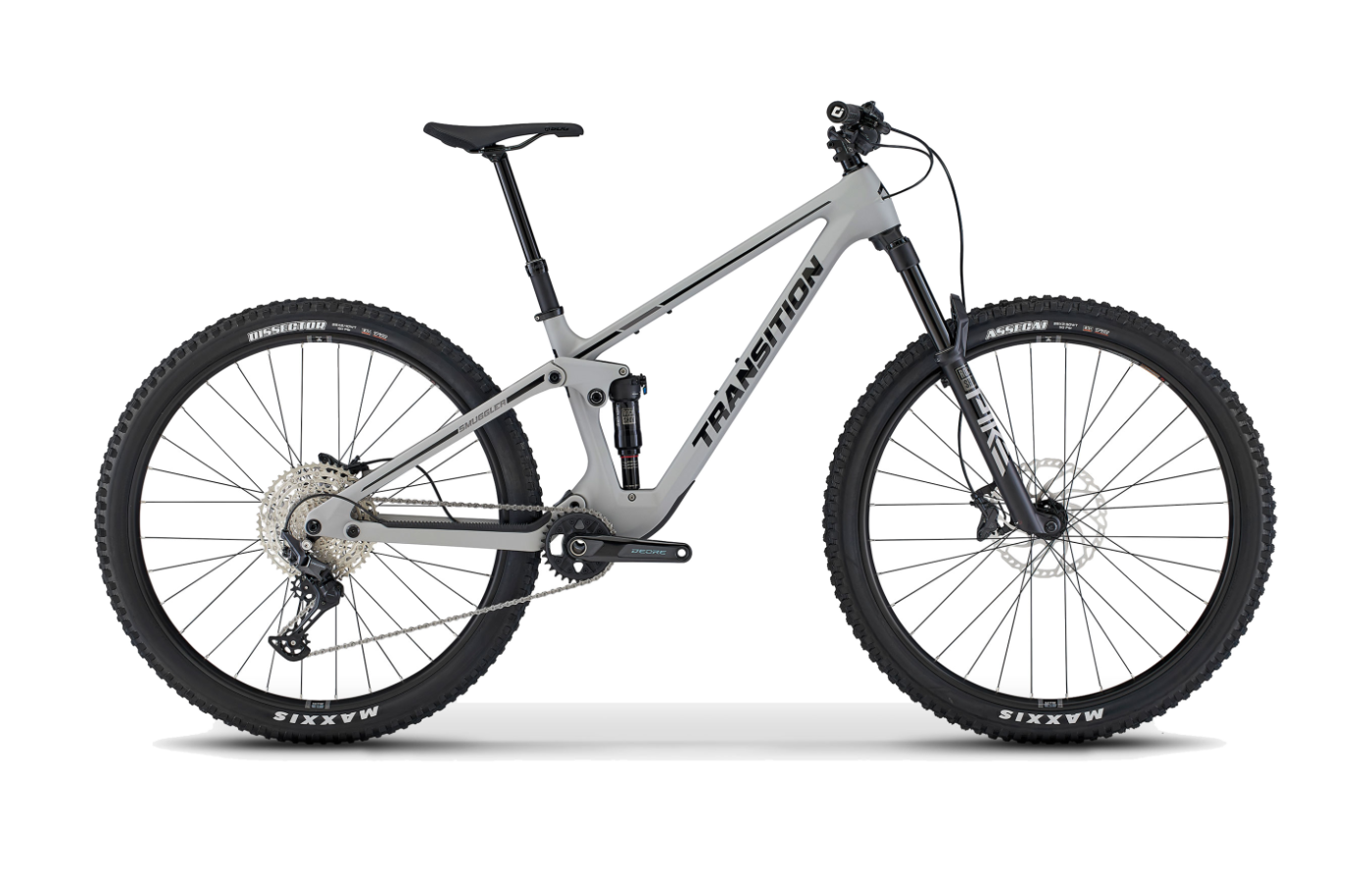
Smuggler
A direct rival to the Ripley — 130 mm rear / 140 mm front, with a more aggressive, mini-enduro lean. Worth a look if the Ripley appeals but you want a brand with a slightly more downhill-oriented voice.
Compare →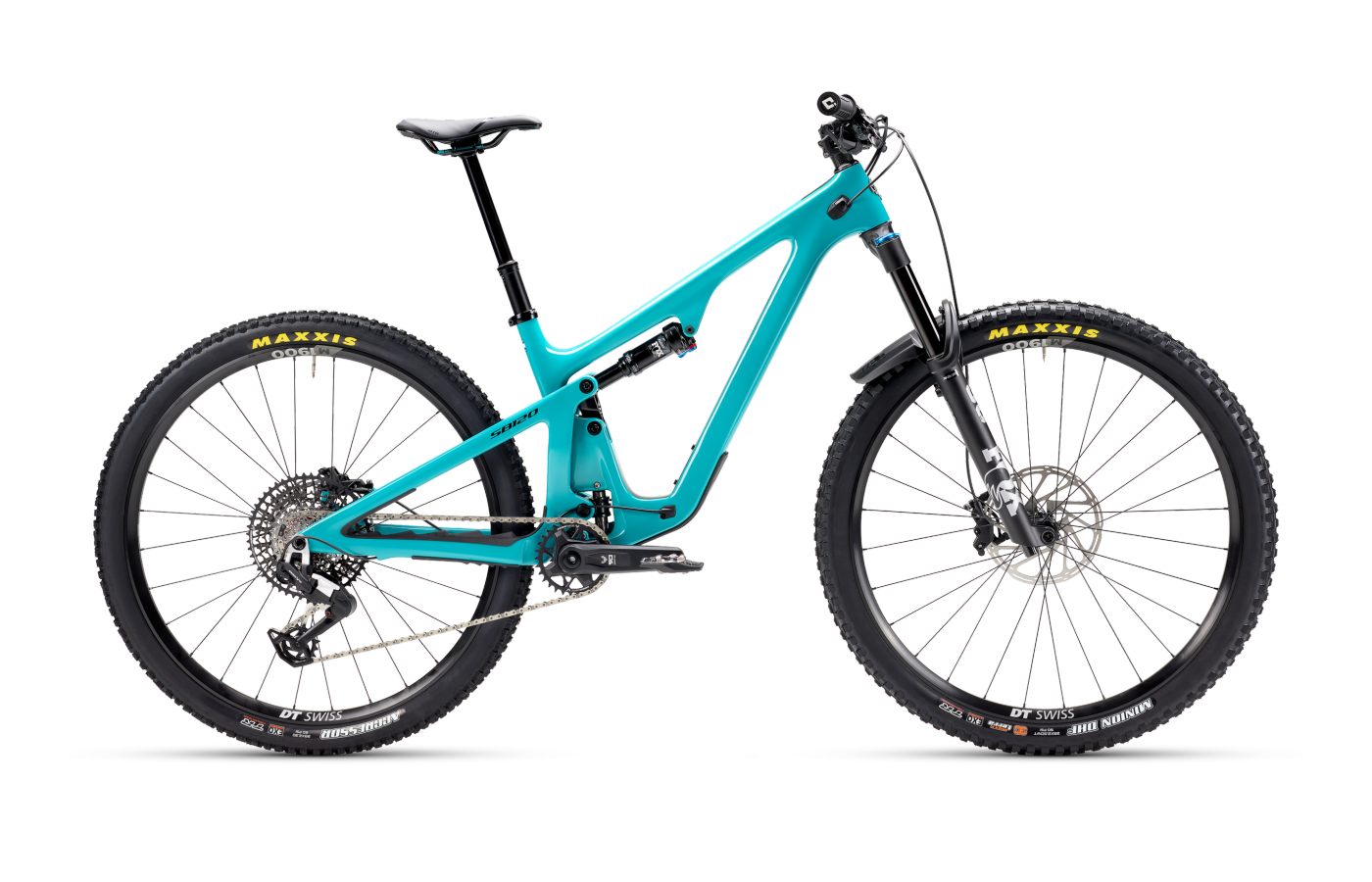
SB120
Yeti's premium short-travel trail bike — Switch Infinity suspension, lighter than the Ripley, more capable than the Element. The boutique pick if you want the Ripley's polish without the shared-with-the-Ripmo bulk.
Compare →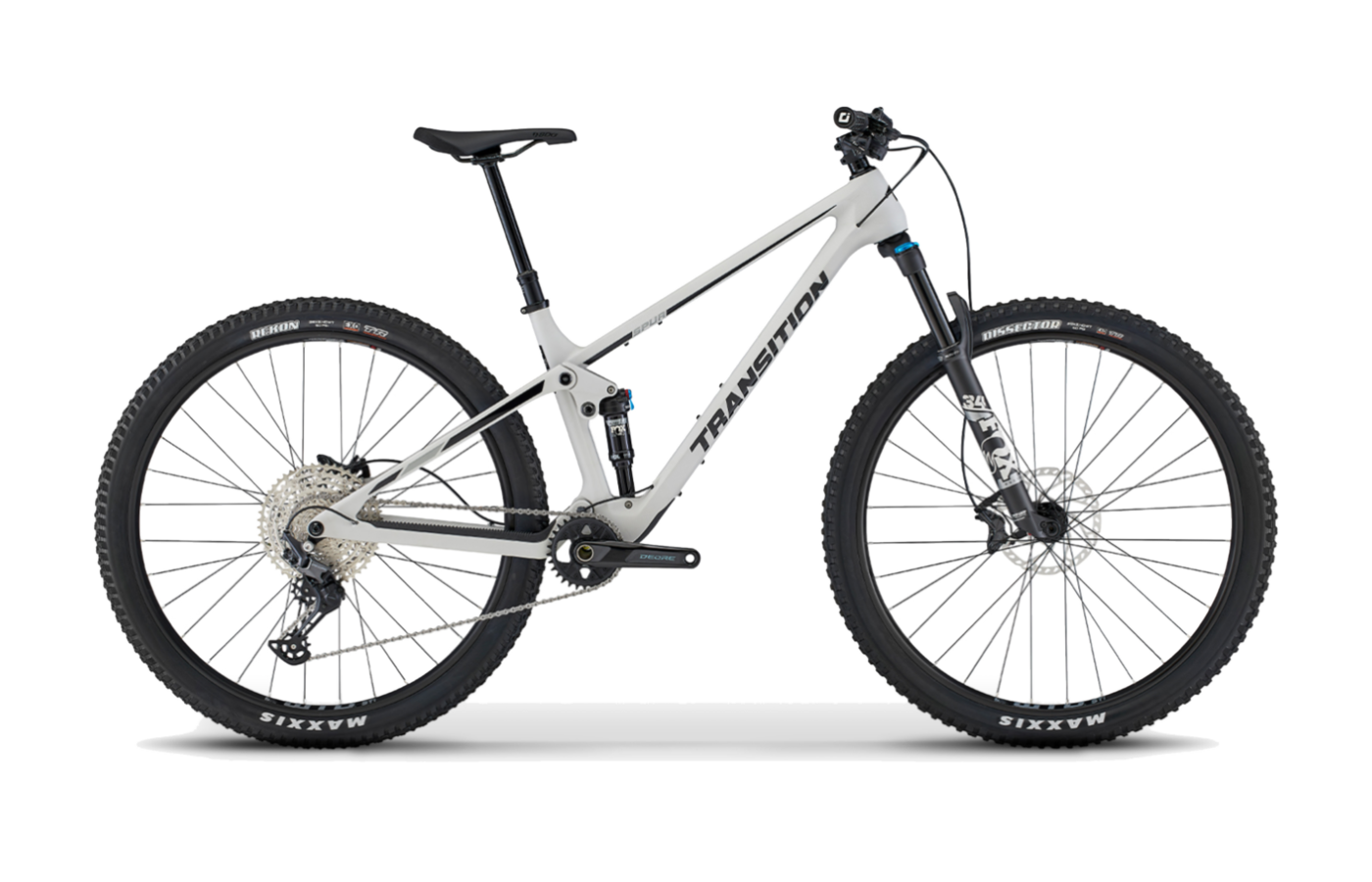
Spur
The quintessential downcountry bike that splits the Ripley/Element difference — lighter than the Ripley, more descending-focused than the Element. Buy this if you can't decide and want one bike that compromises evenly on both ends.
Compare →