Ripley
vsHorsethief
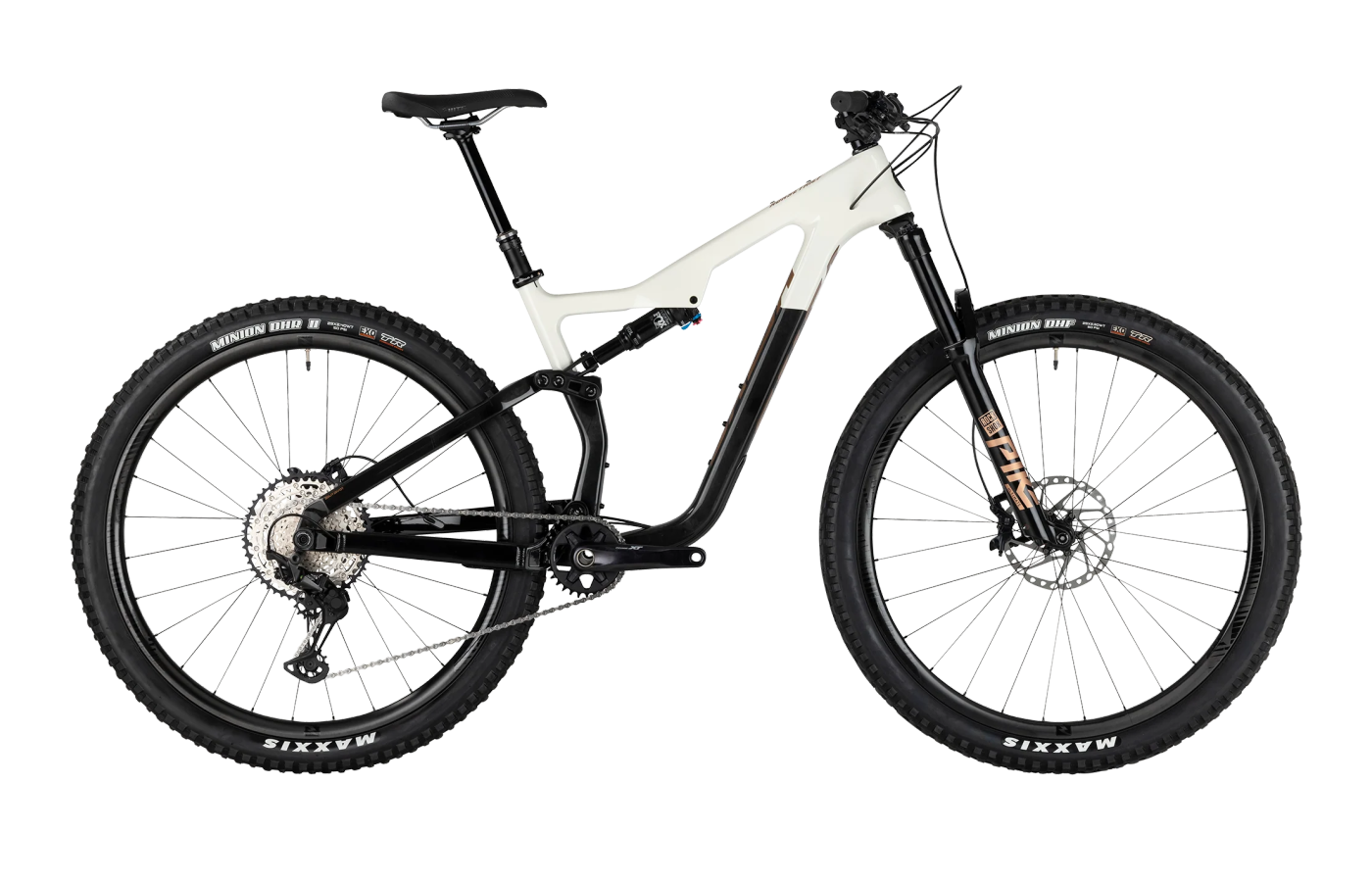
Two short-travel trail bikes, two eras of geometry.
The Ripley V5 is a modern, slacker carbon trail bike built to punch above its travel. The Horsethief is the easy-going, bottle-everywhere all-rounder.
Ripley
- Modern aggressive geometry — 64.9° HTA, longer wheelbase, and 76.9° seat tube make it climb efficiently and descend like a longer-travel bike.
- DW-link suspension delivers a poppy, supportive mid-stroke and progressive ramp — efficient pedaling without lockout.
- Convertible to a Ripmo by swapping fork, shock, and linkage — one frame, two bikes.
- Price floor of $4,999 puts it above the Horsethief's entire range.
- Some reviewers want a stiffer Fox 36 over the spec'd Fox 36SL on rougher, faster terrain.
Horsethief
- Bottle-cage real estate — two in the front triangle plus a top-tube mount, even on the small. Built for long days without a pack.
- Split Pivot suspension is supple off the top and rarely bottoms out — capable beyond its 120 mm of travel.
- Carbon frame from $3,299 — the C SLX undercuts the cheapest Ripley by $1,700 with the same frame material.
- Geometry is a generation behind — 73.4° seat tube and 66.8° head tube feel conservative on steep modern trails.
- Out-of-saddle climbs produce noticeable pedal bob; best ridden seated.
Editor’s analysis
Same wheel size, near-identical travel — but the Ibis Ripley and the Salsa Horsethief have almost nothing else in common.
Both bikes sit in the 130mm-ish 29er trail bracket and both ship with 140mm forks, but their geometry charts read like they were drawn ten years apart. The Ibis Ripley V5 runs a 64.9-degree head tube and a 76.9-degree seat tube on a medium. The Salsa Horsethief V3 sits at 66.8 and 73.4 — slacker seat, steeper front. That's the gap between a 2025 trail bike and a 2019 one, because that's exactly what these are.
Translated to the trail: the Ibis Ripley is the modern weapon. Slacker front, longer wheelbase (1211 mm vs 1164 mm at the compared sizes), steeper effective climbing angle, full carbon, DW-link suspension that holds its travel under power and ramps progressively at the end. Reviewers across Mountain Bike Action, Theradavist, and MTB yumyum agree: it climbs efficiently, it descends way harder than 130 mm of rear travel suggests, and it shares a frame with the longer-travel Ripmo so you can convert it later.
The Salsa Horsethief plays a different game. Split Pivot suspension, 120 mm rear (10 mm less than the Ripley), more upright seat angle, a frame designed around dual bottle mounts and a top tube bag mount. Outdoorgearlab called it 'mild-mannered' and 'somewhat conservative' — that's not a knock, it's the brief. This is a bike for long days, mixed terrain, and riders who'd rather be planted and predictable than poppy and aggressive.
Price tells the same story. The Ripley starts at $4,999 (Deore) and tops out at $9,999 (XTR Di2). The Horsethief starts at $1,999 and caps at $4,499. They overlap at one price point — the Ripley Deore at $4,999 is roughly the Horsethief C XT at $4,499 — and at that intersection the question is simple: do you want a current-generation aggressive-trail platform with cheaper parts, or last-generation easygoing geometry with one tier nicer kit?
Where the builds differ.
Comparing our editor's-pick builds side-by-side. Winners highlighted row-by-row — lower price and weight, and the better-spec component, each mark a point.
Build variants & pricing
The Ripley spans $4,999–$9,999 across five builds. The Horsethief spans $1,999–$4,499 across four. They overlap only at the bottom of the Ripley range.
Editor's picks are the Ripley XT ($7,249, Shimano XT Di2) and the Horsethief C XT ($4,499, Shimano XT mechanical) — both one tier down from each platform's flagship and both on a carbon frame. The $2,750 price gap is real: the Ripley XT runs Di2 electronic shifting and Fox Factory suspension; the Horsethief XT runs mechanical XT and a step down to RockShox Pike Ultimate / Fox DPS Performance Elite.
How they fit, how they steer.
Compared at Ripley MD and Horsethief Medium. The Ripley sits 3 mm lower in stack with 28 mm more reach (460 vs 432 mm), a 1.9° slacker head tube, a 3.5° steeper seat tube, and a wheelbase 47 mm longer — modern long-and-slack vs. last-gen neutral.
Which size should I buy?
Sizing recommendations based on stack, reach, and effective top tube. Ripley sizes run long for the label — multiple reviewers recommend sizing down — while the Horsethief runs to a more traditional fit.
→These are starting points. Flexibility, riding style, and preferred position all shift the answer — if you’re between sizes, a professional fit beats a chart.
What the magazines said.
Published reviews from trusted cycling outlets. Click through for the full write-up.
Which one should you buy?
If you want a modern, aggressive trail bike that climbs efficiently and descends way over its head, get the Ripley. If you want a comfortable, long-day all-rounder with bottle mounts everywhere, get the Horsethief.
Ripley
If you ride steep, technical, and varied terrain and want one carbon bike that climbs like an XC race bike but descends like something with 30 mm more travel — this is it. The DW-link, modern geometry, and convertible-to-Ripmo frame make it the longest-tail bike of the two.
Horsethief
If your rides are long, mixed, and pack-free — and you'd rather have stable, predictable handling than aggressive geometry — the Horsethief is built for you. Two bottle mounts and a top-tube bag mount tell you where its priorities are.
Questions buyers actually ask.
Short answers to the things we get emailed about most often.
01Which has more travel?
The Ibis Ripley V5 has 130 mm of rear travel and a 140 mm fork. The Salsa Horsethief V3 has 120 mm of rear travel and the same 140 mm fork. The Ripley's 10 mm advantage is small on paper, but the design intent is more important than the number — the Ripley uses that travel more aggressively thanks to its slacker geometry, while the Horsethief leans on its supple Split Pivot tune to feel more capable than its travel suggests.
02Which climbs better?
The Ripley, almost universally. Its 76.9° seat tube angle (vs the Horsethief's 73.4°) puts you noticeably more forward over the pedals, keeping the front wheel planted on steep grades. The DW-link's firm mid-stroke pedals efficiently enough that reviewers like Bike Rumor and 99 Spokes report the lockout being unnecessary even on rough climbs.
The Horsethief climbs fine seated — its Split Pivot is supportive and traction is good — but Outdoorgearlab notes 'a fair amount of pedal bob' out of the saddle, and the slacker seat tube positions you further back on long climbs.
03Which descends better?
The Ripley is the more capable descender despite having the same fork and only 10 mm more rear travel. Its 64.9° head tube angle (vs 66.8° on the Horsethief) and 47 mm longer wheelbase at the compared sizes give it a much more planted, modern feel on steep terrain. Theradavist and MTB yumyum both reported pushing the V5 on terrain they wouldn't have ridden on a previous Ripley.
The Horsethief is stable at speed and predictable, but Outdoorgearlab specifically calls its geometry 'somewhat conservative by today's standards' — riders push it less hard on steep, rough trails.
04What's the maximum tire clearance?
Both frames are listed at 61 mm of tire clearance — easily enough for any 29 x 2.5" trail tire. Both ship stock with a Maxxis Minion DHF/DHR II 2.4–2.5" combo, with the Ripley running a faster-rolling Maxxis Rekon in the rear.
05Carbon vs. alloy — which builds?
Ibis Ripley V5: all five builds are carbon. There's no alloy Ripley in this generation.
Salsa Horsethief V3: carbon (C XT, C SLX) and alloy (SLX, Deore). The carbon Horsethief C SLX at $3,299 is the cheapest carbon trail bike in this comparison, undercutting the cheapest Ripley by $1,700.
06Can I convert the Ripley to a Ripmo?
Yes — and this is one of the Ripley V5's headline value propositions. The V5 shares its front triangle and swingarm with the longer-travel Ripmo. By swapping the fork, rear shock, and linkage, you can convert a Ripley (130 mm rear) into a Ripmo (160 mm rear). It's not a five-minute job, but it's a real upgrade path that no other bike in this comparison offers.
07Which is better for bikepacking or all-day rides?
The Horsethief, by design. Salsa is an adventure-focused brand and the Horsethief frame has dual water bottle mounts inside the front triangle (even on the small) plus a top-tube bag mount. The Ripley's STOW internal downtube storage is excellent for tools and snacks but doesn't replace a second water bottle.
For day rides where you'd otherwise wear a hydration pack, the Horsethief lets you leave it at home.
08How serviceable are the frames?
Ripley V5: threaded bottom bracket, full sleeved internal cable routing, UDH derailleur hanger, traditional press-in headset cups, and the STOW internal storage is praised across reviews for being rattle-free and sealed against water. Ibis ships frames with a lifetime warranty.
Horsethief V3: threaded bottom bracket, metric shock sizing, Super Boost 157 mm rear hub spacing (less common standard — worth noting if you plan to upgrade wheels later). Both frames are well-regarded for serviceability; the Ripley is the more modern of the two.
Similar bikes
If your priorities don’t map cleanly onto either of these, one of these adjacent bikes probably fits better.
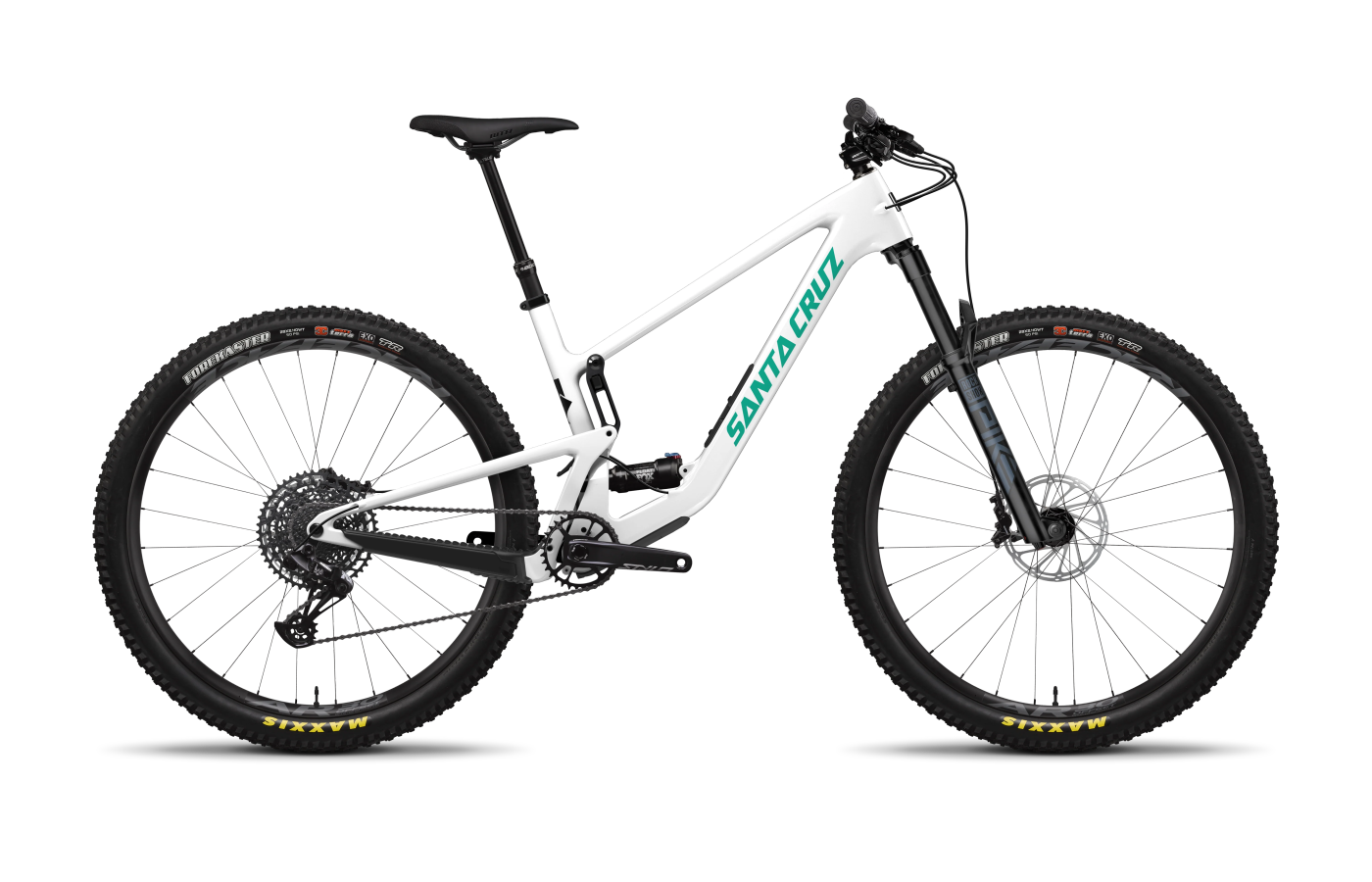
Tallboy
The Santa Cruz Tallboy is the Ripley's most direct rival — another modern short-travel 29er with VPP suspension and aggressive geometry. Reviewers describe its rear end as slightly more plush than the Ripley's poppy DW-link, but the platforms otherwise overlap heavily.
Compare →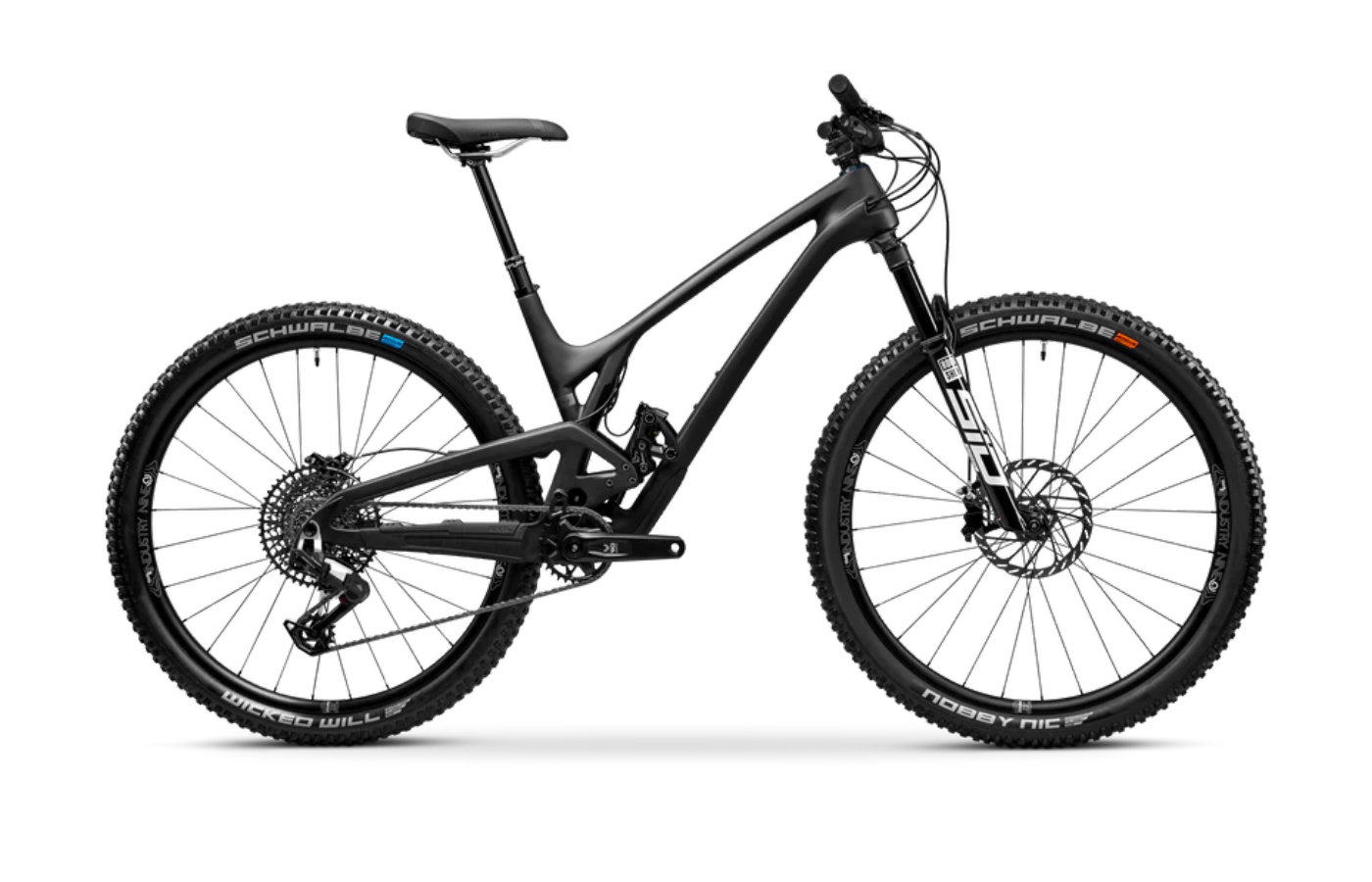
Following
The Evil Following takes the playful, poppy short-travel formula even further than the Ripley — known for riding well above its travel and rewarding active, aggressive lines on technical terrain.
Compare →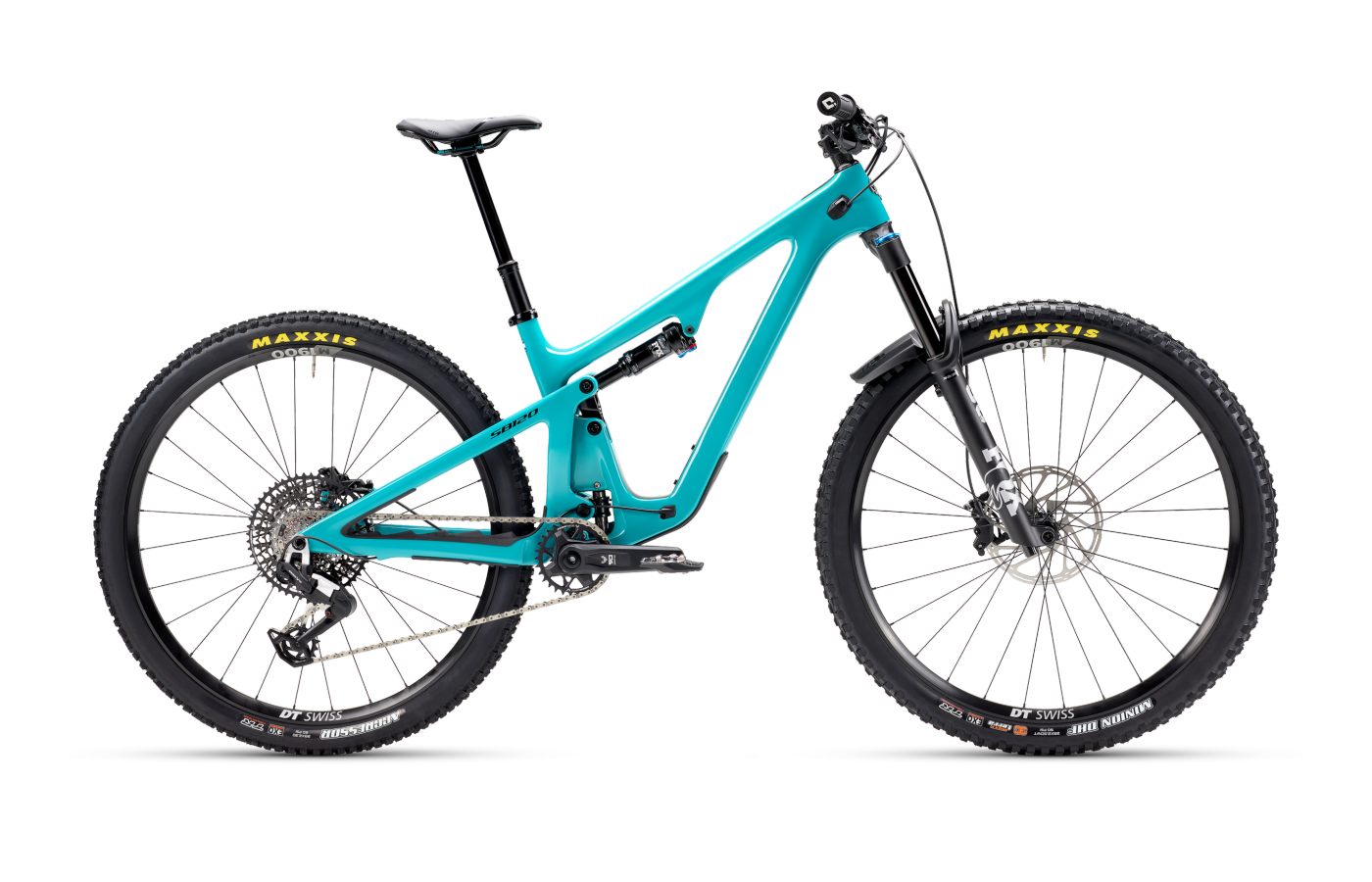
SB120
The Yeti SB120 sits in the same 30 lb short-travel 29er bracket with a refined Switch Infinity suspension known for both efficient climbing and composed descending — a more polished, premium-priced alternative to either bike here.
Compare →