Ripley
vs5010
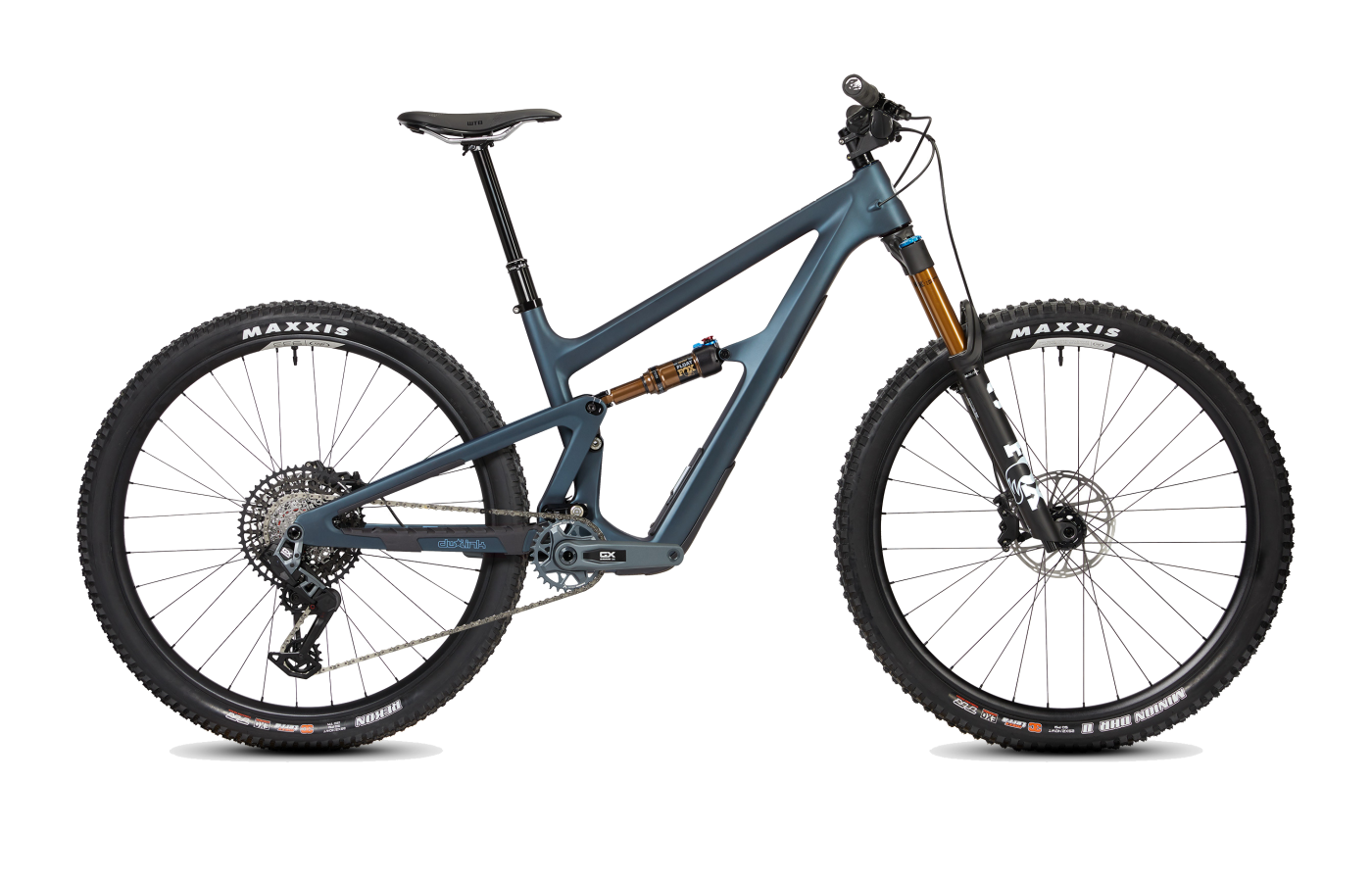
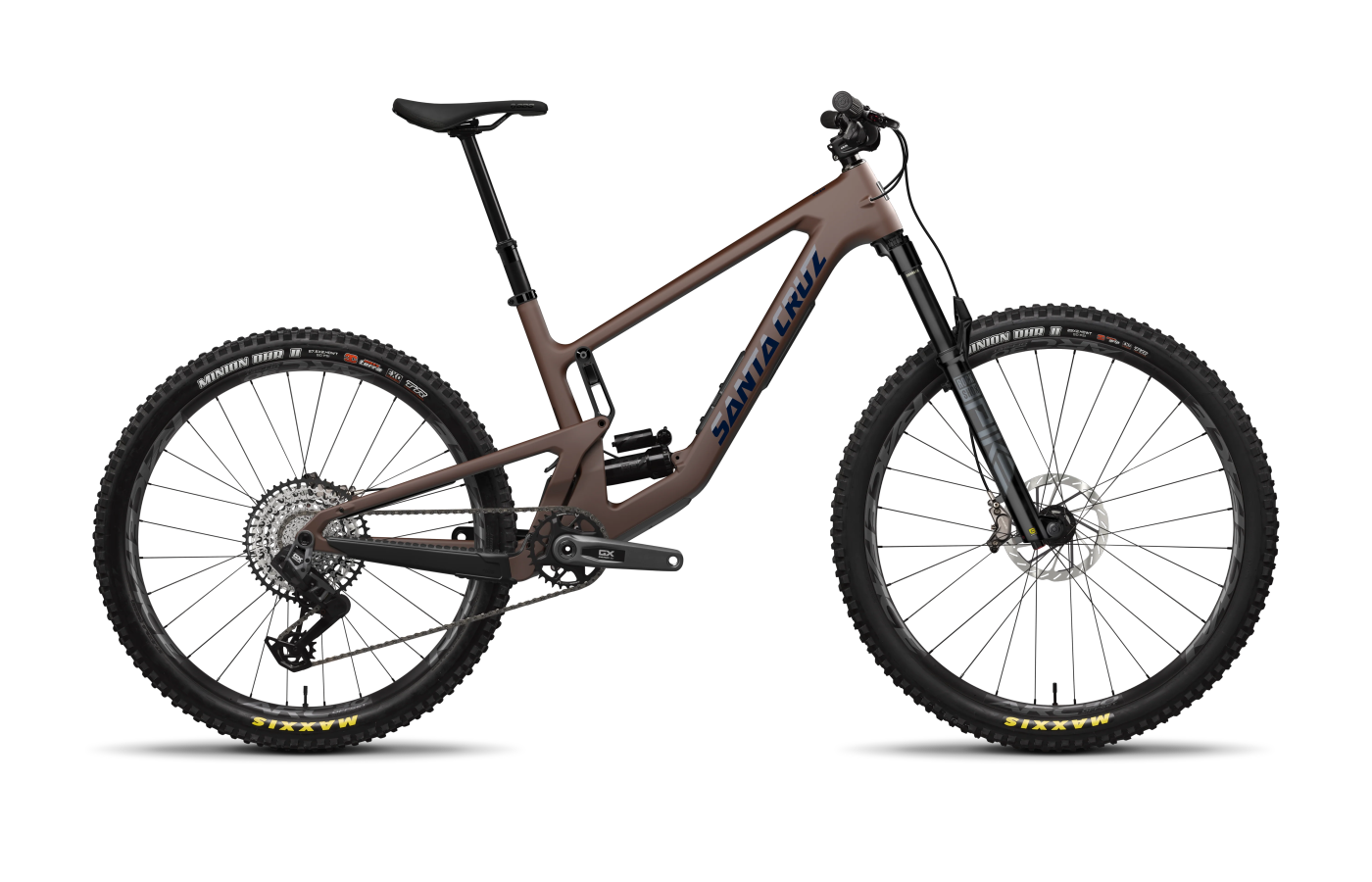
Two short-travel trail bikes, two playbooks.
The Ripley is the do-everything 29er that climbs like an XC bike and descends like a longer-travel one. The 5010 is the mullet corner-destroyer that lives for berms and side-hits.
Ripley
- Genuine one-bike-quiver — climbs efficiently enough for all-day epics, descends well enough for terrain meant for 150 mm bikes.
- Shared chassis with the Ripmo — swap the fork, shock, and link and you've got a 145/160 mm enduro bike on the same frame.
- Cohesive Fox Factory suspension across most builds, with the Grip X damper and Float Factory shock universally praised.
- Some bigger riders find the Fox 34 fork flexy on chunder — Ripmo-class lines invite Ripmo-class forks.
- Stock Maxxis Rekon rear is fast-rolling but light-duty for the bike's actual descending capability.
5010
- Mullet-only setup delivers the snappiest cornering and easiest manualing in the segment — the 27.5 rear wheel does most of the work.
- Reduced anti-squat VPP tracks the ground exceptionally well in rocks and roots — climbing traction is genuinely class-leading.
- Lifetime warranty on frame, bearings, and Reserve wheels — the long-term ownership math is hard to beat.
- Stock SRAM brakes and EXO casing tires are widely criticized — most riders re-spec immediately.
- Suspension feels soggy on smooth fire roads; you'll use the climb switch more than on the Ripley.
Editor’s analysis
Same 130 mm rear, same 140 mm fork, same trail-bike bracket — and almost completely different intentions.
On paper the Ibis Ripley V5 and Santa Cruz 5010 V5 line up neatly: 130 mm of rear travel, 140 mm forks, internal downtube storage, size-specific chainstays, threaded BBs, lifetime frame warranties. Both are pricey carbon trail bikes from boutique American brands. Spend any time on the geometry and the spec sheets, though, and the philosophies pull apart fast.
The Ripley is a full 29er with a 64.9-degree head angle and a balanced DW-link rear that reviewers consistently call efficient first, capable second. Ibis shares the front triangle and swingarm with the longer-travel Ripmo — the Ripley feels stiffer and more planted than its travel suggests, and the Maxxis Rekon rear tire spec leans hard into climbing speed. Reviewers from MTB Yumyum to Theradavist describe it as the best one-bike-quiver in the short-travel class.
The Santa Cruz 5010 is the inverse: a mullet-only platform (29 front, 27.5 rear) with a 65.2-degree head angle in the low setting and a recently softened VPP tune that drops peak anti-squat by ~16% versus the V4. The result is a bike that's more lethargic on smooth fire roads and more glued to the ground in rocky chunder — and one BikeRadar straight-up calls "drift-happy." The smaller rear wheel spins up faster, snaps through tight corners more readily, and demands a more active rider.
Read the reviews and a pattern emerges. The Ripley wins long-day, varied-terrain, climb-heavy rides. The 5010 wins flow trails, jump lines, and any ride where pumping and cornering matter more than KOMs. The 5010 also asks for more wallet — its tire and brake spec gets criticized at every price point, while the Ripley's Fox Factory suspension and Shimano XT package are considered cohesive top to bottom.
Where the builds differ.
Comparing our editor's-pick builds side-by-side. Winners highlighted row-by-row — lower price and weight, and the better-spec component, each mark a point.
Build variants & pricing
Both span roughly $5k–$10k across five builds. We've matched the editor's picks at the GX AXS Transmission tier — the same drivetrain on each, within $100 of each other.
Prices are current US MSRP. The Ibis builds get Fox Factory suspension at every price point, while only the top Santa Cruz gets Pike/Super Deluxe Ultimate — the rest run Pike Select+. That spec gap is real and informs the value calculus.
How they fit, how they steer.
The Ripley MD pairs a 460 mm reach and 619 mm stack against the 5010 m's 459 mm reach and 622 mm stack — almost identical fit. The Ripley is slacker (64.9 vs 65.2 deg HTA) and shorter at the chainstay (436 mm vs 433 mm), but the bigger story is wheel size: the 5010 m is a true mullet, the Ripley is a full 29er with an optional flip-chip mullet conversion.
Which size should I buy?
The Ripley jumps from MD to XM (medium-large) where the 5010 stays a single Medium — if you're between sizes on the Santa Cruz, there's no tweener option.
→These are starting points. Flexibility, riding style, and preferred position all shift the answer — if you’re between sizes, a professional fit beats a chart.
What the magazines said.
Published reviews from trusted cycling outlets. Click through for the full write-up.
Which one should you buy?
If you want one bike for everything and ride a lot of climbs, get the Ripley. If your trails are flowy, jumpy, and corner-heavy, get the 5010.
Ripley
If your weekly mix is big climbs, long days, and varied descents — and you want a bike that won't punish you on either end — the Ripley is the most versatile short-travel platform on the market. The shared-chassis Ripmo upgrade path makes it especially compelling if your ambitions might grow.
5010
If your favorite trails are flow, your favorite riding skill is whips, and you'd rather have a bike that begs to play than one that crushes climbs — the 5010 is the sharper tool. The mullet setup and softened VPP make every berm feel like an excuse to drift.
Questions buyers actually ask.
Short answers to the things we get emailed about most often.
01Which one climbs better?
The Ibis Ripley, fairly clearly. Reviewers consistently single out its DW-link suspension as one of the most efficient pedaling platforms in the trail-bike class — Bebikes had a rider "outpacing buddies on climbs" they normally struggled with, and the fast-rolling Maxxis Rekon rear tire helps a lot.
The 5010's softened VPP (~16% less peak anti-squat than the V4) trades climbing snap for descending traction. Multiple reviewers describe it as feeling "soggy" or "lethargic" on smooth fire roads — climbable, but you'll reach for the climb switch more often than on the Ripley.
02Which is more playful?
The Santa Cruz 5010. The mullet setup is the whole point — the 27.5-inch rear wheel has lower rotational inertia, snaps through tight corners more easily, and makes manuals and side-hits feel almost effortless. BikeRadar's review uses the words "drift-happy" and "jib machine" repeatedly.
The Ripley is no slouch playfulness-wise — Theradavist explicitly calls it "jibby" — but as a full 29er with a longer wheelbase and more planted character, it's the calmer of the two. If "corner destroyer" is the brief, the 5010 wins.
0329er or mullet — which is the right call?
Depends on the rider. Full 29 (Ripley): better straight-line stability, better roll-over on chunder, and a more familiar feel for anyone coming off another 29er. The Ripley does have a flip-chip for an optional mullet setup, but reviewers note swapping it requires removing the shock — it's not a quick trailside change.
Mullet (5010): quicker cornering, easier manuals, more clearance for the rear when you're hard on the back wheel in steep terrain. The 5010 only ships in mullet — there's no full-29 option.
04How serviceable are these frames?
Both are very service-friendly. Both use threaded bottom brackets, full sleeve internal cable routing ("tube-in-tube"), UDH hangers, and have downtube storage with included bags.
The Ripley's STOW system uses a quick-release latch and Cotopaxi-made bags from scrap material — universally praised as rattle-free. The 5010's Glovebox adds a sag window in the shock tunnel that makes setting suspension easier. Both brands offer a lifetime frame warranty, and Santa Cruz also covers pivot bearings and Reserve wheels for life.
05Can I run a longer-travel fork on either?
Both ship with 140 mm forks and aren't designed for big upsizes. The bigger upgrade story is on the Ripley side: it shares its front triangle and swingarm with the Ripmo, so you can convert a Ripley into a Ripmo (145 mm rear, 160 mm fork) by swapping the shock, fork, and rocker link. Multiple reviewers (Duffy Rides, 99 Spokes) confirm this is officially supported by Ibis.
The 5010 has no equivalent platform-swap path. Stay within ~10 mm of the stock 140 mm fork to keep the geometry intact.
06What about the brakes and tires — do I need to upgrade right away?
On the 5010, probably yes. Reviewers across BikeRadar, The Loam Wolf, and Bebikes consistently call out the SRAM G2/Code brakes as under-gunned for the bike's descending potential, and the Maxxis EXO casing tires as too thin — one tester reported tearing a fresh EXO in under an hour on rocky terrain. Plan for an EXO+ or DoubleDown tire swap and consider beefier brakes if your trails are steep.
On the Ripley, the Shimano XT/XTR brakes and Fox Factory suspension are considered cohesive across the lineup. The stock Rekon rear tire is the most common upgrade pick — riders who push the descending potential often swap it for a beefier DHR II.
07How do they fit a rider around 5'8"?
Almost identically. The Ripley MD has a 460 mm reach and 619 mm stack with a 76.9-degree seat tube angle. The 5010 m has a 459 mm reach, 622 mm stack, and 77.4-degree seat tube angle. Within a millimeter or two on every fit dimension.
The Ripley does offer an extra in-between size ("XM," extra-medium) at 483 mm reach for taller-on-the-medium riders. The 5010 jumps straight from M to L (479 mm reach), so anyone in the 5'10"–6'0" range may want to test ride both before committing.
08Which holds value better used?
Santa Cruz has historically been the strongest resale brand in mountain biking — the lifetime warranty (frame, bearings, Reserve wheels) is transferable to subsequent owners on the original frame and pivot bearings, which props up used pricing. Ibis is also a respected boutique brand and holds value well, but the dealer network is smaller, which can make buyers slightly more cautious.
In the used market, both depreciate fastest in the first 1–2 years and then plateau. Buying a one- or two-year-old XT or X0 build is a common path into either platform at a meaningful discount.
Similar bikes
If your priorities don’t map cleanly onto either of these, one of these adjacent bikes probably fits better.
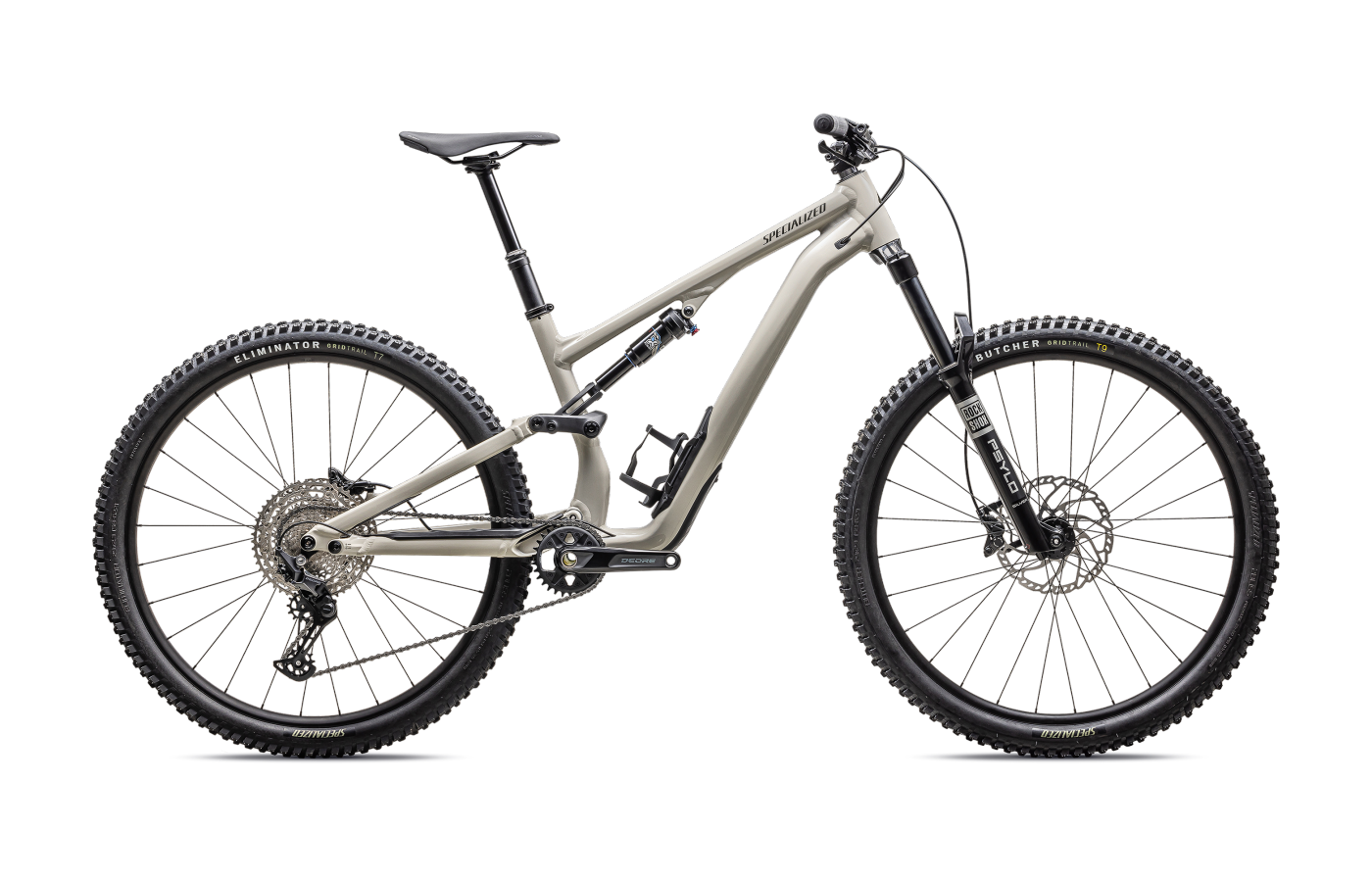
Stumpjumper
The Specialized Stumpjumper is the segment's perennial benchmark — 130 mm rear, balanced geometry, and broad availability through Specialized's dealer network. If neither boutique brand's dealer story works in your area, this is the obvious cross-shop.
Compare →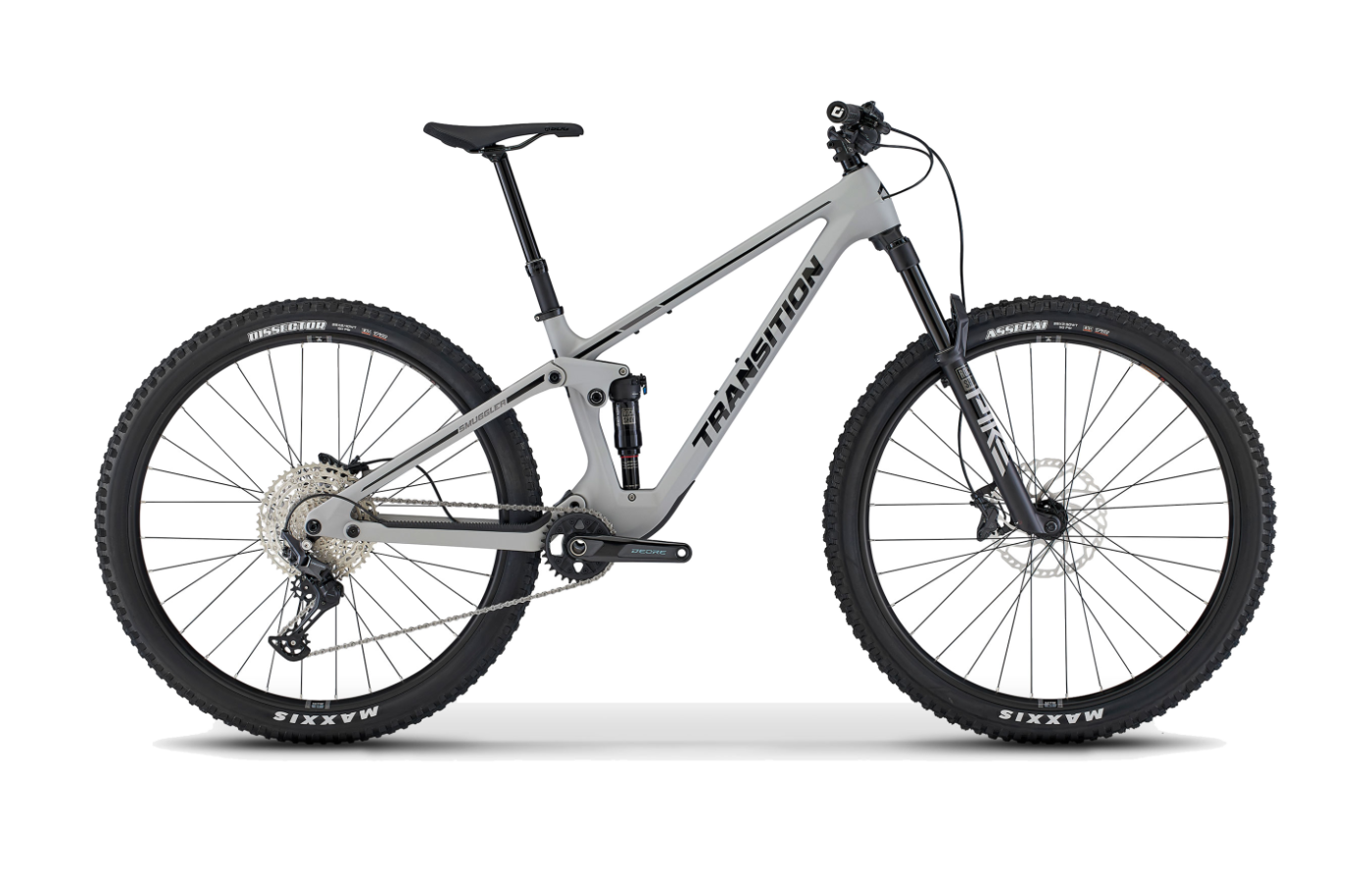
Smuggler
The Transition Smuggler is the more planted, descent-biased neighbor — same 130/140 mm travel but a slacker, longer geometry that trades agility for composure. If you'd cross-shop the Ripmo more than the Ripley, look here.
Compare →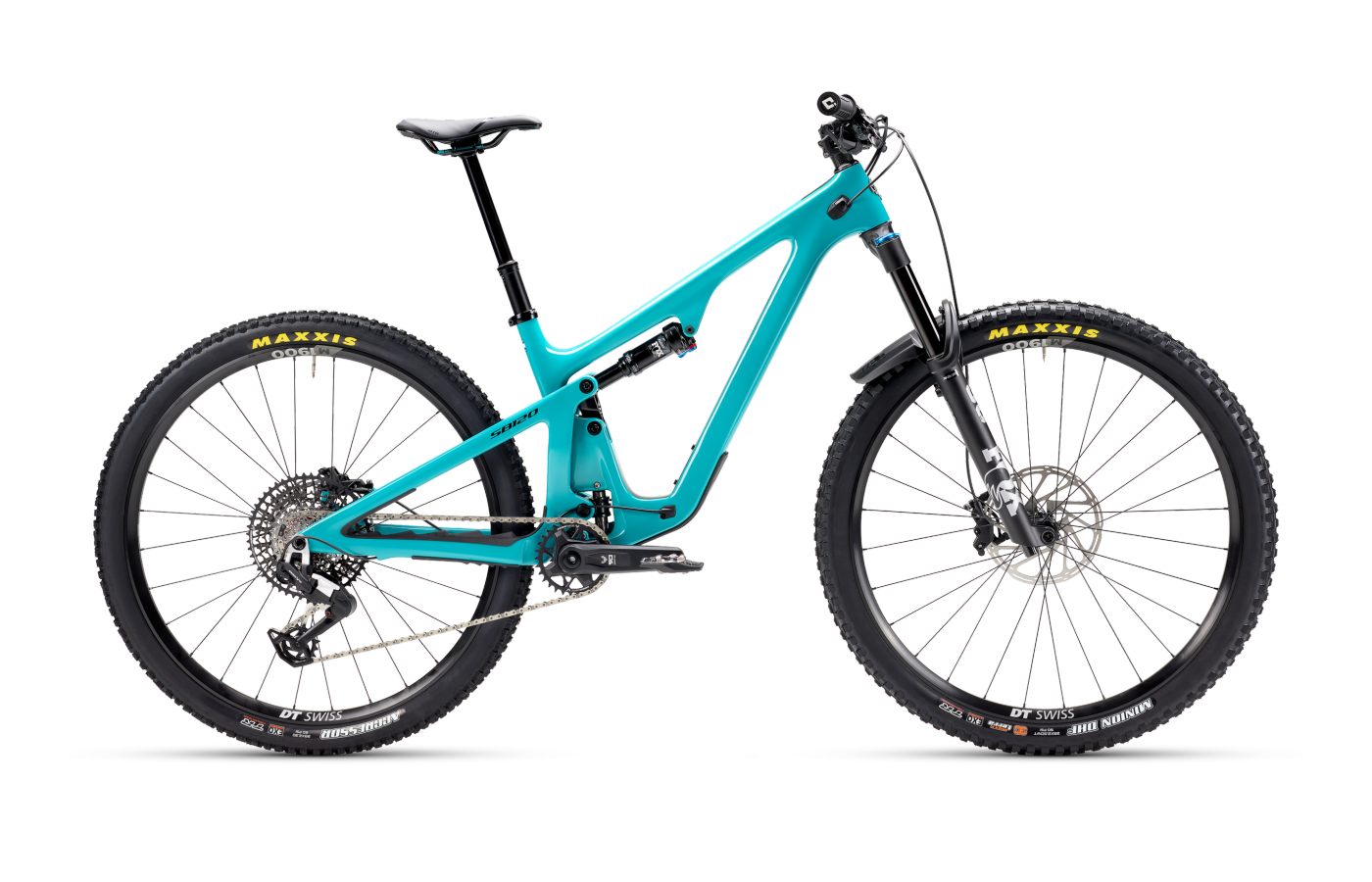
SB120
The Yeti SB120 sits a notch shorter at 120 mm rear / 130 mm front but punches well above its travel numbers. Premium build, fast on flowy terrain, and another lifetime-warranty boutique brand if that's the deciding factor.
Compare →