Ripley
vsFuel EX
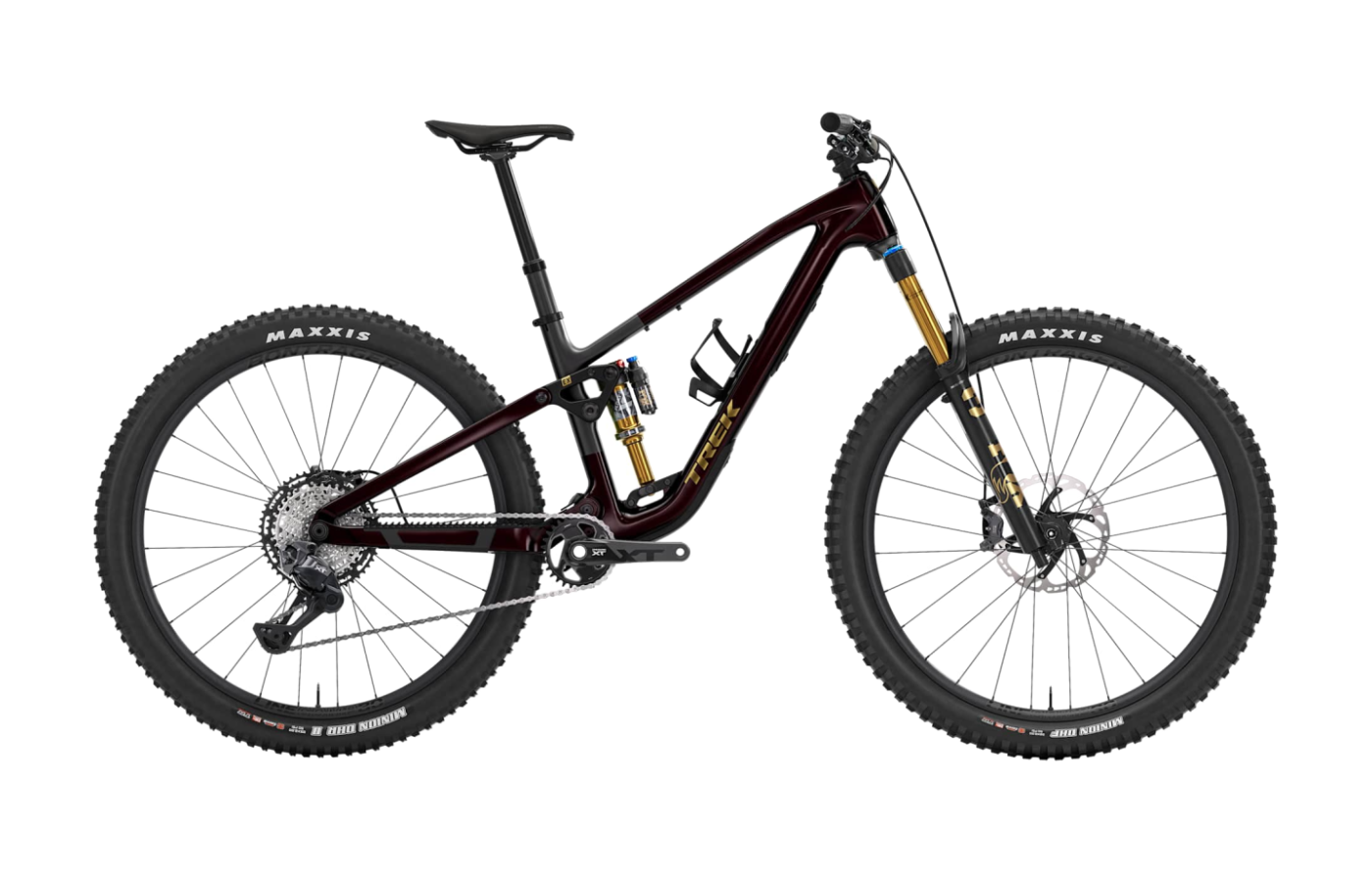
Two trail bikes, two body languages.
The Ripley is the playful 130 mm rear / 140 mm front rocket that climbs like nothing else in the segment. The Fuel EX is a 145/150 mm modular platform that descends like a heavier bike.
Ripley
- Climbs better than its travel suggests — 76.9-degree effective seat angle plus DW-link efficiency, around 29–31 lb in carbon trim.
- Genuinely playful — short 436 mm chainstays, supportive mid-stroke, and a tight 1,211 mm wheelbase that begs for side hits.
- Frame doubles as a Ripmo — shared front triangle and swingarm mean you can rebuild it as the longer-travel sibling later.
- Fox 34 SL fork shows flex at speed for bigger or harder-charging riders.
- Tighter price floor — entry-level Deore build still starts at $4,999.
Fuel EX
- Composed at speed — 145 mm of well-tuned ABP suspension and ~15–17 kg of mass make it feel glued to the ground.
- One frame, three bikes — rocker-link and shock-mount swaps convert it into the 150 mm mullet MX or 160 mm LX.
- Aggressive price ladder — the alloy 5 starts at $2,299 and the carbon Gen 7 ladder still tops out below the Ripley's flagship.
- Heavy — the 9-tier alloy builds push 17 kg, which you feel on long climbs.
- Travel and wheel-size conversions require buying new linkages and mounts, not flipping a chip.
Editor’s analysis
Both call themselves trail bikes. One wants to jump off everything; the other wants to plough through everything.
On paper, the Ibis Ripley and Trek Fuel EX share a category but little else. The Ripley V5 runs 130 mm of DW-link rear travel paired with a 140 mm Fox 36 SL up front, on a tight 1,211 mm wheelbase (medium). The Fuel EX Gen 7 runs 145 mm rear / 150 mm front and sits on a longer 1,225 mm wheelbase. Same head angle ballpark — 64.9 vs 64.5 degrees — but everything around it is tuned in opposite directions.
The Ripley is the lightweight pedaler. Reviewers across MTB Yum Yum, Bebikes, and 99 Spokes consistently put it around 29–31 lb in carbon trim, with a 76.9-degree effective seat angle that puts you straight over the cranks. It's the one Bebikes' tester used to drop riding partners on climbs he normally couldn't keep up with. The DW-link is the open secret here — supportive enough that the shock's firm switch is largely decorative.
The Fuel EX is the planted descender. The alloy 9.8 builds sit at roughly 15 kg and the 9 builds north of 17 kg. Trek leans into it: ABP keeps the rear active under braking, the leverage flip-chip lets you tune progression, and rocker-link swaps convert the same frame into the 150 mm mullet MX or 160 mm LX. MBR called it "unshakeably anchored"; Flow Mountain Bike compared it to strapping roofing lead to a downhill bike. That's a feature on rough terrain and a tax on every flat fire road.
Put another way: the Ripley is the bike you buy when you want to ride further and find side hits along the way. The Fuel EX is the bike you buy when the descent matters more than the climb to it — and you might want to grow into 160 mm without buying a new frame.
Where the builds differ.
Comparing our editor's-pick builds side-by-side. Winners highlighted row-by-row — lower price and weight, and the better-spec component, each mark a point.
Build variants & pricing
Tier-matched picks: both carbon frames, both Shimano XT Di2, both Fox Factory suspension. The Ripley XT is $750 more for the same drivetrain and a more upmarket house cockpit.
Prices are current US MSRP. The Trek lineup also includes Gen 6 carbon builds at $4,499–$4,799 — capable bikes, but on the older 140 mm chassis. The Fuel EX 5 alloy at $2,299 is the only sub-$3k entry point on either side; Ibis doesn't offer one.
How they fit, how they steer.
MD Ripley vs M Fuel EX — the fit-picked sizes for a 5'8" rider on each bike. Identical 460 mm reach, but the Fuel EX sits 5 mm taller, 0.4 degrees slacker at the head tube, with a 14 mm longer wheelbase. The Ripley's effective seat angle is 76.9 degrees vs the Fuel EX's 72.6 degrees — the single biggest geometry split between the two.
Which size should I buy?
Ibis sizes by SM/MD/XM/LG/XL with size-specific chainstays and seat angles. Trek runs S/M/L/XL/XXL with consistent chainstays growing across sizes.
→These are starting points. Flexibility, riding style, and preferred position all shift the answer — if you’re between sizes, a professional fit beats a chart.
What the magazines said.
Published reviews from trusted cycling outlets. Click through for the full write-up.
Which one should you buy?
If you climb to descend and want to find airtime along the way, get the Ripley. If the descent is the point and the climb is a tax, get the Fuel EX.
Ripley
If most of your rides involve real climbing, you like a bike that pops off side hits, and you want one trail bike that punches above its 130 mm of travel — this is it. The DW-link is the most efficient pedaler in the short-travel trail bracket, and the frame's Ripmo compatibility is a real long-term hedge.
Fuel EX
If your rides are shuttle-friendly, lift-served, or just relentlessly steep and rocky — and you'd rather have one frame that can wear three personalities — the Fuel EX is the more capable descender. You pay for it in weight on every climb, and you'll spend extra to convert to MX or LX, but the platform-not-a-bike pitch is real.
Questions buyers actually ask.
Short answers to the things we get emailed about most often.
01Which one climbs better?
The Ibis Ripley, comfortably. Reviewers consistently put the carbon Ripley around 29–31 lb, while the alloy Trek Fuel EX 8 lands closer to 17 kg (37 lb) and the carbon 9.8 around 15 kg (33 lb). Combined with the Ripley's 76.9-degree effective seat angle and DW-link's near-zero pedal bob, it climbs more like a 120 mm bike than a 130 mm one — 99 Spokes reported "outpacing buddies I usually struggled to keep up with."
The Fuel EX is no slouch on technical climbs — ABP and the supportive mid-stroke make it a strong tractor — but on long, smooth fire-road grinds, the weight is impossible to hide.
02Which one descends better?
The Trek Fuel EX, particularly when the trail gets fast and rough. The 145 mm rear / 150 mm fork combo, slightly slacker 64.5-degree head angle, and longer 1,225 mm wheelbase (M) give it a planted, anchored feel that MBR compared to a downhill bike. The mass that hurts on climbs becomes an asset at speed.
The Ripley is no longer a downcountry slouch — its V5 update added 10 mm of travel and slacker geometry — but at 130 mm rear / 140 mm front, with the lighter Fox 34 SL fork, it asks more of the rider on truly gnarly descents.
03What's the actual travel difference?
Ripley: 130 mm rear (Fox Float Factory, 210 x 52.5 mm shock) and 140 mm front (Fox 36 SL Factory).
Fuel EX (Gen 7, stock): 145 mm rear (Fox Float X Factory, 205 x 60 mm) and 150 mm front (Fox 36 Factory).
That's 15 mm rear and 10 mm front in the Trek's favor, on a stiffer 36 mm fork chassis. The Fuel EX frame is also adaptable — swap the rocker link and shock mount and you can run it at 160 mm rear (the LX) or as a 150 mm mullet (the MX), which the Ripley can't match without becoming a Ripmo.
04Can the Ripley really convert to a Ripmo?
Yes — the V5 Ripley shares its front triangle and swingarm with the current Ripmo. Swapping the shock, fork, and linkage gets you a 145 mm rear / 160 mm front bike on the same chassis. It's not cheap or trivial, but it's a real long-term hedge if your local terrain (or your skill level) outgrows 130 mm.
The Trek Fuel EX frame is similarly modular within its own platform: the same chassis becomes the 145 mm EX, 150 mm MX (mullet), or 160 mm LX with new linkages and mounts. Both bikes are designed to evolve.
05What's the maximum tire clearance?
Ripley: ~61 mm — comfortably runs the stock 29 x 2.4" Maxxis DHR II / Rekon combo with room for a true 2.5".
Fuel EX (Gen 7): ~63.5 mm — runs 29 x 2.5" Maxxis Minion DHF/DHR II stock on M and up (the Small runs a 27.5 x 2.5" rear).
Neither is the limiting factor for normal trail tires. Both will accept anything up to a true 2.5" without drama.
06Which is better value?
Depends what "value" means. The Trek Fuel EX has the wider price ladder and a real entry point — the alloy 5 at $2,299 has no equivalent in the Ibis lineup, where the cheapest Deore build is $4,999.
At the editor's-pick tier (both Shimano XT Di2, both Fox Factory, both carbon), the Trek 9.8 XT Di2 Gen 7 is $6,499 and the Ibis XT is $7,249 — a $750 gap for similar drivetrain and suspension spec. The Ripley wins on house-brand cockpit and the option to upgrade to Ibis S28 carbon wheels; the Trek wins on absolute price.
07Which platform is better for a single "do-it-all" trail bike?
If "do-it-all" leans toward the climb and the all-day epic, the Ripley wins — it's the more efficient pedaler and feels lively on flat, flowy terrain where the Fuel EX feels its weight.
If "do-it-all" leans toward shuttles, bike park laps, and aggressive trail riding, the Fuel EX wins — its descending composure and modular conversion path mean one frame can serve as both your trail bike and (with the LX kit) your enduro bike.
08What warranty do they come with?
Both frames carry a lifetime warranty to the original owner against manufacturing defects. Flow Mountain Bike notes that Trek's lifetime frame warranty is "partly transferable" to a second owner, which can help resale value. Ibis also offers a lifetime warranty plus a crash-replacement program.
Similar bikes
If your priorities don’t map cleanly onto either of these, one of these adjacent bikes probably fits better.
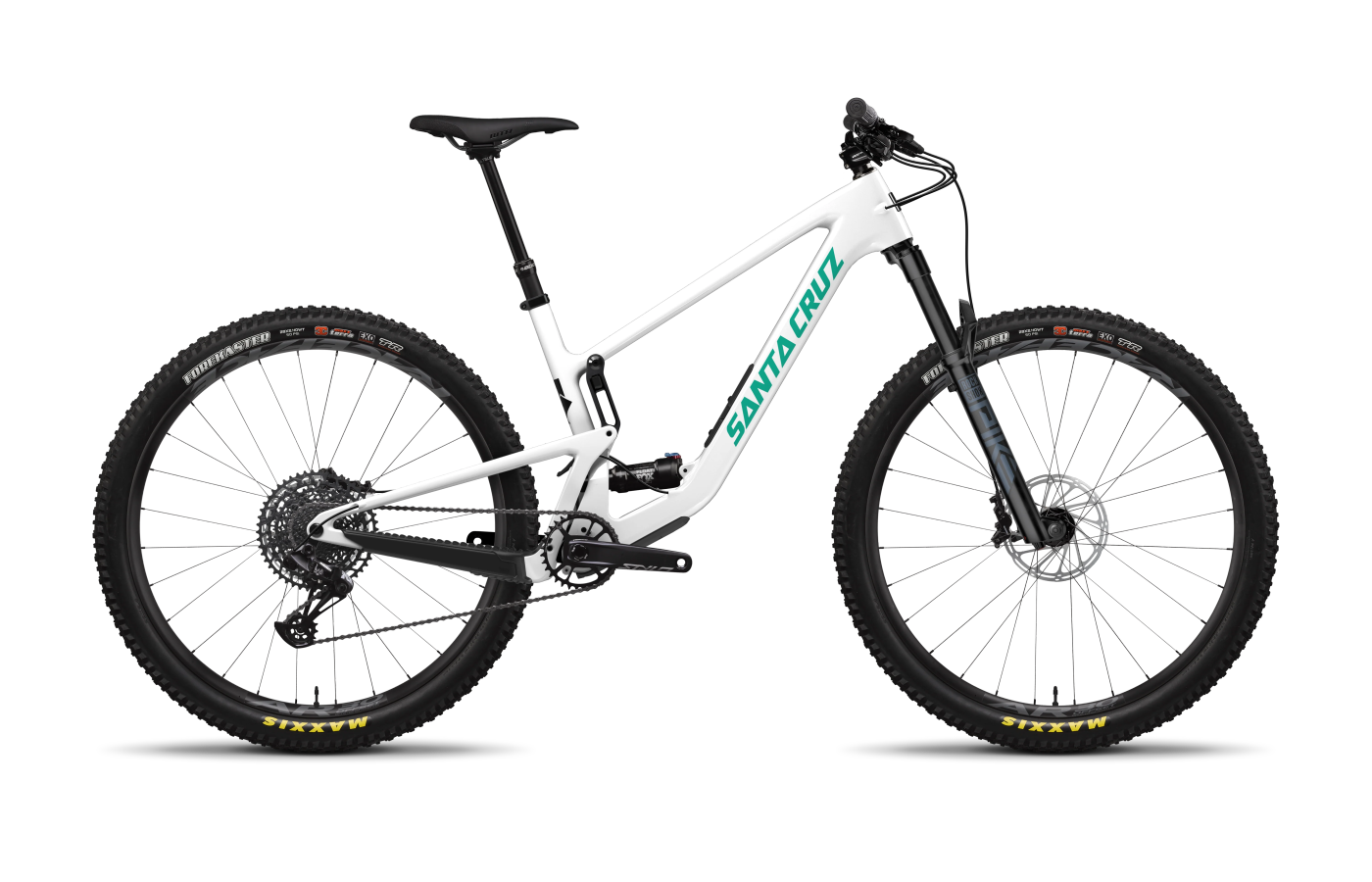
Tallboy
The Santa Cruz Tallboy is the closest spiritual rival to the Ripley — a 120 mm rear / 130 mm front trail bike with a plush, deep-feeling VPP rear end. Pick it if you like the Ripley's brief but want a slightly more composed descender.
Compare →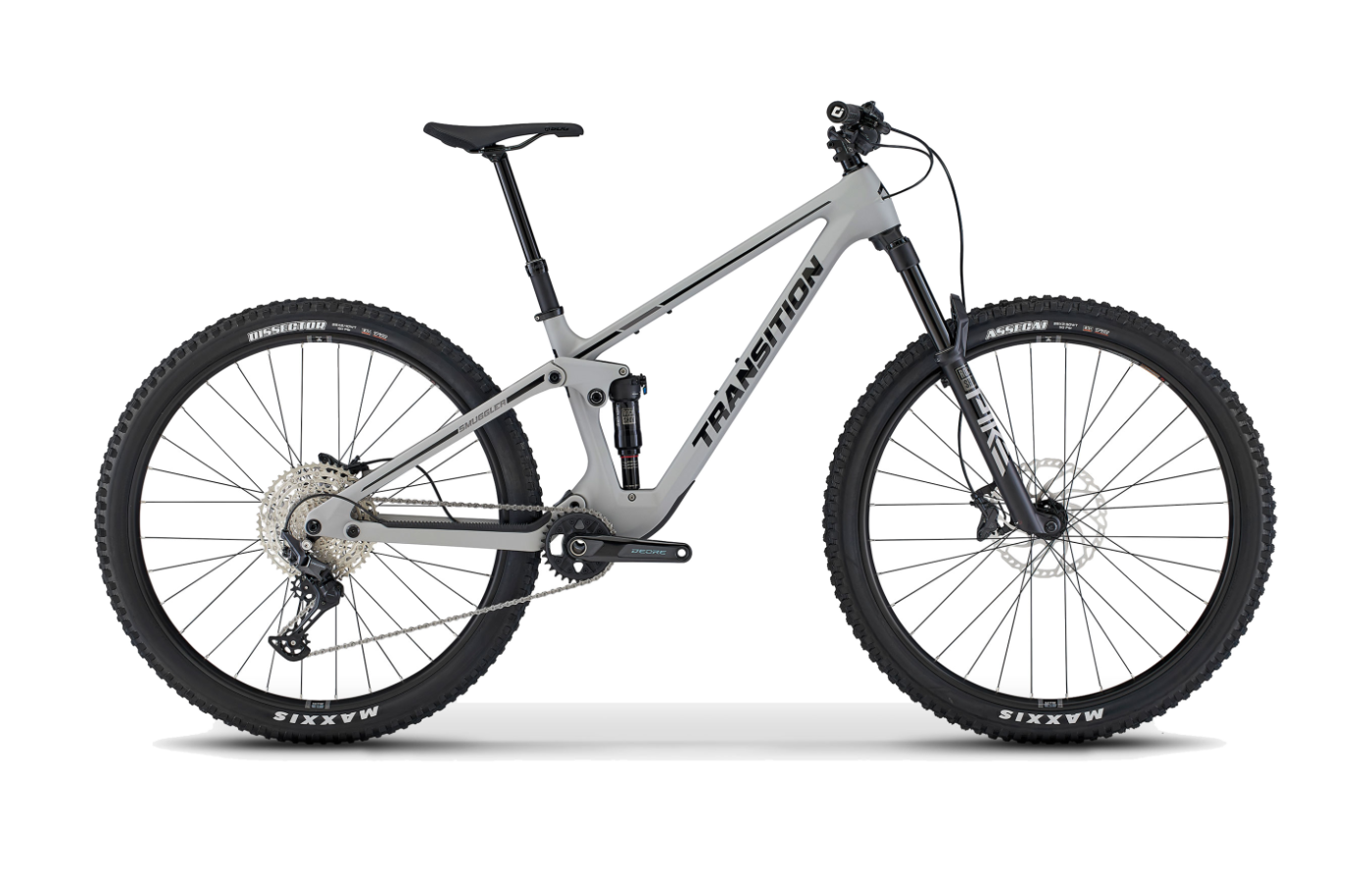
Smuggler
The Transition Smuggler splits the difference with 130 mm of rear travel but a more aggressive, planted feel — closer to a mini-enduro than a fast trail bike. Best if the Ripley feels too XC and the Fuel EX too heavy.
Compare →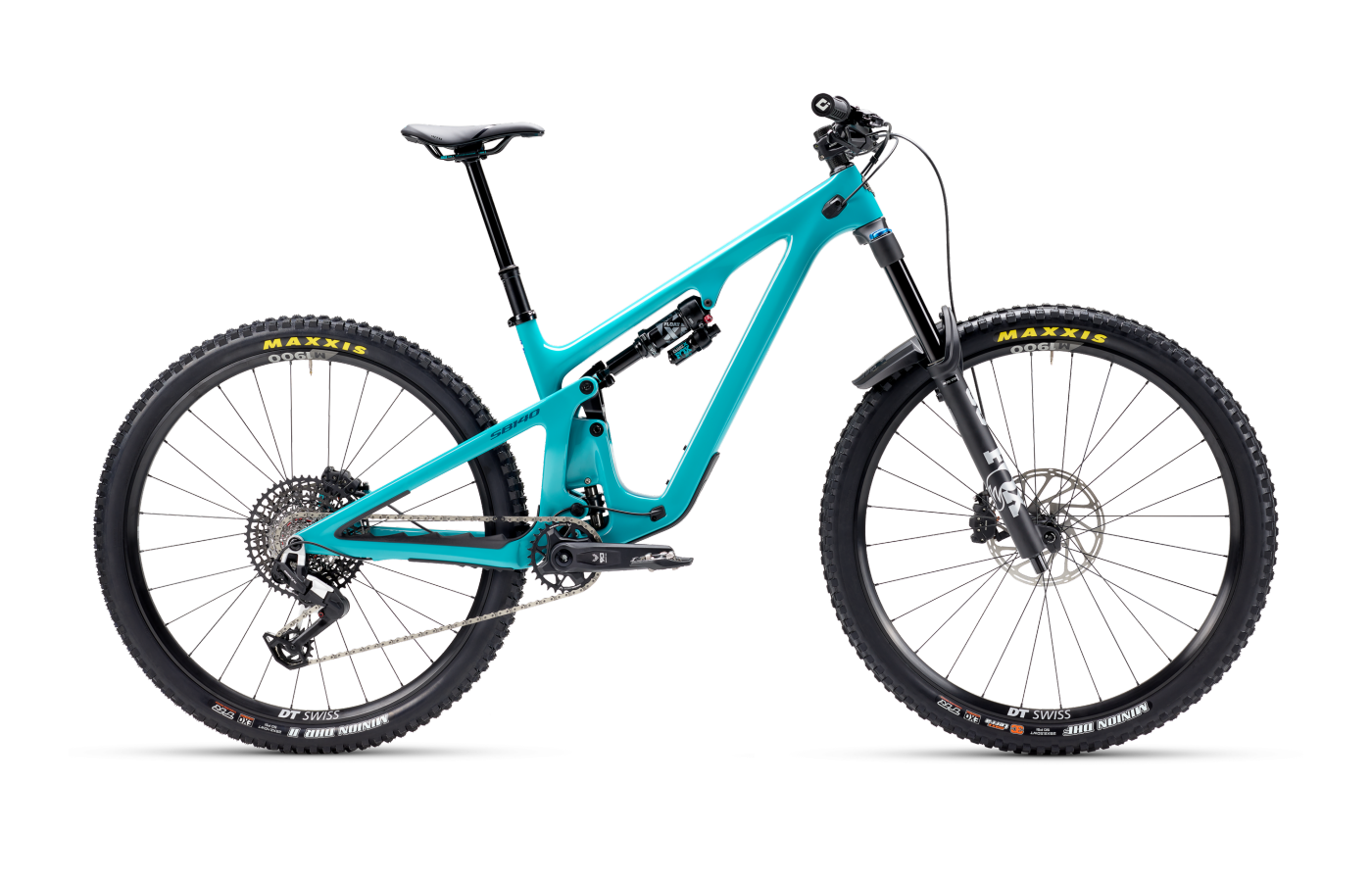
SB140
The Yeti SB140 is the longer-travel trail benchmark — Switch Infinity suspension, 140 mm rear / 160 mm front, and exceptional descending performance with respectable climbing. The premium-priced answer to "what if I want more capability than the Ripley?"
Compare →