Ripley
vsTop Fuel
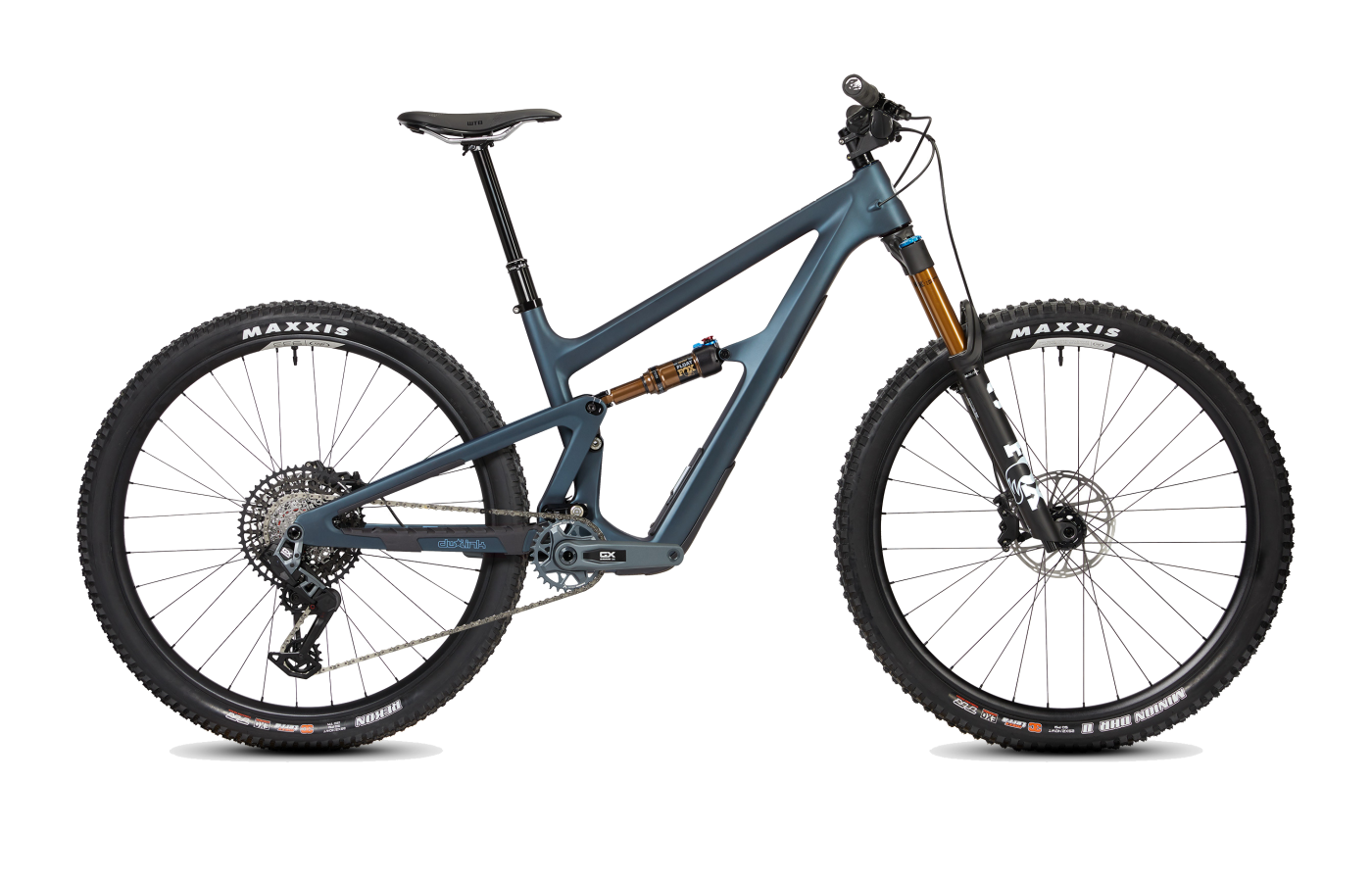
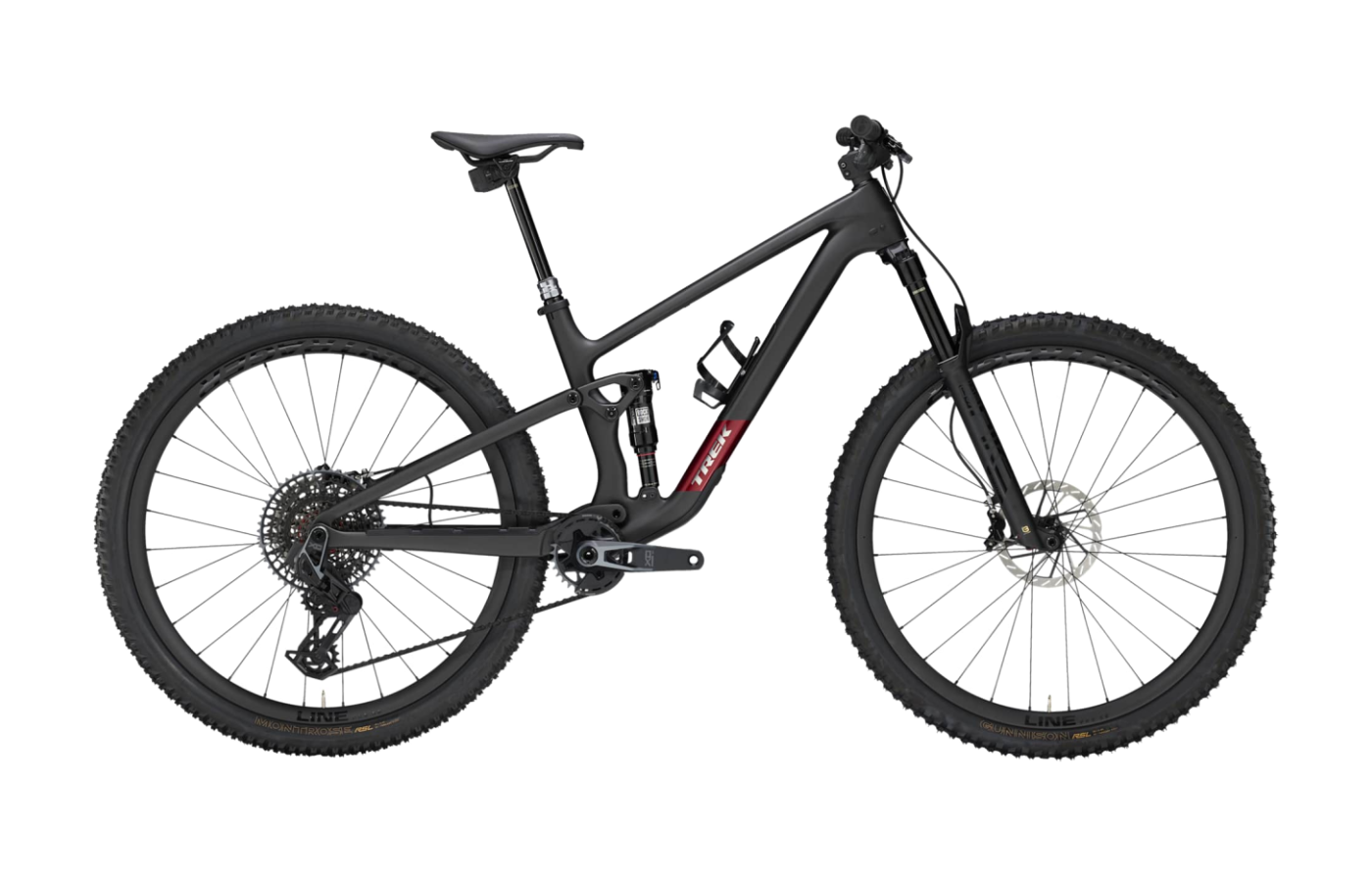
Two short-travel trail bikes, two opposite philosophies.
The Ibis Ripley grew up — 130 mm rear, 64.9 HTA, planted and burly. The Trek Top Fuel stays adjustable — 120 mm stock, 4-position Mino Link, three bikes in one frame.
Ripley
- More travel, slacker geometry — 140/130 mm and a 64.9-degree HTA make it comfortable on terrain that overwhelms a stock Top Fuel.
- DW-link efficiency — supportive mid-stroke, fast-rolling Maxxis Rekon out back, climbs 'bat out of hell' per reviewers.
- Shares chassis with the Ripmo — swap fork/shock/linkage and the same frame becomes a 145 mm enduro bike. Genuine long-term upgrade path.
- Fox 34 SL fork shows noticeable flex for heavier or more aggressive riders — multiple reviewers wished for a Fox 36.
- No suspension or geometry adjustability — the bike you buy is the bike you ride.
Top Fuel
- 4-position Mino Link — independently tune geometry and progression (14 to 19 percent) without touching the shock.
- Compliance by design — Trek deliberately softened frame stiffness on Gen 4; the ABP rear stays active under braking better than most.
- Travel-adjustable up to 140/130 mm — same chassis, two distinct bikes. Pull a spacer, swap a fork.
- Stock 120 mm rear and 65.9-degree HTA are undergunned for the terrain the Ripley targets — true potential needs the upgrade.
- Bontrager RSL one-piece cockpit is stiff and not adjustable — bar/stem changes require a new $400+ unit.
Editor’s analysis
Both run carbon, both store snacks in the downtube, both cost about seven grand in their tier-matched builds. After that, they could not be more different.
On paper, these look like the same bike — short-travel, 29er, full-carbon, internal storage, around 13 kg in mid-tier trim. Spend an hour with each and the philosophies pull apart fast. The Ibis Ripley V5 has finally shed the 'downcountry' label: 140 mm up front, 130 mm out back, a 64.9-degree head angle, and a frame that shares its front triangle with the longer-travel Ripmo. Reviewers describe it as 'bigger and beefier' and 'surprisingly stiff for a short travel bike.'
The Trek Top Fuel Gen 4 goes the other way. Stock travel is 120 mm rear / 130 mm fork, the head angle is 65.9 degrees in low / 66.4 in high, and the 4-position Mino Link lets you swap progression (14 to 19 percent) and geometry without touching the shock. Trek certifies the frame for up to a 140 mm fork and 130 mm rear — pull a spacer, slot a longer fork, and the same chassis becomes a light enduro tool. As Pinkbike put it, the platform 'morphs from a 120 mm XC racer to a 140/130 mm shred sled.'
On the trail, the Ibis Ripley is the more decisive bike. The DW-link suspension is universally praised for an efficient, supportive mid-stroke that pops off lips and pumps trail features hard, while the slack 64.9-degree front end lets you push into chunder that would have the Top Fuel at its ceiling in stock trim. The trade is climbing posture: at 76.9 degrees STA on a Medium it's still steep, but the longer wheelbase (1211 mm) makes the tightest switchbacks more deliberate.
The Trek Top Fuel is the more compliant, more configurable bike. NSMB called it 'the quiet overachiever' for a reason — Trek intentionally reduced frame stiffness on Gen 4 to improve damping, and the ABP suspension stays active under braking in a way the Ripley's DW-link doesn't quite match. But out of the box it's the lighter-duty tool. If you ride mostly XC-leaning trail with the occasional rough section, the Top Fuel is more bike than you need; if you ride trails the Ripley was rebuilt for, the stock Top Fuel is undergunned until you commit to the 140/130 mm conversion.
Where the builds differ.
Comparing our editor's-pick builds side-by-side. Winners highlighted row-by-row — lower price and weight, and the better-spec component, each mark a point.
Build variants & pricing
The Ripley spans $5k to $10k across five builds; the Top Fuel runs $4.2k to $10.5k across six and includes an alloy entry point.
Editor's picks are tier-matched at SRAM Transmission one-down — Ripley GX ($7,249) vs. Top Fuel 9.9 X0 AXS ($7,499). Both wireless Transmission, both carbon frame, $250 apart. The Top Fuel pick adds carbon Bontrager Line Pro 30 wheels at the same price; the Ripley GX runs the alloy Ibis 933 wheels stock with an i9-laced S28 carbon wheel upgrade available for ~$1,400 more.
How they fit, how they steer.
Ripley MD vs Top Fuel M (Mino Link low). The Ripley sits 20 mm taller in stack (619 vs 599 mm), 8 mm longer in reach (460 vs 452 mm), and a full degree slacker at the head (64.9 vs 65.9). Wheelbase is 26 mm longer. Numbers tell the story — Ripley is the descender, Top Fuel is the climber.
Which size should I buy?
Both ranges overlap closely in the middle. The Ripley uses a five-size lineup with an extra 'XM' between Medium and Large; the Top Fuel adds an 'ML' for the same purpose.
→These are starting points. Flexibility, riding style, and preferred position all shift the answer — if you’re between sizes, a professional fit beats a chart.
What the magazines said.
Published reviews from trusted cycling outlets. Click through for the full write-up.
Which one should you buy?
If you want one bike that's already pointed at rowdy trails, get the Ripley. If you want one bike that can be three bikes, get the Top Fuel.
Ripley
If your local trails have gotten chunkier and you want a 130 mm bike that rides like a 140 — and if you'd rather set up a bike once and forget it — the Ripley is the more decisive tool. The DW-link climbs hard, the slack front end descends harder, and the Ripmo conversion path means the chassis grows with you.
Top Fuel
If you'd genuinely use the Mino Link, swap forks for race day, run mullet on Sundays — the Top Fuel rewards that obsession in a way the Ripley doesn't. ABP keeps the rear active under braking, the frame is more compliant by design, and at 120 mm stock it's a lighter, faster XC tool than the Ripley will ever be.
Questions buyers actually ask.
Short answers to the things we get emailed about most often.
01Which has more suspension travel?
The Ibis Ripley — 140 mm fork and 130 mm rear, stock and only.
The Trek Top Fuel ships with 130 mm fork and 120 mm rear, but Trek certifies the frame for up to a 140 mm fork and a 130 mm rear shock (achieved by pulling a single spacer in the stock shock). Out of the box, the Ripley has 10 mm more travel at each end; with the conversion, the Top Fuel matches it.
02Which is the better climber?
Both are excellent climbers — this is the most genuinely close category in the comparison.
The Top Fuel has the steeper effective seat angle (77.3 to 77.8 degrees on a Medium depending on Mino Link position vs 76.9 on the Ripley MD), runs lighter stock tires (Bontrager Gunnison/Montrose vs Maxxis Minion DHR II), and gives up roughly 20 mm of rear travel — which translates to slightly less suspension bob under power.
The Ripley's DW-link is famous for pedaling efficiency despite the longer travel, and reviewers consistently called it 'bat out of hell' on the climbs. Net: the Top Fuel is faster on smooth fire-road climbs; the Ripley puts power down better on technical, scrabbly inclines.
03Which descends better in stock form?
The Ibis Ripley, clearly. A 64.9-degree head tube angle, 140 mm Fox 36 SL fork, and 130 mm of DW-link rear travel give it a meaningful capability advantage over the stock Top Fuel's 65.9-degree HTA, 130 mm Pike fork, and 120 mm rear.
The Top Fuel closes the gap when converted to its 140/130 mm long-travel configuration — Pinkbike, MBR, and Flow Mountain Bike all noted that the conversion 'unlocks the bike's inner beast.' But that requires aftermarket parts and money on top of the purchase price.
04What's the maximum tire clearance?
Ibis Ripley: approximately 61 mm (2.4-inch) clearance — enough for the stock 29x2.4 Maxxis DHR II / Rekon combo with a touch of room.
Trek Top Fuel: approximately 63.5 mm (2.5-inch) clearance — slightly more generous, though stock tires are 29x2.40 across the board.
Neither is designed around 2.6-inch rubber. For aggressive 2.5-inch trail or DH-casing tires, the Top Fuel has the edge.
05Can I run a mullet (mixed-wheel) setup?
Yes on both — but with very different ergonomics.
The Ripley has a flip chip on the rear triangle that corrects geometry for a 27.5-inch rear wheel without changing suspension kinematics. The catch: you have to remove the rear shock to access the flip-chip bolts, so it's a workshop job, not a trailhead swap.
The Top Fuel is mullet-compatible via the Mino Link itself — the same chip that adjusts progression also corrects geometry for a 27.5-inch rear wheel. Freehub described mullet mode as turning the Top Fuel into a 'dual-slalom-slaying party machine.'
06How does the cockpit compare for fit and adjustability?
The Ripley uses a conventional 35 mm BLKBRD stem (35 mm length on S/M, 50 mm on XM/XL) with a separate BLKBRD 35 carbon riser bar, 800 mm wide. Standard parts — change stem length or bar width by buying the new piece, no special tools.
The Top Fuel 9.9 X0 AXS ships with a Bontrager RSL one-piece integrated handlebar/stem in OCLV carbon. Stiffer and more aerodynamic, but adjusting reach or width means buying a whole new RSL unit. Multiple reviewers (Flow Mountain Bike, NSMB) flagged the RSL bar as 'laughably wide' at 820 mm and harsh once cut down.
07Which has better long-term upgrade paths?
The Ripley wins this one decisively. The frame shares its front triangle and swingarm with the Ripmo, so for the cost of a fork, shock, and linkage you can convert a 130 mm Ripley into a 145 mm Ripmo. Reviewers from Duffy Rides and 99 Spokes both highlighted this as a major value driver.
The Top Fuel offers travel adjustability within its own envelope (120 to 130 mm rear, up to 140 mm fork) but doesn't share a chassis with the longer-travel Fuel EX or Slash. The Mino Link gives in-frame range; the Ripley gives platform-level range.
08What about frame storage and protection?
Both have it, both are well-executed.
The Ripley's STOW system was developed over a year and includes Cotopaxi-made fabric bags (from scrap material) that keep contents rattle-free. Burly molded rubber chainstay protectors, a downtube/BB guard, and an upper shuttle guard come stock.
The Top Fuel's BITS storage is similarly weather-sealed and rattle-free, and the new Gen 4 latch is more secure than Gen 3. Trek added internal cable guide tubes that make hose swaps a 'cinch' per Pinkbike. Long-term reviews flag two minor Top Fuel quirks: paint chips easily on some colorways, and there's no drainage hole below the shock mount, so water can pool after washing.
Similar bikes
If your priorities don’t map cleanly onto either of these, one of these adjacent bikes probably fits better.
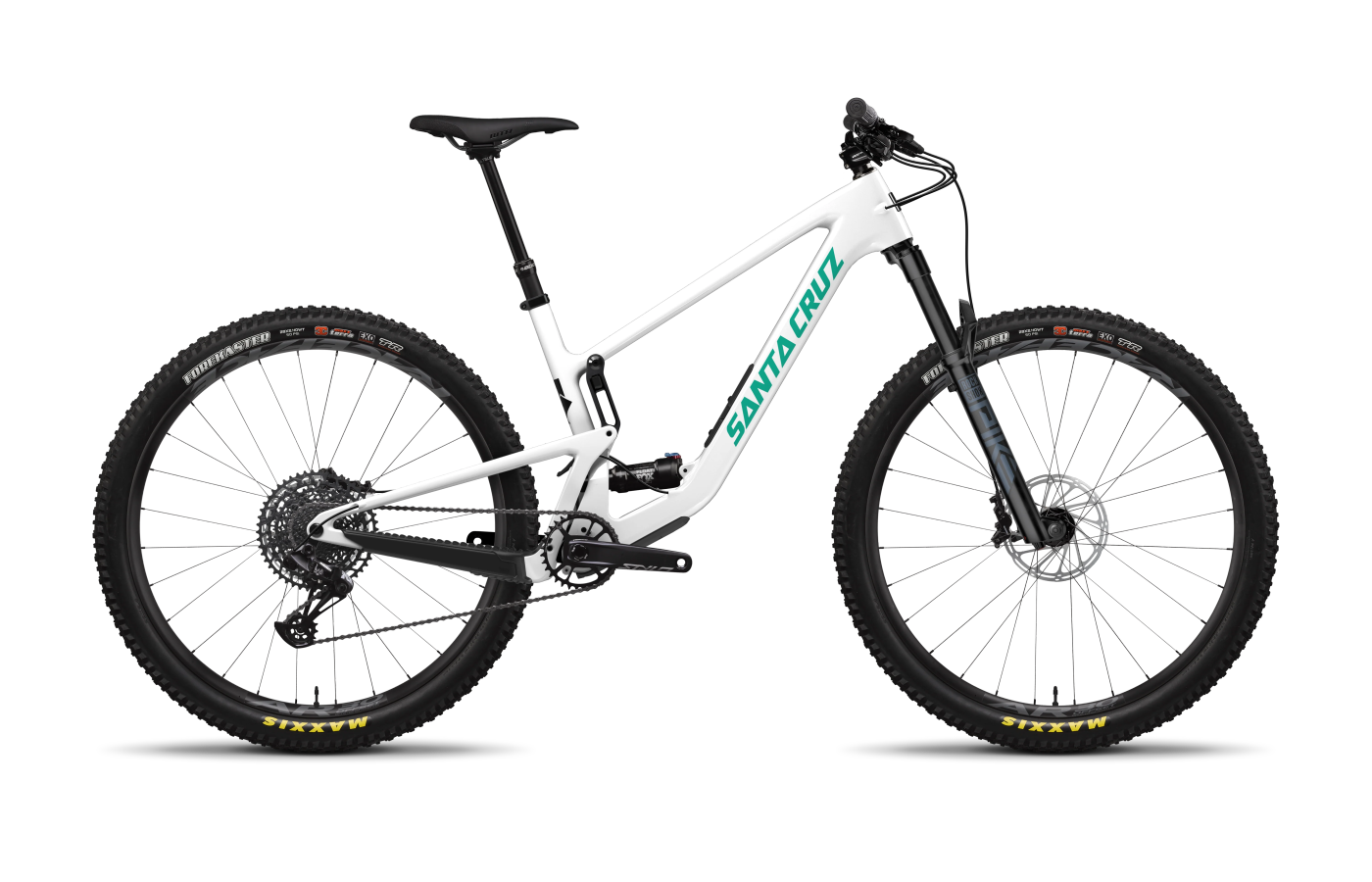
Tallboy
The middle path between Ripley and Top Fuel — 120 mm rear, lower-link VPP, often described as more trail-leaning than the Top Fuel and more refined than the Ripley. Worth a look if you want one bike that splits the difference.
Compare →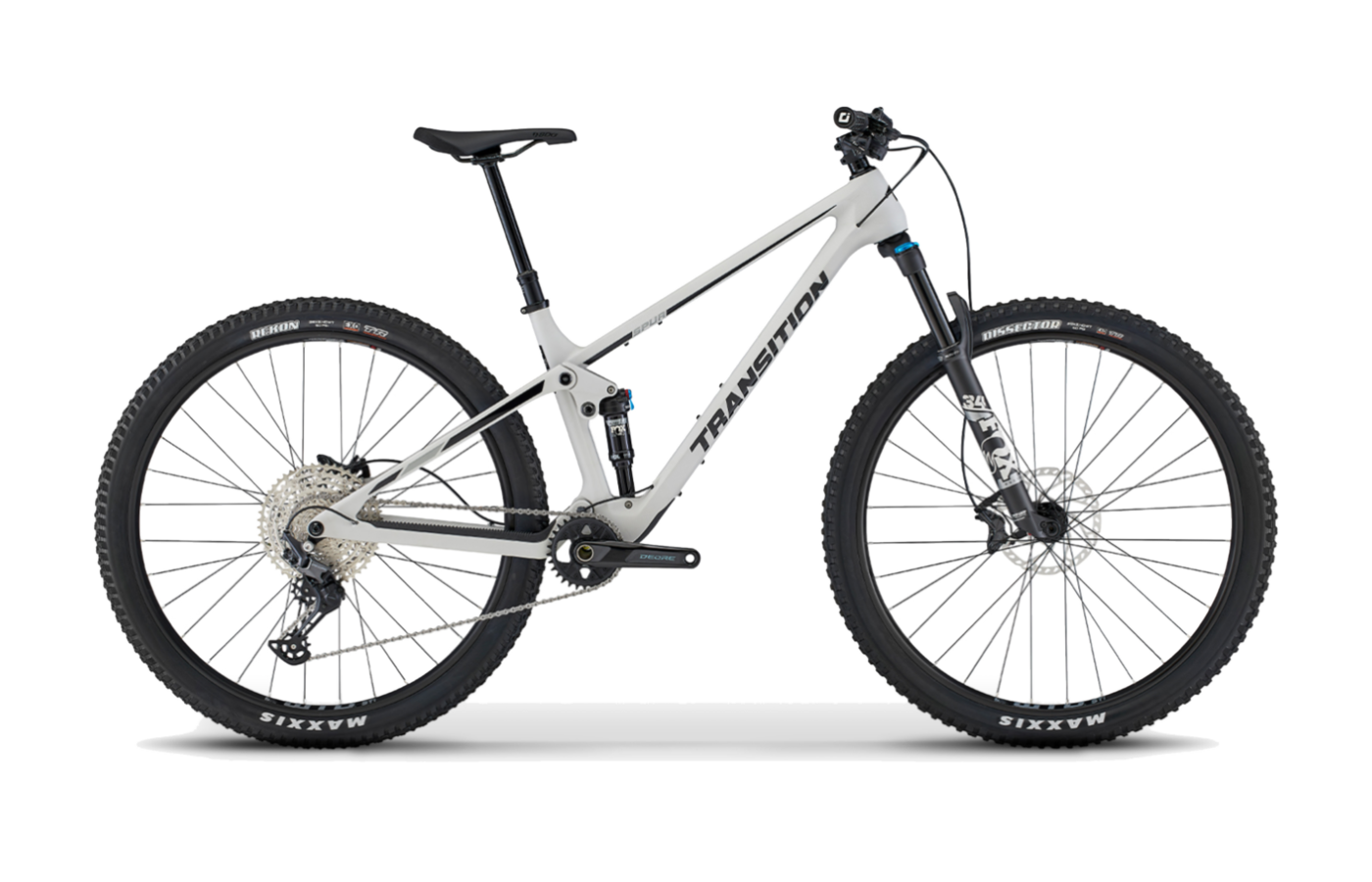
Spur
The lightest, most XC-biased bike in this group — 120 mm of poppy, efficient travel and a frame under 2.3 kg. If you find the Ripley too capable and the Top Fuel too complex, the Spur is the simpler, faster answer.
Compare →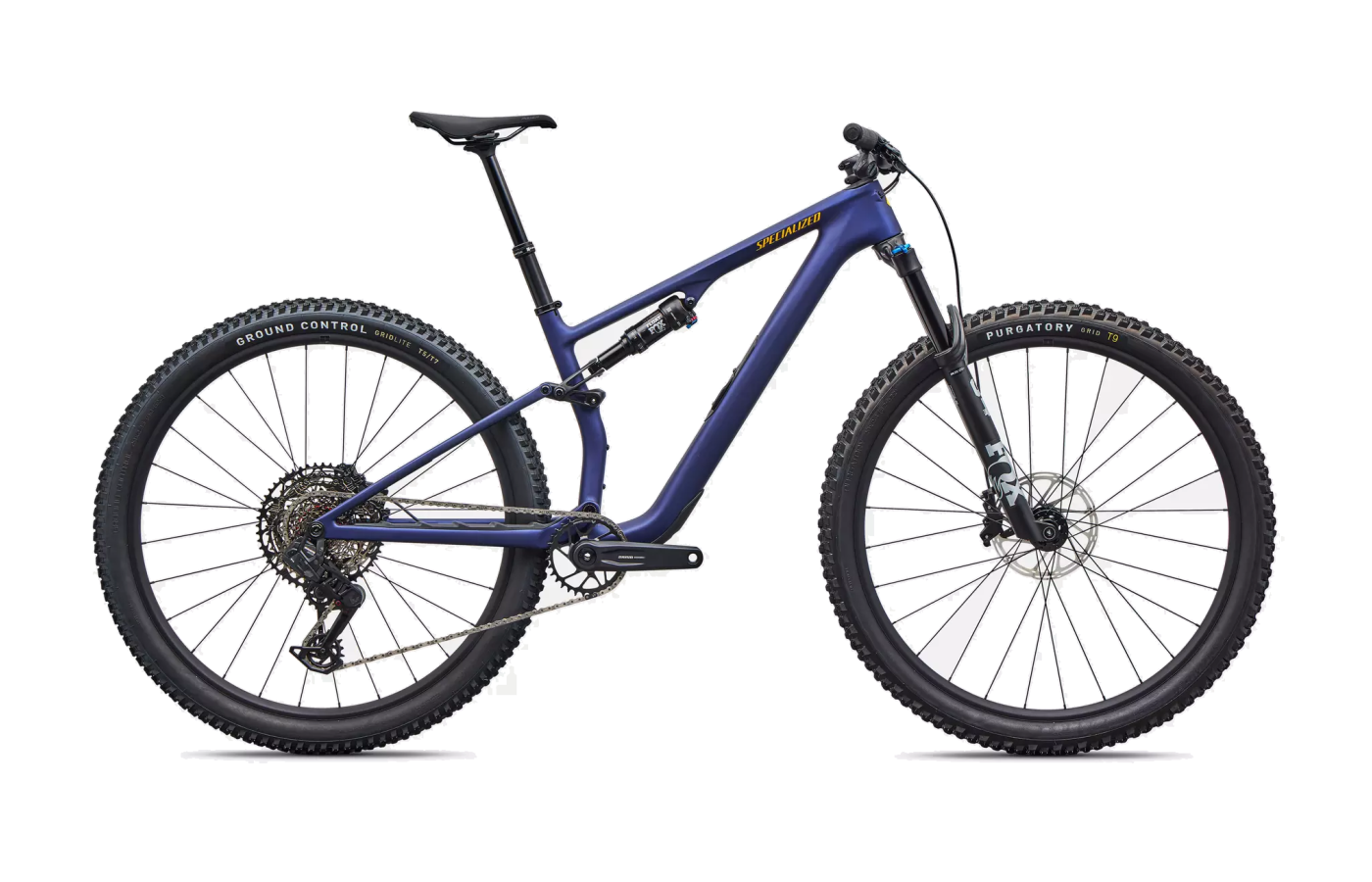
Epic Evo
An XC race frame stretched into trail duty — lighter than the Top Fuel, sharper geometry than the Ripley, and a Brain shock for hands-off pedaling efficiency. The pick if low weight matters more than rough-terrain composure.
Compare →