Ripley
vsSB120
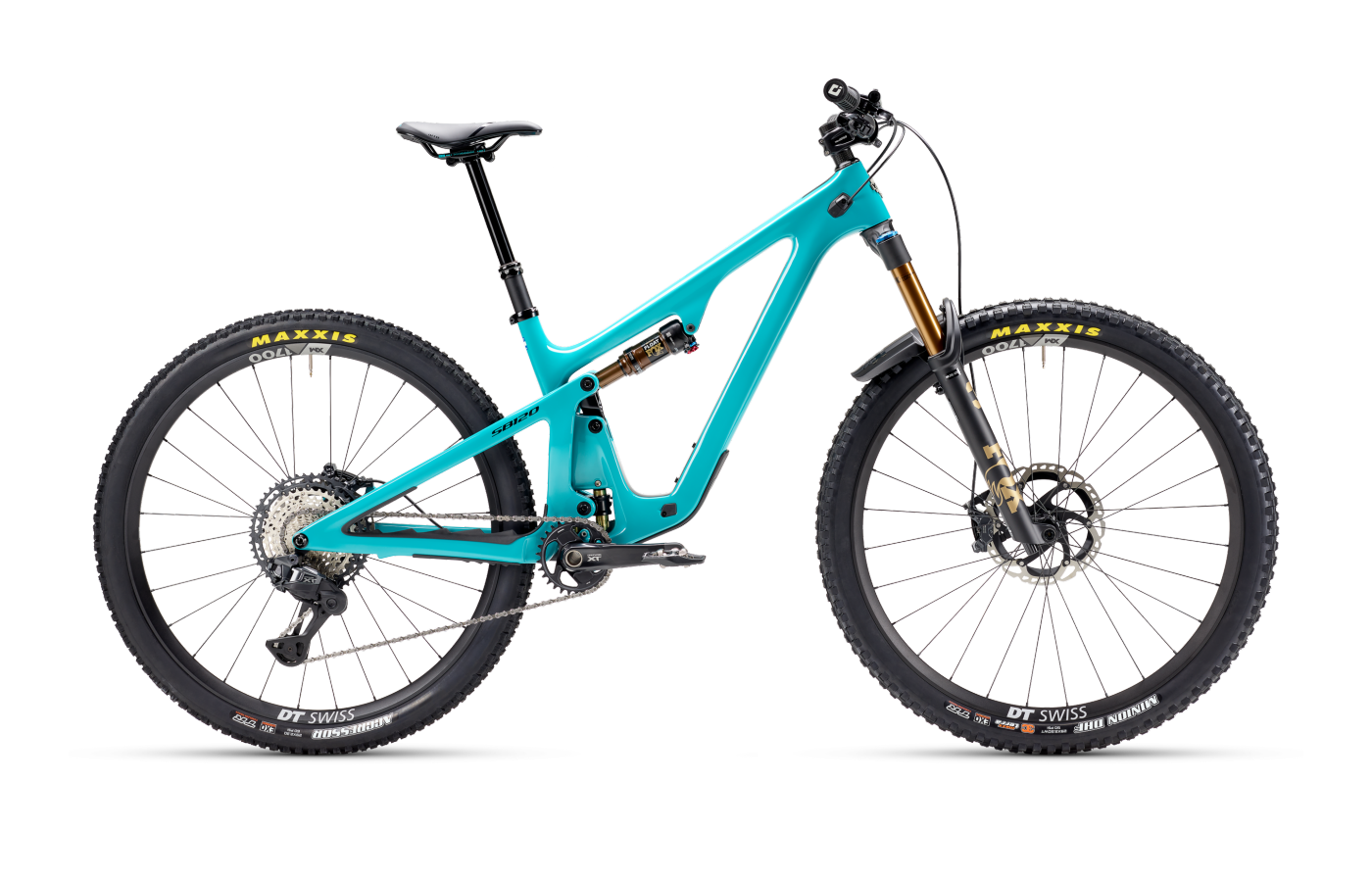
Two short-travel trail bikes, two temperaments.
The Ripley V5 is a playful, slacker trail weapon that punches above its travel. The SB120 is a composed pedaling machine that punches above its travel — differently.
Ripley
- Slack 64.9 degree head angle — planted at speed and on steeps in a way no other 130 mm bike in this comparison touches.
- Modular Ripmo conversion — same front triangle and swingarm; swap shock, fork, and link to convert into the longer-travel Ripmo.
- STOW internal frame storage with rattle-free Cotopaxi bags, a quick-release lever, and water-resistant seals.
- Heavier than the V4 it replaces — most builds sit 29-31 lb, which some XC-leaning riders will feel.
- Fox 34 fork can flex under bigger or harder-charging riders who'd rather see a 36 stanchion.
SB120
- Switch Infinity efficiency — suspension stays nearly static under pedaling, and reviewers across BikeRadar, Vital, and PinkBike call it a class-leading climber.
- Carvy, precise cornering — size-specific 432-442 mm chainstays and a 66.2 degree head angle reward an active rider mid-corner.
- Six sizes, XS to XXL with size-specific carbon layups and chainstays — handling stays consistent across the run.
- Steeper head angle and lower stack feel pointier than the Ripley when trails get genuinely steep.
- Boutique pricing — the cheapest C-Series build still starts at $6,000, and reviewers consistently flag the SRAM G2 brake spec as underpowered for the chassis.
Editor’s analysis
Same category on the spec sheet — very different bikes once the trail tilts.
The Ibis Ripley V5 and Yeti SB120 both live in the 120-130 mm trail bracket, both run 140 mm forks, both are sold as the do-everything carbon trail bike. But Ibis and Yeti have spent the last cycle pulling in opposite directions, and the geometry tells the story. The Ripley sits at a 64.9 degree head tube angle with a 460 mm reach in MD; the SB120 is 66.2 degrees with 452 mm reach in M. That's nearly a degree and a half — the difference between a bike that wants to go down steep things and a bike that wants to corner up them.
The Ripley shed its downcountry skin entirely. It now shares its front triangle and swingarm with the Ripmo, which is why it feels — as more than one reviewer put it — like the old Ripley and a Ripmo had a baby. 130 mm rear, 140 mm front, slack head angle, 1,211 mm wheelbase in MD. It's stiffer, beefier, and noticeably more planted at speed than the V4. The trade-off is weight: most builds land between 29 and 31 lb, and reviewers who loved the V4's zip note that some of that has been swapped for confidence on chunder.
The SB120 takes the opposite bet. 120 mm of Switch Infinity rear travel that reviewers describe as feeling closer to 130-140 mm in composure, paired with a steeper 66.2 degree head angle and a shorter 1,194 mm wheelbase. It carves rather than plows. Climbing is its party trick — multiple reviewers used the words "glued to the ground" and "mountain goat," and the suspension stays nearly static under power without needing the climb switch. Where it gives ground is when the trail gets genuinely steep and gnarly, where the lower stack and steeper front end can feel pointier than a slacker peer.
Put another way: the Ripley is the trail bike you reach for when you want to ride one bike that can keep up at the bike park. The SB120 is the trail bike you reach for when you want to do a six-hour backcountry loop and feel sharper at the end than the bike that out-traveled it on paper. Both are excellent. They're not interchangeable.
Where the builds differ.
Comparing our editor's-pick builds side-by-side. Winners highlighted row-by-row — lower price and weight, and the better-spec component, each mark a point.
Build variants & pricing
The Ripley spans $5,000-$10,000 across five builds; the SB120 runs $6,000-$10,700 across six. Both bikes ship with Fox Factory 36 SL 140 mm forks at the editor's-pick tier.
Prices are current US MSRP. The Ripley XT and the SB120 T1 XT Di2 are the cleanest apples-to-apples pairing — same drivetrain, same fork tier, same carbon-frame grade. The SB120 carries a roughly $850 premium at this tier, which is consistent with Yeti's brand pricing across the range.
How they fit, how they steer.
MD on the Ripley vs M on the SB120 — both fit-picked for a 5'8" rider. Reach is within 8 mm (460 vs 452), but the Ripley sits 1.3 degrees slacker at the head tube and rolls a 17 mm longer wheelbase — the descent-friendlier setup at the same fit.
Which size should I buy?
Both ranges overlap closely in the middle. Yeti runs an extra-small (XS) at the bottom; Ibis offers an extra-medium (XM) between MD and LG for riders who want more cockpit without going up to a 545 mm reach.
→These are starting points. Flexibility, riding style, and preferred position all shift the answer — if you’re between sizes, a professional fit beats a chart.
What the magazines said.
Published reviews from trusted cycling outlets. Click through for the full write-up.
Which one should you buy?
If you want a playful, slack, descend-first trail bike that converts into a Ripmo, get the Ripley. If you want a precise, efficient pedaler that's happiest cornering and climbing, get the SB120.
Ripley
If your trails reward an active, jibby riding style and you want one bike that's still fun in the bike park, the Ripley V5 is the call. The slack head angle, longer wheelbase, and Ripmo-shared chassis mean you can push it into terrain most 130 mm bikes back away from. And if your tastes drift longer-travel later, the frame converts to a Ripmo — that's a real upgrade path most carbon platforms don't offer.
SB120
If most of your riding is long climbs, technical rolling traverses, and corner-heavy descents, the SB120 is the sharper tool. Switch Infinity is genuinely class-leading on efficiency, the carvy steering rewards line choice over plow, and size-specific layups mean every frame size rides the same way. Plan to budget for a brake upgrade if you ride steep terrain — the stock G2s come up short of the chassis.
Questions buyers actually ask.
Short answers to the things we get emailed about most often.
01Which is better for steep, technical descents?
The Ibis Ripley V5, by a clear margin. Its 64.9 degree head tube angle is 1.3 degrees slacker than the SB120's 66.2 degrees, and the wheelbase is 17 mm longer in the comparable size — both of which translate directly to high-speed and steep-terrain composure.
Reviewers across The Radavist, MTB yumyum, and Mountain Bike Action all noted the V5 was confident on terrain that previous Ripleys (and the SB120) would feel "pointy" or "nervous" on. The SB120 isn't bad on steeps — it's just been tuned for a different kind of trail.
02Which climbs better?
The Yeti SB120, narrowly. Both bikes climb extremely well — the Ripley's DW-Link and the SB120's Switch Infinity are two of the most pedal-efficient short-travel platforms on the market. But reviewers who tested both consistently gave the SB120 the edge for sustained, technical climbs, citing the suspension's near-static behavior under power and a 76.2 degree seat tube angle that puts the rider well over the pedals.
The Ripley counters with size-specific seat tube angles between 76.9 and 77.9 degrees, which is steeper — but the slacker head angle means the front end is fractionally easier to lift on punchy climbs. Call it a wash on punchy efforts; SB120 wins on long ones.
03How much travel does each bike actually have?
Ibis Ripley V5: 130 mm rear, 140 mm front (Fox 36 SL on most builds).
Yeti SB120: 120 mm rear, 140 mm front (Fox 36 SL on the Turq builds; the SB120 was originally launched with a 130 mm fork but the current spec runs 140 mm).
The Ripley's 10 mm rear-travel advantage is real, but the bigger difference is the geometry built around those numbers. Both bikes punch above their travel for descending — reviewers routinely compare the SB120 to a 130-140 mm bike in feel and the Ripley to a 150 mm bike.
04Are these XC bikes or trail bikes?
Both are firmly trail bikes, not XC. Ibis themselves declared "downcountry is dead" at the V5 launch, and the SB120 was positioned by Yeti as a "short-travel shredder" rather than a successor to the XC-flavored SB115 it replaced.
If you want a true XC race weapon from either brand, look at the Ibis Exie. From Yeti, there isn't a current full-suspension XC offering in the lineup.
05Which has the better stock build for the money?
At equivalent tiers — the Ripley XT ($7,249) vs the SB120 T1 XT Di2 ($8,100) — the Ripley is the better value on paper. You get the same Shimano XT Di2 drivetrain, the same Fox Factory 36 SL 140 mm fork, and the same Float Factory shock for $850 less.
The SB120's premium pays for the TURQ carbon layup (which Yeti claims is stiffer), the Switch Infinity V2 hardware, and arguably the brand. Several reviewers, including PinkBike and Enduro MTB, have flagged that the SB120 carries a "boutique tax" relative to similarly specced peers — including the Ripley.
06What about the brakes? Anything to know before buying?
On the SB120, yes. Multiple reviewers across Enduro MTB, MBR, The Loam Wolf, and Mountain Bike Action called out the SRAM G2 brakes spec'd on several builds as underpowered for what the chassis can do downhill. The most common owner upgrade is to SRAM Codes or larger 200 mm rotors. Budget for it if you ride steep terrain.
The Ripley XT and XTR builds ship with Shimano XT and XTR four-piston brakes respectively — both well-regarded and unlikely to need an immediate upgrade.
07Which has internal frame storage?
Both do, but only the Ripley's is a Yeti-on-the-V5 highlight. Ibis spent over a year developing the STOW system on the V5; it includes custom rattle-free Cotopaxi bags made from fabric remnants, a quick-release lever for one-handed access, and water-resistant seals. Reviewers were universally positive on the execution.
The SB120 does not have downtube storage in the front triangle — Yeti opted to keep the silhouette and frame layup uncompromised on that front.
08Can either be converted to mixed-wheel (mullet)?
Yes for the Ripley — it has a flip chip on the rear triangle/rocker link that geometry-corrects for a 27.5" rear wheel without affecting suspension kinematics. The trade-off, per multiple reviews, is that flipping the chip requires removing the shock, so it's not a quick trailside swap.
No for the SB120 — Yeti designed the SB120 as a pure 29er and does not officially support a mullet configuration on this platform. Their other models (SB140, SB160) are the mullet-friendly options in the range.
Similar bikes
If your priorities don’t map cleanly onto either of these, one of these adjacent bikes probably fits better.
Tallboy
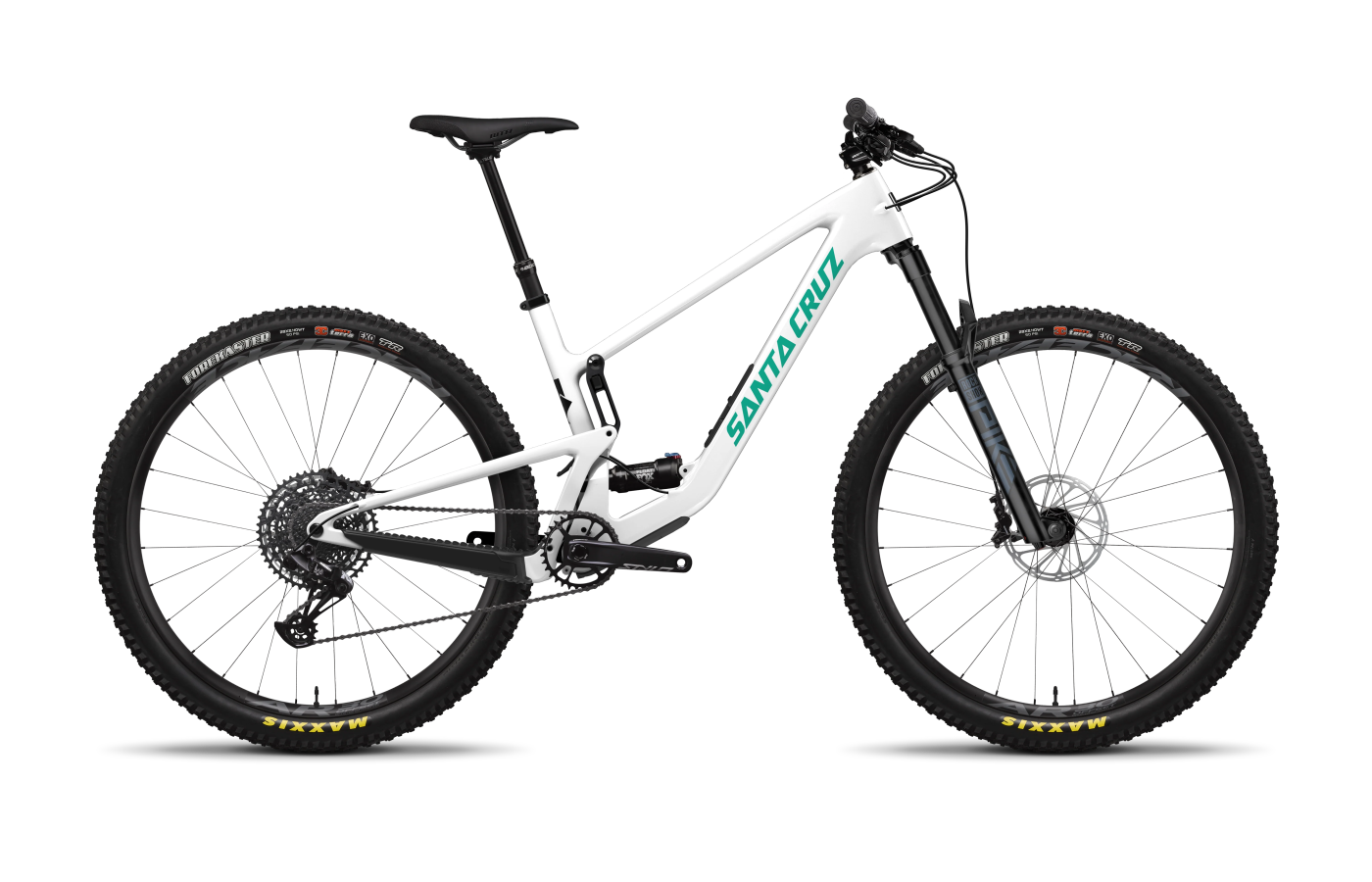
The most obvious cross-shop. The Tallboy splits the difference on geometry — slacker than the SB120, more conservative than the Ripley — with Santa Cruz's lower-link VPP. If you can't decide between the other two, this is often the answer.
Compare →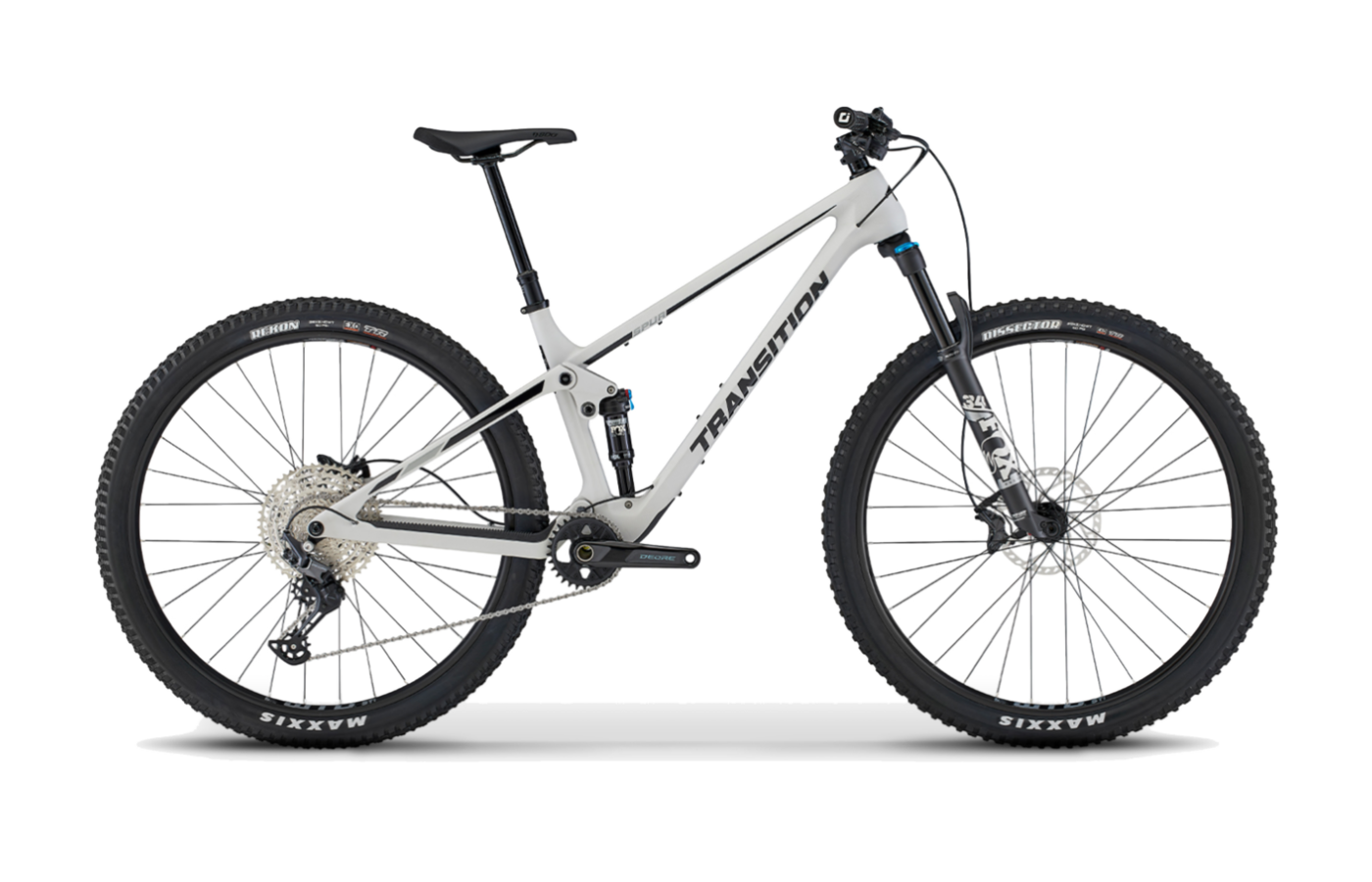
Spur
The lightweight short-travel option. The Spur leans hard into pedaling efficiency and trail playfulness at a noticeably lower weight than either bike here — the choice if you want a Ripley-style fun factor on a more XC-flavored chassis.
Compare →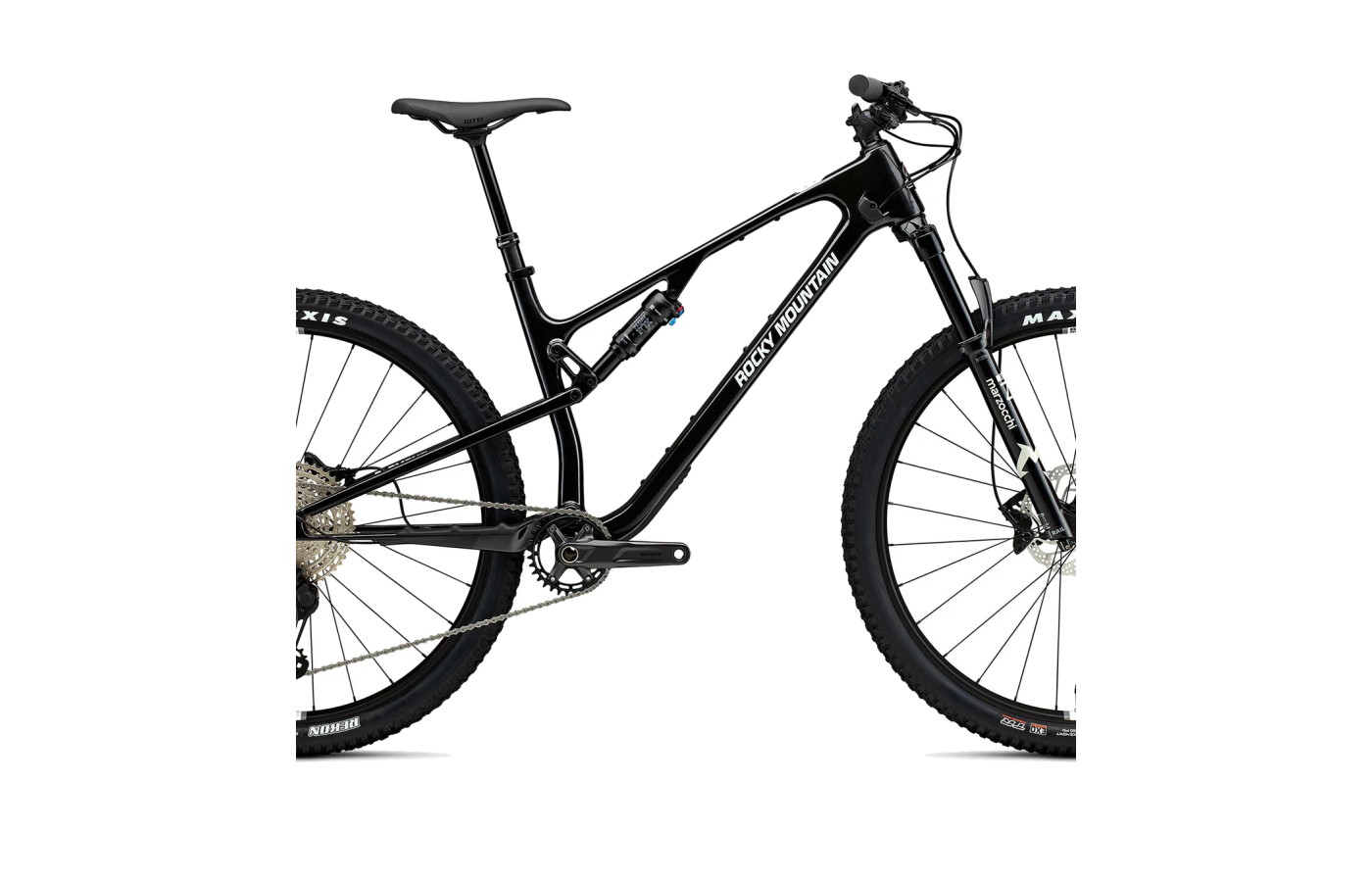
Element
The XC-leaning counterpoint. Reviewers routinely flag the Element as several pounds lighter than the SB120 at similar prices — best if your priority is climbing speed and gram-counting over descending capability.
Compare →