Ripmo AF
vsCapra
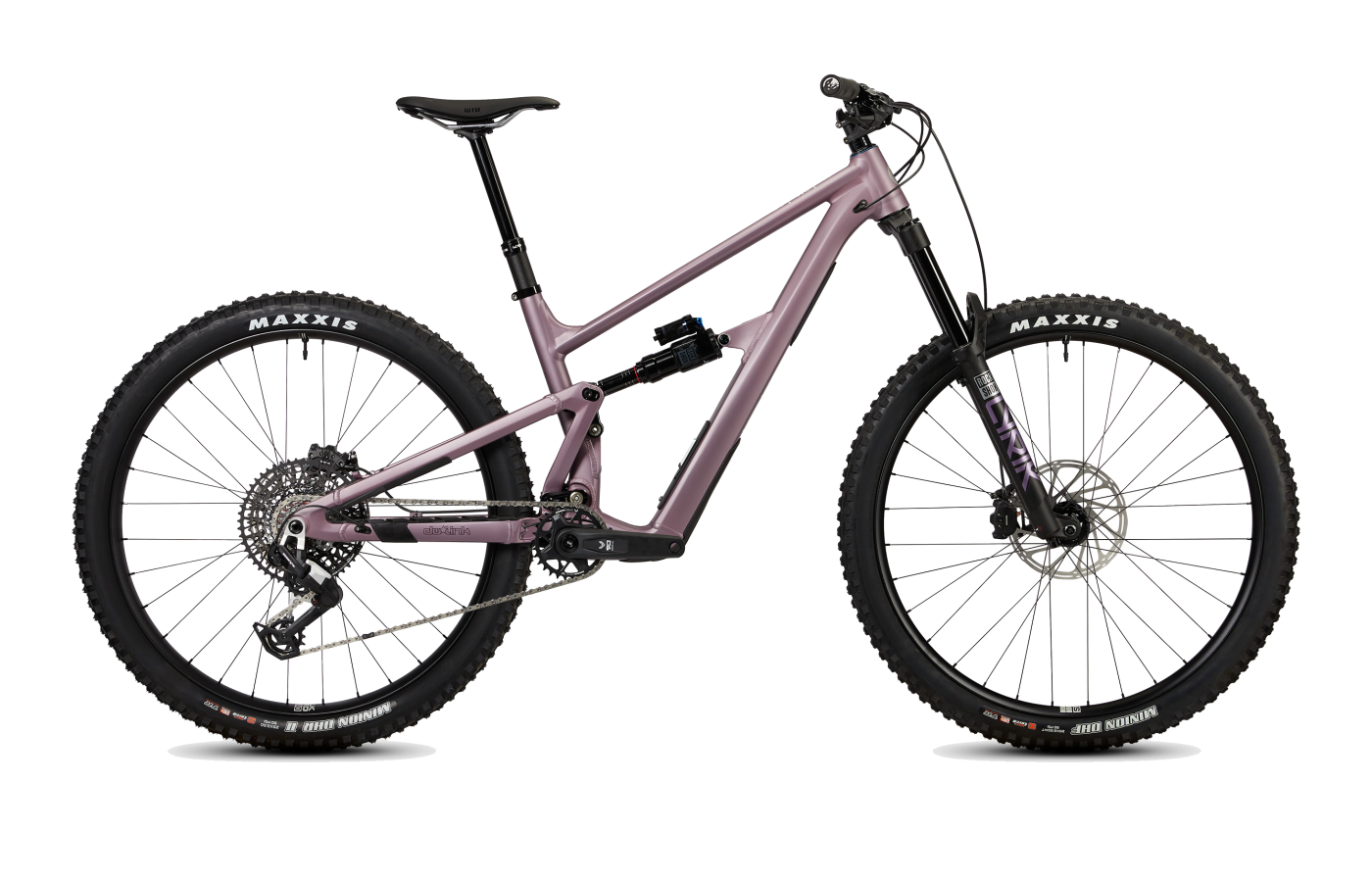
Two alloy enduro bikes, two ride personalities.
The Ripmo AF is the all-mountain generalist that climbs anything. The Capra is the gravity tool that prefers gravity, with the build sheet to match.
Ripmo AF
- Climbs technical terrain seated — DW-Link traction plus a 77° seat angle is the standout combo.
- Comfortable, forgiving alloy — reviewers describe the rear end as plush and ground-hugging, not buzzy.
- Internal frame storage in alloy is rare and a real ownership perk over the Capra.
- Only two builds — no entry below $3,749, no carbon option at all.
- Stock EXO+ tires feel undergunned for the bike's downhill capability.
Capra
- Six builds spanning $2,999 to $6,299 — alloy or carbon, mullet or full 29er, your call.
- More travel and slacker geometry (170 mm fork, 64° HTA) make it the faster bike on rough descents.
- Direct-to-consumer spec value — Öhlins or Fox 38 Factory at price points other brands ship Recon-class forks.
- EXO+ tires are widely flagged as undersized for a 170 mm enduro bike — plan a casing upgrade.
- Long seat tubes plus stock 125–150 mm droppers limit standover and out-of-the-saddle room.
Editor’s analysis
These bikes share a price band and a frame material — and almost nothing else about how they ride.
The Ibis Ripmo AF and YT Capra both land in the $3k–$5k alloy enduro bracket, both wear 160 mm-plus forks, both run modern slack-and-steep geometry. Then you ride them and the philosophies split. The Ripmo AF is Ibis's do-it-all 29er with 150 mm rear / 160 mm front travel and a DW-Link platform built around traction and composure. The Capra is YT's enduro race chassis with 165–170 mm of travel front and rear, mullet wheels on most builds, and a Virtual Four Link suspension tuned to be supportive and poppy.
Climbing is where the Ripmo AF wins on personality. Reviewers consistently call out its DW-Link as plush off the top yet supportive enough through the mid-stroke that it doesn't wallow under power. The 77 to 77.5 degree seat tube angle puts you in a centered position, and it just spins up technical pitches without drama. The Capra Mk III is no slouch — its 77.4 to 77.6 degree seat angle and roughly 100% anti-squat at sag make it surprisingly drive-neutral — but reviewers still reach for the climb switch on smoother grades. The Ripmo AF doesn't ask you to.
Descending flips the script. The Capra has 15–20 mm more rear travel, a half-degree slacker head tube (64 vs 64.5), and a Fox 38 or RockShox ZEB-class fork on every build — chassis specced for speed and chunk. Pinkbike's timed testing put it at the top of its enduro cohort. The Ripmo AF is no slouch downhill, but reviewers note the rear can feel "a bit twitchy" in wide-open high-speed rough stuff where a longer, burlier sled would just plow. Capra's Side Wing carbon front end and 800 mm Renthal-style cockpits are calibrated for race speeds; the Ripmo AF is calibrated for trail rides that include race speeds.
Put another way: the Ripmo AF is the bike for the rider who climbs to descend and wants the climb to be pleasant. The YT Capra is the bike for the rider who shuttles, parks, or races, and wants every dollar going into the descent.
Where the builds differ.
Comparing our editor's-pick builds side-by-side. Winners highlighted row-by-row — lower price and weight, and the better-spec component, each mark a point.
Build variants & pricing
The Ripmo AF ships in two alloy builds; the Capra spans six rungs across alloy and carbon, mullet and 29er.
Prices are current US MSRP. The Capra sits direct-to-consumer — listed prices typically exclude shipping and bike-box fees, which can add $100–$200 to the door price. The Ripmo AF ships through Ibis dealers.
How they fit, how they steer.
Ripmo AF in MD vs Capra in L — the fit-picked sizes for a 5'8" rider on each. The Ripmo's reach is shorter (456 vs 464 mm) but its stack is 14 mm lower; the Capra's seat angle is steeper (77.4° vs 76.5°), and its head angle is half a degree slacker (64° vs 64.5°).
Which size should I buy?
Size suggestions are based on stack, reach, and effective top tube. The Capra runs in 20 mm reach jumps; the Ripmo AF's MD-to-XM jump is unusually large at 22 mm — worth a fit check if you sit between sizes.
→These are starting points. Flexibility, riding style, and preferred position all shift the answer — if you’re between sizes, a professional fit beats a chart.
What the magazines said.
Published reviews from trusted cycling outlets. Click through for the full write-up.
Which one should you buy?
If you want one bike that climbs anything and descends most things, get the Ibis Ripmo AF. If you want a bike calibrated for the descent — racing, parks, shuttles — get the YT Capra.
Ripmo AF
If your rides are big loops with real climbs, real descents, and the occasional tech section that tries to bite you, the Ripmo AF is the more versatile machine. The DW-Link climbs cleanly without a lockout, the geometry stays composed when you point it down, and the alloy frame shrugs off rock strikes. It's the rare bike that fits both "first real bike" buyers and seasoned riders who don't want a quiver.
Capra
If most of your seat time is shuttle laps, bike-park days, or enduro stages, the Capra has the travel, the geometry, and the burly fork to back it up. Reviewers consistently call out its supportive mid-stroke and ability to generate speed out of corners — it rewards an active rider rather than soaking up everything for you. Buy it knowing the first upgrade is tires.
Questions buyers actually ask.
Short answers to the things we get emailed about most often.
01Which bike has more travel?
The YT Capra. It runs 165 mm rear (full 29er) or 170 mm rear (mullet) paired with a 170 mm fork on every build.
The Ibis Ripmo AF runs 150 mm rear and a 160 mm fork. That 15–20 mm rear-travel gap is the single biggest reason the Capra plows through high-speed chunder more confidently — and why the Ripmo AF feels livelier on mellower trail rides.
02Which one climbs better?
The Ripmo AF, comfortably. Reviewers single out the DW-Link as one of the best climbing platforms in the category — plush off the top, supportive through the mid-stroke, and active enough to keep the rear wheel hooked up on technical pitches. The 77 to 77.5 degree seat tube angle keeps you centered without forcing you forward.
The Capra Mk III climbs respectably for a 170 mm bike — its V4L suspension is roughly drive-neutral and its 77.4 to 77.6 degree seat angle is competitive — but reviewers still reach for the climb switch on smoother grades. The Ripmo AF doesn't ask you to.
03Which is faster on rough descents?
The Capra. Pinkbike's timed enduro field test had the Capra Mk III posting the fastest downhill times in its cohort. Between the extra travel, the slacker 64° head angle, the Fox 38-class fork on every build, and a Side Wing carbon front end tuned for stiffness, it's specced and engineered for race-pace descending.
The Ripmo AF is composed and confident pointing down, but reviewers note the rear can feel "a bit twitchy" in wide-open, high-speed rough sections where the Capra would just settle in and plow.
04Mullet or full 29er — which version of the Capra should I buy?
It depends on the rider:
Full 29er is the consensus pick for racing and longer rides — better at maintaining speed, more stable on fast straight-line descents, and the more natural climber thanks to longer chainstays.
MX (mullet) is the playful pick — shorter chainstays, easier to pop and slash, more fun on tight, technical bike-park terrain. The Capra alloy builds (Core 1, Core 2 AL, Core 3 AL) are MX-only as specced, so if you want a full 29er you're looking at the carbon Core 3 CF or Core 4 CF builds.
05What about the Ripmo AF — can I run it as a mullet?
Yes, and on smaller frames you don't have a choice. Both Ripmo AF builds ship the SM and MD sizes as mullets (29" front, 27.5" rear) and the XM, LG, and XL sizes as full 29ers from the factory. The frame has a flip chip so any size can swap between configurations.
This is a meaningful difference from the Capra, which uses wheel-size-specific rear triangles rather than a flip chip — Capra owners can't swap wheel sizes without buying new parts.
06Are the stock tires good enough?
On the Ripmo AF: the Maxxis Minion DHF/DHR II in EXO+ casing is reasonable for trail riding but reviewers flag it as light for the bike's true descending ability. Heavier or more aggressive riders will want to step up to a tougher casing.
On the Capra: the Continental Kryptotal-FR/RE in EXO+ is widely criticized as undersized for a 170 mm enduro bike. Reviewers from MBR and Pinkbike both flagged punctures and burping under hard cornering. Plan to spend ~$150–$200 on a DoubleDown or DH-casing tire upgrade.
07Does the YT Capra have internal frame storage like the Ripmo AF?
No. The Ibis Ripmo AF has internal downtube storage — uncommon on an alloy frame and a real ownership perk for stashing tubes, tools, and a CO2 without a hip pack.
The YT Capra does not. YT did add a water bottle mount in the front triangle for the Mk III via the Side Wing asymmetrical brace, which is the headline frame-feature change for that generation.
08How does buying direct from YT actually work?
YT ships the Capra direct from its warehouse in a partially assembled bike box. Final assembly (handlebars, front wheel, pedals, dropper, shifter setup) is on you, and the listed price typically excludes shipping and box fees that add $100–$200.
Ibis sells the Ripmo AF through its dealer network, so you'll get a built and tuned bike out of a shop — including a fit session and the dealer's first-service follow-up. That's worth real money if you don't already have a home shop. Both brands offer crash-replacement programs on the frame.
Similar bikes
If your priorities don’t map cleanly onto either of these, one of these adjacent bikes probably fits better.
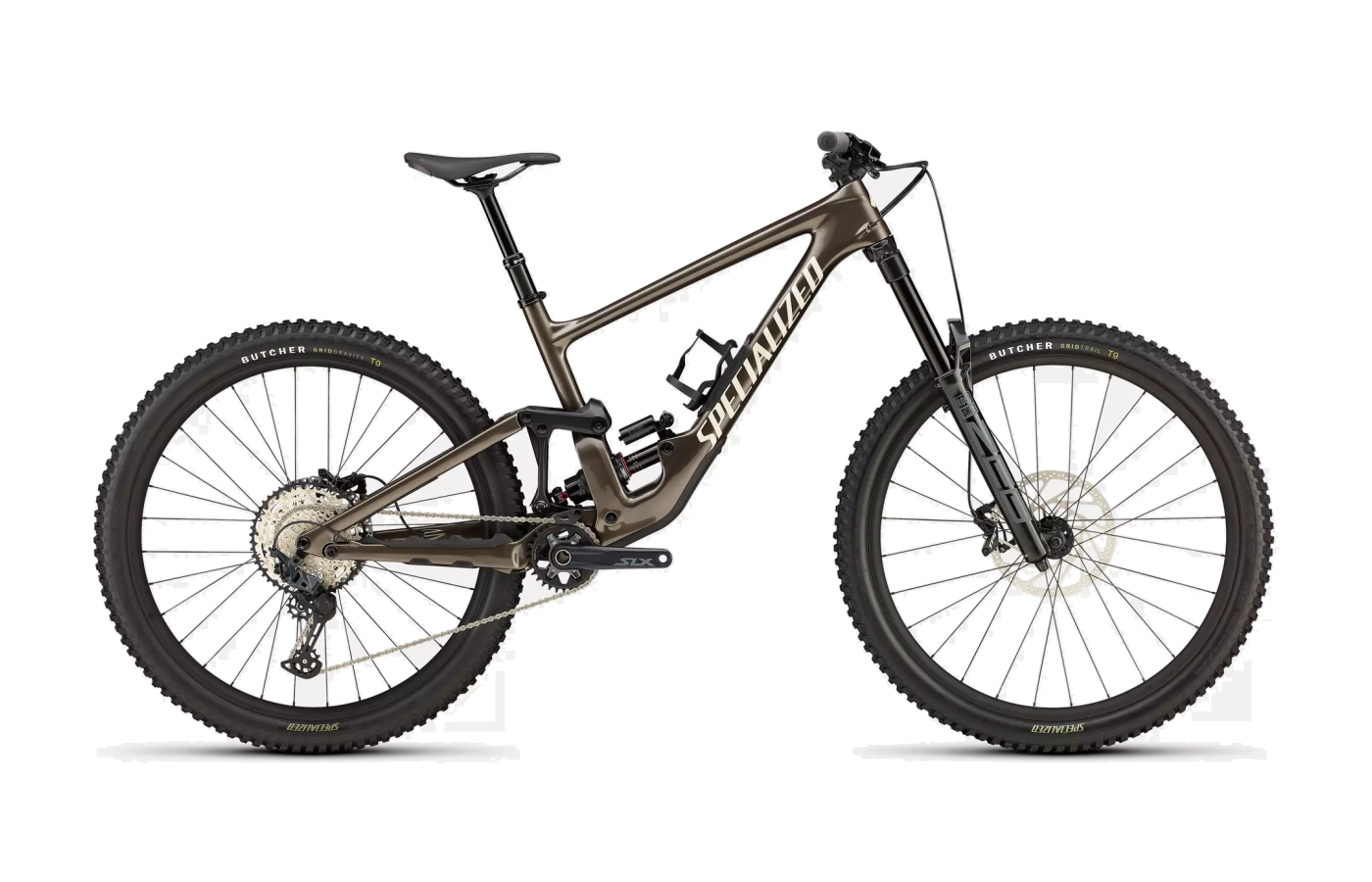
Enduro
If you want the Capra's plow-and-chunder character with even more downhill capability, the Specialized Enduro is the benchmark long-travel sled. More planted at speed; less playful between corners.
Compare →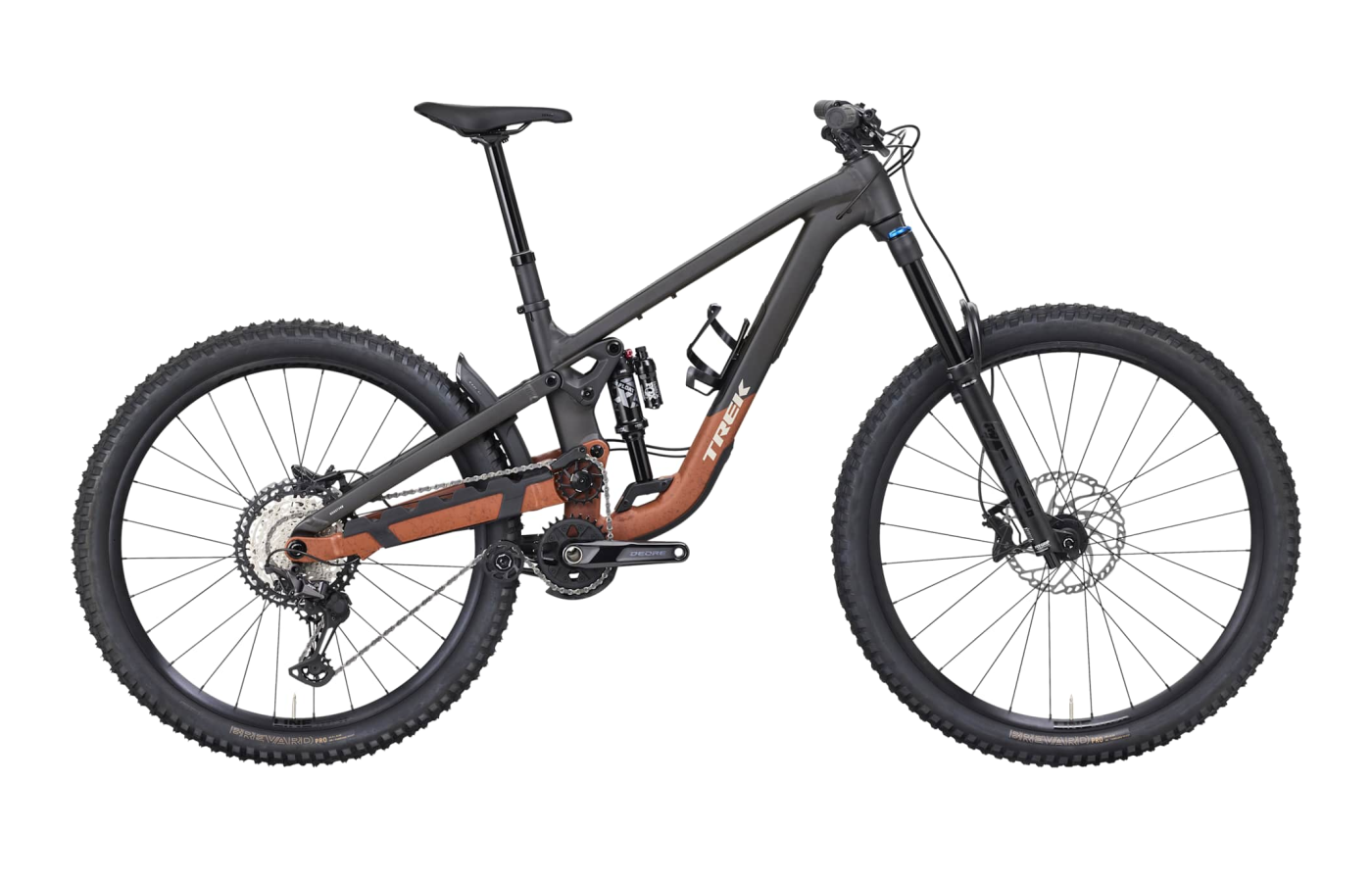
Slash
Trek Slash hits the same enduro brief as the Capra — long, slack, composed at speed — but with Trek's dealer network and warranty pipeline behind it. The right pick if direct-to-consumer assembly isn't your thing.
Compare →Patrol
Transition Patrol splits the difference — closer to the Ripmo AF's playful, poppy ride personality but with more travel and a more aggressive descending bias. The bike for riders who want fun first, race times second.
Compare →