Ripmo AF
vsJeffsy
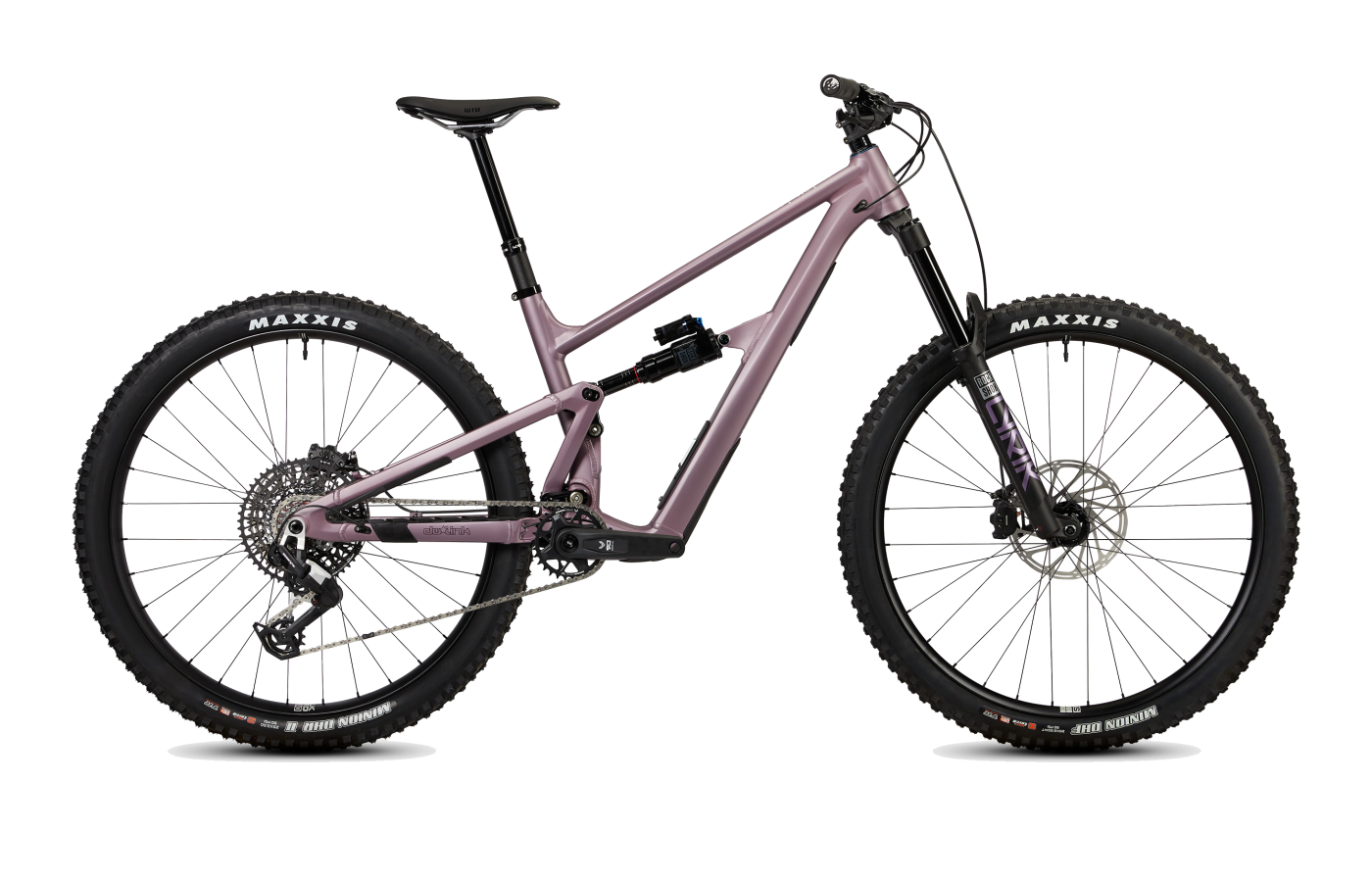
Two alloy trail bikes, two value playbooks.
The Ripmo AF ports a boutique DW-Link platform into aluminum at $3,749. The Jeffsy Mk III spans alloy to carbon and bets on direct-to-consumer pricing across the whole range.
Ripmo AF
- DW-Link suspension feel — "plush, gooey" off the top with a supportive mid-stroke that climbs technical terrain with rare seated traction.
- Same geometry as the carbon V3 — 64.5° HTA, 77–77.5° STA, internal frame storage, custom kinematics per size, all in alloy.
- Cheapest way into a boutique trail platform — a complete bike for less than the carbon Ripmo's frame-and-shock alone.
- Only two builds and no carbon option — not the lineup for a buyer who wants flagship parts.
- Heavier frame and "semi-flimsy" stock EXO+ tires can feel twitchy on wide-open, high-speed rough sections.
Jeffsy
- Six builds from $2,999 to $6,299 — alloy or carbon, mechanical or wireless Transmission, sized to whatever budget you bring.
- Quiet, composed ride feel — the V4L kinematics and Crankbrothers Synthesis wheels mute trail chatter into a manageable hum.
- DTC pricing and integrated touches — STASH downtube storage, size-specific 230 mm Postman dropper on XL, and an in-box torque toolkit.
- 65° head angle and short 437 mm chainstays can feel skittish on truly steep, fast descents.
- Matte black finish scuffs easily, and some carbon builds use a Press-fit BB instead of threaded.
Editor’s analysis
Both bikes chase the one-bike grail — but one is a single-philosophy alloy specialist, and the other is a six-build catalog that scales from entry-level to flagship.
On paper they're close cousins: 145–150 mm of rear travel, a 150–160 mm fork, 29-inch wheels, mid-60s head angles, and steep seat tubes engineered to keep you seated up the climbs. Both even shoehorn internal frame storage into the downtube — a rarity on alloy at this price. But spend any real time with the lineups and the philosophies diverge quickly.
The Ibis Ripmo AF is alloy-only, two builds, no decisions to overthink. It runs 150 mm rear / 160 mm front travel, a 64.5-degree head angle, and the latest V5 DW-Link kinematics ported wholesale from the carbon Ripmo V3. Reviewers describe the suspension as "plush, gooey," with a planted, ground-hugging feel and exceptional seated traction on technical climbs. The trade-off is weight and a touch of twitchiness on wide-open, high-speed chunder — this is a generalist with a playful streak, not an enduro plow.
The YT Jeffsy is the catalog play: six builds spanning $2,999 to $6,299, three alloy and three carbon, all with 145 mm rear / 150 mm front travel and a 65-degree head angle. The V4L suspension is tuned softer off the top and ramps up progressively, giving what reviewers call a "quiet, isolated" ride that mutes trail chatter. It's calmer and more composed than the Ripmo on smooth flow, but the steeper head angle and shorter wheelbase can feel "skittish" when speeds climb on truly steep terrain.
Put another way: the Ripmo AF is the bike you buy when you've decided the carbon-vs-alloy debate is silly and you want the best DW-Link you can afford. The Jeffsy is the bike you buy when you want a refined, balanced trail bike at a price the local-bike-shop competition can't match — and you want the option to pay more for a carbon frame, or less for a Deore-spec entry build.
Where the builds differ.
Comparing our editor's-pick builds side-by-side. Winners highlighted row-by-row — lower price and weight, and the better-spec component, each mark a point.
Build variants & pricing
The Ripmo AF runs $3,749–$4,299 across two builds. The Jeffsy spans $2,999–$6,299 across six — alloy and carbon, mechanical and wireless.
Prices are current US MSRP. Editor's picks pair the alloy Ripmo AF 90 against the alloy Jeffsy Core 3 AL — both wireless SRAM Transmission, both RockShox Lyrik / Super Deluxe suspension, $500 apart in price. If you're shopping the lower budget, the Ripmo AF Deore ($3,749) and Jeffsy Core 1 AL ($2,999) are both Shimano Deore mechanical builds.
How they fit, how they steer.
Both at the fit-picked size for a 5'8" rider. Reach is nearly identical (456 mm Ripmo vs 455 mm Jeffsy), but the Ripmo runs 0.5° slacker (64.5° vs 65°) with a 5 mm longer wheelbase — the Jeffsy sits a touch steeper and shorter, with a 1° steeper effective seat tube angle for a more centered climbing position.
Which size should I buy?
Size recommendations based on stack, reach, and effective top tube. Both use letter sizing; the Ripmo AF adds an XM tweener between MD and LG that the Jeffsy doesn't offer.
→These are starting points. Flexibility, riding style, and preferred position all shift the answer — if you’re between sizes, a professional fit beats a chart.
What the magazines said.
Published reviews from trusted cycling outlets. Click through for the full write-up.
Which one should you buy?
If you want the boutique DW-Link suspension at an alloy price, get the Ripmo AF. If you want a refined, well-spec'd trail bike with a build for every budget, get the Jeffsy.
Ripmo AF
If you ride a lot of steep, technical, traction-dependent trails and you've already decided the carbon-vs-alloy debate is overrated, the Ripmo AF is the fastest path to a bike that climbs seated through chunder and pops off every root. The two-build lineup keeps choices simple — pick your drivetrain and ride.
Jeffsy
If you want a quiet, composed, balanced trail bike and you'd rather pay $3,000 than $4,500 — or $6,300 for the flagship carbon — the Jeffsy delivers refined feel and integrated touches at DTC prices. Six builds means a real budget conversation, not just "buy the spec sheet."
Questions buyers actually ask.
Short answers to the things we get emailed about most often.
01Which has more travel?
The Ibis Ripmo AF runs 150 mm rear and 160 mm front. The YT Jeffsy runs 145 mm rear and 150 mm front.
That 5–10 mm difference is small on paper but meaningful in feel — the Ripmo AF is closer to the trail/enduro line, while the Jeffsy sits squarely in modern trail territory. Reviewers note the Jeffsy "punches above its travel" thanks to a progressive end-stroke, but the Ripmo has more cushion when things get truly chunky.
02Which climbs better?
Both climb well, but for different reasons. The Jeffsy has the steeper effective seat tube angle (77.5° at size M vs 76.5° on the Ripmo MD) and lighter overall weight — reviewers describe it as "riding lighter than it weighs" and praise the centered, powerful climbing position.
The Ripmo AF climbs with more traction. The DW-Link kinematics stay active and glued without wallowing, making it the better choice for steep, technical, root-and-rock ascents where you need the rear wheel hooked up at all times. It's slower up smooth fire roads — "there's not a lot of urgency when you get on the gas" — but it stays seated through chunk that bounces other bikes off line.
03Which is more stable at high speed?
The Ripmo AF, marginally. Its 64.5-degree head angle is half a degree slacker than the Jeffsy's 65°, and its wheelbase is roughly 5 mm longer at the compared sizes. Reviewers call the Jeffsy "skittish" or "nervy" when terrain gets exceptionally steep or fast, and one reviewer suggested an angle-adjust headset to slacken the front end.
Neither is a true enduro sled — for that, look at the YT Capra or a Transition Sentinel. But within the trail bracket, the Ripmo holds a line slightly better when the trail opens up.
04Which has the better build for the money?
The Jeffsy wins on raw spec-per-dollar. The Core 3 AL ($4,799) is alloy with wireless SRAM S1000 Transmission, RockShox Lyrik Ultimate, RockShox Super Deluxe Ultimate, and Crankbrothers Synthesis Enduro alloy wheels. The closest Ripmo AF equivalent (the 90, $4,299) runs SRAM Eagle 90 Transmission — a tier below S1000 — with RockShox Lyrik (non-Ultimate) and Super Deluxe Select.
That said, the Ripmo's value is in the frame, not the parts. Reviewers point out that the entire AF costs less than the carbon Ripmo's frame and shock alone — you're paying for the suspension platform, not the spec sheet.
05Do both have internal frame storage?
Yes, both. The Ripmo AF includes a downtube storage hatch — "pretty rare on an aluminum bike," as one reviewer noted.
The Jeffsy's STASH system is on all carbon models (Core 2 CF and up) and uses a double-sealed lid with a 90-degree latch. Reviewers describe it as well-engineered but "fiddly" to access with a bottle in place. The alloy Jeffsy builds (Core 1 AL, Core 2 AL, Core 3 AL) do not have STASH storage — only the carbon frames do.
06What's the maximum tire clearance?
Ripmo AF: roughly 63.5 mm (about 2.5 inches) at the chainstays. Stock builds run 29×2.5 Maxxis Minion DHF up front and 27.5×2.5 (S–M) or 29×2.5 (XM–XL) DHR II out back.
Jeffsy: roughly 61 mm. Stock is 29×2.5 DHF / 29×2.4 DHR II across all sizes.
Both comfortably fit a true 2.5" trail/enduro tire. Neither is engineered for plus-sized rubber.
07Carbon or alloy — does it matter here?
It's a real choice on the Jeffsy (Core 1, 2, 3 AL are alloy; Core 2 CF, 3 CF, 4 CF are carbon). The carbon Jeffsy adds STASH storage and saves about a kilogram, but uses a Press-fit BB89/92 bottom bracket instead of the alloy frame's threaded BSA — many home mechanics prefer threaded.
The Ripmo AF is alloy-only. If you want carbon Ibis, you're shopping the carbon Ripmo V3 — which costs more for the frame-and-shock alone than the entire Ripmo AF. Reviewers who rode both say the AF feels nearly identical to the carbon, with maybe a touch more vibration damping from the alloy frame.
08Anything to know about long-term ownership?
Both come with 5-year frame warranties in most markets. YT has expanded its DTC support with "YT Mill" service centers in the UK and US, addressing the historical concern about overseas warranty handling.
Known issues to watch: the Jeffsy's matte black finish scuffs easily (reviewers recommend a frame protection wrap), and the rubber cable-routing plugs can slip out (a small zip tie fixes it). The Ripmo AF's stock EXO+ tires were called "semi flimsy" for an aggressive trail bike — burlier casings are a worthwhile upgrade if you ride rocky terrain.
Similar bikes
If your priorities don’t map cleanly onto either of these, one of these adjacent bikes probably fits better.
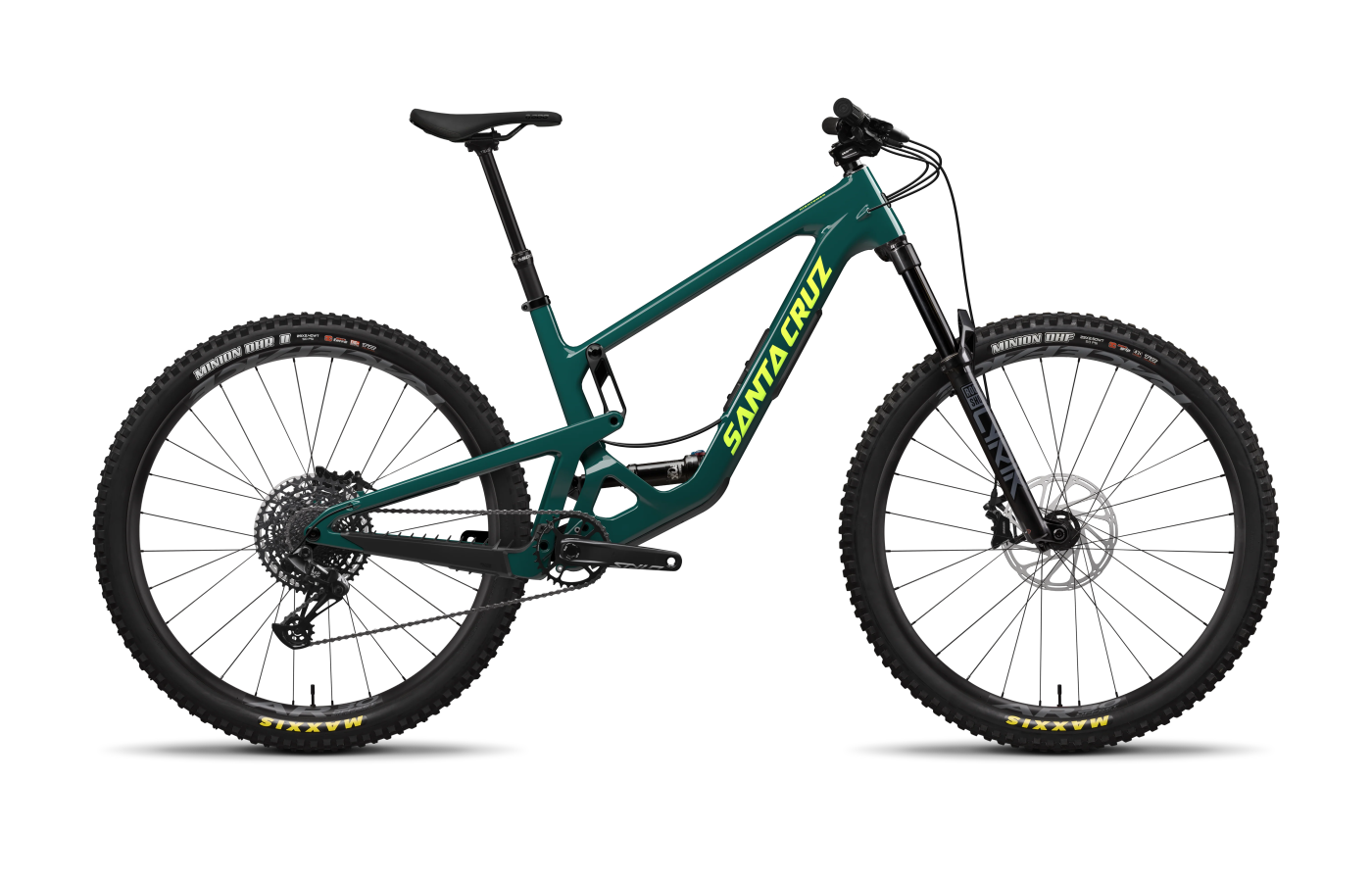
Hightower
Santa Cruz's VPP-suspended take on the same 145/150 mm trail brief — pedals more efficiently than the DW-Link Ibis but costs noticeably more for comparable parts.
Compare →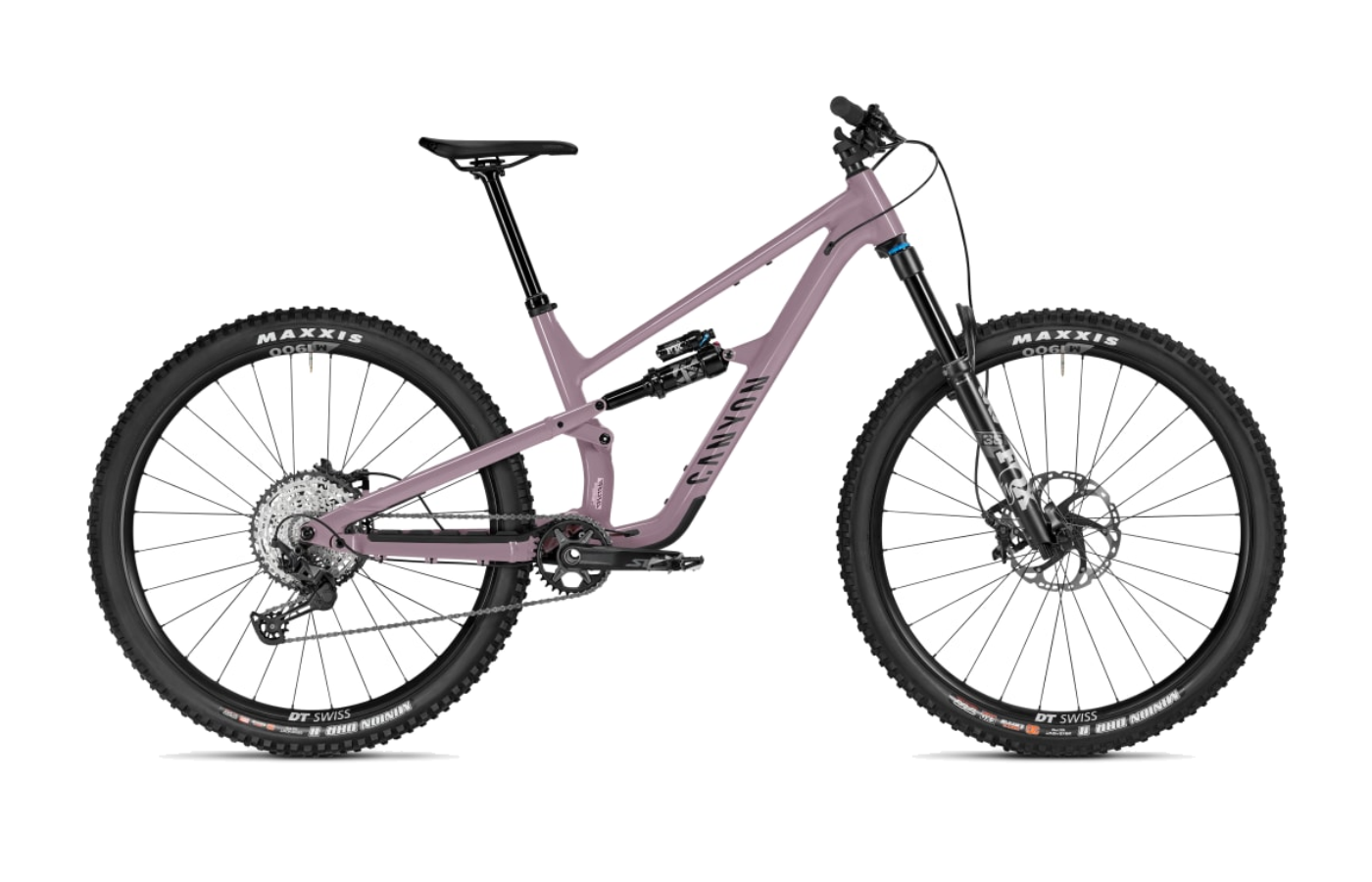
Spectral
Canyon Spectral — the other DTC heavyweight, with longer and slacker geometry than the Jeffsy. The right call if high-speed stability matters more than playful corner whip.
Compare →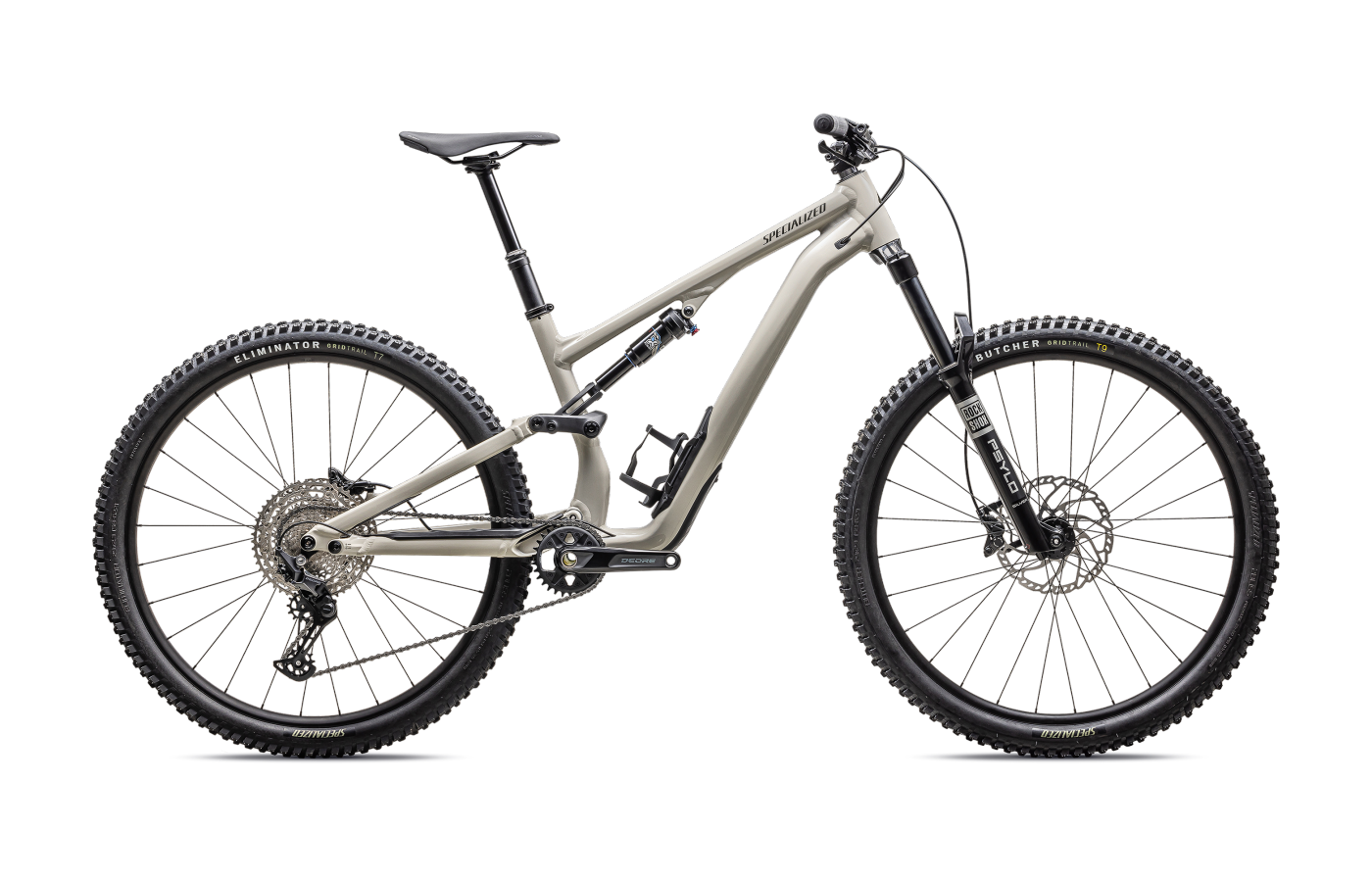
Stumpjumper
Specialized Stumpjumper — the trail-bike benchmark, lighter and more traditional in feel. Less mini-enduro capability than either the Jeffsy or Ripmo when the trails get truly rough.
Compare →