Libre
vsCheckpoint
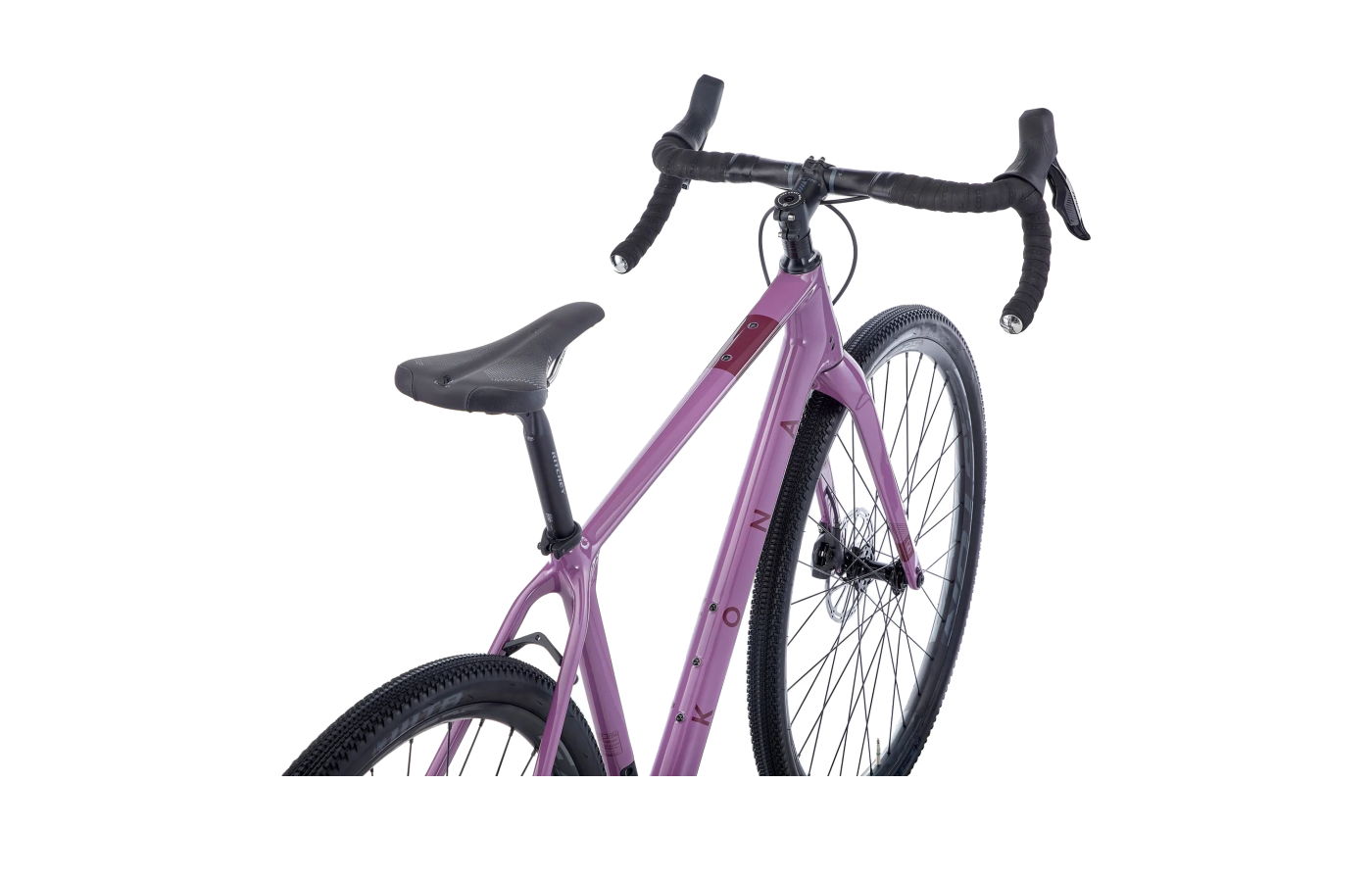
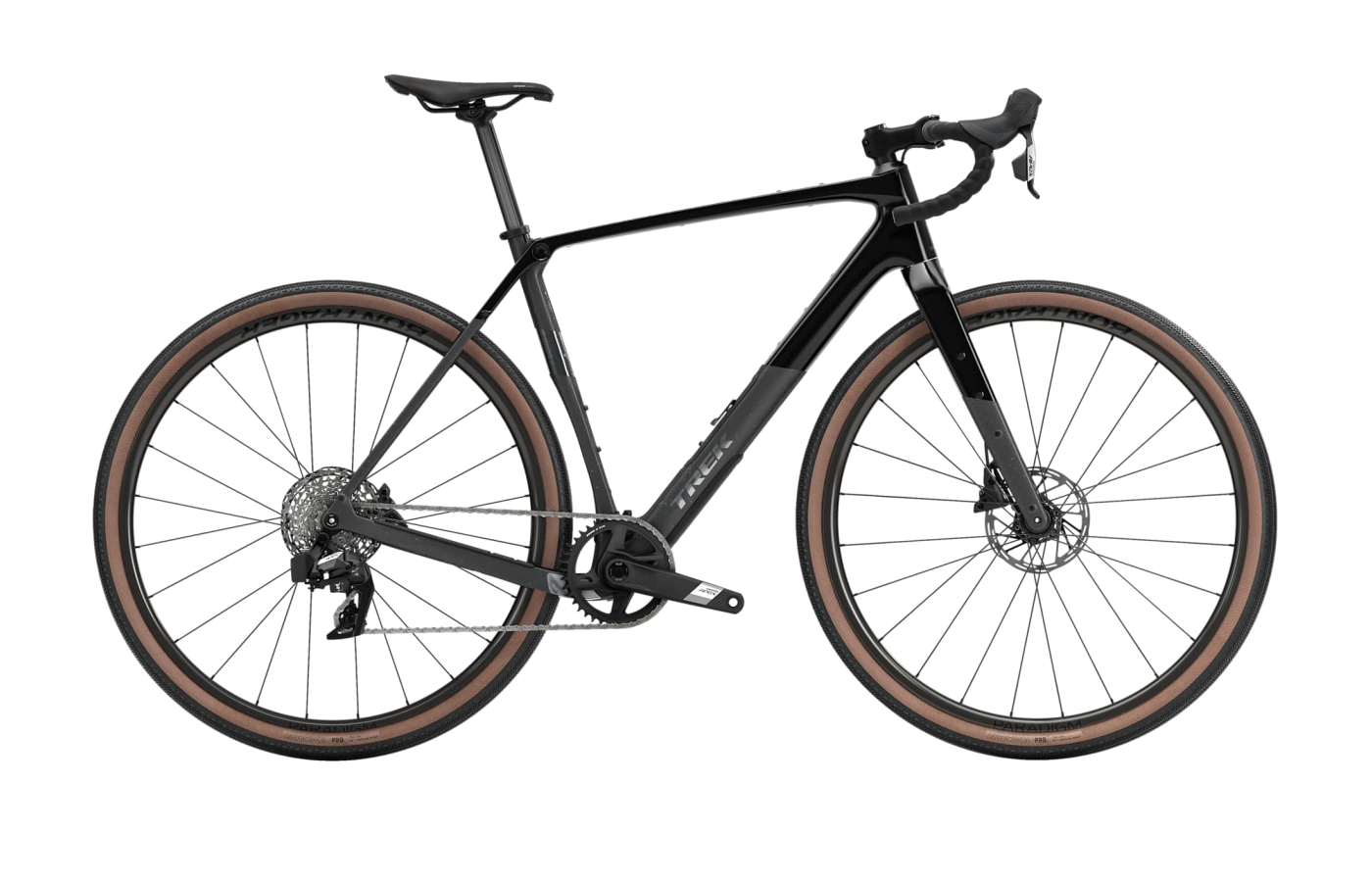
Two takes on the do-it-all gravel bike.
The Kona Libre G2 went racier and snappier. The Trek Checkpoint Gen 3 went softer and longer — pure endurance with IsoSpeed damping.
Libre
- Race-ready geometry — steep 74.5 seat tube and 435 mm chainstays put you over the bottom bracket for snappy climbs.
- Engaging, planted handling — reviewers call it 'fast, playful, and fun as hell' on mixed terrain.
- Clean, serviceable build — standard 27.2 mm seatpost, no proprietary cockpit, PF86 BB reviewers report as creak-free.
- Only two builds — no mid-tier option between $2,099 alloy and $4,399 carbon.
- No frame compliance system; wider tires are the only way to smooth out chunky terrain.
Checkpoint
- IsoSpeed rear compliance — a seat-tube decoupler that takes the sting out of washboard without adding bob.
- Six builds from $1,599 — the deepest price ladder in this segment, alloy through carbon.
- Internal downtube storage — a hidden tool compartment the Libre doesn't offer, plus integrated frame-bag mounts.
- Taller stack and shorter reach feel conservative to racier riders.
- Headset-routed cables make mechanical-shifting builds (ALR 3/4) expensive to service.
Editor’s analysis
Both are full-carbon, 50 mm-clearance gravel bikes at roughly the same price — but they're chasing opposite riders. One wants to go fast, the other wants to go far.
On paper, the Kona Libre and Trek Checkpoint land in the same modern-gravel bracket: both cap tire clearance at 50 mm, both offer wireless electronic shifting in the mid-four-figure range, both use SRAM's Universal Derailleur Hanger for drivetrain future-proofing. But the philosophies behind the geometry are almost mirror opposites.
The Kona Libre got racier with the G2 update. A steeper seat tube angle, shorter reach-to-stack ratio, and 435 mm chainstays pushed it toward the performance-gravel end of the spectrum — reviewers described it as 'light on its feet,' 'frothing' for climbs, and happy on singletrack well beyond what the tire volume suggests. Kona voids the frame warranty if you try to bolt on a suspension fork; this bike is a rigid, race-oriented tool.
The Trek Checkpoint went the other way. Trek moved its gravel race duties over to the new Checkmate and re-positioned the Checkpoint around 'Gravel Endurance' — shorter reach, taller stack (11 mm taller, 9 mm shorter reach on a Large versus Gen 2), and crucially the IsoSpeed decoupler at the seat tube. Reviewers consistently describe it as 'subtle,' 'calming,' a bike that leaves you 'fresh' after four-hour days. You can bolt a short-travel suspension fork to it if you want.
Put another way: the Libre is what you buy if your gravel rides have stopwatches on them. The Checkpoint is what you buy if your gravel rides have overnight gear strapped to them — or if you just want the roughest chatter filtered out before it reaches your hands.
Where the builds differ.
Comparing our editor's-pick builds side-by-side. Winners highlighted row-by-row — lower price and weight, and the better-spec component, each mark a point.
Build variants & pricing
The Checkpoint ladder starts $500 lower and tops out $2,100 higher. The Libre offers only two builds — an alloy entry and a carbon flagship with nothing in between.
Prices are current US MSRP. Our editor's picks are the Libre CR ($4,399) and Checkpoint SL 5 AXS Gen 3 ($3,499) — both full carbon, both running SRAM Apex XPLR AXS 1x12 electronic. That's an apples-to-apples spec set, though the Checkpoint SL 5 comes in $900 cheaper.
How they fit, how they steer.
Size 50 Libre vs. size S Checkpoint — the fit-picked sizes for a 5'8" rider on each. The Checkpoint sits 9 mm lower and 1 mm longer in reach, with a 0.9-degree steeper head tube and an 18 mm shorter wheelbase. The Libre is the longer, more stable platform; the Checkpoint is the more upright, more nimble one.
Which size should I buy?
Size recommendations use stack, reach, and effective top tube. The Libre runs 48–58 (six sizes); the Checkpoint runs XS–XL (six sizes) with ML splitting the middle.
→These are starting points. Flexibility, riding style, and preferred position all shift the answer — if you’re between sizes, a professional fit beats a chart.
What the magazines said.
Published reviews from trusted cycling outlets. Click through for the full write-up.
Which one should you buy?
If you race gravel or ride it hard, get the Libre. If you ride long, load bags, and want the day to hurt less, get the Checkpoint.
Libre
If your gravel rides are fast group rides, local races, or spirited singletrack detours, the Libre's steeper seat tube and shorter chainstays reward aggressive riding. It's a rigid, direct, unfiltered tool — you feel what's happening under the tires, for better or worse.
Checkpoint
If your gravel rides are all-day loops, bikepacking overnighters, or rough commutes, IsoSpeed and the upright Gravel Endurance geometry reduce fatigue in a way the Libre can't match. The six-build range also means you can buy in at $1,599 or $6,499 without leaving the platform.
Questions buyers actually ask.
Short answers to the things we get emailed about most often.
01Which is more comfortable over long rough gravel?
The Trek Checkpoint, by a clear margin on the SL (carbon) builds. The IsoSpeed decoupler at the seat tube lets the seatpost flex rearward over high-frequency chatter — reviewers describe it as a 'calming sensation' and a 'pseudo-suspension' that takes the sting out of washboard without the bob of a real suspension.
The Kona Libre has no frame compliance system. It relies entirely on its 27.2 mm seatpost and tire volume for damping. Reviewers note it feels 'less surefooted' on chewed-up surfaces than softer-riding rivals — it's quick, but it's transmitting more of the terrain to you.
02Which is faster on smooth gravel and pavement?
The Kona Libre. Reviewers repeatedly describe it as 'fast. Really fast,' 'light on its feet,' and 'eager to go up.' The steeper 74.5-degree seat tube (at size 50) puts the rider more directly over the bottom bracket for power transfer, and the shorter 435 mm chainstays make it more responsive out of the saddle.
The Checkpoint is no slouch — reviewers call it 'zesty' and 'lively under surges of power' — but its Gravel Endurance geometry is tuned for sustained efficiency, not sprinting. If your rides have KOMs on them, the Libre is the sharper tool.
03What's the maximum tire clearance on each?
Both frames officially clear 50 mm tires on 700c wheels.
The Libre ships with 45 mm WTB Vulpine tires; Kona lists 50 mm as the cap, though some reviewers noted the stated clearance as 45–48 mm depending on fender setup.
The Checkpoint ships with 42 mm Bontrager Girona tires on every build and officially clears 50 mm — so there's meaningful volume headroom if you want to run plusher rubber for rough terrain or bikepacking.
04Can I run a suspension fork on either?
Only on the Trek Checkpoint. The Gen 3 ALR (and Velo's review confirmed the same frame geometry across the line) is rated for short-travel suspension forks.
The Kona Libre is not. Kona explicitly states that the Libre CR's geometry is 'not suspension corrected' and will void the warranty if a suspension fork is paired with it. This one's a rigid-carbon race platform, full stop.
05Which has better build-tier range?
The Checkpoint, by a wide margin. Trek offers six builds from the $1,599 ALR 3 (Shimano CUES 10-speed alloy) up to the $6,499 SL 7 AXS Gen 3 (SRAM Force AXS, carbon wheels, IsoSpeed). That includes an alloy-with-carbon-fork value king in the ALR 5 at $2,299.
Kona's Libre has only two builds: the $2,099 Base (Shimano CUES, alloy frame) and the $4,399 CR (SRAM Apex AXS, carbon frame). Nothing in between. If your budget is $3,000–$3,500, the Libre doesn't have a build for you.
06How serviceable are the cable routing systems?
The Libre uses fully guided internal cable routing through standard frame ports — reviewers repeatedly called the maintenance experience 'thoughtful' and noted a removable bottom-bracket door for easier internal access.
The Checkpoint routes cables through the headset top cap. Stem swaps are easier than fully integrated systems (the cables run under the stem, not through it), but the tight bends required for headset routing are a concern on mechanical-shifting ALR builds — one technical editor reported shift-cable replacements running as high as $200 in labor. Electronic builds avoid this entirely.
07Is the Libre's PF86 press-fit bottom bracket a durability concern?
Reviewers say no, not in practice. Multiple long-term testers reported the PF86 on the Libre G2 'noise-free since day one,' and Kona's installation is praised. The Checkpoint uses a T47 threaded bottom bracket, which is generally considered the more service-friendly standard.
In real use, both are solid. Press-fit earned its bad reputation on earlier designs; modern PF86 installs — done correctly — typically stay quiet for the life of the bike.
08What warranty coverage do they include?
Both frames carry a lifetime warranty on the frame against manufacturing defects to the original owner. Kona also covers the complete bicycle for 1 year. Trek's Care Loyalty program adds a dealer-network benefit that direct-to-consumer brands can't match — something worth factoring in if you value having a shop do warranty claims for you.
Similar bikes
If your priorities don’t map cleanly onto either of these, one of these adjacent bikes probably fits better.
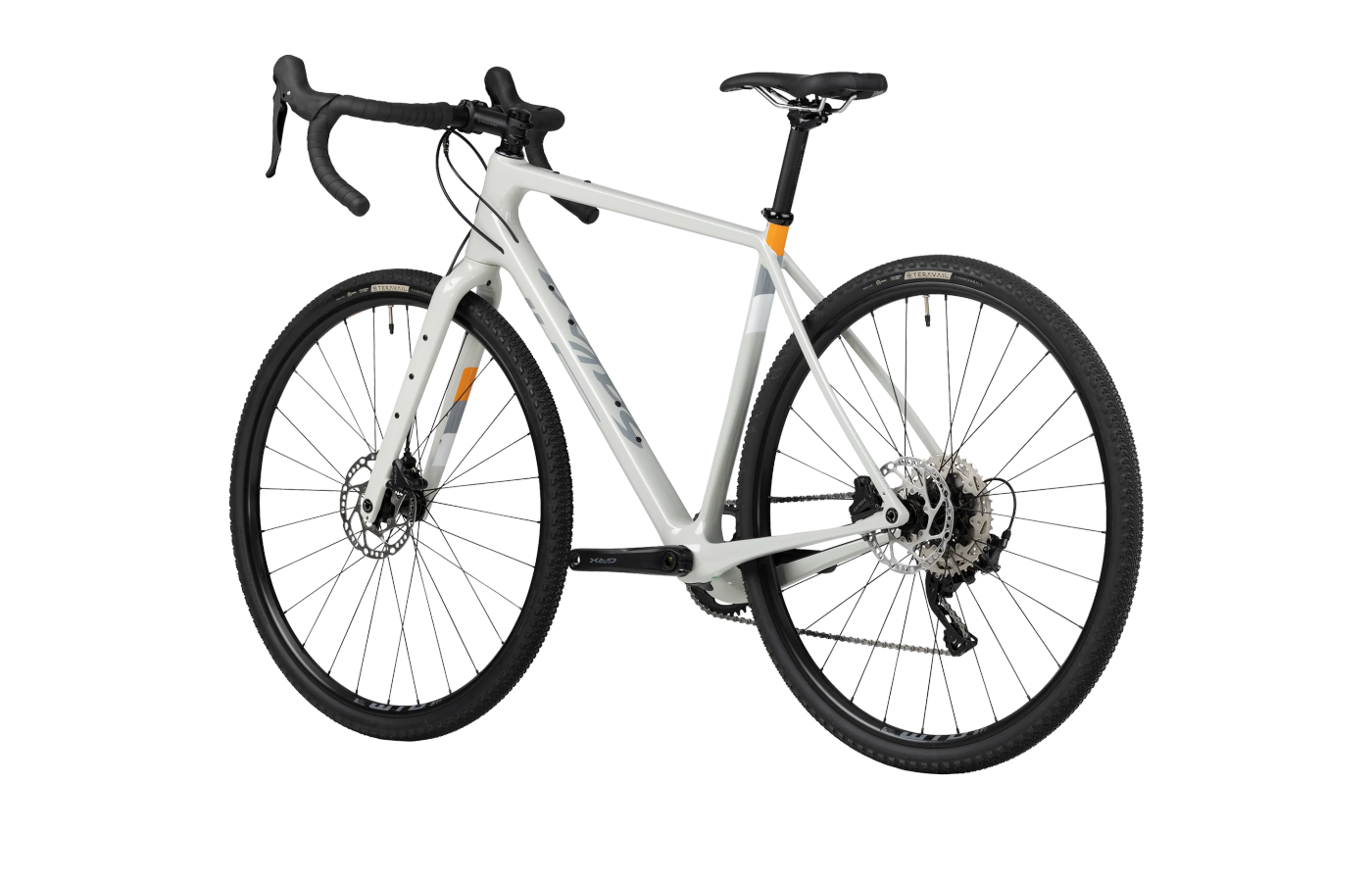
Warbird
Salsa's long-running endurance gravel bike — comfortable over distance, ample tire clearance, and a more adventure-leaning personality than the Libre. A natural cross-shop if you're drawn to the Checkpoint's bikepacking side.
Compare →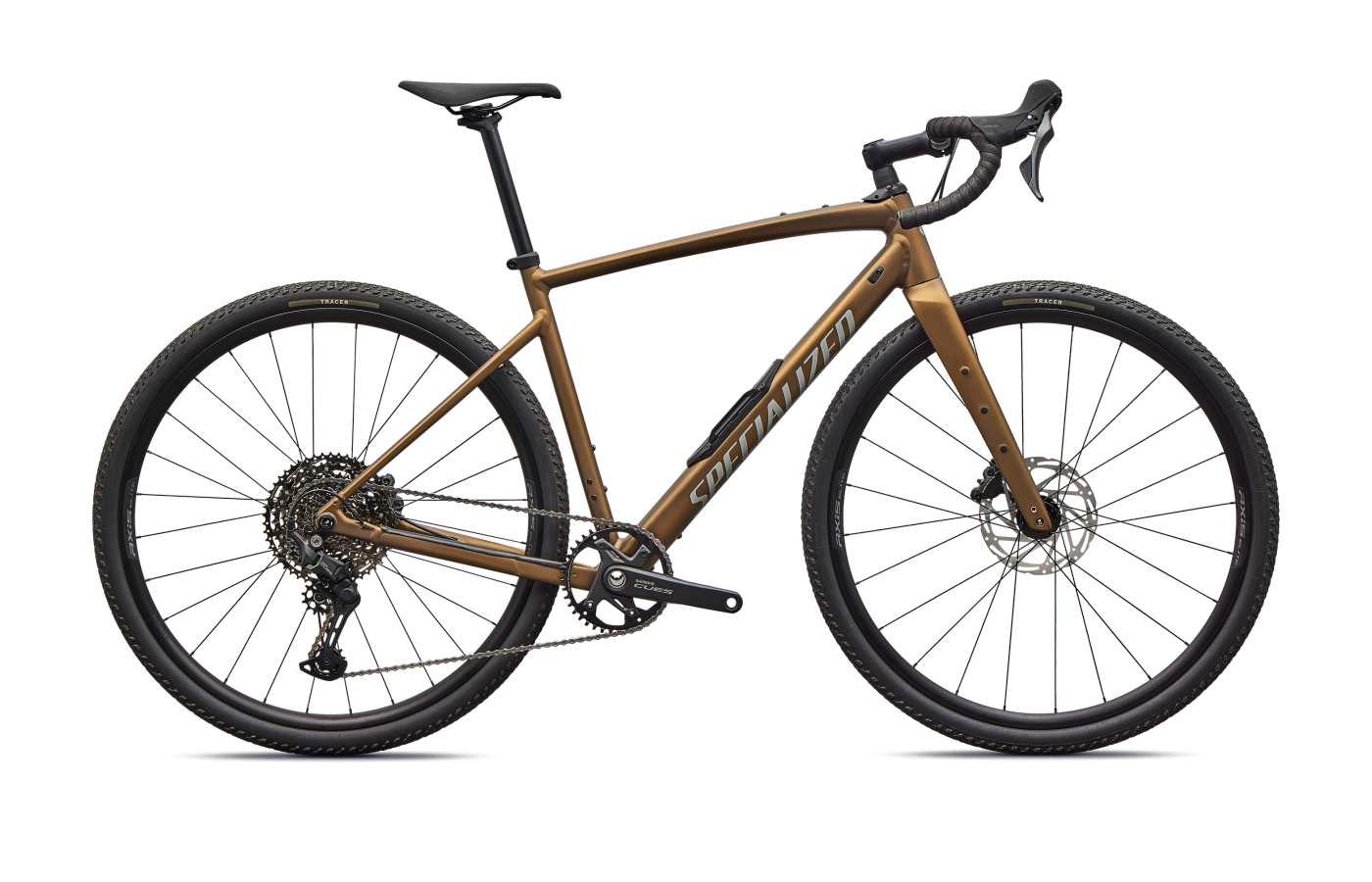
Diverge
Specialized's do-it-all gravel bike, with optional Future Shock front-end compliance on higher trims. Generous clearance and a broad build range make it a direct cross-shop against both bikes here.
Compare →Grizl
The adventure-leaning Canyon — rugged construction, extensive mounts, and direct-to-consumer pricing that undercuts both the Libre and Checkpoint on equivalent spec. Best if you know your fit and don't need dealer support.
Compare →