Rift Zone
vsFluid FS
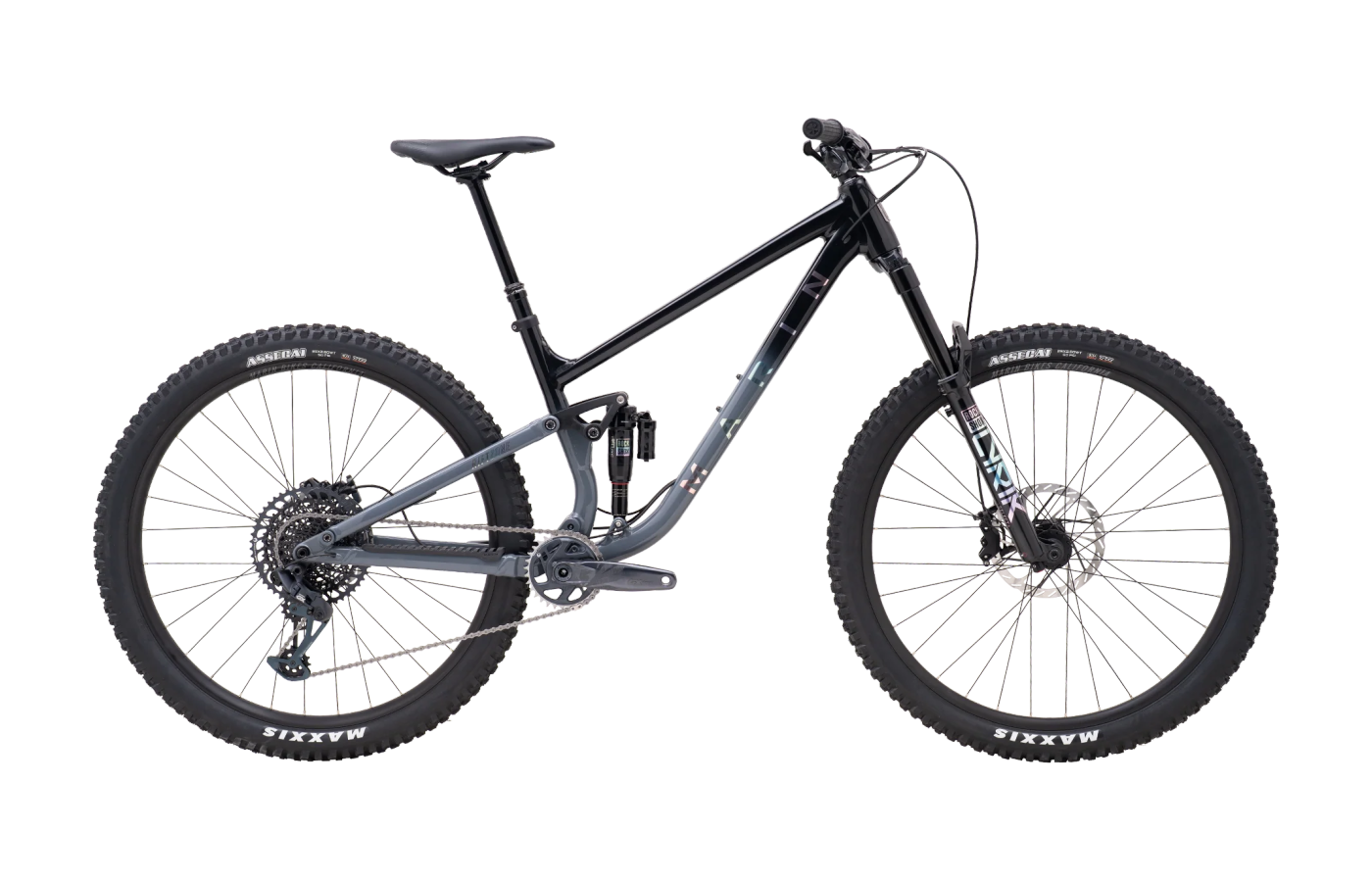
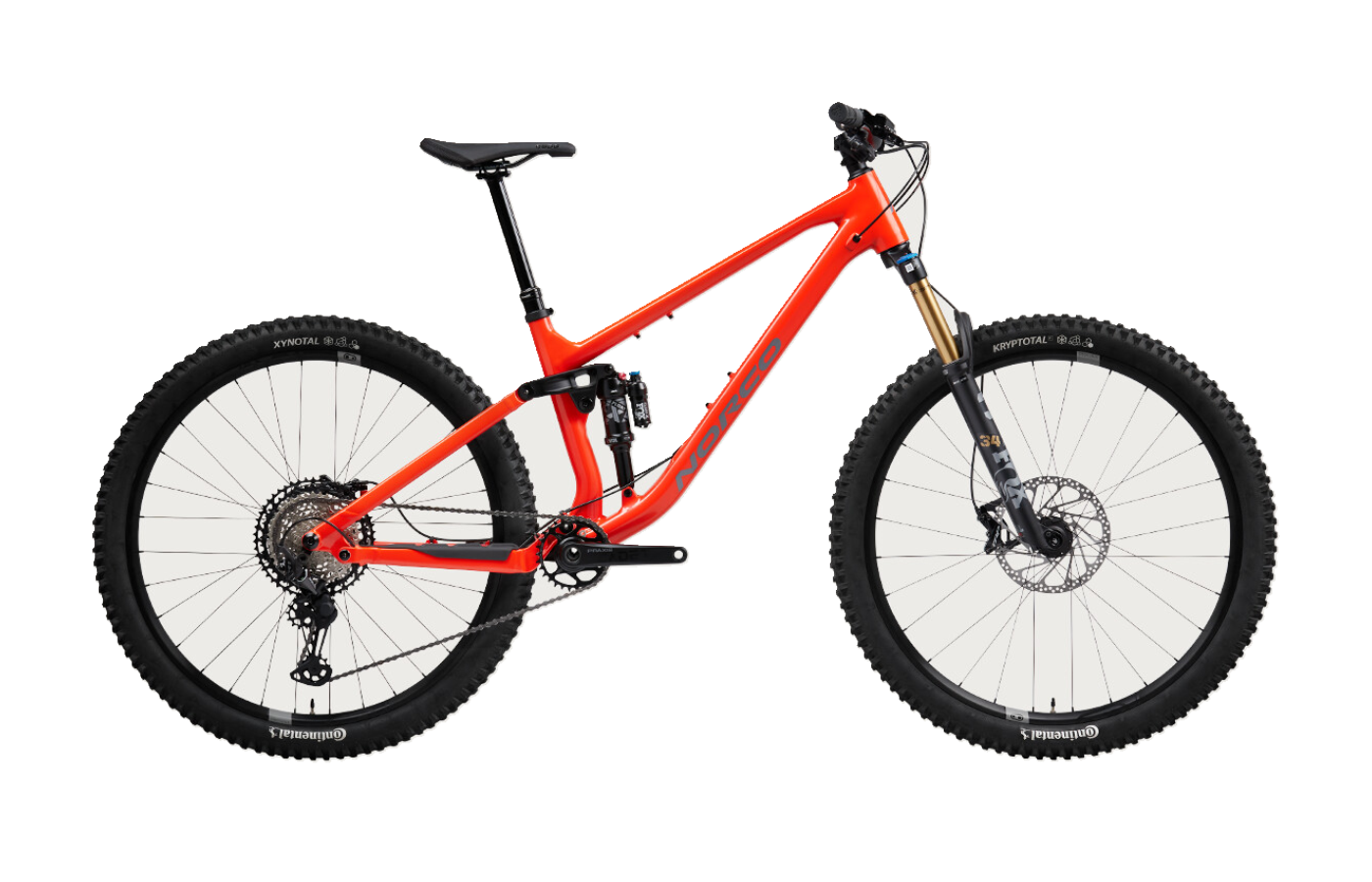
Two 130 mm alloy trail bikes, two attitudes.
The Rift Zone is a party-first shredder with an enduro fork bolted on. The Fluid FS is the composed all-rounder — size-tuned geometry, plusher suspension, calmer on the gas.
Rift Zone
- Over-forked for its travel — 150 mm Lyrik on XR builds makes 130 mm rear feel like a mini-enduro bike.
- Playful short chainstays — a flat 430 mm across every size rewards manuals and quick direction changes.
- Progressive MultiTrac suspension — supple off the top, ramps hard at the end, rarely bottoms out.
- Stock Maxxis Assegai tires are high-grip but demonstrably draggy; swapping the rear is the universal first upgrade.
- Entry builds ship 2-piston Shimano MT200 brakes that reviewers almost unanimously call under-powered.
Fluid FS
- Ride Aligned size-specific geometry — per-size chainstays, seat-tube angles, and dropper lengths from S to XXL.
- Active Horst-link suspension — rides like it has more travel; class-leading climbing traction on rocky steps.
- Big size range — S through XXL means riders on either end of the bell curve actually get a fit.
- Heavier than competitors on the scale (~15.9 kg on the A1); carries well but not a spritely climber.
- Long wheelbase that rewards wide-open corners gets awkward on ultra-tight switchbacks.
Editor’s analysis
Same travel, same price bracket, same alloy frame — and yet these two bikes pull toward opposite ends of the trail category.
On paper the Marin Rift Zone and Norco Fluid FS look almost interchangeable. Both are 6061 alloy, both run 130 mm out back, both sit in the $1.8k–$4.7k range, both have threaded BBs, UDH, and ISCG tabs. Reviewers at Flow, BikeRadar and Pinkbike actually cross-shop them directly. Dig into the geometry and component choices and they diverge fast.
The Marin Rift Zone is built to punch above its travel. Marin ships a 140 mm fork on most builds and a full 150 mm Lyrik Select+ on the XR models — reviewers repeatedly describe it as feeling like a "mini-enduro rig" on descents. The chainstays are a stubby 430 mm across every size, which gives it a back-wheel-loving, manual-happy character but makes the front end wander on very steep climbs. MultiTrac suspension is supportive and progressive; the stock Assegai tires are grippy but genuinely draggy on flats.
The Norco Fluid FS picks the other lane: stability and consistency. Its Horst-link back end is the plusher, more active of the two — multiple reviewers say it "feels as though it has more travel than it does." Norco's Ride Aligned system tunes chainstay length and seat-tube angle to each frame size, so the S-rider and the XXL-rider get the same balance point. The wheelbase is a touch longer than the Marin at most sizes, and at 140 mm up front the Fluid leans composed where the Rift Zone leans rowdy.
Put another way: if you chase descents first and will tolerate a sluggish climb to get there, the Marin Rift Zone is your bike. If you want one bike that climbs comfortably, stays calm at speed, and fits genuinely well whether you're 5'2" or 6'4", the Norco Fluid FS is the sharper tool for the job.
Where the builds differ.
Comparing our editor's-pick builds side-by-side. Winners highlighted row-by-row — lower price and weight, and the better-spec component, each mark a point.
Build variants & pricing
Both platforms span roughly $2k at the alloy end, topping out near $4k–$4.7k. The Marin XR ($3,699) and Norco A1 Shimano ($3,399) are the enthusiast-favorite tier on each side.
Prices are current US MSRP. Neither bike is offered with a carbon frame in the Rift Zone lineup; Norco does offer carbon C-series Fluid FS models above the A-tier if you want to spend more. A $300 pricing gap at the editor's-pick tier reflects the Marin's longer-travel 150 mm Lyrik fork versus the Norco's 140 mm Fox 34.
How they fit, how they steer.
Both at size M, the fit-picked size for a 5'8" rider on each bike. Reach is within 10 mm (460 vs 450), head angles are within 0.1° (65.1 vs 65.0), wheelbases within 1 mm. Chainstays are identical at this size — 430 mm on both — though the Norco stretches its back end on L/XL/XXL where the Marin stays flat.
Which size should I buy?
Size recommendations based on stack, reach, and effective top tube. The Fluid FS offers S through XXL; the Rift Zone tops out at XL.
→These are starting points. Flexibility, riding style, and preferred position all shift the answer — if you’re between sizes, a professional fit beats a chart.
What the magazines said.
Published reviews from trusted cycling outlets. Click through for the full write-up.
Which one should you buy?
If you live for descents and want an over-forked party bike, get the Rift Zone. If you want one balanced trail bike that climbs comfortably and fits any size rider, get the Fluid FS.
Rift Zone
For the rider who picks trails by how fast and rocky they are on the way down, and doesn't mind a sluggish climb to earn it. The 150 mm fork and 430 mm stays make the Rift Zone XR feel like a 150 mm bike with a 130 mm rear end — which is kind of the point.
Fluid FS
For the rider who wants one bike to climb comfortably, descend confidently, and fit well across a wide range of body sizes. Norco's Ride Aligned geometry and the plusher Horst-link back end make the Fluid FS feel composed on everything from technical climbs to rough descents.
Questions buyers actually ask.
Short answers to the things we get emailed about most often.
01Which climbs better?
The Norco Fluid FS, despite weighing about the same. Reviewers consistently describe the Fluid as a "traction monster" on technical climbs — the active Horst-link suspension keeps the rear wheel planted over roots and rocky steps, and the size-specific seat-tube angle (76.3° at M, up to 77.3° on XXL) centers the rider over the cranks.
The Rift Zone climbs "satisfactorily" in reviewers' words, but the combination of a high front end, 430 mm chainstays across all sizes, and very draggy Assegai tires makes it feel sluggish on long fire-road climbs. Flow Mountain Bike and Pinkbike both flagged the front wheel wandering on ultra-steep pitches.
02Which is more capable on descents?
The Marin Rift Zone, especially in the XR build with the 150 mm Lyrik. Multiple reviewers describe it as feeling like a "mini-enduro rig" — the over-forked front end, short 430 mm chainstays, and progressive MultiTrac rear give it descending composure well beyond its 130 mm of travel.
The Fluid FS is no slouch on the way down — reviewers at Vital and BikeRadar call it "incredibly confident, calm and planted" and say it can "plow through chunk for days." But with a 140 mm fork and longer wheelbase, it's tuned for stability rather than the Rift Zone's aggressive, back-wheel-loving attitude.
03How do they compare on geometry at size M?
Remarkably close. The Rift Zone M has a 460 mm reach, 628 mm stack, 65.1° head angle, 76.5° seat angle, and 430 mm chainstays. The Fluid FS M has a 450 mm reach, 626 mm stack, 65.0° head angle, 76.3° seat angle, and 430 mm chainstays. Wheelbase is within 1 mm (1205 vs 1205).
The platforms diverge more at other sizes: Norco uses size-specific chainstays (425 mm at S through 445 mm at XXL), while Marin keeps every size at 430 mm. That means the Norco's character changes with size; the Marin's doesn't.
04How do I pick between the editor's-pick builds?
The Marin Rift Zone XR ($3,699) and Norco Fluid FS A1 Shimano ($3,399) are the enthusiast-favorite builds on each platform. Both run mechanical one-down drivetrains (SRAM GX Eagle on the Marin, Shimano XT on the Norco).
The $300 price gap buys you 10 mm more front travel on the Marin (150 mm RockShox Lyrik Select+ vs 140 mm Fox 34 Factory GRIP2) and a SRAM Code-class 4-piston brake. The Norco spends its budget on a Fox 34 Factory fork with the GRIP2 damper — more tunable — and TRP Trail EVO 4-piston brakes that reviewers consistently call "phenomenal." Both are excellent for the money.
05Are there cheaper builds worth considering?
Yes, but with caveats. The Rift Zone 2 ($2,399) is "an incredible trail bike value" per MBA, but the 2-piston Shimano MT200 brakes are the single most-complained-about spec choice on Marin's lineup — plan on upgrading early. The Fluid FS A3 ($2,099) gets you Norco's excellent Ride Aligned frame with 4-piston Tektro brakes and a RockShox Recon fork; the Recon is a "lowlight" for aggressive riders but workable for mellower trails.
Both brands explicitly design their alloy frames as upgrade platforms — buying the cheaper build and spending the difference on better brakes or tires is a legitimate strategy.
06How do the stock tires compare?
The Rift Zone XR ships with Maxxis Assegai 2.5" MaxxTerra EXO front and rear. Grippy, durable, and universally described as draggy — multiple reviewers suggested swapping the rear for something faster-rolling as a first upgrade.
The Fluid FS A1 ships with a Continental Kryptotal Trail 2.4" front, Xynotal Trail 2.4" rear. A bit faster-rolling than the Assegais, but the casings are often flagged as thin for aggressive riders — swap to a burlier casing or run inserts if you're hard on tires.
07What sizes are available?
The Marin Rift Zone comes in S, M, L, XL (reaches 415–515 mm). The Norco Fluid FS comes in S, M, L, XL, and XXL (reaches 420–540 mm), with size-specific chainstay lengths ranging from 425 mm on the S to 445 mm on the XXL. If you're above 6'4" or on either end of the bell curve, the Norco is the more considered fit.
08Which has a better warranty and dealer network?
Norco offers a 5-year limited frame warranty to original owners and has a strong traditional dealer network; several reviewers who experienced pivot, hub, or fork issues reported responsive warranty service.
Marin sells direct-to-consumer in some markets (including Australia via Bikes Online) and through dealers in others. Past Rift Zone chainstay breakage issues surfaced in Pinkbike user comments on the previous generation, but Marin was reported as "great" about warranty replacements. The current generation has not shown the same pattern in reviews.
Similar bikes
If your priorities don’t map cleanly onto either of these, one of these adjacent bikes probably fits better.
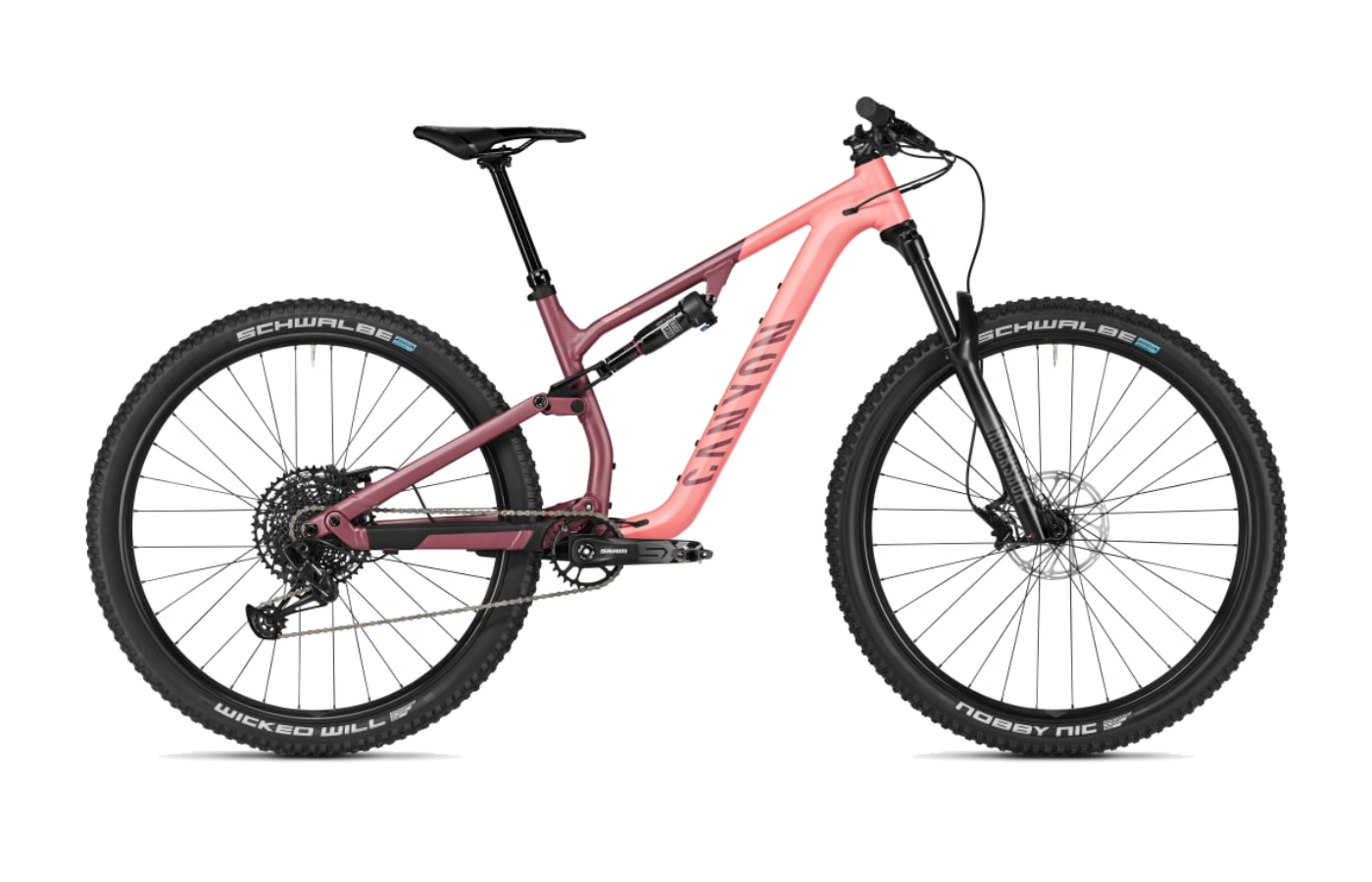
Neuron
The other direct-to-consumer value play — similar travel and geometry to the Rift Zone, often cheaper by a few hundred bucks, and a frequent cross-shop for the same buyer. No dealer, no demo, but the savings are real.
Compare →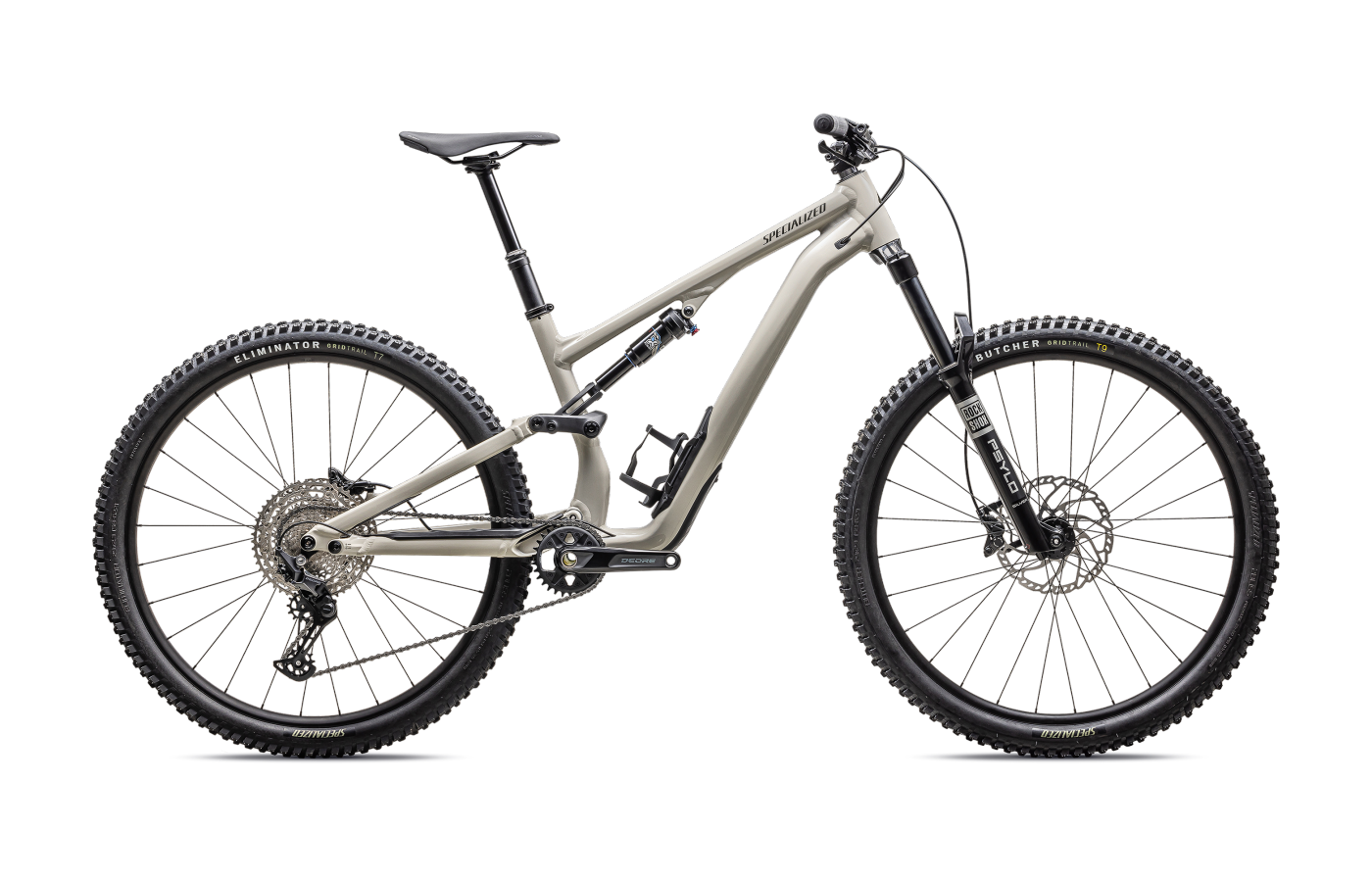
Stumpjumper
The benchmark mid-travel trail bike. Pricier than either of these two in carbon, but the go-to reference for what a refined all-around trail platform should ride like.
Compare →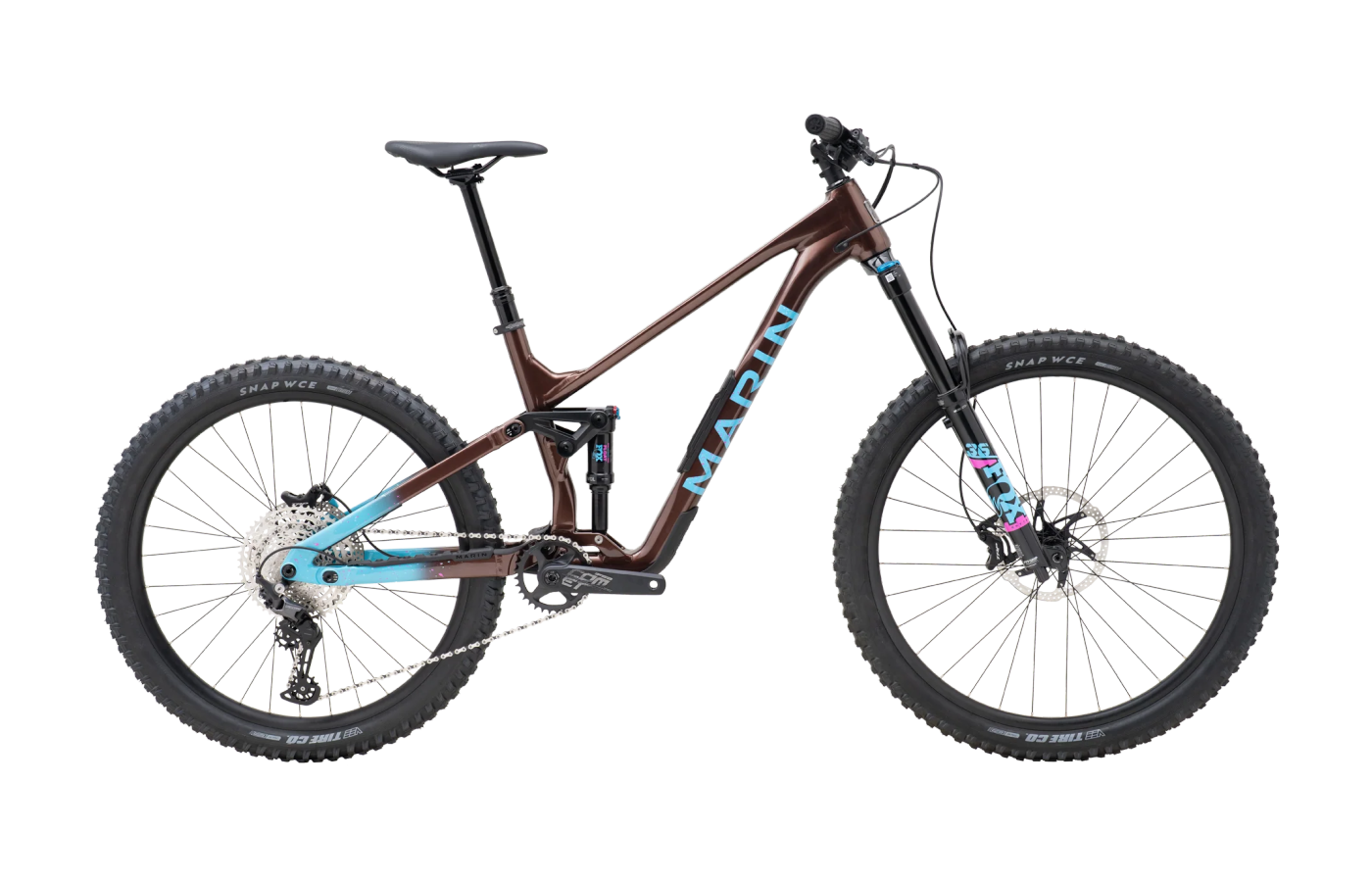
Alpine Trail
If 130 mm rear and 150 mm front still isn't enough, Marin's own Alpine Trail runs more travel and a slacker head angle on the same robust alloy formula. For riders who want the Rift Zone attitude but on genuinely enduro terrain.
Compare →