Optic
vsSight
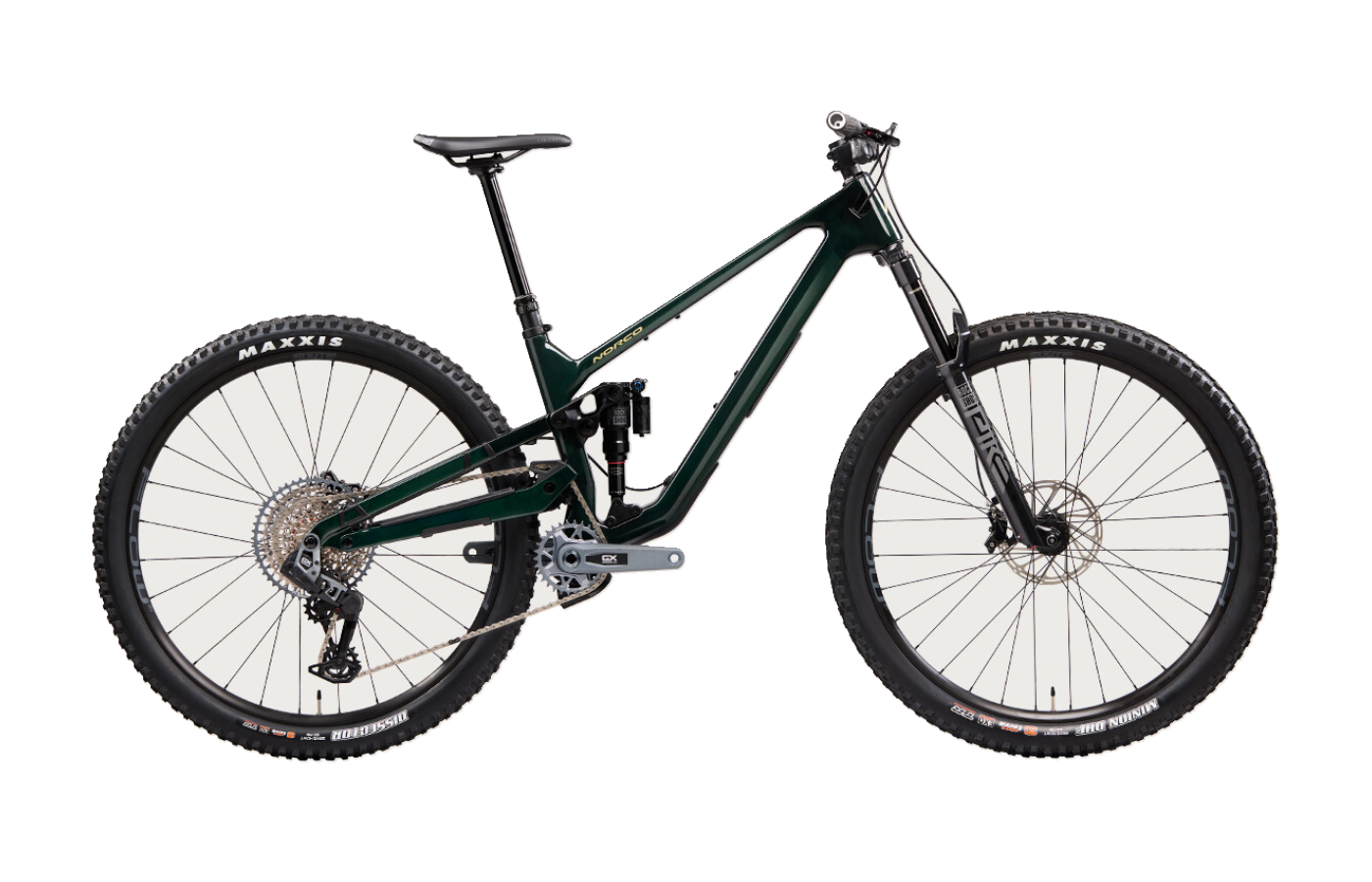
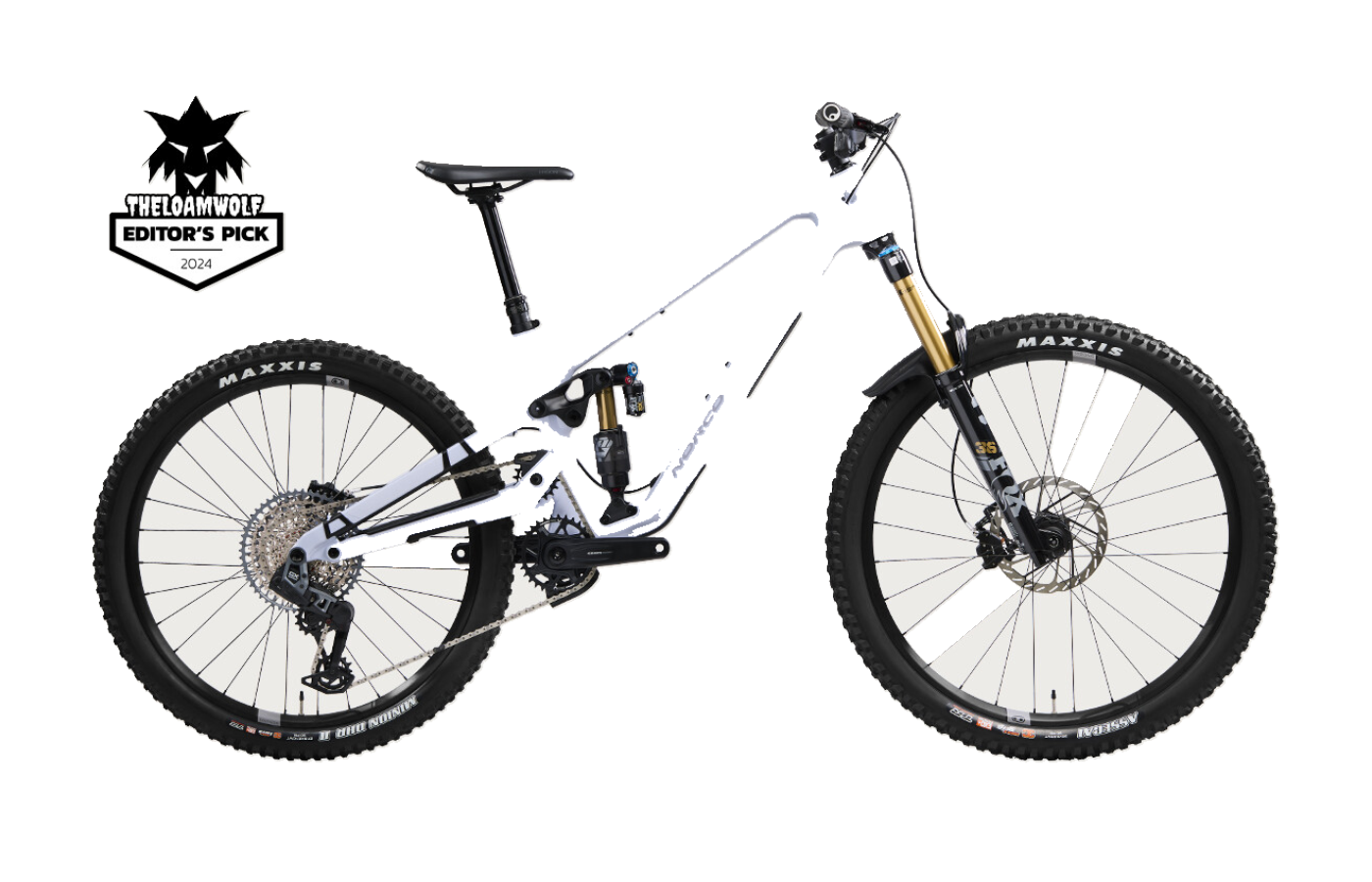
Same idler, different attitudes.
The Optic is a 125 mm trail bike that descends like it has more. The Sight is a 150 mm all-mountain platform built to plow.
Optic
- Lighter and livelier — 14.7 kg on the C1; 27 mm shorter wheelbase than the Sight at S3 keeps it nimble in tight terrain.
- Short-travel descender — the rearward axle path makes 125 mm feel closer to 150; reviewers consistently say it 'punches above its weight.'
- Sharper climber — one degree steeper head tube (65°) and a shorter wheelbase make technical climbs less of a chore than on the Sight.
- Flagship C1 ships with SRAM Level brakes — reviewers uniformly call them underpowered for the bike's descending capability.
- High-pivot idler adds noise and drag concerns that some reviewers (Bike Perfect, OutdoorGearLab) found meaningful.
Sight
- Built to plow — 150 mm rear / 160 mm front with 28% progression handles chunder the Optic can't.
- More stable at speed — 64° head angle and a 1,253 mm S3 wheelbase lock into high-speed lines the Optic has to pick more carefully.
- Better-spec'd brakes — Code-tier stoppers throughout the range, matching the bike's gravity intent.
- Heavy — 15.9 kg on the carbon C1, up to 17.8 kg on the A3.
- Long wheelbase can feel cumbersome on tight, low-speed technical climbs.
Editor’s analysis
Two high-pivots from the same Canadian brand — one is the short-travel bike that thinks it's bigger, the other is the enduro bike that remembers how to climb.
Norco ported the Virtual Pivot Suspension HP layout — first seen on their Aurum DH and Range enduro bikes — down into both the Optic and Sight for 2024. The idler pulley, rearward axle path, and size-specific chainstays are common to both. What's different is how much travel sits underneath you and what that travel is tuned to do.
The Norco Optic runs 125 mm rear / 140 mm front with a 65-degree head tube angle and 125 mm of downcountry-with-attitude intent. It's the lighter bike — the carbon C1 comes in around 14.7 kg — and reviewers consistently describe it as a short-travel rig that 'punches above its weight' on descents while staying poppy and nimble on flatter trails. The chainstays on a size S3 sit at 429 mm (29"), shorter than most high-pivot peers, and the bike eagerly takes to the air off natural features.
The Norco Sight steps up to 150 mm rear / 160 mm front and a full degree slacker at 64. It's the heavier, longer bike — a size S3 carries a 1,253 mm wheelbase versus the Optic's 1,226 mm, and weights run 15.9–17.8 kg depending on build. Reviewers call it 'ultra stable, ultra capable' and note it 'carries speed like nothing else,' but also note that its length can feel like a handful in tight low-speed climbs. Norco bumped the suspension progression from 18% to 28%, which makes the Sight a natural home for a coil shock.
Put another way: the Optic is the bike you grab when your local loops are punchy, technical, and you want to play with the trail. The Sight is what you grab when most of your riding time is spent pointed downhill and your 'trail' ride includes a shuttle or a chairlift.
Where the builds differ.
Comparing our editor's-pick builds side-by-side. Winners highlighted row-by-row — lower price and weight, and the better-spec component, each mark a point.
Build variants & pricing
Both ranges span carbon and aluminum, priced roughly $3.4k–$6.8k (Optic) and $2.8k–$6.3k (Sight).
Prices are current US MSRP. The editor's-pick pair tier-matches SRAM GX AXS Transmission on carbon frames — the Sight C1 150 MX runs ~$950 more than the Optic C2, mostly because the Sight's fork (Fox 36) and shock (Fox Float X2) are the burlier parts the longer-travel platform demands.
How they fit, how they steer.
Both compared at S2 (29). Reach is identical at 447.5 mm. The Sight sits 10 mm taller in stack, runs a head tube angle 1° slacker (64° vs 65°), and packs 7 mm more trail and 5 mm longer chainstays — all of it in service of stability.
Which size should I buy?
Norco's S1–S5 sizing overlaps generously. Pick by reach and stack preference; both bikes use size-specific chainstays that grow with the frame.
→These are starting points. Flexibility, riding style, and preferred position all shift the answer — if you’re between sizes, a professional fit beats a chart.
What the magazines said.
Published reviews from trusted cycling outlets. Click through for the full write-up.
Which one should you buy?
If you want the lighter, livelier bike that still handles rough descents, get the Optic. If most of your riding is steep, fast, and rough, get the Sight.
Optic
If your local loops involve punchy technical climbs and square-edge rock garden descents — and you refuse to lug a 35-pound enduro rig up the hill for the privilege — the Optic is the sharper tool. Pop-and-play energy with an insurance policy when the trail gets ugly.
Sight
If your weekends involve bike parks, enduro races, or trails where 'plow' is a verb, the Sight's 150 mm rear and 28% progression give you a calmer, more forgiving platform. You'll pay in weight and length, but you'll have far more bike underneath you on the way down.
Questions buyers actually ask.
Short answers to the things we get emailed about most often.
01Which descends better?
The Norco Sight, comfortably. An extra 25 mm of rear travel (150 vs 125), 20 mm more fork (160 vs 140), a full degree slacker head angle (64° vs 65°), and 28% progression make it the calmer, more forgiving bike when the trail gets steep and rough.
The Optic closes the gap more than its travel numbers suggest — reviewers consistently describe it as riding 'bigger than 125 mm' thanks to the rearward axle path. But once you're into true enduro terrain, the Sight's reserves win.
02Which climbs better?
The Norco Optic. It's roughly 1 kg lighter in equivalent builds (C1 at 14.7 kg vs Sight C1 150 MX at 15.9 kg), a degree steeper at the head tube, and its S3 wheelbase is 27 mm shorter. Technical punchy climbs feel markedly less sluggish.
Both bikes use Norco's tuned-anti-squat idler layout, which increases anti-squat in easier gears to reduce pedal bob when winching. Neither climbs like an XC bike; the Optic simply climbs less like an enduro bike.
03What's the difference in travel and geometry at size S2 (29)?
Travel: Optic 125 mm rear / 140 mm front. Sight 150 mm rear / 160 mm front.
Geometry (S2, 29"): Both share a 447.5 mm reach. The Sight runs 10 mm more stack (627 vs 617), a 64° head angle (vs 65°), 135 mm of trail (vs 128), a 430 mm chainstay (vs 425), and a 1,219 mm wheelbase (vs 1,193).
04Are both compatible with mullet (mixed-wheel) setups?
Yes. Both frames accept 29" or 27.5" rear wheels via Norco's Missing Link Kit — a link arm and lower shock mount that preserves geometry and kinematics across wheel sizes. Several Sight builds ship mullet from the factory (the C1 150 MX and C2 150 MX come configured as mullets out of the box). Reviewers generally found MX makes both bikes more nimble through tight turns, with some preferring the full 29er for straight-line composure.
05How noisy and draggy is the idler system?
Reviewer opinions are split. Most testers (Theradavist, MBA, AMBmag) called the idler on both bikes 'amazingly silent' and noted drag was 'less significant than on any other high-pivot bike.'
But others (Bike Perfect, OutdoorGearLab on the Optic) reported developing squeak, audible grumpiness in dry and dusty conditions, and in one case repeated chain drops off the idler pulley. The common thread: the idler rewards meticulous drivetrain cleaning and lube, and heavier flat-pedal riders may notice more pedal-cycle unevenness than lighter clipped-in riders.
06Are the brake specs any good?
This is a real difference between the platforms.
The Optic's flagship C1 ships with SRAM Level Stealth Silver four-piston brakes — and reviewers nearly unanimously call them underpowered for the bike's descending capability. Singletracks said they were 'gasping for air' on technical descents; Bike Perfect called them 'laughably weak.' Plan on a brake upgrade if you buy a C1.
The Sight is spec'd more appropriately throughout with Code-tier four-piston stoppers, matching its more gravity-focused intent. No immediate upgrade needed.
07Which should I pick if I want one bike for everything?
Most riders are better served by the Optic. Its 125 mm of travel and lighter weight mean it still pedals like a trail bike, while the high-pivot gives you a real insurance policy on rough descents.
Pick the Sight instead if your 'everything' already skews steep — frequent bike-park days, enduro races, or terrain where you'd otherwise be reaching for a 160+ mm enduro bike. The Sight is 'one bike' for that rider, not for the person whose Sunday ride is a fire-road climb and a flowing descent.
08What about tire clearance?
Both frames clear up to 61 mm (roughly 2.4" on a standard rim), which covers anything you'd reasonably want on a trail or all-mountain bike. Stock tires are appropriately meaty: the Optic ships with Maxxis Minion DHF / Dissector in the 2.4–2.5" range; the Sight with Maxxis Assegai / Minion DHR II in similar widths but with the grippier MaxxGrip compound up front reflecting its descending bias.
Similar bikes
If your priorities don’t map cleanly onto either of these, one of these adjacent bikes probably fits better.
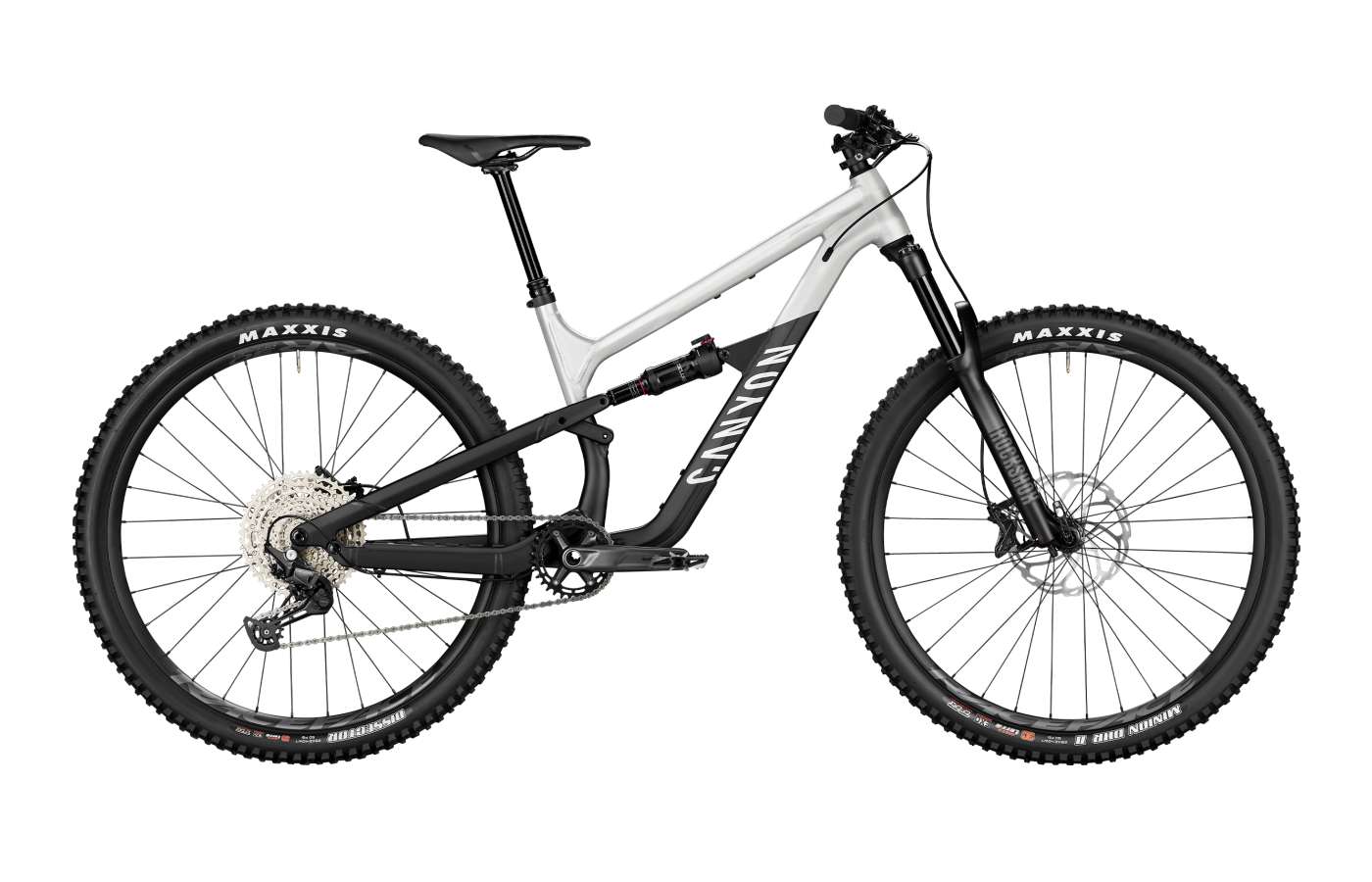
Spectral 125
The **Canyon Spectral 125** covers similar short-travel aggressive-geometry turf as the Optic, but with a traditional four-bar layout — lighter and snappier on the climbs, at the cost of the Optic's square-edge bump absorption.
Compare →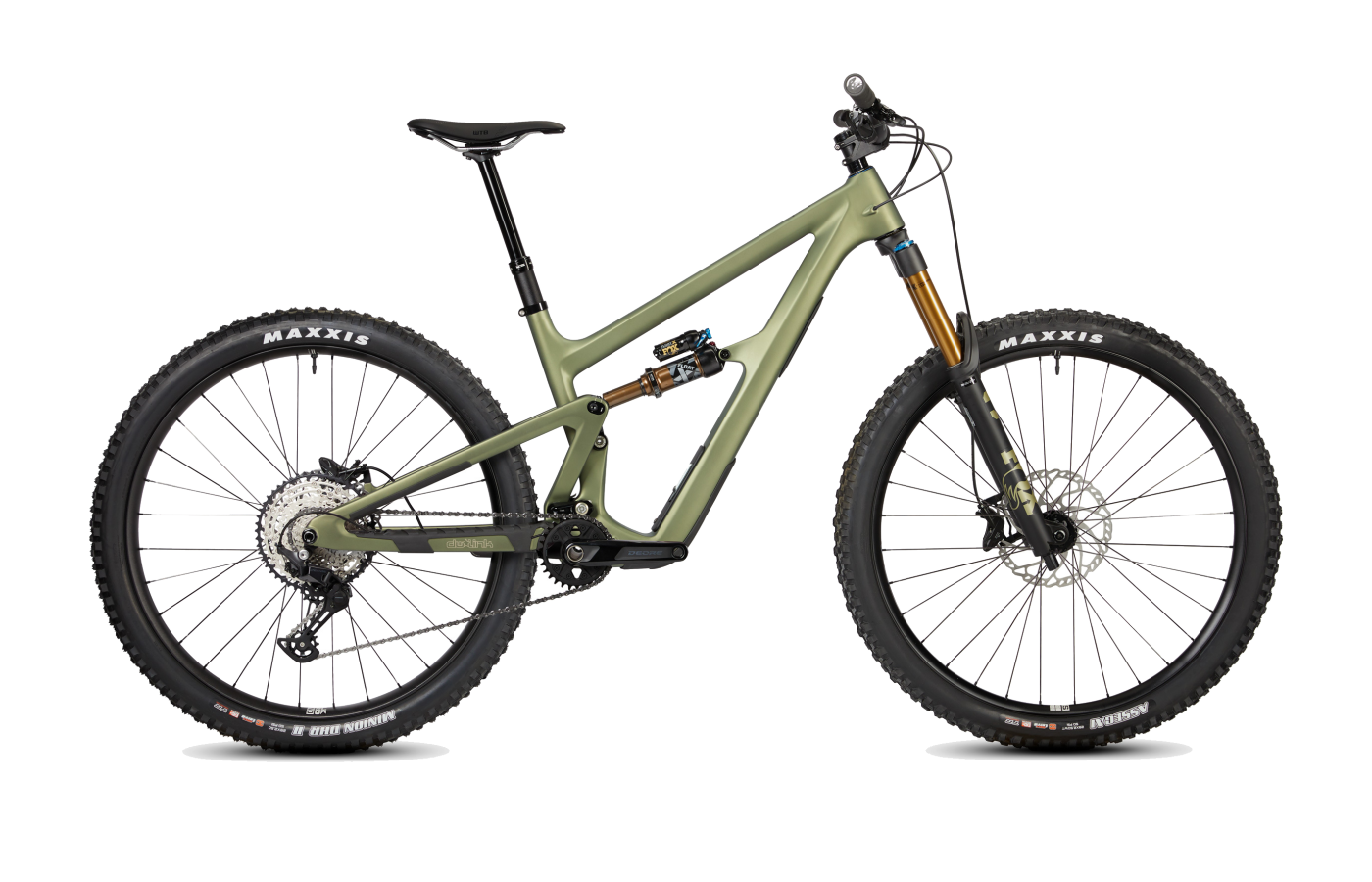
Ripmo
The **Ibis Ripmo** is the all-mountain benchmark — it climbs notably better than the Sight and stays more agile in tight terrain, though it can't match the Sight's high-pivot plow when the trail turns into a rock garden.
Compare →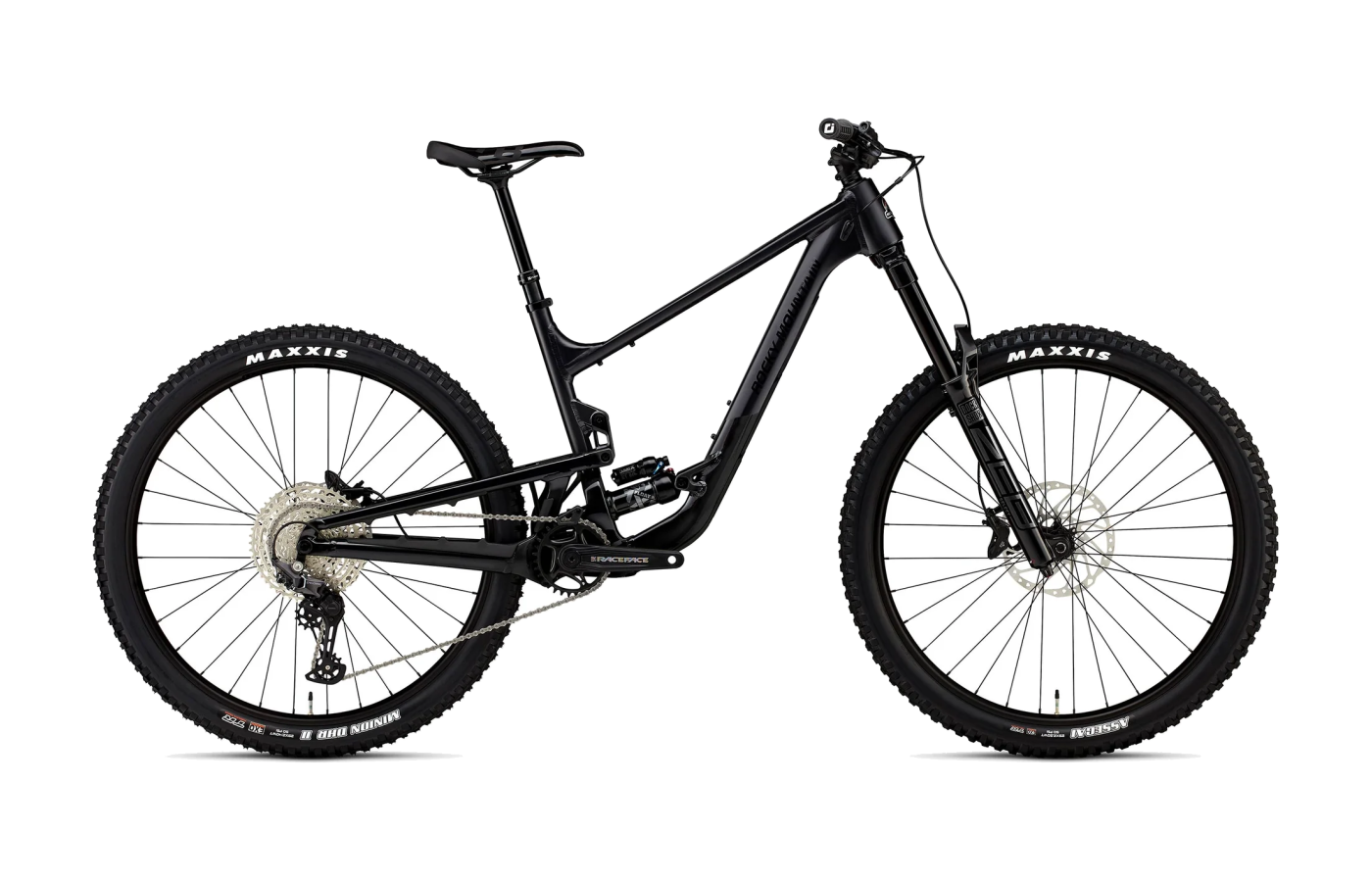
Altitude
The **Rocky Mountain Altitude** is another high-pivot in the Sight's category, with more geometry adjustability (flip chips) for riders who want to fine-tune their ride beyond Norco's fixed numbers.
Compare →