Shadowcat
vsSwitchblade
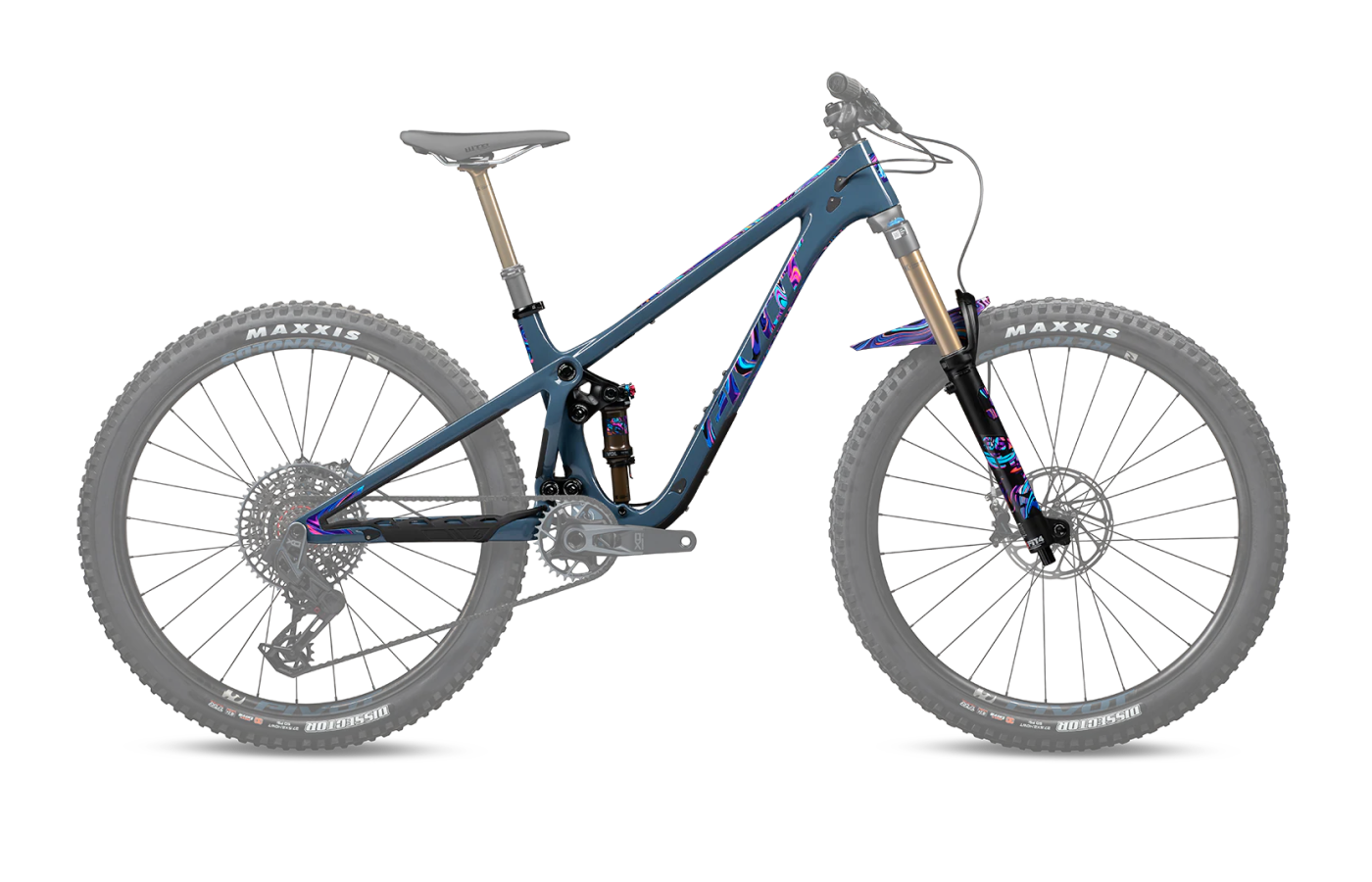
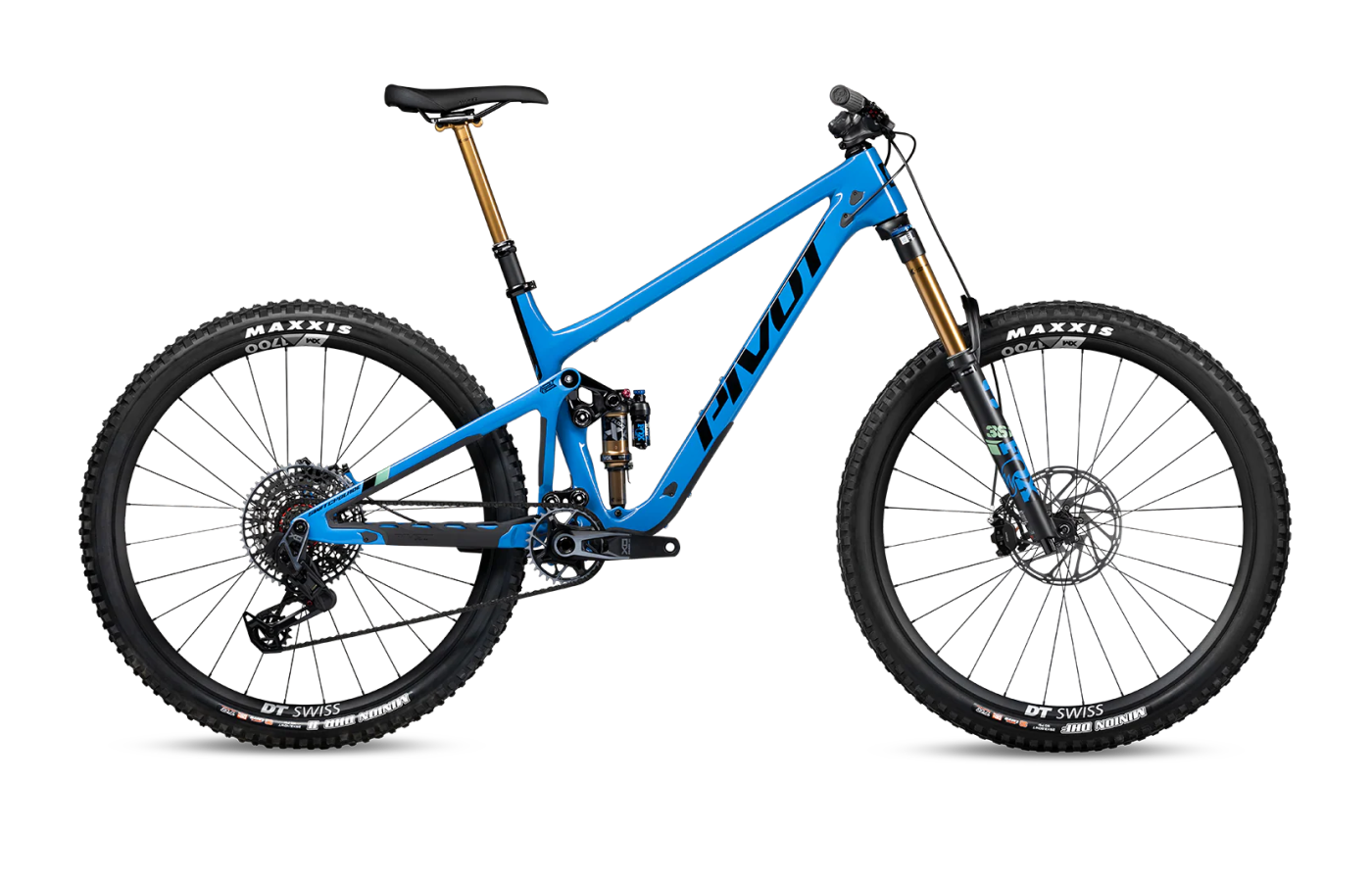
Two Pivots, two wheel sizes, two trail philosophies.
The Shadowcat is the small-wheeled, playful trail scalpel. The Switchblade is the do-everything 29er that climbs efficiently and descends like a baby enduro.
Shadowcat
- Exceptionally playful — short 430 mm stays at every size and 27.5" wheels make it the easiest bike in class to flick, manual, and corner tight.
- Genuinely lightweight — Pivot's frame is only 45 g heavier than their Mach 4 SL XC race bike; complete builds come in sub-29 lb in size M.
- Cheapest entry into the platform — Brunch Ride at $3,999 is $2,500 below the Switchblade's price floor.
- Less stable than a 29er at high speed in chunk — multiple reviewers note it feels "vulnerable" on steep, fall-line trails.
- No XL size; tall riders are funneled to the Switchblade or another 29er.
Switchblade
- Composed at speed — the V3's longer wheelbase, slacker HTA, and revised kinematics let reviewers "point-and-shoot" through chunk that would unsettle the Shadowcat.
- Genuine one-bike quiver — climbs efficiently thanks to DW-Link, descends like a small enduro bike, mullet-compatible via flip chip.
- Size-specific chainstays (431/431/432/436 mm) keep the rear end balanced as the front grows — XL riders aren't stuck with small-rider proportions.
- Price floor at $6,499 is $2,500 above the Shadowcat's — no truly entry-level build exists.
- SuperBoost 157 mm rear spacing limits aftermarket wheel options compared with standard Boost 148.
Editor’s analysis
Same brand, same DW-Link, same 160 mm fork — and almost everything else is a different answer to what kind of trail rider you are.
The Pivot Shadowcat and Pivot Switchblade share a lot on paper: carbon Hollow-Core frames, DW-Link suspension, a 160 mm Fox 36 up front, and a price ladder that tops out around $11.8k. They are not the same bike. The Shadowcat is a 27.5" trail bike with 140 mm of rear travel, 430 mm chainstays at every size, and a 65.8° head angle. The Switchblade V3 is a 29er with 142 mm of rear travel, size-specific chainstays (431/431/432/436 mm), a slacker 65.2° head angle, and a longer wheelbase at every comparable size.
The Shadowcat is the rarer animal — one of the last serious 27.5" trail bikes from a major brand. Reviewers across Blister, Pinkbike, and MBA describe it the same way: snappy, lively, easy to flick, exceptional in tight cornering. The 27.5" wheels and short stays make it want to hop, manual, and change lines. The flip side is well-documented — at high speed in chunky terrain it asks for an active, precise riding style and won't plow through the way a 29er will. Pivot caps it at size LG; XL riders are pushed to the Switchblade.
The Switchblade V3 is the do-it-all answer. The 2024 update added a longer lower link, a slightly slacker HTA, ~10 mm more reach, and roughly 26 mm more wheelbase per size — Vital measured the kinematic shift moving mid-stroke support from 30.9% to 32.7%. The result is a bike Singletracks said could "settle into point-and-shoot mode" on rough descents, and that BikeRadar called "impressively capable" when ridden hard. Climbs efficiently, takes bike-park laps, mullet-compatible. The trade-off cited by Bicycling and Flow: a touch less crisp than the V2 it replaced.
Put simply: the Shadowcat is the bike you buy if your trails are tight, twisty, and you ride them for the dance. The Switchblade is the bike you buy if your trails include real descents, occasional park days, and you want one bike that handles it all. The Shadowcat starts $2,500 cheaper at $3,999; the Switchblade tops out higher in capability.
Where the builds differ.
Comparing our editor's-pick builds side-by-side. Winners highlighted row-by-row — lower price and weight, and the better-spec component, each mark a point.
Build variants & pricing
Both ladders run from a SRAM Eagle 90 mechanical entry build up to an XTR Di2 flagship just under $12k. The Shadowcat starts cheaper; the Switchblade has no equivalent sub-$6k build.
Prices are current US MSRP. The Pro X0 Eagle Transmission build sits at exactly $8,999 on both bikes — making this the clean apples-to-apples pick for the spec table. International pricing and availability vary.
How they fit, how they steer.
Both at size SM — the fit-picked size for a 5'8" rider. The Switchblade SM is 22 mm taller in stack (627 vs 605 mm) and 10 mm longer in reach (440 vs 430 mm), with a 0.6° slacker head angle and a 21 mm longer wheelbase (1193 vs 1172 mm). Same 76° effective seat tube angle, near-identical 430–431 mm chainstays.
Which size should I buy?
Size recommendations based on stack, reach, and effective top tube. The Shadowcat tops out at LG; XL riders should look at the Switchblade.
→These are starting points. Flexibility, riding style, and preferred position all shift the answer — if you’re between sizes, a professional fit beats a chart.
What the magazines said.
Published reviews from trusted cycling outlets. Click through for the full write-up.
Which one should you buy?
If your trails are twisty and you ride for the dance, get the Shadowcat. If you want one bike for everything from XC to bike-park laps, get the Switchblade.
Shadowcat
If you ride tight singletrack, jump every lip, and prize agility over outright speed in chunk, the Shadowcat is one of the most fun bikes you can buy. Reviewers from Blister to MBA call it a "love letter to having fun on a bike." Especially compelling for lighter riders who find 29ers overwhelming.
Switchblade
If your weekly riding mixes long climbs, fast descents, and the occasional bike-park day — and you want one bike to do all of it — the V3 Switchblade is the better tool. The longer-link kinematics and 29er rollover give it real high-speed composure without giving up DW-Link climbing efficiency.
Questions buyers actually ask.
Short answers to the things we get emailed about most often.
01Which is more playful and easier to maneuver?
The Pivot Shadowcat, by a clear margin. The combination of 27.5" wheels, a consistent 430 mm chainstay length across every size, and a lighter overall package (sub-29 lb in mid-tier builds) makes it the easier bike to flick, manual, and snap through tight corners. MBA called it "among the easiest, most-natural cornering bikes we have ridden in a long time."
The Switchblade V3 retains a fair amount of playfulness for a 29er — Awesome MTB called it "one of the most playful bikes I've ridden" — but the larger wheels and longer wheelbase fundamentally make it less reactive than the Shadowcat in tight terrain.
02Which is more capable on rough, fast descents?
The Pivot Switchblade. The 65.2° head angle (vs the Shadowcat's 65.8°), the longer wheelbase (1193 vs 1172 mm at SM), and the 29" wheels all add up to a noticeably more composed feel at speed. The 2024 V3 kinematic update — longer lower link, more rearward axle path, more mid-stroke support — was specifically designed to improve square-edge absorption.
The Shadowcat is no slouch, but multiple reviewers noted it offers "less overall stability than a comparable 29er at speed" and feels "a little vulnerable" on the steepest, chunkiest terrain. It rewards an active line-picking style rather than blind plowing.
03How much travel do they have?
Pivot Shadowcat: 140 mm rear, 160 mm fork. The fork is a Fox 36 across all builds.
Pivot Switchblade V3: 142 mm rear, 160 mm fork. Also a Fox 36 throughout.
The rear travel difference is functionally negligible — what matters more is the rear shock spec. The Shadowcat ships with a Fox Float DPS (lighter, more pedal-focused) while the Switchblade gets a Fox Float X piggyback (better heat management for sustained descents). The shock choice tells you everything about each bike's intent.
04What's the price difference between the two platforms?
Pivot Shadowcat: $3,999 (Brunch Ride) to $11,999 (Team XTR Di2).
Pivot Switchblade V3: $6,499 (Ride Eagle 70/90) to $11,799 (Team XTR Di2).
The top of each ladder is within $200, but the entry points differ by $2,500. If your budget is under $6k, the Shadowcat is the only option — Pivot does not offer a sub-$6.4k Switchblade. The Pro X0 Eagle Transmission build (our editor's pick on both sides) costs exactly $8,999 on each bike.
05What sizes are offered on each?
Pivot Shadowcat: XS, SM, MD, LG. There is no XL — Pivot states that XL-size riders are better served by their 29er platforms.
Pivot Switchblade V3: XS, SM, MD, LG, XL.
At 5'8", the fit algorithm puts you on the SM in both bikes, with the SM Switchblade running 22 mm taller in stack and 10 mm longer in reach than the SM Shadowcat. If you're 6'2"+, the Shadowcat is off the table.
06Can I run the Switchblade as a mullet?
Yes, the Pivot Switchblade V3 is mullet-compatible via its two-position flip chip — Pivot designed it with mixed-wheel use in mind. Several reviewers (Flow's nine-month long-termer, in particular) ran it as a mullet for extended periods. Note that mullet setups lower the BB enough that Pivot and reviewers recommend going to 165 mm cranks to avoid pedal strikes.
The Pivot Shadowcat is full 27.5" only — it isn't sold or designed as a mullet platform.
07What about the SuperBoost 157 vs Boost 148 hub debate?
The Pivot Switchblade uses SuperBoost 157 mm rear spacing — Pivot argues it allows shorter chainstays with a stiffer rear wheel and a better chainline. The trade-off is a smaller aftermarket wheel ecosystem and fewer options for shared wheelsets.
The Pivot Shadowcat sticks with standard Boost 148 mm, which keeps it compatible with the broadest range of off-the-shelf wheels and hubs. For most buyers this isn't a deciding factor, but if you swap wheels between bikes regularly or buy used wheels, it's worth knowing.
08Which has better climbing efficiency?
Both climb very well — Pivot's DW-Link is one of the most pedaling-friendly platforms on the market, and reviewers of both bikes noted they routinely left the climb switch open. The Pivot Shadowcat has a slight edge thanks to its lighter overall weight and smaller wheels: MBA noted it "scales technical climbs so well they could have easily called it the Mountain Goat."
The Pivot Switchblade V3 climbs nearly as efficiently and handles loose, rough climbs better thanks to 29er rollover. Reviewers praised "amazing" rear traction on technical ascents. If your climbs are short, sharp, and technical, the Shadowcat. If they're long, loose, and rough, the Switchblade.
Similar bikes
If your priorities don’t map cleanly onto either of these, one of these adjacent bikes probably fits better.
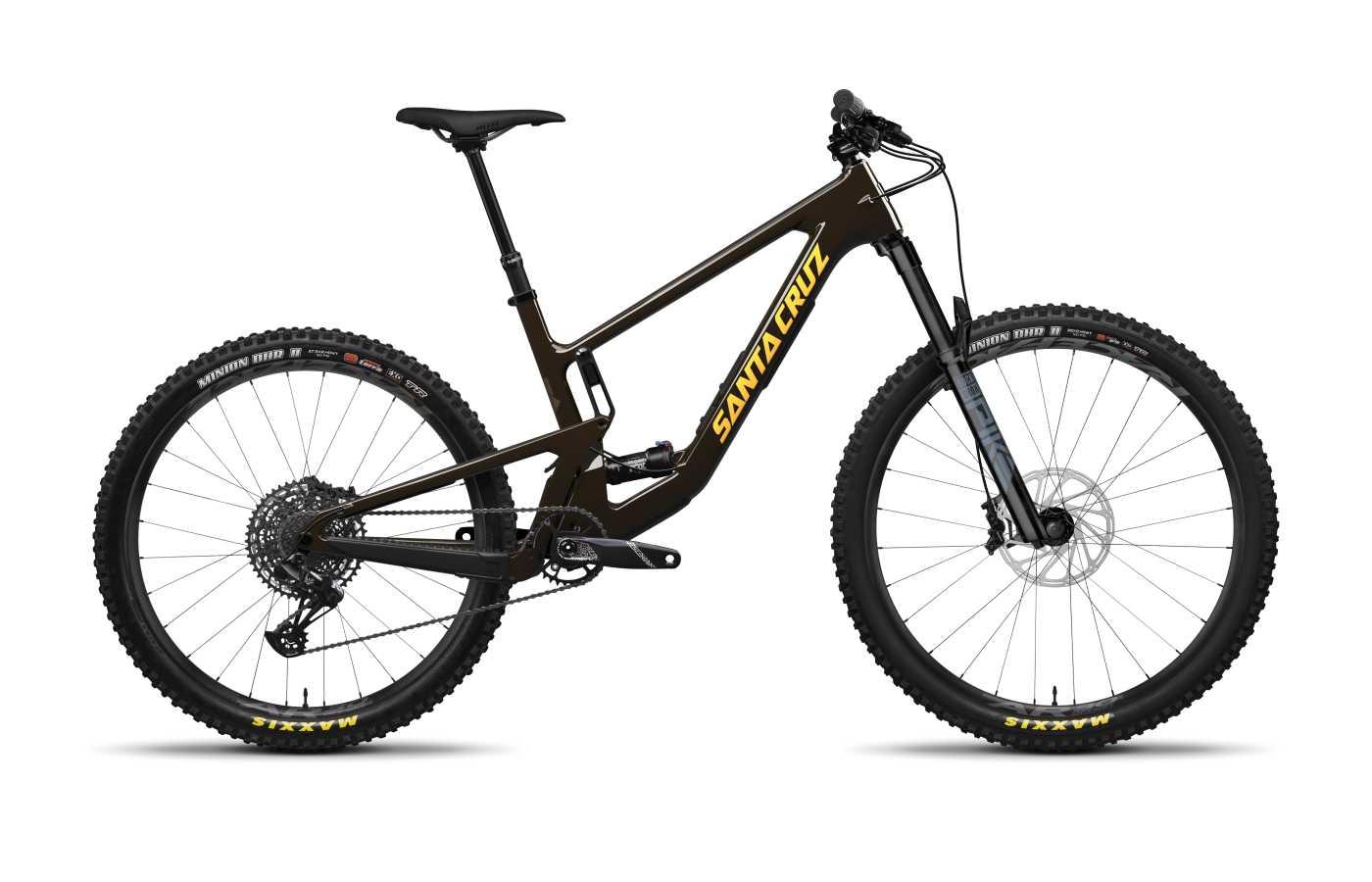
5010
The most direct alternative to the Shadowcat — another modern, dedicated 27.5" trail bike with 130 mm of VPP rear travel and a similar playful, poppy character. If the Shadowcat appeals but you want a different brand's take on the small-wheel formula, this is it.
Compare →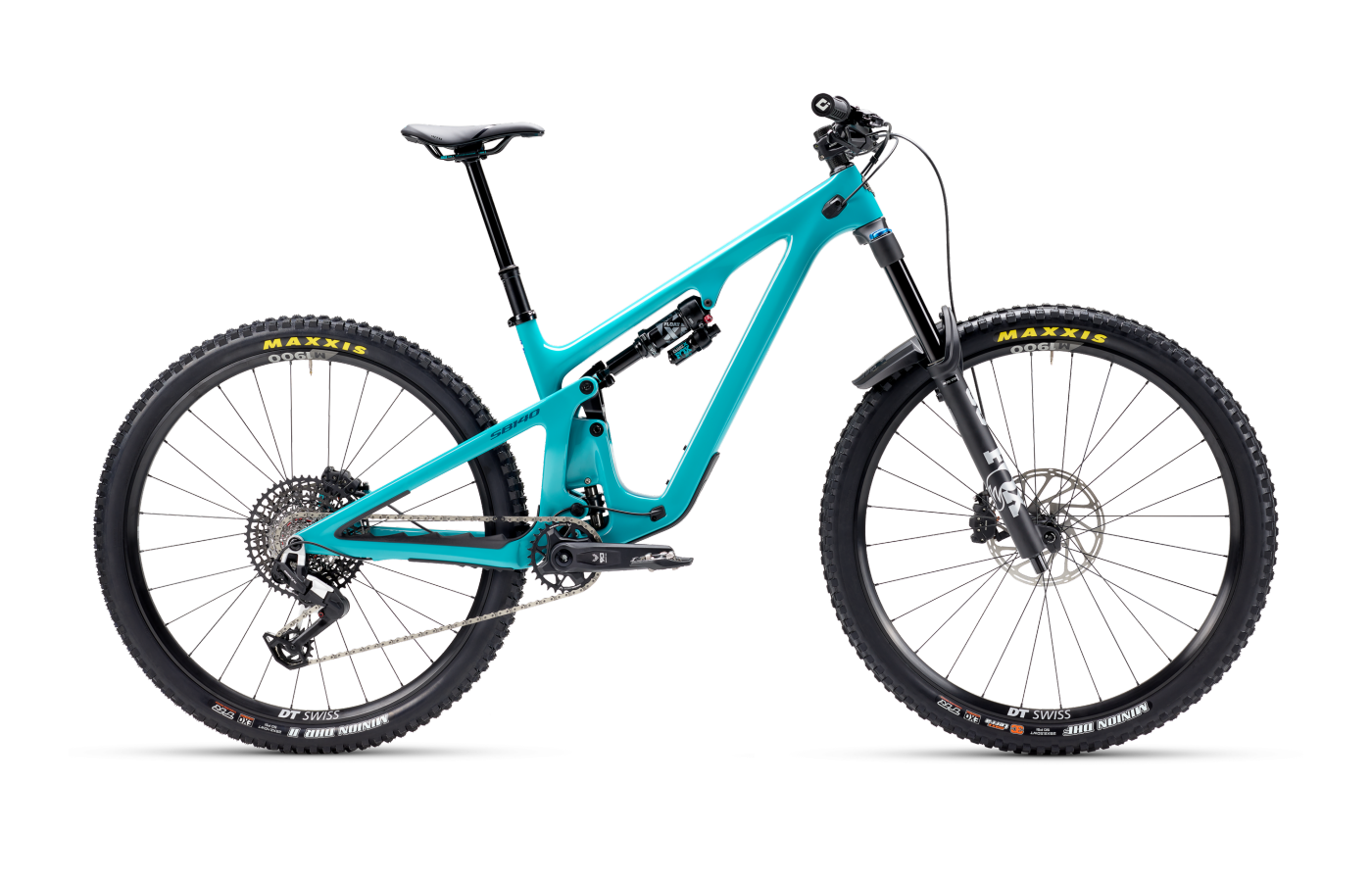
SB140
An aggressive 29er trail bike that leans further toward downhill capability than the Switchblade, especially in its longer-fork Lunch Ride configuration. Comparably priced and a serious rival if you want a one-bike quiver that errs on the descending side.
Compare →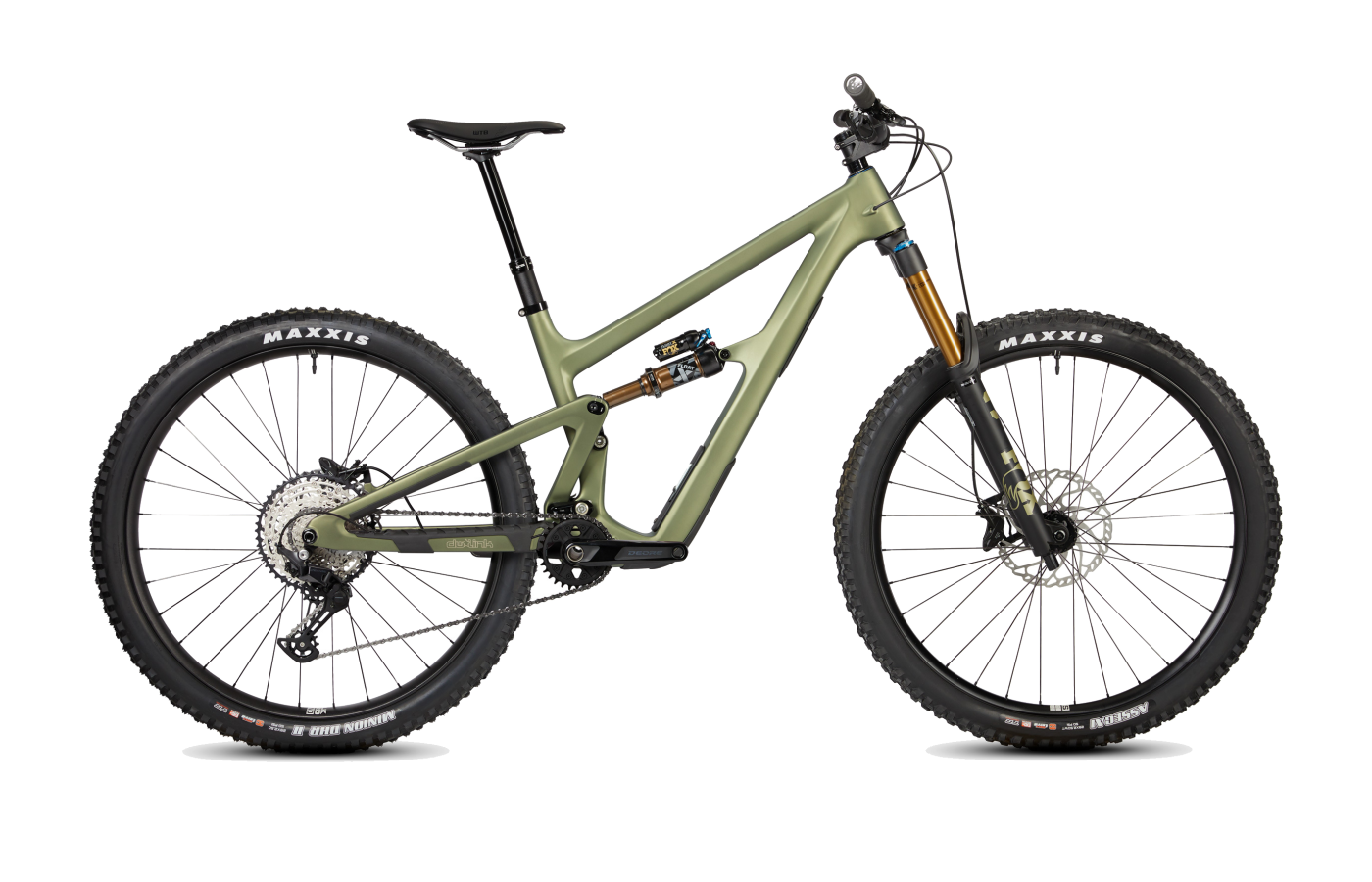
Ripmo
Another DW-Link 29er trail bike, often praised for the same blend of climbing prowess and downhill fun the Switchblade is known for. A natural cross-shop if you like Pivot's suspension philosophy but want to evaluate Ibis's chassis tuning.
Compare →