Switchblade
vsSB140
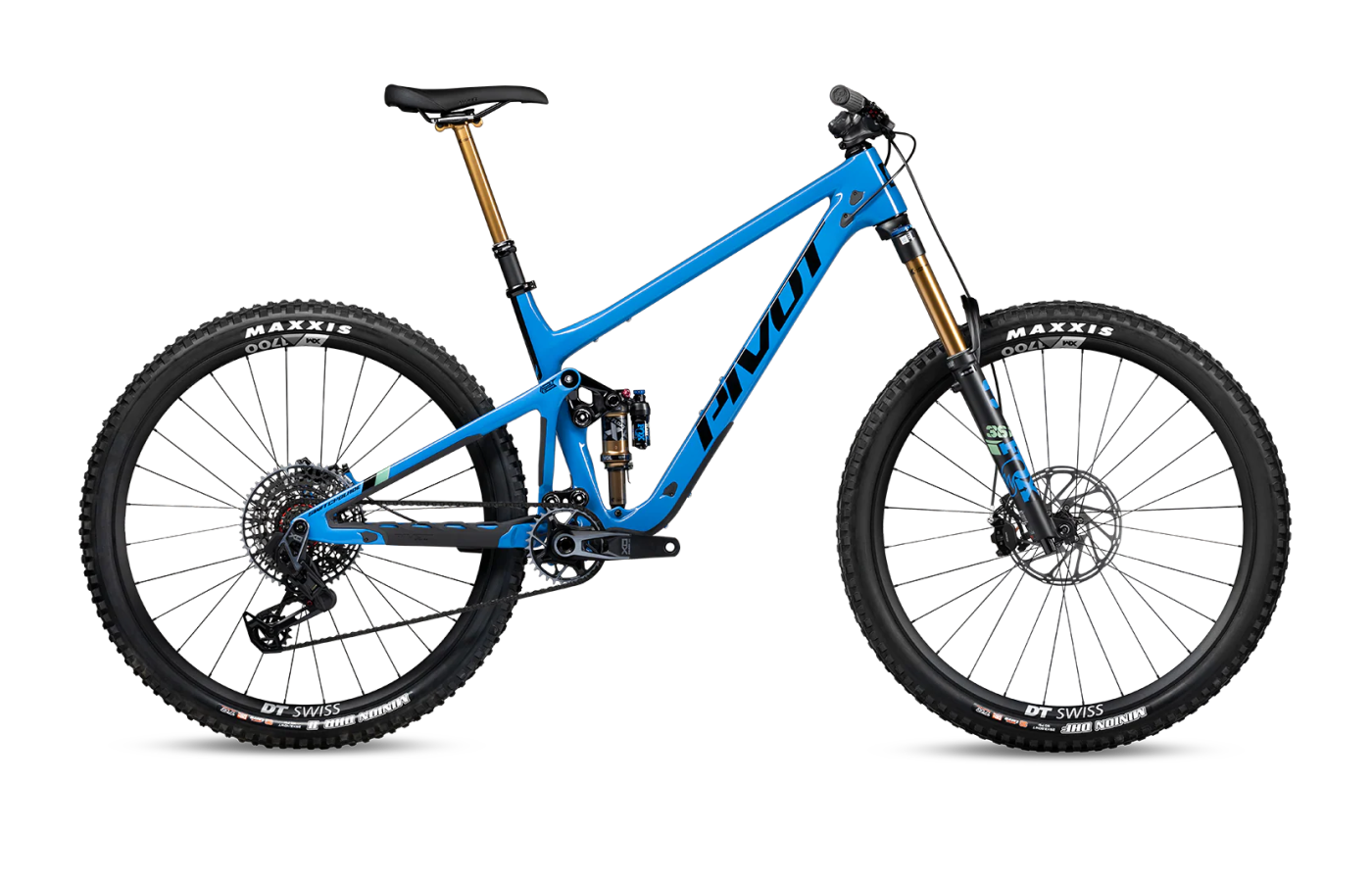
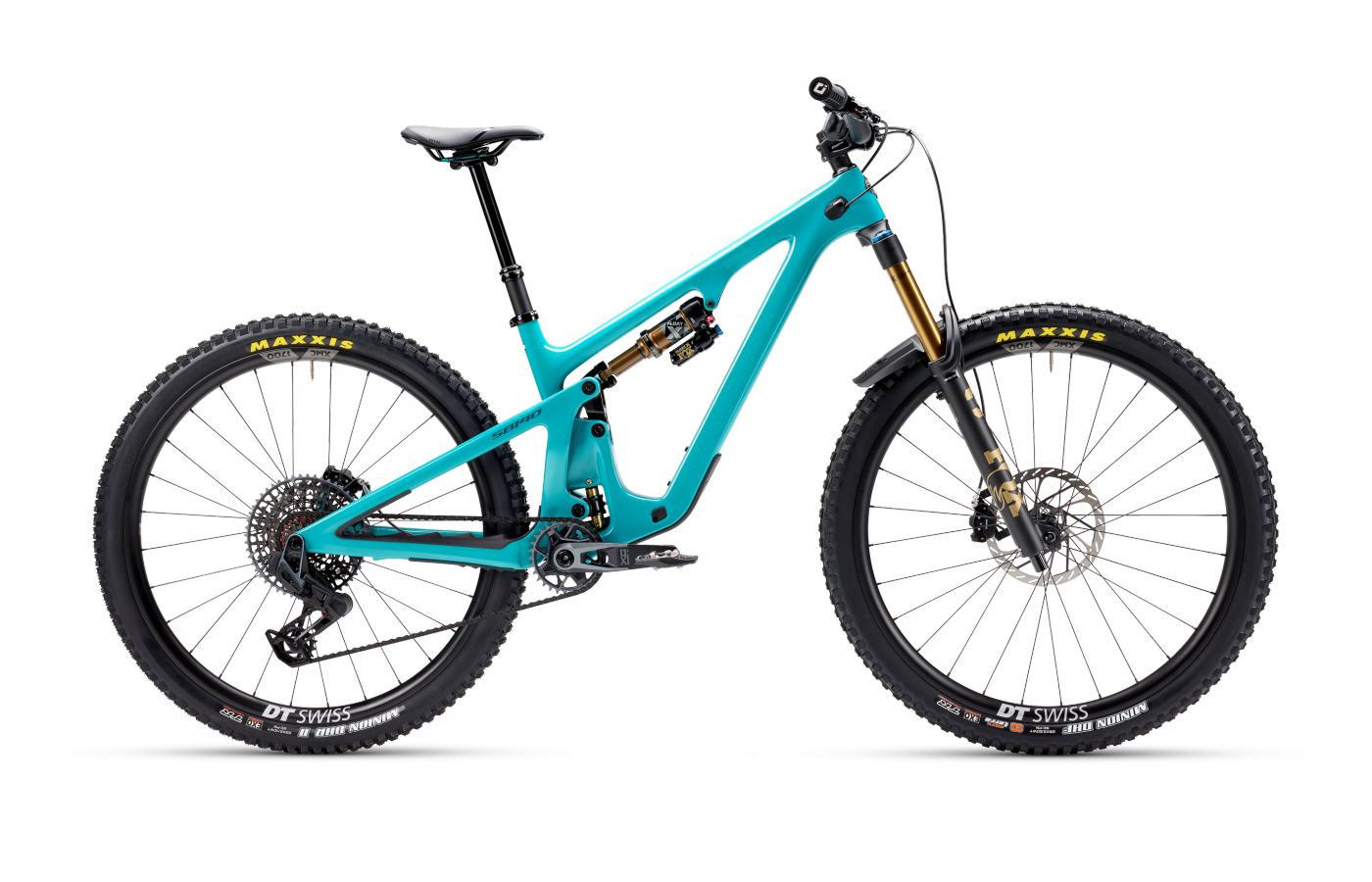
Two 140 mm trail bikes, two suspension philosophies.
The Switchblade V3 is the playful DW-Link all-rounder. The SB140 is the Switch Infinity surgeon, tuned to be a quiver-killer.
Switchblade
- Playful, flickable rear end — 431 mm chainstays on SM/MD make it easy to manual, pop, and rotate.
- Newly composed at speed — the longer lower DW-Link adds rearward axle path and quieter behavior in chunk.
- Practical frame details — full-bottle clearance every size, Pivot Dock accessory mounts, no through-headset routing.
- SuperBoost+ 157 mm rear hub spacing limits aftermarket wheel options.
- Press-fit BB and exposed-bearing layout earned recurring creak/service notes from long-term testers.
SB140
- Class-leading pedaling efficiency — Switch Infinity stays high in its travel under power; the lockout rarely gets used.
- Generates speed out of corners — the 14% progression curve gives a firm mid-stroke to pump against.
- Threaded BSA bottom bracket and lifetime frame warranty — Yeti moved away from press-fit and backs the original owner for life.
- Low stack (619.8 mm on M, 624.8 mm on L) had multiple reviewers swap to higher-rise bars.
- No internal frame storage and no flip-chip — feels a generation behind a Stumpjumper 15 on convenience features.
Editor’s analysis
Same travel bracket, same 160 mm fork, same intended rider — but the chassis underneath could not be philosophically further apart.
On paper the Pivot Switchblade and Yeti SB140 are twins: 142 vs 140 mm of rear travel, a 160 mm fork on every build, 65.2° vs 65° head angles, top-tier carbon, top-tier Fox suspension. Both ask north of $6,200 to start and both top out around $11k. But spend any time reading the long-term reviews and the personalities split immediately — the Switchblade is the lively poker, the SB140 is the surgical pace-setter.
The Switchblade leans on Pivot's DW-Link with a longer lower link borrowed from the Firebird. The result, per Pinkbike and Singletracks, is a more rearward axle path, better square-edge absorption, and a noticeably calmer rear end at speed than the V2 — without losing the snap and pop that defined earlier Switchblades. Short 431 mm chainstays on small-through-medium frames keep it flickable; reviewers from Awesome MTB to BikeRadar still call it one of the more playful trail bikes in class.
The Yeti SB140 takes the opposite approach. The translating Switch Infinity pivot gives it a famously firm pedaling platform and a 14% progression curve that Bike Perfect and Awesome MTB liken to an "AI-like" suspension feel — supple off the top, supportive in the mid-stroke, firm enough to pump and sprint against. It rewards an active, forward-weighted rider; sit back and it can feel light up front. MBR and OutdoorGearLab both single it out as one of the most efficient pedalers in the mid-travel category.
Put another way: the Pivot Switchblade is the bike you buy if you want a single trail bike that pops, jumps, and still tolerates park laps. The Yeti SB140 is the bike you buy if you want one that climbs like a goat, generates speed out of corners, and demands you ride it hard.
Where the builds differ.
Comparing our editor's-pick builds side-by-side. Winners highlighted row-by-row — lower price and weight, and the better-spec component, each mark a point.
Build variants & pricing
Both platforms span ~$5k of range, from a ~$6.2–6.5k entry point up to flagship builds north of $11k. Lineup mid-tiers line up almost perfectly on price and groupset.
Prices are current US MSRP. Pivot does not sell a frame-only option on the Switchblade; Yeti does, at $4,500 for the Turq frame with a Float X Factory shock — handy if you'd rather build your own.
How they fit, how they steer.
Each bike is shown at its fit-picked size for the same reference rider. The Pivot SM has a 440 mm reach and 627 mm stack on a 1193 mm wheelbase; the Yeti M has 459.7 mm reach and 619.8 mm stack on a 1221.7 mm wheelbase. Same head angle (~65°), but the Yeti runs a steeper 77° seat tube vs Pivot's 76°, and longer chainstays (436.9 vs 431 mm).
Which size should I buy?
Size recommendations based on stack, reach, and effective top tube. Pivot offers XS through XL; Yeti runs S through XXL — the Yeti scales further for the tallest riders.
→These are starting points. Flexibility, riding style, and preferred position all shift the answer — if you’re between sizes, a professional fit beats a chart.
What the magazines said.
Published reviews from trusted cycling outlets. Click through for the full write-up.
Which one should you buy?
If you want a playful trail bike that still climbs and pops, get the Switchblade. If you want a precision pedaling tool that gets faster the harder you ride it, get the SB140.
Switchblade
If your trails mix tight singletrack, jumps, and the occasional park lap, the Switchblade rewards an active rider with quick handling and a calmer rear end than the V2 it replaced. It's also the better pick if Pivot's frame details — bottle in every size, Dock mounts, tidy routing — matter to you.
SB140
If you want one bike that climbs technical trails like it has motor and then generates speed out of every berm on the way down, the SB140 is the sharper tool. Plan on swapping to a higher-rise bar and respecting the learning curve on suspension setup — once dialed, reviewers consistently call it a quiver-killer.
Questions buyers actually ask.
Short answers to the things we get emailed about most often.
01Which one climbs better?
The Yeti SB140, with broad reviewer consensus. Switch Infinity's translating pivot keeps the bike high in its travel under power, and the 77° effective seat tube angle puts the rider directly over the bottom bracket — MBR called it a "brilliant pedaller" and OutdoorGearLab scored its climbing performance a 9/10.
The Pivot Switchblade is no slouch — DW-Link is one of the most efficient designs out there, and its 76° seat tube is still modern — but on long technical climbs, more reviewers cited the Yeti as the firmer, more goat-like pedaler.
02Which is more playful and easier to flick?
The Pivot Switchblade, mostly down to chainstay length. Pivot runs 431 mm stays on XS through M and 432 mm on L; Yeti's size-specific chainstays start at 436.9 mm on S/M and grow to 444.5 mm on XXL.
That 5–10 mm gap is small on paper but real on trail — it's why reviewers like Awesome MTB and Mo (YouTube) repeatedly call the Switchblade one of the more playful trail bikes they've ridden, while the SB140 gets the "scalpel rather than sledgehammer" framing.
03How much travel do they actually have?
Pivot Switchblade V3: 142 mm rear, 160 mm fork — DW-Link with a Fox Factory 36 and Float X on the mid and high builds.
Yeti SB140 (29): 140 mm rear, 160 mm fork — Switch Infinity with the same Fox Factory 36/Float X pairing on Turq builds.
Functionally identical travel numbers; the personality difference is the linkage, not the millimeters.
04What are the bottom bracket and rear hub standards?
This is where the platforms diverge most.
Pivot Switchblade: press-fit bottom bracket and SuperBoost+ 12×157 mm rear spacing. Pivot argues SuperBoost helps chainline and stiffness; the tradeoff is fewer aftermarket wheel options and the press-fit BB has earned recurring creak notes in long-term reviews.
Yeti SB140: threaded BSA bottom bracket and standard Boost 12×148 mm rear spacing. Yeti deliberately moved to threaded BBs on this generation, and the standard hub spacing makes wheel swaps far easier.
05What are the warranties like?
Yeti offers a lifetime frame warranty (and lifetime coverage on the Switch Infinity link) to the original owner.
Pivot backs the Switchblade with a 10-year frame warranty. Both are above-average in the segment — but Yeti's lifetime coverage is the stronger commitment on a $9k+ frame.
06Can either one be set up as a mullet?
Pivot Switchblade: yes — the V3 has a two-position flip chip that supports a 27.5" rear wheel, and reviewers (Flow's nine-month mullet test) confirmed it works well. With the smaller rear wheel and a low setting the BB drops enough that Pivot recommends 165–170 mm cranks to avoid pedal strikes.
Yeti SB140 (29): no factory mullet option and no geometry adjustment — Yeti runs full 29" front and rear only on this platform.
07Which one is harder to live with day-to-day?
Neither is a maintenance nightmare, but the Pivot asks for a bit more attention. The press-fit BB and exposed pivot-bearing interfaces showed up across multiple long-term writeups as items to keep an eye on, and SuperBoost+ wheels are harder to find used than standard Boost.
The SB140's Switch Infinity is a more complex linkage than a simple four-bar, but the V2 system has improved seals and a grease injection port — MBR noted it's "way more durable" than older Switch Infinity but still wants more regular grease than a basic linkage.
08Which is the better value?
Neither is cheap. Pivot's range runs $6,499–$11,799; Yeti's runs $6,200–$11,000. Pound for pound, Yeti's C-series builds (C2 90 at $6,200, C3 GX AXS at $6,700) are the most affordable way into either platform — same geometry and kinematics as the Turq frame, just ~225 g heavier per Yeti.
At the mid-tier picks above, you're paying within $300 of each other for the same SRAM X0 Transmission and Fox Factory suspension — but the Yeti T3 throws in DT Swiss XMC1700 carbon wheels stock, while the Pivot Pro X0 builds with the alloy XM1700. That's a real spec-sheet win for the Yeti at this price.
Similar bikes
If your priorities don’t map cleanly onto either of these, one of these adjacent bikes probably fits better.
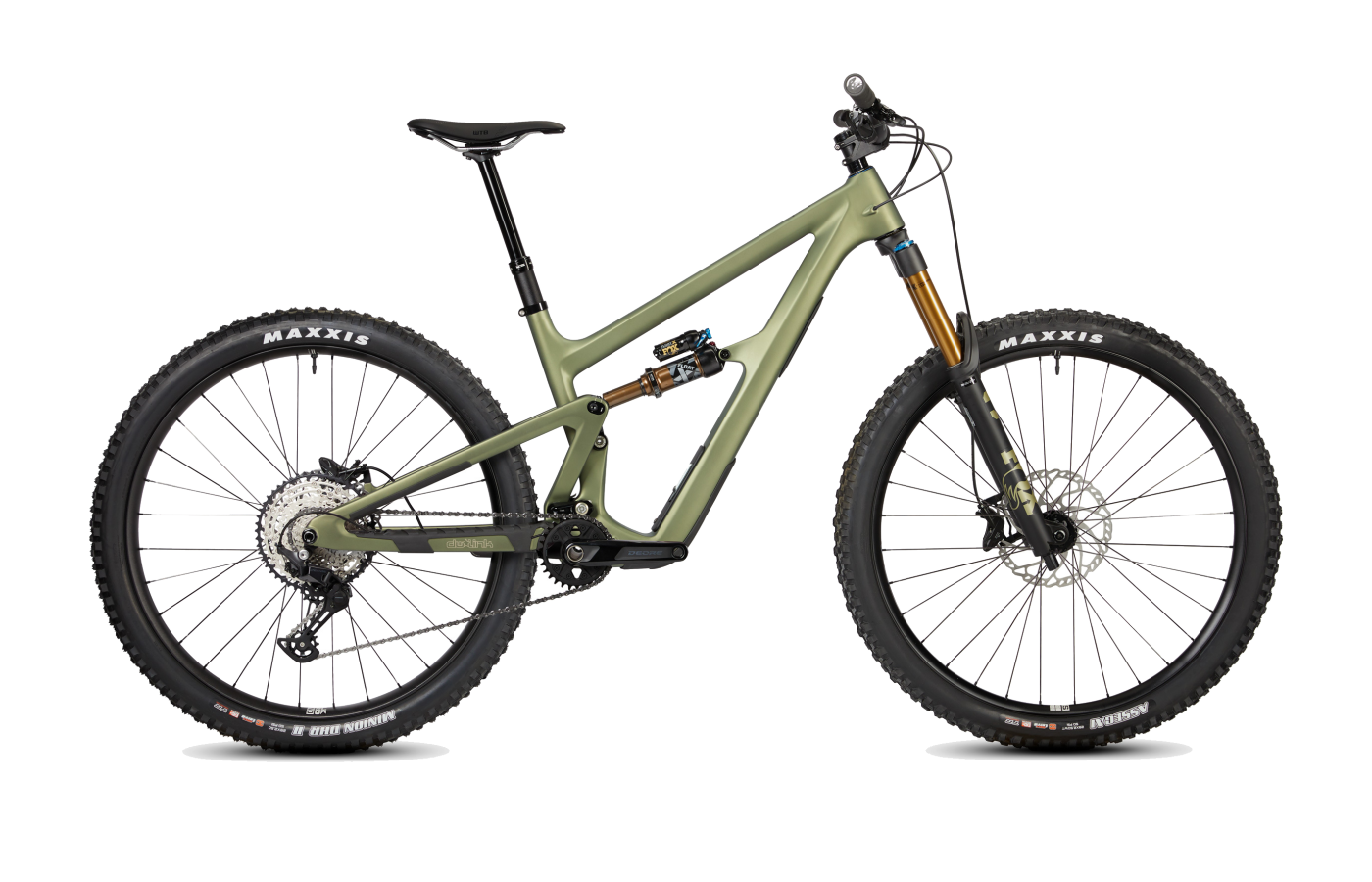
Ripmo
The Ibis Ripmo is the obvious alternative if you like the Switchblade's DW-Link character but want longer travel — 147 mm rear / 160 mm fork in a chassis that consistently lands at the top of value-per-spec lists in this category.
Compare →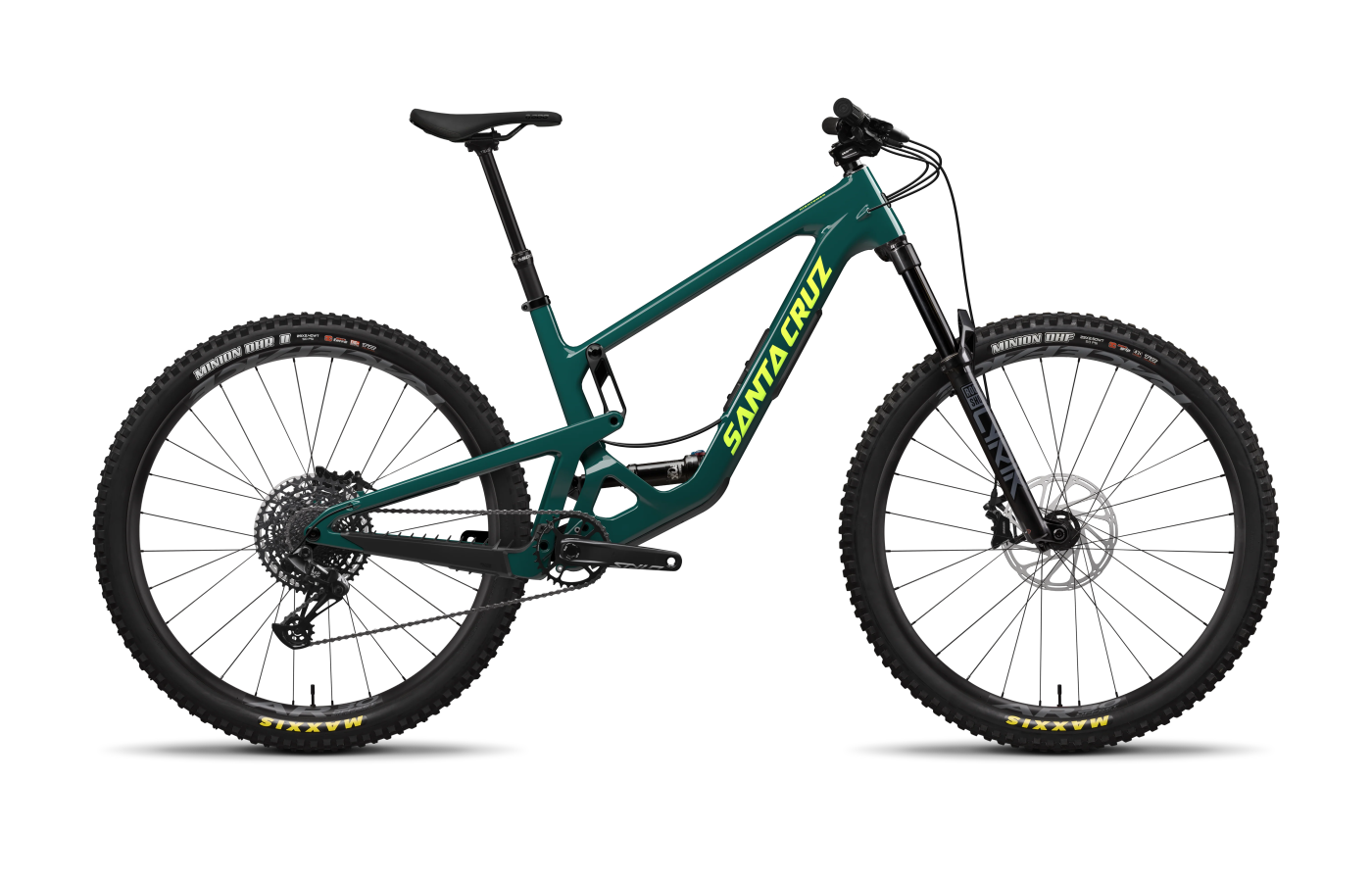
Hightower
The Santa Cruz Hightower goes head-to-head with the SB140 on intent — VPP suspension, lifetime warranty, and a slightly more descent-oriented geometry. Pick it if you want the Yeti's vibe with frame storage and a more mainstream dealer footprint.
Compare →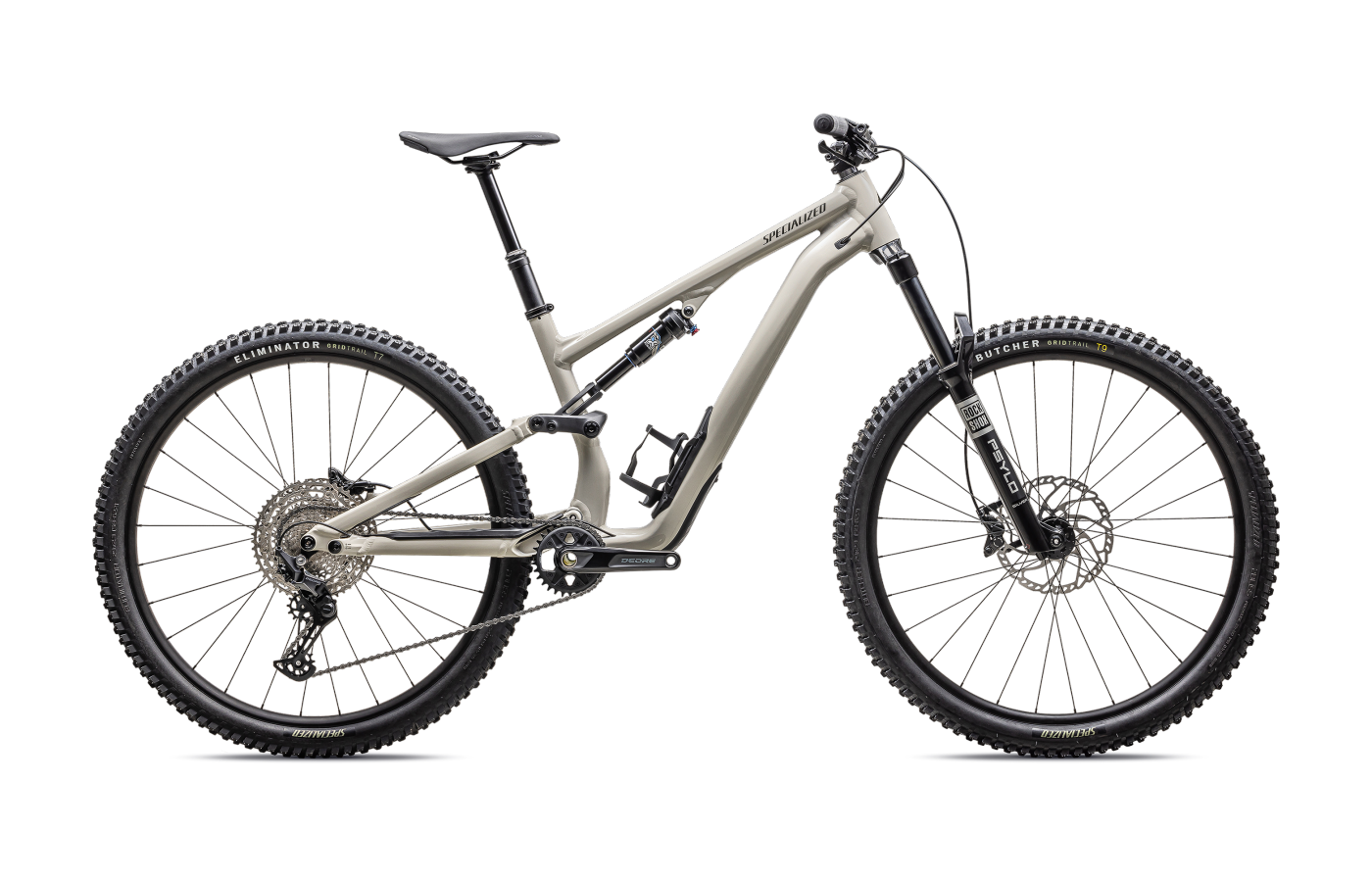
Stumpjumper
The Specialized Stumpjumper 15 is the do-it-all spec-sheet winner — flip-chip geometry, internal frame storage, and a build ladder that starts thousands of dollars below either of these. Best if you'd rather not pay the boutique tax.
Compare →