Trailcat SL
vsTallboy
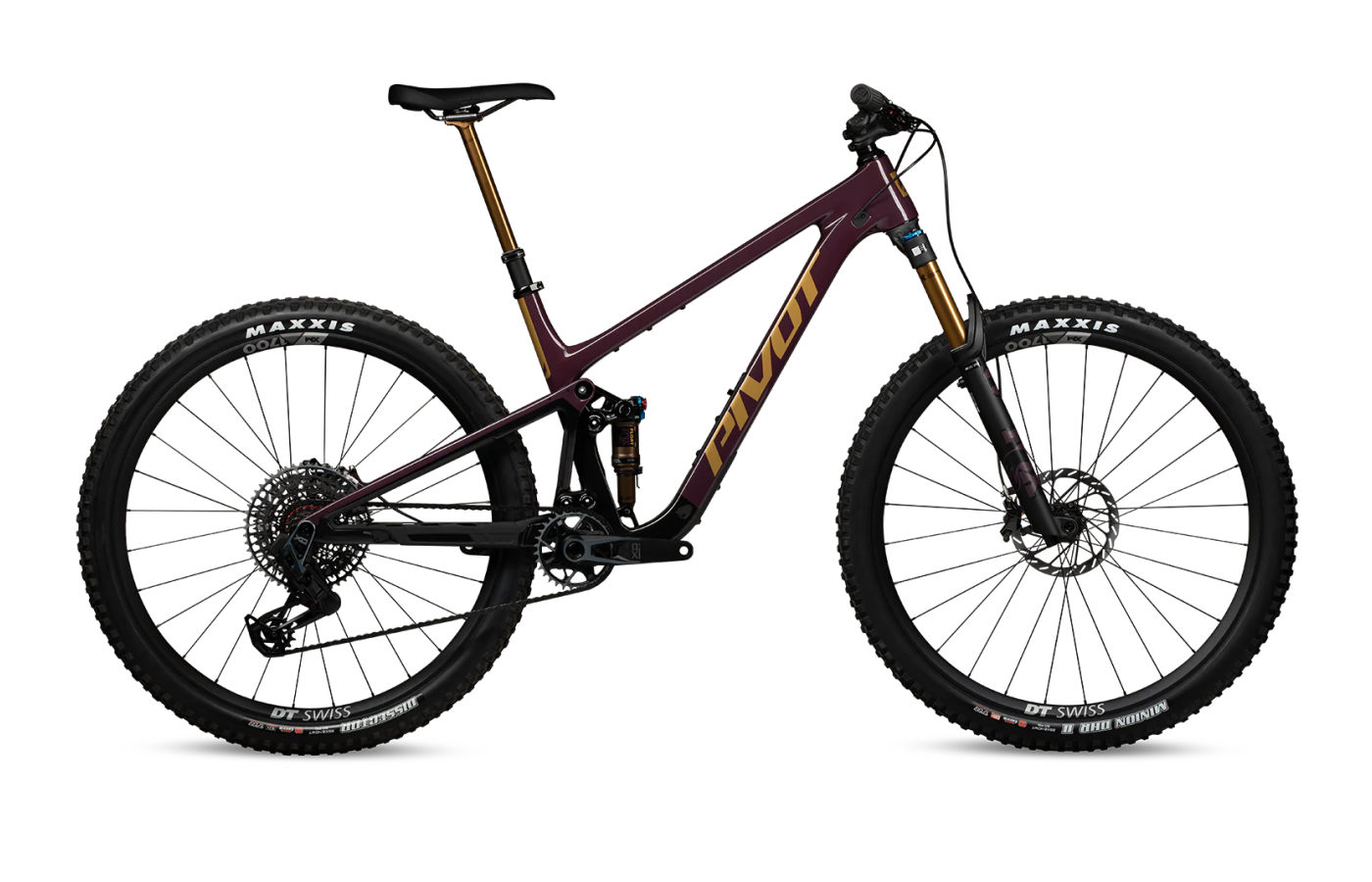
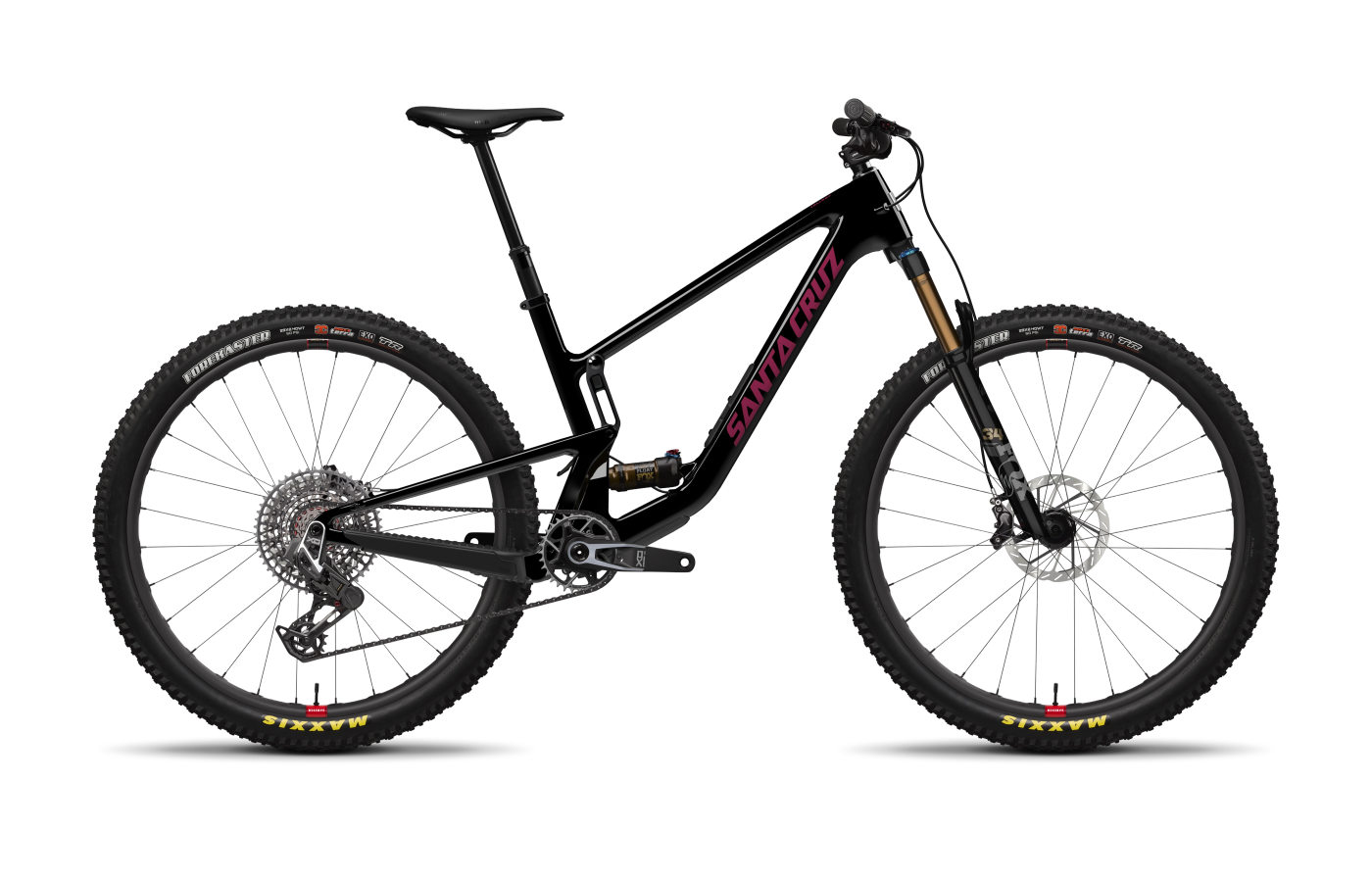
Two ways to spend 120 mm of travel.
The Trailcat SL is a sniper — light, snappy, DW-Link efficient. The Tallboy is a tank in disguise — heavy, planted, ready to plow.
Trailcat SL
- DW-Link efficiency — pedal-neutral on climbs, sprint-friendly out of the saddle, lockout rarely needed.
- Lively, flickable handling — short 431 mm chainstays and a stiff carbon chassis reward active riders.
- Bigger fork than the rival — Fox 36SL at 140 mm gives the front end more stiffness and travel than the Tallboy's Fox 34 at 130 mm.
- Super Boost 157 mm rear hub spacing complicates aftermarket wheel choices.
- Aggressive testers found the rear progressive enough to want volume spacers removed.
Tallboy
- Plowable, planted feel — the 'downhiller's XC bike' reputation holds; rides like a longer-travel trail bike.
- Lifetime warranty package — frame, pivot bearings, and Reserve wheels (on RSV builds) all backed for life by Santa Cruz.
- Threaded BSA bottom bracket — easier service than Pivot's PF92, with grease ports on the lower VPP linkage as a bonus.
- SRAM Level brakes on most builds are widely panned as under-gunned for the bike's descending ambition.
- Heavier than competitors at the same travel — around 13.35 kg in X0 AXS RSV trim.
Editor’s analysis
Same rear travel, opposite personalities — one wants to dance, the other wants to charge.
Both bikes carry 120 mm of rear travel and a 29-inch wheel package, but that's where the resemblance ends. The Pivot Trailcat SL pairs its DW-Link platform with a 140 mm Fox 36SL fork and asks you to pedal hard, pump every roller, and earn your speed. The Santa Cruz Tallboy runs 130 mm up front on a Fox 34, sits a hair slacker, and feels like a short-travel Hightower under you. Reviewers nicknamed the Tallboy 'the downhiller's XC bike' for a reason — it's stout, planted, and happiest when pointed downhill at speed.
On the climbs the Trailcat SL is the clearer winner. Pivot's DW-Link is famously pedal-neutral; Enduro MTB called it 'firm, super efficient suspension' that leaves the lockout untouched. The 76-degree seat tube angle puts you in a slightly forward, sporty position that keeps the front wheel planted on steep pitches. The Tallboy still climbs well — VPP delivers strong technical traction and the 76.7-degree seat angle is right where it should be — but it's carrying around 13.35 kg in the X0 RSV trim versus a much lighter Pivot, and reviewers consistently note the bike's weight on long fire-road grinds.
Pointed downhill, the calculus flips. The Trailcat SL is 'lively, responsive, light on its feet' (Theradavist) — it rewards an active rider who pumps and flicks rather than plows. The Tallboy is the opposite philosophy: a 'steroidally hench' chassis that feels like a 140 mm trail bike when the trail gets nasty. The 65.7-degree head angle and 437 mm chainstays (size m) make it stable at speed where the Pivot's tighter 431 mm rear and 65.8-degree HTA reward quick line changes. Both top out at the same 120 mm of rear travel, but the Tallboy's chassis hides it better.
Put another way: if your local trails are tight, punchy, and reward fitness, the Trailcat SL is the sharper tool. If they're fast, rocky, and you ride a longer-travel bike for serious gravity days, the Santa Cruz Tallboy is the short-travel companion that won't talk you out of sending it.
Where the builds differ.
Comparing our editor's-pick builds side-by-side. Winners highlighted row-by-row — lower price and weight, and the better-spec component, each mark a point.
Build variants & pricing
Both lineups span roughly $5k–$13k. The Tallboy starts cheaper at $4,799 with an alloy NX build; the Trailcat SL's entry point is $6,499.
Editor's picks here are tier-matched at SRAM X0 Eagle Transmission. The Tallboy X0 AXS RSV adds Reserve carbon wheels at this tier, while Pivot's carbon Reynolds Blacklabel option only kicks in at the $11k+ Team builds — accept that gap as a real lineup difference, not a bike difference.
How they fit, how they steer.
Pivot SM and Santa Cruz m are the fit-picked sizes for a 5'8" rider. The Tallboy is roomier — 20 mm more reach (455 vs 435), 5 mm more stack — and slacker by 0.1 degrees. The Pivot's chainstays are 2 mm shorter and the wheelbase is 27 mm tighter; that's where the agility comes from.
Which size should I buy?
Use stack, reach, and effective top tube to pick a size — both ranges overlap closely between SM/m and LG/l.
→These are starting points. Flexibility, riding style, and preferred position all shift the answer — if you’re between sizes, a professional fit beats a chart.
What the magazines said.
Published reviews from trusted cycling outlets. Click through for the full write-up.
Which one should you buy?
If you climb hard and ride twisty trails, get the Trailcat SL. If you spend your descents wishing your XC bike were a Hightower, get the Tallboy.
Trailcat SL
If you want a 120 mm bike that climbs like a downcountry rig, sprints out of corners, and rewards an active, fitness-driven rider — the Trailcat SL is hard to beat. DW-Link efficiency is the standout; the bigger Fox 36SL fork is the unexpected bonus.
Tallboy
If you already own a longer-travel bike and want a short-travel companion that doesn't feel like a downgrade on descents, the Tallboy delivers. Stout chassis, planted handling, and Santa Cruz's lifetime warranty on frame, bearings, and Reserve wheels make it the long-haul pick.
Questions buyers actually ask.
Short answers to the things we get emailed about most often.
01Which one climbs better?
The Pivot Trailcat SL, fairly clearly. Pivot's DW-Link is one of the most pedal-neutral platforms on the market — Enduro MTB called it 'firm, super efficient suspension' that left them 'rarely reaching for the lockout.' The Trailcat is also lighter than the Tallboy in equivalent trim.
The Tallboy isn't a slouch — VPP delivers strong technical-climb traction and the 76.7-degree seat tube angle puts you in a solid pedaling position — but at 13.35 kg in X0 AXS RSV trim, it's noticeably heavier on long, sustained climbs.
02Which descends better?
The Santa Cruz Tallboy is the more confident descender despite the same 120 mm of rear travel. Reviewers consistently call it 'planted,' 'steroidally hench,' and a 'short-travel Hightower' — its 437 mm (size m) chainstays, 65.7-degree head angle, and stiff chassis make it feel like a longer-travel bike on rough ground.
The Trailcat SL descends more like a downcountry bike — lively and precise, but it asks more of the rider. With 431 mm chainstays and a slightly tighter wheelbase, it rewards active line choice rather than plowing.
03How do the suspension setups differ?
Trailcat SL: 120 mm DW-Link rear with a Fox Float shock, paired with a 140 mm Fox 36SL fork on most builds. The bigger fork is unusual for a 120 mm bike and adds front-end stiffness for steeper terrain.
Tallboy: 120 mm VPP rear with a Fox Float, paired with a 130 mm Fox 34 fork. The lighter fork keeps weight down but reviewers noted the 34mm stanchions can feel out-flexed when pushed hard.
In short: Pivot front-loads more travel and more chassis stiffness up front; Santa Cruz keeps things lighter and more XC-leaning on the fork side.
04Is the Tallboy really that much heavier?
Yes, in apples-to-apples builds. The Tallboy X0 AXS RSV at $9,249 weighs 29.43 lbs / 13.35 kg as published. Pivot doesn't publish weights for the Pro X0 Eagle Transmission, but Flow Mountain Bike measured the top-spec Trailcat SL at 13.27 kg, and Mountain Bike Action cited a 12.6 kg figure for the Team XTR build.
That's roughly a kilogram difference at the top end — not huge, but noticeable on long climbs. The gap shrinks at lower build tiers as both bikes pick up heavier components.
05What's the deal with Pivot's Super Boost rear hub?
Pivot uses 157 mm Super Boost rear hub spacing across the Trailcat lineup, while the Tallboy uses standard 148 mm Boost. Super Boost is wider and stiffer, and Pivot defends it as a structural choice that improves wheel stiffness and chainline.
The practical downside: a smaller selection of aftermarket wheelsets, and you can't swap rear wheels with most other modern trail bikes. If you already own Boost wheels you want to migrate, that's a real cost.
06How are the brakes on each?
Tallboy: Most builds, including the X0 AXS RSV, ship with SRAM Level brakes. Bike Perfect, The Loam Wolf, and MBR all flagged these as under-gunned for the bike's descending capability — plan to upgrade if you ride hard.
Trailcat SL: The high-end builds get SRAM Maven Ultimate brakes, which several reviewers (Flow, Pinkbike, Awesomemtb) called 'overkill' for 120 mm of travel — but at least there's no power deficit. The Pro X0 Eagle Transmission editor's pick steps down from Maven Ultimate but still ships with credible 4-piston stoppers.
07Which has the better warranty?
Santa Cruz wins on paper. Lifetime warranty on the frame, lifetime free pivot bearings, and lifetime warranty on Reserve wheels (RSV builds). It's one of the most generous packages in the industry.
Pivot caught up in 2024 with its own lifetime frame and bearing warranty for original owners. You have to register within three months of purchase to activate it. Pivot's wheels (Reynolds Blacklabel on Team builds) don't carry the same lifetime guarantee that Reserve does.
08Which has internal storage?
Both. Pivot's 'Tool Shed' and Santa Cruz's 'Glovebox' are conceptually similar — a hatch in the downtube that swallows a tube, plug kit, and tools.
Reviewers noted Pivot's hatch is smaller-volume but well-sealed and waterproof. The Santa Cruz Glovebox is roomier but has had more long-term complaints about a loose-fitting door under load — particularly with a full water bottle mounted to it. Both work; neither is a deal-breaker either way.
Similar bikes
If your priorities don’t map cleanly onto either of these, one of these adjacent bikes probably fits better.
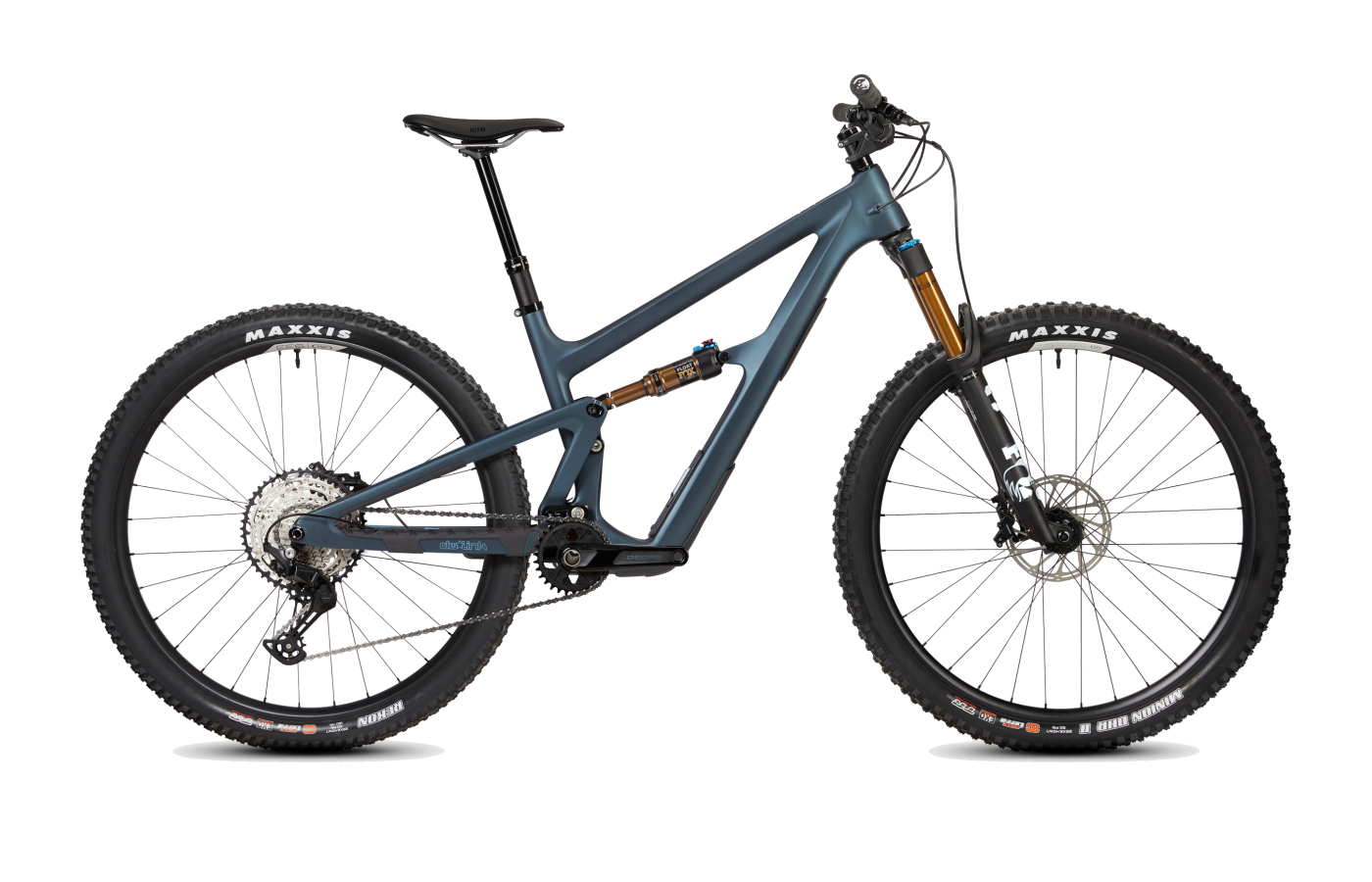
Ripley
The Ibis Ripley brings the same DW-Link efficiency as the Pivot but in a more balanced, all-rounder package — and the AF aluminum version drops the entry price well below either of these.
Compare →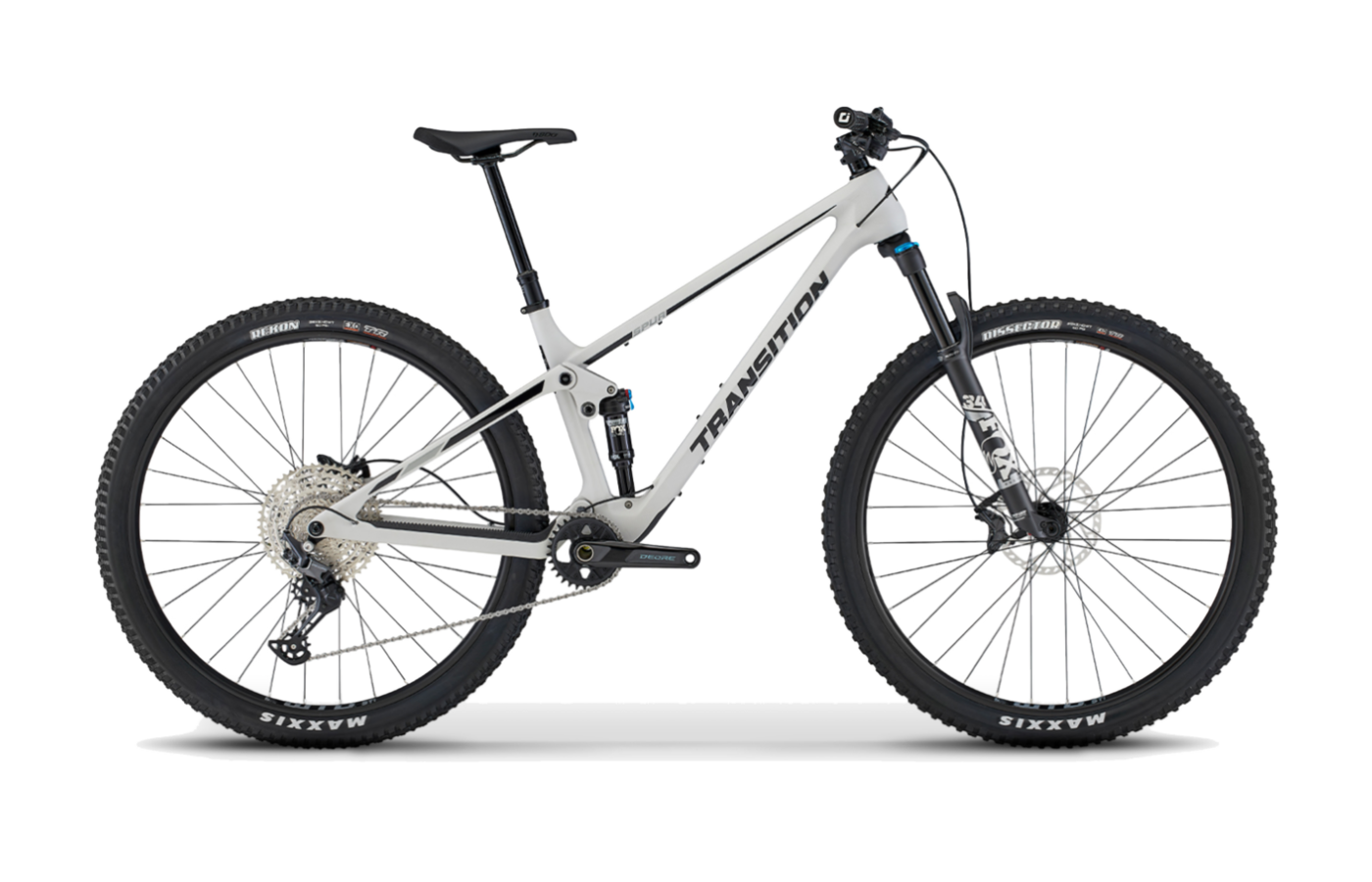
Spur
If the Tallboy feels overbuilt and the Pivot too specialized, the Transition Spur is the genre's lightweight benchmark — a true downcountry rig that earns its speed through grams, not chassis stiffness.
Compare →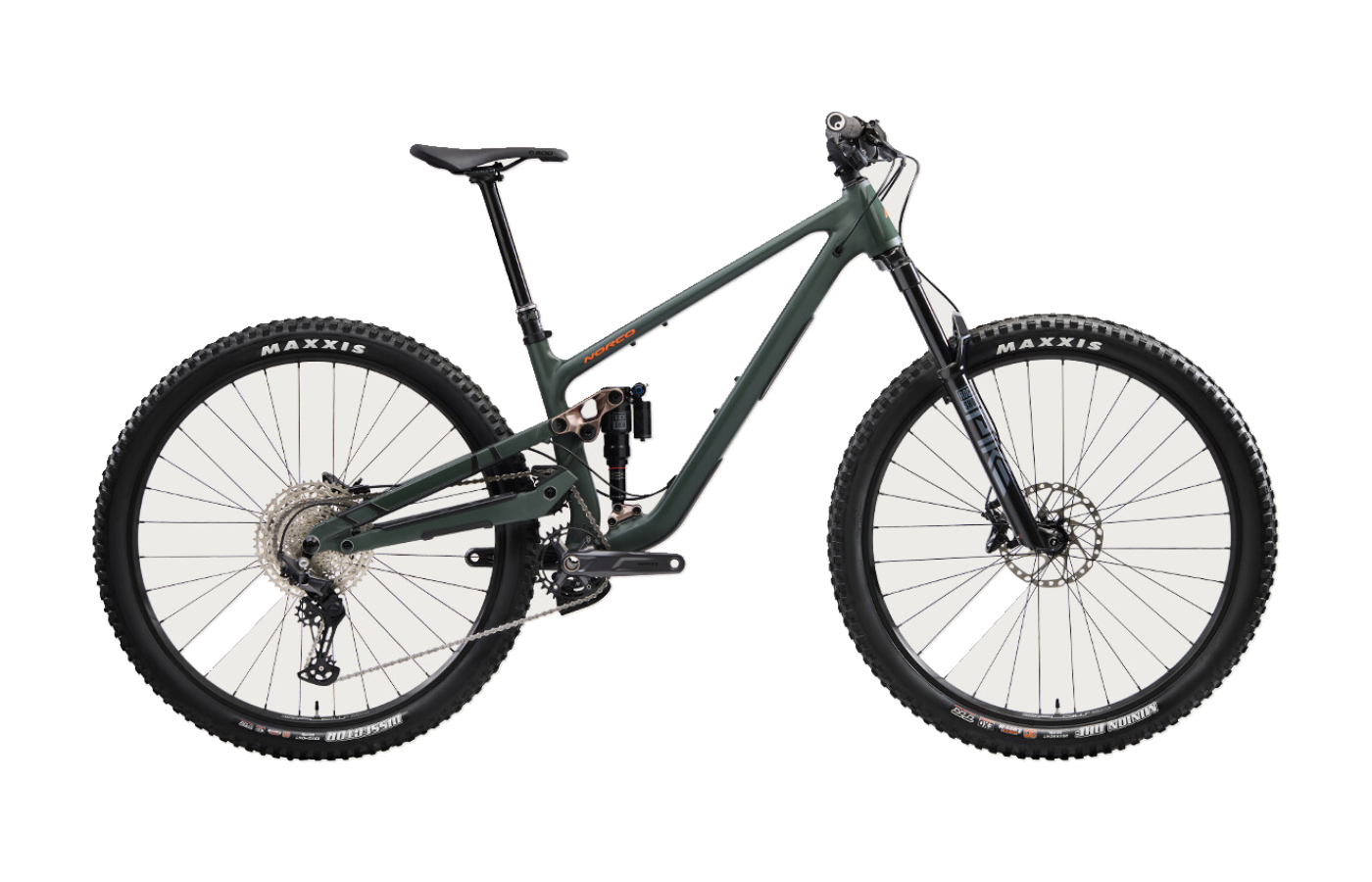
Optic
The Norco Optic uses a high-pivot design to swallow chunk in a way most 120 mm bikes can't — the closest thing to an enduro bike's descending manners in this travel class.
Compare →