Trailcat SL
vsSB120
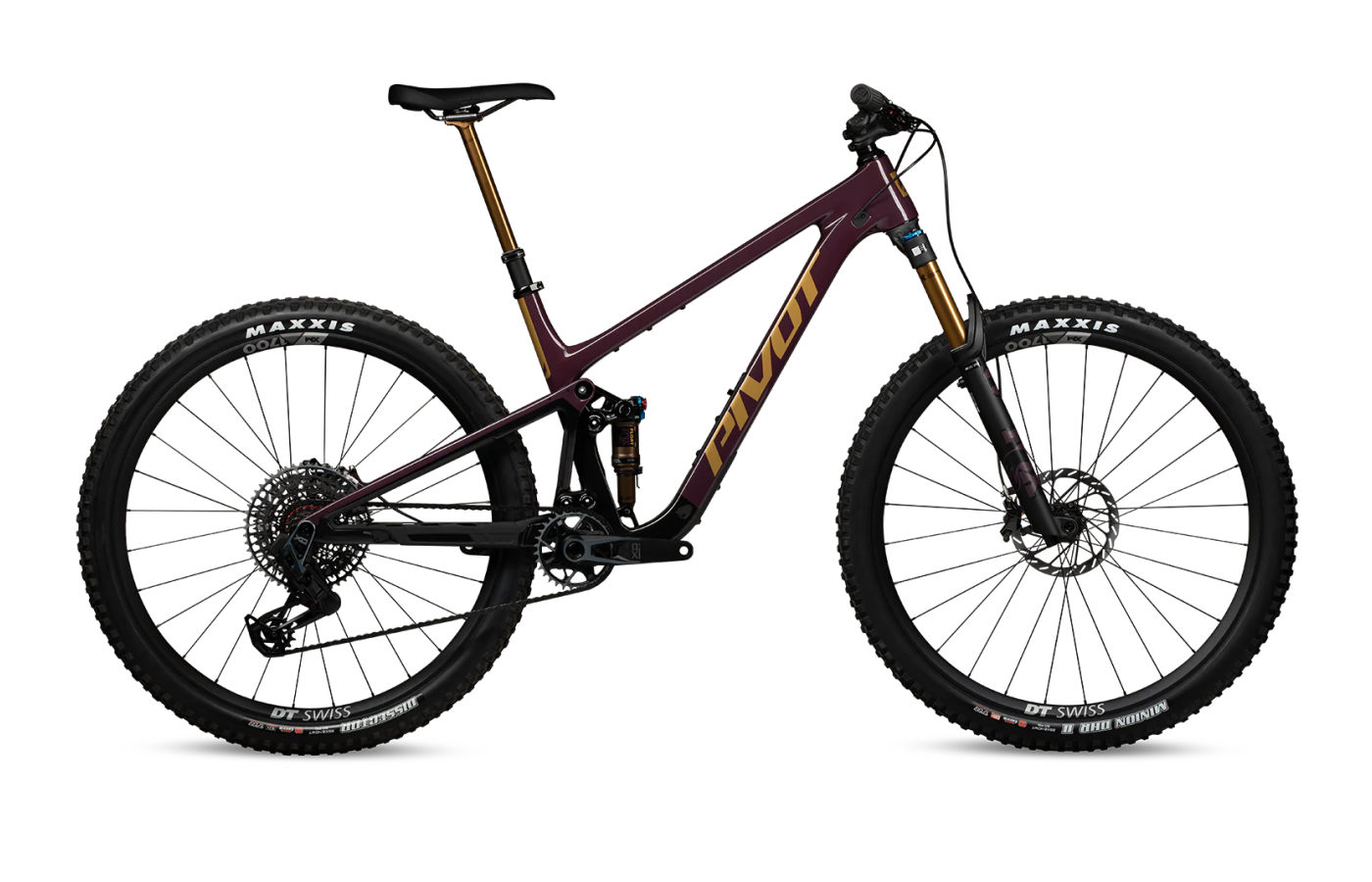
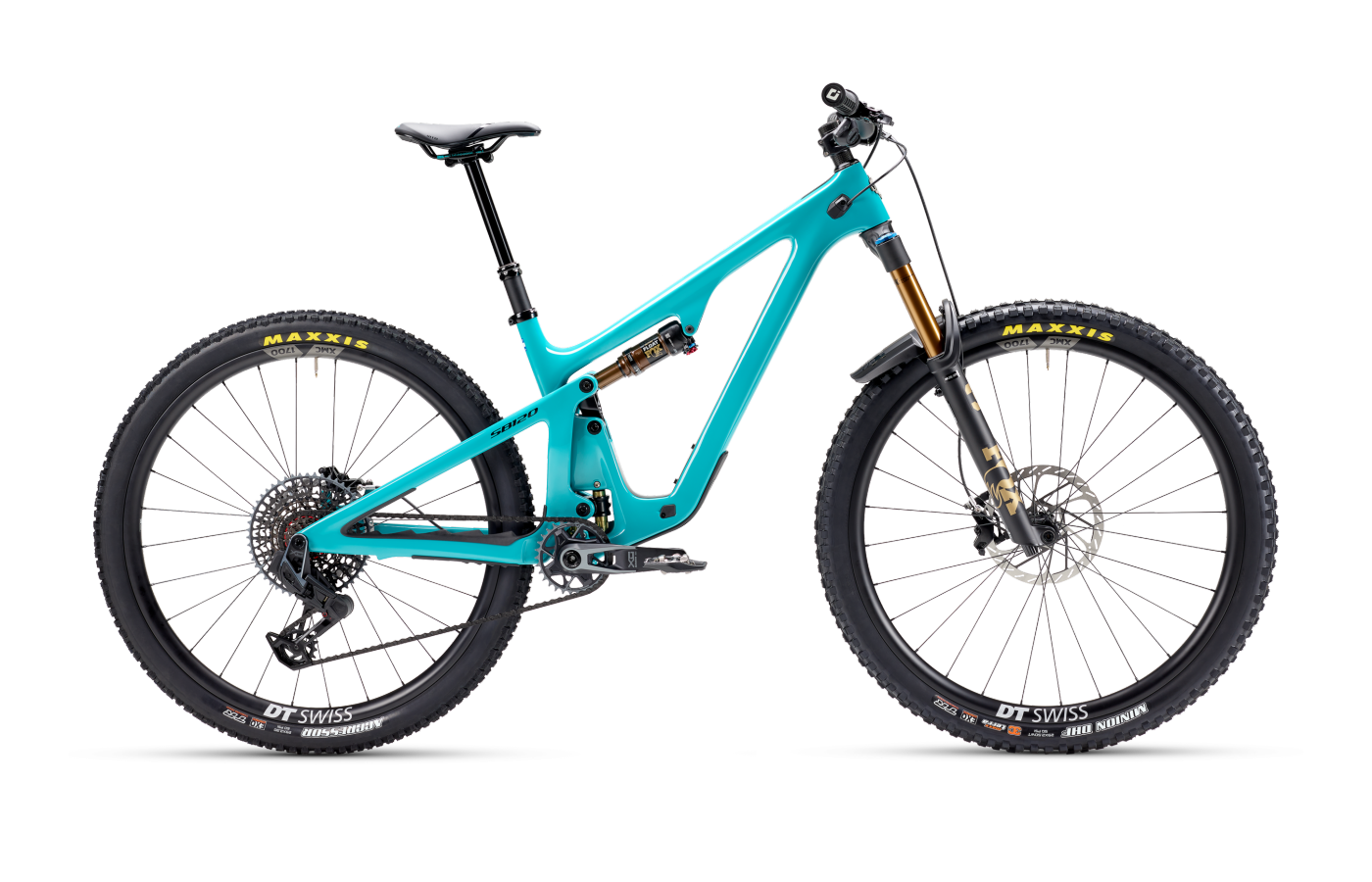
Two short-travel trail bikes, two suspension religions.
120 mm of rear travel on each — but DW-Link's snap-and-pop versus Switch Infinity's planted, sentient calm.
Trailcat SL
- Snappiest pedaling in the segment — DW-Link is firm and pedal-neutral, no lockout required for most riders.
- Genuinely playful handling — short 431 mm chainstays and a flip-chip make it easy to manual, whip, and pump.
- Lighter at the same build tier — Pivot ships a single top-grade carbon layup across all builds, no C-series step-down.
- Stock shock tune runs progressive — heavier or harder-charging riders may want to pull volume spacers.
- Super Boost 157 mm rear hub spacing limits aftermarket wheel options.
SB120
- Rides bigger than its travel — Switch Infinity V2 delivers a deep, plush feel reviewers liken to 130–140 mm bikes.
- Size-specific chainstays — 431.8 mm (XS) up to 442 mm (XL/XXL) keeps weight balance consistent across the range.
- Threaded BSA bottom bracket — a meaningful upgrade from earlier Yetis; co-molded into the carbon for long-term creak resistance.
- Heavier than the Pivot at every comparable build — no hiding the ~29.6 lb T3 weight.
- No in-frame storage and no geometry-adjust flip-chip — Yeti keeps it traditional.
Editor’s analysis
Same travel number, same fork length, same wheel size — and yet almost nothing about how these two bikes ride is the same.
On the spec sheet the Pivot Trailcat SL and Yeti SB120 look like twins: 120 mm rear, 140 mm Fox 36 SL fork up front, 29" wheels, premium carbon, around $9,000 for the X0 Transmission build. Both replaced beloved short-travel platforms (the Trail 429 and SB115 respectively), and both are aimed squarely at the rider who wants one bike for everything from XC marathons to spicy trail laps. The platforms diverge the second you put weight on them.
The Pivot Trailcat SL is the lively one. Pivot's DW-Link is tuned firm and pedal-neutral — reviewers consistently say they rarely reach for the lockout — and the 65.8° head angle paired with 431 mm chainstays (on sizes XS through MD) gives it a flickable, eager character. It snaps out of berms, manuals easily, and rewards an active rider who likes to pump terrain for free speed. The trade-off shows up when things get genuinely rough: the rear end finds its limits sooner, and several testers noted a "stapler" effect from the stock progressive shock tune on bigger repeated hits.
The Yeti SB120 plays a different game. Switch Infinity V2 is the calm, composed counter-argument — described across reviews as "sentient," "silky," and feeling like more travel than the spec sheet claims. The 66.2° head angle is half a degree steeper than the Pivot, the chainstays are size-specific and longer (436.9 mm at size M vs the Pivot's flat 431 mm), and the whole bike sits more planted. It's not as snappy out of the saddle, and at roughly 29–30 lb it's heavier than the Pivot. But on a long, mixed-terrain day it's the bike you finish less tired on.
Put another way: the Pivot wants you to attack the trail. The Yeti wants to glide over it. Both are top-shelf carbon platforms with lifetime frame warranties, and neither makes a wrong choice — but the rider who picks the Trailcat SL on a demo lap is rarely the same one who picks the SB120.
Where the builds differ.
Comparing our editor's-pick builds side-by-side. Winners highlighted row-by-row — lower price and weight, and the better-spec component, each mark a point.
Build variants & pricing
Both platforms span roughly $6.5k to $13k. The Pivot reaches higher at the top with Live Valve Neo electronic suspension; the Yeti caps lower but offers the cheaper C-series carbon entry point.
Editor's picks are tier-matched at SRAM X0 AXS Transmission with Fox Factory 36 SL forks — about $9k each. Note the Yeti's wheelset advantage at this price (carbon XMC1700 vs the Pivot's alloy XM1700); Pivot reserves carbon Reynolds wheels for the $11k+ Team builds.
How they fit, how they steer.
Compared at Pivot SM and Yeti M — the fit-picked sizes for a 5'8" rider on each. The Yeti M runs 17 mm longer in reach, 3 mm taller in stack, and has a 22 mm longer wheelbase; its 0.4° steeper head angle plus 6 mm longer chainstays make it the more planted of the two.
Which size should I buy?
Pivot uses XS–XL; Yeti uses XS–XXL with a half-size denser fit at the top end. Riders between Pivot SM and MD (around 5'8"–5'10") often prefer the longer Yeti M for descending stability.
→These are starting points. Flexibility, riding style, and preferred position all shift the answer — if you’re between sizes, a professional fit beats a chart.
What the magazines said.
Published reviews from trusted cycling outlets. Click through for the full write-up.
Which one should you buy?
If you ride aggressively on flowy or moderately technical trails and want a bike that pops and sprints, get the Trailcat SL. If you ride long, mixed days and want the suspension to do the work, get the SB120.
Trailcat SL
If you ride punchy, twisty trails — the kind where you generate speed by pumping every roller and railing every berm — the Trailcat SL is the more rewarding bike. The DW-Link snap and short chainstays make it feel alive under you, and the flip-chip lets you sharpen it further for XC days.
SB120
If your days are long and the terrain is varied — backcountry loops, tech climbs, mixed descents — the SB120 finishes them with more in the tank. Switch Infinity's plush, traction-rich feel reduces fatigue on rough sections, and the size-specific chainstays keep the handling balanced whether you're on an XS or XXL.
Questions buyers actually ask.
Short answers to the things we get emailed about most often.
01Which bike climbs better?
It depends on the climb. On smooth fire roads and long, sustained efforts, the Pivot Trailcat SL is the lighter, snappier choice — its DW-Link is firm under power and reviewers note they "rarely reach for the lockout." Pivot also publishes a forward-biased seat geometry that keeps the front wheel planted on steep grades.
On technical, traction-limited climbs the Yeti SB120 is the standout — its Switch Infinity stays active enough to grip over roots and rocks while still resisting bob. Reviewers repeatedly call it a "mountain goat" on chunky ascents.
02Which is more capable on rough descents?
The Yeti SB120, by a small but consistent margin. Switch Infinity V2's smoothly-linear ramp makes the 120 mm of rear travel feel more like 130–140 mm on bigger hits, and the slightly longer wheelbase (1,193 mm vs 1,172 mm at the compared sizes) settles things at speed.
The Pivot Trailcat SL is more agile — better at picking lines, better at popping off features — but several reviewers noted the stock progressive shock tune can hit a wall on repeated big impacts unless you remove a volume spacer. For pure descending capability at 120 mm, the SB120 has the edge; for fun-per-foot on moderate trails, the Trailcat wins.
03What's the head angle difference and does it matter?
Pivot Trailcat SL: 65.8° (in the standard "Lo" flip-chip setting; 66.1° in "Hi").
Yeti SB120: 66.2°.
It's a 0.4° gap — small on paper, but consistent with the bikes' personalities. The Pivot's slightly slacker front end contributes to its confidence on steeper terrain; the Yeti's slightly steeper angle keeps the steering precise and quick at low speed. Neither is a slack enduro bike — both expect an active pilot when things get truly steep.
04Why are the chainstays so different?
The Pivot Trailcat SL runs 431 mm chainstays on sizes XS through MD, growing to 432 mm (LG) and 434 mm (XL) — short and consistent, prioritizing a flickable, easy-to-manual feel.
The Yeti SB120 uses fully size-specific chainstays: 431.8 mm (XS), 434.3 mm (S), 436.9 mm (M), 439.4 mm (L), and 442 mm (XL/XXL). This is Yeti's deliberate effort to keep weight distribution and handling consistent across the entire size range — taller riders aren't stuck with a short rear end that feels twitchy under them.
Neither approach is wrong. Pivot picks playful; Yeti picks balanced.
05How do the two suspension platforms differ in practice?
DW-Link (Pivot): A short-link four-bar system with high anti-squat at sag, tuned for firm pedaling response. The bike feels direct and pedal-neutral, but the rear travel is more progressive — fast-rolling small bumps disappear, but big square-edged hits demand active rider input. Many testers run 0–1 volume spacers stock and pull one out.
Switch Infinity V2 (Yeti): A translating-pivot design where a Kashima-coated slider changes the pivot location through travel. Anti-squat stays high at sag for efficient climbing, then drops as the bike sits deeper, so the suspension stays supple over rough sections. Maintenance is a real consideration — Yeti recommends greasing the SI sliders every 40–75 hours of riding via external ports.
06Are the warranties comparable?
Yes — both come with a lifetime frame warranty to the original owner. Pivot extends that to the suspension pivot bearings as well (for bikes registered within 3 months of purchase, post-Jan 2024). Yeti's lifetime warranty also covers the Switch Infinity link. Both brands offer crash-replacement programs at reduced cost if you damage a frame in a wreck.
07What about wheel and bottom bracket standards?
Pivot uses Super Boost 157 mm rear hub spacing and a PF92 press-fit bottom bracket. Pivot defends both with stiffness-and-tolerance arguments, but it does limit aftermarket wheel options and rules out using a standard 148 mm Boost rear wheel from another bike.
Yeti uses standard 148 mm Boost rear spacing and a threaded BSA bottom bracket co-molded into the carbon — friendlier for both servicing and wheel-swapping. If you already own Boost wheels or hate press-fit BBs, the Yeti is the easier choice.
08Which has better in-frame storage?
Only the Pivot has it. The Trailcat SL includes a downtube "Tool Shed" compartment with a fully waterproof closure — reviewers praise the seal but note the opening is smaller than competitors' (Specialized's SWAT, for instance), so bulky items can be a tight fit. The SB120 has no in-frame storage; Yeti opted to keep the frame traditional.
Similar bikes
If your priorities don’t map cleanly onto either of these, one of these adjacent bikes probably fits better.
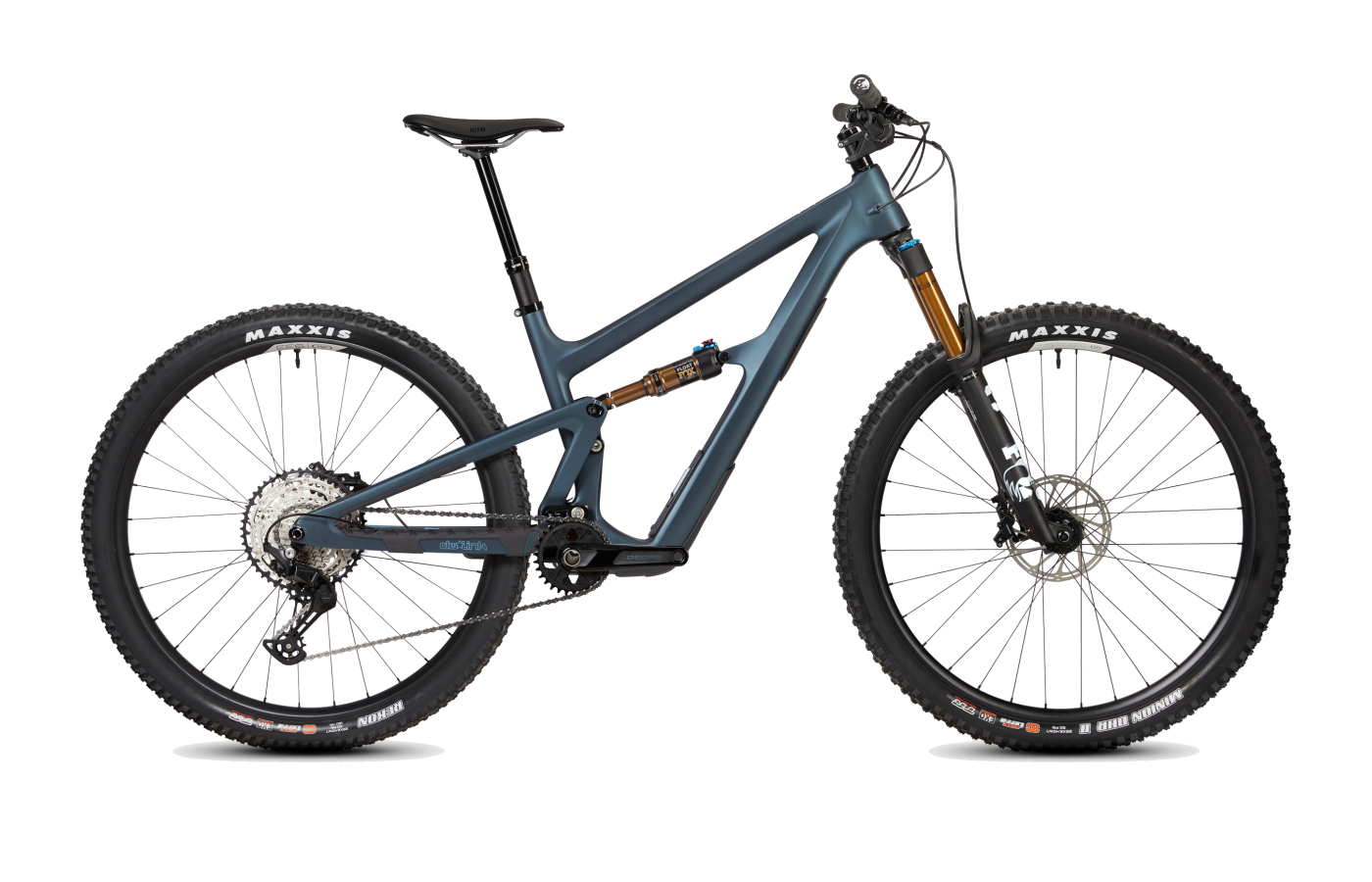
Ripley
Same DW-Link family as the Pivot but with a longer-leaning geometry and a more forgiving rear-end progression. The closest direct competitor to the Trailcat SL on suspension feel, often at a friendlier price.
Compare →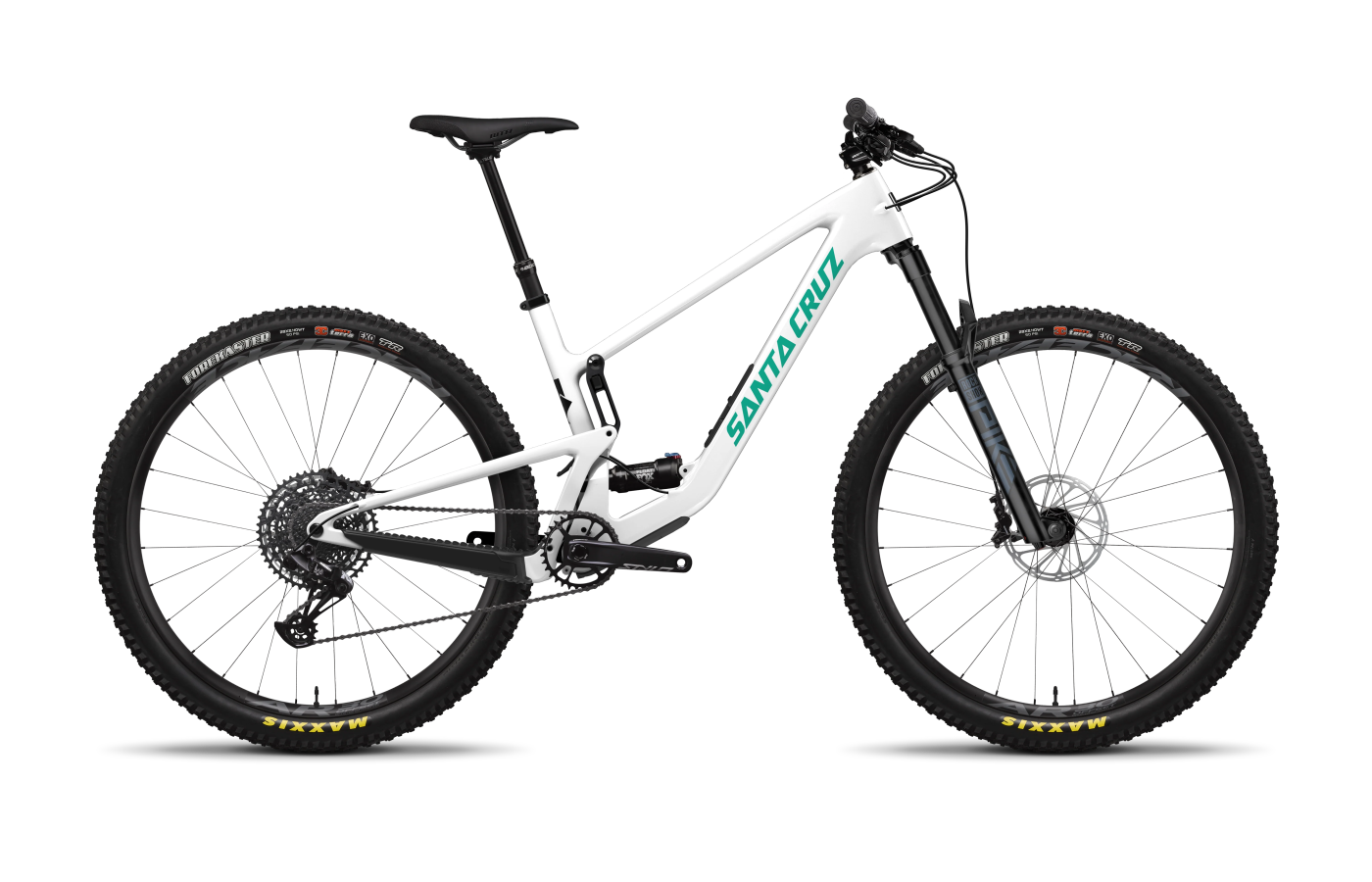
Tallboy
Santa Cruz's 120 mm trail platform — the middle ground between these two. More planted than the Pivot, lighter and snappier than the Yeti, with VPP suspension that splits the difference.
Compare →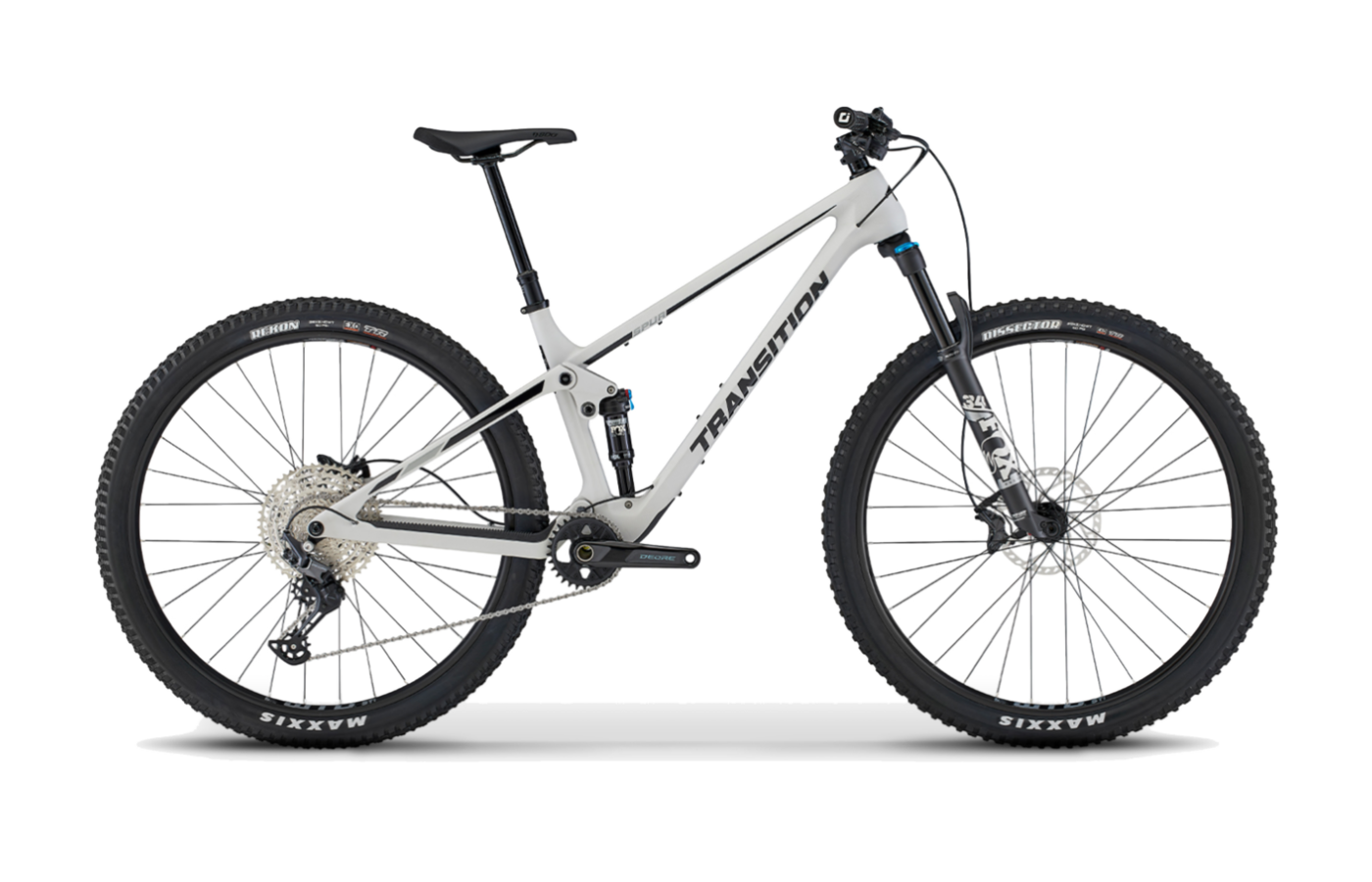
Spur
The lightweight downcountry play. Roughly two pounds lighter than either bike here and built for riders who'd rather go up faster than send harder — the choice if your descents are short and your climbs are long.
Compare →